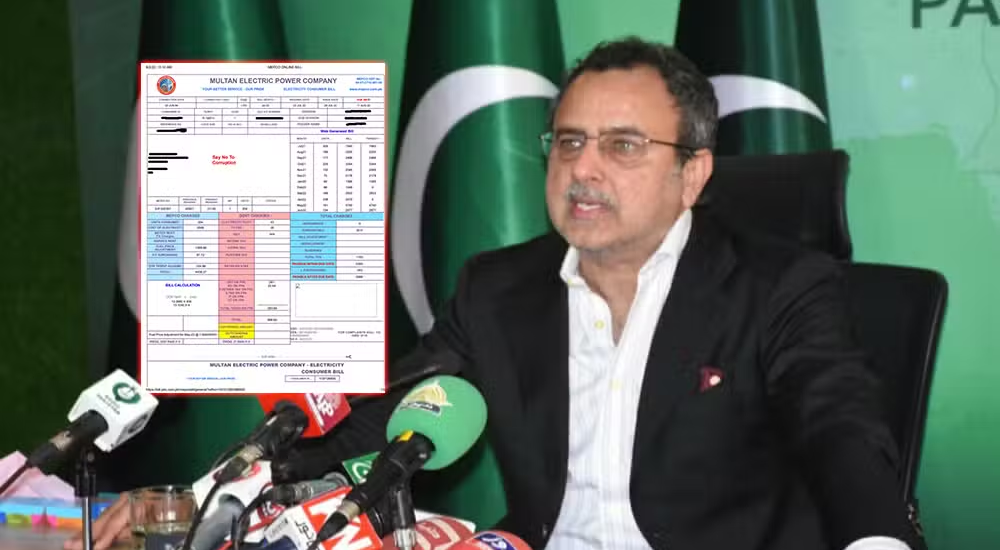
Govt Claims Timely Action Prevented Major Electricity Price Hike During US-Iran Conflict
Pakistan’s Ministry of Energy (Power Division) has claimed that strategic planning and timely interventions helped protect electricity consumers from a major increase in power tariffs during the recent US-Iran conflict.
According to an official statement issued on Monday, the government’s energy management strategy prevented an estimated electricity price hike of Rs. 5 to Rs. 6 per unit in June 2026. The ministry stated that coordinated decision-making, effective load management, and fuel planning played a key role in avoiding additional financial pressure on consumers.
The Power Division explained that a quarterly tariff adjustment for the first quarter of 2026, covering January to March, is expected to provide relief of Rs. 1.93 per unit for the next three months. Officials estimated that this adjustment would translate into a total consumer benefit of nearly Rs. 65 billion.
However, the ministry also noted that the monthly fuel cost adjustment for April 2026 reflected an increase of Rs. 1.73 per unit. This increase partially offsets the quarterly relief, resulting in only a minor overall variation in electricity bills for consumers compared to the January-May period.
Officials further claimed that without government intervention, the fuel adjustment alone could have pushed electricity prices significantly higher. The ministry estimated that consumers would have faced an additional burden of around Rs. 38 billion in April if corrective measures had not been introduced in time.
The statement comes at a time when electricity prices remain a major concern for households and businesses across Pakistan. Rising fuel costs, inflation, and economic uncertainty have increased pressure on consumers already struggling with utility expenses.
The government has repeatedly highlighted energy sector reforms and administrative measures as part of its broader effort to stabilize electricity tariffs. While consumers may not witness a major reduction in bills, the Power Division insists that maintaining current rates amid global uncertainty is itself a significant achievement.
Energy experts, however, continue to stress the importance of long-term structural reforms in Pakistan’s power sector. Analysts argue that sustainable solutions, including investment in renewable energy, reduction in transmission losses, and improved circular debt management, remain essential for lasting relief.
As regional tensions continue to impact global fuel markets, electricity pricing is expected to remain a closely watched issue in Pakistan over the coming months.
