Karachi Grapples with Rising Traffic Accidents: A Growing Concern for Authorities

Increasing Road Fatalities

Karachi has witnessed a worrying increase in road accidents, leading to numerous fatalities and injuries. From reckless driving to poor infrastructure, multiple factors contribute to this growing crisis.

Major Causes of Traffic Accidents

  • Over-Speeding & Reckless Driving
    Many accidents occur due to drivers exceeding speed limits, particularly on highways and main roads. Reckless maneuvers and lack of road discipline further escalate risks.
  • Unregulated Heavy Vehicles
    The presence of large dumper trucks and heavy vehicles on city roads has led to several deadly crashes. Despite the recent ban on their movement during peak hours, many still operate illegally.
  • Poor Road Conditions
    Potholes, broken roads, and missing traffic signals contribute to accidents. Many roads lack proper signage, making it difficult for drivers to navigate safely.
  • Lack of Traffic Law Enforcement
    Many motorists disregard basic traffic rules due to weak enforcement. The absence of strict penalties encourages violations such as signal jumping, wrong-way driving, and seatbelt non-compliance.

Authorities’ Response

In light of the rising incidents, the Karachi Traffic Police have announced stricter measures, including:

  • Increased patrolling at accident-prone areas
  • Implementation of higher fines for traffic violations
  • Mandatory helmet enforcement for motorcyclists
  • Introduction of the Vehicle Inspection & Certification System (VICS) to ensure roadworthiness

Public Awareness & Road Safety Measures

The Sindh government has also launched awareness campaigns, urging citizens to follow traffic rules. Additionally, authorities are working on infrastructure improvements, including road repairs and better traffic signal management.

The Way Forward

Experts suggest that a combination of stricter enforcement, improved road conditions, and better public transport options could help reduce accidents. Until then, Karachiites remain at risk every time they step onto the city’s chaotic roads.

Pakistan’s Sugar Exports to Afghanistan Skyrocket by 4,332%

In an unprecedented development, Pakistan’s sugar exports to Afghanistan have surged by a staggering 4,332% during the first seven months of the current fiscal year.

Dramatic Increase in Export Figures

Between July 2024 and January 2025, Pakistan exported sugar worth $262.7 million to Afghanistan, a monumental rise from the mere $5.9 million recorded during the same period in the previous year. This surge has positioned sugar as the leading export commodity from Pakistan to its neighboring country.

Government Policies Fueling the Surge

The Pakistani government’s decision to permit the export of 750,000 metric tonnes of sugar between June and October 2024 played a pivotal role in this export boom. In October 2024 alone, an additional 500,000 metric tonnes were approved for export, further amplifying the trade volume.

Impact on Domestic Sugar Prices

Concurrently, domestic sugar prices in Pakistan have experienced a significant uptick. Over the past ten weeks, the average price has escalated by Rs21.26 per kilogram, reaching Rs153.11 per kg. In certain regions, prices have soared as high as Rs160 per kg, compared to an average of Rs131.85 per kg a decade ago.

Broader Trade Relations Between Pakistan and Afghanistan

The overall trade dynamics between Pakistan and Afghanistan have also witnessed positive trends. Total exports from Pakistan to Afghanistan increased by 52%, amounting to $753.8 million in the first half of the current fiscal year, up from $495.2 million during the same timeframe in the previous year.

Government Measures to Stabilize Domestic Market

In response to the escalating domestic sugar prices, the Pakistani government has implemented measures to stabilize the market. These include setting the retail price of sugar at Rs145.15 per kilogram and closely monitoring price movements to prevent unwarranted hikes. The government has also cautioned that sugar exports will be halted if domestic prices exceed the established threshold.

The exponential increase in sugar exports to Afghanistan underscores the evolving trade relationship between the two nations. However, it also highlights the challenges Pakistan faces in balancing export growth with domestic market stability. Continuous monitoring and adaptive policies will be essential to ensure that the benefits of increased exports do not come at the expense of local consumers.

Karachi Mayor Eliminates Parking Fees at KMC-Managed Sites

In a move aimed at providing relief to citizens, Karachi Mayor Barrister Murtaza Wahab has announced the abolition of parking fees at all Karachi Metropolitan Corporation (KMC) managed sites.

Financial Stability Enables Fee Waiver

Highlighting KMC’s improved financial standing, with over Rs 2 billion in its account, Mayor Wahab stated that the corporation no longer requires the Rs 40 to 50 million generated annually from parking fees. This financial stability has allowed the KMC to prioritize public convenience over revenue generation.

Scope of the Decision

The waiver applies to 46 parking sites located on 106 main roads across Karachi. However, parking fees will continue to be collected in 25 towns and six cantonment board areas, which fall outside KMC’s direct jurisdiction.

Enforcement and Legal Action

An official notification will be issued to formalize the removal of parking fees. Mayor Wahab has warned that strict legal action will be taken against individuals or entities found illegally collecting parking fees under KMC’s name. Citizens are encouraged to report any such unauthorized activities to the authorities.

Public Reception

The decision has been met with widespread approval from Karachi residents, who view it as a positive step towards reducing daily expenses and improving urban mobility. The move is expected to ease the financial burden on citizens and promote greater accessibility within the city.

Karachi’s New Directive: Daytime Ban on Dumpers to Curb Fatal Accidents

In a decisive move to enhance road safety, the Sindh government has imposed a daytime ban on dumper trucks entering Karachi, effective immediately.

The Decision

Prompted by a surge in fatal road accidents involving heavy vehicles, authorities have restricted dumper trucks from operating within city limits between 6 AM and 11 PM. This measure aims to mitigate the risk posed by these large vehicles during peak traffic hours.

Implementation Strategy

The decision was formalized during a high-level meeting chaired by Sindh Chief Secretary Asif Haider Shah, following directives from the Chief Minister. Key officials, including the Karachi Commissioner, Additional IG Karachi, Secretary Transport, and DIG Traffic, were present to outline the enforcement plan. The Sindh Solid Waste Management Board (SSWMB) has been instructed to transition its operations to nighttime within the next three months to align with the new regulations.

Vehicle Verification and Compliance

A comprehensive verification process for all heavy vehicles and their drivers will be initiated to ensure compliance with safety standards. Commercial vehicles are now required to obtain a certified QR code from the transport department for identification purposes. Additionally, the Water Board has been directed to regulate its water tanker operations, and motorcyclists are mandated to wear helmets, with traffic police intensifying enforcement of traffic laws.

Public Awareness and Penalties

To raise awareness about the new regulations, the Sindh Information Department will launch a media campaign focusing on traffic rules and safety. Fines for traffic violations will be increased fourfold, and stricter actions, including the registration of FIRs against reckless drivers, will be implemented to ensure adherence to the new directives.

Future Initiatives

The government has also approved the launch of the Vehicle Inspection and Certification System (VICS) across the province. The transport department has been tasked with expediting its implementation to ensure that only roadworthy vehicles operate on the streets, thereby enhancing overall road safety.

Tragic Loss: FIA Confirms 16 Pakistani Lives Lost in Libya Boat Disaster

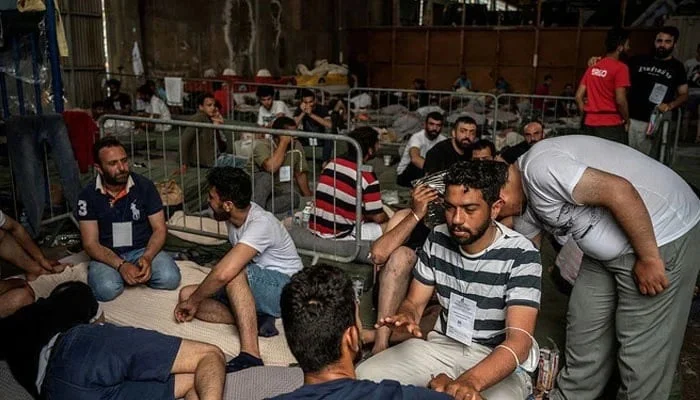
In a heart-wrenching incident, the Federal Investigation Agency (FIA) has confirmed the deaths of 16 Pakistani nationals in a recent boat tragedy off the coast of Libya.

The Incident

The ill-fated vessel, carrying migrants seeking better opportunities, capsized near the Libyan coast. Among the passengers were 16 Pakistanis who tragically lost their lives in the disaster. The FIA, in collaboration with international agencies, has been working diligently to identify and repatriate the bodies of the deceased.

Human Trafficking Concerns

This tragedy underscores the persistent issue of human trafficking and the dangers associated with illegal migration. Desperate for improved living conditions, many individuals fall prey to traffickers who exploit their vulnerabilities, often leading to fatal outcomes.

Government’s Response

In response to the incident, Pakistani authorities have intensified their efforts to combat human trafficking networks. The FIA has initiated a series of operations targeting traffickers responsible for facilitating such perilous journeys. Additionally, awareness campaigns are being launched to educate citizens about the risks of illegal migration and the importance of following legal channels for overseas employment.

Community Impact

The loss has sent shockwaves through the victims’ communities, particularly in regions known for high migration rates. Families are mourning the untimely deaths of their loved ones, highlighting the need for economic opportunities within the country to deter citizens from seeking risky alternatives abroad.

International Collaboration

Pakistan is collaborating with international organizations to ensure the safe return of the deceased and to dismantle human trafficking networks operating across borders. This incident serves as a grim reminder of the perils associated with irregular migration and the urgent need for comprehensive strategies to address the root causes driving individuals towards such dangerous paths.

Karachi Colleges Mandated to Cease Cash Fee Collections

Directive Issued

The Directorate of Colleges Education for the Karachi Region has officially prohibited all colleges in the city from accepting cash payments from students. This directive aims to enhance financial transparency and reduce the risk of misappropriation of funds.

Background Incident

This decision follows a recent incident where a superintendent at the Government Degree College for Women Nazimabad absconded after allegedly embezzling over Rs900,000 collected as examination fees from 81 female students. The principal has lodged an FIR, and investigations are ongoing.

Implementation Measures

Colleges are now required to implement non-cash payment methods, such as bank transfers or digital payment systems, to collect fees. This move is expected to create a more secure and accountable financial environment within educational institutions.

Impact on Stakeholders

Students and parents are advised to familiarize themselves with the new payment procedures to ensure timely fee submissions. Educational institutions are also encouraged to provide clear guidelines and support to facilitate this transition.

Related Developments

In a related context, the University of Karachi is grappling with a significant financial crisis, with unpaid fees amounting to Rs. 2.1 billion over the past four years. This situation highlights the broader challenges faced by educational institutions in fee collection and financial management.

PSB Suspends Pakistan Weightlifting Federation Amid Doping Allegations

The Pakistan Sports Board (PSB) has taken decisive action by suspending the Pakistan Weightlifting Federation (PWF) following allegations of irregularities, corrupt practices, and doping offenses under the leadership of Hafiz Imran Butt. This move underscores PSB’s commitment to maintaining integrity and transparency in national sports.

Background

The suspension comes in the wake of concerns that the PWF’s alleged malpractices have led to Pakistan being placed on the World Anti-Doping Agency’s (WADA) watchlist. Historically, weightlifting in Pakistan has faced scrutiny due to inadequate testing protocols, resulting in severe sanctions from international governing bodies.

Interim Management

In response to the suspension, the PSB has established an interim committee to oversee the federation’s operations. Brigadier (R) Zahid Iqbal has been appointed as the chair, with Colonel (R) Dr. Hafiz Zafar Iqbal and Nuzhat Jabeen serving as members. This committee is tasked with restoring the federation’s credibility and ensuring compliance with international standards.

Implications for Athletes

While the leadership faces suspension, athletes competing under the PWF banner are expected to continue their training and participation in events. The PSB has yet to issue specific directives to these athletes but emphasizes the importance of adhering to anti-doping regulations to prevent further sanctions.

Historical Context

This is not the first instance of the PSB enforcing suspensions due to doping violations. In the past, several athletes have faced bans for failing doping tests, reflecting the board’s ongoing efforts to uphold fair play in sports.

Lahore’s Traffic Management Plan for Upcoming Tri-Nation Cricket Series

Event Overview

Lahore is set to host a highly anticipated tri-nation cricket series, featuring teams from Pakistan, New Zealand, and South Africa. The matches are scheduled to commence at 2:30 PM IST, with one exception starting at 10:00 AM IST.

Traffic Management Strategy

To ensure smooth traffic flow during the series, Lahore’s Traffic Police have implemented a comprehensive plan. Key routes leading to the stadium will have designated parking areas, and alternative routes have been established to minimize congestion.

Public Advisory

Residents and attendees are advised to plan their travel accordingly, considering possible delays. Utilizing public transportation is encouraged to reduce traffic volume. Real-time traffic updates will be provided through official channels to assist commuters.

Security Measures

Enhanced security protocols will be in place around the stadium and key city areas. Citizens are urged to cooperate with law enforcement agencies and report any suspicious activities to ensure a safe environment for all.

The proactive traffic management plan aims to facilitate a seamless experience for cricket fans and Lahore residents during the tri-nation series. Public cooperation and adherence to the guidelines will be crucial for its success.

Government Revokes Employment Quota for Deceased Employees’ Families

Policy Withdrawal

The federal government has officially withdrawn the policy that offered government jobs to family members of employees who pass away during service. This move marks a significant shift in employment practices within the public sector.

Background and Legal Context

The decision aligns with a Supreme Court ruling that declared such quotas unconstitutional, emphasizing the need for merit-based recruitment. The court highlighted that allocating jobs without advertisement or open competition violates constitutional principles.

Implications for Affected Families

While the policy aimed to provide financial support to families of deceased employees, its removal underscores a commitment to fairness and equal opportunity in public service employment. Families affected by this change may need to seek alternative support mechanisms.

Transition to Merit-Based Hiring

The abolition of the quota system reflects a broader governmental shift towards merit-based hiring practices. This approach seeks to ensure that public sector positions are filled by the most qualified candidates, promoting efficiency and integrity within government institutions.

The government’s decision to end the job quota for families of deceased employees signifies a move towards upholding constitutional values and enhancing meritocracy in public sector employment. While it may present challenges for affected families, it reinforces the principle of equal opportunity for all citizens.

Apple’s Upcoming iPhone SE 4: Premium Features at a Budget-Friendly Price

Anticipated Launch and Pricing

Apple is gearing up to unveil the iPhone SE 4, its latest addition to the budget-friendly lineup, on February 11, 2025. The device is expected to hit stores by the end of the month. Priced around $500, the iPhone SE 4 offers a more affordable alternative to the higher-end models, making advanced technology accessible to a broader audience.

Design and Display

The iPhone SE 4 boasts a modern design reminiscent of the iPhone 14. It features a 6.1-inch edge-to-edge OLED display, providing vibrant colors and sharp visuals. The traditional Home Button has been replaced with Face ID, enhancing security and offering a seamless user experience.

Performance and Hardware

Under the hood, the iPhone SE 4 is powered by Apple’s latest A18 processor, built on a three-nanometer architecture. This chip ensures swift performance and efficient multitasking. Complementing the processor is 8GB of RAM, facilitating smooth operation of applications and advanced features.

Camera Capabilities

Equipped with a single 48MP rear camera, the iPhone SE 4 delivers high-resolution photography. Advanced image processing capabilities enhance photo quality, ensuring crisp and detailed images in various lighting conditions.

Connectivity and Battery Life

The device supports 5G connectivity, ensuring faster internet speeds and improved network reliability. A 3,279 mAh battery powers the iPhone SE 4, offering substantial usage time to keep up with daily demands.

Regulatory Compliance

In line with new EU regulations, the iPhone SE 4 features a USB-C charging port, marking a shift from Apple’s traditional Lightning connector. This change aims to standardize charging methods and enhance compatibility across devices.

The iPhone SE 4 represents Apple’s commitment to delivering high-quality devices at accessible price points. With its blend of modern design, robust performance, and advanced features, it is poised to be a compelling choice for consumers seeking value without compromising on quality.

5 Key Facts About the International Criminal Court (ICC) You Should Know

The ICC is the most important court to prosecute the world’s most heinous crimes. It was formed in 2002 and sits in The Hague, Netherlands, and investigates crimes of war, genocide, crimes against humanity, and crimes of aggression.

This court has its challenges, which include limited jurisdiction, enforcement problems, and political pushback. Here’s everything you need to know about the International Criminal Court (ICC) and how it impacts global justice.

5 Must-Know Things About the International Criminal Court

1) Not All Countries Recognize the ICC’s Authority

    Although 125 countries have ratified the Rome Statute that established the jurisdiction of the ICC, major global powers such as the United States, Russia, China, Israel, and Myanmar have not.

    It makes the court limited in its jurisdiction, as crimes committed by such non-member state nationals cannot be prosecuted unless it is committed in the territory of a member state or a country that has expressed its willingness to accept the jurisdiction of the ICC.

    The Security Council of the United Nations may also refer cases to the ICC, such as those regarding Libya and Sudan’s Darfur province.

    2) A Slow but Steady Conviction Record

      Since its inception, the ICC has only successfully convicted 11 persons, all from Africa. These include Thomas Lubanga, Germain Katanga, and Bosco Ntaganda from the Democratic Republic of Congo, with Ntaganda receiving the longest sentence at 30 years.

      The most recently convicted member was Malian jihadist Al Hassan in November 2024, sentenced to 10 years in prison. Such cases take an average of years to reach a verdict due to the complexity involved in gathering evidence and prosecuting high-profile figures.

      3) Prominent Arrest Warrants and Obstacles

        To date, the ICC has issued more than 60 warrants of arrest, of which only 21 have been enforced. Some prominent figures among those wanted by the ICC are:

        Vladimir Putin is suspected of war crimes over the forced deportation of Ukrainian children due to Russia’s invasion in 2022. However, an ICC member Mongolia hosted Putin in 2024 without enforcing the warrant.

        Benjamin Netanyahu & Yoav Gallant – The ICC issued arrest warrants for Israel’s Prime Minister and his former defence minister in November 2024.

        Mohammed Deif – The Hamas military chief was also on the ICC’s wanted list before his death was confirmed in January 2025.

        Seif al-Islam Kadhafi – The son of former Libyan leader Moamer Kadhafi has evaded ICC prosecution for over a decade on war crimes charges.

        4) Political Controversies and Setbacks

          The ICC has faced several high-profile setbacks. Cases against Kenyan President Uhuru Kenyatta and his deputy William Ruto collapsed due to insufficient evidence. The court also came under fire when former Democratic Republic of Congo Vice President Jean-Pierre Bemba and Ivory Coast’s ex-President Laurent Gbagbo were acquitted.

          Another example is the case of the former President of Sudan, Omar al-Bashir, who for more than ten years has been wanted for genocide and crimes against humanity in Darfur; he remains at liberty even after being detained by Sudanese authorities in 2019.

          5) Conflict with the United States

            Washington took a firm response to the alleged war crimes that U.S. forces have been accused of by the ICC. In 2020, President Donald Trump ordered sanctions against the officials at the ICC. There is still ongoing tension after President Joe Biden revoked those sanctions in 2021.

            This year, in 2025, the ICC issued an arrest warrant against the Taliban’s Supreme Leader Hibatullah Akhundzada and Afghan Supreme Court President Abdul Hakim Haqqani on charges of the persecution of women, putting even more spotlight on its activities across the globe.

            The ICC still faces quite a number of challenges, from political opponents to enforcement-related issues. On the other hand, its position in international crime matters is substantial. It continues to investigate world leaders and keep arrest warrants ready. But its success depends on how much the countries are willing to respect its rulings.

            Also, see:

            Is brown bread healthy or do we have healthier options?

            American Woman’s Quest for Love in Pakistan Ends in Unforeseen Challenges

            Online Romance Leads to Unexpected Trials in Karachi

            In a tale that underscores the complexities of modern digital relationships, 33-year-old American citizen Onijah Andrew Robinson traveled to Karachi, Pakistan, in October 2024 to meet 19-year-old Nidal Ahmed Memon, whom she had connected with online. The relationship, initiated through social media, faced significant hurdles upon her arrival.

            A Journey Fueled by Love

            Robinson’s decision to leave her home in New York was driven by her affection for Memon. However, upon reaching Karachi, she encountered unforeseen challenges. Memon’s family opposed the union, leading to his withdrawal from the relationship and leaving Robinson in a precarious situation.

            Stranded in a Foreign Land

            With her tourist visa expiring and lacking the means to return home, Robinson found herself stranded. She spent several days at Jinnah International Airport in Karachi, during which local authorities and NGOs attempted to assist her. Despite efforts to facilitate her return to the United States, Robinson expressed a desire to remain in Pakistan, even requesting financial support and citizenship.

            Public and Media Attention

            Robinson’s situation attracted significant media coverage and public interest. Her refusal to leave Pakistan and the subsequent demands she made became topics of widespread discussion, highlighting the cultural and legal complexities that can arise from international online relationships.

            A Cautionary Tale

            This incident serves as a reminder of the potential pitfalls of online romances, especially those that cross international borders. It underscores the importance of thorough understanding and careful consideration before making life-altering decisions based on virtual connections.

            Pakistan’s 14-Year-Old Climate Advocate Shines at COP29

            Young Activist from Balochistan Champions Youth Inclusion in Climate Action

            In a remarkable display of youth leadership, 14-year-old Zunaira Qayyum from Balochistan has emerged as a prominent voice at the 29th Conference of the Parties (COP29) held in Baku, Azerbaijan. As a UNICEF Climate Champion and award-winning researcher, Zunaira’s participation underscores the critical role of young advocates in global climate discourse.

            A Voice from Balochistan

            Hailing from Hub district in Balochistan, Zunaira has overcome significant cultural barriers to educate herself and other girls about climate change. Her dedication to environmental advocacy has not only brought attention to the pressing issues faced by her community but has also highlighted the importance of youth involvement in climate action.

            Advocacy at COP29

            At Pakistan’s COP29 Pavilion event titled “Green Skills: What Do Young People Want?”, Zunaira articulated the aspirations of the younger generation. She emphasized the need for climate education, access to renewable energy, clean drinking water, and active participation in decision-making processes. Her initiative to introduce climate education in her school serves as a powerful example of youth-led action.

            Global Recognition

            Zunaira’s efforts have not gone unnoticed. Her participation at COP29 as the youngest delegate has captured international attention, showcasing the potential of young leaders to drive meaningful change. Her story is a testament to the impact that determined youth can have on global platforms.

            A Call for Inclusive Climate Policies

            Zunaira’s journey underscores the necessity of including young voices in climate policy discussions. Her advocacy highlights the intersection of education, gender equality, and environmental sustainability, calling for policies that empower youth and address the unique challenges faced by vulnerable communities.

            Protests Erupt in Khuzdar Over Alleged Abduction of Woman

            Community Outrage and Demands for Justice in Balochistan

            In the district of Khuzdar, Balochistan, widespread protests have erupted following the alleged abduction of a local woman. The incident has ignited public outrage, with demonstrators demanding immediate action and accountability.

            The Incident

            According to local reports, security forces conducted raids in the Zehri area of Khuzdar, resulting in the enforced disappearance of several individuals, including a woman. The exact circumstances surrounding the abduction remain unclear, fueling speculation and concern within the community.

            Public Response

            In response to the alleged abduction, residents of Khuzdar and surrounding areas have organized protests to voice their dissent:

            • Sit-Ins and Roadblocks: Protesters have staged sit-ins and blocked major highways, including the Quetta-Karachi National Highway, disrupting transportation and daily activities.
            • Shutter-Down Strikes: Local businesses have observed strikes, closing shops and markets to express solidarity with the victim’s family and to protest against the alleged abduction.

            Demands of the Protesters

            Government and Law Enforcement Reaction

            Local authorities have acknowledged the incident and stated that investigations are underway. Law enforcement agencies have been mobilized to ascertain the facts surrounding the alleged abduction and to ensure the safety of the community.

            Pakistan Football Faces Extended FIFA Suspension

            Analyzing the Implications of FIFA’s Decision on Pakistan’s Football Landscape

            In a significant setback for the nation’s football community, FIFA has announced the suspension of the Pakistan Football Federation (PFF) due to governance issues. This suspension bars Pakistan from participating in international football activities, casting a shadow over the sport’s future in the country.

            reuters.com

            Reasons Behind the Suspension

            FIFA’s decision stems from the PFF’s failure to adopt a revised constitution that ensures fair and democratic elections. This move is seen as a violation of FIFA’s statutes, which mandate member associations to operate without third-party interference.

            Historical Context

            This is not the first time Pakistan has faced such sanctions. The PFF was previously suspended in 2017 and 2021 due to similar governance issues. Although the last ban was lifted in June 2022, the recurrence of administrative challenges has led to the current suspension.

            Impact on Domestic Football

            The suspension has far-reaching implications for football in Pakistan:

            • International Isolation: The national team is barred from participating in international matches and tournaments, hindering player development and exposure.
            • Developmental Stagnation: Access to FIFA development programs and funding is halted, affecting grassroots initiatives and infrastructure projects.

            Path to Reinstatement

            FIFA has outlined specific conditions for lifting the suspension:

            • Constitutional Approval: The PFF Congress must approve the version of the constitution presented by FIFA and the Asian Football Confederation (AFC).
            • Democratic Elections: The PFF must conduct elections that are free from third-party interference, ensuring a transparent leadership selection process.

            Community Response

            The suspension has elicited a strong response from the football community in Pakistan. Stakeholders are calling for immediate reforms within the PFF to align with international standards and restore the country’s standing in the global football arena.

            Conclusion

            The prolonged FIFA suspension serves as a critical juncture for Pakistan’s football administration. Addressing the underlying governance issues is essential to reintegrate into the international football community and foster the sport’s growth domestically.

            Pakistan’s Mobile Phone Manufacturing Soars to 31.4 Million Units in 2024

            An In-Depth Look at the Surge in Local Mobile Production

            In a remarkable turn of events, Pakistan’s mobile phone manufacturing sector has witnessed unprecedented growth in 2024. The country’s local assembling plants have produced a staggering 31.4 million mobile phones this year, marking a significant milestone in the nation’s technological advancement.

            A Surge in Local Production

            The Pakistan Telecommunication Authority (PTA) reports that local manufacturing and assembly plants produced 17.34 million mobile handsets in the first half of 2024 alone. This surge is a testament to the country’s burgeoning capabilities in the tech industry.

            profit.pakistantoday.com.pk

            Factors Fueling the Growth

            Several key factors have contributed to this impressive rise in local mobile phone production:

            • Government Policies: The implementation of favorable policies has encouraged international mobile companies to establish assembly plants in Pakistan. propakistani.pk
            • Economic Recovery: A gradual economic recovery has bolstered consumer demand, leading to increased production.
            • Import Restrictions: Previous import restrictions have shifted the focus towards local manufacturing, reducing reliance on imported devices.

            Meeting Domestic Demand

            Remarkably, Pakistan now fulfills 95% of its mobile phone demand through local manufacturing and assembly. This shift not only reduces the country’s dependence on imports but also saves significant foreign exchange.

            propakistani.pk

            Diverse Production Portfolio

            The locally assembled mobile phones comprise both smartphones and 2G feature phones, catering to a wide range of consumer preferences. This diversity ensures that various segments of the population have access to mobile technology.

            Challenges and Future Outlook

            Despite the impressive growth, the industry faces challenges such as the recent imposition of an 18% sales tax on all mobile phones, which could impact future demand. However, with continued government support and strategic planning, Pakistan’s mobile phone manufacturing sector is poised for sustained growth.

            The year 2024 has been a landmark one for Pakistan’s mobile phone industry. With 31.4 million units produced, the country has not only met domestic demand but also set the stage for potential exports in the future. This achievement underscores Pakistan’s growing prowess in technology and manufacturing.

            ‘We will rebuild our restaurants,’ – Palestinians in Gaza respond to Trump’s Gaza deportation order

            In the ruins of the Israeli army’s protracted campaign, Palestinians in Gaza have stuck to their vision of a home built according to their will. Rejecting a divisive proposal from U.S. President Donald Trump to turn Gaza into an upscale resort city controlled by Americans, residents of the seaside town assert that the coastal city is theirs, and theirs alone.

            Despite the devastation, Gaza’s once-vibrant Mediterranean tourism sector, which survived for years under blockade and conflict, is ready for a strong revival. Assad Abu Haseira, a local restaurant owner, is one of those who refuses to accept foreign interference in the future of Gaza. Standing among the rubble of his business, he promised to reopen even before reconstruction is done.

            Palestinians in Gaza not willing to leave their historical land

            “There is nothing that cannot be repaired,” he declared. “They destroyed our restaurants, but we will rebuild them. Gaza’s history is Arab, and no foreign power will rewrite it.”

            Resilience extends to the seafront, where entrepreneurs are already mapping out plans for the revival of their businesses. Mohammed Abu Haseira, another restaurateur, wondered why the city needs to be rebuilt.

            “They are destroying us, but they will not defeat us,” said Mohammed Abu Haseira, a restaurateur.

            Why tear down what was already there, just to build something under someone else’s vision?” he asked. “Our businesses flourished despite these challenges, and they will thrive again-on our terms.

            Before the latest bout of destruction, Gaza’s beaches were lined with restaurants and cafés that were a testament to the resilience in adversity. Even after Hamas gained control of the territory in 2007, the Mediterranean shore had remained at the heart of local life – offering a rare respite to the residents amidst the blockade.

            Trump’s plan, which eerily mirrors a previous plan by his son-in-law, Jared Kushner, has been condemned around the world. Critics argue that any effort to displace Gaza’s population and redevelop the land under foreign control would be ethnic cleansing and a brazen violation of international law.

            For Palestinians, these proposals evoke memories of the Nakba—the “catastrophe” of 1948, when the establishment of Israel dislodged 700,000 Palestinians. Giving up their homeland is out of the question.

            “We will not leave,” declared Assad Abu Haseira. “Our land, our sea, and our history are not for sale.

            As the dust settles, one message is clear: Gaza will rise again—not as an artificial paradise for foreign investors, but as a testament to Palestinian resilience and sovereignty.

            Also, see:

            Trump orders Israeli military to prepare Gaza residents for deportation

            February 9 to mark end of winter in Karachi, temperatures expected to rise

            Karachi, the port city that is always abuzz, will witness a mild change in its weather pattern as temperatures are expected to rise a bit from February 9. The Pakistan Meteorological Department (PMD) has forecast the end of winter in Karachi and a gradual increase in the mercury, providing some relief from the cold spell that has gripped the city for some time now.

            Currently, Karachi’s weather remains cold and dry, with the minimum temperature recorded at 12°C. Tonight, the temperature is expected to hover between 12°C and 14°C, while the daytime high is predicted to reach 29°C. Northeastern winds are blowing at a gentle 8 km/h, and the humidity level stands at a crisp 26%.

            End of winter in Karachi while other cities to remain cold

            According to the PMD forecast, this warming trend is expected to prevail over the city, thus leaving a visible contrast with the overall cold weather that has been witnessed. However, the rest of the country is expected to face predominantly cold and dry weather during the next 12 hours with very cold nights in the hills.

            In other parts of Pakistan, temperatures this morning were quite varied: in Islamabad, it was chilly with 4°C; in Lahore, 11°C; in Peshawar and Quetta, 6°C and 0°C, respectively; Gilgit a mere 1°C; Murree 2°C; Muzaffarabad 5°C.

            The weather remains harsh in Indian Illegally Occupied Jammu and Kashmir. Srinagar recorded a freezing -2°C, while Leh plunged to a bone-chilling -16°C. Other areas, including Jammu, Pulwama, Anantnag, Shopian, and Baramula also reported sub-zero or near-freezing temperatures, partly under cloudy conditions.

            The slight warming that Karachi will face can only require citizens to check up on any change in weather patterns. Outdoor enthusiasts and families can prepare to look forward to some pleasant time amidst the gloom of the city’s winter.

            Also, see:

            Champions Trophy 2025 Tickets Now Open for Sale

            Concerns Over Freedom of Expression Following Amendments to Pakistan’s Cybercrime Law

            Debate Intensifies Over Legislative Changes

            Recent amendments to Pakistan’s cybercrime legislation have sparked significant concern among journalists, human rights organizations, and digital rights advocates. Critics argue that these changes may further restrict freedom of expression and suppress dissenting voices.

            Key Amendments and Their Implications

            • Expanded Definitions: The amendments broaden the scope of punishable offenses to include the dissemination of “false or fake information,” with penalties of up to three years in prison and substantial fines.
            • Establishment of Regulatory Bodies: The law proposes the creation of new authorities with extensive powers to regulate online content, raising concerns about potential overreach and censorship.

            Response from Civil Society

            A coalition of media and human rights organizations has pledged to challenge the amendments in court, asserting that they infringe upon constitutional rights to free speech. Protests and calls for dialogue with the government have intensified as stakeholders seek to protect democratic freedoms.

            Pakistan’s recent amendments to its cybercrime laws (PECA) have drawn criticism for potentially stifling free speech. Journalists, human rights groups, and digital rights advocates worry the changes could be used to silence dissent. A key concern is the criminalization of “fake or false” information, defined vaguely and carrying harsh penalties.

            Critics argue this could easily target journalists and others critical of the government, leading to self-censorship and less investigative reporting. The amendments raise broader questions about freedom of expression in Pakistan and whether the country is meeting international human rights standards regarding speech. The changes have ignited debate and are seen by many as a threat to online expression and a free press.

            Legal Developments Surrounding PTI’s Planned Rally at Minar-e-Pakistan

            Judicial Directives and Political Mobilization

            The Lahore High Court (LHC) has directed the Deputy Commissioner (DC) to make a prompt decision regarding the Pakistan Tehreek-e-Insaf (PTI) party’s request to hold a rally at Minar-e-Pakistan on February 8. This directive comes amid heightened political activities in the region.

            Key Judicial Instructions

            • Expedited Decision-Making: The LHC has emphasized the need for the DC to assess the application swiftly, considering all legal and administrative aspects, to facilitate the democratic process.
            • Balancing Rights and Order: The court highlighted the importance of balancing the right to assembly with public order and safety considerations, guiding the DC to make an informed decision.

            Implications for Political Gatherings

            This development underscores the judiciary’s role in facilitating political engagement while ensuring adherence to legal frameworks. The decision on PTI’s rally is anticipated to set a precedent for future political events in the area.

            • The LHC’s directive comes amid a period of heightened political activity in Pakistan, with various parties gearing up for upcoming elections. The decision on PTI’s rally could have significant political implications.
            • Security concerns: The DC’s decision will likely take into account security concerns, especially given the history of political rallies in Pakistan and potential risks of violence or disruption.
            • Freedom of assembly: The case also touches upon the issue of freedom of assembly, a fundamental right of citizens to hold peaceful protests and gatherings. The court’s directive emphasizes the importance of balancing this right with security considerations.
            • Potential outcomes: The DC could grant permission for the rally, potentially with conditions regarding location, time, and security arrangements. Alternatively, the DC could deny permission, citing security concerns or other reasons. PTI could then challenge this decision in court.
            • Public interest: The decision will be closely watched by the public, with different opinions on whether the rally should be allowed. Some may see it as a legitimate exercise of political expression, while others may worry about potential disruptions or violence.