Justice Mansoor Ali Shah Advocates for Judicial Appointment Reforms

December 21, 2024

Background

Justice Mansoor Ali Shah of Pakistan’s Supreme Court has called for a comprehensive review of the process for appointing judges, emphasizing the need for transparency and meritocracy to uphold judicial independence.

Key Concerns

Justice Shah highlighted several issues within the current appointment system:

  • Lack of Transparency: The existing process lacks openness, leading to questions about the criteria for selecting judges.
  • Merit-Based Selection: Emphasizing the importance of appointing judges solely on merit, Justice Shah stated, “The appointment process has to be state of the art.”
  • External Interference: He stressed the necessity of insulating the judiciary from external influences, asserting, “There can be no external interference in our affairs.”

Proposed Reforms

To address these concerns, Justice Shah proposed several reforms:

  • Enhanced Supreme Judicial Council (SJC): Strengthening the SJC to effectively address issues of incompetence and corruption within the judiciary.
  • Adoption of Technology: Incorporating technology and artificial intelligence to streamline judicial processes and improve efficiency.
  • Alternative Dispute Resolution (ADR): Promoting ADR mechanisms to reduce the burden on courts and provide expeditious justice.

Gender Representation

Justice Shah also underscored the need for greater gender representation in the judiciary, noting that women bring valuable perspectives that can enrich jurisprudence. He stated, “We have to increase this, we have to take special steps towards this.”

Justice Mansoor Ali Shah’s advocacy for reforms reflects a commitment to strengthening Pakistan’s judicial system. Implementing these changes could enhance public trust and ensure the judiciary operates independently and efficiently.

Karachi Residents Relieved as Water Supply Restored

Background

After days of severe water shortages, Karachi’s residents are experiencing relief as the city’s water supply has been successfully restored. The disruption had caused significant inconvenience, affecting daily life and business operations across the metropolis.

Restoration Efforts

The Karachi Water and Sewerage Board (KWSB) worked tirelessly to identify and rectify the issues causing the disruption. Their efforts included repairing damaged pipelines and addressing technical faults at pumping stations. A KWSB official stated, “Our teams have been working around the clock to ensure that water supply is restored to all affected areas.”

Impact on Residents

The water shortage had forced many residents to rely on alternative sources, such as water tankers and bottled water, leading to increased expenses. Local resident Ayesha Khan expressed her relief, saying, “It’s a huge relief to have running water again. The past few days have been very challenging for my family.”

Preventive Measures

To prevent future disruptions, KWSB has announced plans to upgrade the city’s aging water infrastructure. These plans include replacing old pipelines and implementing advanced monitoring systems to detect and address issues promptly. The board has also urged citizens to use water responsibly and report any leaks or illegal connections.

The restoration of Karachi’s water supply has brought much-needed relief to its residents. With the KWSB’s commitment to improving infrastructure and the community’s cooperation, the city aims to ensure a more reliable water supply in the future.

US Withdraws Bounty on Syria’s New Leader Following Damascus Talks

December 21, 2024

Background

In a significant diplomatic development, the United States has rescinded a $10 million bounty on Syria’s new de facto leader, Ahmed al-Sharaa, formerly known as Abu Mohammed al-Jolani. This decision followed a groundbreaking meeting between U.S. diplomats and al-Sharaa in Damascus, marking the first formal engagement since the early years of Syria’s civil conflict.

Details of the Meeting

The U.S. delegation, led by Barbara Leaf, Washington’s top diplomat for the Middle East, engaged in discussions with al-Sharaa, who now leads the Islamist group Hayat Tahrir al-Sham (HTS). Despite HTS’s designation as a terrorist organization due to its roots in Al-Qaeda’s Syria branch, the group has sought to moderate its image in recent years.

Leaf emphasized the importance of an inclusive political process in Syria, stating, “We fully support a Syrian-led and Syrian-owned political process that results in an inclusive and representative government which respects the rights of all Syrians, including women, and Syria’s diverse ethnic and religious communities.”

Implications

The U.S. decision to lift the bounty is seen as a strategic move to facilitate dialogue and assess HTS’s commitment to combating terrorism and promoting political inclusivity. Leaf noted, “We will be looking for progress on these principles and actions, not just words.”

This development comes amid a rapidly changing political landscape in Syria, following the overthrow of President Bashar al-Assad on December 8 by HTS-led forces. The international community remains cautious, balancing the opportunity for engagement with concerns over HTS’s historical affiliations and the future governance of Syria.

Next Steps

The U.S. has indicated that future relations will depend on HTS’s actions, particularly regarding counter-terrorism efforts and the establishment of an inclusive government. The situation remains fluid, with regional and global powers closely monitoring developments in Syria’s political transition.

Bitcoins Are Great But Here Are 3 Best Altcoins to Buy in 2025

The cryptocurrency market is abuzz with activity following the landmark introduction of Bitcoin spot ETFs earlier this year. These ETFs, which have driven Bitcoin’s massive price surge, have also sparked curiosity about what’s next for altcoins. If Bitcoin and Ethereum have already gone away with ETFs, then Solana, XRP, and Cardano are gaining attention as possible investment vehicles. Here’s why these may be the best altcoins to buy in 2024 onwards.

3 Best Altcoins to Buy

Solana: The Ethereum Challenger

Solana has been making waves in the crypto world. Having blazing speed, low cost of transaction, and a groundbreaking ecosystem, it is sometimes called a potential Ethereum killer. In 2023, Solana returned more than 900% and it keeps shining, climbing by more than 90% this year.

The momentum behind Solana extends beyond price gains. Among other countries, Brazil and some European nations have given regulatory approval to Solana ETFs, a clear sign of the growing excitement it has generated in the institutional investor community. If the U.S. Securities and Exchange Commission (SEC) approves a spot ETF for Solana in 2025, its valuation could skyrocket, making it one of the best altcoins to invest in for explosive growth.

Notably, prominent investors like Cathie Wood have expressed confidence in Solana’s potential. Strong and rapidly expanding ecosystem and a history of bouncing back, Solana is well-positioned to lead the altcoin charge.

XRP: Riding the Pro-Crypto Wave

Since late 2023, XRP has been climbing on the back of hopes for a crypto-friendly climate under the current US administration. The value of the token is up by as much as 145% already in 2019(so far) due to its association with a regulatory breakthrough.

The speculation about a spot ETF is one of the main drivers of XRP’s increase. Investment firms have put applications in, and XRP is already on the market (ETPs) with a life in Europe. Combined with easing regulatory hurdles, this positions XRP as one of the best altcoins to invest in for long-term growth.

Furthermore, XRP’s application in cross-border payments and its already robust network makes it more than an ETF narrative. If the SEC is allowed to drop its charges against Ripple in 2025, XRP may experience an even more dramatic surge.

Cardano: A Steady Contender

Although not as popular as Solana or XRP, Cardano has quietly created a solid base. Cardano is widely recognized as a long-term investment due to its emphasis on scalability, sustainability, and academic rigor.

Cardano’s price has risen 55% in 2017 and just passed the $1 level. Although it may not equal Bitcoin or Solana’s price rise, Cardano’s strong developer community and smart contract capacity give it a place in the market.

Interest in a spot ETF for Cardano is also soaring. Analysts hypothesize that if approved, Cardano may nearly triple in value, rising to its all-time high of $3. That is why it is a good alternative for investors looking for consistent, long-term, high-return altcoins to put money in.

Which Altcoin Should You Pick?

Looking at Solana, XRP, and Cardano, Solana seems to have the highest potential upside, right now. Its early adoption, regulatory push, and effective technology are its unique competitive advantages. Nevertheless, XRP and Cardano also make strong arguments especially if regulatory conditions are favorable to their continuation.

There is always a risk investing in altcoins, but the returns may be very high. Getting the next cryptocurrency to receive spot ETF approval, in fact, has the potential to deliver fabulous value. As before, deep research and a balanced strategy are the only way forward when opportunities such as these are possible.

Also, see:

Top 5 benefits of eating dates

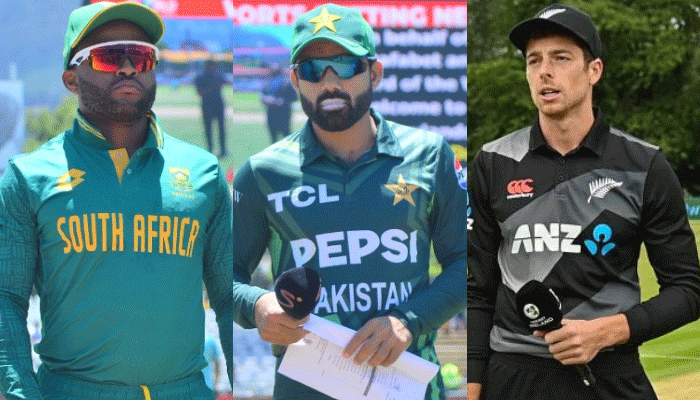
Shaheen’s Four-Fer, Kamran Ghulam’s Fifty Help Pakistan Seal South Africa ODI Series

Pakistan’s Triumph in ODI Cricket

In a thrilling encounter, Pakistan secured a historic series win against South Africa in the third and final ODI, thanks to Shaheen Shah Afridi’s phenomenal bowling performance and Kamran Ghulam’s crucial half-century. This victory solidifies Pakistan’s position in international cricket, showcasing their depth and resilience in both batting and bowling departments.

Shaheen Afridi’s Bowling Masterclass

Shaheen Afridi once again proved why he is regarded as one of the best bowlers in modern cricket. Afridi claimed four key wickets, dismantling South Africa’s top and middle order with pace, swing, and precision. His ability to bowl in pressure situations made the difference, ensuring Pakistan maintained control during critical moments of the match. Afridi’s spell, particularly during the powerplay, set the tone for the game.

  • Key Stats: Shaheen Afridi’s figures: 4/32 in 9 overs.
  • Highlight: A stunning delivery that knocked over South Africa’s captain, leaving the crowd in awe.

Kamran Ghulam Anchors the Chase

Kamran Ghulam, making the most of his opportunity, played a pivotal role in stabilizing Pakistan’s innings. His well-crafted 54 runs off 67 balls provided the foundation for a successful chase. Ghulam’s innings was a mix of aggression and composure, highlighting his potential to be a reliable asset for Pakistan in the middle order.

  • Notable Partnerships: Ghulam’s partnership with Mohammad Rizwan ensured Pakistan recovered after losing early wickets.
  • Technique on Display: Ghulam displayed exceptional footwork against both pace and spin.

Match Highlights

  • South Africa’s Innings: Despite a spirited start, South Africa managed to post a modest total of 221, largely due to Pakistan’s disciplined bowling.
  • Pakistan’s Chase: The chase wasn’t without challenges, as South African bowlers struck early, but Pakistan’s middle-order resilience saw them through with five wickets to spare.

Next Steps for Pakistan Cricket

With this ODI series victory, Pakistan has gained momentum heading into future tournaments. The team’s performance has boosted confidence among players and fans alike, reaffirming Pakistan’s standing as a formidable side in international cricket.

KP CM Gandapur Decides to Supply Wheat at Lower Rates in Kurram

Government Initiative

Khyber Pakhtunkhwa Chief Minister Ali Amin Gandapur has announced a decision to provide wheat to residents of Kurram at subsidized rates. This initiative aims to alleviate the economic burden on the local population by offering wheat at Rs2,800 per 40 kg, directly from government warehouses.

Implementation Strategy

The decision follows a request from the Deputy Commissioner of Kurram, who advocated for direct distribution to citizens instead of routing through flour mills. The provincial food department and district administration have been directed to implement this subsidy promptly, ensuring that the benefits reach the intended recipients without delay.

Expected Impact on Local Population

This measure is anticipated to provide significant relief to the residents of Kurram, particularly in the context of rising food prices and economic challenges. By reducing the cost of a staple commodity, the government aims to enhance food security and support the livelihoods of those in the region.

Israel’s Deprivation of Water in Gaza is Act of Genocide: HRW

Human Rights Watch Report

Human Rights Watch (HRW) has released a comprehensive report accusing Israeli authorities of committing acts of genocide by deliberately depriving Palestinians in Gaza of access to clean water. The report asserts that such actions have led to thousands of Palestinian deaths due to malnutrition, dehydration, and disease, constituting crimes against humanity under international law.

Key Findings

HRW’s investigation highlights a systematic pattern of behavior by Israeli authorities, including:

  • Destruction of Water Infrastructure: Targeted attacks on water facilities, rendering them inoperable.
  • Obstruction of Humanitarian Aid: Blocking the delivery of essential supplies needed to repair and maintain water systems.
  • Reduction of Water Supply: Significantly decreasing the flow of water to Gaza, with per capita availability dropping from 83 liters to as low as two liters per day.

International Response

The report has elicited strong reactions from the international community. While HRW calls for accountability and urges the International Criminal Court to investigate these actions as potential genocidal acts, Israeli officials have denied the allegations, asserting compliance with international law and attributing the humanitarian crisis to the actions of Hamas.

Humanitarian Impact

The deprivation of water has exacerbated the humanitarian crisis in Gaza, leading to severe health issues among the population. Medical organizations, including Doctors Without Borders, have corroborated HRW’s findings, noting the catastrophic impact on public health and the healthcare system’s capacity to respond to the crisis.

Rangers Personnel Succumbs to Injuries from Violent Nov 24 Protest

Incident Overview

A Pakistan Rangers personnel, Lance Naik Muhammad Tanveer, who sustained critical injuries during a violent protest by Pakistan Tehreek-e-Insaf (PTI) supporters on November 24, has succumbed to his injuries. The incident occurred within the jurisdiction of Tarnol Police Station in Islamabad, where protesters allegedly opened fire, resulting in Tanveer’s injury.

Details of the Incident

During the protest, which was part of a series of demonstrations organized by PTI, clashes between law enforcement agencies and protesters escalated. Lance Naik Tanveer was shot and subsequently admitted to a medical facility in critical condition. Despite medical intervention, he remained in a coma and passed away due to the severity of his injuries.

Official Statements and Reactions

Security sources have confirmed the demise of Lance Naik Tanveer, highlighting the risks faced by law enforcement personnel during civil unrest. The Islamabad Police have acknowledged the incident, emphasizing their commitment to maintaining law and order while ensuring the safety of both citizens and security personnel. The incident has sparked discussions regarding the conduct of protests and the measures necessary to prevent such tragedies in the future.

Implications for Law Enforcement and Public Safety

The death of Lance Naik Tanveer underscores the challenges faced by law enforcement agencies in managing protests that escalate into violence. It raises concerns about the safety protocols in place for security personnel and the strategies employed to de-escalate tensions during public demonstrations. This incident may prompt a review of current practices to enhance the protection of law enforcement officers and civilians alike.

Shah Mehmood Qureshi, CM Gandapur, and Other PTI Leaders Indicted in GHQ Attack Case

Background

In a significant legal development, an anti-terrorism court in Rawalpindi has indicted several prominent leaders of Pakistan Tehreek-e-Insaf (PTI), including Vice Chairman Shah Mehmood Qureshi and Khyber Pakhtunkhwa Chief Minister Ali Amin Gandapur. This indictment pertains to the attack on the General Headquarters (GHQ) in Rawalpindi, which occurred on May 9, 2023, following the arrest of former Prime Minister Imran Khan.

Details of the Indictment

The court has charged a total of 14 individuals in connection with this incident. The accused have been charged under various sections of anti-terrorism laws, reflecting the serious nature of the offenses. The indictment marks a pivotal moment in the ongoing legal proceedings against PTI leaders, who have been under scrutiny since the events of May 9.

Reactions and Implications

The indicted leaders have denied the charges, maintaining their innocence and alleging political victimization. This development has intensified the political climate in Pakistan, with PTI supporters expressing strong reactions. The legal proceedings are expected to have significant implications for the political landscape, especially considering the prominent positions held by the accused within PTI.

Next Steps

The court has scheduled further hearings to proceed with the trial. Legal experts suggest that these proceedings could be protracted, given the high-profile nature of the case and the complexities involved. The outcome of this trial is anticipated to influence the future trajectory of PTI and its leadership.

State Bank of Pakistan Unveils Advanced eCIB System

Introduction of eCIB System (V2)

The State Bank of Pakistan (SBP) has announced the launch of the new Electronic Credit Information Bureau system, eCIB (V2), set to become operational on January 1, 2025. This upgraded system is designed to replace the existing eCIB infrastructure, aligning with technological advancements and international reporting standards.

Enhancements in Credit Reporting

The eCIB (V2) introduces several additions and amendments to the Credit Information Report (CIR), aiming to provide more comprehensive credit data. Financial institutions will now have the capability to generate CIRs for both individual and corporate clients, enhancing the assessment of creditworthiness and risk management.

Alignment with International Standards

Developed to cope with technological advancements, the new system aligns with international practices, ensuring that Pakistan’s credit information infrastructure meets global benchmarks. This alignment is expected to facilitate better integration with international financial systems and improve the country’s financial transparency.

Operational Transition

The SBP has provided data format specifications and guidelines to assist financial institutions in transitioning to the new system. These resources are available on the SBP’s official website, ensuring that stakeholders are well-prepared for the upcoming changes.

Implications for Financial Institutions

With the implementation of eCIB (V2), financial institutions are expected to experience improved efficiency in credit information processing. The enhanced system will support better decision-making in lending practices, contributing to the overall stability and growth of Pakistan’s financial sector.

Foreign Investors Repatriate $807 Million from Pakistan in Four Months

Significant Increase in Profit Repatriation

Foreign investors have repatriated $807.2 million in profits and dividends from Pakistan during the first four months (July-October) of the fiscal year 2024-25 (FY25), marking a 66% increase compared to $485 million in the same period of the previous fiscal year.

Breakdown of Repatriated Funds

  • Foreign Direct Investment (FDI): Returns on FDI surged by 41%, with $772.5 million repatriated during July-October FY25, up from $456 million in the corresponding period of FY24.
  • Foreign Portfolio Investment (FPI): Payments on FPI stood at $34.7 million, an increase from $25.2 million in the same period last year.

Sector-Wise Analysis

The food sector led the outflows, with $186 million repatriated, a significant rise from $68.4 million in the previous fiscal year. The power sector followed, with $115.5 million, and the financial businesses sector accounted for $94.4 million in outflows during the first four months of FY25.

Monthly Repatriation Figures

In October 2024 alone, foreign investors repatriated $413 million, including $401.8 million on account of FDI and $12 million as returns on FPI.

Implications for Pakistan’s Economy

The substantial increase in profit repatriation indicates improved profitability for foreign investors operating in Pakistan. However, it also underscores the need for policies that encourage reinvestment of profits within the country to support sustainable economic growth.

Government’s Stance on Profit Repatriation

Pakistan’s investment policies allow foreign investors to repatriate profits, dividends, or any other funds in the currency of the country from which the investment originated. This policy aims to create a favorable investment climate by ensuring the ease of capital movement for foreign investors.

The rise in profit repatriation reflects the confidence of foreign investors in Pakistan’s market. To maintain this confidence, it is essential for the government to continue implementing investor-friendly policies while promoting economic stability and growth.

For more information on the State Bank of Pakistan’s initiatives, you can watch the following video:

Aleema Khan Predicts Punishment for PTI Founder in £190 Million Case

Aleema Khan’s Statement

Aleema Khan, sister of Pakistan Tehreek-e-Insaf (PTI) founder Imran Khan, has expressed concerns regarding the ongoing £190 million corruption case involving her brother. She criticized the judge’s behavior, suggesting it indicates an impending punishment for Imran Khan.

Case Background

The case pertains to allegations of misuse of state funds, with Imran Khan and his wife, Bushra Bibi, accused of retaining and selling state gifts below market value during his tenure as Prime Minister. Both have pleaded not guilty, asserting that the charges are politically motivated.

Legal Proceedings

An accountability court in Islamabad has reserved its verdict after concluding arguments from both the prosecution and defense. The judgment is scheduled to be announced on December 23, 2024. The case has been under trial for nearly a year, attracting significant public and media attention.

Political Implications

Imran Khan, who has been incarcerated for over a year following his conviction in another case in 2023, faces numerous legal challenges, with nearly 200 criminal cases filed against him since his ousting from office in 2022. The outcome of this case could have substantial implications for his political future and the PTI party’s standing.

Public Reaction

Supporters of Imran Khan view the legal actions against him as part of a broader political vendetta, while opponents argue that accountability is essential for upholding the rule of law. The forthcoming verdict is anticipated to elicit strong reactions from both sides, potentially influencing Pakistan’s political landscape.

US Reports First Severe Human Case of Bird Flu; California Declares Emergency

December 19, 2024

First Severe Human Case in the US

Health officials have confirmed the first severe human case of avian influenza (H5N1) in the United States. The patient, a critically ill individual in Louisiana with underlying health conditions, had direct contact with infected birds from a backyard flock. This case marks a significant development, as previous human infections in the U.S. were mild and primarily involved farmworkers.

California’s Statewide Emergency Declaration

In response to the escalating situation, California Governor Gavin Newsom has declared a statewide emergency. The virus has been detected in over 600 dairy farms, predominantly in the Central Valley, with recent spread to Southern California. Additionally, 34 human cases have been reported since March, prompting increased state involvement and support for local authorities.

Public Health Advisory

The Centers for Disease Control and Prevention (CDC) emphasize that the risk to the general public remains low, with no evidence of human-to-human transmission. However, they advise individuals handling sick birds to take precautions, including using protective equipment and practicing good hygiene, to mitigate potential risks.

Associated Press

Implications for the Agricultural Sector

The spread of H5N1 in dairy cattle presents new challenges, as the virus typically affects avian species. The agricultural industry is on high alert, implementing biosecurity measures to prevent further transmission and protect both livestock and workers.

Ongoing Monitoring and Response

Health authorities continue to monitor the situation closely, conducting investigations to understand the virus’s transmission dynamics and potential impact on public health. The declaration of a state of emergency facilitates a coordinated response, ensuring resources are available to manage and contain the outbreak effectively.

US and Arab Mediators Strive for Israel-Hamas Ceasefire Agreement

Intensified Diplomatic Efforts

The United States, alongside Egypt and Qatar, is actively mediating to establish a ceasefire between Israel and Hamas, aiming to conclude a 14-month-long conflict in the Gaza Strip. Recent negotiations in Cairo have shown promise, with discussions focusing on a potential six to eight-week truce and the exchange of hostages.

Continued Hostilities Amid Negotiations

Despite diplomatic endeavors, Israeli airstrikes have persisted, resulting in at least 20 Palestinian fatalities in areas including Beit Lahiya, Gaza City, Nuseirat camp, Rafah, and Beit Hanoun. Israeli military operations continue in northern Gaza, citing efforts to prevent Hamas militants from regrouping.

Divergent Views Within Israeli Leadership

Within Israel’s government, opinions on the ceasefire proposal vary. Finance Minister Bezalel Smotrich has labeled the potential agreement as a “surrender deal,” expressing concerns that it may undermine Israel’s strategic position and the safety of remaining hostages in Gaza.

International Pressure and Humanitarian Concerns

The international community, including U.S. President-elect Donald Trump, has emphasized the urgency of resolving the conflict, with Trump warning of severe consequences if hostages are not released by his inauguration in January. The prolonged conflict has led to significant casualties and displacement within Gaza, intensifying calls for a humanitarian resolution.

Prospects for Resolution

While optimism exists regarding a potential ceasefire, challenges remain in finalizing the terms. Key issues include the duration of the truce and the specifics of prisoner exchanges. The coming days are critical as mediators work to bridge differences and achieve a sustainable peace agreement.

Facebook Engagement with Palestinian Media Drops Amid Israel-Gaza Conflict

The Israel-Gaza conflict has seen Palestinian media and news sites face unprecedented challenges on social media. An investigation by the BBC showed that engagement of Facebook pages from Gaza and the West Bank had dramatically declined since October 2023. The drop came despite the fact that the platforms were the most important in communicating updates from conflict zones where journalists could not gain easy access. The trend raised questions about online censorship and content moderation biases.

Decline in engagement for Palestinian media

Data from 20 leading Palestinian news outlets, such as Palestine TV and Wafa News Agency, revealed a significant 77% decline in Facebook engagement since October 2023. This comes at a time when the Hamas attacks on Israel resulted in the escalation of violence in Gaza. Notably, over 5.8 million followers of Palestine TV revealed a 60% decrease in post visibility. Journalists claim that their content was “shadow-banned,” meaning fewer people could see their updates.

Image via BBC

The decline is in stark contrast to a 37% increase in engagement by 20 major Israeli news outlets over the same period. Arabic-language outlets based outside the Palestinian territories also witnessed their engagement double as that of Al-Jazeera and Sky News Arabia. The disparities have led to criticisms where activists and journalists accuse Meta, Facebook’s parent company, of suppressing Palestinian voices.

Meta Denies Suppression Allegations

Meta rejected the claim of intentional bias, which it described as “unequivocally false.” The company acknowledged that in October 2023 it had made “temporary product and policy adjustments” to cope with the volatile online environment. It said its actions were necessary to deal with content related to Hamas, a group the U.S. has designated as a terrorist organization and is banned under Meta’s guidelines. Meta admitted errors in content moderation but said the problem was a lack of Arabic-speaking expertise.

Leaked documents which BBC had accessed revealed how Meta’s other platform Instagram intensified moderation of comments in relation to the Palestinian affairs when the conflict broke. Changes to the algorithm proved that it disproportionately flagged Palestinian content were indeed confirmed by a former employee. Meta reversed them; however, it still unclear when they were reversed.

Palestinian journalists who face risks

The war has also left its mark on journalists who are reporting from Gaza. Since October 2023, 137 Palestinian journalists have been killed, many while reporting on the war. Those who survive face dangers, restricted access to audiences, and frequent content bans. Journalist Omar el Qataa said that graphic footage documenting massacres often fails to spread on social media. Still, he emphasized the need to share Palestinian narratives despite the challenges.

With debate ongoing on content moderation and online censorship, Palestinian journalists and news outlets remain committed to the amplification of their voices. “We must continue sharing Palestinian content,” el Qataa said, “no matter the risks or restrictions.”

Also, see:

No one talks about this dangerous side-effect of cancer

No one talks about this dangerous side-effect of cancer

Cancer survivors are still subject to more than just the physical and emotional trauma of their fight. Lymphoedema, a side-effect of cancer, is a lifelong condition with chronic, debilitating pain in many, often serves as a constant reminder of the person’s past plight. Lymphoedema continues to be underdiagnosed, under funded, and poorly understood despite its impact on millions worldwide.

In this article, we’ll explore the realities of living with lymphoedema as a side-effect of cancer, why it’s overlooked, and how patients and healthcare advocates are fighting for better awareness and treatment options.

What Is Lymphoedema and Why Is It So Misunderstood?

Lymphoedema is a chronic condition caused by a damaged or dysfunctional lymphatic system, the body’s network responsible for maintaining fluid balance, immune function, and waste removal. When this system fails, fluid accumulates in tissues, causing painful swelling that can severely affect mobility and quality of life.

It is not uncommon for this condition to occur as a consequence of surgery, radiation, or lymph node dissection in cancer survivors. Lymphoedema occurs in particularly high proportions up to 35% among breast cancer patients post-treatment. Nevertheless, the disease condition is not confined to cancer, it can be also caused by factors including genetic disorders, obesity, infection, and injury.

Despite its widespread impact—affecting around 250 million people globally—lymphoedema is alarmingly underdiagnosed. A great number of patients have been afflicted in silence for years because of the absence of awareness on the sides of the public and clinical staff.

One study found that medical students receive less than 25 minutes of education on the lymphatic system during their entire training. This knowledge deficit also leaves several doctors with the inability to diagnose or manage lymphoedema appropriately.

Living With Lymphoedema: The Physical and Emotional Side-Effect of Cancer

For patients, lymphoedema is more than just swelling. It is a disabling condition affecting all aspects of daily living. Swollen limbs can be weighted, painful, and disfiguring, leading to virtually impossible daily tasks such as gait and standing. Psychological difficulties, such as depression and social withdrawal, also plague a great number of patients, who are affected in the two ways that their appearance is changed and their autonomy is hindered.

Matt Hazledine, a lymphoedema awareness campaigner from the UK, developed the disease after suffering a lower leg infection. “It was life-changing,” he says. His leg swelled by 60%, adding over 8kg of weight and leaving him struggling with mobility and mental health.

The lack of accessible treatment only compounds the problem. In the UK, for instance, there are a maximum of only five specialist physicians for lymphoedema at two large centers. Patients often travel great distances for care—or worse, go untreated altogether.

In the US, the situation is similarly dire. This health insurance often does not pay for the required therapies, and many patients are left to manage the financial cost. Annual costs of caring for lymphoedema—with admissions to hospital, compression stock, and lost wages—can exceed thousands of dollars per patient.

The Fight for Better Awareness and Care

However, challenges exist, and yet patients and advocates are endeavoring to put lymphoedema in the light. The Lymphoedema Support Network and Ninjas Fighting Lymphedema Foundation are doing advocacy and information provision for people affected by the Lymphoedema Syndrome.

The research funding shortage is one of the biggest impediments to advances. Experts report that we are “100 years behind” in understanding lymphatics as compared to the rest of the medical fields. This lack of focus has stalled the development of new treatments and diagnostic tools.

However, some promising advancements are on the horizon. Researchers are exploring wearable devices that could help patients manage swelling and pain at home. Advocates are also calling for improved medical training so that future doctors will be better able to diagnose and manage lymphoedema.

Hazledine stresses the need for early intervention and patient education. By the time effective treatment and support are found early on, it can help to turn the tide of living with the condition, he said.

A Silent Pandemic That Demands Action

Lymphoedema is commonly referred to as a “silent condition”, but for the millions living with it, there is nothing hidden about how it affects them. Patients suffer a painful daily recollection of their illness and are often made to feel like their struggles are not being taken into account by the healthcare system.

Advocates argue that improving lymphoedema care would not only enhance patients’ quality of life but also reduce healthcare costs in the long run. Research indicates that adequate treatment can reduce complications (e.g., cellulitis), a highly common and life-threatening infection, by as much as 94%.

For people living with lymphedema, the battle is not only with the disease itself but also with the stigma associated with it and the neglect. “You’re not alone,” says Hazledine. With appropriate management, you can live well with lymphoedema (LL/LKCE).

Key Takeaways for Patients and Caregivers

Early Diagnosis Is Crucial: When you experience recurrent swelling, pain, or limitation of movement, seek a specialist as soon as possible.

Daily Management Makes a Difference: Compressible garments, lymphatics massage, and everyday physical activity may alleviate symptoms.

Seek Support: Join support groups and meet other people who know what it is like to have lymphoedema.

Despite the continuing low awareness of lymphoedema, the concerted efforts of patients, researchers, and advocates have created a positive prospect for a brighter future. Shining a light on this shadow disease empowers us to strive for a world where no patient is overlooked or alone in their fight.

Also, see:

Top Highest Paid Remote Job: Listed Top 5

Gold Rates in Saudi Arabia on December 18, 2024

As of December 18, 2024, gold rates in Saudi Arabia have shown notable fluctuations, reflecting broader global market trends. Currently, 24-karat gold is priced at SAR 238 per gram, while 22-karat gold stands at SAR 220 per gram. These changes are influenced by factors such as shifts in the US dollar’s value, geopolitical tensions, and fluctuations in crude oil prices.

Gold continues to attract investors in the Kingdom, given its reputation as a safe-haven asset during economic uncertainty. Analysts suggest that the metal’s price could witness further volatility in the coming weeks, especially with the Federal Reserve’s anticipated policy updates and global inflation concerns.

In addition to investment, gold remains an integral part of Saudi Arabian culture, particularly during weddings and other celebrations. Local jewelers report steady demand despite the rising prices, as customers view gold as both a valuable gift and a sound financial investment.

Financial experts advise potential buyers to monitor international gold trends before making any significant purchases. They also recommend diversifying investment portfolios to include gold as a hedge against economic instability. For daily updates, consumers can rely on online platforms and local market reports to stay informed about rate changes.

Suspect Remanded in Karachi Airport Attack Case

A key suspect in the infamous Karachi airport attack has been remanded into custody by an anti-terrorism court. The attack, which occurred several years ago, left dozens dead and caused widespread devastation at one of the country’s busiest airports. Authorities believe the suspect played a central role in planning and executing the assault, which was carried out by a militant group.

The court has granted a 14-day remand to law enforcement agencies for further investigation. During this period, officials aim to extract critical information about the suspect’s network and uncover details about the attack’s broader planning. This arrest follows months of intelligence-gathering and surveillance, as security agencies continue their efforts to dismantle militant networks.

The Karachi airport attack was one of the most brazen acts of terrorism in the country’s history. It not only highlighted significant lapses in airport security but also underscored the growing threat posed by extremist groups. In response, the government launched a series of counter-terrorism operations, resulting in the apprehension of several high-profile suspects.

Authorities remain determined to bring all perpetrators to justice. Families of the victims have expressed hope that the suspect’s arrest will lead to some form of closure, as they continue to grapple with the loss of their loved ones.

Punjab Revises Schools Winter Vacations

The Punjab government has announced a significant revision in the winter vacation schedule for schools across the province. This decision was made after consulting weather experts, who predict an unusually severe cold wave this season. Educational institutions have been instructed to implement the revised schedule, ensuring students and staff can avoid exposure to extreme temperatures.

Under the new directive, schools will remain closed from December 25 to January 10. The previous schedule had set the break from December 20 to January 5. Parents are advised to monitor official updates, as authorities may extend vacations if the weather conditions worsen.

The education department has emphasized that these changes are in the best interest of students’ health. Prolonged exposure to freezing temperatures can lead to a spike in respiratory illnesses, particularly among children. In addition, the government has urged schools to review their heating systems and ensure that classrooms are adequately equipped to handle the cold once classes resume.

Parents have welcomed the announcement, calling it a necessary step to prioritize the well-being of students. Meanwhile, private schools have been directed to comply with the decision and avoid penalizing students who miss classes due to weather-related challenges.

No Progress Over Political Talks Till Now, Says Hamid Raza

Chairman of the Sunni Ittehad Council, Sahibzada Hamid Raza, expressed disappointment over the lack of progress in ongoing political dialogues between key parties. In his recent statement, Raza criticized both the ruling coalition and the opposition for their inability to establish meaningful communication. He warned that the prolonged impasse could exacerbate existing socio-economic challenges.

Raza highlighted the growing frustration among citizens, who feel neglected as political leaders prioritize their power struggles over public welfare. He emphasized the urgent need for consensus-building, particularly on issues like inflation, unemployment, and national security. According to Raza, the current political environment lacks the maturity required to navigate the country through these turbulent times.

Political analysts have echoed similar concerns, pointing out the widening polarization within the political spectrum. They argue that bridging this divide is crucial for achieving policy stability and addressing pressing national issues.

The stalemate has also drawn criticism from civil society, with activists urging all parties to prioritize dialogue over confrontation. Observers believe that external mediators or parliamentary committees could play a pivotal role in breaking the deadlock and paving the way for constructive discussions.