36 zeroes! Russia heavily fines Google for removing state-backed content from YouTube

A Russian court has ordered Google to pay the record fine of two undecillion roubles for blocking Russian state media channels on YouTube. The figure is unprecedented, exceeding $20,000,000,000,000,000,000, a sum far beyond Google’s $2 trillion valuation, and even the global GDP, estimated at $110 trillion by the IMF. The astronomical fine, with 36 zeros following the number two, exemplifies the ongoing escalation between Russia and the tech giant.

Did you know? The world economy was worth $100,562,000,000,000 in 2022, according to Worldometer. This figure is based on the World Bank’s World Development Indicators and the United Nations’ World Population Prospects 2022.

Russia fines Google and the amount is ‘beyound pronounciation’

The Kremlin continues to pressure Google to sort out its mounting fines that rise time after time. Kremlin press secretary Dmitry Peskov added that the fine figure has become so large it’s “beyond pronunciation,” yet he urged the management to Google to work out the issue. But from Google, nothing was posted publicly, nor was an official statement on the case of the fine.

The Google saga of fines by Russia started in 2020 when Russia lodged a complaint against YouTube for blocking access to 17 state-controlled media channels. Things only worsened as the launching of Russia’s invasion of Ukraine in 2022 brought with it massive sanctions from the West and evacuations of business operations from Russia, even by Google itself. Even as Google went into bankruptcy and suspended its commercial services in Russia in 2022, the Russian government kept squeezing its finances.

Russia has been constantly clashing with Google over its supposedly “banned” content, demanding that it remove war-related material about the Ukrainian conflict and anti-government protests. Google was fined a huge amount in July 2022 amounting to 21.1 billion roubles or $301 million for not deleting specific content.

Independent journalism and freedom of expression are largely restricted in Russia, as the country strictly controls the media channels. The Russia fines Google case shows that the current confrontation between the Russian authorities and international companies that handle technology has taken a very extreme level, with the steps taken by Moscow against Western corporations and increasing the level of media restrictions.

Also, see:

5 Tech Skills in High Demand in 2024

Another Fail Attempt to Eradicate Polio: Pakistan Blast Near Girls’ School Kills Seven, Including Five Children

The reported death toll from the blast near girls’ school in Mastung, Balochistan, stands at more than seven with 23 injured, five of whom are reportedly schoolchildren. The bombing struck a polio vaccination campaign that police had been protecting on Friday. According to reports, the blast has been caused by an improvised explosive device attached to a parked motorcycle near the school.

Senior Superintendent of Police Rahmat Ullah confirmed that the target was a police van on its way to provide backup for a polio vaccination team. One policeman and a local shopkeeper were also among those killed, according to senior police officer Abdul Fatah.

Blast near girls’ school stopped polio immunization campaign

This latest attack raises concerns about the safety of health workers in Pakistan. The country has been dealing with a polio resurgence recently. Pakistan has launched the third nationwide polio immunization campaign this week against the backdrop of a rising tide of polio cases, more actively in Balochistan and Sindh. Pakistan along with Afghanistan is the world’s only two countries left where polio is considered endemic.

Interior Minister Mohsin Naqvi condemned the killing of children as an “act of brutality.” No one has claimed responsibility for the attack, but Islamabad frequently holds militant groups using Afghan soil against it for launching attacks from across the border.

Recently, teams carrying out polio vaccinations in armed groups spread conspiracy theory myths about the vaccines. On multiple occasions, these polio vaccination teams faced violence due to the mistaken perception that vaccinations are an agenda of the West. An upsurge of violence from separatist forces has coincided with increasing attacks, including those coming from the Balochistan Liberation Army, which recently gained international notoriety after targeting a Chinese ship near the Karachi port last December.

Also, see:

Petrol Price Increased for Next Fortnight in Pakistan 24

Pakistan Increases Fuel Prices Despite Global Drop

Even though the oil price has decreased worldwide during the last few days, the Pakistan government has announced increasing the fuel and HSD for the next fortnight. The new petrol will begin from November 1 with a price of Rs. 248.38 per litre after it rises by Rs. 1.35 per litre.

HSD is also likely to rise by Rs. 3.85 per litre and will be priced at Rs. 255.14 per litre. According to the Finance Ministry, this new version takes into account the new calculations of OGRA that incorporate market changes worldwide and also locally in the regulatory expenses.

Pakistan Increases Fuel Prices but Kerosene Price Cuts

However, the government cut prices on other categories of fuel. Kerosene cut Rs. 1.48 to Rs. 161.54 a litre, while light diesel oil will decline by Rs 2.61 at Rs. 147.51 a litre. These cuts seem to form part of the overall strategy the government seems to employ in pricing fuels, finding an equilibrium between global volatility and domestic fiscal demands.

Crude oil eased a bit on the international front as petrol decreased from $77.5 to $76 per barrel, and HSD from $86.5 to around $84 per barrel. However, in Pakistan, domestic prices keep rising as import premiums continue to stay at $8.7 for petrol and $5 for HSD for the last fortnight, and the exchange rate remains stable too, which keeps import costs stable.

The government collects substantial amounts as levy from the fuel sources, of Rs. 60 per litre for both petrol and HSD and a customs levy of Rs. 16 per litre on all imported and indigenously sourced fuels. Secondly, Rs. 17 per litre is given in the name of distribution and sale margins to oil companies and distributors. No general sales tax on petroleum products prevails in the country. These aggregated charges, in turn, determine consumer prices.

In addition, this adjustment will echo with far-reaching and profound implications on the pockets of Pakistan citizens in terms of personal transportation expenses as well as general goods transport expenditures.

Also, see:

Another Fail Attempt to Eradicate Polio: Pakistan Blast Near Girls’ School Kills Seven, Including Five Children

Petrol Price Increased for Next Fortnight in Pakistan

The government of Pakistan has raised petrol prices for the next fortnight, effective from November 1, 2024. The increase, driven by fluctuations in the international oil market, has sparked concerns among Pakistani citizens, as the rise in fuel costs is expected to impact the prices of essential goods and transportation. This adjustment follows a global trend of increasing fuel costs, placing additional financial strain on consumers.

Many sectors, including transportation and logistics, are likely to see immediate effects, with service providers passing on the costs to consumers. This fuel price hike has prompted citizens to call for government intervention, requesting subsidies or other relief measures to offset the rising cost of living. The government, however, maintains that the price adjustment was necessary due to external economic factors beyond its control.

The petrol price increase underscores the broader economic challenges facing Pakistan, as citizens navigate rising inflation and fluctuating costs. This development adds to the urgency for economic measures that can alleviate the financial burden on Pakistanis, especially those in low- and middle-income brackets.

State Bank of Pakistan to Announce Monetary Policy on Nov 4

The State Bank of Pakistan (SBP) has scheduled an announcement for its latest monetary policy on November 4, 2024, a much-anticipated update for Pakistan’s financial sector. This policy, aimed at addressing the ongoing challenges within the economy, is expected to focus on interest rates, inflation management, and potential measures to stabilize the currency. Analysts predict that the SBP might adjust interest rates, given the current economic pressures facing Pakistan.

With inflation reaching concerning levels, many are hoping the policy will bring relief to households and businesses grappling with rising costs. Financial experts suggest that the SBP’s decision could include measures to boost investments, address currency devaluation, and strengthen the nation’s foreign reserves. This announcement comes amid a critical period as Pakistan seeks to manage its fiscal deficit and ensure sustainable economic growth.

This upcoming policy statement from the SBP has generated significant interest among economists, investors, and the general public. The outcome will be pivotal for the direction of Pakistan’s economy in the coming months, impacting everything from consumer goods prices to business investments across the country.

NA Speaker Inquires About Health of President Asif Ali Zardari

In a gesture of respect and concern, the Speaker of the National Assembly inquired about the health of former President Asif Ali Zardari on November 1, 2024. Zardari, a prominent figure in Pakistani politics and former head of state, has reportedly been unwell, prompting well-wishers and political leaders to extend their support. This show of solidarity reflects Zardari’s longstanding influence in the country’s political landscape.

The National Assembly Speaker, in his official statement, emphasized the importance of Zardari’s role in Pakistan’s political sphere and expressed hopes for his swift recovery. Leaders from various political parties have also sent their well-wishes, setting aside political differences to show respect for the former president during his time of illness. His family has conveyed gratitude for the outpouring of support from both the public and political peers.

This inquiry underscores the respect held for Zardari, whose health has been a topic of concern and support across party lines. Many view this as an important reminder of unity within Pakistan’s political landscape, despite intense competition and differences in opinion.

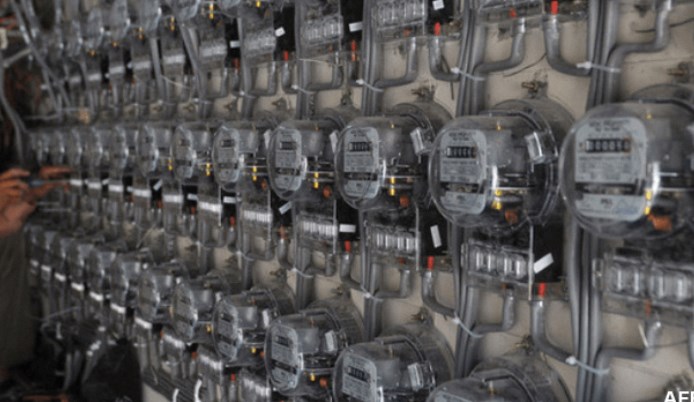
NEPRA Receives 12,938 Complaints Against Power Companies

The National Electric Power Regulatory Authority (NEPRA) has reported receiving 12,938 complaints against various power distribution companies as of November 1, 2024. These complaints, which range from billing discrepancies to frequent power outages, highlight the growing frustration among Pakistani consumers over inadequate power services. The authority’s spokesperson stated that NEPRA is committed to addressing these grievances, but the rising number of complaints underscores deeper issues within the power sector.

Consumers, especially in major cities, are voicing their discontent with what they describe as “excessive and unpredictable billing,” often with no timely response from the companies. In response, NEPRA has indicated plans to investigate and hold companies accountable for poor performance, focusing on both service quality and accurate billing. Moreover, efforts are underway to improve communication channels between consumers and power companies.

The surge in complaints sheds light on the critical need for reforms within the energy sector to ensure reliable and fair services. NEPRA’s intervention and commitment to resolving these issues are seen as a positive step, but long-term solutions are necessary to restore consumer confidence and ensure uninterrupted power supply nationwide.

Five, Including Three Schoolchildren, Killed in Mastung Blast

In a tragic incident on November 1, 2024, a powerful blast in Mastung claimed the lives of five people, including three schoolchildren. The explosion, which took place near a school in Mastung district, has sent shockwaves across Pakistan, with officials scrambling to investigate the circumstances and motives behind the attack. Initial reports indicate that the blast could be linked to ongoing security concerns in the area, raising questions about the safety of public spaces and educational institutions.

The deadly incident has prompted calls for enhanced security measures, particularly around schools, to prevent such tragedies in the future. Parents and local residents are devastated, mourning the loss of innocent lives, and voicing concerns about the lack of protective arrangements in volatile regions. Law enforcement agencies are now focused on identifying any groups or individuals involved in the bombing and intend to implement stricter countermeasures.

This horrific event underscores the urgent need for peace and security measures in areas vulnerable to violence. Pakistanis across the nation are standing in solidarity with Mastung, calling for justice and a stronger stance against such acts of violence that target civilians, especially children.

How to fall asleep in 10, 30, or 120 seconds?

Falling asleep is not a simple task, especially when distractions and long to-do lists are associated with the modern age. Yet the benefits of sleep regarding health, emotional well-being, and general well-being are countless. This guide will introduce you to scientifically proven techniques that can help you fall asleep in 10, 30, or 120 seconds using methods sworn upon by high-stress field professionals.

For each strategy, we are going to discuss today, we will go inside science, how and why, as we guide you for changing your bedtime routine toward sleeping much deeper. Let’s check out how to fall asleep within seconds or minutes without much hassle.

Why Quick Sleep Matters: The Science Behind Fast Falling Asleep

It is not about the hours you spend in bed but the quality and pace through which a person can easily fall asleep. Several researchers have also stated that taking too much time just to fall asleep increases stress levels. On the contrary, fewer minutes in the time allocation of the deep, restorative sleep cycles, including REM sleep.

Better sleep efficiency: Individuals who fall asleep faster will probably have better sleep efficiency. It means they spend more time asleep rather than tossing and turning.

Improved Cognitive Function: Research at Harvard Medical School discusses that a quicker onset of sleep enhances cognitive function and mental acuity the next day.

Emotional Health: If slept within minutes, it will help a person attain lower levels of stress and anxiety, hence, contributing to better emotional resilience.

Methods of falling asleep in under 10 seconds

The Military Method

This technique, which was formulated by the U.S. Army, brings about sleep in seconds regardless of the environment. Research is said to show that this technique can bring about instant sleep in 10 seconds. However, practice may be required depending on the individual.

How to do it?

Relax your face and close your eyes. Release all the tension you feel around your eyes, jaw, and forehead. Let your arms and shoulders dangle. Observe the sensation of release in all of the muscles.
Breathe in slowly and let go of your mind by visualizing a calm scene or saying “Don’t think” for about 10 seconds.

The science: Muscle relaxing techniques combined with deep breathing reduce levels of stress hormones, preparing the body for rapid sleep onset. Many report success after a few nights of practice.

Visualization Technique

The brain responds very well to visualization, which may help in overcoming racing thoughts and tension that keep one awake.

How to do it?

Imagine that you are in a calm environment. You are lying on the beach or floating on a cloud. Concentrate on all the details, whether crashing waves or a gentle breeze.

The science: This technique is efficient because it diverts your mind from daily tensions, hence making one fall dozing smoothly.

How to Fall Asleep in 30 Seconds or Less?

Breathing Technique 4-7-8

Popularized by Dr. Andrew Weil, it is a breathing exercise to help individuals fall asleep, and calm their nervous system. It is known as the 4-7-8 method and has shown over 90% success.

How to do it?

Inhale by breathing in silently through your nose for a count of four. Then, hold your breath for a count of seven. Afterwards, exhale totally through the mouth for eight counts.

The science: It reduces heart rate and relaxes muscle groups. This procedure might make the body sleep-friendly within 30 seconds.

Progressive Muscle Relaxation (PMR)

PMR is tensing followed by relaxation of every muscle group to relieve both physical and mental tension. It is one of the most commonly used CBT techniques for insomnia.

How to do it?

Lock your feet and toes down and, after a few seconds, you feel relaxed. Then, move up to the calves, thighs, and into your abdomen and then upwards towards the head.

The science: It makes you relax each body part, thus intensifying the feeling of relaxation and reducing anxiety. Consequently, it will help you nap in seconds.

Sleeping in 120 seconds: More complex techniques

If you’re still awake after trying these methods, here are methods that have been proven to help within two minutes:

Mindfulness Meditation

Mindful meditation is the ability to be aware of breath and body. It has come to be known to mitigate anxiety and improve sleep.

How to do it?

Breathe naturally with full inhalations and exhalations focusing on each breath. Then, think of scanning your body from head to toe, allowing any tension to go as you do.

The science: Johns Hopkins University research shows that mindfulness meditation reduces symptoms of insomnia; people fall asleep two times faster than those who are not meditating.

Mental Re-shuffling

This technique, developed by Dr. Luc Beaudoin, randomizes thoughts and distracts the brain to get away from stress or anxiety.

How to do it?

Think of a random word. Visualize an object or scene that starts with every letter. For instance, if your word is “BED”, you might think of a Ball, Egg, or Dog. Keep changing words as you please until you fall asleep.

The science: Cognitive shuffling takes the mind off worried thoughts, which enables it to relax and sleep sooner.

Quick Tips for Optimizing Your Sleep Environment

An ideal sleep environment may make all the difference in falling asleep more quickly. Here is what science recommends:

Cool Room Temperature: The room temperature should be between 60-67°F or 15-19°C. A cool room can help your body to maintain its natural cooling mechanism to fall asleep.

Limit Light and Screen Time: Avoid viewing blue-emitting light sources at least half an hour before bedtime. Blue light interferes with melatonin production and delays sleep onset.

Use White Noise or Nature Sounds: Research shows that white noise and quiet sounds tend to cover background noise, thereby promoting sleep more effectively in a quiet environment.

Conclusion: Assembling Your Perfect Sleep Cycle

At first, it feels challenging. Then, after several practices, one finds it easy enough that the body and mind may even learn to fall asleep instantly. Whether with the Military Method, 4-7-8 breathing, or mindful meditation, sleepiness is ready to go once applied.

Some techniques should be used a few consecutive nights, then have the setting right, so enjoy the total benefit from a fresh brain and body. Consistency is remembered as a key to a night’s sleep so continue practising for an uninterrupted best result.

FAQs: Questions People Ask About Falling Asleep Easily

How to fall asleep instantly?

You can train your body to fall asleep within just a few seconds, like in the Military Method or the 4-7-8 breathing method.

Does drinking warm milk help you fall asleep faster?

Warm milk contains tryptophan, which is an amino acid that combines with serotonin and melatonin to promote sleep.

What is the best position to sleep faster?

The back and side-lying positions are most appropriate for relaxation and the onset of sleep.

How is the 4-7-8 breathing method done?

The breathing pattern calms the nervous system, lowers the heart rate, and helps your body prepare for sleep.

Can exercise before bed help sleep faster?

Yes, but try to exercise early in the day. Exercise at night raises body temperature, which delays sleep.

Inputs from Healthline

Also, see:

Top 5 Ways to Improve Emotional Well-being

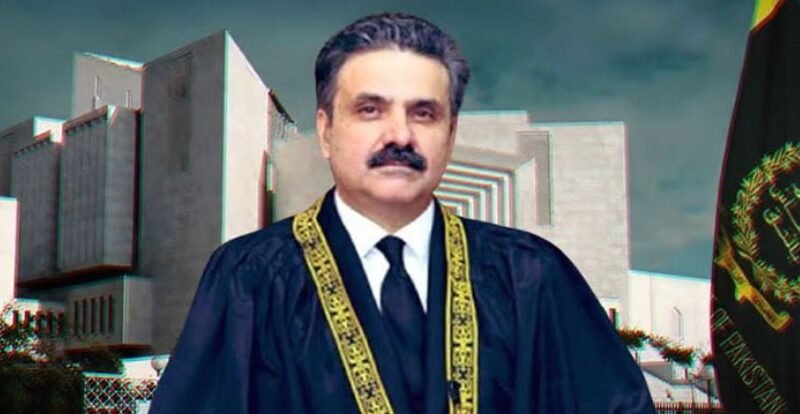
Pakistan Lodges Complaint Over Attack on Ex-CJP Qazi Faez Isa’s Vehicle in London

The Pakistani government has formally lodged a complaint with UK authorities following an incident involving the vehicle of former Chief Justice of Pakistan (CJP) Qazi Faez Isa in London. Although no injuries were reported, the incident has raised security concerns for Pakistani dignitaries abroad. Pakistan’s Foreign Office is actively seeking a thorough investigation, emphasizing the importance of securing high-profile officials, particularly those from Pakistan, against potential threats.

Justice Isa’s tenure in Pakistan was marked by bold judicial decisions, which at times garnered significant attention and controversy. The recent incident in London has reignited discussions around the safety protocols for Pakistani officials visiting or residing in foreign nations, particularly when political tensions are high. The Foreign Office’s complaint underscores Pakistan’s expectations of stringent protective measures from host countries.

This episode has also sparked debate within Pakistan, as security analysts call for stronger international protocols to prevent similar incidents. Observers note that this case highlights the need for countries to cooperate on diplomatic security, especially in light of increasing threats faced by officials globally.

US Denies Allegations of Involvement in PTI Founder Imran Khan’s Ouster

The United States has once again refuted allegations of involvement in the ouster of Pakistan Tehreek-e-Insaf (PTI) founder and former Prime Minister Imran Khan. In a recent press statement, a US State Department representative firmly dismissed claims that American officials had a role in the political shifts within Pakistan that led to Khan’s departure. This denial follows repeated accusations from certain political circles within Pakistan suggesting foreign interference in the country’s political landscape.

This situation has created significant public discourse in Pakistan, with many citizens and analysts questioning the country’s diplomatic relations with the US. Some Pakistani politicians have alleged that Khan’s strong stance against certain international policies may have contributed to the alleged interference. Despite these allegations, the US maintains its position, emphasizing its commitment to non-interference in Pakistan’s internal affairs.

While these claims have sparked widespread speculation, political experts argue that such narratives can complicate foreign relations. The US has reiterated its support for Pakistan’s democratic processes, and diplomatic officials urge both nations to strengthen transparency and mutual respect in order to foster stability in bilateral relations.

PM Shehbaz Sharif Condemns Israel’s Ban on UNRWA Operations in Palestine

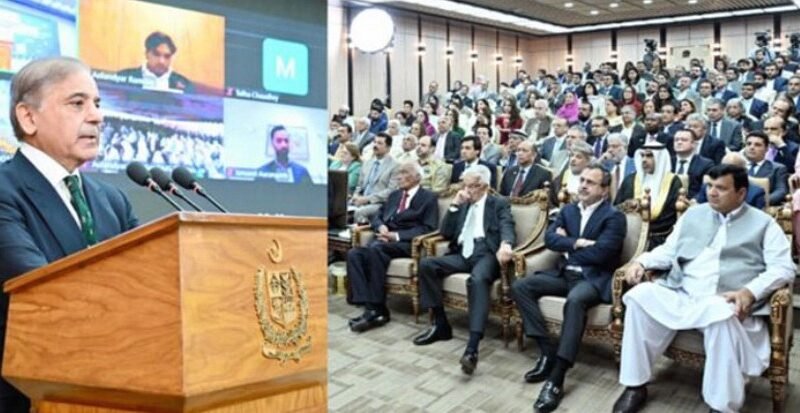
Prime Minister Shehbaz Sharif has strongly condemned Israel’s recent decision to ban operations of the United Nations Relief and Works Agency (UNRWA) in Palestine. He expressed concern over the potential humanitarian crisis, noting that the agency plays a vital role in providing basic resources to displaced Palestinian families. The Prime Minister urged the international community to respond to Israel’s move, emphasizing Pakistan’s commitment to Palestinian rights.

This ban on UNRWA operations threatens to worsen the humanitarian situation in the region, as the agency’s work has historically helped mitigate the suffering of millions. The prohibition disrupts access to food, education, and medical services, affecting some of the most vulnerable populations. Prime Minister Sharif’s condemnation reflects Pakistan’s longstanding support for Palestinian independence and welfare.

The situation has stirred discussions within Pakistan about the broader implications for peace in the Middle East. Human rights groups in Pakistan and abroad have echoed the Prime Minister’s call for action, pressuring global organizations to address the escalating tensions. This recent development is a reminder of the challenges faced by humanitarian agencies operating in conflict zones, underscoring the need for international cooperation to uphold human rights.

Two Karachi Hostages Rescued from Shikarpur Katcha Area

In a significant development, Sindh police successfully recovered two Karachi residents who had been taken hostage in the Shikarpur katcha area, known for its criminal elements and difficult terrain. This operation, carried out by local law enforcement with intelligence support, underscores the complexities of policing rural Pakistan, where gangs often exploit remote regions for their activities. The successful recovery brings hope to families affected by similar abductions.

The katcha areas in Pakistan, particularly in Sindh and Punjab, have become notorious hideouts for criminal networks due to their challenging landscapes. These areas often lack the infrastructure necessary for efficient law enforcement, making it easier for kidnappers to operate. The recent rescue highlights the dedication of local police, who navigate difficult conditions and risk their safety to curb crime in these rural zones.

Following the operation, police officials have called for additional resources to improve their capacity to secure these remote regions. Public calls for an increased security presence in high-risk areas reflect a growing demand for protection against organized crime. The authorities’ response to these challenges is crucial to bolstering public confidence in law enforcement’s ability to handle rural kidnappings.

Arsalan Bajari: Son of Sindh CM’s Private 1Secretary Accused of Threatening Police Officers

Arsalan Bajari, son of the private secretary to the Chief Minister of Sindh, is facing scrutiny after allegedly threatening local law enforcement officials. The accusations suggest that Bajari used his political connections to intimidate officers during a recent investigation. This incident has sparked criticism, highlighting concerns over the abuse of power and the risks faced by police officers in Pakistan, particularly when their work involves influential individuals.

Sindh’s police officials have requested that action be taken to address such behavior, which has broader implications for law enforcement’s capacity to operate fairly. The incident has highlighted ongoing challenges for police officers tasked with enforcing the law without yielding to external influences. Amid growing calls for police protection and accountability for all citizens, this case has generated significant public attention.

This controversy follows other cases in Pakistan where political connections allegedly interfere with legal proceedings. Many are hopeful that the justice system will respond appropriately, ensuring that all individuals, regardless of connections, are subject to the law. Sindh government officials have yet to make an official statement, and as the case develops, citizens continue to observe how it may impact law enforcement and justice.

Suzuki Every – The Ideal Family Car for Comfort and Safety

Suzuki continues to impress in Pakistan with its new family-friendly vehicle, the Suzuki Every. Known for offering reliable cars, Suzuki has now taken things up a notch with the Every, designed specifically to make family travel safer and more comfortable.

Comfort for Every Journey

The Suzuki Every is all about making family trips enjoyable. With air conditioning and power steering as standard, even the longest drives will feel effortless. Spacious interiors and modern features mean the whole family can ride in comfort, whether it’s the daily school run or a weekend getaway.

Safety You Can Rely On

The Every prioritizes safety, making it a great choice for families. With dual airbags and an Anti-lock Braking System (ABS with EBD), this car ensures everyone inside is protected. Suzuki’s focus on safety makes it stand out in a market where not all cars offer these essential features.

Affordable and Reliable

The Suzuki Every offers not just comfort and safety, but also affordability. Its fuel-efficient 660cc engine keeps running costs low, and Suzuki’s 3-year/60,000 KM warranty provides peace of mind. It’s a vehicle that’s built to last, making it a smart investment for families looking for a dependable ride without the high price tag.

Book Your Suzuki Every: Suzuki Every for everyone

PCB vs Fakhar Zaman issues to be resolved: No grudges left

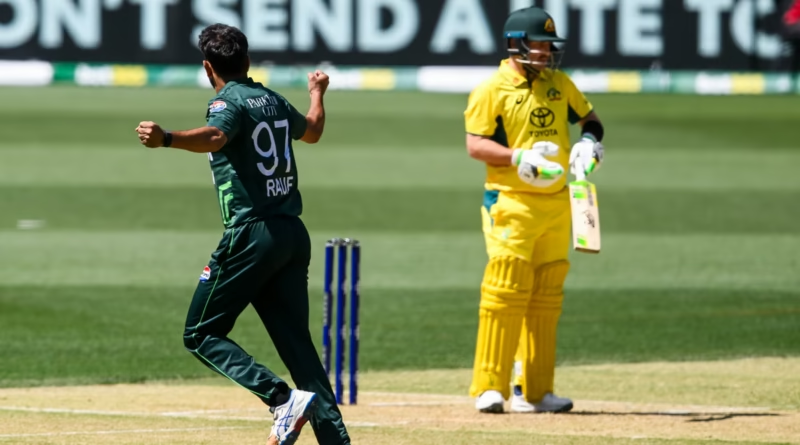
In apparent capitulation to the new controversy labeled “PCB vs Fakhar Zaman” after giving the opening bat only a warning over an Instagram post with Pakistan cricket captain Babar Azam, Pakistan Cricket Board, it appears, may still have its doors open wide for Fakhar Zaman after his temporary removal from national duty due to disciplinary matters.

According to reports, a committee is going to be officially formed soon that will scrutinize Fakhar Zaman’s response to the PCB’s show-cause notice over the violation of his conduct. That would form another chapter for the situation wherein Zaman’s social media activity initially questioned his future in the national squad. Discussions reportedly involved the PCB Chairman Mohsin Naqvi, selectors, and the new white-ball captain Mohammad Rizwan, who would have been used for Zaman’s return.

PCB vs Fakhar Zaman issue: Conditions for comeback

And as it happens, Fakhar Zaman may well find himself playing a part in Pakistan’s white-ball series against South Africa in December. After all, he had been left out of the squads for the upcoming series against Australia and Zimbabwe and more recently missed out on the 2024/25 central contracts list. It is said that insiders on the “PCB vs Fakhar Zaman” issue have suggested that he should be best advised to continue recuperating from a chronic knee injury. This focus on recovery reveals that the board is conditional to Zaman, as he will have to pass a fitness test before being included in the squad for the South Africa tour.

With the Champions Trophy looming and Pakistan scheduled to host, the “PCB vs Fakhar Zaman” issue now seems headed toward resolution as the board values his aggressive top-order style and vast international experience. Fakhar Zaman’s comeback would give Pakistan a much-needed oomph of attacking play along with experience through their setup into the major tournament. Provided all conditions are met, this comeback will add depth and dynamism to the Pakistan lineup in a high-stakes home event.

Also, see:

New Law Establishes Courts for Overseas Pakistanis’ Property Disputes 24

PTI’s Sania Nishtar Resigns from Senate Seat, Marking a Shift 24

Sania Nishtar, a prominent PTI leader and Senate member, recently resigned from her Senate position, citing personal reasons. Known for her work in social welfare, Nishtar was instrumental in spearheading initiatives like the Ehsaas program, aimed at poverty alleviation and social support. Her departure is a significant moment for PTI, as it could signal shifts within the party’s approach to social policies and welfare initiatives.

Her resignation comes amid PTI’s efforts to reorganize its strategy and focus on core issues. Nishtar’s contributions to PTI, particularly in social policy, have garnered respect from both within and outside the party. With her exit, there is speculation about potential changes in PTI’s welfare priorities, as her expertise in healthcare and poverty reduction made her a key figure in shaping these policies.

The PTI leadership has acknowledged her efforts, recognizing her role in advancing PTI’s social impact goals. However, the resignation has left a gap that may require PTI to adjust its approach to social welfare as it faces mounting political challenges. Nishtar’s exit underscores the evolving nature of PTI’s leadership as it navigates a complex political landscape.

Sindh Reports Over 93,000 Malaria Cases Amid Surge in Infections

Sindh is currently grappling with a major malaria outbreak, with health officials reporting over 93,000 cases in the past week alone. The surge is primarily attributed to heavy monsoon rains, which have left standing water in many areas, creating breeding grounds for mosquitoes. Health authorities have mobilized resources to address the outbreak, implementing fumigation drives and establishing free treatment centers to support affected communities.

The situation has put a strain on Sindh’s healthcare infrastructure, as hospitals and clinics face high patient volumes. Officials have emphasized preventive measures, urging residents to use mosquito nets and repellents while health teams conduct awareness campaigns. Despite these efforts, the persistent rainfall and poor drainage systems in some areas have made it challenging to curb the spread of the disease effectively.

In response, the government is coordinating with local organizations to improve disease management and prevent further cases. The crisis has highlighted the need for more robust infrastructure and a rapid response system to prevent similar outbreaks in the future. This malaria surge has intensified calls for greater investment in healthcare resources to mitigate the impact of seasonal illnesses in Sindh and beyond.

PCB Chief Pushes for Rapid National Stadium Renovations

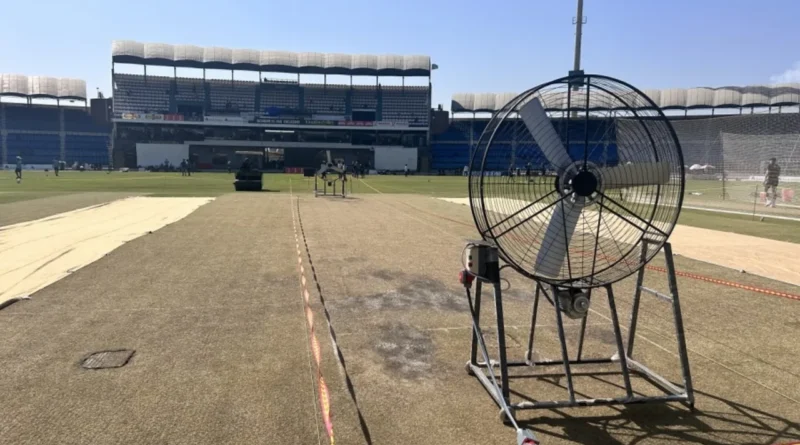
The Pakistan Cricket Board (PCB) has intensified efforts to revamp Karachi’s National Stadium, aiming to bring the venue up to international standards. PCB Chairman Zaka Ashraf recently instructed officials to expedite renovation efforts to ensure that the stadium meets expectations for upcoming events. This urgency is driven by the desire to make a strong impression as Pakistan hosts international matches, with the National Stadium being a focal point for local and foreign fans alike.

The renovation plan includes comprehensive improvements, from upgrading seating arrangements to enhancing the playing field and technical facilities. These changes are part of PCB’s broader agenda to enhance cricketing infrastructure across Pakistan, especially as the nation increasingly attracts international teams and events. Zaka Ashraf has stressed that completing this work is essential not only for the fans but also to showcase Pakistan’s capability to host high-profile tournaments.

Fans and cricket analysts have applauded this move, viewing it as a positive step for Pakistan’s sporting infrastructure. As cricket remains one of the most celebrated sports in the country, the revamp is expected to elevate the match-day experience for spectators and players. This development aligns with PCB’s commitment to promoting cricket at both national and international levels, reinforcing Pakistan’s reputation as a prime destination for the sport.

PTI Leadership Expresses Concerns Over Aleema Khan’s Growing Role

In recent party meetings, several senior members of Pakistan Tehreek-e-Insaf (PTI) have voiced concerns regarding Aleema Khan’s increasing influence within the party. Aleema, a prominent figure due to her close connection to former PTI chairman Imran Khan, has been more visible in key strategy discussions, raising questions among some members who fear her influence may shift party dynamics. Sources within PTI suggest that her unofficial involvement might blur the line between formal leadership roles and personal connections.

The debate over her role is significant as PTI prepares for upcoming electoral challenges and reshapes its strategy in a turbulent political landscape. Senior leaders, including some founding members, believe that if Aleema’s participation continues, it should be more clearly defined to prevent potential discord. There is also concern that her influence, if perceived as unofficial, might lead to questions about transparency and internal unity, two aspects PTI has prioritized in recent months.

Despite these reservations, Aleema Khan’s presence in PTI remains a complex topic, with some viewing her insights as valuable to PTI’s goals. Nonetheless, the party’s high-level leadership is likely to weigh the benefits and drawbacks of her role, aiming to maintain cohesion while addressing internal concerns. This development highlights ongoing shifts within PTI as it navigates a rapidly changing political environment.