Saudi Arabia Imposes Heavy Fines and Jail Terms for Visit Visa Violations

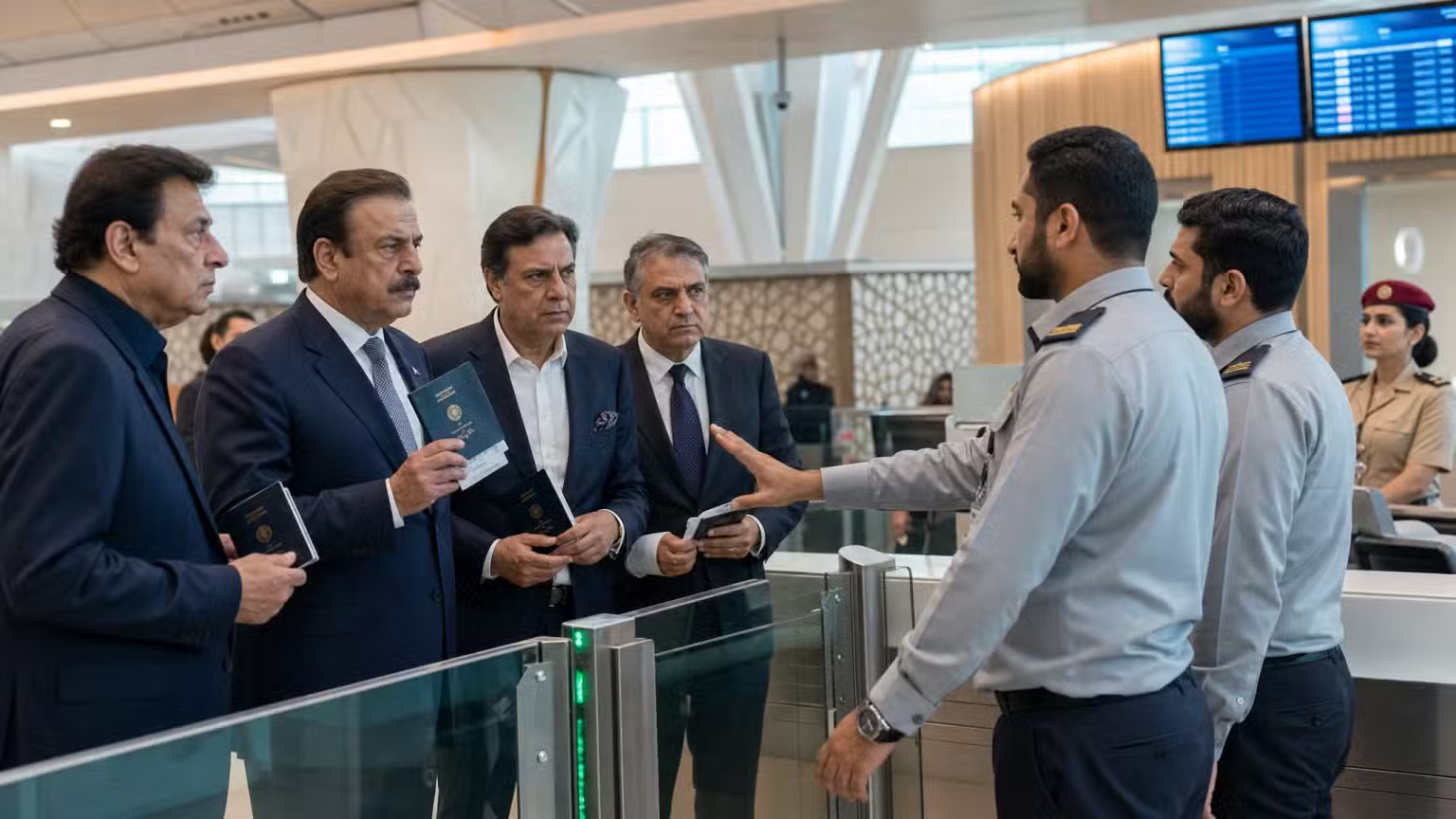
The government of Saudi Arabia has announced stringent penalties for individuals who fail to report visitors overstaying their visit visas. The move is part of a broader effort to strengthen compliance with residency and border regulations across the Kingdom.

According to Saudi Public Security, anyone who does not inform authorities about a visitor remaining in the country beyond their visa validity could face a fine of up to SAR 50,000, equivalent to approximately Rs. 3.73 million. In addition to financial penalties, violators may also face imprisonment for up to six months, or both penalties simultaneously.

In an official statement shared via social media platforms, Public Security urged both citizens and residents to promptly report visit visa holders who overstay their permitted duration. Authorities emphasized that non-compliance with reporting obligations would result in strict legal consequences under Saudi law.

Officials clarified that expatriate residents who fail to report such violations may face deportation from the Kingdom. This provision underscores the seriousness with which the authorities are addressing visa overstays and related regulatory breaches.

The statement further warned against providing any form of assistance to individuals violating residency, labor, or border security laws. This includes offering transportation, employment opportunities, housing, shelter, or other logistical support. Authorities stressed that facilitating such violations could expose individuals to legal accountability.

Saudi Arabia has been intensifying enforcement measures in recent years to regulate residency and labor compliance. The latest announcement reinforces the Kingdom’s commitment to maintaining orderly migration processes and ensuring adherence to visa regulations.

The directive serves as a reminder to sponsors, employers, and residents to closely monitor visa validity periods and comply with reporting requirements. Legal experts advise that proactive reporting and strict adherence to immigration rules can help avoid severe penalties.

With substantial fines, potential imprisonment, and deportation risks in place, the government’s message signals zero tolerance for visit visa overstays and associated violations.

Pakistan’s Large-Scale Manufacturing Grows 5% in First Half of FY26

Pakistan’s Large-Scale Manufacturing (LSM) sector showed signs of recovery as the LSM Index posted a 0.4 percent year-on-year (YoY) increase in December 2025, alongside a strong 9.3 percent month-on-month (MoM) growth, signaling a rebound in industrial activity.

During the first half of FY26 (1HFY26), the LSM index recorded a 5 percent YoY expansion, reflecting improving momentum across key manufacturing segments. The uptick suggests that industrial output is gradually stabilizing after periods of contraction driven by economic challenges, high input costs, and subdued demand.

The December MoM surge indicates seasonal demand recovery and improved production cycles in several sub-sectors, while the overall 1HFY26 performance highlights strengthening business confidence and operational capacity within large industries.

Large-scale manufacturing plays a critical role in Pakistan’s economy, contributing significantly to GDP, exports, and employment. A sustained recovery in LSM is often viewed as a leading indicator of broader economic stabilization and growth.

Economists note that continued policy support, stable exchange rates, and easing inflationary pressures could further bolster industrial output in the coming quarters. However, energy supply consistency and access to affordable financing remain key factors for maintaining growth momentum.

Pakistani Rupee Sees Marginal Recovery Against US Dollar Amid Mixed Currency Performance

The Pakistani rupee (PKR) continued its modest gains against the US Dollar (USD) on Monday, closing in green for the 101st consecutive day. The currency posted a small appreciation of one paisa, ending the session at 279.61 PKR per USD.

Despite its steady performance against the dollar, the rupee faced pressure against several other major currencies during today’s trading session. Analysts suggest that while the PKR shows resilience against the USD, global currency dynamics and domestic economic factors continue to influence its performance against other foreign currencies.

The sustained recovery streak against the US Dollar reflects cautious optimism in the market, supported by foreign inflows and stabilizing economic indicators. However, traders remain vigilant amid potential fluctuations in global forex markets and policy adjustments by the central bank.

The rupee’s mixed performance underscores the challenges of maintaining stability across multiple currency pairs. While gains against the dollar are encouraging, the currency’s vulnerability to regional and international developments continues to shape market sentiment.

Investors and importers are advised to monitor exchange rate trends closely, as even marginal changes can affect trade costs, remittances, and investment returns. Economists expect that the PKR will continue to face mixed pressures in the near term, depending on external market conditions and domestic fiscal measures.

Pakistan Sets Unique Bowling Record with Six Spinners in T20 World Cup Match

Pakistan achieved a remarkable bowling milestone during their ICC Men’s T20 World Cup 2026 clash against arch-rivals India at R Premadasa Stadium. In a high-intensity encounter, the 2009 champions deployed six spin bowlers in a single innings—a rare feat in international T20 cricket.

The spinners utilized by Pakistan included Mohammad Nawaz, Saim Ayub, Shadab Khan, Abrar Ahmed, Usman Tariq, and captain Salman Ali Agha. The team strategically opted for spin to exploit the slow and turning pitch conditions, showcasing their depth in bowling options.

By employing six different spinners in a single T20 innings, Pakistan set a unique record in World Cup history. This tactical decision highlighted the team’s versatility and adaptability, as well as the growing prominence of spin bowling in subcontinental conditions. Analysts praised the captain and team management for thinking innovatively and taking advantage of the pitch to maximize wicket-taking opportunities.

The record-breaking strategy also reflects Pakistan’s long-standing strength in spin bowling. With an array of talented spinners available, the team can rotate bowlers effectively to maintain pressure on opposition batsmen. This approach could influence other teams to explore unconventional bowling combinations in key matches.

Fans and cricket experts noted that the move not only aimed to restrict India’s scoring rate but also demonstrated Pakistan’s strategic evolution in the T20 format. Utilizing spin-heavy attacks in subcontinental pitches has become a recognized tactic, and Pakistan’s execution at the R Premadasa Stadium underscored its effectiveness at the World Cup level.

The performance further enhances Pakistan’s reputation as a team capable of innovative strategies in global tournaments. As the T20 World Cup progresses, such tactical decisions could play a crucial role in determining match outcomes and advancing Pakistan’s campaign.

Electricity Subsidies May Be Restricted to Deserving Consumers Under New IMF-Linked Plan

The government is preparing to overhaul its electricity subsidy framework by limiting financial support strictly to low-income households, subject to approval from the International Monetary Fund. The proposal, finalized by the Power Division, is expected to be discussed in upcoming negotiations with the IMF as part of broader fiscal reforms.

Under the new framework, all electricity consumers would initially be charged the full cost of power. Subsidies would then be provided only to households identified as financially vulnerable through data from the Benazir Income Support Programme. Eligibility would be determined based on verified monthly income levels, ensuring targeted financial assistance.

This shift marks a significant departure from the current system, where cross-subsidies are commonly used to balance tariff adjustments. At present, certain consumer categories indirectly bear additional costs to offset subsidies provided to others. The revised approach aims to eliminate this practice entirely.

Officials believe that ending cross-subsidies will promote greater transparency in electricity pricing. By charging all users the actual cost of power generation and distribution, the government intends to create a more sustainable and equitable energy model. Budgeted subsidies would be allocated directly to deserving households rather than being absorbed across sectors.

The reform is also aligned with ongoing discussions with the International Monetary Fund, which has consistently encouraged Pakistan to implement structural changes in its energy sector. Reducing untargeted subsidies is often viewed as a key step toward improving fiscal discipline and minimizing circular debt in the power sector.

If approved, the policy could significantly impact middle- and higher-income electricity consumers, who may no longer benefit from indirect tariff relief. However, policymakers argue that targeted assistance through BISP will ensure that low-income families remain protected from rising energy costs.

The proposed mechanism is designed to strengthen social protection while reducing inefficiencies. By using verified income data, authorities aim to prevent misuse and ensure that subsidies reach those who genuinely need support.

As negotiations with the IMF progress, the electricity subsidy reform is likely to become a central topic. The outcome could shape Pakistan’s energy pricing structure and fiscal strategy in the months ahead, potentially redefining how public funds are allocated within the power sector.

Ramadan Office Hours Officially Announced by Federal Constitutional Court

The Federal Constitutional Court has officially issued a notification setting revised office hours for the holy month of Ramadan. The announcement comes after approval by the Chief Justice of the Federal Constitutional Court, formalizing the schedule for federal offices during the fasting period.

The notification aims to ensure smooth administrative operations while accommodating the observances and working needs of employees throughout Ramadan. Federal offices are expected to adhere strictly to the new timings, which balance productivity with the religious obligations of staff.

Officials emphasized that the revised hours are designed to facilitate both government service delivery and employee convenience during the month, ensuring essential functions continue without disruption. Departments and ministries have been instructed to communicate the schedule to all staff and implement it effectively.

The announcement highlights the government’s efforts to standardize work hours nationwide for federal institutions during Ramadan, supporting efficiency and religious observance simultaneously.

PM Shehbaz Sharif Announces Civil Awards for 16 Overseas Pakistanis

Prime Minister Shehbaz Sharif has announced civil awards for 16 overseas Pakistanis in recognition of their exceptional services and valuable investments in the country. The move fulfills his earlier commitment to honor expatriates who have played a significant role in Pakistan’s economic and social development.

The announcement reflects the government’s acknowledgment of the vital contributions made by Pakistanis living abroad. From boosting foreign remittances to investing in local industries and supporting welfare initiatives, the overseas community continues to serve as a backbone of the national economy.

According to official statements, the selected expatriates have demonstrated outstanding dedication in various sectors, including business, philanthropy, education, and community development. Their efforts have not only strengthened Pakistan’s global image but also contributed directly to national progress.

Overseas Pakistanis send billions of dollars in remittances annually, providing crucial support to the country’s foreign exchange reserves. Beyond financial contributions, many expatriates actively promote Pakistan’s cultural identity and create international business partnerships that open new economic avenues.

Prime Minister Shehbaz Sharif has repeatedly emphasized the importance of engaging the diaspora in Pakistan’s growth story. By announcing these civil awards, the government aims to build stronger ties with overseas communities and encourage further investment in strategic sectors.

Observers believe this initiative will enhance confidence among expatriates and motivate others to contribute more actively. Recognizing their services through national honors sends a clear message that their efforts are valued and respected at the highest level.

The awards also symbolize unity between Pakistan and its global diaspora. As the country navigates economic challenges and seeks sustainable growth, the continued support of overseas Pakistanis remains critical.

This development marks a significant step in strengthening the partnership between the government and expatriate communities worldwide. By honoring 16 distinguished individuals, the administration reinforces its commitment to inclusive recognition and national appreciation.

Pakistani Artist’s Hand-Painted Animation Illuminates Times Square

A remarkable milestone for Pakistani art has unfolded in the heart of New York City as a hand-painted animation by Eeman Masood lights up the world-famous Times Square. The artwork, titled Listen, is being screened nightly throughout February, placing a Pakistan-trained miniature painter on one of the most iconic public art platforms in the world.

The animation is part of the prestigious Times Square Arts initiative known as “Midnight Moment.” This celebrated program transforms the towering digital billboards of Times Square into a synchronized contemporary art display each night. Masood’s work appears daily from 11:57 p.m. to midnight across 96 screens, captivating audiences in one of the busiest urban spaces globally.

Listen is a hand-painted animation that draws on the intricate tradition of Pakistani miniature painting. By blending classical techniques with modern digital presentation, Masood bridges heritage and innovation. Her work reflects a deep connection to storytelling, texture, and detail—hallmarks of South Asian artistic practice—while engaging a global audience through cutting-edge display technology.

Speaking on the popular television show Geo Pakistan aired on Geo News, Masood shared her excitement about the international exposure. She described the opportunity as both surreal and empowering, especially as February has been designated as her official showcase month under the Midnight Moment program.

This achievement marks a significant moment for Pakistani contemporary art. Having a hand-painted animation featured in Times Square demonstrates how local artistic traditions can resonate far beyond national borders. It also underscores the evolving nature of art, where traditional mediums such as miniature painting can seamlessly transition into digital animation formats.

Art experts believe that such global representation not only elevates individual artists but also strengthens Pakistan’s cultural footprint internationally. Times Square, known for its commercial vibrancy and massive foot traffic, provides unmatched visibility. For a Pakistani artist to command attention in this setting reflects the growing recognition of diverse artistic voices worldwide.

Masood’s work stands as a testament to dedication, innovation, and cultural pride. By reimagining classical art forms for a contemporary audience, she has turned a personal creative expression into a global spectacle. Her animation does more than light up billboards—it symbolizes the expanding reach of Pakistani creativity on the world stage.

Pakistan Attracts $176 Million in Largest Bond Inflows in 19 Months

Pakistan has recorded its strongest monthly net foreign inflows into sovereign bonds in nearly two years, signaling renewed investor interest in the country’s debt market. According to a report by Bloomberg, January saw a significant turnaround compared to the same period last year.

Net inflows into government bonds reached $176 million in January, marking the largest monthly increase in 19 months. In contrast, January of the previous year had recorded net outflows of $50 million, reflecting weaker foreign participation at the time.

Data released by the State Bank of Pakistan (SBP) confirms that foreign investors have shown increased confidence in Pakistan’s sovereign debt instruments. The improved figures are being viewed as a positive development for the country’s external financing outlook.

Approximately 85 percent of the inflows were directed toward short-term bonds with maturities of one year or less. This trend suggests that investors are currently favoring lower-duration instruments, likely to manage risk while benefiting from attractive yields.

Analysts note that improved macroeconomic indicators, relative currency stability, and high interest rates may have contributed to the uptick in bond demand. Short-term instruments, in particular, often appeal to foreign portfolio investors seeking liquidity and reduced exposure to long-term volatility.

The inflow of $176 million provides temporary support to Pakistan’s foreign exchange reserves and signals cautious optimism from global investors. However, experts emphasize that sustained inflows will depend on continued economic reforms, fiscal discipline, and political stability.

Bond inflows play a crucial role in strengthening financial markets and supporting government financing needs. A steady stream of foreign investment can help stabilize the rupee and improve overall investor sentiment.

While the latest data reflects encouraging momentum, market observers will closely monitor whether the trend continues in the coming months. Consistency in policy implementation and economic management will be key to maintaining foreign investor confidence.

Pakistan’s bond market performance in January marks a notable shift from previous outflows, offering a positive signal for the country’s financial recovery efforts.

Misbah-ul-Haq Reacts After Son Faham-ul-Haq Goes Unsold at PSL 11 Auction

Former Pakistan captain Misbah-ul-Haq has addressed the situation after his son, Faham-ul-Haq, went unsold during the 2026 Pakistan Super League (PSL 11) player auction. The moment drew attention as Misbah was part of the Peshawar Zalmi selection panel when his son’s name came up.

Faham-ul-Haq, a left-handed batting all-rounder in his early 20s, had entered the auction with a base price of 60 lakhs. Despite being active in Pakistan’s domestic circuit and delivering solid performances, he failed to attract a single bid from any franchise.

The young cricketer has featured in first-class competitions and impressed in tournaments such as the President’s Trophy Grade-II, where he registered notable half-centuries. However, the highly competitive nature of the PSL auction often makes selection unpredictable, especially with franchises focusing on team balance and overseas combinations.

Speaking about the development, Misbah-ul-Haq emphasized that professional cricket requires merit-based selection. He maintained that auction decisions are driven by team requirements rather than personal affiliations. His presence on the Zalmi panel added a sensitive dimension to the moment, but the former captain reiterated his commitment to fairness and transparency.

The PSL auction is known for its intense competition, with franchises carefully evaluating player roles, recent form, and squad composition. Even talented domestic performers can go unsold due to limited available slots and strategic planning by team management.

For Faham-ul-Haq, going unsold does not necessarily close the door on PSL opportunities. Replacement drafts, injuries, and mid-season changes often provide chances for emerging players to step in. Many cricketers who initially went unpicked in previous editions have later made impactful comebacks.

The incident has sparked debate among cricket fans on social media, with discussions revolving around performance metrics, domestic exposure, and the challenges faced by young players trying to break into franchise cricket.

As PSL 11 preparations continue, the focus remains on team combinations and tournament readiness. For Misbah-ul-Haq and his son, the experience highlights the competitive realities of Pakistan’s premier T20 league and the importance of persistence in professional sport.

SOE Losses Cross Rs. 830 Billion in FY25 Despite Continued Government Support

Pakistan’s state-owned enterprises (SOEs) recorded combined losses of Rs. 832.8 billion in fiscal year 2024-25, according to a fresh report issued by the Ministry of Finance. Although the figures reflect a slight 2 percent improvement compared to the previous fiscal year, the overall financial burden remains substantial.

The latest data underscores persistent structural challenges within Pakistan’s public sector entities. Despite repeated government interventions and financial assistance, many SOEs continue to struggle with inefficiencies, debt accumulation, and operational constraints.

Among all entities, the National Highway Authority emerged as the largest loss-making organization. The authority reported losses amounting to Rs. 295 billion during FY25, highlighting mounting financial pressures in infrastructure and transport management.

Power distribution companies also contributed significantly to the overall deficit. The Quetta Electric Supply Company recorded losses of Rs. 112.7 billion, making it the worst-performing distribution company for the year. Close behind was the Peshawar Electric Supply Company, which posted losses of Rs. 92.7 billion.

Other regional power distributors also reported financial setbacks. The Sukkur Electric Power Company incurred losses of Rs. 25.3 billion, while the Lahore Electric Supply Company posted losses of Rs. 12.7 billion. Similarly, the Hyderabad Electric Supply Company recorded Rs. 13 billion in losses, and the Islamabad Electric Supply Company reported a comparatively lower deficit of Rs. 1.4 billion.

The continued losses across the power sector reflect deeper issues such as transmission inefficiencies, recovery shortfalls, circular debt, and governance challenges. Energy sector reforms have been discussed for years, yet tangible improvements remain gradual.

While the marginal reduction in aggregate losses offers a slight positive signal, the Rs. 832.8 billion deficit places ongoing strain on Pakistan’s fiscal framework. These losses often require government-backed guarantees, subsidies, and restructuring plans, increasing pressure on public finances.

Economic analysts argue that comprehensive restructuring, improved accountability, and privatization of select entities may be necessary to reduce recurring deficits. Without structural reforms, SOE losses could continue to weigh heavily on Pakistan’s economic recovery and long-term growth prospects.

As fiscal year 2025 concludes, policymakers face mounting pressure to accelerate reforms and enhance transparency. The performance of state-owned enterprises remains a critical factor in strengthening investor confidence and stabilizing Pakistan’s broader economic landscape.

Reko Diq Project’s Future Uncertain Amid Security Concerns

The future of the Reko Diq copper-gold project in Balochistan is under scrutiny as Barrick Gold Corporation reassesses its budget and timeline due to ongoing security concerns, Reuters reports.

To date, Barrick has invested $849 million in the project, including $721 million in 2025, against a Phase 1 capital budget of approximately $6 billion. The company had initially planned to secure a limited recourse project financing facility in the second half of 2025 to advance development.

However, recent security incidents in the region have cast doubt over the project’s timeline, raising questions about potential delays and the company’s ability to commit fully to the planned financing. JPMorgan noted that security-related reviews could delay the financing package, although the earmarked capital spending indicates that Barrick still remains invested in the project.

The Reko Diq project, one of the world’s largest undeveloped copper and gold deposits, is considered a strategic asset for both Pakistan and Barrick Gold. Analysts suggest that overcoming local security challenges will be crucial for the project to progress, with delays potentially impacting expected returns and broader investment confidence in the region.

Two New Pakistani Airlines Cleared to Begin Operations

The Pakistan Airports Authority (PAA) has completed preparations to facilitate the launch of two new Pakistani airlines — one passenger carrier and one cargo operator — signaling renewed activity in the country’s aviation sector.

According to airport sources, a new passenger airline named Karachi Air has finalized plans to lease aircraft and is expected to formally commence operations in May or June this year. The airline is currently completing the final regulatory and operational requirements ahead of its commercial launch.

In addition to the passenger carrier, a separate cargo airline has also received clearance, aiming to strengthen Pakistan’s air freight capacity amid growing trade and logistics demands.

The entry of new airlines is expected to enhance competition in the domestic aviation market, potentially improving connectivity, service quality, and fare options for travelers. Meanwhile, the cargo operator could help streamline exports and support supply chain efficiency.

The development comes at a time when Pakistan’s aviation sector is gradually stabilizing and seeking expansion opportunities through increased private sector participation.

UAE Announces Official Ramadan Working Hours for Federal Employees

The Federal Authority for Government Human Resources (FAHR) has announced the official working hours for federal ministries and entities across the UAE during the holy month of Ramadan.

According to the authority, government offices will operate from 9:00 am to 2:30 pm, Monday to Thursday, while Friday working hours will be from 9:00 am to 12:00 pm.

The revised schedule applies to federal entities, except for employees whose job responsibilities require different working arrangements. Authorities clarified that certain roles may continue under flexible or operational schedules depending on service needs.

The adjusted timings are in line with the UAE’s annual practice of reducing working hours during Ramadan to accommodate fasting employees and promote work-life balance during the holy month.

Ramadan working hours are typically shorter across both public and private sectors in the UAE, reflecting the country’s commitment to supporting employees’ well-being while ensuring continuity of public services.

Abdul Nabi Memon Re-Elected Deputy General Secretary of United Memon Jamat for Third Term

Abdul Nabi Memon has been unanimously re-elected as Deputy General Secretary of the United Memon Jamat of Pakistan during its recent General Body meeting, marking his third consecutive term in the position.

The meeting reviewed the organization’s affairs, future plans, and ongoing welfare initiatives. Participants expressed full confidence in Memon’s leadership, administrative expertise, and continued commitment to community service. His professional background and governance experience were highlighted as key strengths for guiding the organization forward.

In his address, Abdul Nabi Memon thanked the members for renewing their trust. He pledged to work with dedication to further strengthen the organization’s structure and promote transparency in its operations. He emphasized that education, social welfare, and economic uplift of the Memon community would remain central priorities.

He also underscored the importance of youth engagement, stating that greater participation of young members is essential for long-term growth and innovation. Reaffirming his belief in teamwork and collective leadership, Memon said the organization will continue evolving into a modern and dynamic platform aligned with contemporary needs.

PM Shehbaz Sharif Likely to Meet US President Donald Trump on February 20

Prime Minister Shehbaz Sharif is expected to hold a bilateral meeting with US President Donald Trump on February 20, according to official sources. The meeting is likely to take place during the prime minister’s upcoming multi-country foreign visit later this month.

The anticipated engagement comes at a time of evolving regional and global dynamics. Discussions between the two leaders are expected to cover key international developments, including the situation in Gaza, alongside broader matters of mutual interest in Pakistan–US relations.

Diplomatic ties between Islamabad and Washington have experienced shifts over the years, shaped by security cooperation, trade, and regional stability. A high-level meeting between the two heads of government signals continued diplomatic engagement and the importance both countries attach to bilateral dialogue.

Officials suggest that regional security issues, geopolitical developments, and economic cooperation may feature prominently in the discussions. The evolving situation in the Middle East, particularly Gaza, is also expected to be part of the agenda given its global implications.

Pakistan and the United States maintain cooperation in areas such as counterterrorism, economic development, climate initiatives, and education. Analysts believe that renewed engagement at the leadership level could help reinforce strategic communication and identify areas for enhanced collaboration.

Prime Minister Shehbaz Sharif’s broader foreign tour is aimed at strengthening diplomatic outreach and advancing Pakistan’s economic and geopolitical interests. Multi-country visits often serve as opportunities to engage global stakeholders on investment, trade partnerships, and regional peace efforts.

While official details of the meeting agenda have not yet been formally released, diplomatic observers view the expected February 20 interaction as significant. It may set the tone for future engagement between Islamabad and Washington in a shifting international landscape.

As global political alignments continue to evolve, high-level meetings such as this play a critical role in maintaining open channels of communication and reinforcing bilateral ties. The outcome of the expected meeting will be closely watched by policymakers and regional analysts alike.

Punjab Launches Phase 2 of Chief Minister’s Free Laptop Scheme

The Punjab government has officially rolled out Phase 2 of the Chief Minister’s Laptop Distribution Scheme across Lahore and other districts of the province. The initiative aims to expand digital access for students and strengthen technology-driven learning in public sector institutions.

The second phase builds on the success of the earlier rollout, which focused on equipping high-performing students with modern computing devices. By extending the program to more districts, the government seeks to ensure broader inclusion and equal educational opportunities across urban and rural areas.

Under the scheme, eligible students enrolled in public universities and colleges will receive free laptops to support their academic activities. The devices are intended to facilitate online research, digital assignments, virtual learning platforms, and access to global educational resources.

Officials have stated that the initiative aligns with the province’s wider digital transformation agenda. As education increasingly integrates technology, access to personal computing devices has become essential for academic performance and skill development.

The program is also designed to reward merit and encourage academic excellence. Selection criteria typically prioritize top-performing students while maintaining transparency through institutional verification processes. This merit-based approach aims to motivate students to achieve higher standards.

Phase 2 is expected to cover additional institutions and districts beyond Lahore, ensuring that students from underserved areas also benefit. By narrowing the digital divide, the government hopes to foster greater participation in the knowledge economy.

Beyond individual academic benefits, the scheme contributes to long-term workforce development. Digital literacy and technical proficiency are critical skills in today’s job market, and early access to technology can help students build competencies required in emerging industries.

The expansion of the laptop distribution initiative reflects Punjab’s continued investment in education reform and youth empowerment. As the province moves toward a more connected and technology-oriented future, programs like this play a vital role in shaping an inclusive and digitally capable generation.

FBR Mandates E-Commerce Platforms to Withhold Sales Tax at Source

Pakistan’s Federal Board of Revenue (FBR) has introduced a significant reform aimed at strengthening tax compliance in the rapidly expanding e-commerce sector. Under the new framework, sales tax on goods ordered through digital platforms will now be withheld at source, ensuring more efficient and transparent tax collection.

The move places the responsibility of tax deduction on intermediaries operating within the digital ecosystem. These include payment intermediaries, courier companies, and online marketplaces that facilitate transactions between buyers and sellers. By shifting the point of collection closer to the transaction stage, the FBR aims to reduce tax leakage and enhance documentation of online trade.

E-commerce in Pakistan has witnessed consistent growth in recent years, driven by increasing internet penetration and changing consumer behavior. However, tax compliance within the sector has remained a challenge. Many online sellers operate informally, making it difficult for authorities to track and collect due sales tax. The newly implemented system is designed to address this gap by integrating tax deduction directly into the transaction process.

Under the revised mechanism, withholding agents will deduct applicable sales tax at the time of payment processing or delivery. This ensures that tax liabilities are met before funds reach the seller. Payment intermediaries handling digital transactions, courier services managing cash-on-delivery orders, and online marketplaces hosting third-party vendors will play a central role in executing this system.

The FBR believes that involving these intermediaries will improve enforcement without placing excessive administrative burdens on individual sellers. Instead of pursuing thousands of small vendors, the tax authority can now coordinate with a limited number of organized entities that already maintain digital transaction records.

For businesses operating online, this reform underscores the importance of proper registration and compliance with tax laws. Sellers must ensure that their documentation and tax status are aligned with FBR requirements to avoid penalties or disruptions in payment settlements.

Consumers are unlikely to experience major procedural changes, as the tax deduction will occur seamlessly within the transaction cycle. However, the broader impact of the reform is expected to bring greater transparency to Pakistan’s digital economy.

As e-commerce continues to expand, regulatory oversight is becoming increasingly essential. The FBR’s withholding-at-source model reflects a broader strategy to modernize tax administration and ensure that digital trade contributes fairly to national revenue. By strengthening compliance mechanisms, the government aims to support sustainable economic growth while formalizing Pakistan’s growing online marketplace.

Entry of Tourists Banned After Landslides in Major Northern Area Destination

The district administration has imposed an immediate ban on tourist entry into Galiyat, Abbottabad, following landslides and traffic disruptions caused by recent snowfall on Murree Road.

Authorities have restricted tourist movement from Harno and Barian toward Galiyat as a safety precaution, after reports of snow accumulation and landslides in the area. The measure aims to prevent accidents and ensure the safety of travelers amid hazardous road conditions.

The decision comes as cold weather returns across Khyber Pakhtunkhwa, with rain and snowfall affecting both upper and plain regions since last night. Snowfall continues in popular destinations including Malam Jabba, Kalam, Mahodand, Kaghan Valley, Shangla Top, Yakhtange, and Achrosara, highlighting the need for strict travel restrictions in northern areas.

Tourists are advised to avoid travel to snow-affected regions until authorities lift restrictions and roads are declared safe for movement. Local administration continues to monitor the situation closely and will provide updates on reopening routes.


Islamabad Traffic Police Suspends Vehicle Testing at Major Location

The Islamabad Traffic Police (ITP) has temporarily suspended vehicle testing services at its Police Lines Headquarters in H-11 due to administrative reasons.

According to an ITP official, the suspension applies to testing services for heavy transport vehicles (HTVs), light motor vehicles (LMVs), and public service vehicles (PSVs). The services will remain unavailable throughout the current week.

Citizens have been advised to plan their visits accordingly and seek alternative arrangements where possible to avoid inconvenience. ITP officials said updates regarding the resumption of testing services will be shared once administrative matters are resolved.

The temporary suspension is expected to impact vehicle owners and drivers seeking certification or routine testing, particularly those associated with commercial and public transport.