Two New Pakistani Airlines Cleared to Begin Operations

The Pakistan Airports Authority (PAA) has completed preparations to facilitate the launch of two new Pakistani airlines — one passenger carrier and one cargo operator — signaling renewed activity in the country’s aviation sector.

According to airport sources, a new passenger airline named Karachi Air has finalized plans to lease aircraft and is expected to formally commence operations in May or June this year. The airline is currently completing the final regulatory and operational requirements ahead of its commercial launch.

In addition to the passenger carrier, a separate cargo airline has also received clearance, aiming to strengthen Pakistan’s air freight capacity amid growing trade and logistics demands.

The entry of new airlines is expected to enhance competition in the domestic aviation market, potentially improving connectivity, service quality, and fare options for travelers. Meanwhile, the cargo operator could help streamline exports and support supply chain efficiency.

The development comes at a time when Pakistan’s aviation sector is gradually stabilizing and seeking expansion opportunities through increased private sector participation.

UAE Announces Official Ramadan Working Hours for Federal Employees

The Federal Authority for Government Human Resources (FAHR) has announced the official working hours for federal ministries and entities across the UAE during the holy month of Ramadan.

According to the authority, government offices will operate from 9:00 am to 2:30 pm, Monday to Thursday, while Friday working hours will be from 9:00 am to 12:00 pm.

The revised schedule applies to federal entities, except for employees whose job responsibilities require different working arrangements. Authorities clarified that certain roles may continue under flexible or operational schedules depending on service needs.

The adjusted timings are in line with the UAE’s annual practice of reducing working hours during Ramadan to accommodate fasting employees and promote work-life balance during the holy month.

Ramadan working hours are typically shorter across both public and private sectors in the UAE, reflecting the country’s commitment to supporting employees’ well-being while ensuring continuity of public services.

Abdul Nabi Memon Re-Elected Deputy General Secretary of United Memon Jamat for Third Term

Abdul Nabi Memon has been unanimously re-elected as Deputy General Secretary of the United Memon Jamat of Pakistan during its recent General Body meeting, marking his third consecutive term in the position.

The meeting reviewed the organization’s affairs, future plans, and ongoing welfare initiatives. Participants expressed full confidence in Memon’s leadership, administrative expertise, and continued commitment to community service. His professional background and governance experience were highlighted as key strengths for guiding the organization forward.

In his address, Abdul Nabi Memon thanked the members for renewing their trust. He pledged to work with dedication to further strengthen the organization’s structure and promote transparency in its operations. He emphasized that education, social welfare, and economic uplift of the Memon community would remain central priorities.

He also underscored the importance of youth engagement, stating that greater participation of young members is essential for long-term growth and innovation. Reaffirming his belief in teamwork and collective leadership, Memon said the organization will continue evolving into a modern and dynamic platform aligned with contemporary needs.

PM Shehbaz Sharif Likely to Meet US President Donald Trump on February 20

Prime Minister Shehbaz Sharif is expected to hold a bilateral meeting with US President Donald Trump on February 20, according to official sources. The meeting is likely to take place during the prime minister’s upcoming multi-country foreign visit later this month.

The anticipated engagement comes at a time of evolving regional and global dynamics. Discussions between the two leaders are expected to cover key international developments, including the situation in Gaza, alongside broader matters of mutual interest in Pakistan–US relations.

Diplomatic ties between Islamabad and Washington have experienced shifts over the years, shaped by security cooperation, trade, and regional stability. A high-level meeting between the two heads of government signals continued diplomatic engagement and the importance both countries attach to bilateral dialogue.

Officials suggest that regional security issues, geopolitical developments, and economic cooperation may feature prominently in the discussions. The evolving situation in the Middle East, particularly Gaza, is also expected to be part of the agenda given its global implications.

Pakistan and the United States maintain cooperation in areas such as counterterrorism, economic development, climate initiatives, and education. Analysts believe that renewed engagement at the leadership level could help reinforce strategic communication and identify areas for enhanced collaboration.

Prime Minister Shehbaz Sharif’s broader foreign tour is aimed at strengthening diplomatic outreach and advancing Pakistan’s economic and geopolitical interests. Multi-country visits often serve as opportunities to engage global stakeholders on investment, trade partnerships, and regional peace efforts.

While official details of the meeting agenda have not yet been formally released, diplomatic observers view the expected February 20 interaction as significant. It may set the tone for future engagement between Islamabad and Washington in a shifting international landscape.

As global political alignments continue to evolve, high-level meetings such as this play a critical role in maintaining open channels of communication and reinforcing bilateral ties. The outcome of the expected meeting will be closely watched by policymakers and regional analysts alike.

Punjab Launches Phase 2 of Chief Minister’s Free Laptop Scheme

The Punjab government has officially rolled out Phase 2 of the Chief Minister’s Laptop Distribution Scheme across Lahore and other districts of the province. The initiative aims to expand digital access for students and strengthen technology-driven learning in public sector institutions.

The second phase builds on the success of the earlier rollout, which focused on equipping high-performing students with modern computing devices. By extending the program to more districts, the government seeks to ensure broader inclusion and equal educational opportunities across urban and rural areas.

Under the scheme, eligible students enrolled in public universities and colleges will receive free laptops to support their academic activities. The devices are intended to facilitate online research, digital assignments, virtual learning platforms, and access to global educational resources.

Officials have stated that the initiative aligns with the province’s wider digital transformation agenda. As education increasingly integrates technology, access to personal computing devices has become essential for academic performance and skill development.

The program is also designed to reward merit and encourage academic excellence. Selection criteria typically prioritize top-performing students while maintaining transparency through institutional verification processes. This merit-based approach aims to motivate students to achieve higher standards.

Phase 2 is expected to cover additional institutions and districts beyond Lahore, ensuring that students from underserved areas also benefit. By narrowing the digital divide, the government hopes to foster greater participation in the knowledge economy.

Beyond individual academic benefits, the scheme contributes to long-term workforce development. Digital literacy and technical proficiency are critical skills in today’s job market, and early access to technology can help students build competencies required in emerging industries.

The expansion of the laptop distribution initiative reflects Punjab’s continued investment in education reform and youth empowerment. As the province moves toward a more connected and technology-oriented future, programs like this play a vital role in shaping an inclusive and digitally capable generation.

FBR Mandates E-Commerce Platforms to Withhold Sales Tax at Source

Pakistan’s Federal Board of Revenue (FBR) has introduced a significant reform aimed at strengthening tax compliance in the rapidly expanding e-commerce sector. Under the new framework, sales tax on goods ordered through digital platforms will now be withheld at source, ensuring more efficient and transparent tax collection.

The move places the responsibility of tax deduction on intermediaries operating within the digital ecosystem. These include payment intermediaries, courier companies, and online marketplaces that facilitate transactions between buyers and sellers. By shifting the point of collection closer to the transaction stage, the FBR aims to reduce tax leakage and enhance documentation of online trade.

E-commerce in Pakistan has witnessed consistent growth in recent years, driven by increasing internet penetration and changing consumer behavior. However, tax compliance within the sector has remained a challenge. Many online sellers operate informally, making it difficult for authorities to track and collect due sales tax. The newly implemented system is designed to address this gap by integrating tax deduction directly into the transaction process.

Under the revised mechanism, withholding agents will deduct applicable sales tax at the time of payment processing or delivery. This ensures that tax liabilities are met before funds reach the seller. Payment intermediaries handling digital transactions, courier services managing cash-on-delivery orders, and online marketplaces hosting third-party vendors will play a central role in executing this system.

The FBR believes that involving these intermediaries will improve enforcement without placing excessive administrative burdens on individual sellers. Instead of pursuing thousands of small vendors, the tax authority can now coordinate with a limited number of organized entities that already maintain digital transaction records.

For businesses operating online, this reform underscores the importance of proper registration and compliance with tax laws. Sellers must ensure that their documentation and tax status are aligned with FBR requirements to avoid penalties or disruptions in payment settlements.

Consumers are unlikely to experience major procedural changes, as the tax deduction will occur seamlessly within the transaction cycle. However, the broader impact of the reform is expected to bring greater transparency to Pakistan’s digital economy.

As e-commerce continues to expand, regulatory oversight is becoming increasingly essential. The FBR’s withholding-at-source model reflects a broader strategy to modernize tax administration and ensure that digital trade contributes fairly to national revenue. By strengthening compliance mechanisms, the government aims to support sustainable economic growth while formalizing Pakistan’s growing online marketplace.

Entry of Tourists Banned After Landslides in Major Northern Area Destination

The district administration has imposed an immediate ban on tourist entry into Galiyat, Abbottabad, following landslides and traffic disruptions caused by recent snowfall on Murree Road.

Authorities have restricted tourist movement from Harno and Barian toward Galiyat as a safety precaution, after reports of snow accumulation and landslides in the area. The measure aims to prevent accidents and ensure the safety of travelers amid hazardous road conditions.

The decision comes as cold weather returns across Khyber Pakhtunkhwa, with rain and snowfall affecting both upper and plain regions since last night. Snowfall continues in popular destinations including Malam Jabba, Kalam, Mahodand, Kaghan Valley, Shangla Top, Yakhtange, and Achrosara, highlighting the need for strict travel restrictions in northern areas.

Tourists are advised to avoid travel to snow-affected regions until authorities lift restrictions and roads are declared safe for movement. Local administration continues to monitor the situation closely and will provide updates on reopening routes.


Islamabad Traffic Police Suspends Vehicle Testing at Major Location

The Islamabad Traffic Police (ITP) has temporarily suspended vehicle testing services at its Police Lines Headquarters in H-11 due to administrative reasons.

According to an ITP official, the suspension applies to testing services for heavy transport vehicles (HTVs), light motor vehicles (LMVs), and public service vehicles (PSVs). The services will remain unavailable throughout the current week.

Citizens have been advised to plan their visits accordingly and seek alternative arrangements where possible to avoid inconvenience. ITP officials said updates regarding the resumption of testing services will be shared once administrative matters are resolved.

The temporary suspension is expected to impact vehicle owners and drivers seeking certification or routine testing, particularly those associated with commercial and public transport.

Islamabad Launches Digital Registration for Taxi, Bike-Hailing Services

The Islamabad district administration has finalized a digital registration dashboard for taxi and bike-hailing services operating in the federal capital, marking a major step toward regulating the sector and cracking down on unregistered operators.

The initiative was reviewed during a key meeting chaired by the Deputy Commissioner (DC) Islamabad, where officials discussed enforcement strategies and implementation mechanisms to ensure effective rollout of the system.

The new digital dashboard will allow authorities to register, monitor, and regulate ride-hailing and bike-hailing services in real time. Officials say the move is aimed at improving passenger safety, ensuring compliance with local laws, and creating a transparent framework for companies and individual drivers operating in Islamabad.

Once implemented, the system will help the administration identify unregistered vehicles and services, enabling targeted action against illegal operators. It is also expected to streamline coordination between regulatory bodies and improve oversight of the rapidly growing ride-hailing sector in the capital.

The move aligns with Islamabad’s broader push toward digital governance and smart city solutions, as authorities seek to modernize public service regulation while ensuring safer and more accountable urban transport.

Pakistan Announces Fitrana and Fidyah Amounts for Ramadan 2026

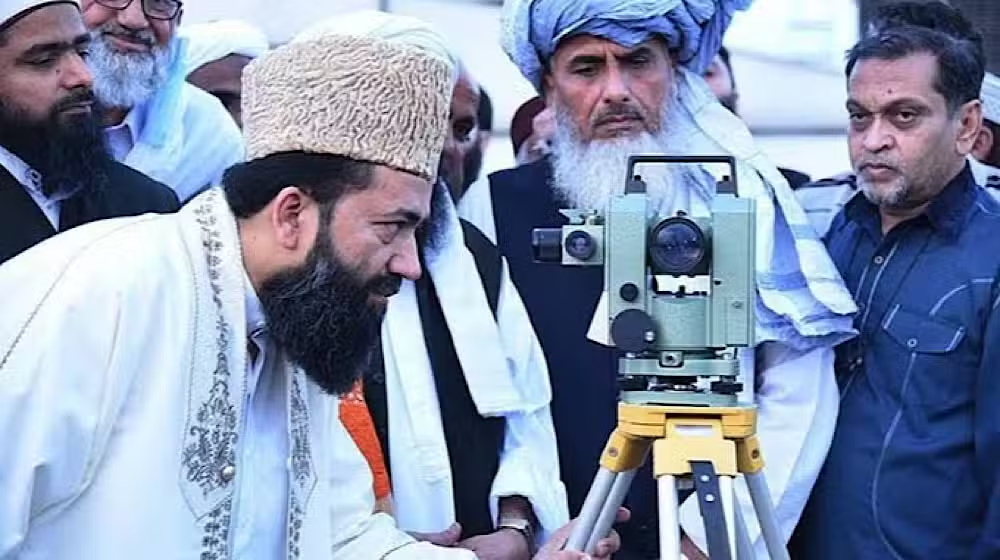
The Council of Islamic Ideology (CII) has announced the official rates for Fitrana (Sadaqatul-Fitr) and Fidyah for Ramadan 2026, providing guidance to Muslims across Pakistan on fulfilling their religious obligations during the holy month.

CII Chairperson Allama Dr. Muhammad Raghib Hussain Naeemi stated that the minimum amount for both Fitrana and Fidyah has been set at Rs. 300 per person, based on the value of wheat flour. This standard ensures that donations are sufficient to support those in need while adhering to Islamic principles.

For individuals using government-subsidized wheat flour, the council has set a lower amount of Rs. 200 per person. This adjustment is aimed at making the obligation more accessible to a wider segment of the population while still benefiting needy families.

Fitrana is a mandatory charity that must be given by financially able Muslims before Eid prayers, enabling the less fortunate to participate in the festivities of Eid. Fidyah, on the other hand, applies to individuals who are unable to fast due to illness, old age, or other valid reasons and involves feeding a needy person in place of the missed fasts.

The CII emphasized that timely payment of Fitrana and Fidyah ensures that the benefits reach deserving beneficiaries on time, promoting social welfare and solidarity within the community. Religious authorities have also encouraged citizens to make payments through authorized channels and registered charitable organizations to guarantee proper distribution.

These annual announcements by the CII provide clarity for households planning their charitable contributions and reinforce the importance of maintaining fairness, transparency, and accessibility in religious obligations.

Muslims across Pakistan are advised to adhere to these recommended amounts and complete payments before Eid to ensure compliance with Islamic guidelines. The announcement also reflects efforts to standardize charitable contributions nationwide, taking into account both market prices and government-supported resources.

Court Orders Immediate Closure of Illegal Food Street in Karachi

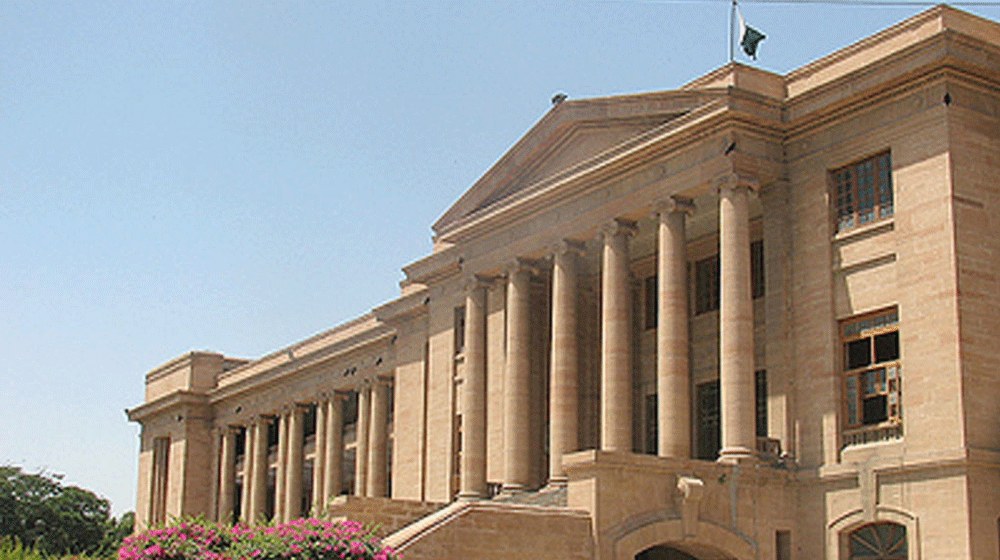
The Constitutional Bench of the Sindh High Court has directed the immediate closure and dismantling of an illegal food street operating on a service road in Karachi’s Korangi area. The decision comes in response to concerns over public safety, traffic congestion, and unauthorized commercial activity.

Authorities have been instructed to take swift action to remove stalls, kiosks, and other structures that were set up without proper approvals. The court emphasized that the illegal operations posed risks to both consumers and residents in the vicinity.

Local administration officials are expected to coordinate with law enforcement and municipal teams to ensure compliance with the court’s order. Residents of Korangi and surrounding areas have welcomed the move, citing safety hazards and disruption caused by the unauthorized food street.

The Sindh High Court’s ruling underscores the importance of adhering to urban planning regulations and licensing requirements for commercial ventures. Authorities have warned that similar illegal operations across the city will face strict enforcement.

This action aligns with ongoing efforts to regulate public spaces, maintain traffic flow, and ensure public health standards in Karachi. Citizens have been urged to report any unauthorized commercial activity to relevant authorities to prevent violations.

Kuwait Announces New Residency Rules and Fees for Expatriates

Kuwait has officially introduced significant updates to its residency regulations, marking an important shift in the country’s immigration framework. The reforms, announced by the Ministry of Interior, are aimed at streamlining procedures, improving regulatory clarity, and bringing various residency categories under a more unified system.

The new residency rules directly impact expatriates living in Kuwait as well as family members of Kuwaiti citizens. Authorities have stated that these changes are part of broader efforts to modernize immigration policies while ensuring better oversight and compliance with national laws.

One of the most notable updates relates to the residency status of spouses and children of expatriates. Under the revised framework, these dependents will now be governed by Article 22 of Kuwait’s residency law. This change replaces earlier fragmented processes that often differed depending on individual circumstances, offering a more standardized approach across cases.

By placing expatriate family members under a single legal article, the Ministry aims to reduce administrative confusion and create a clearer pathway for residency approvals, renewals, and compliance checks. Expatriates are advised to review the updated eligibility criteria carefully to ensure they meet the new regulatory requirements.

Another key change involves spouses of Kuwaiti citizens. Previously subject to varying procedures, these individuals have now been reclassified under Article 26 of the residency law. This includes both wives of Kuwaiti men and husbands of Kuwaiti women, reflecting a more consistent legal treatment across genders.

Under the updated rules, spouses of Kuwaiti citizens will be required to pay an annual residency fee of 15 Kuwaiti dinars per case. While the fee is relatively modest, it represents a formalization of costs that were previously handled differently or, in some cases, not clearly defined.

Officials have emphasized that the revised fee structure is designed to support administrative processes rather than place an undue burden on families. The clarity around fees is expected to help applicants better plan their residency renewals and avoid unexpected expenses.

These reforms come at a time when Kuwait is reassessing its expatriate population policies in line with economic planning and national development goals. Immigration authorities have reiterated that all residents must remain compliant with the updated laws to avoid penalties or legal complications.

Expatriates and Kuwaiti citizens with foreign spouses are encouraged to stay informed through official Ministry of Interior announcements and to consult relevant departments for guidance. As the new rules take effect, early compliance will be key to ensuring uninterrupted legal residency in the country.

The updated residency regulations signal Kuwait’s intent to balance administrative efficiency with legal transparency, providing a clearer framework for residents while strengthening oversight within the immigration system.


Another Pakistan vs India Clash Set for February 15

Another chapter of the historic Pakistan–India rivalry is set to unfold as the two sides face off on February 15, 2026, in the ACC Women’s Asia Cup Rising Stars tournament in Bangkok, Thailand.

The highly anticipated group-stage encounter will begin at 2:00 PM local time and is expected to be one of the marquee fixtures of the competition, drawing significant attention from cricket fans across the region.

The Rising Stars tournament provides a crucial platform for emerging women cricketers, and a Pakistan vs India contest at this level adds extra intensity and visibility to the event. Both teams are seen as strong contenders, making the clash a potential decider in the group standings.

Over the years, encounters between Pakistan and India—across all formats and levels—have consistently generated global interest, and this women’s fixture is no exception. The match is expected to highlight the growing competitiveness and depth of women’s cricket in Asia.

The ACC Women’s Asia Cup Rising Stars aims to nurture young talent and strengthen the future of women’s cricket in the region, with this rivalry-driven encounter set to be a major highlight of the tournament.

Sialkot Stallionz Partner With New Balance Ahead of PSL 11 Debut

Sialkot Stallionz have officially signed a sponsorship agreement with global sportswear brand New Balance, naming the company as the franchise’s exclusive apparel partner for the 2026 Pakistan Super League season (PSL 11).

The partnership comes ahead of the team’s debut campaign and marks a significant commercial milestone for the Sialkot-based franchise. Under the agreement, New Balance will design and supply all on-field and training kits for the Stallionz throughout the tournament.

This deal also reflects New Balance’s continued expansion into international cricket. The brand has steadily increased its presence by partnering with national teams, domestic leagues, and elite players across major cricketing nations, including Australia, England, and South Africa.

By entering the Pakistan Super League, New Balance gains exposure in one of the world’s fastest-growing T20 leagues, while Sialkot Stallionz benefit from alignment with a globally recognized performance brand known for innovation and quality.

Team officials welcomed the partnership, stating that the collaboration aligns with the franchise’s vision of building a strong global identity from its very first season. The new kits are expected to be unveiled closer to the start of PSL 11.

The Pakistan Super League continues to attract major international sponsors, reinforcing its status as a commercially viable and globally followed cricket tournament. Partnerships such as this highlight the league’s growing appeal among multinational sports brands.

PSL 11 is scheduled to take place in 2026, with Sialkot Stallionz entering the competition as one of the newest additions to the league.

KP Government to Challenge PHC Police Act Verdict in Supreme Court

The Khyber Pakhtunkhwa government has announced its decision to challenge the Peshawar High Court’s ruling on the KP Police Act in the Supreme Court of Pakistan. The move follows strong objections from the provincial leadership, which views the verdict as a violation of constitutional principles and democratic authority.

Provincial Law Minister Aftab Alam said the decision to declare amendments to the Police Act null and void undermines the constitutional mandate of the provincial government and elected legislature. He argued that the ruling contradicts the preamble of the Constitution of Pakistan and weakens democratic governance in the province.

According to the law minister, the provincial government will approach the Supreme Court under relevant constitutional provisions. He described the high court’s verdict as judicial overreach and said it crossed constitutional limits by interfering in legislative and executive matters. He added that both the provincial cabinet and the Khyber Pakhtunkhwa Assembly have unanimously rejected the ruling.

Separately, Khyber Pakhtunkhwa Advocate General Shah Faisal Utmankhel also criticized the decision, calling it unconstitutional, unlawful, and issued without proper legal process. He said the verdict was delivered unilaterally and that parties named in the petition were not given a fair opportunity to present their arguments.

The advocate general emphasized that the judiciary should refrain from intervening in executive policy decisions. He confirmed that the provincial government would challenge the ruling before the federal constitutional court to protect the constitutional division of powers.

The controversy stems from a decision issued by the Peshawar High Court earlier this week, in which it struck down amendments introduced through the KP Police (Amendment) Act 2024 to the Khyber Pakhtunkhwa Police Act 2017. The court declared the amendments unconstitutional.

A division bench comprising Chief Justice SM Atiq Shah and Justice Muhammad Ijaz Khan ruled that the amendments had altered the balance of authority within the police structure. The changes required chief ministerial approval for the appointment of senior police officers in BS-18 and above, while also removing the inspector general of police’s authority to appoint field commanders.

The bench observed that these amendments risked turning the police force into an instrument of political influence rather than an institution governed by law. The court stated that such changes were inconsistent with constitutional safeguards meant to ensure police autonomy and professionalism.

The ruling further clarified that under Pakistan’s constitutional framework, the executive’s role over the police is limited to oversight. This authority, the court noted, is confined to policymaking and general supervision, not operational control or political intervention.

The case has triggered a broader debate on police independence, executive authority, and the separation of powers in Pakistan, with the Supreme Court now set to examine the matter.


Pakistan May Bench Either Babar Azam or Fakhar Zaman for T20 World Cup Opener

Pakistan’s team management has signaled a firm stance on player fitness ahead of the ICC T20 World Cup 2026, indicating that even senior stars could be left out of the playing XI if they are not fully fit.

Captain Salman Ali Agha confirmed that selection for Pakistan’s opening match against the Netherlands will be based purely on fitness, balance, and team requirements rather than reputation or past performances. The match is scheduled to be played on Saturday at the Sinhalese Sports Club Ground.

Speaking during a pre-match press conference, Agha made it clear that Pakistan will field only those players who are physically ready to perform at the highest level. He stressed that the team’s primary focus is to put forward the strongest possible combination for the World Cup opener.

The statement has sparked speculation that one of Pakistan’s most experienced batters, either Babar Azam or Fakhar Zaman, could be left out if fitness concerns persist. Both players have been central figures in Pakistan’s white-ball setup over the years, but the management appears unwilling to take risks.

Agha acknowledged the importance of senior players, stating that their contributions to Pakistan cricket have been significant. However, he underlined that no individual is guaranteed a place in the playing XI if they are not fully fit on match day.

He added that Pakistan arrived at the tournament with a squad of 15 players selected to offer the best possible combinations. According to the captain, the team will rely on that pool to select the most suitable XI for each match.

“We have brought 15 players here who form the best possible combination, and we will try to play exactly that,” Agha said. “If any senior player, including Babar or Fakhar, isn’t fit, we won’t play them. We will choose what is best for the team.”

The captain’s remarks highlight a shift toward a more performance- and fitness-driven selection policy, especially in a high-stakes tournament like the T20 World Cup. Team management appears focused on agility, fielding standards, and overall balance rather than relying solely on star power.

Pakistan’s approach also reflects the demanding nature of modern T20 cricket, where fitness and sharp fielding often prove decisive. With short turnarounds between matches, players carrying injuries or niggles could impact team performance.

Fans and analysts are closely watching developments ahead of the opener, as any decision involving Babar Azam or Fakhar Zaman would be a major talking point. Both players bring experience and match-winning ability, but the management seems determined to prioritize long-term tournament success.

Pakistan’s opening match against the Netherlands will set the tone for their World Cup campaign. The final playing XI is expected to be announced closer to match time after assessing player fitness during training sessions.

The clear message from the captain suggests that Pakistan is entering the tournament with a no-compromise mindset, aiming to maximize competitiveness from the very first game.

PM Shehbaz Sharif Appoints Prof. Dr. Niaz Ahmed Akhtar as New HEC Chairman

Prime Minister Shehbaz Sharif has appointed Prof. Dr. Niaz Ahmed Akhtar as the new Chairman of the Higher Education Commission, marking a significant leadership change in Pakistan’s higher education sector.

The appointment was confirmed through an official notification issued on February 6, 2026, by the Government of Pakistan under the Ministry of Federal Education and Professional Training. The decision was approved by the prime minister in his capacity as the controlling authority of the commission.

According to the notification, the appointment was made by exercising powers granted under Section 3 of the Higher Education Commission Ordinance, 2002. The legal framework allows the prime minister to appoint the HEC chairman to ensure continuity and governance of higher education policies across the country.

Prof. Dr. Niaz Ahmed Akhtar has been appointed for a two-year term under Section 6(5) of the HEC Ordinance. This provision was amended through Section 2(a) of the Higher Education Commission (Amendment) Act, 2021, which outlines the tenure and appointment process for the chairman.

The notification states that the appointment takes immediate effect and will remain valid until further orders. This ensures there is no administrative gap in the leadership of the commission, which plays a central role in regulating universities, funding research, and shaping academic standards nationwide.

The official document was signed by Razia Ramzan Dossa, Deputy Secretary (HEC), confirming the authenticity of the appointment. Copies of the notification were circulated to several key government offices to ensure formal record and implementation.

These offices include the President’s Secretariat (Public), the Prime Minister’s Office, the Cabinet Division, and the Establishment Division. Relevant officials within the Ministry of Federal Education and the Higher Education Commission were also informed.

The appointment comes at a critical time for Pakistan’s higher education system, which is facing challenges related to funding, academic quality, international rankings, and research output. Leadership at the HEC is considered vital for addressing these issues through policy reforms and institutional support.

Prof. Dr. Akhtar is expected to oversee key initiatives aimed at improving university governance, promoting research culture, and enhancing collaboration with international academic institutions. Stakeholders within the education sector will be watching closely for policy directions under the new chairman.

The Higher Education Commission serves as the primary regulatory and funding body for universities across Pakistan. Its chairman plays a pivotal role in shaping long-term strategies that influence students, faculty members, and academic institutions nationwide.

With the appointment now in effect, expectations are high that the HEC will continue working toward strengthening Pakistan’s higher education framework and aligning it with global academic standards.


CDA Announces Ramzan Cricket Talent Hunt 2026 to Discover Emerging Stars

The Capital Development Authority has officially announced open trials for the Ramzan Talent Hunt Cup 2026, creating a significant opportunity for young cricketers across Pakistan to showcase their skills at a national-level platform.

The initiative is designed to identify promising male and female players who can strengthen CDA’s cricket teams and potentially progress to higher competitive levels. The trials will be conducted at the CDA National Cricket Ground in F-7 Markaz, Islamabad, under a transparent and merit-based selection process.

For the men’s category, the Ramzan Talent Hunt Cup 2026 will feature ten teams. Eight teams will consist of top-performing clubs from the recently concluded PCB tournaments, while the remaining two squads will be formed through the upcoming open trials. This structure ensures a blend of experienced club players and fresh talent.

Men’s trials are scheduled for February 11 and 12, 2026, and will run daily from 9:00 am to 4:00 pm. Players who perform well may earn a place in the CDA Cricket Team, opening doors to participation in the Patron’s Trophy Grade-II 2026.

Eligibility criteria require participants to have competed in recognized cricket formats within the last three years. These include First-Class Cricket, Grade-II competitions, District or CCA Cricket, Division Cricket, Pakistan Under-19, National Under-19, or Pakistan Shaheens and Pakistan ‘A’ teams.

Players must bring original Form-B or Smart National Identity Cards along with two recent passport-sized photographs. CDA officials have clarified that Form-B will be preferred, and players without proper white cricket uniforms will not be allowed to take part in the trials.

Women’s cricket is also a key focus of the talent hunt program. Trials for women cricketers will take place on February 13, 2026, at the same venue and timings. Selected players may be inducted into the CDA Women Cricket Team, providing them with exposure and structured development opportunities.

The Ramzan Talent Hunt initiative stems from a Memorandum of Understanding signed between the CDA and the Pakistan Cricket Board on December 4, 2025. The agreement aims to upgrade cricket infrastructure in Islamabad while promoting youth and women’s cricket through modern coaching and training systems.

Officials have emphasized that the program prioritizes gender inclusion, transparency, and international standards. By offering a clear pathway for emerging players, the CDA hopes to strengthen Pakistan’s cricket pipeline and nurture future national-level athletes.


Pakistan Observes Kashmir Solidarity Day to Honor Struggle of Kashmiri People

Kashmir Solidarity Day is being observed today across Pakistan and in different parts of the world to express unity with the people of Indian Illegally Occupied Jammu and Kashmir. The day reflects Pakistan’s continued political, moral, and diplomatic support for the Kashmiri people’s right to self-determination.

Across the country, special ceremonies, seminars, conferences, rallies, and peaceful processions are being organized to draw international attention to the long-standing Kashmir dispute. People from all walks of life are participating to reaffirm that the voices of Kashmiris have not been forgotten.

Educational institutions, civil society groups, and political organizations are using the occasion to highlight the humanitarian situation in the occupied territory. Speakers at various events are emphasizing the need for the international community to play its role in ensuring justice for the Kashmiri people.

A symbolic human chain is being formed at Kohala Bridge to demonstrate solidarity with Kashmiris living under occupation. Similar activities are taking place in major cities, while Pakistanis living abroad are also organizing events to raise awareness at a global level.

Over the past seven decades, the human cost of the conflict has been immense. More than six hundred thousand Kashmiris are reported to have lost their lives in Indian Illegally Occupied Jammu and Kashmir. In the last 34 years alone, over 96,000 people were martyred, thousands were killed in custody, and countless families were torn apart.

The impact on children has been particularly devastating. More than 100,000 children have been deprived of parental care, leaving deep social and psychological scars on future generations. These figures continue to raise serious concerns among human rights organizations.

Since August 5, 2019, the situation has further deteriorated following intensified security measures in the occupied region. In the last five years, hundreds of Kashmiris have been killed, tens of thousands arrested, and many subjected to torture during detention. Reports indicate that state repression persisted even in January 2025, resulting in additional civilian casualties.

On Kashmir Solidarity Day, Pakistan’s leadership and citizens reiterate that the struggle of the Kashmiri people is inseparable from Pakistan’s own principles and values. Official messages stress that Kashmiris are not alone and that their cause will continue to be raised at every international forum.

The day is observed with renewed hope that justice will prevail and that the Kashmiri people will one day exercise their right to self-determination in accordance with United Nations resolutions. Pakistan stands firm in its commitment that the sacrifices of Kashmiris will not go in vain.

LESCO Announces Uninterrupted Electricity Supply Plan for Basant in Lahore

Residents of Lahore have received welcome news ahead of Basant, as the Lahore Electric Supply Company (LESCO) has officially announced that there will be no electricity loadshedding during the festive celebrations. The assurance comes as part of special arrangements aimed at maintaining uninterrupted power while ensuring public safety across the city.

According to senior officials, LESCO has finalized comprehensive preparations to avoid power disruptions that have historically occurred during Basant due to safety hazards linked with kite flying. In previous years, metallic kite strings falling on transformers and grid stations often triggered automatic shutdowns, leading to sudden outages in multiple areas.

To address this issue, LESCO has installed protective safety nets at sensitive grid stations, including Shah Alam and Shahi Qila. These nets are designed to prevent metal strings from coming into contact with critical power infrastructure, significantly reducing the risk of faults and shutdowns during peak celebration hours.

The utility company has also strengthened its monitoring system by setting up a central control room at LESCO headquarters. This control room will remain operational throughout the Basant period, allowing officials to closely monitor electricity flow, respond to emergencies in real time, and ensure a stable supply across Lahore.

LESCO Chief Executive Officer Muhammad Ramadan Butt confirmed that all leaves of operational staff have been cancelled for three days during Basant. This decision ensures that technical teams, engineers, and field staff remain available at all times to deal with any unforeseen situation promptly.

He further reassured consumers that LESCO will not face any electricity quota shortages during the festive period. According to him, power generation and supply levels will comfortably meet the city’s demand, eliminating the need for scheduled or unscheduled loadshedding anywhere in Lahore.

The citywide assurance of uninterrupted electricity has been welcomed by residents and businesses alike. Basant is traditionally associated with increased outdoor activity, rooftop gatherings, and commercial activity, all of which rely heavily on a consistent power supply.

Officials emphasized that public cooperation remains essential. While LESCO has taken extensive preventive measures, citizens have been urged to avoid the use of dangerous metal or chemical kite strings that can still pose risks to both human life and infrastructure.

With enhanced safety measures, round-the-clock monitoring, and full staff deployment, LESCO aims to ensure that Basant festivities proceed smoothly without power interruptions. The announcement brings relief to Lahore as the city prepares to celebrate, balancing cultural tradition with safety and uninterrupted public services.