KP Government Splits Swat Into Two Districts to Improve Governance

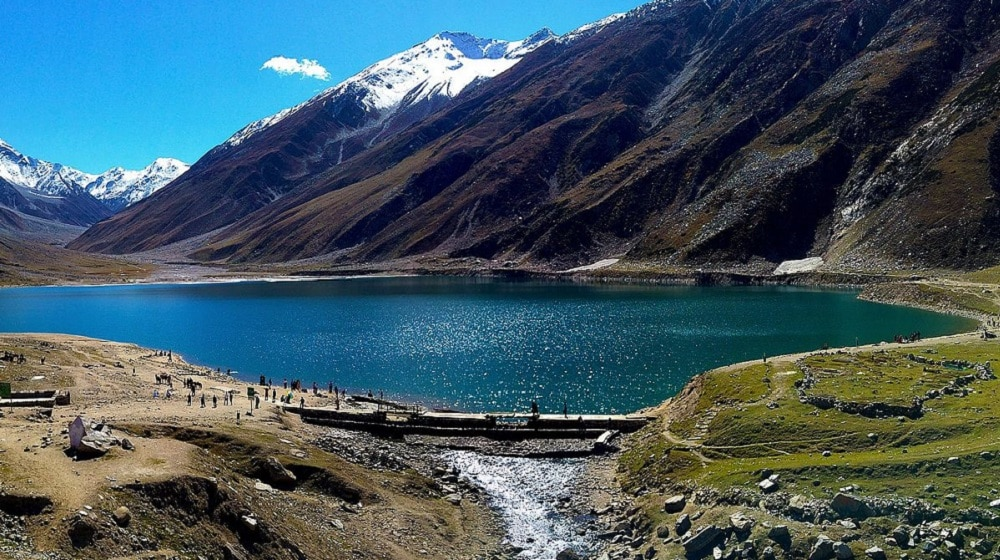
The Khyber Pakhtunkhwa government has formally bifurcated the historic and world-famous Swat district into two separate administrative units, Swat and Bar Swat, with immediate effect. The decision has been notified officially and marks a significant administrative change in one of Pakistan’s most prominent tourist regions.

The move was approved during a provincial cabinet meeting held on December 19, 2025, and implemented under Sections 5 and 6 of the Khyber Pakhtunkhwa Land Revenue Act, 1967. According to the notification, the restructuring aims to reduce administrative pressure and improve access to public services for residents across the valley.

Under the new arrangement, Bar Swat district will have its headquarters in Matta. The tehsils included in Bar Swat are Matta, Bahrain, and Khwazakhela. Meanwhile, the remaining Swat district will retain its headquarters at Gulkada in Babuzai tehsil, covering Babuzai, Kabal, Charbagh, and Barikot tehsils.

Provincial authorities say the division is intended to bring governance closer to the people, especially those living in upper Swat areas who have long complained about difficulties in accessing administrative offices. Officials argue that a smaller administrative footprint will allow for quicker decision-making, improved law and order, and better planning at the local level.

The announcement has generated mixed reactions among residents. In Khwazakhela and surrounding upper Swat areas, many locals have welcomed the decision, calling it a long-standing demand. Residents say they often had to travel to Mingora or Saidu Sharif for routine legal, revenue, and administrative matters, which was both time-consuming and costly.

In Matta, optimism is also visible. Local voices believe that becoming a district headquarters could bring new government offices, job opportunities, and infrastructure development. Community activists expect the new setup to help authorities respond more effectively to public complaints and security concerns.

However, skepticism remains in other parts of Swat. Some residents in Mingora have questioned whether administrative bifurcation alone can address deep-rooted issues such as traffic congestion, population pressure, and shortages in health and education facilities. They argue that previous administrative changes did not always translate into meaningful development on the ground.

There are also concerns that the split could create social or political divisions within the valley. Critics caution that without proper planning, budgeting, and resource allocation, the creation of a new district could increase administrative costs without delivering proportional benefits.

Government officials, however, insist that the bifurcation will enable focused governance, more efficient use of resources, and balanced development across both districts. Relevant federal and provincial departments have been informed to begin implementation, including the establishment of new offices and administrative structures.

As Swat continues to grow in population and tourism importance, the success of this decision will largely depend on how effectively the new districts are managed in the coming months.

Pakistan Railways Set to Export Coaches and Wagons to Five Countries

Pakistan Railways is preparing to enter the international market by exporting railway coaches and freight wagons to five countries, marking a major step toward reviving the national rail sector and boosting foreign exchange earnings.

Federal Minister for Railways Hanif Abbasi announced the development on Wednesday while speaking to Geo News, confirming that Pakistan Railways will export rolling stock to Chile, Argentina, Sri Lanka, Bangladesh, and Nepal.

According to the minister, ambassadors from these countries will be invited to the Ministry of Railways later this week, where detailed presentations will be given on Pakistan Railways’ manufacturing capabilities, technical standards, and pricing structure.

Expanding Pakistan Railways’ Global Footprint

The move signals a shift in Pakistan Railways’ strategy from being a domestically focused transport service to becoming a regional and international supplier of railway equipment. Officials believe the initiative could open long-term export opportunities, especially in developing and emerging markets seeking cost-effective rail solutions.

Pakistan Railways has decades of experience in manufacturing and refurbishing coaches and wagons at facilities such as the Carriage Factory Islamabad and Mughalpura Workshops in Lahore. These units have historically produced passenger coaches, freight wagons, and specialized rail equipment for domestic use.

By leveraging existing infrastructure, the government aims to turn underutilized production capacity into a revenue-generating export industry.

Countries Showing Interest

The five target countries span South Asia and Latin America, regions where demand for affordable railway infrastructure remains strong.

  • Sri Lanka, Bangladesh, and Nepal are seeking upgrades to aging rail fleets and cost-efficient alternatives to expensive Western manufacturers.
  • Chile and Argentina, with extensive rail networks, are exploring diversification of suppliers to reduce procurement costs and speed up delivery timelines.

Inviting ambassadors for in-person briefings suggests Pakistan Railways is pursuing government-to-government engagement, which could streamline approvals and build confidence among potential buyers.

Economic and Industrial Impact

Exporting railway coaches and wagons could significantly benefit Pakistan’s economy by:

  • Generating foreign exchange earnings
  • Creating new jobs in manufacturing and engineering
  • Revitalizing dormant railway workshops
  • Enhancing Pakistan’s image as a competitive industrial exporter

Officials say the export plan aligns with broader government goals to reduce reliance on imports, strengthen local manufacturing, and expand non-traditional exports beyond textiles and agriculture.

Quality Standards and Competitive Pricing

Hanif Abbasi emphasized that Pakistan Railways’ rolling stock meets international safety and engineering standards, while remaining more affordable than products from Europe or East Asia.

Industry experts note that Pakistan’s advantage lies in competitive labor costs, established technical expertise, and flexible customization options, allowing buyers to tailor coaches and wagons to their specific rail gauges and operating conditions.

The Ministry of Railways is also reportedly working on improving quality assurance mechanisms to ensure exported units comply with international certification requirements.

Part of a Broader Rail Revival Plan

The export initiative comes amid renewed efforts to modernize Pakistan Railways, including track upgrades, digital ticketing reforms, and public-private partnerships.

By entering export markets, Pakistan Railways aims not only to earn revenue but also to restore institutional credibility after years of financial and operational challenges.


Pakistan’s First Female MMA Fighter Anita Karim Misses UAE Fight Over Visa Issues

Pakistan’s pioneering female mixed martial arts (MMA) athlete, Anita Karim, was forced to miss her scheduled fight in Abu Dhabi due to unexpected visa complications.

Karim was set to compete at UAE Warriors 67 on January 31, 2026, marking what would have been her second fight within just three weeks. She had completed an intense training camp, preparing rigorously for the high-profile bout.

The visa issue arose despite all preparations and coordination with the event organizers. Fans and sports analysts expressed disappointment, noting that Karim’s participation was eagerly anticipated as a milestone for women’s MMA in Pakistan.

Anita Karim has already established herself as a trailblazer in the male-dominated sport, inspiring aspiring female fighters across the country. Her dedication to MMA has earned her recognition on both national and international platforms, making her absence from UAE Warriors 67 a significant setback.

Officials from the promotion confirmed that visa delays prevented her from competing, while organizers expressed hope that she would return for future events. Sports enthusiasts and supporters continue to celebrate her achievements, highlighting her role in promoting gender equality in combat sports.

Karim’s journey reflects the growing popularity of MMA in Pakistan and the increasing presence of female athletes in international competitions. Despite this setback, she remains committed to representing Pakistan on the global stage and breaking barriers for women in sports.

13 Firms Submit Bids for Rs. 3.58 Billion Islamabad Road Project

The Capital Development Authority (CDA) has received bids from 13 construction firms for a major road project in Islamabad valued at Rs. 3.58 billion. The development comes after the authority relaxed its previously strict eligibility criteria for road contracts.

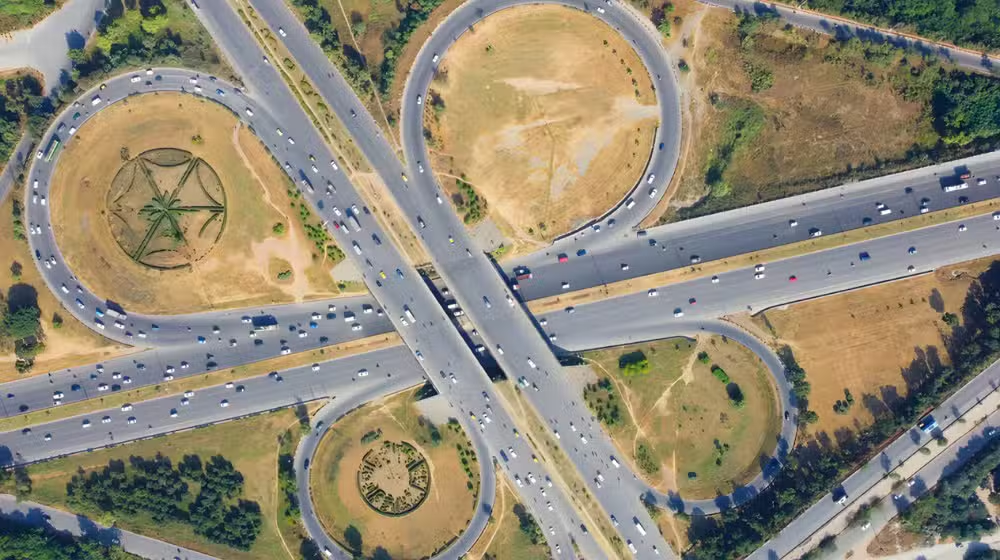
The project involves constructing a 2.7-kilometer stretch of Margalla Avenue, designed to connect it with the Peshawar Motorway M-1. Additionally, the plan includes building a new interchange on GT Road, aimed at improving traffic flow and reducing congestion in the capital.

Last year, the CDA invited bids for five major infrastructure projects, including the Serena Interchange, Murree Road underpass, T Chowk Flyover, Shaheen Chowk, and F-8 interchange. At that time, the authority had imposed strict conditions, requiring firms to complete mega projects within very short timelines, which limited participation.

The relaxation of eligibility criteria for the current project has encouraged greater competition and attracted more bidders, reflecting strong interest from local construction companies in Islamabad’s infrastructure expansion.

CDA officials note that this project is part of a broader effort to upgrade the city’s transport network, enhancing connectivity between major arteries and supporting the capital’s growing population and economic activity.

Construction experts believe that competitive bidding and relaxed conditions can accelerate project timelines and ensure better quality in execution while maintaining accountability.

The Margalla Avenue extension and GT Road interchange are expected to significantly improve traffic management, reduce travel time, and support commercial and residential growth in the region.

Pakistan Post to Complete Digital Transformation by January 2027

Pakistan Post is gearing up for a full digital transformation with the completion of its modernization initiative scheduled for January 2027. This move is part of a broader effort to bring the country’s postal services in line with international standards and enhance operational efficiency.

The Ministry of Communications has launched the Automation of Post Office Project, aimed at upgrading infrastructure, streamlining processes, and implementing digital solutions across all post offices in Pakistan. The project is being financed by the Export-Import Bank of Korea, highlighting strong international collaboration in advancing Pakistan’s postal sector.

Once fully implemented, the digital system will allow Pakistan Post to offer faster, more reliable services, improve tracking capabilities, and reduce paperwork. Citizens and businesses can expect a more seamless experience for domestic and international mail, parcels, and financial services.

Officials have emphasized that the digital rollout will also enhance financial transparency, enable better resource management, and strengthen compliance with global postal standards. The project marks a significant step toward modernizing public sector services and boosting Pakistan’s digital economy.

With January 2027 set as the target for full implementation, Pakistan Post’s transformation underscores the government’s commitment to technological innovation and service efficiency in public institutions.


From Forbmax to Betacodes: Pioneering Pakistan’s Sovereign AI Future

As the global discussion around Artificial Intelligence intensifies, a critical question emerges for nations shaping their digital futures: who truly owns the AI infrastructure, intelligence, and data? For Pakistan, the answer is becoming clear with Betacodes, formerly known as Forbmax.

Now part of BetaBytes Holding and an Official NVIDIA NCP Partner, Betacodes Pakistan has rebranded and redefined its mission. With significant investment from BetaBytes Holding, the company is moving Pakistan from being an AI consumer to an AI owner, building the foundation for national self-reliance in technology.

At the heart of this transformation is DataNext, a pioneering AI Factory platform designed to allow local government and private organizations to build, train, and deploy AI models within Pakistan. This ensures that sensitive data remains local, aligning with national regulations while supporting innovation.

Betacodes’ current initiatives include:

  • Sovereign AI Platforms: National-scale AI models governed under local laws.
  • GPU-as-a-Service (GPUaaS): Providing the computational power needed for research and enterprise applications through NVIDIA-certified infrastructure.
  • Enterprise Agentic AI: Autonomous AI systems that manage workflows and digital assets beyond simple chatbots.
  • Media & Intelligence Systems: AI-driven surveillance and analytics to enhance public safety and national security.

Waqar Ali, CEO of Betacodes Pakistan, emphasized the importance of this shift: “This is the realization of a long-held vision to give Pakistan true ownership of its AI destiny. Pakistan will not just consume AI; Pakistan will produce it.”

Supporting the initiative, Mario Glas, CEO of BetaBytes Holding, Singapore, highlighted the aim to bring world-class infrastructure to Pakistan. He noted that BetaBytes was established to accelerate sovereign AI ecosystems in emerging markets, delivering NVIDIA-certified GPU cloud platforms and high-standard AI deployment capabilities directly to the country.

Sovereign AI is more than a technical ambition—it is a strategic necessity. Hospitals, banks, and government agencies increasingly rely on AI for decision-making and public services. Locally trained AI ensures cultural relevance, regulatory compliance, and data security, all while reducing dependence on foreign systems.

By creating National AI Factories and GPU Clouds, Betacodes and DataNext are establishing the backbone for a secure, self-sustaining digital economy. With major national deployments on the horizon, Pakistan is taking control of its AI destiny, signaling the start of a new era of technological independence.

PTCL Submits Telenor-Ufone Merger for PTA Regulatory Review

Pakistan Telecommunication Company Limited (PTCL) has formally submitted an application to the Pakistan Telecommunication Authority (PTA) seeking approval for the proposed merger of Telenor Pakistan and Ufone. The submission marks the beginning of the regulatory review process required for such a major consolidation in the telecom sector.

According to sources, the PTA will now conduct a detailed assessment of the merger, expected to take approximately one and a half to two months. The review will focus on evaluating the combined entity’s business plan, network infrastructure, tower assets, spectrum holdings, and overall operational readiness.

The regulatory examination will also consider the merger’s impact on market competition, ensuring that consumers continue to benefit from fair pricing, service quality, and network accessibility. Spectrum concentration and potential effects on telecom sector dynamics will form a critical part of the authority’s assessment.

Industry analysts note that the merger, if approved, could reshape Pakistan’s telecom landscape by consolidating resources, improving network efficiency, and enhancing service delivery. However, regulatory oversight is seen as crucial to prevent market monopolization and maintain healthy competition.

PTCL’s filing underscores its commitment to following formal procedures and aligning the merger with national regulatory standards. The authority’s decision will play a pivotal role in determining the timeline for integration between Telenor Pakistan and Ufone.

As the PTA review progresses, stakeholders, investors, and consumers are closely monitoring developments. The outcome will influence future telecom investment strategies and may set a precedent for other potential mergers in the sector.


Pakistan’s Forex Reserves Expected to Reach Record High by December 2026

pakistan’s foreign exchange reserves are projected to reach an all-time high by the end of December 2026, marking a significant milestone for the country’s financial stability and macroeconomic outlook. According to estimates shared by Topline Securities, reserves held by the State Bank of Pakistan (SBP) are expected to exceed $20.2 billion, reflecting improved external account management and sustained inflows.

This projected increase comes at a time when Pakistan has been focusing on strengthening its balance of payments position. A higher reserve level enhances the country’s ability to manage external shocks, stabilize the currency, and meet international payment obligations with greater confidence.

Analysts note that reserves crossing the $20 billion mark would be sufficient to cover nearly three months’ worth of imports, a benchmark often used to assess external sector resilience. Import coverage at this level reduces vulnerability to sudden capital outflows and supports smoother trade operations.

The improvement in forex reserves is largely attributed to a combination of disciplined fiscal measures, controlled imports, steady remittance inflows, and enhanced coordination with international financial institutions. Pakistan’s engagement with multilateral lenders and bilateral partners has also helped ease pressure on foreign currency holdings.

A stronger reserve position also plays a critical role in stabilizing the Pakistani rupee. When reserves are adequate, the central bank has more flexibility to manage exchange rate volatility and maintain market confidence. This, in turn, supports inflation control by reducing the cost of imported goods and energy.

Economists believe that rising reserves send a positive signal to investors and credit rating agencies. Improved external buffers often translate into better sovereign risk perception, potentially lowering borrowing costs and improving access to global capital markets.

The expected milestone also reflects broader structural adjustments within the economy. Export growth, particularly in value-added sectors, and a cautious approach to non-essential imports have contributed to easing pressure on the current account. Meanwhile, consistent remittance flows from overseas Pakistanis continue to provide critical support.

While challenges remain, including global economic uncertainty and geopolitical risks, the forecast underscores cautious optimism about Pakistan’s financial trajectory. Sustaining this momentum will require continued policy consistency, export diversification, and prudent debt management.

If achieved, the record-high forex reserves by December 2026 would represent a turning point, offering greater economic stability and improved confidence in Pakistan’s long-term economic management.


Pak Suzuki Strengthens Environmental Commitment Through “Clean-Up the World” Beach Cleaning Campaign at Seaview Clifton

In line with Suzuki Motor Corporation’s global initiative “Clean-Up the World Campaign,” Pak Suzuki Motor Company Limited successfully organized its annual Beach Cleaning Campaign at Seaview Clifton, continuing a tradition that began in 2012. The initiative reflects Pak Suzuki’s long-term commitment to promoting environmental awareness and encouraging responsible community participation toward a cleaner, healthier, and more sustainable future.

This year, Pak Suzuki took a significant step forward by transforming the campaign into a city-level environmental movement. For the first time, students and faculty members from various schools were invited to participate, aiming to instill environmental responsibility among younger generations and amplify public awareness at the grassroots level.

The campaign witnessed enthusiastic participation from Pak Suzuki employees, dealers, suppliers, business associates , schools and universities along with families demonstrating a strong collective commitment to sustainability. Adding further value to the initiative, Pak Suzuki collaborated with the National Incubation Center (NIC) – NEDto onboard Trashit, an environmental sustainability startup. Through this partnership, the collected waste will be recycled and repurposed into usable materials for product manufacturing, supporting the circular economy and responsible waste management.

Pak Suzuki believes that such collaborative efforts play a vital role in protecting marine life, preserving coastal ecosystems, and fostering long-term environmental stewardship. By uniting communities, industry partners, and innovation platforms, Pak Suzuki continues to drive meaningful change toward a greener and healthier Pakistan.

Together, we are driving positive change for a cleaner & healthier world.

Scotland Replaces Bangladesh in ICC Men’s T20 World Cup 2026

The International Cricket Council (ICC) has confirmed that Scotland will replace Bangladesh in the upcoming ICC Men’s T20 World Cup 2026, scheduled to begin on February 7. The decision follows Bangladesh Cricket Board’s (BCB) refusal to participate in the tournament according to the published match schedule.

Group C Line-Up Updated

With this change, Scotland joins Group C alongside England, Italy, Nepal, and the West Indies. The announcement comes after the ICC assessed the security concerns raised by Bangladesh and found no credible or verifiable threat to the team in India, one of the co-hosts of the tournament along with Sri Lanka.

In a detailed statement, the ICC emphasized:

“The decision follows an extensive process undertaken by the ICC to address concerns raised by the BCB regarding the hosting of its scheduled matches in India. Independent security assessments were commissioned and verified, confirming that there was no credible threat to the Bangladesh team.”

ICC’s Decision-Making Process

Over a period of more than three weeks, ICC officials engaged with the BCB through multiple rounds of dialogue, both virtually and in person. Security and operational plans were shared, covering federal and state arrangements as well as enhanced security protocols. Despite repeated assurances, Bangladesh did not confirm participation within the 24-hour timeframe provided, prompting the ICC to move forward with selecting a replacement team.

Why Scotland Was Chosen

Scotland was next in line based on T20I rankings. Currently ranked 14th globally, Scotland stands ahead of other contenders that originally missed qualification, including Namibia, UAE, Nepal, USA, Canada, Oman, and Italy.

This marks a historic opportunity for Scotland to compete at the highest stage of T20 cricket, giving the team exposure against some of the world’s strongest sides.

International Oil Prices Rebound After France Seizes Russian Tanker

Global oil prices rose sharply on Friday following the seizure of a Russian oil tanker by French authorities in the Mediterranean Sea, intensifying supply concerns in the international energy market.

The captured vessel, reportedly transporting crude from Russia, prompted immediate market reactions, with traders factoring in potential disruptions to global oil flows. Analysts say the move adds pressure to already tight energy supplies amid geopolitical tensions.

Supply concerns were further heightened after US President Donald Trump renewed warnings against Iran, cautioning that any interference with global crude shipments could provoke a strong response. Traders interpreted the statements as a signal of continued risk to energy security in the Middle East.

In addition to geopolitical factors, recent production outages in Kazakhstan have contributed to tightening supply conditions, adding upward momentum to global oil prices. Market watchers note that the combination of political risks and operational disruptions has fueled volatility across international benchmarks.

The price rebound comes amid broader uncertainty in the energy sector, with buyers carefully monitoring developments in Europe, the Middle East, and Central Asia. Any prolonged delay or escalation could have ripple effects on refining margins, transport costs, and global energy inflation.

Economists suggest that if tensions persist, oil-importing countries, including Pakistan, may face higher fuel costs, potentially affecting transportation and industrial sectors. Meanwhile, energy firms are adjusting strategies, balancing short-term supply constraints with long-term demand expectations.

The French government has not yet disclosed the legal justification for the tanker seizure, but officials confirm the action is part of broader sanctions enforcement and maritime security measures. Russia has condemned the move, warning of diplomatic and economic repercussions.

Investors and policymakers alike will be watching the situation closely, as the next few days could determine whether this price rebound is temporary or signals a sustained upward trend in global oil markets.

aik by BankIslami Launches Pakistan’s First Shariah-Compliant Raast QR Payment Gateway

aik by BankIslami has taken a major step in advancing Pakistan’s digital payments ecosystem with the launch of aikPay, the country’s first Shariah-compliant Raast-enabled QR Payment Gateway. Built on the State Bank of Pakistan’s Raast infrastructure, aikPay enables real-time online payments through dynamic QR codes, offering a fast, secure, and fully digital checkout experience.

The launch positions aikPay as a milestone in Pakistan’s journey toward a cashless and inclusive digital economy. By allowing customers to make instant payments directly from their bank accounts, the platform removes the need for cards and reduces friction at checkout. At the same time, merchants receive payments securely with immediate confirmation and settlement.

The initiative follows a high-level engagement session organized by aik, bringing together key stakeholders from the State Bank of Pakistan and Raast Payments Pakistan. The session was attended by Muhammad Imaduddin, Director of Digital Innovations and Settlement at SBP, Ahson bin Saeed, CEO of Raast Payments Pakistan, along with senior leadership from BankIslami and aik. The presence of regulators and industry leaders underscored the importance of the development for the national payments infrastructure.

Ashfaque Ahmed, Chief Officer of aik, emphasized that digital payments are no longer optional but a daily necessity. He reiterated aik’s commitment to promoting Riba-free digital banking while supporting Pakistan’s broader transition toward a technology-driven economy. According to him, aikPay reflects aik’s focus on delivering innovative, user-friendly solutions that simplify everyday financial transactions.

From a customer perspective, aikPay offers a seamless and convenient payment experience. Users can shop online and complete payments using any Raast-enabled mobile banking application, with instant transaction confirmation and no reliance on debit or credit cards. This approach enhances accessibility, especially for users who prefer account-to-account payments.

Merchants stand to benefit significantly from the new gateway. aikPay provides nationwide reach through Raast interoperability, enabling businesses to accept payments from customers across Pakistan. Real-time settlement improves liquidity, while competitive MDR rates make it a cost-effective option for small and medium enterprises, online platforms, institutions, and government entities.

By combining Shariah compliance with Raast’s real-time infrastructure, aikPay bridges an important gap in Pakistan’s fintech landscape. It aligns Islamic banking principles with modern digital payment needs, offering a scalable solution that supports financial inclusion, transparency, and efficiency.

The launch of aikPay marks another step toward strengthening Pakistan’s digital payments framework while reinforcing BankIslami and aik’s role in shaping the future of ethical, technology-driven banking.

Pakistan–Saudi Investment Ties Strengthen at WEF Davos Meeting

Pakistan and Saudi Arabia have taken significant steps to strengthen their economic partnership as Finance Minister Muhammad Aurangzeb met with Saudi Minister of Investment Khalid Al-Falih on the sidelines of the 26th Annual World Economic Forum in Davos.

The high-level discussion focused on expanding bilateral investment ties and exploring new opportunities for cooperation. Both ministers described the engagement as timely and constructive, emphasizing a shared commitment to deepening economic relations between the two nations.

During the talks, the ministers reviewed ongoing cooperation across multiple sectors and assessed the progress of proposed investment projects. Special attention was given to ensuring that current initiatives move forward efficiently through better coordination and follow-up mechanisms.

Saudi Minister Al-Falih highlighted Pakistan’s economic potential, citing its strategic geographic location, rich natural resources, and growing investment opportunities. He described Pakistan as a promising destination for long-term economic partnerships, signaling a strong Saudi interest in future collaboration.

Both officials emphasized the importance of continuous dialogue and institutional coordination to translate discussions into concrete outcomes. A commitment was made to maintain regular high-level contact and strengthen institutional linkages to achieve shared economic objectives.

The meeting also reinforced mutual dedication to expanding Pakistan–Saudi bilateral relations through trust-based cooperation. Officials stated that sustained communication and strategic alignment on long-term priorities are essential to fostering investment-led growth.

According to Pakistan’s Ministry of Finance, the discussions concluded in a positive and collaborative atmosphere. Both ministers agreed to continue close cooperation and convert their shared vision into actionable projects that benefit both countries.

This engagement marks a key milestone in Pakistan–Saudi economic relations, reflecting both nations’ determination to strengthen trade, investment, and long-term partnership in line with regional and global economic opportunities.


PDMA Rescues 17 People Trapped in Vehicles Amid Snowfall in Quetta

Quetta witnessed a major rescue operation as the Provincial Disaster Management Authority (PDMA) successfully saved 17 people, including women and children, who were trapped in vehicles due to heavy snowfall in Muslim Bagh.

The stranded individuals were safely transported to the Emergency Response Center in Mehrtsai, where they were provided with blankets, food, and essential supplies to ensure their well-being. Around 20 to 25 vehicles were reported stranded in the affected area.

Snowfall also caused disruptions on the Ziarat Highway, where several cars became stuck, highlighting the challenges faced by motorists during the winter season.

Officials praised the PDMA team for executing the operation efficiently and professionally. Citizens who were rescued expressed their gratitude for the timely assistance and support provided by the disaster management authorities.

The successful operation underscores the importance of proactive disaster management in Pakistan, particularly in mountainous regions prone to winter weather hazards. PDMA officials emphasized that swift action and coordination are crucial in preventing accidents and ensuring public safety.

Authorities urged motorists traveling in snow-affected areas to exercise caution, carry emergency supplies, and stay updated on weather advisories to avoid similar situations in the future.

The PDMA’s response has been widely appreciated by the public, reflecting the effectiveness of trained emergency teams in managing unexpected winter challenges.


Parliament Passes Key Human Rights and Domestic Violence Bills Amid Opposition Protests

Pakistan’s parliament has approved three major legislative bills during a joint sitting, despite strong opposition protests, heated exchanges, and vocal objections over the domestic violence law. The ruling coalition secured majority support, marking a significant legislative victory.

The National Commission for Human Rights Act, the Danish Schools Authority Bill, and the Domestic Violence Prevention and Protection Bill were all passed after being reintroduced. Each bill had earlier been returned by the president and was tabled again after objections were addressed.

The National Commission for Human Rights Act 2025 was presented by the minister for parliamentary affairs and approved clause by clause. Amendments proposed by the Pakistan Peoples Party were accepted, while changes suggested by Jamiat Ulema-e-Islam-Fazl were rejected by the House.

Amendments to the Danish Schools Authority Bill were also approved amid opposition commotion. Under the revised law, the establishment of Danish Schools will now require approval from relevant provincial authorities. The bill was passed despite continuous protests inside the chamber.

The most contentious debate surrounded the Domestic Violence Prevention and Protection Bill. Minister of State for Interior Talal Chaudhry supported amendments moved by PPP’s Sharmila Farooqi, emphasizing that men should also be covered under the law as victims of domestic abuse often suffer in silence.

JUI-F MNA Aaliya Kamran, supported by Senator Kamran Murtaza, proposed amendments that were ultimately rejected. The House passed the bill with provisions extending protection to men included. Arguments against the bill cited concerns over family structures and property rights, which were dismissed during the debate.

Tensions escalated as opposition members staged a silent protest near the speaker’s dais, holding banners highlighting the law and order situation in Khyber Pakhtunkhwa. Speaker Ayaz Sadiq urged them to allow legislative business to proceed, suggesting protests be held afterward.

Maulana Fazlur Rehman strongly opposed the legislation, claiming it conflicted with religious principles, particularly regarding underage marriages. He warned of public resistance and accused the government of undermining democratic norms. His remarks further intensified the debate inside the House.

Despite the uproar, the joint sitting completed its legislative agenda. Following the passage of all three bills, the session was adjourned for an indefinite period, closing a day marked by political confrontation and major policy decisions.


Pet Lioness Attacks 8-Year-Old Girl in Lahore

In a shocking incident in Bhekay Wal Pind, Lahore, an eight-year-old girl was injured after being attacked by a pet lioness, police confirmed on Wednesday.

Authorities reported that the child sustained injuries to her ear, neck, and leg. She was immediately transported to a nearby hospital, where she is receiving urgent medical treatment.

Police are investigating the circumstances surrounding the attack, including how a wild animal was kept as a pet and whether safety protocols were in place. The incident has raised concerns among residents about the keeping of exotic animals in residential areas, with calls for stricter regulations and enforcement.

Officials urge parents and local communities to remain cautious and report any unsafe conditions involving wild or exotic animals.

Heavy Snowfall Expected in Murree, Punjab Government Takes Precautions

Murree is bracing for heavy snowfall and rain as a western weather system impacts the region. The Punjab Government has issued instructions to ensure public safety and minimize disruption during the adverse weather conditions.

Provincial Minister for Communications, Malik Sohaib Ahmed Bharth, visited Murree to assess the situation firsthand. He chaired a meeting with the district administration, where officials presented detailed plans for snow clearance, road safety, and landslide prevention.

Authorities warned that snowfall and rain are expected today and tomorrow, with accumulation projected between 12 to 20 inches. Officials urged residents and tourists to exercise caution, avoid unnecessary travel, and follow safety guidelines issued by local authorities.

The provincial government has mobilized emergency response teams, snow removal equipment, and traffic management personnel to maintain road accessibility and protect vulnerable areas prone to landslides. Public transport and local authorities have been instructed to coordinate closely to prevent accidents and delays.

Weather experts advise that the western disturbance could intensify the snowfall, particularly in high-altitude areas of Murree and surrounding regions, making preparation and vigilance essential for the coming days.

Sub-Zero Temperatures Recorded After Season’s First Snowfall

The winter season has made a strong entry in Balochistan, as the first snowfall of the season triggered a sharp drop in temperatures across Quetta and several northern districts, pushing the mercury below freezing in multiple areas. The sudden cold wave has intensified weather conditions, particularly in high-altitude regions, where snowfall remains ongoing.

According to field reports, snowfall continues in Chaman and surrounding areas, including Khojak Top, Khwaja Imran, Toba Achakzai, Qila Abdullah, Gulistan, Jangal Pir Alizai, Shela Bagh, and Mezai Adda. These areas have experienced persistent snowfall since the start of the system, significantly affecting daily life and travel conditions.

The Pakistan Meteorological Department (PMD) confirmed that Chaman’s temperature has dropped to -1°C, marking the first sub-zero reading of the season for the region. Even colder temperatures were recorded in nearby mountainous locations. Khojak Top and Khwaja Imran both reported temperatures of -3°C, while Toba Achakzai emerged as one of the coldest areas, with temperatures plunging to -4°C.

In addition to the extreme cold, snowfall accumulation has been substantial in several locations. Officials estimate that Toba Achakzai has received around 1.5 feet of snow, while Khojak Top recorded nearly one foot of accumulation. Chaman has seen approximately ten inches of snow, further worsening road and mobility conditions.

Elsewhere in northern Balochistan, Qila Saifullah and adjoining areas experienced steady rainfall, which has added to the chill and lowered temperatures further. Weather authorities stated that rain and snowfall in Qila Saifullah are expected to continue until the evening, suggesting prolonged cold conditions in the region.

Kan Mehtarzai and Muslim Bagh also reported intermittent snowfall, while Mastung witnessed its first snowfall of the winter season, with large parts of the city briefly covered in white. Residents reported a noticeable drop in temperatures following the snowfall, signaling the onset of a colder-than-usual winter pattern.

Meanwhile, rainfall in Kharan, Panjgur, and surrounding areas has contributed to a colder start to the season across southern parts of the province as well. Though these areas did not receive snow, the rain has significantly reduced temperatures and increased cold intensity.

Meteorological officials have advised residents, particularly in high-altitude and snow-prone regions, to take precautionary measures due to the risk of road closures, reduced visibility, and freezing conditions. Travelers have been urged to remain cautious while commuting through mountainous passes, including Khojak Top, which is prone to heavy snow accumulation.

As the winter system continues to affect Balochistan, authorities are closely monitoring the situation. Further updates are expected if the cold spell intensifies or extends to additional areas in the coming days.

Most of Rawalpindi’s High-Rise Buildings Lack Fire Safety

A concerning picture has emerged regarding fire safety standards in Rawalpindi, as official assessments reveal that the vast majority of the city’s high-rise buildings do not meet basic fire safety requirements. According to the Punjab Community Safety Building Regulations, Rawalpindi has a total of 163 high-rise buildings, yet only one commercial building has been declared fully compliant with mandatory fire safety standards.

Rescue officials confirmed that all 163 high-rise structures in the city have now been formally classified based on their safety preparedness. The findings show a serious gap between regulatory requirements and on-ground implementation, raising alarms about the potential risks faced by residents, workers, and visitors in these buildings.

Out of the entire list, only one hotel building has been placed in Category A, meaning it has a fully functional automatic fire safety system installed and operational. This includes features such as fire alarms, smoke detectors, sprinkler systems, and emergency response mechanisms that meet regulatory benchmarks. The remaining buildings fall into lower safety categories, indicating partial compliance or, in many cases, a complete absence of required systems.

Rescue sources highlighted that many high-rise buildings either lack automatic fire detection systems altogether or have installed equipment that is outdated, non-functional, or poorly maintained. In several cases, emergency exits are either blocked or not clearly marked, while fire extinguishers are missing or expired. Such shortcomings significantly increase the risk of casualties in the event of a fire, especially in densely populated commercial and residential towers.

The issue has also exposed weaknesses in enforcement. While safety regulations clearly outline the requirements for high-rise structures, implementation and regular inspections remain inconsistent. Experts warn that without strict monitoring and penalties, building owners often delay or avoid investing in costly fire safety upgrades.

Urban planners and safety professionals have repeatedly stressed that fire incidents in high-rise buildings can escalate rapidly due to vertical design, limited evacuation routes, and delayed emergency response. In cities like Rawalpindi, where many buildings house offices, apartments, hotels, and shopping areas, the consequences of inadequate safety measures could be severe.

Rescue authorities have urged relevant departments to take immediate action, including issuing notices to non-compliant buildings and ensuring mandatory upgrades within defined timelines. They also emphasized the need for regular fire drills, staff training, and public awareness to minimize risks.

As Rawalpindi continues to expand vertically due to urbanization and space constraints, the lack of fire safety compliance in high-rise buildings presents a growing public safety challenge. Addressing these gaps will require coordinated efforts between regulatory bodies, local administration, and building owners to ensure that safety standards are not merely documented on paper but effectively enforced on the ground.

Pakistan Customs Seizes Smuggled Goods Worth Rs. 170 Million in KP Operations

Pakistan Customs Enforcement in Khyber Pakhtunkhwa has successfully confiscated smuggled goods and vehicles valued at Rs. 170 million during three separate anti-smuggling operations, officials reported on Wednesday.

The operations were conducted by Anti-Smuggling Detachments (ASDs) in Nowshera, Dera Ismail Khan, and Hazara, targeting illegal trade, smuggling, and narcotics trafficking. Authorities emphasized that these efforts aim to curb organized smuggling networks and protect local businesses from illicit competition.

Among the seized items were foreign-origin charas, cashew nuts, black pepper, cigarettes, and other miscellaneous smuggled goods. Additionally, an NDP Toyota Hilux Surf was confiscated during the enforcement actions. The seizures highlight the continued vigilance of Pakistan Customs in preventing the circulation of illegal goods across provincial borders.

Officials stated that strict monitoring, intelligence-led operations, and coordinated enforcement have played a crucial role in detecting and intercepting smuggled goods. These operations also aim to ensure compliance with customs regulations and safeguard public revenue.

Pakistan Customs Enforcement continues to encourage public cooperation in reporting suspicious activities. Authorities reaffirmed their commitment to maintaining strict control over smuggling channels and cracking down on illicit trade in the province.