Pakistan to Host Karachi Open PSA World Tour Gold After 20 Years


Pakistan is gearing up to make a major comeback on the international squash circuit as it prepares to host a high-profile PSA World Tour Gold event for the first time in two decades. The Karachi Open, scheduled from January 6 to January 11, marks a landmark moment for the sport in the country and signals renewed ambition to revive Pakistan’s historic squash legacy.

The event will take place in Karachi and features a strong lineup of elite international talent. With a total prize purse of $243,000, split equally between the men’s and women’s competitions, the Karachi Open places Pakistan back among nations capable of hosting world-class squash tournaments. The scale of the event matches contemporary international standards and is expected to attract global attention.

In a competitive international field, five of the world’s top 10 players have confirmed their participation, signalling high interest and confidence in Pakistan as a host destination. Former world champion and current World No. 5 Karim Gawad of Egypt will lead the tournament as the top seed. He is followed closely by World No. 7 Marwan El Shorbagy, also of Egypt, who enters as the second seed. World No. 6 Youssef Ibrahim has been named the third seed, adding further strength to the draw.

The participation of such high-ranking athletes reflects not only the prestige of the Karachi Open but also the efforts being made to restore Pakistan’s position within international squash. The country previously dominated the sport for decades, producing multiple world champions, including Jahangir Khan and Jansher Khan, who shaped global squash history. However, international events gradually disappeared from local venues due to security and infrastructure challenges.

Hosting a major PSA event after 20 years indicates improved security conditions, better infrastructure, and growing institutional support for sports. It also provides a crucial opportunity for Pakistani players to test their skills against world-class competitors on home ground, a chance that has been absent for a generation.

Administrators and sports analysts believe the Karachi Open could act as a catalyst for long-term development, creating pathways for local talent and encouraging wider investment in squash facilities and athlete training. For fans, the tournament offers a rare chance to witness some of the world’s best athletes live, while for organisers, it carries the responsibility of delivering a successful showcase event that meets international expectations.

As the countdown begins, anticipation is high. The Karachi Open represents more than a sporting event; it is a symbolic milestone in Pakistan’s attempt to re-enter the global sports arena with confidence, professionalism, and a renewed commitment to excellence.

Saudi Land Forces Commander, Pakistan Army Chief discuss stronger defence cooperation at GHQ


Lieutenant General Fahad Bin Saud Al-Johani, Commander of the Royal Saudi Land Forces, met Field Marshal Syed Asim Munir, NI (M), HJ, Chief of Army Staff, at General Headquarters (GHQ) Rawalpindi, where both sides reaffirmed their commitment to deeper defence and strategic cooperation. The engagement highlighted the enduring military partnership between Pakistan and Saudi Arabia and underscored a shared focus on regional security.

According to the official statement, discussions centred on areas of mutual interest, emerging security challenges, and new avenues for enhanced bilateral collaboration. Defence ties between the two countries have historically been marked by joint training, military exchanges, and intelligence cooperation, which both leaders expressed a desire to expand.

Field Marshal Asim Munir expressed satisfaction over the strong defence cooperation between the two states, noting that continued coordination would help strengthen capability development and regional stability. He emphasised the importance of advancing joint efforts in training, capacity building, and information sharing to deal with evolving threats.

Lieutenant General Al-Johani appreciated the professionalism and operational experience of the Pakistan Army. He also acknowledged Pakistan’s role in supporting peace and stability in the region, stressing that Saudi Arabia values its long-standing relationship with Pakistan’s armed forces.

The visit reflected the broader commitment of both nations to sustaining high-level defence contacts, with leadership on both sides recognising the strategic importance of ongoing engagement. The arrival of the visiting dignitary was marked by a formal Guard of Honour, symbolising the significance of the meeting and the robust ties between the two militaries.

The renewed reaffirmation of cooperation comes as both Pakistan and Saudi Arabia navigate shifting geopolitical dynamics in the Middle East and South Asia. Defence officials from both countries view sustained collaboration as a critical pillar for collective security and long-term strategic alignment.

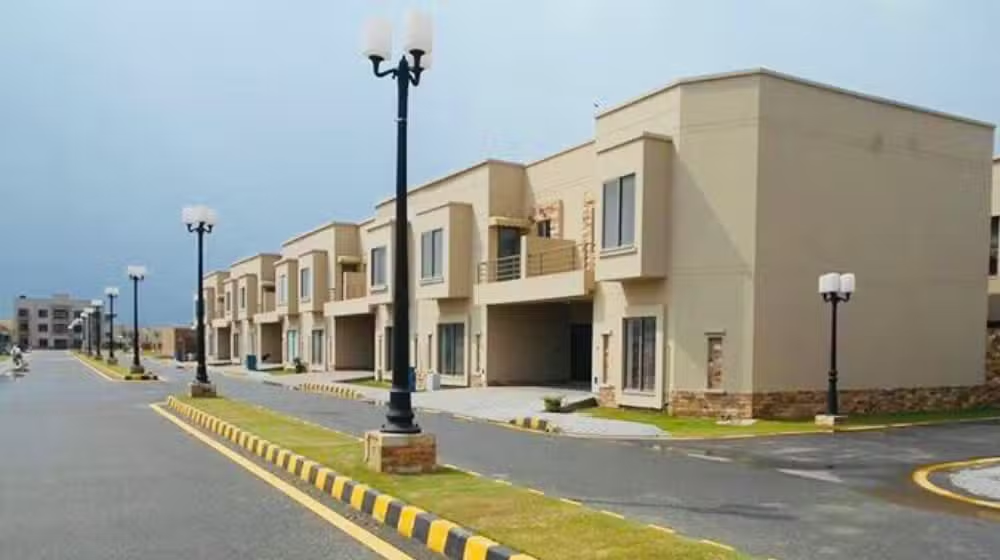
Karachi Plans Dubai-Style High-Rise Expansion to Address Urban Growth

Mayor Unveils Vertical Housing Vision for Megacity Future

Karachi Mayor Murtaza Wahab Siddiqui has proposed an ambitious urban development strategy centered on high-rise, Dubai-style housing projects to accommodate the city’s explosive population growth. Speaking at the Pakistan Population Summit, Wahab emphasized that vertical expansion presents the only viable solution as Karachi prepares to become one of the world’s 10 largest urban centers by 2030.

Global Models Inspire Karachi’s Development Blueprint

The mayor highlighted successful high-density urban models from Dubai, Singapore, Malaysia, and Indonesia as templates for Karachi’s transformation. While acknowledging the higher costs of vertical construction, Wahab stressed its long-term benefits: “Vertical development allows us to design modern infrastructure from the ground up, unlike horizontal expansion which strains existing systems.” This approach would include integrated utilities, transportation networks, and public spaces in new developments.

2.1 Million Climate-Resilient Homes Planned for Sindh

As part of a broader provincial initiative, Wahab announced Sindh’s plan to construct 2.1 million climate-resilient housing units. The program includes incentives like free land allocations to encourage organized settlement patterns and reduce urban sprawl. The mayor particularly emphasized transforming informal settlements through innovative planning that combines affordability with modern amenities.

Balancing Growth With Sustainability Challenges

The proposed high-rise solution aims to address Karachi‘s dual challenges of limited land availability and population density, which currently stands at approximately 24,000 people per square kilometer in some areas. Urban planners warn that successful implementation will require strict building codes, improved public transit, and climate adaptation measures to prevent the creation of vertical slums.

ICC Rankings Update: Pakistan Cricketers Shine in Latest ICC Rankings Update

Saim Ayub Reclaims Top Spot as T20I All-Rounder

Pakistani cricket continues to make waves internationally as Saim Ayub regained his position as the No. 1 T20I all-rounder in the latest ICC Player Rankings. The young talent’s rapid ascent highlights his growing influence in world cricket, reinforcing Pakistan’s strong presence in the shortest format. His dynamic performances with both bat and ball have solidified his reputation as one of the most exciting players in the game today.

Mohammad Nawaz Climbs in All-Rounder and Bowling Rankings

Veteran all-rounder Mohammad Nawaz also made significant progress, jumping to 4th among T20 all-rounders and securing the 11th spot in the T20 bowlers’ rankings. His consistent contributions in white-ball cricket demonstrate his value to the national team, particularly in high-pressure matches. Nawaz’s ability to deliver with both bat and ball makes him a crucial asset in Pakistan’s T20 setup.

Abrar Ahmed Emerges as a Leading Spinner

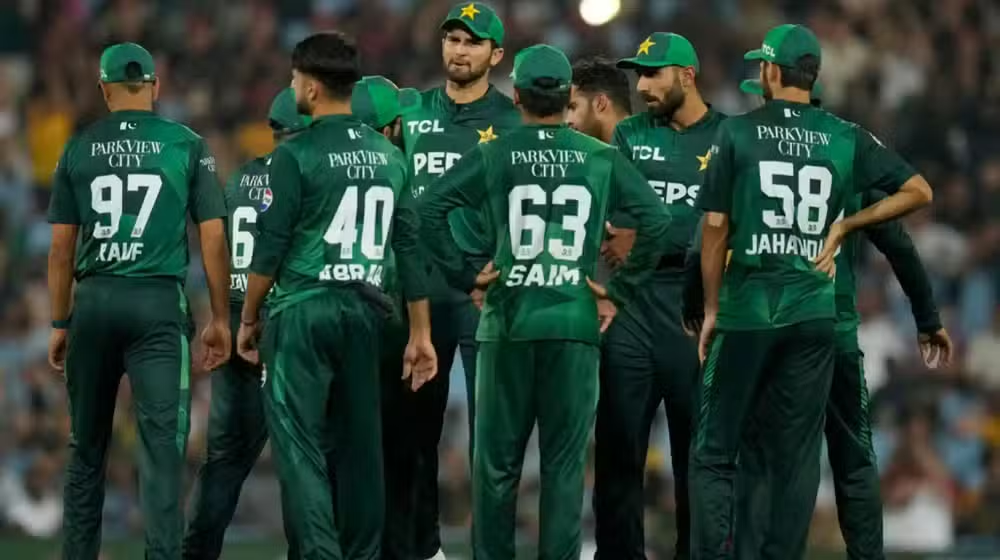
Spin sensation Abrar Ahmed continued his impressive rise, moving up to 4th in the T20I bowlers’ rankings while maintaining his 9th position in ODIs. His crafty variations and wicket-taking ability have made him a key figure in Pakistan’s bowling attack across formats. Abrar’s success underscores the team’s depth in spin bowling, providing a competitive edge in upcoming tournaments.

Pakistan’s Growing Strength Across Formats

The latest rankings reflect Pakistan’s deepening talent pool and competitive edge in international cricket. With multiple players excelling in different formats, the team appears well-positioned for future challenges, including major ICC events. The performances of Ayub, Nawaz, and Abrar highlight the blend of youth and experience driving Pakistan’s success on the global stage.

Niaz Stadium Set for PSL Comeback as PCB Plans Major Upgrades

Historic Cricket Venue Poised for PSL Return

Cricket fans in Hyderabad are rejoicing as the Pakistan Cricket Board (PCB) moves closer to hosting Pakistan Super League (PSL) matches at the iconic Niaz Stadium. The venue, where Pakistan maintains an unbeaten record in international cricket, is undergoing significant upgrades to meet modern standards. PCB officials have confirmed that a Memorandum of Understanding (MoU) has been signed with the city administration, paving the way for renovations.

Floodlights and Infrastructure Upgrades Underway

The stadium, which recently saw the installation of floodlights, is now set for further enhancements to comply with international cricket requirements. The PCB has outlined plans to modernize facilities, including improved seating, media boxes, and player amenities. These upgrades aim to restore Niaz Stadium’s status as a premier cricket venue, capable of hosting high-profile matches.

Hyderabad’s Cricket Legacy to Be Revived

Niaz Stadium holds a special place in Pakistan’s cricket history, having hosted memorable matches in the past. The return of PSL fixtures is expected to reignite the city’s passion for the sport, providing local fans with top-tier cricket action. PCB’s decision reflects a broader strategy to expand PSL’s footprint beyond major cities, promoting the game in regional hubs.

Fan Excitement Builds Ahead of PSL 2025

With preparations in full swing, Hyderabad’s cricket enthusiasts are eagerly anticipating the return of elite-level matches. The stadium’s revival is seen as a major boost for domestic cricket development, offering young players a platform to showcase their talent. PCB’s commitment to upgrading Niaz Stadium underscores its dedication to enhancing Pakistan’s cricket infrastructure.

Pakistan Stars Head to Australia for Big Bash League 2025-26

A host of Pakistan’s leading cricketers are set to arrive in Australia early next week to participate in the upcoming season of the Big Bash League (BBL), marking another significant presence of Pakistani talent in one of the world’s most popular franchise T20 competitions.

The tournament is scheduled to begin on December 14 and will run through January 25, featuring league fixtures, playoffs and the final spread across major Australian venues. Teams have already begun preparations, with training camps underway to help players acclimatize to local conditions and finalize playing combinations ahead of the season start.

Sources confirm that several prominent Pakistani players, including Babar Azam, Shaheen Shah Afridi, Mohammad Rizwan, Haris Rauf, Shadab Khan and Hasan Ali, are expected to take part in the BBL. Their participation brings star power and global fan interest to the competition, as these players command significant followings and have established reputations for strong performances in T20 cricket.

The players will join training camps at their respective franchises shortly after arrival. Adapting to Australian surfaces and weather conditions remains a crucial part of pre-season preparations, particularly for fast bowlers and power-hitters looking to optimize their performance under local playing conditions.

Interestingly, BBL teams have reportedly created fan zones named after Pakistan players, reflecting the commercial and engagement value the cricketers bring to the tournament. Pakistani fans, both in Australia and abroad, have historically followed domestic Australian T20 cricket with increased enthusiasm when national players are involved.

The Pakistan Cricket Board (PCB) has issued No Objection Certificates (NOCs) to players for their participation. However, officials have clarified that all cricketers will remain available for national duty during this period, ensuring international commitments take priority should scheduling overlaps arise.

The arrival of Pakistan’s top-tier athletes in the BBL is likely to influence team strategies, especially with batters like Babar Azam and Mohammad Rizwan known for their anchoring roles and explosive finishers like Shadab Khan capable of shifting momentum with bat and ball. Fast bowlers such as Shaheen Afridi and Haris Rauf, both familiar with Australian pitches, could play decisive roles for their respective sides.

With various leagues around the world increasingly competing for marquee names, Pakistan’s participation in the BBL reinforces the evolving relationship between international players and franchise cricket. For local fans, the presence of Pakistani stars promises more competitive matches, higher viewership and memorable performances.

As the tournament approaches, franchises will finalize squads, practice matches and marketing campaigns, setting the tone for what is expected to be another action-packed edition of the Big Bash League.

Moin Khan Health Update: Moin Khan Denies False Health Rumors, Urges Against Fake News

Cricket Legend Dismisses Baseless Health Speculation

Former Pakistan cricket captain Moin Khan has firmly denied false rumors circulating about his health, calling them “utterly irresponsible.” The 1992 World Cup-winning wicketkeeper addressed the speculation in a video statement shared by journalist Qadir Khawaja, reassuring fans that he is “perfectly healthy” and living life with gratitude.

The unfounded reports had spread rapidly on social media, causing concern among fans who began offering prayers for his well-being. Moin’s prompt clarification put an end to the rumors, emphasizing the need for responsible information sharing.

Moin Khan Calls for Responsible Social Media Behavior

In his statement, the cricket veteran urged people to avoid spreading unverified claims and instead focus on positivity and prayers. His message highlighted the dangers of fake news, which can cause unnecessary panic and distress.

Moin, who played a crucial role in Pakistan’s 1992 World Cup victory, remains an influential figure in cricket circles. The false reports had particularly alarmed fans given his iconic status in Pakistani sports history.

Fans Relieved After Clarification

Supporters expressed relief after Moin’s video statement, with many praising his composed response to the misinformation. The incident has reignited discussions about the impact of fake news on public figures and the importance of verifying information before sharing it.

Moin Khan’s career, spanning over a decade, includes memorable performances in both Tests and ODIs, making him one of Pakistan’s most respected cricketers. His latest message reinforces his commitment to transparency and truth, even in retirement.

Karachi Infrastructure Crisis: Karachi Faces Public Safety Emergency Over Missing Manhole Covers

1,543 Manhole Complaints Recorded in 40 Days

Karachi is grappling with a severe urban infrastructure crisis as municipal data reveals 1,543 complaints about missing manhole covers across the city’s 25 towns in just 40 days. The alarming figures highlight systemic failures in public safety maintenance, with North Nazimabad emerging as the worst-affected area with 169 reported cases, followed by Gulshan-e-Iqbal with 110 complaints.

Tragic Incident Exposes Fatal Consequences

The data release comes amid public outrage over the recent death of a three-year-old boy who fell into an uncovered manhole near Nipa Chowrangi. This preventable tragedy has intensified scrutiny of the Karachi Water Corporation’s maintenance protocols, with citizens demanding immediate corrective measures and accountability for negligence.

Water Corporation’s Response Raises Questions

While the Karachi Water Corporation claims to have addressed most complaints, the persistent recurrence of incidents suggests ineffective long-term solutions. Municipal experts warn that temporary cover replacements without proper securing mechanisms and regular inspections continue to endanger lives, particularly during monsoon seasons when drainage systems face maximum pressure.

Civic Activists Demand Systemic Reforms

Urban planners and community leaders are calling for:

  • Digital monitoring systems for manhole maintenance
  • Strict penalties for theft of iron covers
  • Emergency response protocols for hazardous infrastructure reports
  • Public awareness campaigns about reporting uncovered drains

The crisis has reignited debates about municipal governance and resource allocation in Pakistan’s largest city, where aging infrastructure struggles to meet the demands of a growing population.

Pakistan Cybercrime Surge : Sees Alarming Rise in Cybercrime Complaints in 2025

Record 142,000 Cybercrime Complaints Registered Nationwide

Pakistan witnessed a significant surge in cybercrime cases in 2025, with citizens filing 142,272 complaints related to digital offenses. The startling figures were revealed in official data presented to Parliament by Interior Minister Mohsin Naqvi, highlighting growing cybersecurity challenges across the country. The massive volume of complaints underscores the urgent need for stronger digital protection measures and more effective law enforcement mechanisms.

Investigation and Conviction Rates Reveal Enforcement Challenges

Authorities launched 26,036 regular inquiries into reported cybercrimes, with the National Cyber Crime Investigation Agency (NCIA) registering 1,955 formal cases. Despite these efforts, conviction rates remained low, with courts delivering verdicts in only 153 cases31 convictions and 122 acquittals. This disparity highlights the difficulties in securing convictions in cybercrime cases, often due to evidentiary challenges, technical complexities, and legal loopholes.

Five-Year Data Shows Growing Backlog of Cybercrime Cases

A deeper analysis of cybercrime trends over the past five years reveals a concerning pattern:

  • 98,206 inquiries were registered in total
  • 53,717 cases were resolved
  • 51,696 cases remain pending investigation

Additionally, law enforcement agencies filed 7,690 FIRs, of which 3,505 have been disposed of, while 4,185 are still under investigation. The growing backlog indicates an urgent need for more cybercrime specialists, faster judicial processes, and improved digital forensics capabilities.

Government Faces Pressure to Strengthen Cybersecurity Measures

The sharp increase in cybercrime complaints has intensified calls for stronger cybersecurity laws, better public awareness campaigns, and enhanced investigative resources. Experts warn that without significant reforms, Pakistan’s digital space could become increasingly vulnerable to financial fraud, data breaches, and online harassment.

Punjab Driving License Policy: Introduces Smart Cards and Leniency for Underage Drivers

CM Maryam Nawaz Approves Smart Cards for 16-Year-Old Riders

Punjab Chief Minister Maryam Nawaz has announced a new policy allowing 16-year-olds to obtain smart cards and motorcycle driving licenses. In a significant shift, she has also banned the arrest of minors for traffic violations, emphasizing awareness over punishment for first-time offenders.

The decision comes after Lahore High Court Chief Justice Alia Neelum intervened to stop the arrest of underage drivers, urging authorities to prioritize education campaigns before taking legal action. Under the new system, minor violations like not wearing a helmet will result in a warning instead of a fine.

Traffic Police to Use Drones and Body Cameras for Monitoring

For the first time, Punjab’s traffic police will deploy drones and body cameras to monitor road activity, ensuring transparency and accountability in enforcement. The government plans to launch public awareness programs, particularly targeting students, to promote road safety habits from an early age.

CM Maryam Nawaz stressed that parents must play an active role in educating their children about traffic laws. “We don’t want to punish innocent children, but following the law is important. It’s parents’ duty to instill the habit of wearing helmets and observing traffic rules,” she stated.

Balancing Safety and Protection for Young Riders

The new policy aims to reduce unnecessary harassment of minors while encouraging responsible driving behavior. Traffic police have been instructed to treat citizens respectfully, avoiding misconduct or rude behavior during enforcement.

This move is seen as a progressive step toward road safety reform, ensuring that young riders are educated rather than penalized for minor infractions.

China Space Program, China’s Lunar Ambition: Building a Base with Lightweight Bricks

China is progressing steadily toward its ambitious goal of establishing a permanent base on the Moon, a project famously nicknamed ‘Guanghan Palace’. Central to this plan is the use of specially engineered, ultra-lightweight construction materials designed to thrive in the harsh and unforgiving lunar environment. The development and successful testing of these materials represent a pivotal moment in China’s space exploration roadmap, strengthening the feasibility of long-term sustainable habitation on Earth’s natural satellite.

The 100-Gram Bricks and Lunar Exposure

The cornerstone of this construction strategy is a unique type of lightweight brick. Each of these specially crafted blocks weighs only around 100 grams. Their lightweight nature is crucial for minimizing the cost and complexity of transporting materials from Earth to the Moon. However, the real test of their viability was their ability to withstand the Moon’s extreme conditions.

These bricks were sent to the Moon and spent nearly a year exposed to the extraterrestrial environment before being successfully returned to Earth for exhaustive inspection and analysis. The conditions they faced included intense solar and cosmic radiation, vast temperature fluctuations—ranging from scorching hot to freezing cold—and the high-vacuum environment. The successful retrieval and subsequent testing of these materials provided critical data to validate the engineering and material science behind the lunar construction concept.

Durability Confirmed Against Harsh Conditions

The early test results following their return have been overwhelmingly positive and validate China’s approach. Out of the batch, all 34 blocks remained intact, confirming their remarkable durability. Experts were particularly focused on assessing damage from radiation and the material’s resistance to thermal cycling. The inspection showed that the bricks sustained minimal damage and only minor color changes after prolonged exposure to the lunar surface.

The composition of these bricks is key to their success. They are made from materials engineered to be chemically and physically similar to lunar regolith, or lunar soil. This is a deliberate strategy, as the long-term goal of the Guanghan Palace project involves utilizing native lunar materials for construction, a process known as in-situ resource utilization. The successful performance of the Earth-made, regolith-like bricks serves as a crucial proof-of-concept, suggesting that structures built from actual lunar soil could possess the necessary strength and resilience.

A Step Towards Sustainable Lunar Construction

The positive outcome of the lunar material test significantly strengthens China’s long-term vision for sustainable lunar construction and exploration. The ability to create durable, high-performance structural materials that can withstand the lunar climate is perhaps the most significant hurdle in establishing a permanent base. By proving the concept of these bricks, China has moved closer to developing reliable manufacturing and construction processes for the Moon.

Reports suggest that the actual construction of the Guanghan Palace base could commence as early as 2028. This ambitious timeline positions China as a leading player in the new global space race focused on lunar habitation. This initiative represents more than just a technological achievement; it marks a major step in the ongoing expansion of humanity’s presence beyond Earth, transitioning from temporary missions to sustained off-world exploration and residence.

Huawei Smart Hanhan, Huawei Introduces Smart Hanhan: The AI Emotional Support Pet

Huawei has officially entered the burgeoning market of companion technology with the launch of its first AI-powered emotional support pet, the Smart Hanhan. Unveiled during the Mate 80 series event, this innovative device quickly captured attention, selling out across all three color variants on the Huawei Mall shortly after its debut. The Smart Hanhan is not designed as a typical electronic toy for entertainment, but rather as a compact plush companion dedicated to providing genuine emotional comfort and companionship.

Design and Core Components

Smart Hanhan features a small, approachable design that emphasizes tactile and emotional interaction. The pet measures a compact $80 \times 68 \times 82\text{ mm}$ and weighs just 140 grams, making it perfectly portable for users to carry wherever they go. Its construction thoughtfully blends soft, plush fabric with internal components made of silicone and plastic, giving it a friendly exterior while housing advanced electronics.

The device is designed to be highly responsive to user interaction. Built-in sensors allow Smart Hanhan to react distinctly to voice, touch, and movement. Stroking its head or body, for instance, triggers expressive facial responses, creating a sense of lifelike engagement. This blend of soft design and physical responsiveness allows the device to simulate the comforting presence of a real pet without the associated responsibilities.

The Power of Xiaoyi AI

At the heart of Smart Hanhan’s unique capabilities is Huawei’s Xiaoyi large-model AI system. This advanced artificial intelligence is what differentiates the device from ordinary interactive gadgets. The Xiaoyi system is engineered with sophisticated emotional intelligence algorithms that enable it to interpret and respond to emotional cues, conversational context, and tone changes in the user’s voice.

This capability allows Smart Hanhan to hold natural conversations and adapt its tone and responses to the user’s emotional state, fostering a more personalized and empathetic interaction. For example, if a user sounds distressed, the pet might respond with a comforting or soothing dialogue. Furthermore, when paired with a compatible smartphone (running HarmonyOS 5.0 or later), the device can generate an interaction diary, recording conversations and shared moments, effectively building digital memories and deepening the user-companion bond over time.

Market Reception and Technical Details

The immediate sell-out of Smart Hanhan underscores a significant consumer appetite for technology focused on emotional well-being and companionship. The device was priced attractively at $56 (or RMB 399), making advanced AI companionship accessible to a broad audience. The rapid depletion of stock across all available colors indicates a strong demand in the market for gadgets that offer comfort and digital presence.

In terms of power, the pet is equipped with an 1,800mAh battery, which supports six to eight hours of continuous engagement. This extended battery life allows for sustained interaction throughout the day. By positioning Smart Hanhan as a product focused squarely on emotional support rather than high-end productivity, Huawei has successfully tapped into a growing trend toward using technology to combat loneliness and provide consistent, non-judgmental companionship in the digital age.

Rohit Sharma Shatters Shahid Afridi’s ODI Sixes Record

Rohit Sharma, the prolific Indian opener and skipper, has etched his name deeper into cricket history by breaking one of the game’s most enduring records. During the recent first One-Day International (ODI) against South Africa in Ranchi, Sharma surpassed the long-standing milestone for the most sixes in ODI cricket, previously held by Pakistan’s legendary all-rounder, Shahid Afridi. This monumental achievement not only adds another feather to Rohit’s cap but also signals a changing of the guard in terms of power-hitting supremacy in the 50-over format.

The Historic Moment in Ranchi

The milestone was achieved in typical Rohit Sharma fashion—with effortless power and timing. Needing just a few sixes to overhaul Afridi’s formidable tally of 351, Sharma wasted little time. His innings, a crucial 57 runs, was studded with five fours and three towering sixes. It was the third maximum of his knock that propelled him past Afridi’s mark, sending a delighted home crowd into a frenzy and marking a significant moment in the fixture against South Africa.

With these three sixes, Rohit’s career tally in the ODI format reached an astonishing 352 sixes. This record was secured over the course of 277 ODIs, showcasing the remarkable consistency and destructive power he has wielded throughout his career.

Ending a 15-Year Reign

The record broken by Rohit Sharma was held for nearly a decade and a half by Shahid Afridi. Known globally as “Boom Boom” for his explosive batting, Afridi had set the benchmark of 351 sixes across a lengthy career spanning 398 ODIs. His appearances were for Pakistan, the Asia XI, and the ICC XI. For 15 years, this figure stood as the ultimate testament to a batsman’s ability to clear the ropes in the 50-over game.

Afridi’s record was a reflection of the era he dominated, where aggressive, boundary-laden batting was less common. Sharma’s ability to surpass this figure in significantly fewer matches speaks volumes about the evolution of white-ball cricket and his own exceptional skill set, which is uniquely suited for modern limited-overs demands.

The King of International Sixes

Rohit Sharma’s mastery of the six-hitting art is not confined to just the ODI format. He is, in fact, the undisputed leading six-hitter across all formats of international cricket. His combined tally of international sixes currently stands at an incredible 645. This total places him comfortably ahead of the next player on the all-time list, the West Indies powerhouse Chris Gayle, who holds a career total of 553 international sixes.

Sharma’s dominance in this regard underlines his status as one of the most destructive and impactful openers in the history of the sport. His ability to hit boundaries at will, particularly converting good starts into monumental scores, has been a key factor in India’s success in recent years. This latest achievement against South Africa simply reaffirms his legacy as a true master of the aerial shot, continuing to redefine what is possible in the modern game.

PTA Report: Only 25% of Pakistan’s Telecom Infrastructure Providers Are Delivering Meaningful Progress

A new report from the Pakistan Telecommunication Authority (PTA) has revealed that only a quarter of the country’s Telecom Infrastructure Provider (TIP) license holders are making meaningful contributions to Pakistan’s digital development. Despite significant demand for improved connectivity, fiber expansion and robust infrastructure, the majority of licensed companies have yet to deliver substantial progress.

According to the PTA document, 24 TIP licenses have been issued to date. Out of these, 19 companies have commenced operations while five remain non-operational despite holding valid licenses. Among the operational entities, 14 providers have deployed optical fiber networks — a critical component for expanding high-speed connectivity across Pakistan.

However, the report highlights that only six of these licensees have managed to lay at least 300 kilometers of fiber infrastructure. This means that just 25% of TIP holders have achieved what the PTA considers meaningful progress in nationwide telecom infrastructure expansion.

The findings underscore ongoing challenges in Pakistan’s efforts to accelerate digital connectivity. Fiber deployment remains the backbone of modern telecommunications, enabling high-speed mobile internet, stable broadband and next-generation technologies such as 5G. Yet, the limited rollout by TIP licensees suggests that progress is not keeping pace with demand.

Industry observers note several potential reasons behind the slow development, including high deployment costs, right-of-way issues, regulatory hurdles and financial constraints for smaller TIP licensees. The PTA report, however, stresses that the limited progress is hindering the country’s broader objective of strengthening digital services, enhancing economic inclusion and supporting nationwide technological growth.

The PTA’s assessment also reinforces the need for stronger oversight and more effective performance benchmarks to ensure that license holders actively contribute to infrastructure expansion. Without reliable and widespread fiber connectivity, Pakistan risks slower adoption of modern digital services and reduced competitiveness in the global digital economy.

As the government continues to promote initiatives like Digital Pakistan and expand telecom accessibility into underserved areas, the role of TIP licensees becomes increasingly important. The PTA’s findings are expected to prompt discussions within the telecom sector, urging companies to accelerate their rollout efforts and align their operations with national connectivity goals.

With digital transformation now central to economic growth, the report serves as a critical reminder that infrastructure must evolve at the same pace as technology — and that licensed operators must deliver on their commitments to support Pakistan’s digital future.


Sindh Will Remain Part of Pakistan, Indian Defence Minister’s Dream Will Never Come True: Sharjeel Memon

Sindh Senior Minister Sharjeel Inam Memon has strongly asserted that Sindh will remain an integral part of Pakistan forever, responding firmly to recent remarks attributed to India’s Defence Minister. Speaking during a meeting in Karachi, Memon emphasized that any such “dream” from Indian leadership will never be realized, and the province’s identity as part of Pakistan is unquestionable.

Memon stated that the Modi government is facing embarrassment after what he referred to as its defeat in Marka-e-Haq, claiming that India is becoming increasingly isolated on the global stage. He stressed that the idea of Sindh’s division should not exist even in imagination and that Pakistan’s unity remains unshakeable.

The provincial minister also addressed domestic political narratives, clarifying that former prime minister Imran Khan is not being tortured in jail. He urged PTI to pursue its legal battles in court rather than creating controversy around state institutions, adding that national stability must not be compromised for political point-scoring.

Speaking about the Pakistan Peoples Party’s upcoming anniversary, Memon noted that the PPP is completing 58 years of political service. He announced that Bilawal Bhutto Zardari will address a large gathering as part of the celebrations, with party meetings scheduled to take place at over 100 locations across the country.

Highlighting the PPP’s legacy, Memon stated that the party’s contributions are recognised internationally. He credited Shaheed Zulfikar Ali Bhutto as the architect of Pakistan’s nuclear programme, asserting that this achievement ensures that “no country can look at Pakistan with a dirty eye.” He added that adversaries do not wish to see a strong Pakistan, but the PPP has consistently worked toward national strength and institutional stability.

Memon also recalled that Bilawal Bhutto Zardari once called Indian Prime Minister Narendra Modi the “butcher of Gujarat,” claiming that this led to the announcement of head money for Bilawal in India. He argued that such reactions show discomfort within India’s leadership regarding PPP’s outspoken stance.

Discussing development initiatives, he reaffirmed that Bilawal Bhutto has committed to constructing 2.1 million houses for low-income families. He further stated that the Sindh government continues to generate affordable electricity from Thar coal and support farmers through provincial pricing initiatives.

Sharjeel Memon reiterated that the PPP’s priority has always been to strengthen Pakistan and its institutions, dismissing external narratives and emphasizing unity, resilience and national progress.

Cricket Beyond the Boundary: Sri Lanka Donates Earnings to Pakistan Flood Victims

In a powerful display of international solidarity and humanitarian spirit, the Sri Lankan cricket team has chosen to donate their entire series earnings from their recent tour of Pakistan towards the nation’s devastating flood relief efforts. This exceptional gesture transcends the competitive nature of the sport, reinforcing the deep, abiding bond shared between the two cricketing nations during a time of crisis.


A Shared Grief and Immediate Action

The decision to contribute their earnings, which includes the paychecks of every player and support staff member, was driven by a genuine sense of sorrow over the suffering caused by the catastrophic floods. The images of widespread devastation and displacement across Pakistan resonated deeply with the Sri Lankan contingent.

Sanath Jayasuriya, the former captain and current selector for the team, confirmed the decision. He stated that the team, both on and off the field, was profoundly saddened by the humanitarian crisis unfolding in Pakistan and felt a strong obligation to contribute directly to the relief operations helping thousands of affected families.


More Than Just a Game

This act of generosity is highly significant. In professional sports, match earnings represent months of training and hard-earned income. By dedicating this revenue entirely to the flood victims, the Sri Lankan team has elevated the tour from a simple bilateral series into a mission of support.

The move powerfully underscores the idea of cricket as a vehicle for unity and compassion. It serves as a potent reminder that the relationship between these two nations is not confined to the results on the scoreboard but extends to mutual respect and care, particularly when one nation is grappling with a severe natural disaster.


The Spirit of Sporting Humanity

The donation will be directed towards relief efforts that are providing essential aid, shelter, and support to the countless families whose lives have been upended by the unprecedented flooding. The financial contribution offers tangible help, but the emotional impact of the gesture is arguably even greater.

It sends a clear, heartening message to the people of Pakistan: that they are not alone in their struggle. This act of cricketing charity is poised to inspire similar philanthropic efforts across the global sports community, setting a high benchmark for humanitarian engagement. The compassion shown by the Sri Lankan team demonstrates that the spirit of the game can be a formidable force for good in the world.

The Sound of Sparks: NASA Confirms Lightning on the Red Planet

In a landmark moment for planetary science, NASA has confirmed the long-speculated existence of lightning on Mars. This groundbreaking discovery, made possible by the sensitive instruments aboard the Perseverance rover, reshapes our understanding of the Red Planet’s dynamic and electrically active atmosphere. It validates decades of theoretical prediction and opens an entirely new chapter in the study of Martian weather and climate.


An Accidental Auditory Discovery

The key to this revelation was not a visual image, but an auditory one. Scientists analyzing data from the SuperCam microphone on the Perseverance rover inadvertently captured faint, crackling sounds identified as “zaps.” These distinct acoustic and electromagnetic signatures correspond precisely to electrical discharges.

These are not the massive, kilometer-long lightning bolts characteristic of powerful thunderstorms on Earth. Instead, the Martian events are more akin to small-scale static electricity or “mini-lightning,” where the discharges are only millimeters to centimeters long. This phenomenon is generated by triboelectric charging, a process where constant, fast-moving grains of dust and sand rub against each other, building up electrical charge that is then released in short, audible arcs.


Mars’ Electrically Active Environment

The confirmation of this electrical activity provides a crucial piece of the puzzle regarding Mars’ atmospheric environment. Unlike Earth’s dense atmosphere, the Martian atmosphere is thin and composed primarily of carbon dioxide. This low-pressure, dusty environment makes it much easier for charge to accumulate and discharge.

The Perseverance rover recorded these electrical bursts primarily during dust devils and the fronts of larger dust storms. This direct link confirms that the ubiquitous Martian dust, which controls much of the planet’s climate, is also the source of its electrical dynamism. The discovery suggests that small electrical sparks may be happening constantly and ubiquitously across the planet, particularly in areas of high dust activity.


Critical Implications for Future Exploration

The finding that Mars is electrically active carries major and immediate implications for the engineering and safety protocols of future missions. This atmospheric reality must now be integrated into the design of both robotic and crewed exploration systems.

Equipment, including scientific instruments, communication systems, and critical power supplies, may require new protective shielding and grounding strategies to withstand the cumulative effects of frequent electrostatic discharge and electromagnetic interference. Furthermore, the spacesuits designed for future astronauts who will spend extended periods on the Martian surface must be engineered to prevent long-term electrostatic damage or charge build-up that could pose a hazard. This milestone discovery moves Mars exploration from pure science into a new phase of critical environmental engineering.

Dhurandhar Controversy: Widow Slams Film’s Portrayal of Late Officer Chaudhry Aslam

The eagerly awaited film Dhurandhar has run into a major controversy just after its trailer release, sparking a heated debate about the boundaries of cinematic license when depicting real-life figures. The criticism has been led by the family of the late, decorated police officer Chaudhry Aslam, whose actions against organized crime and terrorism in Pakistan made him a national figure.

The trailer, which hints at the film drawing heavily from events surrounding the Lyari gang wars, features a character prominently believed to be based on the courageous police officer.


Distortion of a Hero’s Legacy

The core of the controversy stems from the late officer’s widow, who has publicly and vehemently condemned the film’s depiction of her husband. Her statement expressed deep concern over what she termed a “misleading” portrayal.

The widow emphasized that the filmmakers appear to have exaggerated and distorted reality for dramatic effect, particularly in scenes involving the notorious gangster, Rehman Dakait. This dramatization, she fears, does a grave disservice to a man who dedicated his life—and ultimately gave his life—in the fight against crime and militancy.


The Ethics of Creative License

The remarks have thrust the film into a difficult ethical spotlight, reigniting a perennial debate within the entertainment industry: how much creative liberty can filmmakers take with biographical or historical events?

The widow’s concern centers on the integrity of her husband’s sacrifice. She highlights that such portrayals risk fundamentally misrepresenting Aslam’s hard-won legacy, transforming a complex public servant into a caricature designed to fit a dramatic narrative. When a story is “inspired by true events,” the public often perceives the cinematic version as factual, putting a heavy responsibility on the creators to prioritize authenticity.


Balancing Drama and Authenticity

Filmmakers frequently argue that dramatization is necessary to create engaging cinema and reach a wider audience. However, the family of Chaudhry Aslam argues that this balance has been lost in Dhurandhar, sacrificing truth for hyperbole.

This controversy is not just about one film; it raises crucial questions for the entire Pakistani and international film industry. It forces a discussion on the ethical responsibility owed to the families of real-life heroes, especially those martyred in the line of duty, whose private grief is amplified by public misrepresentation. The debate now continues on social media and in legal circles, proving that the reaction to a trailer can be as explosive as the film’s content.


The Eighteen Year Journey Home: A Mother’s Triumph Over Bureaucracy

A Mother’s Painful Exile

The story of Rashina, a 65-year-old woman from Sri Lanka, is one of hope forged through hardship. For 18 long years, she lived in Pakistan as an undocumented immigrant, thousands of miles and a formidable legal barrier away from her children in Colombo.

This long exile was triggered by tragedy and circumstance. After the devastating loss of her husband, Rashina found herself unable to return home due to an enormous fine imposed for overstaying her visa. This financial penalty made her return impossible, trapping her in an unintended, silent limbo.


The Unstoppable Force of Compassion

Rashina’s seemingly hopeless situation eventually captured the attention of dedicated humanitarian groups, leading to a powerful collaboration. This joint effort became the engine that drove her freedom.

The renowned Edhi Foundation and the Saylani Welfare Trust, both pillars of charitable work in Pakistan, joined forces. They provided the essential logistical and moral support needed to begin the complex process of her repatriation.


Overcoming the Legal Barrier

While the welfare trusts provided resources, the legal knot had to be untangled by Zia Ahmed Awan, a compassionate human rights lawyer. He took on Rashina’s case, understanding that the humanitarian need far outweighed the legal penalty.

Awan’s tireless advocacy focused on getting the massive overstay fine waived. His successful appeal to remove this financial constraint was the pivotal moment that opened the final, locked door to her homeland.


The Joyous Reunion in Colombo

With the combined forces of legal expertise and charitable aid, the nearly two-decade-long ordeal came to an end. All necessary travel arrangements were finalized, and Rashina was finally on her way back to Sri Lanka.

The moment she embraced her children in Colombo was a profoundly moving culmination of years of waiting, despair, and ultimately, unwavering cross-border kindness. Her story is a powerful testament to the fact that when collective compassion is mobilized, even the most enduring bureaucratic and financial walls can be brought down.


Pakistan Secures Oxford Union Debate Victory After Indian Delegation Withdraws

Pakistan achieved a notable diplomatic and academic milestone after winning a verified debate at the prestigious Oxford Union when the Indian delegation failed to appear. The Pakistan High Commission in London confirmed the development on Friday, highlighting the significance of the uncontested outcome at one of the world’s most respected debating platforms.

According to details shared by Radio Pakistan, the Pakistani team featured senior and experienced representatives, including former Chairman Joint Chiefs of Staff Committee Gen (retd) Zubair Hayat, former state minister Hina Rabbani Khar and former ambassador Dr Muhammad Faisal. Their participation underscored Pakistan’s commitment to presenting its perspective confidently on global stages known for intellectual rigor.

A large number of Indian students attended the event, anticipating a formal debate between the two sides. However, despite the audience turnout, the Indian delegation did not appear at the scheduled time, resulting in an uncontested debate. Pakistan’s representatives went ahead with their arguments, delivering a clear and structured presentation without opposition.

The Oxford Union, with its long history of hosting world leaders, diplomats and influential thinkers, is regarded as a premier forum for global dialogue. Securing a victory at such a venue strengthens Pakistan’s presence in academic diplomacy and highlights the country’s readiness to engage in open debate on internationally recognized platforms.

Pakistani officials emphasized that the strong lineup of speakers brought credibility and depth to the discussion. Their arguments, delivered without counterpoints from the Indian side, resonated strongly with the audience and further cemented Pakistan’s position on the topic at hand.

Observers noted that the Indian delegation’s withdrawal raised questions about their preparedness or broader strategic choices. Regardless of the reasoning, the absence reshaped the dynamic of the event and ultimately reinforced Pakistan’s message by default.

The outcome drew significant attention on social media, where many viewed it as a soft-power boost for Pakistan. With global academic institutions playing an increasingly influential role in shaping public perception, Pakistan’s uncontested presence at the Oxford Union stands out as a symbolic achievement with diplomatic value.

The event further demonstrates the growing importance of intellectual engagement in international relations, and Pakistan’s performance at Oxford is expected to support future efforts to amplify its voice on respected global platforms.