


Imran Khan’s Bail Rejected in Eight May 9 Riots Cases

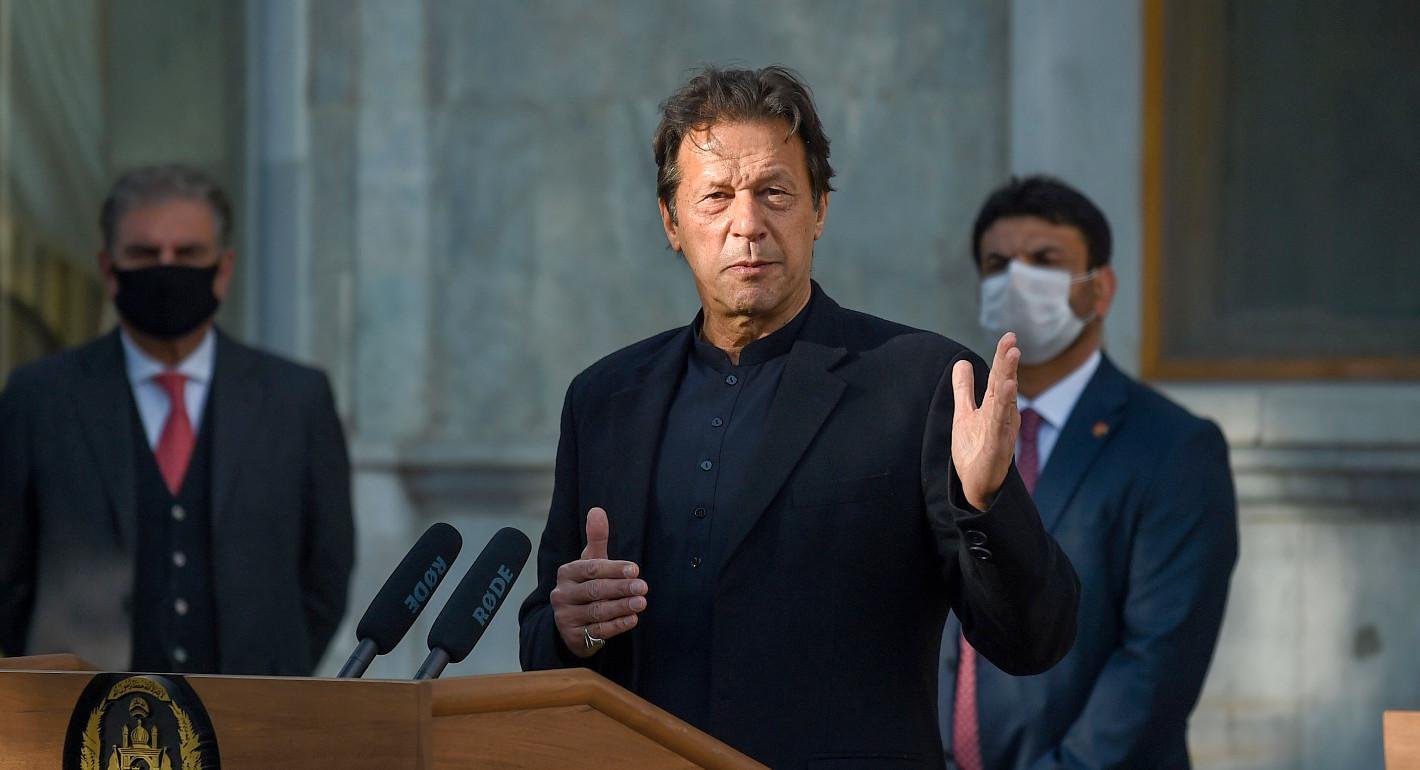
In a major legal setback for the Pakistan Tehreek-e-Insaf (PTI) founder, Imran Khan’s bail requests in eight separate cases tied to the May 9 riots were rejected by the Lahore High Court (LHC) on Tuesday. The two-member bench, led by Justice Shahbaz Ali Rizvi, delivered the verdict after hearing arguments from both the defence and prosecution teams.

These cases, including the high-profile Jinnah House attack, stem from the violent nationwide protests following Khan’s arrest in 2023. This marks the second time Khan’s bail has been denied in these cases, after the Anti-Terrorism Court also rejected the pleas in November 2024.

Background: May 9 riots and the fallout

The events of May 9, 2023, have become a defining moment in Pakistan’s recent political history. The arrest of Imran Khan at the Islamabad High Court triggered a wave of unrest, with PTI supporters storming and vandalising public and military properties. Key military sites, including Lahore’s Corps Commander House, also known as Jinnah House, and the General Headquarters in Rawalpindi, were targeted.

Authorities launched widespread crackdowns, resulting in the arrest of several PTI leaders and supporters. While some have secured bail, many, including Khan, remain behind bars as trials and investigations continue.

Imran Khan’s bail does not seem possible anytime soon

Since his removal through a no-confidence motion in April 2022, Khan has been entangled in a web of legal challenges ranging from corruption to terrorism. He has been imprisoned since August 2023, following convictions in multiple cases, which also barred him from contesting the February 8 general elections.

The rejection of Imran Khan’s bail adds to the PTI chief’s mounting legal woes and prolongs his absence from the political scene. With several of his party leaders still under trial, the PTI faces a difficult road ahead in rebuilding momentum amid internal turmoil and external pressures.

Also, see:

Pakistan’s Veteran Cueist Muhammad Asif Advances to Asian 6-Red Snooker Championship semifinals

Pakistan’s Veteran Cueist Muhammad Asif Advances to Asian 6-Red Snooker Championship semifinals

Pakistan’s veteran cueist Muhammad Asif has powered his way into the Asian 6-Red Snooker Championship semifinals, defeating Malaysia’s Lim Kok Leong 5-3 in a tense best-of-nine clash in Colombo. With two other Pakistani players, Mohammad Sajjad and Awais Munir, already knocked out in the quarters, Asif’s win is now the country’s last shot at clinching the title in this year’s prestigious continental competition.

How did Pakistan’s veteran cueist Muhammad Asif qualify for Asian 6-Red Snooker Championship semifinals?

Asif came out firing from the get-go, snatching the first three frames with dominant scores of 67-0, 43-21, and 27-19. His precision potting and table control left Lim trailing early. However, the Malaysian staged a strong comeback, exploiting a missed black ball by Asif to secure the fourth and fifth frames 59-31 and 38-32, respectively. The Asian 6-Red Snooker Championship semifinals clash appeared to be swinging back into balance.

Yet Asif showed his champion’s composure by grabbing the sixth frame 38-25, only for Lim to answer back with a clinical 68-0 shutout in the seventh. The eighth frame was a nail-biter, where both players exchanged safe shots until a foul by Lim on the pink ball gave Asif the golden opportunity to close the match 41-21.

The final frame-by-frame scoreline, 67-0, 43-21, 27-19, 31-59, 32-38, 38-25, 0-68, and 41-21, tells the tale of a match that swung like a pendulum. But in high-pressure moments, it was Asif’s nerve and experience that made the difference. He now sets his sights on a semifinal showdown with another Malaysian, Thor Chuan Leong, keeping alive Pakistan’s hopes in the Asian 6-Red Snooker Championship semifinals.

Also, see:

Why America Does Not Want Iran to Have Nuclear Weapons?

Asian Countries Most Vulnerable to Strait of Hormuz Blockade

The Strait of Hormuz, a narrow waterway connecting the Persian Gulf with the Arabian Sea (Asia), is one of the most critical chokepoints for global energy supplies. Roughly one-fifth of the world’s total oil consumption and a significant portion of liquefied natural gas (LNG) passes through this strategic corridor each day. Any disruption or blockade in this area would have far-reaching implications, particularly for energy-dependent Asian economies.

With mounting tensions in the Middle East, especially involving Iran and Western powers, the threat of a blockade or military conflict in the Strait of Hormuz has once again come under global scrutiny. For Asian nations that rely heavily on energy imports from the Gulf region, the risks are immediate and severe.

Top Asian Importers at Risk

Among the most vulnerable countries in Asia are China, India, Japan, and South Korea — all of which are heavily reliant on oil shipments that pass through the Strait. These nations have built economies around continuous access to affordable energy, and any disruption could lead to rising costs, supply shortages, and economic instability.

China, the world’s largest importer of crude oil, receives over 40% of its oil supplies from the Middle East, much of it transiting through the Strait. Similarly, India imports nearly 80% of its crude oil, with the Gulf accounting for a significant share. Japan and South Korea, both lacking significant domestic energy resources, are equally exposed to potential disruptions in the Strait.

Economic Implications of a Blockade

A blockade of the Strait of Hormuz would cause immediate spikes in global oil prices, potentially reaching levels unseen since previous crises in the Gulf. For countries like India and Indonesia, where fuel subsidies play a major role in domestic policy, such price surges could strain public finances and exacerbate inflation.

Manufacturing sectors across Asia, particularly in China and Southeast Asia, would face higher input costs, slowing production and increasing export prices. This could further disrupt global supply chains already weakened by other geopolitical tensions and climate-related disruptions.

Additionally, LNG shipments vital for power generation in countries like Japan and South Korea would be delayed or redirected, increasing energy insecurity during critical periods, particularly in winter or peak industrial seasons.

Alternative Routes and Strategic Reserves

While some Asian countries have taken steps to mitigate these risks, such as building strategic petroleum reserves and diversifying import sources, the geographic and logistical challenges remain substantial. Alternate shipping routes, such as around the Cape of Good Hope, add significant time and cost to deliveries, making them economically unfeasible on a large scale.

China has invested heavily in overland pipelines from Central Asia and Russia, as well as port infrastructure through its Belt and Road Initiative, to reduce dependence on maritime routes. However, these alternatives are not yet capable of replacing the volume that transits through the Strait of Hormuz.

Japan and South Korea maintain strategic oil reserves sufficient for several months of consumption, but these are intended as temporary buffers rather than long-term solutions. India has also begun expanding its strategic reserves but remains largely dependent on Gulf imports.

Regional Responses and Diplomatic Efforts

The vulnerability of Asian economies has led to increased diplomatic engagement in the Middle East. Countries like Japan and South Korea have attempted to mediate between Iran and Western powers, seeking to defuse tensions and ensure the security of shipping lanes.

India has strengthened naval patrols in the Arabian Sea and increased cooperation with Gulf states to monitor and safeguard energy supplies. China, leveraging its strong ties with both Iran and Gulf monarchies, has positioned itself as a potential broker in regional stability.

At the multilateral level, Asian countries have called for international efforts to protect maritime freedom in the Strait. Initiatives such as the U.S.-led International Maritime Security Construct and independent naval deployments by Asian powers reflect growing recognition of the need for collective action.

Rising Need for Energy Diversification

The persistent threat of disruption in the Strait of Hormuz is prompting a reassessment of energy strategies across Asia. From accelerating the shift to renewables to expanding energy storage and regional cooperation, countries are exploring ways to reduce dependence on a single transit route and build greater resilience against future shocks.

Art Market Banking on New Generation of Collectors

The global art market is undergoing a noticeable transformation as a new generation of collectors emerges with fresh tastes, digital fluency, and a growing appetite for contemporary and non-traditional works. Industry players — from galleries and auction houses to online platforms and art fairs — are adapting rapidly, seeking to attract and engage millennials and Gen Z buyers who are reshaping the future of art ownership.

The shift comes at a time when traditional collectors are aging, and the baton of influence is passing to a younger demographic characterized by diverse interests, technological savvy, and a strong focus on personal expression and cultural relevance. This new wave of buyers is not only interested in acquiring Art Market for investment or status but also in supporting emerging artists and movements that resonate with their values.

Digital Platforms Drive Accessibility and Engagement

One of the biggest drivers behind the rise of young collectors is the digitalization of the Art Market. The proliferation of online sales platforms, virtual viewing rooms, and social media-based art marketing has made it easier than ever to discover, research, and purchase artworks without setting foot in a gallery.

Major auction houses like Sotheby’s, Christie’s, and Phillips have significantly expanded their digital offerings, hosting livestreamed auctions and curated online-only sales that appeal to younger audiences. Online art marketplaces such as Artsy, Saatchi Art, and Artnet have also gained popularity, offering a more approachable and transparent entry point into collecting.

Social media, especially Instagram, plays a crucial role in influencing buying decisions. Artists, collectors, and dealers use the platform to showcase work, share studio processes, and connect with a global audience. This visibility helps foster direct relationships between creators and collectors, aligning with the values of authenticity and connection that are important to younger buyers.

Contemporary and Culturally Relevant Art in Demand

Unlike previous generations who often gravitated toward blue-chip artists and classic works, younger collectors are showing a strong preference for contemporary art that reflects current social, political, and environmental themes. Works that explore identity, gender, race, and climate issues are especially in demand.

Emerging artists, especially those from underrepresented backgrounds, are gaining increased attention from this demographic. Collectors are keen to support voices that challenge traditional narratives and offer new perspectives. This trend is also influencing pricing and recognition within the art market, with younger artists achieving high valuations earlier in their careers.

Street art, digital art, photography, and installations are also seeing increased interest. The popularity of these forms is bolstered by their visual appeal and alignment with modern aesthetics, as well as their strong presence on digital platforms.

NFTs and Crypto Influence Collector Behavior

The rise of NFTs (non-fungible tokens) has introduced a new layer to the art collecting landscape. While the initial frenzy around NFTs has somewhat cooled, digital ownership and blockchain-based transactions continue to appeal to tech-oriented collectors.

Platforms like SuperRare, Foundation, and OpenSea have created new avenues for artists to monetize their work and for collectors to engage with digital art. Younger buyers, many of whom are already active in cryptocurrency markets, have embraced NFTs as a way to invest in and showcase art in virtual environments.

Although traditional institutions are still navigating the NFT space cautiously, some galleries and auction houses have begun incorporating NFT sales into their offerings, indicating the long-term influence of blockchain technology on art collecting.

Art Fairs and Galleries Adapt to New Expectations

To remain relevant, galleries and art fairs are evolving their models to attract younger patrons. Many are introducing more inclusive pricing strategies, enhanced digital interfaces, and curated experiences tailored to first-time buyers.

Events such as Art Basel, Frieze, and The Armory Show now offer hybrid programs that blend physical exhibitions with online access, broadening their reach and reducing the intimidation factor often associated with the high-end art world. Educational initiatives and personalized advising services are also helping to build confidence among new collectors.

As younger collectors continue to gain prominence, the art market is being compelled to become more transparent, accessible, and culturally engaged. The next generation is not just buying art — it is redefining what it means to collect it.

WhatsApp Banned on US House of Representatives Devices, Shows Memo

A recent internal memo from the Chief Administrative Officer (CAO) of the U.S. House of Representatives has revealed that WhatsApp, the globally popular messaging app owned by Meta, has been officially banned on House-issued mobile devices. The decision, attributed to ongoing security concerns and potential risks related to data privacy, underscores growing caution within the U.S. government over foreign and private digital communication platforms.

The memo, circulated to all House offices, states that WhatsApp is “not authorized for use or installation on House mobile phones” effective immediately. Staffers and lawmakers are advised to remove the application from any official device and are barred from using it for any congressional communications or work-related correspondence.

Concerns Over Data Security and Encryption

While WhatsApp is widely known for its end-to-end encryption, which is marketed as a core privacy feature, lawmakers and cybersecurity experts have voiced concerns about the app’s data handling policies. Critics argue that metadata — including who is messaging whom, at what time, and from where — can still be collected and shared, particularly given Meta’s history of data-related controversies.

A House cybersecurity official, speaking on condition of anonymity, said that “despite its encryption, WhatsApp poses risks in terms of metadata exposure, third-party access, and insufficient compliance with federal record-keeping regulations.” The official added that the ban is part of a broader effort to tighten digital security protocols within congressional operations.

Part of a Broader Government Crackdown

The move follows a pattern of increasing scrutiny over foreign and private tech platforms within U.S. federal institutions. In recent years, other platforms such as TikTok, Telegram, and WeChat have faced partial or full bans on government devices, often due to concerns about their ties to foreign governments or lack of transparency in data practices.

Though WhatsApp is not based in a foreign country considered hostile to U.S. interests, its parent company Meta has come under intense examination by both Republican and Democratic lawmakers. Multiple hearings and reports have questioned Meta’s ability to prevent data misuse and protect user privacy on platforms like Facebook, Instagram, and WhatsApp.

The ban also aligns with recent recommendations from federal cybersecurity advisory panels, which have suggested minimizing the use of commercial messaging apps in official government communication, especially those not hosted on secure U.S.-based servers or lacking robust audit trails.

House Staff and Lawmakers React

Initial reactions from congressional staffers have been mixed. Some expressed frustration over losing a convenient and widely-used communication tool, while others acknowledged the necessity of prioritizing national cybersecurity.

A senior House aide noted, “We use WhatsApp because it’s fast and everyone has it, but we also understand the risks. If this helps prevent breaches or vulnerabilities, it’s the right call.”

Others raised concerns about the transition to approved platforms, questioning whether the alternatives offered the same ease of use. Currently, the House allows the use of Signal and Microsoft Teams for secure communications, both of which offer enhanced control over data access and retention.

Meta Yet to Respond Officially

As of now, Meta has not issued a formal statement regarding the House of Representatives’ ban on WhatsApp. The company has consistently defended WhatsApp’s security protocols, emphasizing its end-to-end encryption and regular updates aimed at protecting user data. In previous cases where WhatsApp faced restrictions, Meta argued that the app remains a vital tool for global communication and that its encryption technology prevents even the company itself from accessing message content.

Still, analysts point out that Meta’s assurances may not be sufficient to meet the stringent requirements of government-level data security, especially in an era where cyberattacks against public institutions are on the rise.

Looking Ahead: Implications for Other Institutions

The House’s decision may prompt other branches of government, as well as state-level agencies, to reassess the use of commercial messaging platforms on official devices. It also signals that digital communication policies are likely to become more stringent across the public sector, with a growing focus on minimizing exposure to third-party platforms not specifically designed for government use.

As cybersecurity remains a top priority in legislative and administrative environments, the ban on WhatsApp marks another step toward tightening control over how sensitive communications are conducted within the U.S. government.

Pakistan Beats Qatar to Qualify for Asian Volleyball Nations Cup Final

In a thrilling semifinal clash at the Asian Volleyball Nations Cup, Pakistan pulled off a remarkable victory over Qatar to secure a place in the tournament final. The high-stakes match, held in front of an enthusiastic crowd, saw Pakistan display exceptional skill, resilience, and teamwork to overcome the strong Qatari side. This victory marks a historic milestone for Pakistan’s volleyball team, which has steadily risen in regional rankings over the past few years.

Intense Semifinal Match Showcases Top-Level Play

The semifinal encounter between Pakistan and Qatar was anticipated as one of the most competitive matches of the tournament, and it lived up to expectations. Both teams entered the match with strong performances in the group stages and quarterfinals. Pakistan, however, showcased superior blocking, precision serving, and cohesive defensive strategies that kept the Qatari attackers at bay.

The match extended to five sets, each fiercely contested. Pakistan won the first set 25-22, lost the second 23-25, bounced back in the third 25-19, and narrowly dropped the fourth 24-26. In the decisive fifth set, Pakistan surged ahead with an early lead and maintained their momentum to win 15-10, sealing their place in the final.

Star Performers Shine Under Pressure

Several Pakistani players stood out for their stellar performances. Team captain Aimal Khan led from the front, delivering powerful spikes and maintaining high morale on the court. Middle blocker Mubashir Raza was instrumental in deflecting Qatari attacks, while setter Murad Jehan orchestrated the offensive plays with precision.

On the Qatari side, the efforts of their international stars were commendable, but Pakistan’s tight net defense and counter-attacks disrupted their rhythm. The match also highlighted the depth of Pakistan’s bench, as substitutes contributed crucial points during high-pressure moments.

Road to the Final: Pakistan’s Journey

Pakistan’s journey to the final has been nothing short of inspirational. After a dominant showing in the group stage, where they defeated strong teams like Thailand and South Korea, they advanced to the quarterfinals, beating Iran in a hard-fought encounter. The win against Qatar now positions them as a serious contender for the championship title, a feat they have never accomplished before in this competition.

Coach Ali Asad praised the players for their discipline and dedication. “This team has shown what belief, preparation, and unity can achieve. Beating a team like Qatar is not easy, but our players rose to the challenge,” he said in a post-match interview.

Qatar Reflects on a Tough Loss

Qatar entered the tournament as one of the favorites, boasting a well-trained squad with a mix of local talent and international experience. The loss to Pakistan was unexpected, and the team’s coaching staff acknowledged that key tactical errors and lapses in concentration during crucial points cost them the match.

Qatar’s volleyball federation expressed pride in the team’s overall performance, noting that despite the defeat, the players have gained valuable experience that will contribute to future tournaments.

Anticipation Builds for the Final

With Pakistan now heading to the final, excitement is mounting both within the country and among fans of Asian volleyball. The final match is expected to draw significant viewership, as Pakistan aims to make history by clinching its first Asian Volleyball Nations Cup title.

The final will see Pakistan face off against the winner of the other semifinal between Japan and China. Both potential opponents are strong sides with a legacy of success in Asian volleyball, but Pakistan’s recent performance has instilled confidence that they can compete with the best.

The team has one rest day before the final, during which they will analyze their upcoming opponent’s strategy and prepare for what promises to be a high-octane championship showdown. The victory over Qatar not only boosts Pakistan’s morale but also signals a new era for volleyball in the country.

Qatar Suspends Air Traffic as Iran Threatens Retaliation for US Strikes

In a rapidly escalating series of events in the Middle East, Qatar has suspended all commercial air traffic amid growing regional instability. This development comes in the wake of heightened threats from Iran, which has vowed to retaliate following recent U.S. military strikes on Iranian positions in Iraq and Syria. The suspension of air operations reflects the deepening concern over a potential full-scale conflict that could further destabilize the region.

Immediate Safety Measures Taken by Qatar

The Qatari Civil Aviation Authority announced the temporary suspension of inbound and outbound flights from Hamad International Airport and other major aviation hubs across the country. The suspension affects both passenger and cargo services and is being implemented as a precautionary measure to protect civilian lives and critical infrastructure.

Qatar’s Ministry of Transport emphasized that the move is a result of “emerging security threats in the region,” especially following intelligence suggesting possible Iranian missile or drone strikes targeting U.S. interests and allied assets in the Gulf.

Impact on Regional and Global Aviation

Qatar serves as a critical node in global air traffic, particularly due to its strategic location and the prominence of Qatar Airways, one of the world’s largest international carriers. The airspace closure has already triggered delays and rerouting of numerous flights across the Middle East, South Asia, and Europe.

International airlines, including British Airways, Lufthansa, and Emirates, have begun rerouting long-haul flights to avoid Qatari airspace. This has resulted in extended flight durations, increased fuel consumption, and additional logistical challenges for global carriers.

Iran’s Response to U.S. Military Action

Iran’s latest warning follows a series of U.S. airstrikes targeting Iranian-backed militias in Iraq and Syria. According to Pentagon sources, the strikes were conducted in response to repeated rocket attacks against American military personnel in the region.

Iran’s Supreme National Security Council issued a strongly worded statement condemning the U.S. actions and vowed “measured yet powerful retaliation at a time and place of our choosing.” Iranian officials have accused the United States of violating international law and escalating an already volatile situation.

While Iran has not confirmed any specific targets, analysts believe the Gulf region, including military bases and economic interests of the U.S. and its allies, could be potential areas of Iranian reprisal.

Qatar’s Diplomatic Position

Qatar has long attempted to balance its relationships with both Iran and the United States. As a key U.S. ally, it hosts the Al Udeid Air Base, the largest American military facility in the Middle East. At the same time, it has maintained open channels of communication with Tehran, even during periods of intense regional rivalry.

The current crisis places Qatar in a precarious position. Government officials in Doha have reiterated calls for de-escalation and dialogue. “Qatar strongly urges all parties to exercise maximum restraint and avoid actions that could lead to a wider conflict,” said a spokesperson from the Ministry of Foreign Affairs.

Economic Implications for the Gulf

The air traffic suspension has caused ripples across Qatar’s economy, especially in the aviation, tourism, and logistics sectors. The Doha Stock Exchange saw a slight dip following the announcement, while oil prices spiked due to concerns over supply disruptions in the Gulf.

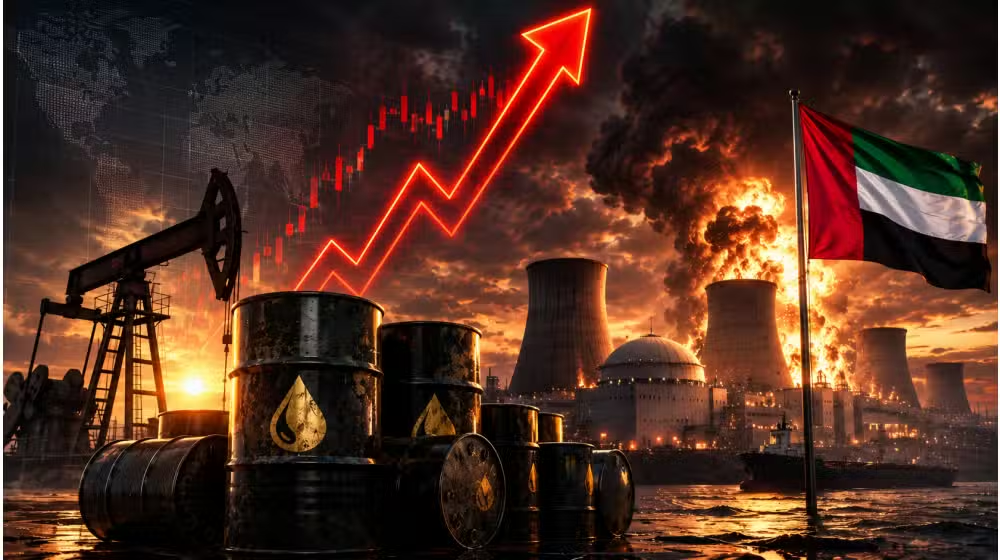
Trade routes and shipping lanes remain open for now, but analysts warn that prolonged tension could threaten vital commercial corridors, especially the Strait of Hormuz, through which nearly 20% of global oil passes.

International Reaction and Calls for Calm

The United Nations and major global powers have expressed concern over the latest developments. UN Secretary-General António Guterres called for restraint from all sides, warning that “the Middle East cannot afford another war.”

Western allies have begun urging both Washington and Tehran to engage in diplomatic efforts to prevent further escalation. The European Union’s foreign policy chief has also proposed emergency consultations between regional stakeholders.

With the suspension of Qatari air traffic and the looming threat of Iranian retaliation, the international community watches anxiously as events unfold in one of the world’s most geopolitically sensitive regions.

Iran’s Missile Attack on US Airbase in Qatar: A Warning or the Beginning?

In a dramatic escalation of tensions in the Middle East, Iran’s missile attack on US airbase in Qatar has triggered global concern over the possibility of a broader conflict. The Iranian military fired 14 ballistic missiles at the Al Udeid base, the largest US military installation in the region, as a retaliatory move against recent US airstrikes on its nuclear sites in Isfahan, Natanz, and Fordo.

Trump calls Iran’s missile attack on US airbase ‘weak’

According to official statements from both Washington and Doha, no American or Qatari lives were lost. Qatar reported that all incoming projectiles were successfully intercepted, branding Iran’s attack on US airbase a “flagrant violation” of its sovereignty. US President Donald Trump downplayed the retaliation, calling it “very weak” and even thanked Iran for providing “early notice,” suggesting the response was more symbolic than strategic.

However, behind the diplomatic façade lies a deeper question: Was this a carefully choreographed retaliation to save face, or the beginning of a prolonged and volatile phase in the US-Iran conflict?

While Iran’s missile barrage targeted US infrastructure, Israel has continued its parallel offensive. It claims to have hit access points near the Fordo nuclear site and even issued evacuation orders for parts of Tehran. Israeli officials assert they are not targeting civilians but focusing on military and nuclear-related facilities.

Meanwhile, President Trump is now caught in a familiar position, weighing between escalation and diplomacy. His rhetoric has shifted from threats of regime change to calls for “peace and harmony in the region.” The mixed messaging is reminiscent of past confrontations, where unpredictable policy shifts blurred the lines between war posturing and diplomatic outreach.

Qatar, a close US ally that shares gas reserves with Iran, finds itself at the center of this geopolitical storm. Despite its condemnation of the strike, its swift reopening of airspace and reassurances to the public suggest it seeks to avoid entanglement in a broader regional conflict.

With Iran’s attack on US airbase now in the past tense, all eyes are on Trump’s next move. Will this be a turning point towards negotiation, or is it simply the calm before another storm?

Also, see:

Why America Does Not Want Iran to Have Nuclear Weapons?

Pakistan Urges Calm After Iran’s Missile Strike on US Base in Qatar

In the wake of Iran’s missile strike on the US Al Udeid Air Base in Qatar, the largest American military facility in the region, Pakistan’s Prime Minister Shehbaz Sharif has stepped in to call for calm. With tensions in the Middle East rapidly spiralling, the prime minister held emergency discussions with Qatar and Saudi Arabia, underscoring Islamabad’s role as a voice for restraint and dialogue in the region.

While expressing solidarity with Qatar in a phone call to Ambassador Ali Mubarak Ali Essa Al-Khater, PM Sharif conveyed Pakistan’s “serious concern” over the escalation. He stressed that all efforts must now focus on defusing tensions in Middle East before they erupt into a full-scale regional crisis. The Qatari envoy thanked the premier for his swift outreach, calling it a reassuring sign of strong bilateral ties.

Islamabad-Saudi coordination for de-escalation after Iran’s missile strike

In a separate call, PM Sharif spoke with Saudi Ambassador Nawaf bin Saeed Al Malkiy to stress the importance of joint efforts in pursuing a peaceful resolution. “Pakistan will continue to work closely with the Kingdom of Saudi Arabia to intensify peace efforts,” Sharif said, as he reaffirmed Pakistan’s commitment to regional stability amid growing uncertainty.

The Saudi envoy echoed the sentiment, agreeing that both nations must act in tandem and maintain high-level coordination in preventing further deterioration. As tensions in the Middle East continue to mount, Riyadh and Islamabad’s alignment could prove pivotal in any diplomatic breakthrough.

Earlier today, Iran launched a significant missile barrage targeting Al Udeid Air Base in Qatar. The move was framed as retaliation for recent US airstrikes on Iran’s Fordow, Isfahan, and Natanz nuclear facilities, strikes which used bunker-busting bombs and were described by Washington as “preventive, not provocative.”

Also, see:

Why America Does Not Want Iran to Have Nuclear Weapons?

Today’s Weather Forecast for Karachi

The Pakistan Meteorological Department (PMD) has issued a forecast predicting cloudy skies with chances of drizzle and light showers across Karachi. This change in weather is expected to bring relief from the ongoing heatwave, with temperatures ranging from 33 °C to 35 °C. The humidity remains high, and a sea breeze will moderate the heat, creating more comfortable conditions for the city’s residents .


Latest Meteorological Update

According to the PMD, the minimum temperature reached 29.4 °C, while daytime highs are expected between 33 °C and 35 °C. The humidity level in Karachi is approximately 79 per cent, with winds coming from the southwest at around 15 km/h, contributing to the moist and humid weather pattern .


Recent Weather Events

Karachi has witnessed its first light showers of the season, including drizzles in parts of Nazimabad, North Nazimabad, New Karachi, Bahadurabad, Shahrah‑e‑Faisal, Saddar and Malir. These showers followed intermittent cloud cover and offered slight relief from high temperatures

Several light rainfall episodes were reported over the past few days, helping reduce the “feels‑like” temperature. Earlier light showers were documented on Saturday, particularly in Lyari, Mauripur and Clifton, as part of the pre‑monsoon pattern


Cause of the Weather Shift

The PMD attributes this shift in weather to moist air currents arriving from the Arabian Sea and Bay of Bengal. This marks the onset of the pre‑monsoon season, bringing intermittent drizzle, cloud cover and occasional gusty winds throughout Sindh, including Karachi Sea‑driven low‑level clouds over the next three days are likely to sustain these conditions.


Local Impact and Precautions

The slight drop in temperature and increased cloudiness provide a brief respite for Karachiites, who have been enduring unusually high temperatures exceeding 40 °C. The drizzle has improved air quality and cooling, though high humidity may still affect comfort levels, particularly in the early hours and late evenings .

Residents are advised to stay hydrated and take it easy during outdoor activities, especially in vegetated or shaded areas where humidity increases perceived heat. Some low‑lying parts of the city could experience light waterlogging, but no major floods are expected at this time.


Short‑Term Forecast Outlook

PMD expects today’s drizzle and light showers to continue intermittently into the evening. The overnight low is likely to hover between 29 °C and 30 °C, with sustained humidity levels. Over the next two to three days, similar weather trends are anticipated, as the pre‑monsoon system gains more influence over the region .


Citywide Response Measures

Local municipal agencies, including the Water and Sanitation Agency (WASA), have put precautionary measures in place to handle any rain‑related emergencies, such as deployment of heavy machinery in vulnerable low‑lying neighborhoods. These preparations follow earlier warnings issued for inland regions expecting more intense storms.


Relevance to Monsoon Season

Karachi’s weather pattern mirrors pre‑monsoon tendencies seen across Pakistan: rising humidity, scattered drizzle and strengthening sea breezes. The gradual buildup of these conditions will eventually lead into the full monsoon season expected from late June to mid‑September, which brings heavier and more sustained rainfall .

Overview of Key Nuclear Facilities in Iran

Iran’s nuclear program has long been the focus of global attention, given its implications for regional security, non-proliferation efforts, and international diplomacy. Over the years, Iran has developed a network of nuclear facilities across the country, some of which are involved in civilian energy production, while others have raised concerns due to their potential military applications. These facilities have played a central role in negotiations between Iran and world powers, especially in the context of the Joint Comprehensive Plan of Action (JCPOA) and its aftermath.

Natanz Enrichment Facility

The Natanz Fuel Enrichment Plant (FEP) is among the most well-known and closely monitored nuclear sites in Iran. Located in central Iran, the facility is built partially underground and is equipped with thousands of gas centrifuges used to enrich uranium. Natanz has been a critical component of Iran’s enrichment capabilities since its public disclosure in 2002.

It is operated by the Atomic Energy Organization of Iran (AEOI) and was significantly expanded before the JCPOA agreement in 2015. Under the deal, Iran agreed to limit its enrichment activities and the number of centrifuges installed at Natanz. However, since the US withdrawal from the JCPOA in 2018, Iran has resumed and even accelerated enrichment at this facility, raising concerns over its stockpile of enriched uranium and centrifuge advancements.

Natanz has also been the target of multiple sabotage operations, widely attributed to foreign intelligence agencies, which have disrupted Iran’s nuclear progress and prompted hardening of its nuclear infrastructure.

Fordow Fuel Enrichment Plant

The Fordow facility, located near the city of Qom and deep inside a mountain, is another key enrichment site. Initially kept secret, its existence was revealed in 2009, prompting international concern due to its fortified nature, which suggests a potential military dimension.

Under the JCPOA, Iran agreed to convert the Fordow plant into a research center and limit enrichment activities there. However, following the collapse of the deal, Iran restarted uranium enrichment at Fordow using advanced centrifuges, bringing it back into the spotlight of nuclear inspectors and analysts.

The facility’s location and protective design make it highly resilient to airstrikes or sabotage, increasing the strategic importance of its operations.

Arak Heavy Water Reactor

The Arak facility, also known as the IR-40 reactor, was initially designed as a heavy water reactor capable of producing plutonium as a byproduct—raising proliferation concerns due to plutonium’s potential use in nuclear weapons.

Under the JCPOA, Iran agreed to redesign and modify the Arak reactor to limit its plutonium production capacity, with assistance from international partners including China and the United Kingdom. Work on redesigning the reactor was ongoing even after the US exit from the agreement, though delays and political disagreements have hindered progress.

The original core of the reactor was removed and filled with concrete as part of Iran’s commitments, but the site remains a focus for future developments in Iran’s nuclear infrastructure.

Isfahan Nuclear Technology Center

The Isfahan Uranium Conversion Facility (UCF) is a critical hub for Iran’s nuclear fuel cycle. Located in central Iran, it includes a range of facilities for converting raw uranium, or yellowcake, into uranium hexafluoride gas (UF6), which is required for centrifuge-based enrichment.

Isfahan also houses research reactors and facilities for producing fuel rods and conducting nuclear-related research. The site plays a key role in bridging Iran’s mining and enrichment capabilities and remains under IAEA monitoring, though access and transparency have fluctuated with the state of international negotiations.

Bushehr Nuclear Power Plant

Unlike the other facilities, the Bushehr plant is focused on civilian electricity generation. Constructed with Russian assistance, it is Iran’s first and only operational nuclear power reactor. Bushehr is subject to full IAEA safeguards and is widely regarded as separate from Iran’s controversial enrichment and weapons-related activities.

The plant uses Russian-supplied fuel and operates under an agreement that requires all spent fuel to be returned to Russia, reducing the risk of it being used for weapons development. However, future expansion of Bushehr or development of domestic fuel production could raise new questions about Iran’s long-term nuclear intentions.

At UNSC Meet on Iran-Israel War, Pakistan Says Unilateral Military Actions Only Deepen Conflicts

At a recent United Nations Security Council (UNSC) meeting convened to address escalating hostilities between Iran and Israel, Pakistan strongly warned against unilateral military actions, stating that such measures only serve to intensify conflicts and undermine regional stability. Representing Pakistan’s position, the country’s permanent envoy to the UN emphasized the need for diplomatic engagement and respect for international law amid growing fears of a wider Middle East war.

Pakistan Calls for De-escalation and Diplomacy

Pakistan’s representative told the UNSC that the ongoing Iran-Israel tensions present a grave threat to regional peace and international security. The envoy underscored that unilateral use of force, especially without UNSC authorization, sets dangerous precedents and fuels a cycle of retaliation. According to Pakistan, diplomacy, mutual restraint, and respect for sovereignty are the only viable paths to resolving the current standoff.

The statement comes at a time when hostilities between Iran and Israel have reached new levels, with recent cross-border strikes, proxy conflicts, and rising casualties drawing international concern. Pakistan has called on both nations and their allies to exercise maximum restraint and prioritize dialogue over confrontation.

Regional Instability and Broader Implications

The escalation between Iran and Israel has already spilled beyond their borders, involving regional proxies and affecting neighboring countries. Pakistan warned that if left unchecked, the conflict could ignite a broader war with devastating consequences for the Middle East and beyond. The ambassador stressed that international peace and security depend on multilateral cooperation and adherence to the UN Charter.

During the UNSC debate, several other member states echoed similar concerns, urging both Tehran and Tel Aviv to avoid further provocations. However, divisions within the council remained visible, with some permanent members taking a harder stance on Iran, while others called for balanced engagement with both parties.

Pakistan’s address to the council highlighted the potential humanitarian toll of a prolonged conflict and reminded the UNSC of its primary responsibility under the UN Charter to prevent war and maintain peace. The envoy called for the urgent convening of multilateral peace efforts, facilitated by neutral mediators under UN auspices.

Opposition to Use of Force Without UN Mandate

Reaffirming its commitment to the principles of the United Nations, Pakistan explicitly opposed any military action carried out without Security Council authorization. The envoy stated that such acts violate international norms and risk normalizing the use of force as a tool of foreign policy. Pakistan’s position aligns with that of several non-aligned nations, who have long called for reforms in global conflict management and decision-making processes.

This criticism comes in response to recent reports of unilateral strikes by Israel targeting Iranian military and nuclear sites, as well as Iranian-backed militias in Syria and Lebanon. Iran, in turn, has conducted retaliatory attacks through proxies and missile strikes on Israeli assets. Both nations accuse each other of initiating aggression, and diplomatic channels remain largely frozen.

Pakistan’s Broader Middle East Policy

Pakistan has consistently maintained a policy of non-interference in regional conflicts while advocating for peaceful resolution of disputes. It has strong historical ties with many Middle Eastern nations and has frequently participated in multilateral forums promoting stability in the region. The country has also called for the protection of civilians and warned of the dire consequences of armed confrontation in populated areas.

In its statement at the UNSC, Pakistan reiterated its support for international initiatives aimed at de-escalating the Iran-Israel conflict and reaffirmed its willingness to contribute to peacebuilding efforts. The envoy emphasized that the international community must act collectively to prevent the crisis from spiraling out of control.

Pakistan’s balanced approach has been welcomed by some nations seeking neutral intermediaries to mediate between Tehran and Tel Aviv. While not directly involved in the Iran-Israel conflict, Pakistan’s voice carries weight in the Muslim world and among countries advocating for diplomatic resolution of conflicts.

UNSC Divided but Pressured to Act

The UNSC meeting ended without a consensus resolution, highlighting the divisions among major powers over how to handle the crisis. However, the growing urgency of the situation has increased pressure on the council to take meaningful steps. Observers note that as civilian casualties rise and regional actors become more entangled, the cost of inaction may soon outweigh the geopolitical divides.

Pakistan’s warning serves as a reminder of the broader risks posed by unilateralism in global politics, and the need for inclusive, rules-based approaches to international conflict resolution.

K-Electric Consumers Likely to Get Rs.4.69/Unit Relief

Consumers of K-Electric, the sole power distribution company serving Karachi, may soon receive a notable financial respite as the National Electric Power Regulatory Authority (NEPRA) considers approving a Rs.4.69 per unit decrease in electricity charges under the Fuel Charges Adjustment (FCA) mechanism. This anticipated relief follows the standard monthly FCA process and is attributed to lower fuel costs during the relevant period.

Relief Proposed for April 2024 Billing

The proposed adjustment pertains to the fuel charges for the month of April 2024. According to NEPRA’s initial review, the cost of fuel used in electricity generation during this month was significantly lower than expected, enabling the utility to pass on the savings to consumers. A public hearing was held where NEPRA evaluated the company’s request and reviewed supporting documentation and public feedback.

The adjustment, if approved, will appear as a credit in future electricity bills, likely in an upcoming billing cycle. However, NEPRA has yet to officially announce the final decision, which is typically made within days of the public hearing. The authority has indicated that it aims to ensure that any change in tariff structure is justifiable and passed on equitably.

Who Will Benefit from the Reduction

The potential relief will benefit a wide range of K-Electric customers, including residential, commercial, and industrial users. However, it will not apply to lifeline consumers—households that use very low amounts of electricity—or to consumers under subsidized fixed-rate categories. These exclusions are part of NEPRA’s standard policy for fuel adjustments.

The Rs.4.69 per unit reduction is considered substantial and could lower the burden on middle-income households and businesses already grappling with inflation and rising living costs. Industry leaders have welcomed the development, stating that it could enhance operational efficiency and reduce input costs, particularly in sectors heavily dependent on electricity.

Background of Fuel Charges Adjustment

Fuel Charges Adjustment is a regular mechanism used by NEPRA to account for the fluctuations in the international and domestic fuel markets. It allows distribution companies like K-Electric to either recover additional costs or pass on savings to consumers, depending on fuel prices during a specific billing month.

K-Electric, like other power distribution companies in Pakistan, submits a monthly request to NEPRA outlining the actual fuel costs it incurred versus what had been previously estimated in the base tariff. If the actual costs are lower, as in this case, the difference is credited back to consumers. If higher, consumers may see an additional charge.

This process is crucial for maintaining transparency in tariff setting and for ensuring that consumers are only charged based on real fuel consumption and prices.

Impact on Karachi’s Electricity Sector

Karachi’s electricity consumers have faced challenges in recent years due to tariff hikes, inconsistent supply, and infrastructure issues. The proposed relief, though temporary, is a welcome development and could slightly ease the financial pressure on households and businesses alike.

It is also reflective of improved fuel procurement or lower international fuel prices, both of which have implications for the broader energy sector. If such trends continue, experts suggest that further relief may be possible in the coming months, subject to fuel market dynamics and regulatory approval.

Moreover, this development may strengthen K-Electric’s public image, which has often come under scrutiny for service issues. The utility has stated in its petition that the reduction is a direct outcome of cost-efficient fuel sourcing and operational management, although critics argue that broader structural improvements are still required.

NEPRA’s Oversight and Future Outlook : K-Electric

NEPRA’s role as a regulatory body ensures that all tariff-related decisions are made in accordance with policy guidelines, market trends, and consumer interests. In its deliberations on K-Electric’s request, NEPRA reviewed power generation data, fuel purchase receipts, and other financial disclosures to verify the claim.

While the final decision is awaited, industry observers note that the move aligns with NEPRA’s broader objective of maintaining consumer fairness while ensuring the financial sustainability of utility companies. The upcoming months will reveal whether this relief is part of a longer trend of declining energy costs or a temporary adjustment tied to specific market factors.

US Urges China to Keep Iran from Shutting Key Trade Route

The United States is pressing China to intervene diplomatically with Iran to prevent the closure or disruption of the Strait of Hormuz, a vital maritime trade route through which a significant portion of the world’s energy supplies flow. This strategic channel has become a focal point of concern as tensions in the Middle East continue to mount, particularly amid fears that Tehran may retaliate against Western interests following increased pressure from the United States and its allies.

Strategic Importance of the Strait of Hormuz

The Strait of Hormuz is one of the most critical chokepoints in global trade. Roughly 20 percent of the world’s oil, and about one-third of its liquefied natural gas (LNG), passes through this narrow waterway located between Iran and Oman. A disruption in this route could lead to significant consequences for global energy markets, including supply shortages and price spikes. The United States and its allies are particularly sensitive to any threat to this route due to its centrality to both economic stability and energy security.

China’s Unique Leverage Over Iran

China holds a unique position in the international effort to manage Iran’s behavior. As one of Iran’s largest trading partners and a key buyer of Iranian oil, China has maintained economic and diplomatic ties with Tehran even as the West has imposed sanctions. Washington believes that Beijing could use its economic influence to dissuade Iran from pursuing aggressive actions that could escalate regional instability or threaten critical global supply lines.

In recent high-level discussions, US officials have urged their Chinese counterparts to play a more constructive role in promoting stability in the Middle East. According to sources familiar with the talks, Washington has emphasized the potential global fallout of a conflict in the Persian Gulf and framed the issue as one of mutual interest, rather than geopolitical rivalry.

US Concerns Over Iranian Proxy Activity

While Iran has not directly threatened to shut the Strait of Hormuz in recent weeks, there has been a noticeable increase in hostile activities linked to Tehran-backed groups. Iranian proxy forces in Yemen, Iraq, Syria, and Lebanon have shown heightened aggression, including attacks on commercial shipping in the Red Sea and Gulf of Oman. US officials interpret these moves as signals that Iran is willing to test red lines and exert leverage in regional disputes.

The Biden administration has responded by increasing its military presence in the region and coordinating with European allies and Gulf states. However, Washington recognizes that military deterrence alone may not prevent Iran from escalating further. Hence the push for diplomatic engagement through influential actors like China.

A Delicate Diplomatic Balancing Act

For China, involvement in this issue presents both opportunities and challenges. On one hand, demonstrating leadership in de-escalating tensions would boost China’s image as a responsible global power. On the other, it risks complicating its own economic and security interests, particularly if it is perceived as aligning too closely with US policy in a region where Beijing seeks to maintain strategic neutrality.

Analysts note that China’s Belt and Road Initiative, which includes significant infrastructure and trade investments across the Middle East, would suffer greatly in the event of a prolonged disruption in Gulf shipping. Thus, China’s own economic interests may naturally align with efforts to maintain open sea lanes and avoid a broader regional crisis.

Global Implications of Route Disruption

The mere threat of Iran closing or significantly restricting access to the Strait of Hormuz has already created jitters in global oil markets. While current flows remain steady, energy analysts warn that prices could surge dramatically if the situation deteriorates. Additionally, insurance premiums for commercial shipping in the region have risen, reflecting heightened risk perceptions.

Given these stakes, US officials argue that preventing escalation is a shared global responsibility. By urging China to act, Washington hopes to present a united international front capable of deterring Iran from destabilizing a route that is essential to the economic well-being of multiple nations.

Why America Does Not Want Iran to Have Nuclear Weapons?

The nuclear standoff between the United States and Iran is not merely about uranium enrichment or weaponization, it is a reflection of deeper geopolitical, religious, and historical tensions. For audiences, understanding why America does not want Iran to have nuclear weapons requires looking beyond Western narratives and looking into regional perspectives.

The US-Iran Nuclear Conflict: A Brief Timeline

In 2015, after years of tense diplomacy, Iran and six world powers, the U.S., UK, France, Russia, China, and Germany, signed the Joint Comprehensive Plan of Action (JCPOA). This agreement limited Iran’s nuclear capabilities in exchange for sanctions relief and allowed the International Atomic Energy Agency (IAEA) to inspect Iran’s nuclear sites.

However, in 2018, then-U.S. President Donald Trump pulled the U.S. out of the JCPOA, calling it a “bad deal” and reinstating harsh sanctions. Iran, in turn, gradually rolled back its commitments and enriched uranium far beyond the limits set by the agreement. Talks to revive the deal have since been held indirectly in Oman, with no breakthrough.

America Does Not Want Iran to Have Nuclear Weapons. Why? Isn’t Iran Allowed to Have Them?

Iran has repeatedly stated that its nuclear program is for peaceful, civilian purposes. Supreme Leader Ayatollah Ali Khamenei has issued a fatwa prohibiting the production and use of nuclear weapons, calling them haram (forbidden in Islam). This religious stance has been cited by Iranian diplomats like Mohammad Javad Zarif in international forums as a moral and strategic foundation of Iran’s nuclear policy.

Despite this, suspicions persist. Iran’s secret nuclear facilities discovered in 2002 raised alarms globally. These suspicions led to economic sanctions and international pressure, even though Iran is a signatory to the Nuclear Non-Proliferation Treaty (NPT), which allows civilian nuclear development.

Under the JCPOA, Iran was limited to enriching uranium only up to 3.67%. But by 2025, the IAEA confirmed Iran had enriched uranium up to 60%, sparking fears that the country could quickly reach the 90% purity needed for weapons-grade material.

The Deeper Issue: Not Just About Nukes

According to many Muslim scholars and regional analysts, the issue is not truly about nuclear weapons. The U.S.’s real concern is Iran’s independence and ideological stance.

“The nuclear issue is just a pretext,” says a leading Iranian scholar. “The West, especially the U.S., cannot tolerate a Muslim nation that challenges their dominance.”

The Legacy of 1979

The 1979 Islamic Revolution transformed Iran from a U.S.-backed monarchy into an Islamic Republic with a fiercely anti-imperialist stance. The revolution was a rejection of Western control, particularly American exploitation of Iran’s oil and resources. Since then, the U.S. has seen Iran not just as a rogue state, but as a model that might inspire other Muslim nations to defy Western hegemony.

The Muslim world recalls the U.S.-backed 1953 coup that overthrew Iran’s elected Prime Minister Mohammad Mossadegh after he nationalized oil. That bitter experience shaped Iran’s post-revolution foreign policy, which emphasizes sovereignty, resistance, and regional unity.

Iran’s policies challenge U.S. goals in the Middle East. Unlike many regional governments that align with Western interests, Iran supports the independence of Palestine, opposes normalization with Israel, and backs movements resisting Western intervention.

Why the U.S. Can’t Accept a Nuclear Iran

From Washington’s perspective, allowing Iran to develop nuclear weapons—or even the capability—is unacceptable. Officials argue that:

  1. It will spark a regional arms race: If Iran goes nuclear, countries like Saudi Arabia, Egypt, and Turkey might follow.
  2. It threatens U.S. national security: A nuclear-armed Iran could deter U.S. military actions and weaken American influence.
  3. It challenges Israel’s strategic superiority: Israel, though undeclared, is widely believed to have nuclear weapons. A nuclear Iran would upset the military balance.

However, Muslim commentators argue these concerns are politically motivated. The U.S. has no issue with Israel, India, or Pakistan having nuclear arms, even though they are not NPT signatories. So why single out Iran?

https://twitter.com/IranReply/status/1936644307840061541

“Once the nuclear genie is out of the bottle, it’s impossible to contain,” said one U.S. analyst. But many Muslims see this as hypocrisy. “Why is the U.S. okay with Israel’s nukes but not Iran’s civilian program?”

A Comparison with India, Pakistan, and Israel

  • India tested nuclear weapons in 1974 but endured decades of sanctions and technology bans. Only in 2006 did the U.S. sign a nuclear deal with India.
  • Pakistan developed its nuclear arsenal in the 1990s with covert help, yet the U.S. now accepts it as a reality.
  • Israel never declared its arsenal, nor did it sign the NPT—but is treated as America’s closest ally.

This inconsistency reinforces Muslim perceptions that the nuclear issue is more about power and loyalty than non-proliferation.

Iran: Not a Threat, But a Challenge

Iran’s growing technological prowess and ideological independence make it a challenge to U.S. dominance, not a direct nuclear threat.

“Iran is a slave that rebelled,” said one Middle Eastern commentator. “The U.S. wants obedient partners, not independent nations.”

Iran’s leadership insists on fair diplomacy and mutual respect. Iranian Foreign Minister Abbas said, “Our intention is to reach a fair and honourable agreement from an equal position.”

But for the U.S., whose policy has long been “maximum pressure,” any compromise that does not dismantle Iran’s missile and nuclear infrastructure is seen as defeat. Even Trump’s advisors publicly stated that Iran must agree to complete disarmament.

Israel, meanwhile, has pushed for total military action. Prime Minister Netanyahu openly stated, “We go in, blow up the facilities, and dismantle all the equipment, under American supervision and execution.”

Could the U.S. or Israel Attack Iran?

Technically, yes. Practically, it’s far more complicated.

On June 22, 2025, the U.S. launched a significant military operation, Operation Midnight Hammer, directly targeting Iran’s most critical nuclear facilities, Fordow, Natanz, and Isfahan.

  • Fordow Uranium Enrichment Plant: Deeply buried under a mountain near Qom, this facility is Iran’s strongest nuclear shelter. A B-2 Spirit stealth bomber delivered two GBU‑57 Massive Ordnance Penetrators (MOPs) there, part of a total of 14 bunker-busters dropped across the sites.
  • Natanz Nuclear Facility: U.S. military confirmed it was “destroyed,” while Iranian officials described the damage as “superficial.”
  • Isfahan Nuclear Technology Centre: Hit by dozens of Tomahawk cruise missiles launched from a submarine, reportedly causing “major damage.”

American military leaders claim the strikes delivered “extremely severe damage” without hitting civilian populations. President Trump called it a “spectacular military success,” signaling readiness for further strikes if Iran does not return to diplomacy.

This operation comes amid an ongoing Iran–Israel conflict that began on June 13, 2025, when Israel launched “Operation Rising Lion,” bombing over 100 Iranian military and nuclear targets across Tehran, Isfahan, and Natanz.

In response, Iran fired missiles, some reportedly hitting civilian infrastructure like the Soroka hospital in Beersheba, injuring dozens.

This series of retaliatory strikes has now dragged the U.S. into the war, marking a major escalation.

Iran’s nuclear facilities are deeply buried underground, requiring super-heavy bunker-busters to reach. The U.S. is one of the few nations with such capability. Israel, although technologically advanced, lacks these specialized weapons.

But destroying these sites won’t silence Iran. A regional war is likely. Tehran has threatened retaliation and warned of closing the Strait of Hormuz. U.S. military bases and allies across the Middle East, especially in host nations like Qatar, face pressure and may refuse to cooperate, fearing escalation.

Final Thoughts: A Muslim Lens on Western Power

From a Muslim worldview, the Iran-U.S. nuclear standoff is more about sovereignty, justice, and resisting oppression than uranium enrichment levels. Iran’s Islamic stance, refusal to bow to Zionist and imperialist pressures, and its support for regional unity make it a unique target for Western pressure.

The Muslim world must not view Iran’s defiance as isolationism, but as a call for collective resistance against double standards and neocolonialism.

“We are not against peace,” Iran’s leaders repeatedly emphasize. “But peace cannot come with submission.”

As a community, we must demand fairness in global policy and recognize that power should never justify oppression.

Also, see:

New Balochistan Assembly Building to be Constructed at Cost of Rs. 9.5 Billion

New Balochistan Assembly Building to be Constructed at Cost of Rs. 9.5 Billion

The provincial government of Balochistan has approved plans to construct a new Assembly building at an estimated cost of Rs. 9.5 billion. The decision stems from concerns about the existing structure’s condition and a vision to align the new building with future needs and cultural identity.

Reasons Behind the Decision

Chief Minister Mir Sarfraz Bugti highlighted that the current assembly building, erected nearly four decades ago, is outdated and has deteriorated significantly. He also noted that it no longer meets the functional requirements of modern legislative work, citing inadequate space, structural wear, and security limitations. As a result, the provincial administration has deemed demolition necessary to make way for an improved facility .

Location and Land Constraints

Given the lack of available land in Quetta’s Red Zone, the government has identified a site near the NUST–Sariab Road area as the ideal location. This choice provides space for an expanded complex that will include the main chamber, offices, meeting rooms, and service infrastructure. It will also facilitate future extensions while maintaining a secure buffer zone for protected access.

Budget and Funding Arrangements

The project’s Rs. 9.5 billion figure includes comprehensive planning, construction, furnishing, landscaping, and security systems. Chief Minister Bugti emphasized that most of this cost will be borne through federal support, reducing the immediate fiscal pressure on the provincial budget .

This expense aligns with broader development investment in Balochistan: the province recently approved a Rs. 900 billion budget for FY 2024–25, with over Rs. 320 billion allocated to public-sector development, transportation, health, and education initiatives .

Design Considerations and Cultural Identity

Chief Minister Bugti emphasized that the new building will reflect Baloch cultural heritage, featuring architectural motifs and design elements inspired by indigenous materials and traditions. He called for modern facilities that cater to electronic documentation, conference hosting, and public access, while remaining flexible for future technological needs.

Construction is slated to include a spacious auditorium—already inaugurated as a first phase—which the Chief Minister described as a symbol of both performance and rapid delivery. He praised the Communications and Works Department for completing this phase ahead of schedule and with quality controls in place .

Parliamentary Debate and Opposition Voices

While the motion was passed unanimously by lawmakers, some raised concerns over the project’s scale and priorities. A member from Jamaat‑e‑Islami asked whether the allocation of Rs. 5 to 9.5 billion for infrastructure was appropriate when basic services like maternal and child healthcare lag significantly .

Similarly, former Chief Minister Nawab Aslam Raisani urged the government to preserve the historic assembly structure, suggesting it could be renovated instead of demolished. He argued that the funds would be better allocated to essential sectors such as health, education, and rural infrastructure .

Timeline and Contractor Selection

During the September 2024 assembly session, the Speaker confirmed the new building was expected to be completed within a year, noting that a Chinese firm had committed to executing the project. This aligns with broader international engagement in Balochistan’s infrastructure development .

Balancing Priorities: Infrastructure vs. Human Development

Critics argue that while new infrastructure is essential, the opportunity cost must be weighed carefully—especially in a province with high rates of child stunting, maternal mortality, and low school enrolment. One analyst described the decision as emblematic of a tension between symbolic architecture and pressing human development needs .

Still, the provincial leadership maintains that modern legislative infrastructure will improve governance efficiency and public engagement. It also signals confidence in Balochistan’s stability, drawing in further federal and international development initiatives .

Broader Development Context

The assembly building initiative forms part of wider provincial plans. Aside from the Rs. 900 billion budget, federal investments in solar energy, highways, and public-sector development reflect a concerted effort to revitalise Balochistan’s governance and economic landscape .

NADRA Makes Major Changes to CNIC, FRC and B‑Form Rules

The National Database and Registration Authority (NADRA) has introduced a wave of updates affecting Computerised National Identity Cards (CNIC), Child Registration Certificates (B‑Form), and Family Registration Certificates (FRC). These reforms, rolled out since early 2025, reflect NADRA’s commitment to enhanced security, digital integration, and streamlined services for Pakistani citizens.

Strengthening CNIC Security Features

In May 2025, NADRA unveiled an upgraded version of the non‑chip CNIC, incorporating new smart features previously reserved for chip‑based cards. Key enhancements include bilingual information in Urdu and English, the addition of a QR code enabling digital identity access via the Pak ID mobile app, and distinct badges for organ donors and persons with disabilities. This revamp offers citizens more accessible and secure identity cards at a lower cost than chip‑based alternatives, with tiers to suit different urgency levels

Fee updates for standard non‑chip CNICs are Rs 400 (normal), Rs 1,150 (urgent), and Rs 2,150 (executive). Smart CNIC renewals cost Rs 750 (normal), Rs 1,500 (urgent), and Rs 2,500 (executive). First‑time applicants aged 18 receive the normal service free of charge

Biometric Upgrade of B‑Forms for 10‑ to 18‑Year‑Olds

From January 15, 2025, NADRA began issuing enhanced Child Registration Certificates for children aged 10 to 18. Under this scheme, B‑Forms now include a child’s fingerprint and photograph, which are mandatory when applying for a passport or renewing identity documents

The phased rollout requires children to visit NADRA centres with a parent or guardian, carrying the adult’s CNIC and the child’s birth certificate. Once biometric data is captured, the updated B‑Form replaces the previous version and must be presented for passport applications

Interim phases plan to integrate iris scans and enable digital B‑Forms via Pak ID, with later deployment of biometric kiosks at local union council offices. NADRA aims to connect this data with provincial civil registration systems for comprehensive identity management

Expanded Online Application for B‑Forms Under One Year

In parallel, NADRA extended online submission of B‑Forms for infants under one year through the Pak ID mobile app. Parents can complete applications digitally, upload documents, capture a photo of the newborn, and verify parental fingerprints. Children older than one must attend NADRA centres for biometric capture .

This dual‑track approach increases efficiency and aligns infant and adolescent registration processes with evolving security needs.

Digital Option for FRC Applications

Although less publicized, and based on citizen reports, Family Registration Certificates can also be applied for via the Pak ID mobile app. Users have reported success with uploads from official centres, though the app may still require a physical visit depending on biometric confirmation

Simplified NICOP Age Adjustments via App

For Overseas Pakistanis applying for National Identity Cards for Overseas Pakistanis (NICOP), NADRA now allows users to request age corrections via the mobile app, NADRA offices, or Pakistani embassies. Fee structures vary based on the age change required, ranging from USD 5 to USD 65, with substantial costs (USD 125) for second attempts.

This digital flexibility enables expatriates to manage vital identity updates more easily.

User Experience: Online Challenges and Front‑Desk Delays

Some users have reported issues with the Pak ID app, particularly during CNIC number verification or biometric capture. One expatriate noted difficulty in completing NICOP applications without a CNIC; others described delays at centres and usability glitches within the app .

Still, many expect these early challenges to improve as NADRA modernizes its systems and expands support.

Leadership Driving Reforms

Under the stewardship of Chairman Lt‑Gen Muhammad Munir Afsar, NADRA is pursuing digital transformation and secure identity issuance at scale. His background in IT and cyber command supports the organization’s push toward biometric integration and digital ID platforms .

Balancing Security, Convenience and Costs

NADRA’s reforms demonstrate a strong focus on securing national identity frameworks. The introduction of smart CNICs, biometric B‑Forms, and app‑based services underlines Pakistan’s move toward digital governance.

However, ensuring public adoption will require minimizing user friction. Stream drips of online issues, app delays, and centre miscommunication suggest a need for enhanced user assistance and troubleshooting support.

Former Captain Says India Deserves Even More of ICC’s Revenue

A former international captain has asserted that India merits an even larger share of the International Cricket Council’s (ICC) collective earnings, citing the country’s unmatched contribution to the global popularity and financial engine of the sport.

Market Power and Revenue Share

Under the ICC’s revised distribution model for the 2024–27 cycle, national boards receive allocations based on a formula considering commercial revenue contribution, historical ICC performance, domestic cricket infrastructure, and full membership status. India’s share stands at 38.5%, amounting to roughly USD 230 million annually, while England and Australia receive about 6.9% and 6.3% respectively. Pakistan follows as the next largest recipient at approximately 5.75%

The former captain emphasized that India generates between 70% and 80% of ICC’s commercial income, particularly through television rights. A recent broadcast deal alone in India brought in more than USD 3 billion, dwarfing the earnings from all other territories combined .

Endorsements from Cricket Executives

High-ranking officials from other cricket boards have publicly defended India’s prominent share. The chief executive officer of the England and Wales Cricket Board argued that India’s dominant position is “understandable,” considering its massive market size, fanbase of 1.4 billion, and ability to generate substantial interest and revenue the world over . Similarly, Cricket Australia’s chairman acknowledged that Ind contributes up to 80% of ICC revenue and thus merits a sizeable share

Criticism from Smaller Cricket Nations

However, voices from smaller cricketing nations have raised concerns. The CEO of Cricket West Indies criticized the heavy skew toward the so-called “Big Three” and urged them to support the survival of smaller full-member boards . Associate member representatives have warned that a model too biased in favor of India may hinder cricket’s expansion in underdeveloped markets

Former Pakistan Cricket Board president and ICC chair Ehsan Mani argued that backing a single rich nation makes little strategic sense. He called for more equitable revenue distribution, warning that long-term overdependence on one market weakens the global presence of the sport .

An Opaque Formula

Critics often point to opaque component weightings behind the model. These include India’s historical ICC legacy, its success in both men’s and women’s competitions, its contribution to broadcasting revenue, and baseline full-member privileges. Though each full member starts with a base allocation, commercial contribution dramatically shifts the balance in India’s favor .

A former England captain and cricket analyst called the new structure deeply flawed, predicting it will exacerbate inequalities and weaken Test cricket in less wealthy nations. He noted that England, Australia, and India already benefit from hosting premier tournaments and earning from TV deals—a self-reinforcing advantage .

Real-World Impact for Smaller Boards

For boards like the West Indies, and associate nations such as Ireland, Afghanistan, Netherlands, and Zimbabwe, ICC funds are critical. But reduced financial inflows threaten domestic leagues, talent development, and international competitiveness .

One passionate Reddit commentator highlighted that while India takes under 40% of ICC revenue, it actually funnels back far less than it contributes—financing less than half of its generated value. Meanwhile, smaller nations end up receiving multiples of what they inject into the global pool.

India’s Perspective and Global Balance

From India’s standpoint, the robust share reflects its role in sustaining the ICC’s commercial framework. With massive audiences, franchise leagues, and infrastructure investments funded privately, IND cricket runs largely without government subsidy .

That said, some argue IND could opt for a slightly smaller share in favor of global equity. A former England captain suggested that if IND were to accept 25% instead of nearly 40%, it would free funds to support struggling cricket boards without compromising its own financial health

120 Pakistani Universities Feature in Times Higher Education Impact Rankings 2025

In a remarkable stride for the country’s higher education sector, 120 Pakistani universities have been featured in the Times Higher Education (THE) Impact Rankings 2025. This marks a significant increase in Pakistan’s representation, placing the country among the most actively participating nations in these sustainability-focused global rankings.

Understanding THE Impact Rankings

The Times Higher Education Impact Rankings assess universities worldwide based on their contributions toward achieving the United Nations Sustainable Development Goals (SDGs). These include goals such as quality education, gender equality, clean water and sanitation, affordable and clean energy, climate action, and partnerships for the goals, among others.

Rather than focusing solely on academic and research prestige, the Impact Rankings evaluate how institutions are serving society and contributing to global development efforts. Universities are scored across various indicators, including research output, community engagement, sustainable practices, and strategic partnerships.

Pakistan’s Growing Footprint

The inclusion of 120 Pakistani universities in the 2025 edition reflects a steady and deliberate effort from both academic institutions and regulatory bodies to align with global benchmarks. Compared to previous years, this is a substantial leap forward. Just a few years ago, only a handful of Pakistani universities appeared in the rankings.

This dramatic increase signals a broader cultural shift in Pakistan’s academic landscape, where universities are not only striving for academic excellence but also embedding social responsibility and sustainable development into their core missions.

Top-Performing Institutions

Among the high achievers this year is the University of Agriculture, Faisalabad, which earned recognition for its environmental sustainability and climate action initiatives. Its programs in eco-friendly agriculture and water conservation have significantly contributed to its global ranking.

Similarly, the National University of Sciences and Technology (NUST) has performed exceptionally well in categories related to clean energy and innovation. Its research on renewable energy solutions and sustainable engineering has attracted global attention.

Other notable institutions that consistently rank across multiple SDGs include Quaid-i-Azam University, COMSATS University Islamabad, Lahore University of Management Sciences (LUMS), International Islamic University Islamabad (IIUI), and Ghulam Ishaq Khan Institute of Engineering Sciences and Technology (GIKI). These universities have shown strong commitments to inclusive education, gender equity, and industrial innovation.

Strategic Collaborations and SDG Alignment

Many universities in Pakistan are actively partnering with national and international organizations to enhance their contribution to the SDGs. For example, some institutions have formed collaborations with organizations focused on hunger relief, health, sanitation, and environmental protection.

These strategic alliances have allowed universities to implement impactful community-based projects and expand their research capacity. Institutions like the International Islamic University Islamabad have secured positions among the top 200 globally in several SDG-related categories, reflecting their focused efforts in social impact areas.

Role of Government and Regulatory Bodies

The increasing presence of Pakistani universities in the Impact Rankings is closely tied to support from the Higher Education Commission (HEC) of Pakistan. The HEC has introduced various initiatives to encourage participation in international rankings and improve university standards across the board.

These initiatives include capacity-building workshops, financial grants for research, and programs aimed at improving governance, faculty training, and innovation. Universities have been guided to establish internal ranking cells and develop strategies that align with the SDGs.

Moreover, the establishment of Offices of Research, Innovation and Commercialization (ORICs) at several universities has further enabled them to generate meaningful, application-oriented research with measurable community impact.

Challenges and Future Directions

While the progress is commendable, challenges remain. Many smaller or regional universities face constraints such as limited funding, lack of infrastructure, and inadequate data collection systems. These hurdles can affect their ability to participate effectively in global rankings or implement large-scale sustainability projects.

However, the momentum generated by the 2025 rankings indicates a positive trend. More universities are expected to develop integrated approaches that blend academic pursuits with sustainability and social equity in the years to come.

Paradox : Between Index and Illusion: Pakistan’s Free Speech Paradox

Paradox Pakistan, the idea of free speech exists as both a constitutional promise and a daily challenge. While Article 19 of the Constitution guarantees freedom of speech, this right is often filtered through a lens of state security, religion, and public morality. The paradox lies in the coexistence of progressive legal frameworks and repressive practices. As a result, Pakistan presents a dual reality—one measured by international indexes and the other experienced by citizens on the ground.

The Legal Landscape: Rights on Paper

Pakistan’s Constitution provides a foundation for freedom of expression, but with significant caveats. Article 19 allows citizens the right to express themselves freely, subject to “reasonable restrictions” in the interest of the “glory of Islam,” national security, public order, decency, and morality. These vague terms give authorities broad discretion to curtail speech. The Pakistan Penal Code further complicates the scenario by including blasphemy laws, sedition clauses, and cybercrime provisions that can be weaponized against dissenting voices.

The Prevention of Electronic Crimes Act (PECA) 2016 has emerged as a controversial tool in this context. Ostensibly designed to regulate online content and counter cybercrime, PECA has frequently been used to target journalists, political activists, and even ordinary citizens. While the legal structure recognizes free speech, it also embeds the mechanisms to control it—illustrating the paradox of promised rights versus practiced censorship.

Media Under Pressure: Silencing the Fourth Estate

Journalists in Pakistan operate under intense scrutiny and often at great personal risk. Media outlets frequently face direct and indirect pressures, including threats, censorship, bans, and even physical attacks. The Pakistan Electronic Media Regulatory Authority (PEMRA) serves as a regulatory body but is often accused of acting as a state instrument to suppress dissent.

Over the past decade, multiple media houses have been forced to take popular anchors off air or modify their editorial lines. Self-censorship has become a survival tactic rather than an ethical dilemma. Newsrooms are caught in a balancing act—reporting facts while navigating invisible red lines drawn by political, military, and religious authorities.

Digital Dissonance: The Illusion of Online Freedom

The internet, once considered a bastion of free expression, is increasingly becoming a contested space in Pakistan. Social media platforms are both a refuge for independent voices and a target for state surveillance. Activists, bloggers, and content creators often face harassment, arrests, or disappearances for expressing dissent online. The government has intensified its efforts to regulate digital content, using PECA to block websites, monitor social media activity, and criminalize online speech.

Despite this, Pakistan has a vibrant online community that continues to push the boundaries. Digital activism, online journalism, and grassroots campaigns challenge state narratives and bring attention to suppressed issues. However, the cost of such engagement is high, and the line between online activism and legal jeopardy remains dangerously thin.

The Role of Judiciary: Arbitrator or Enabler?

The judiciary in Pakistan has a complex role in the free speech ecosystem. On occasion, courts have upheld the right to expression and struck down arbitrary censorship. However, they have also enabled state repression through expansive interpretations of national security and religious sanctity. The inconsistency of judicial protection contributes to the unpredictability of exercising free speech.

Cases involving blasphemy or criticism of state institutions rarely receive impartial hearings, and accused individuals often face a hostile environment even before the trial begins. This unpredictability discourages open discourse and creates a climate of fear and caution.

Civil Society and the Shrinking Space for Dialogue

Civil society organizations, human rights defenders, and student groups continue to advocate for freedom of expression, but they operate under increasing pressure. NGO registration laws, foreign funding restrictions, and security agency scrutiny limit their operational space. Public forums for debate are shrinking, and universities—once centers of political thought—now avoid controversial discussions.

Despite these limitations, civil society remains a critical voice in resisting censorship. Protests, petitions, and public interest litigation are tools still in use, though often met with suppression. The resilience of these groups highlights both the persistence of hope and the depth of the paradox.