






Pakistan Railways Unveils ‘Track My Train’ App for Real-Time Updates

Pakistan Railways has launched a much-needed digital upgrade to its services with the release of a new mobile application—Track My Train. The app, announced on June 18, 2025, is designed to give passengers real-time tracking information on train movements across the country.

The new platform officially replaces the older Pakistan Railway Tracking System, which had become outdated and lacked integration with modern digital tools. Track My Train is now available for Android and iOS users, with over 100,000 downloads already reported on Google Play.

Key Functions and Features

Developed by Mango Tech Solutions, the app offers a user-friendly interface that enables:

  • Live train location tracking on the entire Pakistan Railways network
  • Station-specific arrival and departure updates
  • Delay alerts by comparing scheduled vs. real-time positions
  • A full breakdown of train routes and upcoming station stops

In addition to supporting both English and Urdu, the interface is optimized for simple navigation but currently does not extend language support to regional languages like Punjabi, Sindhi, or Pashto.

Data Privacy and App Permissions

While the app is not officially owned or operated by Pakistan Railways, it utilizes publicly accessible GPS and timetable data to provide its tracking services. According to Mango Tech Solutions, user data is encrypted during transmission. However, the app does collect device-level identifiers and may share them with third-party services for analytics and ad delivery. The current version includes in-app advertisements but remains free for public use.

This new tool aims to modernize the travel experience for commuters, allowing greater predictability and reducing waiting times at railway stations. For travelers who often deal with delays and uncertainty, Track My Train offers a welcome solution rooted in digital innovation.

Supreme Court Ruling Delivers Legal Setback for PTI Over Reserved Seats

In a major legal setback for PTI, the Supreme Court of Pakistan has ruled that the party is no longer entitled to reserved seats for women and minorities in the national and provincial assemblies. This decision came after a full 10-member constitutional bench headed by Justice Aminuddin Khan reviewed and overturned a prior majority judgement, effectively ending PTI’s claim on 77 key reserved seats.

PTI Loses Reserved Seats Battle in Court

The verdict marks the culmination of months of legal wrangling following the 2024 general elections, where over 80 PTI-backed independent candidates joined the Sunni Ittehad Council (SIC) in a bid to secure reserved seats. However, the Election Commission of Pakistan (ECP) had rejected the allocation on procedural grounds, stating that the required list of candidates was not submitted before the deadline.

PTI challenged this through the courts, briefly regaining ground with a Supreme Court ruling in July 2024 that entitled them to the seats. But Friday’s decision nullified that verdict, restoring the March ruling of the Peshawar High Court and reaffirming the ECP’s position. Once again, a legal setback for PTI shifts the political landscape, as the ruling benefits the ruling coalition by reinstating their two-thirds majority in the National Assembly.

Big Legal Setback for PTI as Verdict Reshapes Political Power Structure

The ruling has widespread implications. The PML-N, PPP, JUI-F, and other allied parties stand to retain their additional seats across the National Assembly and provincial assemblies in Punjab, KP, and Sindh. For PTI, which has dominated opposition benches with independent candidates, the decision means a significant reduction in parliamentary strength.

The court cited the SIC’s failure to meet constitutional requirements, including not contesting the election as a party and not submitting a priority list of candidates, as key reasons for denial. While the bench acknowledged PTI’s performance in general seats, it ruled that the legal pathway for reserved seats had not been followed.

This third legal setback for PTI since the February 8 elections casts further uncertainty over its parliamentary influence and future strategies.

Also, see:

Meta Rolls Out AI Chat Summaries on WhatsApp to Help Users Catch Up on Missed Messages

Japan Executes ‘Twitter Killer’ in First Execution Since 2022

Japan has carried out its first execution since 2022, ending the life of Takahiro Shiraishi, infamously known as the ‘Twitter Killer.’ Shiraishi was convicted of murdering nine people in 2017, a chilling case that gripped the nation and highlighted the darker side of social media. This article explores the background of the case, the implications of Shiraishi’s execution, and the broader discussions it has sparked on capital punishment and social media use in Japan.

The Case of the ‘Twitter Killer’

Takahiro Shiraishi, a 30-year-old man, was arrested in 2017 for the gruesome murders of nine individuals, including eight women and one man. These crimes were committed over a span of three months, during which Shiraishi used Twitter to lure his victims, who had expressed suicidal thoughts on the platform. Posing as a sympathizer, he offered them a place to die without fear or pain, only to murder them upon meeting.

The case sent shockwaves through Japan, a country known for its low crime rates and strong social fabric. It underscored vulnerabilities in social media platforms where individuals with malicious intent can exploit those in distress. Shiraishi’s trial began in 2020 and concluded with a death sentence in December of the same year, reflecting the heinous nature of his crimes.

Execution and Legal Process

Shiraishi’s execution was carried out by hanging, a method employed in Japan for capital punishment. Before the execution, he had been held in solitary confinement at the Tokyo Detention House. The decision to proceed with the execution was made following the dismissal of appeals by Shiraishi’s defense team, which argued that some of the victims had consented to die.

The Japanese legal system is known for its stringent procedures and the careful consideration of capital cases. Executions are rare and typically reserved for the most severe crimes. Shiraishi’s case met these criteria, with the public and judiciary recognizing the calculated and premeditated nature of his actions.

Public and International Reactions

The execution of the ‘Twitter Killer’ has reignited the debate on capital punishment in Japan. Domestically, public opinion largely supports the death penalty, especially for egregious crimes such as those committed by Shiraishi. However, human rights organizations and some international observers continue to call for its abolition, citing ethical concerns and the potential for judicial errors.

The case also highlights the role of social media in modern society, raising questions about platform responsibility and user protection. The ability of Shiraishi to manipulate Twitter for such malicious purposes has prompted discussions on enhancing online safety measures and better support for individuals expressing mental health struggles online.

The Role of Social Media

The Shiraishi case serves as a grim reminder of the potential dangers lurking in the digital world. Social media platforms like Twitter, while offering avenues for expression and connection, can also be exploited by those with harmful intentions. This case has prompted a reevaluation of how these platforms monitor and respond to distress signals from users.

In response, there have been calls for social media companies to implement more robust safety measures, including improved algorithms to detect harmful content, better reporting mechanisms, and partnerships with mental health organizations to provide timely support to those in need. The Shiraishi case underscores the need for a collaborative effort between technology companies, mental health professionals, and law enforcement to create a safer online environment.

Capital Punishment in Japan

Japan is one of the few developed nations that continues to practice capital punishment, with strong public support for the death penalty. The execution of individuals like Shiraishi tends to reinforce this support, especially in high-profile cases involving particularly brutal crimes. However, the debate on the morality and effectiveness of capital punishment persists, with advocates for abolition arguing for life imprisonment as a more humane alternative.

The government’s stance on the death penalty remains firm, citing its deterrent effect and alignment with public sentiment. Nonetheless, each execution invites scrutiny and sparks discussions about potential reforms in the criminal justice system.

Moving Forward

The execution of the ‘Twitter Killer’ marks a significant moment in Japan’s criminal justice history. As the nation reflects on this case, it serves as a catalyst for broader discussions on the balance between justice and human rights, the responsibilities of social media platforms, and the measures needed to protect vulnerable individuals in an increasingly digital world. The lessons learned from this case will likely shape future policies and public attitudes towards crime and punishment in Japan.

Finding My Way’: Malala Yousafzai’s New Book Set to Launch in October

Malala Yousafzai, the globally recognized advocate for girls’ education and Nobel Peace Prize laureate, is set to release her latest book, “Finding My Way,” in October this year. Known for her compelling life story and tireless activism, Malala’s new book promises to offer fresh insights into her journey and continued fight for educational equity. This article delves into the anticipated themes of the book, the significance of Malala’s voice in today’s world, and the impact her previous works have had on global society.

A Journey of Courage and Resilience

Malala Yousafzai first captured the world’s attention when she was targeted by the Taliban for advocating girls’ education in Pakistan’s Swat Valley. Her recovery and subsequent rise as a global figure symbolize courage and resilience. “Finding My Way” is expected to chronicle her personal and professional journey since that pivotal moment, offering readers an intimate glimpse into her life over the past decade.

The book is likely to explore Malala’s experiences as a student at Oxford University and her transition into a leading voice on the international stage. Throughout her journey, Yousafzai has remained steadfast in her mission to ensure that every girl has access to 12 years of free, safe, and quality education.

Themes of Empowerment and Advocacy

“Finding My Way” is expected to delve into key themes of empowerment and advocacy. Malala’s work has consistently highlighted the transformative power of education and the role it plays in breaking the cycle of poverty and inequality. Her new book is anticipated to reinforce these themes, drawing from her experiences working with the Yousafzai Fund and other global partners.

In addition to education, Malala’s advocacy extends to issues of social justice, gender equality, and human rights. Her insights into these topics are particularly relevant in today’s world, where challenges such as climate change, political instability, and the COVID-19 pandemic have exacerbated existing inequalities. Through her writing, Yousafzai aims to inspire the next generation of leaders to take action and create a more equitable world.

Malala’s Influence on Global Dialogue

Malala Yousafzai’s influence extends far beyond her speeches and writings. Her story has sparked a global dialogue on the importance of education and the barriers that many girls face in accessing it. Her previous books, including the best-selling memoir “I Am Malala,” have been instrumental in raising awareness and driving policy changes around the world.

“Finding My Way” is expected to continue this legacy, reaching new audiences and reinforcing the message that education is a fundamental human right. Malala’s unique perspective, shaped by her personal experiences and interactions with world leaders, educators, and activists, brings a fresh and urgent voice to these discussions.

Anticipated Impact of the New Book

As anticipation builds for the release of “Finding My Way,” many are eager to see how Yousafzai’s latest work will impact global conversations on education and equality. Her ability to connect with people from diverse backgrounds and inspire change is unparalleled, and her new book is likely to further galvanize support for educational initiatives worldwide.

Educators, policymakers, and activists will be particularly interested in the insights and recommendations Malala offers in her latest work. Her experiences and observations can provide valuable guidance for those working to implement effective educational programs and policies.

Malala’s Ongoing Mission

“Finding My Way” is not just a reflection on Malala’s past but a continuation of her mission to ensure that every girl can learn and lead. By sharing her story and insights, Malala hopes to empower others to join her in this fight and make a tangible difference in their communities. Her unwavering commitment to education and equality serves as a powerful reminder of the positive change that can be achieved through dedication and perseverance.

As Malala Yousafzai’s new book prepares to hit shelves, it promises to be a compelling addition to her body of work, offering inspiration and hope to readers worldwide. Her journey, filled with triumphs and challenges, serves as a testament to the strength of the human spirit and the enduring power of education.

U.S. and China Agree to Boost Rare Earth Exports

In a significant development in international trade relations, the United States and China have reached an agreement to enhance the export of rare earth elements. This move is set to recalibrate the global supply chain for these critical minerals, which are essential in the manufacturing of a wide range of high-tech products. The agreement comes at a time when both nations are seeking to stabilize economic ties amidst ongoing geopolitical tensions. This article explores the implications of this development, its impact on global industries, and the potential challenges that lie ahead.

Understanding Rare Earth Elements

Rare earth elements (REEs) are a group of 17 metals that, despite their name, are relatively abundant in the Earth’s crust. However, they are rarely found in concentrated forms that are economically viable to mine. REEs are indispensable in the production of various high-tech devices, including smartphones, electric vehicles, wind turbines, and defense systems. They are also critical in the development of green technologies, such as solar panels and energy-efficient lighting.

China is the world’s largest producer and exporter of rare earth elements, accounting for more than 60% of global production. This dominant position has allowed China to influence global supply and pricing, making the recent agreement with the U.S. particularly noteworthy.

The Significance of the Agreement

The accord between the U.S. and China to boost rare earth exports marks a positive step in trade relations between the two economic powerhouses. Historically, the U.S. has been heavily reliant on Chinese exports of rare earths, a dependence that has raised concerns about supply chain security, especially during periods of heightened diplomatic tensions.

By agreeing to increase exports, both countries are signaling a willingness to cooperate in areas of mutual interest. For the U.S., this agreement provides an opportunity to diversify its supply chain and reduce vulnerability to potential disruptions. For China, it presents a chance to strengthen economic ties with a major trading partner while showcasing its commitment to global trade norms.

Impact on Global Industries

The increased availability of rare earth elements from China is likely to have a ripple effect across various industries worldwide. For tech companies, particularly those in the U.S., the agreement promises more stable access to essential materials, potentially leading to reduced production costs and increased innovation in consumer electronics and renewable energy technologies.

Automakers, especially those focusing on electric vehicles, stand to benefit significantly from the agreement. Rare earth elements are crucial in the manufacturing of electric motors and batteries, and a more stable supply could accelerate the transition to greener transportation solutions.

The defense industry, too, will welcome the news. Rare earths are vital in the production of advanced military technologies, including missile systems and radar equipment. Ensuring a steady supply is crucial for maintaining national security and technological superiority.

Potential Challenges

While the agreement between the U.S. and China is a step in the right direction, several challenges remain. Firstly, the geopolitical landscape remains fraught with tension, and any deterioration in relations could impact the implementation of the agreement. Both nations will need to navigate these complexities carefully to ensure the deal’s success.

Environmental concerns also pose a challenge. The mining and processing of rare earth elements can have significant ecological impacts, including habitat destruction and pollution. As production ramps up to meet increased export demands, both countries will need to implement stringent environmental safeguards to mitigate these risks.

Moreover, the agreement could face scrutiny from other nations and trade alliances concerned about market imbalances and the strategic implications of increased Chinese exports. Ensuring transparency and fairness in trade practices will be essential to maintain international trust and cooperation.

The Road Ahead

The agreement to boost rare earth exports between the U.S. and China marks a pivotal moment in global trade dynamics. As both nations move forward with this collaboration, the world will be watching to see how effectively they can balance economic interests with geopolitical realities. The outcome of this agreement could set a precedent for future cooperation in other critical sectors, shaping the future of international trade relations.

Cristiano Ronaldo to Stay at Al Nassr Until 2027

The football world is abuzz with the news that Cristiano Ronaldo, one of the sport’s most iconic figures, has decided to extend his contract with Al Nassr in Saudi Arabia until 2027. This extension signifies not only Ronaldo’s commitment to the club but also highlights the growing influence of Middle Eastern football on the global stage. In this article, we explore the implications of this decision, its impact on both Ronaldo and Al Nassr, and what it means for the future of football in the region.

A New Chapter in Ronaldo’s Career

Cristiano Ronaldo made headlines when he originally signed with Al Nassr in early 2023. His decision to play in Saudi Arabia was seen as a bold move, leaving behind the European leagues where he had spent the majority of his illustrious career. The extension of his contract until 2027 suggests that Cristiano is not only satisfied with his current environment but also sees potential for further growth and achievement with the club.

At 38 years old, extending his contract for another four years is a testament to Ronaldo’s fitness, determination, and passion for the game. This move could potentially see him retiring at Al Nassr, marking a significant chapter in his career.

Impact on Al Nassr and Saudi Football

Ronaldo’s continued presence at Al Nassr is a massive boost for the club and Saudi football as a whole. His global appeal and brand power have already increased the visibility of the Saudi Pro League, attracting more international attention and investment. With Cristiano on board until 2027, Al Nassr will continue to benefit from increased ticket sales, merchandise revenue, and sponsorship deals.

Moreover, Ronaldo’s presence is likely to inspire young Saudi players and elevate the standard of football in the country. His work ethic and professionalism set a benchmark for aspiring athletes, potentially leading to the development of future football stars in the region.

Saudi Arabia’s ambitious Vision 2030 plan aims to diversify the country’s economy, and sports, particularly football, play a crucial role in this vision. Retaining a player of Ronaldo’s stature aligns with these goals, showcasing Saudi Arabia as a hub for world-class sporting talent.

Ronaldo’s Influence Beyond the Pitch

Cristiano Ronaldo’s influence extends far beyond his performances on the pitch. He is a cultural icon, with millions of followers across various social media platforms. His decision to stay at Al Nassr is likely to further enhance the club’s global reach, as fans from around the world tune in to watch their idol in action.

Ronaldo’s presence in Saudi Arabia also brings increased media coverage and international attention to the country’s sporting landscape. This can have a positive ripple effect, encouraging other high-profile players to consider moves to the Middle Eastern leagues, further strengthening the region’s footballing credentials.

Challenges and Expectations

While Ronaldo’s contract extension is a major coup for Al Nassr, it also comes with its own set of challenges. The club will need to ensure they maximize the potential of having a player of Ronaldo’s caliber, both on and off the field. This involves not only maintaining a competitive squad that can challenge for titles but also leveraging Ronaldo’s presence for commercial growth.

Expectations will be high, both from fans and stakeholders, for Al Nassr to capitalize on this opportunity. The club will need to navigate the pressures that come with having a global superstar in their ranks, ensuring that team dynamics and performance are not adversely affected.

The Broader Impact on Middle Eastern Football

Cristiano Ronaldo’s continued stay in Saudi Arabia is indicative of a broader trend in Middle Eastern football. The region has witnessed a surge in investment in the sport, with clubs seeking to attract top talent from around the world. This strategy is aimed at raising the profile of domestic leagues and enhancing the overall quality of football in the region.

Ronaldo’s commitment to Al Nassr until 2027 sends a message to the football world that the Middle East is becoming an increasingly attractive destination for top-tier talent. As more players and clubs take notice, the region could become a significant player in the global football ecosystem.

Looking Ahead

As Cristiano embarks on this extended chapter with Al Nassr, the football community will be watching closely to see how this partnership evolves. With his unparalleled skill, charisma, and influence, Ronaldo is poised to leave an indelible mark on Saudi football and inspire a new generation of players and fans alike.

Weather Forecast: Karachi and Hyderabad to Receive More Rain Today

In an unexpected twist of meteorological events, the cities of Karachi and Hyderabad are set to experience another day of significant rainfall. Regions that have been grappling with continuous precipitation are now bracing for additional showers, raising concerns among residents and authorities alike. This article delves into the current weather conditions affecting these urban centers, the causes behind the persistent rain, and the potential impacts on daily life and infrastructure.

Current Weather Conditions

The Pakistan Meteorological Department (PMD) has forecasted that Karachi and Hyderabad will continue to receive rain throughout the day. This follows a pattern of intermittent showers observed over the past week, resulting from a series of low-pressure systems moving across the region. These systems, combined with humidity from the Arabian Sea, have created conducive conditions for sustained rainfall.

Residents of Karachi woke up to overcast skies and a light drizzle, while Hyderabad experienced heavy showers early in the morning. Meteorologists report that the rainfall is expected to intensify in the afternoon and may continue into the evening. The PMD has also issued warnings for isolated thunderstorms, urging citizens to exercise caution and stay informed about the latest weather updates.

Causes of Prolonged Rainfall

The recent spell of rain can be attributed to several meteorological factors. Firstly, there’s a low-pressure area that has developed over the Arabian Sea, which is funneling moist air into southern Pakistan. Secondly, the seasonal monsoon winds, which typically affect the region from June to September, have extended their influence into October this year. Coupled with an unusual shift in wind patterns, these factors are leading to prolonged wet conditions.

Climate experts suggest that global climatic changes may be influencing this extended monsoon season. While the monsoon rains are a natural phenomenon, variations in their intensity and duration could be linked to larger patterns of climate change affecting South Asia. Such anomalies are becoming more frequent, necessitating adaptive measures from both the government and the public.

Impact on Daily Life

The continuous rain has disrupted daily life in both Karachi and Hyderabad. Streets in both cities have experienced waterlogging, causing traffic jams and hindering the movement of people. The situation is particularly dire in low-lying areas, where poor drainage systems exacerbate the problem, leading to flooded homes and businesses.

Public transportation has been thrown into disarray, with buses and trains experiencing delays and cancellations. Many commuters are finding it challenging to reach their destinations, leading to increased frustration and anxiety. Additionally, the rain has affected commercial activities, with shops and markets witnessing reduced footfall as people opt to stay indoors.

For the city’s vulnerable populations, the rain has added another layer of difficulty. In Karachi, where informal settlements are prevalent, the risk of disease outbreaks due to stagnant water is a pressing concern. Health officials are on high alert, advising citizens to take precautions against diseases such as dengue and malaria, which thrive in wet conditions.

Infrastructure Challenges in Karachi

The relentless rain poses significant challenges to urban infrastructure, highlighting vulnerabilities in drainage systems and road networks. Karachi’s infrastructure, in particular, has struggled to cope with the volume of rainwater. The city’s aging drainage system is unable to efficiently channel the excess water, leading to flooding and frequent power outages.

Hyderabad faces similar issues, with many areas experiencing prolonged waterlogging due to inadequate drainage facilities. Local authorities are working round the clock to mitigate the impact, deploying teams to clear blocked drains and repair damaged roads. However, the scale of the problem requires long-term solutions and investment in resilient infrastructure to prevent future occurrences.

Preparedness and Response

In response to the ongoing rain, the Sindh provincial government has activated emergency protocols. Teams are on standby to assist residents in affected areas, providing relief materials and conducting rescue operations where necessary. The government has also urged citizens to remain vigilant and report any emergencies to the relevant authorities.

Schools and educational institutions have been advised to remain closed until conditions improve, prioritizing the safety of students and staff. Meanwhile, the PMD continues to monitor the weather patterns closely, updating forecasts to provide timely information to the public.

Looking Ahead

As Karachi and Hyderabad brace for another day of rain, it is crucial for residents and authorities to remain prepared and informed. The current weather situation serves as a reminder of the need for better infrastructure, comprehensive planning, and adaptive strategies to cope with changing climatic conditions.

Meta Rolls Out AI Chat Summaries on WhatsApp to Help Users Catch Up on Missed Messages

Meta is enhancing WhatsApp with AI-driven chat summarisation, aiming to solve one of the most common problems faced by users — unread message overload.

Starting with users in the United States, WhatsApp is now introducing a new tool called “Message Summaries,” which leverages Meta’s AI infrastructure to produce brief, readable overviews of unread messages. The feature is designed to help users stay informed without scrolling through long threads, especially in busy group chats or during work hours.

According to Meta, privacy remains a top priority. All summaries are generated using the company’s “Private Processing” system, meaning that no human, not even Meta itself, can read the messages or the summaries. End-to-end encryption is still in place, and summaries are visible only to the user.

“No one else in the chat will know that you’ve used this feature,” the company confirmed in a blog update. “It’s optional and disabled by default.”

This move is part of Meta’s broader strategy to embed AI seamlessly across its platforms. Earlier this year, Meta AI became available within WhatsApp to answer general questions and assist users within chats. However, it couldn’t access message content directly — until now. With this update, AI can use limited, encrypted data to perform summarisation or suggest responses in real time, without compromising message privacy.

To activate Message Summaries, users can navigate to:
Settings > Chats > Private Processing, where the feature can be toggled as needed.

Currently, the feature supports only the English language and is available for WhatsApp users in the U.S. Meta has indicated that support for more regions and languages is on the roadmap.

By taking this step, Meta is clearly signalling its commitment to combining AI utility with privacy-centric innovation, a balancing act that continues to define the future of messaging platforms.

Women’s Euro 2025: Spain Lead Odds, But England Eye Back-to-Back Titles

The countdown to the UEFA Women’s Euro 2025 has officially begun, and while England prepares to defend its crown, Spain enters the tournament in Switzerland as the clear betting favourite.

Following a remarkable year in which Spain secured both the FIFA Women’s World Cup and the UEFA Nations League, La Roja are now 2/1 favourites to lift the continental trophy. However, England, led by Sarina Wiegman, aren’t far behind at 4/1, still riding the high from their historic 2022 triumph at Wembley.

That victory, secured by Chloe Kelly’s dramatic extra-time strike against Germany, ignited a new era for the Women’s Super League, which continues to grow in both quality and popularity.

Spain’s domestic dominance, particularly through Barcelona Femení, contributes to their strong status. But they won’t have it easy in a Group B packed with contenders like Italy, Portugal, and Belgium—each capable of causing upsets.

Meanwhile, Group D promises fireworks. England face a daunting trio: France, Netherlands, and debutants Wales. France, searching for a tournament breakthrough, are reinvigorated by the return of Marie-Antoinette Katoto from injury. The Dutch, 2017 champions, are eager to reclaim their place among Europe’s best.

In Group A, host nation Switzerland will rely heavily on veteran midfielder Lia Walti—known for her vision and poise in the middle of the park—as they take on Norway, Iceland, and Finland. Norway hopes to overcome the ghosts of their 8-0 loss to England in the last Euros.

Elsewhere, Germany and Sweden headline Group C, while Poland, with Barcelona striker Ewa Pajor, look to punch above their weight in a tough group.

Also drawing attention are emerging stars like Michelle Agyemang, Ellen Wangerheim, and Signe Gaupset, players who could shape the narrative as Europe’s best meet in Basel on July 27 for the final.

Power Restored in North Karachi’s Sector 5C-1 After Scheduled KE Maintenance

Electricity has been restored to Sector 5C-1 in North Karachi following a brief planned outage, according to a statement from K-Electric (KE).

The power disruption occurred as part of a scheduled maintenance routine, a necessary step to strengthen the area’s electrical infrastructure. A KE spokesperson confirmed that the maintenance work has now been successfully completed and normal power supply has resumed.

“The area had experienced a power outage due to a scheduled maintenance shutdown, which has now been successfully completed and restored,” the spokesperson said.

KE emphasized the importance of these planned interruptions, stating they are conducted to ensure long-term grid stability and enhance the quality of service to consumers.

The utility also encouraged residents to stay connected via KE’s official social media channels or customer service helpline for real-time updates and support related to outages or other electricity-related concerns.

This restoration comes as part of KE’s wider efforts to modernize the city’s power infrastructure and reduce the frequency of unplanned breakdowns in high-density areas like North Karachi.

Organic Meat Company Ltd: Pioneering Beef Casing Exports from Pakistan to Europe

In a landmark achievement for Pakistan’s agricultural and export sector, Organic Meat Company Ltd has become the first Pakistani firm to successfully export beef casings to Europe. This milestone not only marks a significant step in diversifying the country’s export portfolio but also highlights the growing potential of Pakistan’s meat processing industry.

Understanding Beef Casings and Their Market Potential

Beef casings are the cleaned and processed intestines of cattle, primarily used in the production of sausages. They serve as natural casings for various types of sausages, offering advantages in terms of taste and texture compared to synthetic alternatives. The demand for beef casings has seen a steady rise in Europe due to the region’s rich culinary traditions and growing preference for natural food products.

The European market is known for its stringent quality standards and regulations regarding food imports, making it a challenging yet lucrative destination for exporters. Successfully penetrating this market requires adherence to high sanitary standards and the ability to deliver consistent quality, factors that Organic Meat Company Ltd has managed to achieve.

Organic Meat Company Ltd: A Brief Overview

Established with the aim of revolutionizing Pakistan’s meat processing industry, Organic Meat Company Ltd has been at the forefront of adopting innovative practices and technologies. The company specializes in producing high-quality, hygienic meat products, catering to both domestic and international markets. Its commitment to quality and sustainability has earned it a reputation as a trusted supplier in the global meat industry.

The company’s decision to venture into the export of beef casings reflects its strategic approach to capitalize on emerging market opportunities and expand its footprint across borders. By doing so, Organic Meat Company Ltd is setting a precedent for other firms in Pakistan to explore niche markets and contribute to the country’s economic growth.

Meeting European Standards: A Testament to Quality

Exporting beef casings to Europe necessitates compliance with rigorous health and safety standards. The European Union’s regulations on food imports are among the most stringent globally, encompassing aspects such as hygiene, traceability, and environmental sustainability. Organic Meat Company Ltd’s successful entry into this market is a testament to its dedication to maintaining these high standards throughout its production process.

The company has invested significantly in advanced processing facilities and quality control systems to ensure that its products meet international specifications. Through regular audits and certifications, Organic Meat Company Ltd has demonstrated its capability to produce safe and high-quality beef casings, earning the trust of European importers.

Impact on Pakistan’s Export Sector

Organic Meat Company Ltd’s achievement in exporting beef casings to Europe is likely to have a positive ripple effect on Pakistan’s export sector. By opening up new avenues in the European market, the company is contributing to the diversification of Pakistan’s exports, which have traditionally relied on textiles, agricultural products, and raw materials.

This success could encourage other Pakistani firms to explore similar opportunities, fostering innovation and competitiveness within the meat processing industry. Additionally, the increased export activity is expected to boost economic growth and create employment opportunities, further strengthening Pakistan’s position in the global market.

Challenges and Future Prospects

While the successful export of beef casings to Europe marks a significant achievement for Organic Meat Company Ltd, it also presents challenges that must be navigated to sustain growth. The company must continue to innovate and adapt to changing market demands, ensuring that its products remain competitive in terms of quality and price.

Furthermore, expanding its export operations may require addressing logistical challenges, such as transportation and distribution networks, to ensure timely and efficient delivery. By leveraging partnerships with international distributors and investing in infrastructure improvements, Organic Meat Company Ltd can enhance its operational capabilities and secure a stable foothold in the European market.

The pioneering efforts of Organic Meat Company Ltd in exporting beef casings to Europe signify a promising development for Pakistan’s agricultural and export sectors. As the company continues to build on this success, it is poised to play a key role in driving innovation and growth within the industry, showcasing the potential of Pakistani firms to compete on the global stage.

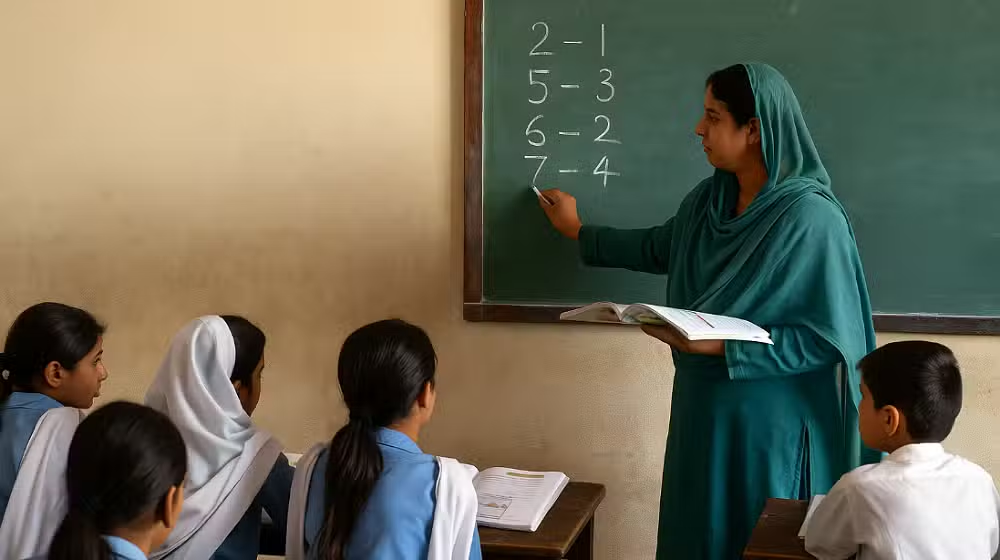
Punjab’s Initiative to Hire Retired Teachers: Bridging Experience with Education

In a move aimed at enhancing the educational landscape, the Punjab government has initiated a program to hire retired teachers across various schools in the province. This decision comes as part of a broader strategy to leverage experienced educators to address teacher shortages, improve educational outcomes, and enrich the learning environment for students.

Addressing Teacher Shortages

Teacher shortages have been a persistent issue in Punjab, affecting the quality of education in both urban and rural areas. Various factors contribute to this shortage, including increased student enrollment, a growing number of schools, and challenges in attracting new teachers to the profession. The recruitment of retired teachers is seen as a pragmatic solution to immediately fill these gaps, ensuring that students have access to qualified educators without delay.

Retired teachers bring a wealth of experience and knowledge to the classroom, which can be invaluable for both students and newly recruited teachers. Their familiarity with the curriculum, teaching methodologies, and classroom management positions them as ideal candidates to maintain educational continuity and stability.

Leveraging Experience and Expertise

One of the primary advantages of hiring retired teachers is the depth of experience they offer. Many retired educators have spent decades in the classroom, honing their skills and developing a nuanced understanding of pedagogy. This experience is crucial in fostering an environment where students can thrive academically and personally.

Furthermore, retired teachers often serve as mentors to their younger counterparts, providing guidance and support that can enhance the teaching capabilities of less experienced educators. Their presence in schools can help build a collaborative learning community where best practices are shared, and professional development is prioritized.

Benefits for Students

The inclusion of retired teachers in the educational system can significantly impact student learning outcomes. Experienced teachers are adept at identifying individual student needs and tailoring their instructional approaches to meet those needs. Their ability to connect with students and engage them in the learning process often results in improved academic performance and a more positive attitude towards education.

Moreover, retired teachers can contribute to a diverse and dynamic learning environment. Their varied experiences allow them to introduce different perspectives and teaching techniques, enriching the curriculum and broadening students’ horizons. This diversity not only enhances the educational experience but also prepares students for a more globalized world.

Challenges and Considerations

While the initiative to hire retired teachers presents numerous benefits, there are challenges that must be addressed to ensure its success. One concern is the potential resistance from retired individuals who may be reluctant to return to the workforce. To counter this, the government and educational institutions must create an attractive working environment, offering flexible hours, competitive compensation, and opportunities for professional engagement.

Additionally, integrating retired teachers into the current educational framework requires careful planning and coordination. Schools must ensure that these educators are provided with the necessary resources and support to adapt to any changes in the curriculum or technology that may have occurred since their retirement.

Implementation Strategy

The Punjab government’s strategy involves a systematic approach to hiring retired teachers, beginning with the identification of schools that are most in need of experienced educators. This targeted approach ensures that resources are allocated efficiently and that the impact of the initiative is maximized.

Furthermore, the government plans to establish a database of retired teachers who are willing to return to teaching, streamlining the recruitment process and facilitating communication between schools and prospective candidates. Additionally, workshops and orientation programs are being organized to assist retired teachers in transitioning back into the classroom and acquaint them with any new educational policies or technologies.

The Broader Impact on Education

By employing retired teachers, Punjab is not only addressing immediate educational needs but also paving the way for a more sustainable and resilient educational system. This initiative reflects a commitment to valuing experience and fostering a culture of continuous learning and collaboration within schools.

Ultimately, the decision to hire retired teachers is a testament to the province’s dedication to quality education, recognizing that the knowledge and expertise of seasoned educators are invaluable assets in shaping the future of students and the educational system as a whole.

Students Awarded Full Marks for Leaked Questions in Cambridge Exams: An Unprecedented Decision

In an exceptional development in the academic world, Cambridge Assessment International Education has announced that students will be awarded full marks for questions that were leaked during their exams. This unprecedented decision has stirred a significant response from educational institutions, students, and parents, highlighting the ongoing challenges in maintaining the integrity of international examinations.

Understanding the Cambridge Examination System

Cambridge Assessment International Education is a part of the University of Cambridge and is renowned worldwide for its rigorous assessment standards. Offering a range of qualifications such as IGCSEs and A Levels, Cambridge exams are a benchmark for academic excellence and are undertaken by students in over 160 countries.

Maintaining the integrity and fairness of these exams is crucial, as they play a significant role in determining students’ future academic paths and career opportunities. Any breach, such as the leaking of questions, poses a threat to the credibility of the examination system.

The Incident: Exam Question Leak

The recent incident of exam question leaks during Cambridge assessments has raised concerns about the security measures in place to protect exam content. Reports indicate that certain exam questions were leaked online before the exams took place, giving some students an unfair advantage while undermining the trust in the examination process.

In response to the breach, Cambridge Assessment International Education launched an immediate investigation to determine the extent of the leak and the parties involved. The investigation revealed that the leak was significant enough to impact the fairness of the examination for all candidates, prompting the organization to take corrective measures.

The Decision: Awarding Full Marks

In a move aimed at ensuring fairness, Cambridge has decided to award full marks for the leaked questions to all students who sat for the affected exams. This decision is rooted in the principle that no student should be disadvantaged due to circumstances beyond their control, such as the unauthorized leak of examination content.

Awarding full marks is intended to level the playing field for all candidates, acknowledging the potential impact of the leak on students’ performance and stress levels during the examination. By doing so, Cambridge aims to uphold the integrity of the assessment while ensuring that students’ future prospects are not adversely affected.

Implications for Students and Educational Institutions

The decision to award full marks has been met with a mixed response. Many students and parents have expressed relief, appreciating the recognition of the unfair situation and the effort to mitigate its impact. For students who did not have access to the leaked questions, this decision helps restore their confidence in the examination process.

However, some educators and academic experts have raised concerns about the precedent set by this decision. Awarding full marks for leaked questions could be seen as a compromise on academic standards and may encourage similar incidents in the future if not paired with stringent preventive measures.

Educational institutions are now tasked with reassessing their role in preparing students for such examinations and ensuring that academic integrity is upheld in all aspects of learning and assessment.

Preventive Measures and Future Considerations

In light of the incident, Cambridge Assessment International Education is expected to implement enhanced security protocols to prevent future leaks. Strengthening cybersecurity measures, increasing surveillance during the distribution and handling of exam papers, and fostering a culture of integrity among all stakeholders are essential steps in regaining public trust.

Moreover, this incident serves as a reminder for all examination boards and educational institutions to regularly review and update their security measures. Transparency in the investigation process and clear communication with students and educators are crucial to maintaining confidence in the examination system.

As the academic world continues to navigate the challenges posed by technological advancements and the global nature of education, incidents like these underscore the importance of a collaborative approach to safeguarding the principles of fairness and integrity in education.

Pakistan’s Arrest of 10 Alleged RAW Agents: A Big Significant Development in Regional Security

In a major development that has stirred regional security concerns, Pakistan recently announced the arrest of 10 individuals allegedly linked to India’s Research and Analysis Wing (RAW). This arrest highlights the ongoing tensions between the two neighboring countries and underscores the complex web of espionage and intelligence operations in the South Asian region.

Background of RAW and Its Role in Regional Intelligence

Established in 1968, RAW is India’s primary foreign intelligence agency, responsible for gathering intelligence from abroad and countering external threats to national security. Over the years, RAW has been involved in various covert operations aimed at safeguarding India’s strategic interests. However, its activities have often been the subject of controversy, particularly in relation to its dealings with neighboring countries like Pakistan.

The historical rivalry between India and Pakistan, rooted in territorial disputes and political differences, has fueled mutual suspicion and frequent allegations of espionage. Both nations have accused each other of harboring spies and conducting intelligence operations to destabilize their governments or compromise national security.

Details of the Arrest

The recent arrests in Pakistan are seen as a pivotal moment in the ongoing intelligence battle between the two countries. According to Pakistani officials, the individuals apprehended were involved in activities that posed a threat to national security. They are alleged to have been gathering sensitive information related to Pakistan’s military and strategic assets, which could have undermined the country’s defense capabilities.

The operation leading to these arrests was reportedly conducted by Pakistan’s intelligence agencies, showcasing their capabilities in counterintelligence. The apprehended individuals are said to have been operating under the guise of various legitimate occupations, using sophisticated methods to evade detection for an extended period.

Implications for Indo-Pakistani Relations

The arrest of these alleged RAW agents is likely to exacerbate tensions between India and Pakistan. Given the historical context and the existing diplomatic strains, incidents such as this can be perceived as provocations, leading to heightened security alerts and potential retaliations. Both countries have a history of using espionage charges as a means of political maneuvering, often resulting in a cycle of accusations and counter-accusations.

For Pakistan, the arrests serve as a demonstration of its vigilance and capacity to protect its sovereignty against foreign intelligence operations. The government may use this event to rally domestic support and bolster its narrative of external threats to national security. Conversely, for India, the arrests could be viewed as an opportunity to scrutinize and potentially reform its intelligence protocols, assessing vulnerabilities in its operations abroad.

Challenges of Counterintelligence Operations

Conducting counterintelligence operations, especially in a region as volatile as South Asia, poses numerous challenges. Intelligence agencies must contend with advanced espionage techniques and the difficulty of penetrating clandestine networks. Furthermore, the deeply rooted mistrust between India and Pakistan complicates efforts to establish transparent communication channels that could potentially mitigate misunderstandings and prevent escalation.

The recent arrests demonstrate the complexities involved in maintaining national security in such an environment. Intelligence agencies must continuously adapt to evolving threats, employing advanced technologies and methodologies to detect and neutralize espionage activities. This requires significant investment in training, resources, and international cooperation.

Regional Security Concerns

Beyond the immediate bilateral implications, the arrest of alleged RAW agents in Pakistan raises broader regional security concerns. South Asia has been a hotspot for intelligence operations due to its strategic significance and ongoing geopolitical rivalries. The presence of foreign agents and their activities can destabilize efforts to maintain peace and security in the region.

Countries in the region must navigate these challenges by enhancing their intelligence capabilities, strengthening counterintelligence measures, and fostering dialogue to address mutual concerns. Collaborative efforts, though challenging, could pave the way for a more stable security environment, reducing the frequency and impact of espionage-related incidents.

While the arrest of 10 alleged RAW agents in Pakistan marks a significant event in the realm of regional intelligence and security, the full implications remain to be seen. Both India and Pakistan are likely to continue their strategic maneuvering, as intelligence operations play a crucial role in shaping their bilateral relations. The ongoing saga underscores the need for improved diplomatic channels and mutual understanding to mitigate the risks associated with espionage and to promote long-term peace in the region.

Pakistan’s Intensified Crackdown on Human Smuggling and Passport Fraud

In recent years, Pakistan has ramped up its efforts to address the twin issues of human smuggling and passport fraud, which have posed significant challenges not only to its national security but also to the global community. These illicit activities have contributed to illegal immigration, organized crime, and even terrorism, necessitating a robust response from the Pakistani government and its law enforcement agencies.

Understanding Human Smuggling and Passport Fraud

Human smuggling involves the illegal transportation of individuals across borders, often facilitated by organized criminal networks. These networks exploit vulnerable individuals seeking better opportunities and charge exorbitant fees for unsafe and illegal passage. Once smuggled, these individuals often find themselves in precarious situations, subject to exploitation and abuse.

Passport fraud, on the other hand, encompasses the creation and use of counterfeit or altered travel documents to facilitate illegal entry or stay in a country. Fraudulent passports can be used for various illegal activities, including human trafficking and terrorism, making it a primary concern for authorities.

Government Initiatives and Law Enforcement Efforts

To combat these issues, Pakistan has undertaken several initiatives aimed at strengthening its border security and enhancing its legal frameworks. The government has introduced tougher laws and penalties for human smuggling and passport fraud, emphasizing the importance of deterring these activities. The Federal Investigation Agency (FIA) has been at the forefront of these efforts, conducting raids and operations to dismantle smuggling networks and arrest perpetrators.

One of the key strategies employed by the government involves international collaboration. Recognizing that human smuggling and passport fraud are transnational issues, Pakistan has sought the cooperation of other countries and international organizations. Through intelligence sharing and joint operations, Pakistan has been able to track and apprehend individuals involved in these illicit activities across borders.

Technological Advancements and Enhancements

Technological advancements have played a pivotal role in Pakistan’s crackdown on human smuggling and passport fraud. The introduction of biometric systems at immigration checkpoints has significantly improved the country’s ability to verify the identity of travelers and detect fraudulent documents. These systems ensure that individuals with altered or counterfeit passports are identified and stopped before they can cross borders.

Additionally, Pakistan has invested in upgrading its passport issuance mechanisms to prevent fraud. The implementation of secure printing technologies and digital verification processes has made it more difficult for criminals to produce fake documents. These advancements not only enhance national security but also increase public confidence in the integrity of Pakistan’s travel documents.

Challenges and Areas for Improvement

Despite these efforts, challenges remain in the fight against human smuggling and passport fraud. One major issue is the sheer scale of these operations, which often involve highly organized and resourceful networks adept at evading law enforcement. Furthermore, corruption within certain governmental and law enforcement agencies can undermine the effectiveness of anti-smuggling measures.

To address these challenges, Pakistan must continue to invest in strengthening its institutions and fostering a culture of accountability and transparency. Training programs for law enforcement personnel can enhance their ability to tackle complex smuggling operations and identify fraudulent documents. Additionally, public awareness campaigns can educate citizens about the risks associated with human smuggling and the importance of reporting suspicious activities.

Pakistan’s crackdown on human smuggling and passport fraud represents a crucial step in safeguarding its borders and upholding its international responsibilities. By adopting a multi-faceted approach that involves legal reforms, technological advancements, international cooperation, and public engagement, the Pakistani government is making significant progress in combating these illicit activities.

While challenges persist, the ongoing commitment of Pakistan’s authorities to address human smuggling and passport fraud sends a strong message to those who seek to exploit vulnerable individuals and undermine national security. As Pakistan continues to refine its strategies and collaborate with global partners, it moves closer to achieving a safer and more secure environment for its citizens and the international community.

Kate Middleton Takes Firm Decision on Resuming Royal Duties: ‘I Can’t Do This’

Kate Middleton, the Princess of Wales, has reportedly taken a firm and emotional stand regarding her potential return to royal duties. In light of her ongoing health challenges following a cancer diagnosis earlier this year, Kate is said to have expressed deep hesitation about rushing back into public life. In private discussions with palace aides and close family members, she reportedly admitted, “I can’t do this,” referring to the pressure and expectations surrounding her royal responsibilities.

The Princess’s candid admission has reignited public discourse around the mental, emotional, and physical toll of royal life, especially at a time when she is undergoing a difficult treatment regimen. Sources close to the Royal Family have emphasized that Kate is prioritizing her recovery and family above all else, and that her return to royal duties will only happen if and when she feels fully prepared.

Diagnosis That Changed Everything

In March this year, Kensington Palace revealed that the Princess of Wales had been diagnosed with an undisclosed form of cancer following major abdominal surgery in January. The diagnosis shocked the nation and prompted an outpouring of support from across the world. Kate, known for her dedication to public service, education, and mental health awareness, had been a regular presence at official events until late 2023.

Since her diagnosis, she has stepped away from the public eye entirely, focusing on treatment, recovery, and spending time with her children—Prince George, Princess Charlotte, and Prince Louis. Prince William has remained by her side throughout, also adjusting his own public schedule to accommodate his wife’s needs and maintain stability at home.

Family Support and Shifting Priorities

According to royal insiders, the Princess’s decision to delay her return to public duties has the full support of Prince William and King Charles III. The royal household has emphasized that Kate’s health and well-being take precedence over ceremonial obligations. The family has been rallying around her, with Queen Camilla and other senior royals stepping up engagements during her absence.

Kate’s focus, at this stage, is reportedly centered on motherhood, healing, and rediscovering emotional strength after what has been one of the most challenging periods of her life. She is said to be in regular contact with medical specialists and mental health advisors as part of her holistic recovery plan.

Public Reaction: Empathy and Understanding

The British public and royal watchers have largely responded to Kate’s decision with empathy. Social media platforms have been flooded with messages of support, praising the Princess for her honesty and courage. Many have pointed out that her openness humanizes the monarchy, highlighting the emotional and personal struggles that often lie behind the grandeur of royal life.

Mental health advocates have also welcomed the Princess’s transparency, noting that her situation underscores the importance of acknowledging personal limits, even in high-pressure roles. Kate has long been a champion of mental health causes, and her current stance resonates with the very message she has promoted throughout her royal career.

Royal Duties Remain on Hold

As of now, there is no official timeline for the Princess of Wales’s return to public duties. Palace officials have avoided setting expectations, stating that updates will only be shared when Kate feels ready. Her scheduled engagements for 2025 have either been postponed or reassigned to other senior royals.

Insiders note that the pressure for a return has been felt more strongly from outside the palace than within. The Princess herself has always been known for her sense of responsibility, but her recent comments signal a shift in priorities—placing health, motherhood, and personal well-being over ceremonial obligations.

A Turning Point for the Modern Monarchy

Kate Middleton’s decision could mark a turning point in how the Royal Family approaches public expectations. By taking a step back and voicing her need for time and space, the Princess has sent a powerful message about vulnerability, resilience, and the evolving role of modern royals in a rapidly changing world.

At UNSC, Islamabad Renews Push for Diplomacy on Iran Nuclear Issue

Pakistan Advocates Dialogue Over Confrontation

At the United Nations Security Council (UNSC), Pakistan renewed its call for diplomacy and peaceful negotiations regarding Iran’s nuclear program, urging world powers to avoid escalation and seek consensus through dialogue. As a non-permanent member of the UNSC for the 2025–26 term, Islamabad used its platform to highlight the importance of multilateralism in resolving sensitive nuclear issues.

Speaking at the UNSC headquarters in New York, Pakistan’s Deputy Prime Minister and Foreign Minister, Senator Ishaq Dar, emphasized that diplomacy must prevail over force. He stressed the urgent need to uphold the UN Charter and international law, particularly in matters involving nuclear proliferation and regional peace.

Support for the JCPOA Framework

Pakistan reiterated its support for the Joint Comprehensive Plan of Action (JCPOA), commonly known as the Iran nuclear deal, which was signed in 2015 between Iran and major world powers. Islamabad urged all stakeholders to return to the agreement’s framework and restore mutual trust through transparent verification and dialogue.

The JCPOA, though weakened in recent years by U.S. withdrawal and Iranian countermeasures, remains the only viable platform for curbing nuclear ambitions while ensuring Iran’s right to peaceful nuclear energy. Pakistan underscored the significance of the International Atomic Energy Agency (IAEA) in verifying compliance, while urging both Iran and the West to exercise restraint.

Bilateral Engagement with Iran

Pakistan’s position at the UNSC follows a series of high-level exchanges with Iran in recent months. Pakistani leadership, including Prime Minister Shehbaz Sharif and Foreign Minister Ishaq Dar, has consistently expressed support for Iran’s right to peaceful nuclear technology under international supervision.

The two neighbors have also strengthened regional cooperation through diplomatic and economic dialogue. Islamabad noted that regional peace and stability are interlinked with constructive engagement with Iran, especially given the shared border and deep cultural and economic ties.

Concerns Over Use of Force

Addressing the global community, Pakistan warned against the use or threat of force in resolving disputes related to Iran’s nuclear program. Islamabad made it clear that unilateral military actions would only worsen tensions and further destabilize the already volatile Middle East.

Referring to past incidents involving threats to Iranian nuclear sites, Pakistani diplomats reiterated that peaceful settlement of disputes is the only viable option. They called on all UNSC members, especially the permanent five, to fulfill their responsibilities in promoting peace and security rather than endorsing confrontation.

Multilateral Diplomacy as a Priority

Pakistan’s renewed push for diplomacy at the UNSC is part of a broader foreign policy agenda focused on multilateralism and conflict resolution. Islamabad highlighted that its diplomatic vision is grounded in international cooperation, mutual respect, and non-interference.

Foreign Minister Dar affirmed Pakistan’s commitment to playing a constructive role in all international forums where nuclear security, disarmament, and non-proliferation are discussed. He further emphasized the importance of inclusive dialogue involving regional stakeholders to avoid miscalculations and encourage long-term solutions.

Linking Regional Stability to Global Peace

During its UNSC engagement, Pakistan also drew attention to the interconnected nature of regional conflicts. Citing the example of tensions in South Asia, including the situation in Jammu and Kashmir, Islamabad stressed that unresolved regional disputes can fuel broader instability, including nuclear concerns.

Pakistan called for consistent global standards in addressing nuclear issues, emphasizing that selective application of international norms undermines the credibility of global institutions. The delegation urged the UNSC to adopt a balanced approach and avoid double standards when dealing with nuclear matters in different regions.

Call for Revival of Confidence-Building Measures

Islamabad advocated the revival of confidence-building measures (CBMs) between Iran and Western powers to de-escalate tensions. These measures, Pakistan suggested, could include reopening diplomatic channels, restoring economic cooperation, and allowing IAEA inspections to proceed unhindered.

Pakistan’s proactive stance at the UNSC reflects its belief that sustainable peace can only be achieved through dialogue, mutual compromise, and adherence to international norms. By renewing its support for diplomacy, Islamabad positioned itself as a responsible stakeholder advocating for non-proliferation, regional stability, and global peace.

Former India Spinner Dilip Doshi Dies Aged 77

Veteran Left‑Arm Spinner Passes Away in London

Former Indian left‑arm orthodox spinner Dilip Rasiklal Doshi passed away on Monday, June 23, 2025, in London due to cardiac arrest. Aged 77, Doshi succumbed to heart-related issues, a fact confirmed by the Board of Control for Cricket in India (BCCI), the Saurashtra Cricket Association, and reported widely by international outlets . His death marks the end of an era for admirers of classical spin bowling in India.

International Career: Late Start, Lasting Impact

Doshi’s international debut came unusually late at 32, following the retirement of Bishan Singh Bedi. He played 33 Test matches between September 1979 and September 1983, claiming 114 wickets at an average of 30.71, including six five-wicket hauls . In ODIs, he represented India 15 times from 1980 to 1982, picking up 22 wickets with a commendable economy of 3.96.

Melbourne Masterclass—A Broken Foot, Heroic Performance

Doshi’s most memorable performance came during the landmark 1981 Test at Melbourne Cricket Ground, where he bowled India to victory despite battling a broken toe. He picked up a five-wicket haul in that match and later described it as “my single greatest cricketing moment”. This heroic effort etched his name in Indian cricket folklore.

Prolific First‑Class Career Across Continents

Beyond international cricket, Doshi enjoyed a long and successful first-class career. He featured in 238 matches, taking 898 wickets at an average of 26.58. His county cricket tenure in England with Nottinghamshire (1973–1978) and Warwickshire (1980–1981) further showcased his abilities. Domestically, he played for Bengal and Saurashtra in the Ranji Trophy, contributing significantly to their spin bowling strength .

Legacy of Tenacity and Gentlemanly Conduct


Throughout his career, Doshi was admired not just for skill, but for character. Described as a “gentleman to the core,” he earned respect from peers and experts alike . Garfield Sobers, his former Nottinghamshire teammate, praised his deep understanding of spin and willingness to mentor aspiring bowlers .

Tributes from Cricketing Luminaries


Following the news of his passing, a wave of tributes poured in:

  • Sachin Tendulkar fondly remembered net sessions in the UK and called Doshi a warm-hearted soul .
  • Ravi Shastri described him as “immaculate” and “a fine, fine bowler” .
  • Anil Kumble expressed heartfelt condolences to Doshi’s family .
  • BCCI President Roger Binny and former BCCI secretary Niranjan Shah both lauded his artistry and contribution to Indian cricket .

International Recognition: Moment of Silence at Headingley


In a touching gesture of respect, players from India and England observed a moment of silence at Headingley ahead of the fifth day of the Test match on June 24, 2025 . This tribute underscored the global impact of Doshi’s legacy.

Record‑Setting Late Bloomer

Doshi is one of only four bowlers in Test history to surpass 100 wickets after debuting post-30—the others being Clarrie Grimmett, Saeed Ajmal, and Ryan Harris. His Test debut of 6/103 against Australia at Chennai in September 1979 remains one of his standout performances . His international career concluded after his final Test against Pakistan in September 1983 .

Family and Personal Life

Born on December 22, 1947, in Rajkot, Doshi’s cricketing journey began in Gujarat before he joined Bengal’s spin-dominant setup . He is survived by his wife Kalindi, son Nayan—who also played for Surrey and Saurashtra—and daughter Vishakha . He spent his later years in London, where he passed away.

Traffic Plan Announced for Muharram

With the advent of Muharram, the Punjab government has announced a comprehensive traffic management plan to ensure the smooth flow of vehicles, public safety, and secure religious processions across the province. The traffic plan, developed in coordination with the local police, district administrations, and religious committees, will be implemented across all major cities including Lahore, Rawalpindi, Faisalabad, Multan, and Gujranwala.

The plan is designed to address the unique challenges of the holy month, particularly during Ashura, when large numbers of devotees gather for religious processions, majalis (gatherings), and other commemorative events. Authorities have declared special arrangements to manage road closures, diversions, parking areas, and emergency response systems.

Special Measures for Ashura Days

The peak of the Muharram observances, particularly the 9th and 10th days (Ashura), will see the most stringent traffic measures. In cities like Lahore and Rawalpindi, central roads used for processions will be closed to general traffic from early morning until late evening. Designated alternative routes have been announced to minimize disruption for commuters.

Lahore Traffic Police has announced that roads surrounding Nisar Haveli, Karbala Gamay Shah, and Mochi Gate—key locations for processions—will be closed to all vehicular traffic. Similarly, in Rawalpindi, the area around Fawara Chowk, Raja Bazaar, and College Road will be sealed off during the main processions. Heavy vehicles will be completely barred from entering city centers during these two days.

Deployment of Personnel and Surveillance Systems

To ensure effective enforcement of the traffic plan, the Punjab Police will deploy thousands of traffic wardens, police officers, and plainclothes personnel across processional routes and sensitive areas. Lahore alone will have over 5,000 personnel dedicated to Muharram security and traffic regulation.

Advanced surveillance systems, including CCTV cameras, drone monitoring, and aerial surveillance, will be utilized to monitor the movement of processions and identify any potential bottlenecks or security risks. Command and control centers will be operational 24/7 in major cities to coordinate real-time responses to any traffic or security incidents.

Public Transport and Parking Arrangements

In light of restricted access to many central roads, special public transport routes have been arranged to facilitate the movement of citizens. Shuttle services will be available near procession sites to help residents reach their destinations without causing congestion. The government has coordinated with local transport unions to ensure that public vehicles avoid restricted zones during peak hours.

Designated parking lots have been established on the periphery of major cities, especially near procession areas. Citizens attending the majalis or processions are encouraged to park their vehicles in these lots and proceed on foot to avoid traffic jams. These lots will be secured and monitored by police personnel.

Awareness Campaign and Citizen Cooperation

To make the traffic plan effective, the Punjab government and traffic police have launched a public awareness campaign. Announcements are being made through television, radio, and social media channels to inform the public about road closures, alternate routes, and traffic regulations. Leaflets and brochures are also being distributed in mosques, imambargahs, and marketplaces.

Authorities have appealed to citizens to cooperate with law enforcement agencies and to avoid unnecessary travel near procession routes during peak hours. Residents have been urged to use alternative roads and follow the directions of traffic wardens to avoid inconvenience.

Emergency Services and Medical Response

The traffic plan also includes arrangements for emergency medical response and fire services. Ambulances and fire brigades will be stationed at key locations along the main procession routes to deal with any emergencies. Coordination has been established between Rescue 1122, local hospitals, and the police for a quick and efficient response in case of medical or security incidents.

Special lanes for emergency vehicles will be kept clear at all times, and processional organizers have been briefed to facilitate their movement when needed. Medical camps will also be set up by various NGOs and health departments to provide immediate assistance to participants.

Thousands of Vehicles Seized and FIRs Registered in Punjab Over One Violation

Massive Crackdown on Traffic Offenders in Punjab

Punjab has witnessed an unprecedented crackdown on traffic law violators, with thousands of vehicles seized and First Information Reports (FIRs) registered across the state. The primary focus of the recent enforcement drive is a single yet crucial violation—failure to affix High Security Registration Plates (HSRPs) on vehicles. Initiated by the Punjab Police in collaboration with the transport department, the campaign aims to improve road safety, enforce regulatory compliance, and enhance the traceability of vehicles across the region.

HSRP Mandate and Public Response

High Security Registration Plates are tamper-proof license plates introduced by the government of India to reduce vehicle-related crimes and aid in quick identification. Despite the mandatory directive issued years ago, compliance levels in Punjab remained low. The authorities, after multiple warnings and awareness campaigns, finally launched an aggressive enforcement drive in June 2025.

As a result, over 80,000 vehicles have reportedly been impounded across various districts in Punjab. Districts such as Ludhiana, Amritsar, Patiala, and Jalandhar reported the highest number of seizures. In addition, FIRs have been registered against thousands of defaulters, especially repeat offenders who continued to flout the mandate even after receiving warnings.

Legal Framework Behind the Action

The action against non-compliant vehicle owners is backed by provisions under the Motor Vehicles Act, 1988. The Act empowers law enforcement agencies to seize vehicles operating without valid registration details or number plates, including the newly mandated HSRPs. According to officials, vehicles lacking these plates pose challenges in case of thefts, hit-and-run accidents, and crimes involving motor vehicles.

Authorities emphasize that FIRs have been filed primarily under Sections 192 and 207 of the Motor Vehicles Act, along with relevant provisions of the Indian Penal Code in cases of forged or tampered plates. Offenders can face penalties ranging from monetary fines to court trials, depending on the nature and frequency of the violation.

Public Reactions and Rising Concerns

While the government maintains that the enforcement is a necessary step toward safer roads and better governance, public opinion is divided. Many citizens claim the sudden implementation has caused chaos, with long queues at registration centers and insufficient availability of HSRPs contributing to delays. Vehicle owners have also raised concerns about the transparency of the drive and alleged instances of arbitrary vehicle impoundment.

On the other hand, a section of the public has welcomed the strict action, acknowledging the importance of a unified and secure vehicle identification system. Road safety advocates argue that effective regulation, including the use of tamper-proof plates, will play a key role in curbing crime and maintaining accountability on the roads.

Administrative Efforts to Address Challenges

In response to growing public frustration, the Punjab transport department has taken steps to streamline the HSRP issuance process. Additional registration counters have been set up across major cities, and the online booking system has been upgraded to handle increased traffic. Moreover, authorities have announced a grace period of up to 15 days for those who have already applied for the plates but are awaiting installation.

Officials have also clarified that vehicles registered before April 2019 were most likely to be affected, as newer models generally come with pre-installed HSRPs. As a precautionary measure, the transport department has instructed Regional Transport Offices (RTOs) to prioritize applications from such owners.

Impact on Traffic Patterns and Law Enforcement

The large-scale seizure of vehicles has had a visible impact on daily traffic in several cities. Police barricades and mobile checking units have become a common sight, especially near toll plazas, major intersections, and city borders. Law enforcement agencies have increased surveillance using ANPR (Automatic Number Plate Recognition) cameras to identify vehicles without HSRPs.

Meanwhile, police officials report that the operation has helped uncover other violations such as expired insurance, pollution control non-compliance, and fake documentation. Many believe that this focused enforcement initiative could serve as a blueprint for similar actions in other states.

Future of Vehicle Regulation in Punjab

With this drive, the Punjab government has signaled a stricter stance on vehicular compliance. As digitization and smart infrastructure continue to evolve, initiatives like mandatory HSRPs are expected to become integral to urban governance. While the current wave of enforcement may appear harsh, officials assert that it sets the tone for a more secure and accountable transportation system in the state.