






Pakistan Railways Announces Fare Hike Amid Rising Fuel Costs

On Wednesday, Pakistan Railways announced yet another fare increase for passenger, express, and mail trains, marking the second such hike within just 15 days. This decision comes as a direct response to escalating fuel prices, particularly diesel, which have been putting significant financial pressure on the railway department.

Details of the Fare Increase

According to the recent notification issued by Pakistan Railways, a 2 percent fare increase will be implemented for express and passenger trains starting July 4. This increase will also be applied to advance bookings, highlighting the comprehensive nature of the fare adjustment. This move follows an earlier increase on June 18, where passenger train fares were raised by 3 percent and freight train fares saw a 4 percent increase.

Impact of Rising Fuel Costs

The primary catalyst for the fare hike is the continual rise in petroleum product prices, which are critical to the operation of the railways. Diesel, in particular, has seen a significant price jump, contributing heavily to the increased operational costs for Pakistan Railways. An official from the railway department revealed that these rising costs have resulted in a monthly loss of approximately Rs 109 million.

The federal government’s decision to increase petroleum prices further exacerbates the financial strain on the railways. The Ministry of Finance announced a substantial rise in the cost of petroleum products for the fortnight ending July 15. Specifically, the price of petrol rose by Rs 14.80 per litre, bringing it to Rs 266.89 per litre, while high-speed diesel increased by Rs 10.39 per litre to Rs 272.98 per litre.

Compliance and Implementation

To ensure the effective implementation of the new fares, directives have been issued to the Director of IT and the Divisional Superintendents (DS) within Pakistan Railways. These officials are tasked with overseeing the compliance and integration of the updated fares into the railway’s operational systems.

Historical Context

The recent fare increase is not an isolated incident. Pakistan Railways has been grappling with financial challenges for some time, largely due to fluctuating fuel prices and the resulting impact on its operational budget. The previous fare hike on June 18 was a response to similar pressures, illustrating a pattern of adjustments in response to external economic factors.

Broader Economic Implications

The increase in train fares is not just a concern for travelers but also indicative of broader economic trends affecting Pakistan. Rising fuel prices impact various sectors, with transportation being one of the most directly affected. The continuous increase in operational costs for public transportation can lead to higher consumer prices, affecting the cost of living and economic stability.

For daily commuters and those reliant on train services for travel, these fare hikes translate to increased travel expenses, which can further strain household budgets. The decision to increase fares is also a strategic move to mitigate financial losses and ensure the sustainability of railway services amidst challenging economic conditions.

Future Prospects

While the current situation is challenging, steps are being taken to improve the overall infrastructure and service quality of Pakistan Railways. Initiatives such as the introduction of free Wi-Fi services in 40 trains demonstrate efforts to enhance passenger experience and potentially attract more users, which could help offset the impact of fare increases.

Going forward, the railway department will need to balance fare adjustments with service improvements and cost management strategies to navigate the financial pressures they face. The focus will likely remain on enhancing efficiency and exploring alternative measures to reduce dependency on fluctuating fuel prices.

PTI Clarifies Jail Letter: Calls for Dialogue, Not Surrender

Amid growing political uncertainty, Pakistan Tehreek-e-Insaf (PTI) has clarified that the recent jail letter issued by its Punjab leadership, authored by one of its incarcerated senior leaders, was not a sign of capitulation but a reaffirmation of their commitment to meaningful dialogue and party ideology.

In a statement to The Express Tribune, PTI Punjab’s social media head explained that the letter did not present any new demands, but aimed to dismiss widespread assumptions that jailed party members were seeking a deal to end their detention. “All these five leaders are standing tall, and their commitment to the party’s cause remains unwavering,” he stated.

Dialogue with Power Corridors Urged

The letter, sent via legal channels, reflects PTI’s ongoing call for inclusive negotiations, not just among political parties, but also with those “who are actually calling the shots,” a veiled reference to the military establishment.

Senior PTI leader Shah Mehmood Qureshi, during a media interaction at his jail trial, endorsed the move, urging party chairman Barrister Gohar Ali Khan and Secretary General Salman Akram Raja to visit him in Kot Lakhpat Jail. “This is the consensus of the inmates,” he said, adding that while the name of the negotiation counterpart will be revealed in due course, the need for talks is urgent.

“We wanted to talk with powerful corridors, but they received a reply that PTI should talk with politicians,” Qureshi said. He stressed that access to Imran Khan is critical to finalize any negotiation path.

Dr Yasmeen Rashid also rejected any suggestion of backdoor compromise. “We are in jails for the sake of this country, not for mines,” she said. “We haven’t committed any offence, yet we remain firm. I had many opportunities abroad, but I chose to stay in Pakistan because I love this country.”

PPP, PML-N Welcome PTI’s Shift in Tone

In a rare sign of convergence, senior PML-N leader Khawaja Saad Rafique praised the PTI letter as “important and wise.” He encouraged the founding PTI leadership to support this approach, urging unconditional talks to reduce political animosity. “If we can talk to enemy countries, why can’t we talk to each other?” he asked.

Rafique emphasized the urgency of forging a new national democratic charter, warning, “Let’s sit down together and decide on the rule of the Constitution in Pakistan or recite the Fatiha of democracy.”

The PPP, too, reiterated its stance on initiating a broader national dialogue and supported the formation of a new Charter of Democracy.

Protests After Muharram?

Despite these overtures, PTI has announced plans to launch a protest movement after Muharram. However, Saad Rafique expressed doubt about its potential success, citing internal divisions within PTI, poor organizational strength, oppressive weather conditions, and institutional rigidity.

Also, see:

Heavy Rain Across Pakistan Leaves 64 Dead, More Monsoon Danger Ahead

Heavy Rain Across Pakistan Leaves 64 Dead, More Monsoon Danger Ahead

A devastating spell of heavy rain across Pakistan has claimed 64 lives and injured 117 others within a week, as confirmed by the National Disaster Management Authority (NDMA) on Wednesday. The unrelenting downpours triggered flash floods, house collapses, and widespread chaos, marking one of the deadliest monsoon weeks in recent years.

Khyber Pakhtunkhwa was the worst-hit region, with 23 fatalities, including 10 children. In Swat Valley alone, 14 people were swept away in flash floods. Punjab followed with 21 deaths, 11 of them children, due to roof collapses and water surges in low-lying settlements. Meanwhile, Sindh recorded 15 deaths and Balochistan reported five casualties.

The NDMA has warned that the worst may not be over yet.

Widespread Monsoon Threats Loom from July 5

The Pakistan Meteorological Department (PMD) has forecast an intense monsoon phase beginning July 5, with heavy rain across Pakistan expected to intensify from July 6. Moist monsoon currents are already flowing into the country and will likely grow stronger through the weekend, fueled by an incoming westerly wave.

From July 5–10, rain, thunderstorms, and heavy to very heavy rainfall are expected across northern and central Pakistan, including key areas like Muzaffarabad, Swat, Rawalakot, Malakand, and Chitral. Upper Punjab, including Rawalpindi, Lahore, Sialkot, and Faisalabad, and regions in Islamabad are also on alert for urban flooding.

Southern Punjab districts like Multan, Bahawalpur, and Dera Ghazi Khan may experience rainfall from July 6–8, while parts of Balochistan, such as Khuzdar and Lasbella, will face thunderstorms between July 3–4 and July 6–8. Karachi and Hyderabad are also forecast to receive moderate to heavy rainfall during this period.

Warnings for Flash Floods, Urban Flooding, and Landslides

The PMD has issued urgent advisories warning that heavy rain across Pakistan may trigger flash floods in streams and nullahs, particularly in northern KP, AJK, Gilgit-Baltistan, and hill torrents of Dera Ghazi Khan. Urban flooding risks are high in major cities including Lahore, Rawalpindi, Gujranwala, and Peshawar between July 6–8.

Landslides may block roads in hilly regions such as Murree, Galliyat, and Chitral, while vulnerable structures like mud houses, billboards, electric poles, and solar panels remain at high risk of damage due to strong winds and lightning.

Authorities have been placed on high alert, and the public is urged to stay indoors during heavy spells, avoid travel in flood-prone areas, and remain updated on weather alerts.

Also, see:

Government Pays People to Use Toilets in India

Atlas Honda Increases Motorcycle Prices in July 2025 Due to New Carbon Levy

Atlas Honda Announces Price Hike Effective July 1, 2025

Pakistan’s leading motorcycle manufacturer, Atlas Honda, has increased prices across its entire lineup by Rs 2,000 to Rs 6,000. The adjustment comes after the federal government imposed a 1% Carbon Levy on imported motorcycle engines in the 2025–26 budget.

The new prices are effective from July 1, 2025, with the company passing the additional tax burden directly to consumers.

Latest Price List for Honda Motorcycles (July 2025)

ModelNew Price (PKR)Increase (PKR)
Honda CD 70159,900+2,000
CD 70 Dream170,900+2,000
Honda Pridor211,900+3,000
CG 125238,900+4,000
CG 125 Self-Start286,900+4,000
CG 125s Gold296,900+4,000
CB 125F396,900+6,000
CB 150F499,900+6,000
CB 150F Special Edition503,900+6,000

Why Did Prices Increase?

The hike is attributed to:

  • 1% Carbon Levy – A new tax on imported motorcycle engines aimed at promoting eco-friendly alternatives.
  • Rising Production Costs – Increased import duties and inflation have further impacted manufacturing expenses.

Impact on Consumers

With motorcycles being a primary mode of transport for many Pakistanis, especially low-income earners and delivery workers, this price hike may:

  • Reduce affordability amid already high inflation.
  • Slow down sales in an already strained market.

Atlas Honda dominates over 50% of Pakistan’s motorcycle market, making this increase significant for daily commuters.

Should You Buy Now?

Dealers confirm the new prices are in effect, and further adjustments may follow if taxes or import costs rise again. Buyers looking for the best deal should consider purchasing soon to avoid additional hikes.

United Motors Announces US 70, US 125, US 150 Price Hike — Latest July 2025 update

United Motors Implements Price Adjustment

United Motors has officially announced a price increase across its motorcycle range, effective July 2, 2025. The revised pricing comes after the implementation of an 18% Sales Tax and 1% NEV (National Electric Vehicle) Levy.

Customers planning to purchase a new bike should take note of the updated rates to make informed decisions.

Updated Price List for United Motors Bikes

Below is the revised price breakdown for popular United Motors models:

ModelPrice (Excl. Tax)Sales Tax (18%)NEV Levy (1%)Final Price
US-70 CC (STD)PKR 93,182PKR 16,773PKR 1,045PKR 111,000
US-70 CC (Self Start)PKR 102,411PKR 18,434PKR 1,155PKR 122,000
US-125 CC (Self Start Alloy Rim)PKR 199,831PKR 35,969PKR 2,200PKR 238,000
US-150 CCPKR 251,017PKR 45,183PKR 2,800PKR 299,000

Why the Price Increase?

The adjustment is primarily due to:

  • 18% Sales Tax – A standard government levy on vehicle sales.
  • 1% NEV Levy – Part of Pakistan’s push toward electric vehicles, adding a small surcharge on conventional bikes.

Act Now Before Further Adjustments

With rising inflation and potential future tax changes, buyers are encouraged to purchase soon to avoid additional cost hikes. United Motors dealers are currently honoring the new prices, and stocks may deplete quickly.

Understanding Age-Related Macular Degeneration: A Global Health Concern

Macular : Age-related macular degeneration (AMD) is a significant health issue affecting approximately 200 million people worldwide. This condition primarily impairs central vision, leading to blurriness and other visual disturbances. AMD is categorized into two primary forms: dry and wet. The dry form is more common and involves gradual damage to the macula, a critical region at the back of the retina, as part of the natural aging process. In contrast, wet AMD occurs when abnormal blood vessels grow behind the eye, leading to further damage to the macula. Understanding the risk factors and potential causes of AMD is crucial for developing preventative strategies and treatments.

The Link Between Coffee Consumption and AMD

A recent study published in the journal Food Science & Nutrition has shed light on an intriguing potential risk factor for developing dry age-related macular degeneration: the consumption of instant coffee. This study gathered comprehensive data from over 500,000 individuals using the UK Biobank genome-wide association studies (GWAS) summary statistics. Researchers categorized participants based on their coffee preferences, distinguishing between decaffeinated, ground, and instant coffee.

The study also incorporated data on both dry and wet AMD in adults aged 50 and older, sourced from the Finngen GWAS dataset. The researchers employed advanced analytical methods, including Mendelian randomisation and linkage disequilibrium score regression (LDSC), to investigate potential genetic links between coffee consumption and AMD. These methodologies allow researchers to explore complex genetic relationships and assess the potential causal effects of specific lifestyle factors.

Genetic Overlap and Risk Implications

By the conclusion of the study, researchers identified a notable genetic overlap between a predisposition for drinking instant coffee and an increased risk of developing dry AMD. This finding suggests that genetic factors influencing coffee consumption preferences may also be linked to the likelihood of developing this form of macular degeneration.

Within this genetic connection, the study found that consuming instant coffee, as opposed to other types of coffee, was associated with a roughly sevenfold higher risk of developing dry AMD. This significant association underscores the potential impact of lifestyle choices, particularly dietary habits, on the risk of developing age-related health conditions. However, it is essential to note that while the study reveals a correlation, it does not establish a direct causative relationship between instant coffee consumption and dry AMD.

Implications for Public Health and Future Research

The findings of this study have important implications for public health and highlight the need for further research into the dietary and genetic factors contributing to age-related macular degeneration. Understanding the specific components of instant coffee that may influence AMD risk could lead to the development of targeted dietary recommendations and interventions aimed at reducing the incidence of this condition.

Additionally, the study emphasizes the importance of considering genetic predispositions when evaluating lifestyle risk factors for chronic health conditions. By integrating genetic data with lifestyle assessments, researchers can gain a more comprehensive understanding of the complex interactions that contribute to disease development.

A Call for Awareness and Preventative Strategies

As age-related macular degeneration continues to affect millions worldwide, raising awareness about potential risk factors, including dietary choices, is crucial. Healthcare providers, researchers, and public health officials must collaborate to develop effective strategies for preventing AMD and promoting eye health.

Further studies are needed to confirm the findings of this research and to explore the underlying mechanisms linking instant coffee consumption to dry AMD. By expanding our knowledge of these connections, we can work towards minimizing the impact of AMD on individuals and communities globally, ultimately improving quality of life for those at risk.

A Celebration of Mango Diplomacy in Abu Dhabi

The UAE capital recently became the epitome of flavorful diplomacy as diplomats, dignitaries, and mango aficionados gathered to celebrate one of Pakistan’s most prized exports: the mango. The Embassy of Pakistan in Abu Dhabi, in collaboration with the Overseas Foundation Pakistan, orchestrated a unique festival that was more than just a fruit-bearing event; it was a masterclass in what can be coined as “sweet diplomacy.”

The Essence of Mango Diplomacy

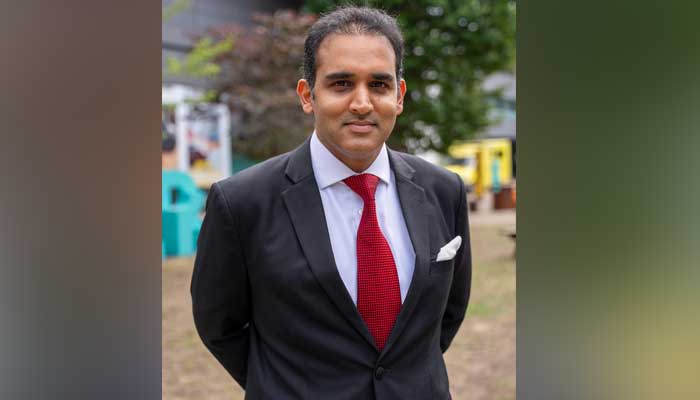
The festival was unveiled by Pakistan Ambassador to the UAE, Faisal Niaz Tirmizi, alongside Sheikh Mubarak bin Sultan Al Nahyan. Ambassador Tirmizi eloquently described the mango as more than just a fruit, calling it “Pakistan’s ambassador of taste.” As the fourth-largest exporter of mangoes globally, Pakistan uses this fruit as a tool of soft diplomacy, symbolizing love, generosity, and hospitality.

From freshly sliced Sindhri to mango-infused pastries and chilled Chaunsa smoothies, the event offered a medley of flavors that transported attendees straight to the lush manngo orchards of Punjab and Sindh. The festival highlighted how the soft power of flavor can charm international audiences, one juicy slice at a time.

International Admiration for Pakistani Mangoes

The star attraction was not solely the manngoes themselves but the heartfelt reactions from foreign diplomats who were enchanted by the exquisite flavors of Pakistani mangoes. Tuula Yrjölä, the Ambassador of Finland to the UAE and Bahrain, expressed delight, stating, “Absolutely delicious. In Finland, they don’t taste the same — the distance makes a difference.”

Similarly, German Consul General in Dubai, Sibylle Pfaff, marveled at the variety available, saying, “Mangoes have always been one of my favorite fruits, but the range I’ve seen here is just fantastic — sweet, savory, everything!” Such diversity is seldom found in supermarkets elsewhere, making the festival a true celebration of taste.

Veteran Romanian diplomat Silviu Jipa, head of consular services in Abu Dhabi, praised Pakistan’s success in promoting its manngoes globally, remarking, “You promote this fruit like a gift — it’s sweet like your country.” From across the Atlantic, a Canadian diplomat noted the unique experience of tasting different mango varieties side by side, each revealing its distinct personality.

Economic and Cultural Impact

Ali Zeb, Trade Counsellor of Pakistan in the UAE, provided insight into the economic significance of mango exports. Despite climate challenges, exports to the UAE are expected to reach $25–30 million. However, the festival was not just about economic figures; it was a celebration of the warmth, stories, and friendships that manngoes foster.

The festival was a multi-sensory experience, offering juices, cakes, pastries, chutneys, and mango-infused delicacies that dazzled guests with their creativity. Children from the Pakistani community participated in cultural performances, adding vibrancy to the scene and blending culture with commerce.

Dr. Farhan of the Overseas Foundation Pakistan highlighted the evolution of the event from a simple mango tasting to a comprehensive trade and cultural showcase, dubbing it a “manngo movement.”

A Flavorful Showcase of Pakistani Culture

The Pakistani Manngo Festival in Abu Dhabi was a testament to how a country can narrate its story through the universal language of flavor and fragrance. It demonstrated that diplomacy transcends traditional boundaries, incorporating elements of culture and taste to build bridges of understanding and friendship.

The event encapsulated how slices of fruit became slices of diplomacy—sweet, soft, and irresistibly charming. It showcased the potential of using cultural exports like mangoes to foster international goodwill and promote Pakistani heritage on a global stage.

Love Across Borders: An American Woman Weds a Pakistani Man in Upper Dir

In a remarkable story of love transcending borders and cultures, an American woman named Mindy has married Pakistani man Sajid Zeb Khan in Upper Dir, Khyber Pakhtunkhwa. This union, which began as a friendship on Facebook, blossomed into a deep and lasting relationship over the course of two years.

The Journey to a New Beginning

Mindy, who hails from Chicago, traveled to Pakistan to marry Sajid, marking her first visit to the country. The couple solemnized their marriage in a nikah ceremony, bringing joy and celebration to Sajid’s family and the local community. Mindy, who embraced Islam and took the name Zulekha, expressed her happiness and excitement about this new chapter in her life.

Sajid, discussing their union, shared his delight at the marriage contract being signed and how Mindy’s arrival had brought happiness to his home. He enthusiastically welcomed her to Pakistan, a country she described as beautiful and peaceful in her recorded video statement.

A Friendship That Crossed Continents

The relationship between Sajid and Mindy began in the digital realm, where they met on Facebook two years ago. Over time, their friendship evolved into a deep connection, with Mindy eventually proposing to Sajid. This proposal was accepted by Sajid, and both informed their families about their decision, who graciously supported their choice.

Mindy, a flight attendant by profession, was warmly welcomed by the locals in Upper Dir upon her arrival. Sajid personally received her at the Islamabad International Airport before they embarked on their journey to Usheri Dara in Upper Dir, where the marriage took place.

Cultural Exchange and Acceptance

The story of Mindy and Sajid is not just one of personal love but also of cultural exchange and acceptance. By embracing Islam and adopting the name Zulekha, Mindy has shown her willingness to integrate into her new environment and respect the traditions and beliefs of her husband’s culture.

Her experience in Pakistan, as expressed in her statements to the media, highlights the beauty and hospitality she encountered, challenging stereotypes and misconceptions often associated with the region. This marriage serves as a testament to the potential for mutual respect and understanding between different cultures.

Community Response and Support

The local community in Upper Dir has been supportive of this unique union, providing a warm welcome to Mindy. Their acceptance exemplifies the hospitality and openness of the people in this region. The community’s positive response is a reflection of their ability to embrace diversity and celebrate love in all its forms.

The marriage has also captured the attention of media outlets, further emphasizing the human connection and shared experiences that transcend geographical and cultural boundaries.

Reflections on Love and Modern Relationships

In an age where technology plays an integral role in connecting people from across the globe, the story of Sajid and Mindy highlights the evolving nature of modern relationships. Social media platforms like Facebook have become instrumental in bringing individuals together, allowing them to forge connections that may not have been possible in the past.

Their journey from an online friendship to a marriage is a testament to the power of love and the possibilities that arise when individuals are open to embracing new experiences and cultures. It underscores the idea that despite differences, people can find common ground and build meaningful relationships.

This marriage between Mindy and Sajid is a heartwarming reminder of the universality of love and the profound impact it can have on individuals and communities alike. Their story serves as an inspiration to those who believe in the power of love to bridge divides and create lasting bonds across the world.

Sindh Government Declares Public Holidays for Ashura in 2025

The Government of Sindh has officially announced public holidays on July 5 (Saturday) and July 6 (Sunday), 2025, in observance of Ashura, which corresponds to the 9th and 10th of Muharram-ul-Haram 1447 A.H. This decision underscores the importance of Ashura, a significant occasion in the Islamic calendar, and acknowledges the religious observances associated with it.

Official Notification and Scope

The announcement was formalized through an official notification issued by the Services, General Administration & Coordination Department on July 1. According to the notification, the holidays will be applicable to all government offices, autonomous and semi-autonomous bodies, corporations, and local councils that operate under the administrative control of the Sindh government. The notification was circulated by Chief Secretary Sindh, Asif Hyder Shah, to ensure that all relevant departments are informed and prepared for the implementation of the holidays.

While the majority of administrative operations will observe the holidays, essential services are exempt from this directive and will continue to function normally. This exemption ensures that vital services remain uninterrupted, catering to the needs of the population during the religious observance.

Significance of Ashura

Ashura holds profound religious significance for Muslims around the world. It is a day marked by mourning and reflection, observed in memory of the martyrdom of Hazrat Imam Hussain (R.A.), the grandson of Prophet Muhammad (PBUH). Imam Hussain’s steadfast stand against tyranny and injustice at the Battle of Karbala is commemorated through various rituals and practices, which include fasting, prayer, and public processions.

In Sindh, as in other parts of the world, Ashura is observed with great reverence. It serves as a reminder of the values of justice, sacrifice, and patience. The public holidays provide an opportunity for individuals and communities to engage in religious activities and pay homage to the sacrifices made by Imam Hussain and his companions.

Security Arrangements and Public Cooperation

Given the significance of the occasion and the expected gatherings, strict security arrangements are anticipated across Sindh during the two-day period. Authorities have outlined comprehensive plans to ensure the safety and security of the public during the processions and gatherings.

Law enforcement agencies will be deployed strategically to monitor and manage the crowds, ensuring that the events unfold peacefully. The government has urged citizens to observe the days with solemnity and to cooperate fully with law enforcement personnel. This collaboration is crucial in maintaining peace and order during Ashura, allowing for a respectful and harmonious observance of the religious occasion.

Community Involvement and Observances

Communities across Sindh are expected to participate actively in the Ashura observances. Majalis (gatherings) and processions will likely be organized in various cities and towns, providing platforms for reflection and communal mourning. These events often include recitations of elegies and sermons that recount the events of Karbala, emphasizing the moral and ethical lessons derived from Imam Hussain’s sacrifice.

Local councils and community leaders play a vital role in organizing these events, ensuring that they are conducted smoothly and respectfully. The involvement of various community groups highlights the collective commitment to preserving the religious and cultural heritage associated with Ashura.

Cultural and Religious Reflection

The observance of Ashura in Sindh is not only a religious duty but also a cultural tradition that has been passed down through generations. It serves as a time for introspection and reaffirmation of faith, bringing communities together in shared remembrance. The public holidays declared by the Sindh government facilitate this communal bonding, allowing individuals to participate fully in the religious and cultural activities associated with Ashura.

This annual observance is a testament to the enduring legacy of Imam Hussain and the timeless values he stood for. Through the public holidays and associated activities, the people of Sindh have the opportunity to engage with this legacy, drawing inspiration from its lessons and applying them to contemporary challenges.

NADRA’s Expansion of Services: A New Era in Identity Management

In recent years, the National Database and Registration Authority (NADRA) has taken significant steps towards enhancing its services, marking a transformative approach in identity management across Pakistan. The recent rollout of services in strategic locations and the streamlining of the CNIC issuance process are reflections of NAaDRA’s commitment to accessibility, efficiency, and convenience for its citizens.

Expansion of Services in Union Councils

Initially, NADRA services have been extended to various Union Councils within Pakistan, such as Islamabad’s Saidpur, Sihala, Model Town, Koral, I-10/4; Chakwal’s Mureed area; and Gujrat’s Daulat Nagar. This expansion aims to provide residents in these areas with easier access to essential identity-related services. By strategically selecting these locations, NADRA focuses on reaching diverse populations, ensuring that both urban and rural communities benefit from improved services.

These efforts are pivotal in fostering inclusivity and addressing the gaps in service delivery that have long existed in these regions. The provision of services closer to home reduces travel expenses and time for residents, thus facilitating a more convenient and cost-effective process for obtaining and renewing identity documents. This initiative highlights NADRA’s dedication to bringing services directly to the people, making the process of accessing government services less burdensome.

Streamlining the CNIC Issuance Process

Recently, NADRA has made significant advancements in streamlining the CNIC issuance process, which has historically been plagued with long queues and inefficient procedures. By refining the issuance process, NADRA aims to minimize the waiting time for applicants and enhance the overall experience for citizens seeking identity cards.

These improvements are part of a broader strategy to modernize NADRA’s operations, making them more responsive to the needs of the public. The reduction in queue times not only reflects operational efficiency but also signifies NADRA’s proactive approach in addressing the concerns of citizens who require quick and reliable service.

Enhancements in Karachi’s Biker Service

For residents of Karachi, NADRA has notably expanded its biker service, increasing the number of units from three to eight. This expansion significantly improves home delivery options for identity card renewals and related services, making it easier for residents to access these services without having to visit NADRA centers physically.

Director General Amir Ali Khan emphasized that with this expansion, residents across all districts of Karachi can now seamlessly access CNIC renewal and other services through the biker service. This innovative approach underscores NADRA’s resolve to incorporate technology and mobility solutions into its service delivery, enhancing convenience and efficiency for Karachi’s vast population.

The biker service is a testament to NADRA’s adaptability and responsiveness to urban challenges. It reflects an understanding of the logistical constraints faced by Karachi’s residents and provides a tailored solution that meets the unique demands of the city’s environment.

Promotional Campaigns and Technological Upgrades

In addition to service expansions, NADRA has been actively working on raising awareness about its Pak ID mobile application. A roadshow was held in Karachi, accompanied by promotional campaigns launched at universities, schools, and shopping malls. These initiatives aim to educate the public about the functionalities and benefits of the Pak ID app.

The app’s software has been updated, ensuring that all technical issues have been resolved. By addressing these challenges, NADRA is enhancing the app’s performance and reliability, thus encouraging more citizens to utilize digital platforms for their identity management needs.

These promotional efforts are critical in transitioning towards a more digital-centric approach to identity services. They reflect NAADRA’s vision of integrating technology into everyday processes, making identity management more accessible and efficient for all citizens.

Through these strategic initiatives, NADRA is not only expanding its service reach but also redefining the landscape of identity management in Pakistan. By embracing technological advancements and focusing on service delivery, naadra is paving the way for a future where identity services are seamlessly integrated into the daily lives of Pakistanis.

Pakistan to Shut Down Utility Stores Corporation

The federal government is all set to bring down the shutters on the Utility Stores Corporation, with July 31 marked as the final day of operations. Once considered Pakistan’s essential state-run retail chain for low-cost consumer goods, USC is now heading toward full-scale closure and privatization. This move, reportedly initiated on the orders of Prime Minister Shehbaz Sharif after a high-level meeting on June 28, is expected to reshape the country’s subsidized retail sector.

As part of this restructuring, a Voluntary Separation Scheme (VSS) has been rolled out for all USC employees. Those not covered by the scheme will face transfers to a surplus pool, or in the case of daily wagers and contract staff, outright dismissal. According to sources, nearly 2,800 contractual employees from grades 1 to 13 are expected to be let go, while 2,237 daily-wage workers have already been sacked. This aggressive downsizing aligns with the IMF’s demand to right-size the Utility Stores Corporation under economic reform agreements.

Mass Closures, Staff Cuts, and Privatization Ahead for Utility Stores Corporation

The Ministry of Industries, along with the Privatisation Commission, is managing the USC wind-up plan. Loss-making outlets will be permanently closed, while others, roughly 1,500 out of the original 5,500, are expected to be handed over to private entities. By the end of the current fiscal year, around 1,000 unprofitable Utility Stores will be shuttered.

The USC received a Rs38 billion subsidy last fiscal year. However, despite a Rs60 billion allocation for the current year, the funds remain undisbursed, indicating the government’s shift in priorities away from state-owned consumer networks.

Also, see:

Government Pays People to Use Toilets in India

Government’s Electricity Relief Package to End in July

The government’s electricity relief package, which offered temporary financial relief to electricity consumers across Pakistan, is officially set to expire by the end of July 2025. As per reports from ARY News, authorities have decided against extending the three-month initiative, signaling an end to the Rs. 7.41 per unit reduction introduced by Prime Minister Shehbaz Sharif in April.

Launched as a goodwill gesture during Eid, the government’s electricity relief package aimed to curb inflationary pressure and reduce monthly bills for households and industries alike. “The promise made by Nawaz Sharif in the party manifesto has been fulfilled today,” PM Shehbaz had said during the announcement on April 4. At the time, industrial units were also granted a separate Rs. 7.59 per unit cut in electricity tariffs.

Breakdown of Components of Government’s Electricity Relief Package and Final Adjustments

The short-term relief was made possible through a series of calculated adjustments, including:

  • Quarterly adjustments: Rs. 1.90 per unit (April–June) and Rs. 1.55 per unit (May–July)
  • Petroleum price adjustment: Rs. 1.71 per unit
  • Fuel price adjustment: Rs. 0.90 per unit

The final Rs. 1.55 per unit cut will reflect in consumers’ July bills, marking the last leg of the government’s electricity relief package.

In related developments, sources also revealed that the June Fuel Cost Adjustment (FCA), included in July’s billing cycle, may turn out to be negative, offering minor relief. However, this is counterbalanced by a recent NEPRA hearing considering a Rs. 0.10 per unit hike for May’s FCA.

While the relief package temporarily eased electricity bills, its discontinuation could lead to a noticeable rise in consumer costs from August onward, especially during peak summer demand. With no plans for a follow-up subsidy or policy update, consumers may need to brace for tighter budgets.

Also, see:

Government Pays People to Use Toilets in India

Government Pays People to Use Toilets in India

The ongoing crisis around access to toilets in India continues to cast a shadow on the country’s urban development. Despite years of government schemes and awareness drives, the struggle remains very real, especially in rural zones, where more than 70% of the population still lacks basic sanitation. With over 41 million urban residents practicing open defecation and many public toilets in disrepair, the issue of toilets in India remains both urgent and unresolved.

While the central government’s Swachh Bharat Abhiyan did construct thousands of private and community toilets by 2016, the goal fell short. Many of those built are poorly maintained, with broken doors, insects, and a lack of ventilation, making them unusable. Worse, deep-rooted social beliefs continue to discourage people from using indoor toilets altogether. In some cases, newly built bathrooms have even become storage rooms or shrines.

Now, two villages in Rajasthan, Baytu and Gida, have introduced a fresh, money-backed approach to bring change.

Villages Offer ₹2,500 a Month for Using Toilets in India

In the Barmer district, local panchayats, supported by the Rural Development Office and oil giant Cairn, have launched a financial incentive program. Families who consistently use their toilets are awarded ₹2,500 (roughly $37) every month. According to officials, this initiative aims to cover 15,000 households, starting with eight families already rewarded in Baytu. It’s a significant leap from mere construction to actual behavioural change.

Sudhir Sharma, the Barmer district collector, has confirmed that the program’s success will determine its future rollout across other regions. The goal: to make proper toilet usage a norm, not a novelty.

It’s not the first time India has turned to payments for sanitation. In 2015, Ahmedabad offered ₹1 per visit, a strategy borrowed from Kathmandu. However, Rajasthan’s higher payout shows a serious commitment to tackling the deep cultural and logistical barriers tied to toilets in India.

Also, see:

Swat River Tragedy: A Call for Accountability and Reform

Azhar Mahmood Appointed Acting Red-Ball Head Coach for Pakistan Men’s Cricket Team

The Pakistan Cricket Board (PCB) has announced the appointment of former all-rounder Azhar Mahmood as the acting red-ball head coach for the Pakistan Men’s cricket team. Mahmood’s tenure as head coach is set to last until the conclusion of his current contract in April 2026, during which Pakistan will participate in two Test series.

A Veteran’s Return to the Helm

Azhar Mahmood is no stranger to the intricacies of cricket, having served as the assistant head coach of the national team. His deep-rooted association with the team’s strategic framework makes him a natural fit for this leadership role. The PCB’s official statement highlights Azhar ‘s impressive background, citing his extensive coaching experience and remarkable playing career as foundational pillars for his new role.

“His deep knowledge of the game, combined with hands-on international exposure and proven success in the English county circuit, makes him exceptionally well-suited for this position,” the PCB emphasized in its announcement. Azhar ‘s appointment is underscored by his two County Championship titles, which reflect his leadership skills, strategic thinking, and dedication to excellence.

Leadership and Tactical Acumen

The PCB has placed considerable trust in Azhar ’s ability to lead the red-ball side. His leadership is expected to bring about growth in the team’s strength, discipline, and performance on the international stage. Mahmood’s in-depth understanding of the game and his international experience make him a valuable asset to the team’s coaching staff.

At 50, Mahmood signed a two-year contract with the PCB in April 2024. Despite being excluded from the coaching staff for the recent home T20I series against Bangladesh in May, Mahmood’s strategic insights remain highly valued. This exclusion followed the appointment of Mike Hesson as the white-ball head coach, who reportedly considered integrating members from Islamabad United’s coaching staff into the national setup, temporarily sidelining Mahmood.

Upcoming Challenges and Opportunities

Under Mahmood’s guidance, Pakistan will embark on their ICC World Test Championship (WTC) 2025–27 campaign with a two-match Test series against South Africa, scheduled for October-November. This series marks a significant opportunity for Mahmood to implement his strategic vision and further develop the team’s red-ball capabilities.

Following the South African series, Pakistan will tour Bangladesh for another two-match Test series as part of their WTC campaign in March-April 2026. These upcoming Test series are critical for Pakistan in maintaining competitiveness in the global cricketing arena and provide an opportunity to refine team dynamics under Mahmood’s leadership.

A Tumultuous Coaching Path

The role of Pakistan’s red-ball head coach has seen changes over the past years. Former Australian all-rounder Jason Gillespie was appointed to the position on April 28, 2024. Despite his efforts, a 2-0 home loss to Bangladesh and a 2-1 series win over England were overshadowed by communication issues with the PCB, leading to his resignation.

Subsequently, former fast bowler and 1992 ICC Men’s Cricket World Cup winner Aaqib Javed assumed the role following Gillespie’s departure. The transition reflects the PCB’s ongoing efforts to stabilize the coaching framework and enhance the team’s performance.

Looking Forward with Azhar Mahmood

Azhar Mahmood’s return as the acting red-ball head coach signals a new chapter for Pakistan’s Test cricket aspirations. His rich experience and strategic acumen are expected to bring renewed focus and vigor to the team, especially as they prepare for challenging international fixtures. As Pakistan gears up for its upcoming Test series, Mahmood’s leadership will be pivotal in navigating the complexities of red-ball cricket and achieving success on the world stage.

Sindh’s First Dengue Fatality of 2025: A Wake-Up Call

The province of Sindh has reported its first dengue-related death of the year, marking a solemn milestone in the ongoing battle against this mosquito-borne disease. A 24-year-old male patient, who had been under intensive care at the Sindh Infectious Diseases Hospital, succumbed to the illness. The severity of his condition was underscored by a critically low platelet count of just 32,000, far below the normal range of 150,000 to 450,000, highlighting the aggressive nature of dengue fever.

Dengue Cases in Karachi: The Epicenter

The tragic death comes amid relatively low dengue activity in Sindh compared to previous years. So far in 2025, the province has recorded 295 cases, with Karachi accounting for nearly 90% (260 cases) of these infections. This concentration of cases positions Karachi as the epicenter of dengue activity within the province.

During June 2025 alone, the Karachi division registered 32 new infections. In stark contrast, other divisions such as Hyderabad and Shaheed Benazirabad reported no new cases during the same month, while Mirpurkhas and Sukkur each reported just one.

Provincial Overview: A Comparative Look

Analyzing the distribution of cases across Sindh for 2025 reveals that Karachi leads with 260 infections. Hyderabad follows with 30 reported cases, while both Mirpurkhas and Sukkur have reported only two cases each. Shaheed Benazirabad stands with a single reported case to date.

Despite the current figures, the incidence of dengue in Sindh this year represents a marked decline when juxtaposed with previous years. In 2024, the province reported 2,704 cases. This figure was slightly higher in 2023, reaching 2,880. The year 2022 saw a significant surge, with a staggering 23,274 cases, the highest in recent times. In contrast, 2021 and 2020 recorded 6,739 and 4,318 cases, respectively.

Impact of Preventive Measures

The significant reduction in dengue cases this year suggests that preventive and control measures are yielding positive results. Public health campaigns and interventions appear to be effectively curbing the spread of the disease. However, health experts caution that continued efforts are essential, particularly during the monsoon season when conditions are ripe for mosquito breeding, and dengue transmission tends to spike.

Public Health Advisory: Staying Prepared

Health authorities in Sindh are urging residents to remain vigilant and proactive in dengue prevention. Key recommendations include eliminating standing water where mosquitoes breed, using insect repellents, and ensuring that living spaces are equipped with screens or nets to prevent mosquito entry.

Residents are also advised to be aware of dengue symptoms, which can include high fever, severe headache, and body pain. Early medical intervention is crucial in managing the disease effectively and preventing severe complications.

The Path Forward: Maintaining Vigilance

The first dengue-related death in Sindh this year serves as a stark reminder of the ongoing threat posed by this viral disease. While the decrease in cases is encouraging, the need for sustained vigilance and community cooperation remains critical. Public health officials continue to emphasize the importance of individual and collective action in combating dengue, ensuring that the province is better equipped to handle potential outbreaks in the future.

As the monsoon season progresses, the focus on prevention and rapid response mechanisms will play a pivotal role in safeguarding public health. By maintaining heightened awareness and adhering to recommended precautions, Sindh can continue to build on the progress made and strive towards a future with even fewer dengue cases.

Power Struggles: Karachi’s Water Crisis Intensifies

Karachi, the bustling port city, is no stranger to the challenges posed by power outages. However, recent frequent power breakdowns have exacerbated the plight of its residents, severely disrupting the operations of the Karachi Water & Sewerage Corporation (KWSC) and causing significant interruptions in the city’s water supply. A spokesperson for KWSC highlighted the pressing concerns, revealing a grim picture of the city’s current utility crisis.

Persistent Power Outages and Water Supply Disruption

The KWSC spokesperson lamented the incessant power outages at key installations, pointing out the recurring blackout at the Dumlottee Pumping Station just 24 hours after power restoration. Such outages have halted water supply to areas including Malir Cantonment, Khokhrapar, and Memon Goth. While electricity was restored at the North East Karachi Old Pump House, several other major facilities remain powerless, aggravating the water shortages the city faces.

A notable incident occurred at the Dhabeji Pumping Station, where a power failure struck at 10 pm on Thursday. Over 70 hours have passed without a resolution, leaving the station inactive and deepening the crisis. The situation is further complicated by the shutdown of two major pumps at the K-III Pump House due to the ongoing outage, severely affecting water distribution in densely populated areas such as Nazimabad, New Karachi, Landhi, and Korangi.

The spokesperson detailed how these outages have led to a shortfall of approximately 240 million gallons of water over the past 70 hours, exacerbating the daily struggles of residents to meet their water needs.

KWSC Appeals for Restoration and Urgent Action

In response to the mounting crisis, the KWSC has issued a strong appeal to the Karachi Electric (KE) authorities, urging immediate power restoration across all affected installations. This appeal reflects the urgency of the situation and the need to prevent further hardships for the city’s residents.

KE’s Challenges Amid Monsoon and Operational Strain

Meanwhile, KE has responded with a press statement outlining its efforts during Karachi’s first monsoon spell, which spanned nearly three days. The electricity provider’s spokesperson emphasized that KE teams were actively engaged across the city to ensure power restoration and maintain public safety. Despite the vast majority of KE’s 2,100-plus feeders remaining stable, isolated outages were reported due to illegal connections, poor adherence to safety protocols, and infrastructure strain.

KE assured that all cases of outages were promptly addressed, with field teams dispatched despite the ongoing rain. Restoration efforts at key water pumping stations, including Dhabeji and North East Karachi old pumping station, were prioritized, ensuring limited areas received necessary water supplies. The spokesperson noted that NEK-II and NEK-III remained operational throughout, indicating that major supplies to KWSC were maintained from KE’s end. However, a fault observed on the consumer side of the NEK old pump impacted local supply.

Addressing Safety Incidents and Infrastructure Tampering

KE’s spokesperson also extended condolences for safety incidents reported during the monsoon spell, clarifying that five incidents were unrelated to KE infrastructure. He highlighted cases of illegal tampering that created unsafe conditions, such as at Korangi 32-B, where an incident occurred inside consumer premises during the repair of a water motor. Similar incidents in SITE Area, Surjani Town, and New Karachi Sector 11-J were traced to internal wiring faults within respective premises.

Further investigations revealed no current leakage from KE’s system at Manghopir, while in Korangi Sector 9, illegal shifting of a service bracket at under-construction premises led to an unfortunate incident. In Clifton Block 5, an attempted theft of an underground LT cable damaged a feeder pillar box and cable, triggering the incident. The incident in Lyari remains under investigation, with initial findings indicating no connection to KE infrastructure.

Appeals for Public Safety and Collaborative Efforts

As the monsoon activity continues, KE reiterates its appeal to the public to maintain a safe distance from power infrastructure, especially during rains, and to report unsafe conditions via designated channels. The spokesperson emphasized that ensuring public safety requires operational vigilance and citizen responsibility. Strict adherence to safety guidelines and timely coordination between utilities and civic bodies are essential in minimizing risks and maintaining urban resilience.

Swat River Tragedy: A Call for Accountability and Reform

The recent tragedy along the Swat River has raised multiple concerns about administrative negligence, illegal activities, and insufficient emergency response measures that potentially exacerbated the disaster. As the death toll rose to 12, with more bodies likely to be found, scrutiny has intensified on the factors contributing to this unfortunate event.

A Day of Leisure Turns Deadly

On a seemingly normal day, 17 members of a family from Sialkot, who were enjoying a picnic near the Swat River, were swept away by a sudden surge in the river. Disturbing videos captured the family stranded on a rapidly diminishing patch of land, desperately calling for help for nearly an hour, but timely rescue efforts were nowhere in sight. As of now, 12 bodies have been recovered, including that of a child in Charsadda, with search operations still ongoing for the missing individual.

Untimely Alerts and Unanticipated Flooding

Although the current flooding has not reached the calamitous levels of 2010 or 2022, it has resulted in significant damage. Floodwaters surged unexpectedly from areas such as Khwazakhela, Manglor, and Malam Jabba, which are not typically known for initiating river rise. This can partly be attributed to the failure of authorities to issue timely alerts. Observers have noted that if early warnings had been communicated promptly, guiding residents to safer locations, some lives might have been spared.

Illegal Riverbed Mining: A Man-Made Hazard

Illegal mining activities along the Swat River have come under severe criticism. The unregulated extraction of gravel and sand has drastically altered the river’s natural course. The use of heavy machinery has created pits and mounds, obstructing water flow and potentially contributing to sudden surges during flooding. Despite these activities occurring openly, there appears to be a lack of regulatory enforcement, which has now drawn public ire and demands for accountability.

Rescue Operations: A Study in Inefficiency

The delayed and under-equipped rescue operation has further aggravated public outrage. Rescue teams, stationed merely 3 to 4 kilometers away, took 19 minutes to reach the site. Critically, they were ill-prepared, lacking essential equipment such as boats, ropes, and trained divers. Equipment had to be requisitioned during the operation, arriving too late to make a substantial difference. This inefficiency highlighted the systemic gaps in emergency preparedness and response.

Encroachments and Safety Violations

Attention has also focused on the encroachments along the riverbank. Critics have questioned how structures were permitted within 200 feet of the river, contravening safety regulations. Although the government has begun dismantling these illegal constructions, there are mounting calls for accountability against officials who issued no-objection certificates (NOCs) and building permits. The anti-encroachment drive has faced scrutiny for its perceived selectivity, with observers emphasizing the need for unbiased enforcement, irrespective of the socioeconomic or political clout of those involved.

Government Action and Public Demand

In the wake of the tragedy, the Khyber Pakhtunkhwa government has enacted a complete ban on riverbed mining and initiated a province-wide operation to eliminate illegal structures. KP Chief Secretary Shahab Ali Shah announced that the crackdown would encompass all unauthorized constructions, including hotels built too close to rivers, as part of a broader initiative to avert future disasters.

Moving Forward: Urgent Need for Systemic Reforms

In light of the Swat River tragedy, the government faces mounting pressure to address the systemic issues that led to the incident. Public demand for reforms that prioritize safety, regulatory enforcement, and accountability has intensified. This incident serves as a grim reminder of the urgent need for comprehensive measures to prevent such tragedies in the future, ensuring that natural beauty and human life can coexist safely.

Scholarship Initiatives in Khyber Pakhtunkhwa: A Boost for Minority Students

The Government of Khyber Pakhtunkhwa has taken a significant step towards educational inclusivity by releasing a scholarship fund of Rs61 million to support over 700 minority students across the province. This initiative underscores the government’s commitment to bolster education among marginalized communities and serve as a model for inclusive educational policies.

Launch of the Scholarship Program

Special Assistant for Information, Barrister Saif, formally launched the distribution of scholarships at a ceremony held in Peshawar. The event marked a pivotal moment for the province’s minority communities, further reinforcing the government’s dedication to equality in education. The scholarships are expected to alleviate the financial burdens faced by many students, enabling them to pursue higher education and professional courses.

Breakdown of the Scholarship Distribution

The scholarship fund has been meticulously allocated to benefit students at different academic levels. Ten PhD scholars have been granted Rs1 million each, providing substantial support for advanced research and studies. This allocation is crucial for encouraging minority students to engage in research that could contribute significantly to their fields and society at large.

Additionally, twenty MPhil scholars have received Rs200,000 each, facilitating their pursuit of advanced degrees in various disciplines. The support for MPhil students underscores the importance the government places on fostering educational advancement beyond undergraduate studies.

Furthermore, sixty students enrolled in professional institutions have been awarded Rs100,000 each. These scholarships are vital in supporting students in high-cost professional programs such as engineering, medicine, and law, where financial barriers often impede access to education.

Around 250 undergraduate (BS) students have been provided Rs70,000 each. This allocation aids in covering tuition fees and other educational expenses, ensuring that financial constraints do not hinder academic progress. Additionally, 400 intermediate-level students have received Rs50,000 each to support their educational endeavors, promoting continuity in education from high school to higher levels.

International Scholarship Opportunities

In a related development, the Kingdom of Morocco has extended ten fully funded scholarships to Pakistani students for admission into Moroccan Public Institutions of Higher, Technical, and Professional Education for the academic year 2025-26. This gesture is a testament to the strengthening educational ties between Pakistan and Morocco and provides students with the opportunity to gain international exposure and experience.

Eligibility and Application Process for Moroccan Scholarships

According to the Higher Education Commission (HEC) of Pakistan, these scholarships are open to Pakistani and AJK nationals across various fields, including Medical Studies, Engineering, Management Sciences, Veterinary Sciences, and Architecture. The scholarships offer opportunities for undergraduate, master’s, and PhD programs, with specific eligibility criteria, including academic qualifications and age limits.

Applicants must be Pakistani or AJK nationals and should not hold dual nationality. Those applying for undergraduate programs need to have completed a minimum of 12 years of education (FSc or A-level) and must be no older than 23 years. Master’s program applicants should have completed 16 years of relevant education, while PhD candidates must have at least 18 years of education in a related field.

A valid HAT or USAT score is mandatory, depending on the level of study. The selection process for these scholarships is merit-based, with nominations dependent on these test scores, ensuring that only the most deserving candidates are awarded these prestigious opportunities.

Impact on Minority Education

The scholarship initiatives by both the Khyber Pakhtunkhwa government and the Moroccan government highlight a growing recognition of the importance of providing educational opportunities to minority and underprivileged groups. These scholarships not only aim to nurture academic talent but also strive to bridge socio-economic gaps by enabling students from diverse backgrounds to access quality education.

By removing financial barriers, these initiatives empower students to pursue their academic goals, potentially leading to transformative impacts on their communities and the nation. The focus on higher education and international exposure prepares students to contribute to society, fostering innovation, and promoting cultural exchange.

IBA Karachi Addresses Alleged Harassment Case: A Statement of Commitment to Due Process

IBA Karachi’s Commitment to Non-Discrimination and Fair Process

The Institute of Business Administration, Karachi (IBA Karachi) upholds the highest standards of integrity, gender empowerment, and non-discrimination. As an institution dedicated to academic excellence, the welfare of faculty, staff, and students remains a top priority.

Disputes, though inevitable, are addressed professionally and in accordance with legal frameworks. IBA respects all judicial and quasi-judicial authorities while reserving the right to challenge decisions when necessary.

Background of the Harassment Complaint

In 2023, a former lecturer, Ms. Zahra Sabri, filed a complaint against the IBA Registrar under the Protection against Harassment of Women at the Workplace Act, 2010. An Inquiry Committee reviewed the case and exonerated the Registrar but recommended compensatory measures, including a letter of apology and a payment of PKR 300,000.

The Competent Authority at IBA did not implement these recommendations, as the complaint was not directed at the administration. This decision was later challenged before the Provincial Ombudsman Sindh.

Recent Legal Developments

The Provincial Ombudsman Sindh recently ruled in favor of the complainant, directing the appointment of a new Competent Authority to enforce the Inquiry Committee’s recommendations. The Ombudsman held that the Competent Authority lacked the power to reject the Committee’s findings.

IBA has contested this decision before the Sindh High Court, arguing that the Competent Authority’s powers were misinterpreted. The court has temporarily halted the implementation of the recommendations pending a final verdict.

IBA’s Stance on Fair Proceedings

IBA reiterates that no judicial or quasi-judicial body has affirmed the Inquiry Committee’s recommendations. The legal validity of these recommendations remains under review. The institution urges the public to refrain from forming premature judgments based on social media narratives or one-sided claims.

Here is the PUBLIC STATEMENT REGARDING ALLEGED HARASSMENT AT IBA, KARACHI:

For further details on workplace harassment laws in Pakistan, refer to the Human Rights Commission of Pakistan.

PM Laptop Scheme 2025: HEC Confirms Eligibility for SAU Students, Merit List Now Live

The Higher Education Commission (HEC) has officially released the province-wise merit list under the ongoing Prime Minister’s Youth Laptop Scheme 2025, identifying eligible students across universities in Pakistan, including the Sindh Agriculture University (SAU), Tandojam.

According to SAU’s spokesperson, the university has activated a special online portal that allows students to check their updated merit status in real time. The status will show whether a student is:

  • Approved for a laptop
  • Placed on the waiting list
  • Marked as ineligible due to unmet academic or procedural requirements

To ensure all students are informed, the merit list has also been posted:

  • On the university website
  • On official social media platforms
  • On physical notice boards across campus

Designated Student Focal Persons (SFPs) have been assigned to assist applicants and respond to eligibility queries.

If students spot a discrepancy in their status, they have until July 4, 2025, to submit documentary evidence or corrections via their respective focal person. No appeals will be entertained after this deadline.

University administration urges all applicants to act promptly. Failure to do so may result in exclusion from the final distribution list of laptops, which are provided free of charge under the Prime Minister’s initiative to bridge the digital divide.