The federal government has highlighted the economic impact of protests, long marches and road blockades in Pakistan, with Finance Minister Muhammad Aurangzeb stating in a pre-recorded message that such disruptions can cost the country around Rs. 120 billion per day.
The figure has drawn attention to the wider economic consequences of prolonged road closures and disruptions to commercial activity.
According to the government’s position, demonstrations that block major roads can affect transportation, trade, businesses and the movement of goods and people. These disruptions can create costs across multiple sectors of the economy.
The government has therefore emphasized the need to prevent prolonged blockades and minimize interruptions to economic activity during periods of political unrest.
However, the discussion about the financial impact of protests also raises questions about the cost of the measures used to control or restrict movement during demonstrations.
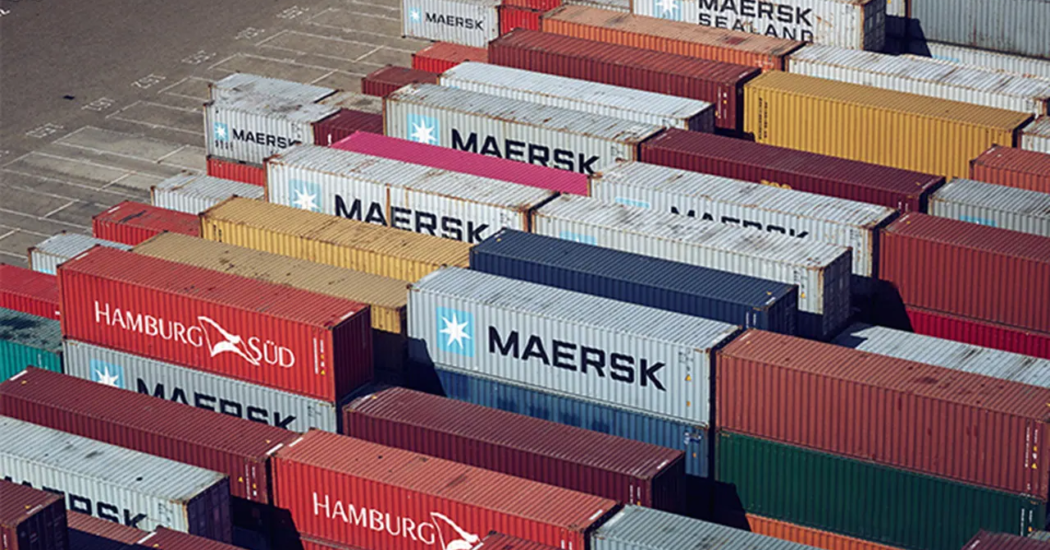
One of the most visible measures used during major protests in Pakistan is the deployment of shipping containers to block roads and access points. Authorities have frequently used containers as temporary barriers at sensitive locations and along important routes.
The financial cost associated with moving, renting, deploying and returning large numbers of containers can vary depending on the duration and scale of a security operation. Additional expenses may also arise from transportation, police deployment and traffic management.
Unlike the government’s stated Rs. 120 billion daily estimate for the broader economic impact of protests and blockades, the specific nationwide cost of deploying containers is a separate calculation.
It is therefore important to distinguish between the estimated economic losses caused by road disruptions and the direct expenses incurred by authorities during security and traffic-control operations.
The impact of protests can extend beyond immediate business activity. Road closures may affect supply chains, fuel deliveries, public transportation, retail businesses and daily commuting.
For companies dependent on timely transportation, even temporary disruptions can result in delays and additional operating costs. Small businesses and daily-wage workers can also be affected when movement through commercial areas is restricted.
At the same time, the cost of managing protests is not limited to containers. Government agencies may incur expenses related to policing, traffic diversions, security arrangements and the restoration of normal traffic after a blockade.
The Rs. 120 billion figure cited by the finance minister therefore represents a broader economic estimate rather than a direct bill issued for protest management.
A clearer assessment of the overall financial impact would require separate data on lost economic activity, transportation disruptions, security expenditure and infrastructure-related costs.
The debate also highlights the importance of transparent calculations when large economic figures are presented publicly. Identifying how an estimate was calculated can help businesses, policymakers and citizens better understand the actual financial consequences of major disruptions.
For Pakistan, where major highways and urban roads serve as important routes for trade and daily transportation, prolonged closures can have consequences well beyond the locations where demonstrations take place.
The government’s warning about the economic cost of protests has consequently opened a wider discussion about both the financial impact of blockades and the expenses involved in maintaining public order during periods of unrest.