








Pakistan Air Force Showcases Strength at Royal International Air Tattoo 2025

The Pakistan Air Force (PAF) has made a significant mark on the global aviation stage with the arrival of its cutting-edge aircraft at the Royal International Air Tattoo (RIAT) 2025, held at the Royal Air Force Base Fairford in the United Kingdom. This year, the PAF contingent includes the state-of-the-art JF-17 Thunder Block III fighter jets and the iconic C-130 Hercules transport aircraft, both of which exemplify the force’s operational prowess and technical innovation.

Participation in RIAT—one of the largest and most prestigious military airshows in the world—underscores the PAF’s commitment to professional excellence and its determination to highlight the indigenous capabilities of Pakistan’s aviation industry. The event draws military aviators, aerospace experts, and enthusiasts from every corner of the globe, all eager to witness the latest advancements in airpower and aerial technology.

Operational Excellence and Long-Range Capabilities

A highlight of the PAF’s journey to the United Kingdom was the successful execution of air-to-air refuelling operations by the JF-17 Thunder Block III jets, supported by a PAF IL-78 aerial refuelling tanker. This complex mid-air refuelling demonstrated not only the advanced capabilities of the PAF’s fighter fleet but also the proficiency of its pilots and ground crew in managing extended missions beyond Pakistan’s borders.

The JF-17 Thunder Block III, a 4.5 generation multi-role fighter, is equipped with an advanced EASA radar and long-range Beyond Visual Range (BVR) weaponry. These features allow the aircraft to undertake a wide array of combat missions, ranging from air superiority to ground attack, and bolster the PAF’s ability to respond to contemporary security challenges. The deployment and successful operation of these fighters overseas underline the maturation of Pakistan’s aviation technology and its growing self-reliance in defense production.

The C-130 Hercules, a long-serving and trusted transport aircraft, plays a vital role in strategic airlift and humanitarian missions. Its participation in international airshows further demonstrates the versatility and operational heritage of the PAF fleet.

Artistic Display and Global Reception

In keeping with the tradition of RIAT’s themed displays, the PAF’s C-130 Hercules has been adorned with a unique livery inspired by the 2025 event’s theme, “Eyes in the Skies.” The artwork, which symbolizes vigilance and technological superiority, is a tribute to the importance of situational awareness in modern air warfare. This exclusive design is expected to be a major attraction, capturing the imagination of attendees and reflecting the creativity and pride of the PAF’s personnel.

The presence of the JF-17 Thunder Block III at RIAT has been widely anticipated, especially in the wake of recent geopolitical tensions in the region. Aviation enthusiasts and defense observers across the United Kingdom have shown heightened interest in the aircraft, given its combat-proven record and reputation for reliability and innovation. The JF-17’s participation not only spotlights Pakistan’s achievements but also fosters dialogue and understanding between nations with diverse aviation traditions.

Through its involvement at RIAT 2025, the Pakistan Air Force aims to share its operational experiences, encourage mutual respect among international air forces, and enhance its image as a modern, technologically advanced defender of peace and global security. The display of operational excellence, technical artistry, and Indigenous capability positions the PAF as a force ready to meet both present and future challenges in the ever-evolving world of military aviation.

Pakistan and El Salvador Forge Partnership on Bitcoin and Digital Assets

Pakistan has taken a significant step toward embracing the future of finance by signing a letter of intent (LoI) with El Salvador to collaborate on initiatives related to Bitcoin and digital assets. This landmark agreement, reported by local media, marks the beginning of a new era in digital diplomacy and underlines the growing importance of cryptocurrencies and blockchain technology in shaping global relationships.

High-Level Meeting Signals New Diplomatic Ties

The agreement was formalized during a meeting in San Salvador between Bilal Bin Saqib, Pakistan’s Minister of State for Crypto and Blockchain and CEO of the Pakistan Crypto Council, and Salvadoran President Nayib Bukele. The discussions revolved exclusively around Bitcoin and digital asset collaboration, a move that analysts are calling ‘Biplomacy’—a fusion of Bitcoin and diplomacy. This term reflects the increasing influence of decentralized digital technologies not only on economics but also on foreign policy and international cooperation.

For Pakistan, this diplomatic engagement with El Salvador, the pioneering nation in the adoption of Bitcoin as legal tender, represents a strategic effort to learn from and possibly replicate the successes seen in Central America. El Salvador set a global precedent by making Bitcoin an official currency in 2021, with the aim of achieving financial inclusion, attracting investment, and spurring economic development.

Learning from El Salvador’s Bitcoin Success

The Pakistani delegation’s visit comes at a time when El Salvador’s national Bitcoin holdings have reached new highs, valued at over 760millionafterthecryptocurrency’spricesurgedpast760millionafterthecryptocurrencyspricesurgedpast123,000. El Salvador currently holds more than 6,237 Bitcoins, acquired at an average price of $42,000, effectively tripling the value of its reserves. This dramatic growth in digital asset value has attracted the attention of emerging economies like Pakistan, which are eager to explore innovative financial instruments.

The signed LoI lays the foundation for bilateral collaboration in several critical domains, including the public-sector adoption of digital assets, leveraging blockchain technology for financial inclusion, and developing regulatory frameworks designed for the unique challenges and opportunities facing emerging economies. Both nations recognize the transformative potential of blockchain in achieving greater transparency, reducing costs, and expanding access to financial services for underserved populations.

A Strategic Step Towards Digital Transformation

Bilal Bin Saqib emphasized the significance of the partnership, noting that El Salvador’s bold Bitcoin experiment has served as inspiration for governments worldwide. He described the visit as the start of a strategic relationship based on innovation, inclusion, and shared learning. President Bukele echoed the sentiment, expressing El Salvador’s willingness to support nations like Pakistan that are exploring digital assets as tools for economic empowerment and financial sovereignty.

Pakistan’s outreach to El Salvador also coincides with its efforts to formalize its own approach to digital assets. The recent establishment of the Pakistan Virtual Assets Regulatory Authority (PVARA) indicates the government’s intent to provide a secure and regulated environment for digital asset growth. Additionally, Pakistan has announced plans to create a strategic bitcoin reserve, signaling its serious commitment to integrating cryptocurrency into its national financial infrastructure.

The collaboration between Pakistan and El Salvador represents a significant development in the global adoption of digital assets. As more countries look to diversify their economic strategies and leverage technology for development, partnerships such as this one could accelerate the mainstreaming of blockchain and digital currencies. The era of ‘Biplomacy’ is just beginning, and its impact on global finance and diplomatic relations may be profound.

Pakistani Taxi Driver in Dubai Wins Hearts with Hospitality

In a heartening display of cross-cultural goodwill, a Pakistani taxi driver in Dubai, Falak Niaz Khan, has become the center of international attention. His courteous demeanor, fluency in Chinese, and genuine hospitality towards a Chinese tourist have not only impressed the visitor but also won the admiration of the broader Dubai community. Khan’s simple act of kindness has become a shining example of how everyday interactions can foster understanding and build bridges across nations.

Exceptional Courtesy Leaves a Lasting Impression

It all began when Falak Niaz Khan picked up a female tourist from China during her trip to Dubai. What started as a regular fare soon turned into an extraordinary experience for the visitor. Khan greeted her warmly and, to her surprise, conversed fluently in Chinese. This unexpected gesture immediately put the tourist at ease, making her feel welcomed and respected far away from home.

The tourist, deeply moved by Khan’s fluency and considerate attitude, asked if he was from Pakistan. His respectful communication and eagerness to help left a powerful impression on her. Inspired by the positive encounter, she decided to record her interaction with Khan and later shared the video on social media platforms. The clip quickly gained traction online, with viewers from around the world praising Khan’s professionalism and hospitality.

Recognition from Dubai’s Roads and Transport Authority

The viral video did not just remain a social media sensation. Dubai’s Roads and Transport Authority (RTA), which oversees public transportation services in the emirate, took special note of Khan’s conduct. Recognizing the positive role he played in creating a welcoming atmosphere for tourists, the RTA decided to formally honor Falak Niaz Khan.

Matar Al Tayer, the Director General and Chairman of the Board of Executive Directors of the RTA, personally awarded Khan for his outstanding service and helpfulness. This recognition underscores Dubai’s commitment to high standards in public service and its appreciation for individuals who go above and beyond their duties to create a positive image of the city.

Bridging Cultures and Enhancing Pakistan’s Image Abroad

Falak Niaz Khan’s story is more than just a tale of good customer service; it is a testament to the power of cultural exchange and mutual respect. By speaking to the tourist in her own language and treating her with exemplary courtesy, Khan not only made her visit memorable but also served as an ambassador for his home country, Pakistan. His actions showcased the values of warmth, hospitality, and respect that form the core of Pakistani culture.

The recognition Khan received in Dubai has also resonated back home, with many noting how his gesture has brought positive attention to Pakistan on an international platform. In a world where headlines are often dominated by challenges and conflicts, stories like Khan’s remind us of the shared humanity that connects people across borders. Such acts of kindness have a ripple effect, inspiring others to act with empathy and understanding in their daily lives.

Moreover, the response from the RTA in Dubai demonstrates how institutions can play a key role in encouraging positive behavior. By publicly acknowledging individuals like Falak Niaz Khan, they set a standard for others in the service industry, fostering an environment where respect and hospitality become the norm rather than the exception.

Hasan Ali Opens Up on ODI Omission and Team Dynamics

Pakistan fast bowler Hasan Ali has addressed his recent exclusion from the national squad for the ODI series against Bangladesh. In an exclusive interview with Samaa TV, Hasan shared his thoughts on team selection, personal challenges, and his aspirations as an international cricketer. Despite being left out, the pacer expressed acceptance of the management’s decision and redirected focus toward his future prospects both domestically and internationally.

Early Communication and Acceptance of Decision

Hasan Ali revealed that he was notified ahead of time about not being selected for the ODI series against Bangladesh. According to Hasan, the discussion occurred during the Pakistan Super League (PSL), where the team management, including the captain and head coach, clearly communicated the plan to form a pool of 25 players, ultimately leaving him out of the squad. Hasan stated, “The head coach and captain had a conversation with me. They informed me that I would not be included in this squad as they were trying to form a pool of 25 players.”

Despite not knowing the exact reason for his omission, Hasan maintained that he holds no grudges. He acknowledged that his previous injury may have been a factor but emphasized that he has now recovered well. For Hasan, the management’s decision is final, and he expressed satisfaction with their approach. “The team management did what they thought was best, and I respect that,” Hasan remarked, adding that he does not dwell on decisions from the past and remains focused on future opportunities.

Prioritizing Test Cricket and Embracing County Stint

Hasan Ali made it clear that while he values all formats, his heart lies in Test cricket. He openly shared that he would willingly forgo participation in T20 and ODI formats if it meant he could continue contributing in Test matches. “If I have to leave T20 and ODI cricket for the sake of playing Tests, then I will,” Hasan explained. He believes that performances in Test cricket are “genuinely valued,” highlighting his respect for the traditional format.

To maintain his form and stay competitive, Hasan has secured a No Objection Certificate (NOC) from the Pakistan Cricket Board (PCB) to play county cricket in England. This opportunity not only helps him stay in rhythm but also exposes him to challenging conditions and diverse playing styles, which can further enhance his skill set.

Thoughts on Leadership and Personal Insights

In discussing his experiences under various captains, Hasan Ali named Sarfaraz Ahmed as his all-time favorite. “Sarfaraz will always be number one for me,” Hasan stated, acknowledging the leadership qualities and team spirit Sarfaraz brought to the side. He also spoke about playing under Babar Azam and Salman Ali Agha, noting that each brought their own unique style—Babar with a more composed approach and Salman with aggressive, modern-day strategies. While Hasan has not yet played under Mohammad Rizwan’s captaincy, he expressed confidence in Rizwan’s leadership abilities.

On a lighter note, Hasan shared a glimpse into his personal life, particularly regarding his hairstyle. He joked about his wife’s mixed feelings towards his long hair, revealing that the decision to keep it is a playful point of conversation at home. Hasan also mentioned that if he were not a cricketer, he would have considered a career in law, in line with his mother’s wishes.

Addressing Criticism and National Sentiments

Hasan Ali remains unfazed by outside criticism, stating that public opinion does not influence his mindset. “People don’t know the full picture. Everyone is entitled to their opinion, but I have nothing to do with critics,” he said, focusing solely on his game and personal improvement.

Touching on broader issues, Hasan commented on Pakistan’s stance regarding tensions with India, supporting the government and military’s response. He stressed that while technology has made modern conflict more dangerous, “war is not the solution,” advocating for peace and diplomacy over escalation.

Evacuation Efforts Intensify After Lyari Building Collapse

The tragic collapse of a five-storey building in Karachi’s Lyari area, which claimed at least 27 lives and left four injured, has prompted authorities to take immediate and decisive action. The incident, which occurred in the densely populated Baghdadi neighborhood, highlighted the severe risk posed by aging and unsafe structures in Karachi. In response, an emergency meeting was convened, led by Karachi Commissioner Syed Hassan Naqvi, to review and accelerate the ongoing evacuation and demolition of dilapidated buildings across the city.

41 Buildings Sealed in District South Alone

During the meeting, officials revealed that 44 dangerous buildings had been evacuated citywide since the Lyari tragedy. A significant concentration of these structures—41 in total—was found in District South, a region known for its historical architecture and densely packed residential quarters. Deputy Commissioner South Javed Nabi Khoso provided details, noting that out of these, 10 were classified as historical buildings. The authorities took swift action to evacuate and seal these premises to ensure the safety of their occupants and prevent any repeat of the Lyari disaster.

The remaining three buildings were evacuated in District East, according to Deputy Commissioner Abrar Jaffer. These immediate steps are part of a broader citywide campaign to identify and address risky structures, aiming to prevent further loss of life.

Demolition Process and Preservation of Heritage

A key point discussed at the meeting was the process for demolishing dangerous or severely dilapidated buildings. It was decided that demolition cannot proceed without the direct involvement of either the Karachi Commissioner or the Director General of the Sindh Building Control Authority (SBCA). This measure ensures that the decision to bring down any structure is made with proper oversight and accountability.

Of particular concern are the historical buildings among those evacuated. The authorities emphasized that any plan to demolish heritage structures would require consultation with the Advisory and Technical Committee. This approach seeks to balance the urgent need for public safety with the preservation of Karachi’s architectural heritage, recognizing the cultural and historical value these buildings represent.

Citywide Survey and Multi-Agency Coordination

To further reinforce safety measures, the Karachi Commissioner has appointed four officers to conduct a comprehensive survey of potentially dangerous buildings. Deputy Commissioner South has been given additional responsibilities to supervise these efforts. The meeting brought together several key stakeholders, including DG SBCA Shahmeer Bhutto, Deputy Commissioners from all four districts—South, East, Central, and West—as well as senior SBCA officials and representatives from other relevant organizations. This coordinated approach is intended to streamline the identification, evacuation, and demolition processes, ensuring that no at-risk building is overlooked.

Immediate Impact and Continuing Risks

The urgency of these actions was underscored by the sheer scale of the Lyari tragedy. The collapse in the Baghdadi area was one of the deadliest such incidents in recent memory, shaking public confidence in the safety of residential buildings across Karachi. With hundreds of old and poorly maintained structures still standing in various parts of the city, the risk of similar incidents persists.

The authorities’ decisive response serves as an acknowledgment of the city’s longstanding challenges with building safety, urban planning, and the protection of heritage assets. While the recent evacuations and surveys are important first steps, the ongoing work of assessing, securing, and, where necessary, demolishing dangerous buildings will be crucial in safeguarding the lives of Karachi’s residents.

Health Experts Caution Against Tea and Biscuit Combo Due to Blood Sugar Spikes

Despite its comforting appeal, the popular practice of enjoying tea with biscuits is drawing concern from health experts, who warn that the combination may be more harmful than previously thought. A recent study has highlighted that pairing tea with sugary or processed snacks like biscuits can lead to sharp rises in blood sugar, disrupting metabolic health and increasing the risk of chronic conditions.

Biscuits, though small, pack a high-calorie punch. Even plain options contain around 40 calories each, while cream-filled or chocolate-coated versions range between 100 and 150 calories. Most individuals find it difficult to stop at just one, making overconsumption common.

While tea in its pure form offers antioxidants and modest health benefits, the addition of milk, sugar, or pairing it with processed foods alters its effect dramatically. Experts report that the rapid insulin response caused by sugar-rich snacks followed by a sudden blood sugar crash can lead to mood swings, cravings, and eventual fatigue.

Medical professionals also warn of habit-forming behaviors associated with this routine. Dipping a biscuit in tea activates reward centers in the brain, reinforcing the behavior and increasing sugar dependency.

Tips for Safer Consumption:

  • Avoid tea and biscuits on an empty stomach.
  • Replace regular biscuits with homemade or whole-grain options.
  • Skip the sugar in tea if pairing it with a sweet snack.
  • Choose fat-free milk to reduce overall calorie load.

Regular intake of this combination may also lead to digestive issues, including acidity, bloating, and constipation. While occasional indulgence is not dangerous, consistent consumption without awareness could compromise long-term health.

FBISE Announces Matric Results 2025 with 88.51% Overall Pass Rate, Check Now

Federal Board Declares Annual Matric Results for 2025

The Federal Board of Intermediate and Secondary Education (FBISE) officially announced the matriculation results for grades 9 and 10 for the academic year 2025. This year, the board recorded an impressive 88.51% overall pass percentage, reflecting consistent academic performance across affiliated institutions.

A total of 284,037 students appeared in the matric exams, with thousands achieving commendable scores across both Science and Humanities streams.

Top Positions in Science Group

The Science Group saw intense competition among high achievers.

  • Maryam Nadeem from Army Public School Westridge secured the first position, scoring 1093 marks.
  • Amna Nasir of Lahore Grammar School followed closely in second place with 1087 marks.
  • The third position was jointly awarded to Saleha Saqib of Emalah Foundation School Misrial and Hania Iman Waheed of APS Attock, both scoring 1083 marks.

Humanities Group High Achievers

In the Humanities Group:

  • Sana Bibi from Shining Star School topped the list with 1045 marks.
  • Abdul Rehman from the Institute of Islamic Studies earned second position with 1029 marks.
  • Muhammad Sufyan Ahmed, also from the same institute, claimed third place with 1022 marks.

No Top Positions for Public Sector Institutions

Surprisingly, no schools under the Federal Directorate of Education (FDE) were able to secure a position among the top achievers in either group. This outcome has reignited debate over the performance of public education institutions in Islamabad.

The board praised the dedication of teachers and students, while also highlighting the need for continued efforts to ensure educational equity across all institutions.

How to Check Your FBISE Matric Result 2025

Students can access their detailed results by visiting the official FBISE website and entering their roll number here:
https://fbise.edu.pk

Khyber Pakhtunkhwa Imposes Temporary Ban on New Construction at Tourist Spots

The picturesque landscapes of Khyber Pakhtunkhwa (KP) have long attracted tourists from around the country and beyond. In a move to preserve the natural beauty and ecological balance of its renowned tourist destinations, the KP government has decided to enforce a temporary ban on all new construction activities in these areas. The ban, announced by the Chief Secretary of Khyber Pakhtunkhwa, aims to address a growing concern over unchecked development that threatens to undermine the region’s scenic charm and environmental health.

Revocation of Construction Permits and Environmental Concerns

As part of this sweeping decision, all previously issued No Objection Certificates (NOCs) for construction at tourist sites have been rescinded with immediate effect. This unprecedented step is a clear indication of the government’s commitment to safeguarding the environment in the face of mounting pressures from tourism-related expansion.

The authorities have cited the preservation of the province’s natural beauty as a core reason for the ban. Over recent years, rapid construction and infrastructural development have led to increased encroachments, unplanned settlements, and strain on existing resources. These activities have not only altered the visual landscape but have also contributed to environmental degradation, including the loss of native vegetation, increased waste, and pollution of water bodies.

In addition to revoking NOCs, the government is actively reviewing issues related to encroachments and the lack of adequate drainage systems in popular tourist areas. These problems, if left unaddressed, could result in further harm to the fragile ecosystems that support wildlife, local communities, and the tourism industry itself.

Master Plans and Sustainable Tourism Development

The Chief Secretary emphasized the need for sustainable development practices in key tourist regions such as Kaghan, Naran, and other prominent sites across Khyber Pakhtunkhwa. Authorities responsible for tourism management have now been instructed to strictly adhere to the established master plans for each location. These master plans are designed to balance the growth of tourism infrastructure with the imperative of environmental protection.

By insisting on compliance with these master plans, the government seeks to prevent haphazard construction and ensure that any future development aligns with long-term sustainability goals. This includes careful management of building density, preservation of green spaces, and the implementation of proper waste disposal and drainage systems. The focus is on maintaining the ecological integrity of these destinations while still accommodating visitors and supporting local economies.

The new directive also mandates increased oversight of tourism-related projects and stricter enforcement of environmental laws. Any new proposals or requests for construction permits will undergo thorough scrutiny to determine their potential impact on the environment and local communities. This is expected to set a precedent for responsible tourism management, not only in Khyber Pakhtunkhwa but also in other regions facing similar challenges.

Addressing Encroachments and Infrastructure Challenges

One of the major issues prompting the ban has been the rise in illegal encroachments on public and protected lands at tourist hotspots. These encroachments often lead to overcrowding, improper land use, and the deterioration of vital resources. The government’s review of encroachment issues is expected to result in the reclamation of misused land and stricter controls over future development.

Another critical area under review is the inadequate drainage and waste management systems in several popular tourist destinations. Poor infrastructure has resulted in pollution and flooding during peak tourist seasons, negatively impacting both the environment and the visitor experience. The government’s focus on improving these services is a vital component of its broader environmental strategy.

The temporary construction ban and related measures reflect the KP government’s acknowledgment of the urgent need to protect its natural treasures. By enforcing these policies, the province aims to ensure that tourism remains a sustainable driver of economic growth while preserving the unique landscapes that make Khyber Pakhtunkhwa a premier destination for travelers.

Remembering Fauja Singh: The World’s Oldest Marathon Runner

The legendary Fauja Singh, celebrated as the world’s oldest marathon runner, has passed away at the remarkable age of 114, according to British media reports. Singh’s extraordinary life and achievements have inspired millions worldwide, breaking barriers of age and redefining what is possible in the world of athletics.

Humble Beginnings and a Late Start

Born on April 1, 1911, near Jalandhar in India, Fauja Singh lived a life that would eventually touch people across continents. Despite facing the challenges of his time, Singh maintained a love for fitness and an active lifestyle throughout his early years. However, it was not until after he relocated to London that the true extent of his athletic journey began. Astonishingly, Singh started his professional running career at the age of 89—a time when most people slow down and retreat from physical pursuits.

His entry into marathons at such an advanced age caught the attention of sports enthusiasts and the broader public alike. Fauja Singh’s decision to lace up his running shoes at nearly 90 was not just remarkable, it was unprecedented in the history of competitive long-distance running.

Marathon Milestones and World Records

Fauja Singh’s marathon journey is filled with awe-inspiring moments and groundbreaking achievements. He made global headlines in 2011 when he completed the Toronto Waterfront Marathon in 8 hours and 11 minutes at the age of 100. By finishing the race, he became the only person documented to complete a marathon at a century old.

Not one to rest on his laurels, Singh continued running well past his 100th birthday. In 2012, at the age of 101, he participated in the London Marathon and crossed the finish line in a swift 7 hours and 49 minutes. These feats established him as a beacon of perseverance, earning him a place in the world’s marathon record books.

Throughout his running career, Singh accumulated numerous world records in the 90-plus age category. Each race he completed, every milestone he achieved, further cemented his status as an icon who refused to be limited by age or convention. His dedication to the sport saw him training diligently, embracing the discipline, and consistently pushing himself to new heights.

Legacy Beyond the Finish Line

Fauja Singh’s life story extends far beyond his athletic accomplishments. His journey is a testament to the strength of the human spirit and the boundless potential that lies within every individual, regardless of age. Singh’s inspirational message resonated not only with fellow athletes but also with people from all walks of life, motivating them to challenge limitations and pursue their passions with vigor.

His personal philosophy, one of optimism and resilience, inspired global audiences and led to recognition in the media and sports circles alike. Singh often spoke about the importance of a positive mindset, healthy living, and never giving up, even when faced with adversity. He became a symbol of hope and vitality for the elderly, demonstrating by example that it is never too late to embark on new journeys and achieve greatness.

Fauja Singh’s remarkable longevity and athletic achievements were tragically cut short following a traffic accident near his ancestral village close to Jalandhar. Yet, his influence endures, continuing to embolden both athletes and non-athletes to live life with purpose, passion, and relentless determination.

Skardu’s “Kapray Wala” Becomes the Latest Viral Sensation

Nearly a decade after Islamabad’s “chaiwala” Arshad Khan became a social media phenomenon, a new face from Pakistan’s northern region is capturing the public’s imagination. This time, it’s a young blue-eyed fabric seller from Skardu, Gilgit-Baltistan, affectionately dubbed the “kapray wala” by netizens. His striking appearance and humble background have sparked widespread admiration, drawing immediate parallels to the original chaiwala who transformed overnight from tea seller to a national celebrity.

From Humble Shop to Social Media Stardom

The newfound fame of the “kapray wala” began with a short video recorded by a local female journalist. In the clip, the young man is seen running his family-owned fabric shop in the scenic city of Skardu. The video quickly went viral, thanks to his captivating blue eyes and calm demeanor. Social media lifestyle and entertainment platforms wasted no time in sharing the content, causing the young shopkeeper’s popularity to snowball.

According to the video, the family has been in the textile business for around 45 years, with roots originally in Mardan, Khyber Pakhtunkhwa. The young man has managed the Skardu shop for the past six to seven years, carrying forward the family legacy. As his popularity surged, he received an outpouring of praise and admiration from social media users, many of whom began requesting details about his Instagram account and personal life.

Despite his rapid rise to fame, the “kapray wala” remains grounded. He has made it clear that he has no aspirations of modeling or stepping into the entertainment world. Instead, he emphasized his satisfaction with his current life, stating that his primary focus is on serving his community and continuing the family business. His humility and dedication to tradition have only added to his appeal, resonating with audiences across Pakistan.

Comparisons to Islamabad’s “Chaiwala” Arshad Khan

The story of the Skardu cloth seller has naturally invited comparisons to Arshad Khan, the chaiwala whose candid photo while preparing tea at an Islamabad dhaba in 2016 went viral. Khan’s life took a dramatic turn as he was propelled into the modeling world, eventually launching his own international tea café brand, “Arshad Chaiwala.” His transformation from an ordinary tea seller to a recognized entrepreneur became a symbol of how social media can change lives overnight.

Interestingly, both the chaiwala and the kapray wala trace their roots to Mardan, Khyber Pakhtunkhwa. This shared heritage has sparked additional interest, with many drawing parallels between their journeys from humble beginnings to nationwide fame. While Arshad Khan embraced the spotlight, stepping into modeling and entrepreneurship, the Skardu shopkeeper has chosen a different path, preferring to remain close to his family and business.

Arshad Khan’s recent headlines also add a twist to the ongoing comparisons. Reports surfaced suggesting that he may be of Afghan origin, with questions about his citizenship currently under legal scrutiny. This has reignited conversations about identity and belonging, further fueling public interest in stories of ordinary Pakistanis attaining viral fame.

The Power of Social Media in Shaping Everyday Heroes

The viral journey of Skardu’s blue-eyed cloth seller highlights the transformative power of social media in contemporary Pakistan. As videos and images circulate rapidly online, everyday individuals are given new platforms to share their stories, talents, and cultures with the world. The “kapray wala” joins a growing list of viral sensations who have captivated audiences not through celebrity status, but through authenticity and relatable backgrounds.

For now, the Skardu shopkeeper’s story serves as a reminder of the country’s diverse beauty and the unpredictability of fame in the digital age. His blue-eyed gaze and humble approach continue to inspire and charm viewers, making him the latest symbol of how an ordinary life can be transformed by a single viral moment.

UK Introduces Digital Visa System for Pakistani Students and Workers

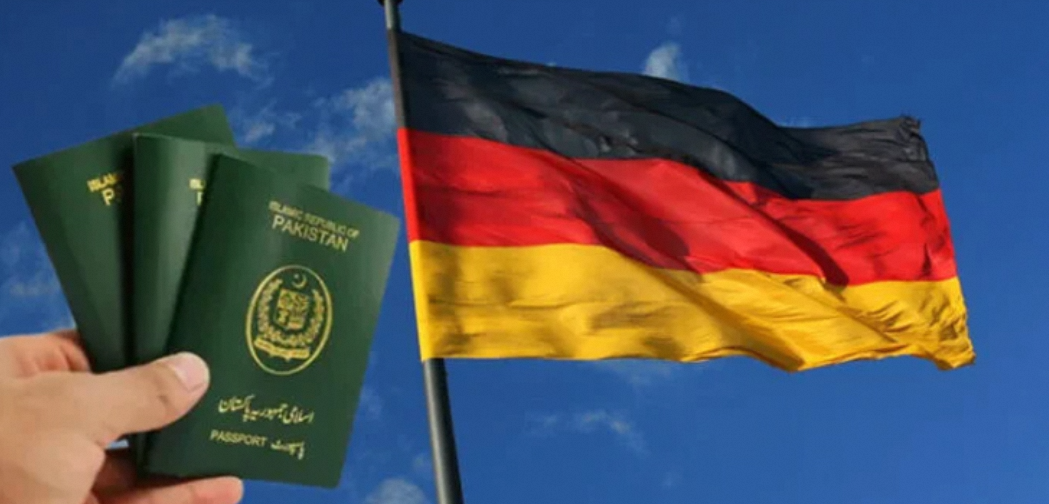
The United Kingdom has initiated a significant change in its immigration process for Pakistani nationals, unveiling a digital visa system set to be implemented from July 2025. This new system replaces traditional physical immigration documents with electronic visas (eVisas), offering a streamlined experience for students and workers seeking to study or work in the UK.

How the eVisa System Works

According to an official statement from the UK Home Office, most Pakistani students and workers applying for UK visas will now receive digital proof of their immigration status. This electronic documentation, referred to as an eVisa, will serve as an online record of an individual’s immigration permission in the UK, including any associated conditions. Applicants can access and manage their eVisa by creating an online UK Visas and Immigration (UKVI) account.

The British High Commissioner to Pakistan, Jane Marriott CMG OBE, highlighted the benefits of this shift, noting that it will simplify the process for Pakistani nationals. She explained that the new system makes it easier for students and workers to prove their identity and visa status, as well as allowing applicants to retain their passports throughout the application process. This not only expedites visa processing, but also alleviates applicants’ concerns about submitting and reclaiming important travel documents.

The UK government’s decision to transition to digital documentation is part of a broader effort to modernise its border and immigration systems. The aim is to create a more secure, efficient, and digital-first process. During the initial trial phases, millions of travellers using selected routes have already experienced the eVisa system.

Categories Covered Under the eVisa Rollout

The eVisa system will be initially available to the main applicants in several key visa categories. These include:

  • Student visas, including short-term study visas for up to 11 months
  • Global Business Mobility routes, such as Senior or Specialist Worker, Graduate Trainee, UK Expansion Worker, Service Supplier, and Secondment Worker
  • Global Talent visa
  • International Sportsperson visa
  • Skilled Worker route, which covers Health and Care workers
  • Temporary Work routes, including Charity Worker, Creative Worker, Government Authorised Exchange, International Agreement, and Religious Worker visas
  • Youth Mobility Scheme

Applicants in these categories will be able to link their UKVI account with their passport or travel document, facilitating easier international travel and access to UK services. The new digital system also provides a ‘view and prove’ service, allowing visa holders to securely share their immigration status with employers, educational institutions, or landlords in England.

No Change to Immigration Status and Future Expansion

The transition from a physical visa vignette to an eVisa does not alter a person’s immigration status or the specific conditions of their stay in the UK. Those who currently hold valid physical documents are not required to take any action at this stage.

However, the rollout is not universal from the outset. Dependants and applicants in visa categories not initially covered, such as general visitors, will still receive physical sticker visas for the time being. The UK government has announced plans to expand the eVisa system to include all visa categories in the future, ensuring a fully digitalised immigration process.

This move forms part of the British government’s long-term strategy to digitise immigration services, aiming to improve security, reduce administrative burdens, and minimise the risk of document loss or misplacement. The transition is expected to benefit thousands of Pakistanis who apply for educational and employment opportunities in the UK each year. According to UK Home Office statistics, Pakistan was among the top sources for student and skilled worker visa applications in 2023.

New applicants are strongly encouraged to set up a UKVI account to manage their immigration status and travel arrangements through this new digital platform.

Investigations Underway in the Mysterious Death of Actress Humaira Asghar

The tragic and puzzling death of Pakistani actress Humaira Asghar has raised numerous questions and left the entertainment industry and her fans in shock. Earlier this month, Humaira’s body was discovered in a flat in the Defence area, one of Karachi’s most upscale neighborhoods. Law enforcement officials have since launched an intensive investigation, gathering a range of digital and physical evidence in an effort to unravel the circumstances surrounding her untimely demise.

Digital Footprint: Key to Unraveling the Mystery

One of the major avenues pursued by detectives is Humaira Asghar’s digital activity in the days and hours leading up to her death. Investigators have seized three mobile phones from the apartment, all of which were registered in her name. Analysis of these devices has proven insightful: authorities report that Humaira reached out to 14 different individuals on October 7, 2024, just hours before she was found deceased. Notably, one of her final contacts was with a drama director now based in Islamabad—a detail that has piqued investigators’ interest.

Officials confirm that all 2,215 contacts saved across the three phones have been reviewed, but so far, no evidence of suspicious communication has emerged. Two of the phones were found without any password protection, making data extraction straightforward. The third phone, however, and a damaged tablet, required passwords—which were fortuitously discovered written in Humaira’s personal diary, also recovered from the scene. Efforts to access the tablet have so far been unsuccessful, but forensic experts are working to retrieve information from the device, which may hold critical clues.

In addition to the digital devices, police retrieved several documents, bank cards, and Humaira’s diary, which could potentially provide more context about her state of mind and interactions in her final days.

The Role of Financial Records in the Investigation

Financial transactions and account history are often vital in understanding a person’s activities and potential stressors before an unexplained death. Investigators have therefore contacted Humaira Asghar’s bank, following the discovery of her bank card among her belongings. The financial institution has yet to deliver a formal report, but officials are hopeful that a review of her bank statements will shed light on her recent spending patterns, possible debts, or unusual transactions that could provide a motive or context for her death.

The financial angle is especially significant given the lack of leads from her immediate personal and professional contacts. While the 14 individuals contacted on October 7 have been approached by authorities, none have offered information that advances the case significantly. The police are particularly interested in any correspondence or financial activity that might connect Humaira to circumstances leading up to her death.

Family Connections and Unanswered Questions

Among the many aspects under scrutiny is Humaira’s relationship with her family. Phone records reveal an attempt by the actress to contact her brother in early October. However, investigators have yet to determine whether this communication was successful, and what, if anything, was discussed during the call. This detail is being considered in the broader context of her activities and communications, as it may provide insight into her emotional state or possible concerns she was experiencing at the time.

Investigators are working methodically to build a comprehensive timeline of Humaira’s final days, piecing together her movements, communications, and financial dealings to identify any inconsistencies or red flags. As the probe continues, authorities remain tight-lipped about potential suspects or motives, emphasizing that no conclusive breakthrough has been achieved thus far.

Sharjah Rolls Out New Traffic Fine Discount System to Boost Road Safety

The Sharjah Executive Council has implemented a revised traffic fine discount system designed to reward timely payments while sending a strong signal against dangerous driving behaviors. The new policy, which took effect this week, aims to enhance road safety, encourage compliance, and reduce high-risk incidents on Sharjah’s roads. With both incentives and strict exclusions, the system marks a major shift in how traffic fines are managed in the emirate.

New Discount Scheme Introduced for Timely Payments

Under the updated policy, Sharjah motorists now have the opportunity to ease their financial burden by paying fines promptly. A 35% discount is available on total traffic fines—including impound and release fees—if the payment is made within 60 days of the violation date. For those who settle their fines within one year, a 25% discount is offered; however, this reduced rate does not cover charges related to vehicle impoundment.

This approach is intended to encourage drivers to resolve their infractions quickly, thus reducing administrative backlogs and helping the authorities maintain a more orderly record system. By offering a sliding scale of discounts, the policy balances compassion for everyday mistakes with the need for prompt law enforcement.

No Leniency for 40 Serious Traffic Offenses

While the discount system incentivizes early payment for most violations, it draws a firm line when it comes to dangerous and reckless driving behaviors. Forty major offenses are excluded from any discount, underscoring Sharjah’s zero-tolerance stance on actions that cause the greatest harm on the roads.

These excluded violations include:

  • Exceeding speed limits by more than 60 or 80 km/h
  • Driving under the influence of alcohol or drugs
  • Causing death or serious injury in an accident
  • Running red traffic signals, whether in cars, trucks, or on motorcycles
  • Illegal overtaking and dangerous swerving
  • Failing to stop at the scene of an accident
  • Distracted driving, including mobile phone use
  • Blocking emergency vehicles or school buses
  • Operating noisy or improperly loaded vehicles

Colonel Abdulrahman Mohammed Khater, Deputy Director of the Security Media Department at Sharjah Police, emphasized the rationale behind this tough stance, stating, “These aren’t just mistakes — they’re behaviours that cost lives.” By excluding these offenses from any discount, the authorities hope to deter motorists from engaging in the most risky and hazardous behaviors.

Pedestrians Also Face Penalties Under New Rules

A further notable feature of the new policy is the expansion of accountability to pedestrians. For the first time in Sharjah, individuals on foot who break traffic laws—such as jaywalking or ignoring pedestrian signals—will be subject to fines. These penalties are tied directly to the offender’s Emirates ID number, ensuring that the consequences are tracked and enforced.

Both uniformed and plainclothes patrols have been deployed to monitor compliance, not just among motorists but also among pedestrians throughout the emirate. The aim is to create a safer environment for all road users by addressing unsafe practices at every level.

This comprehensive initiative is part of a broader partnership between Sharjah Police and the Sharjah Roads and Transport Authority. Alongside stricter enforcement, authorities are upgrading pedestrian crossings, installing new traffic signals, and enhancing signage in high-risk areas. The combination of targeted infrastructure improvements and updated legal provisions reflects Sharjah’s commitment to reducing road accidents and improving overall public safety.

The Kookaburra-Goat Illusion: How Our Brains Reframe What We See

Dr Dean Jackson, a biologist and BBC presenter, recently captivated TikTok viewers with a visual illusion that reveals just how Kookaburra powerfully our brains process images. In a video that quickly gained traction, Dr Jackson presented an ordinary nature photograph—at least, that’s how it first appeared. Starring in the image is a kookaburra perched on a log, but as Dr Jackson challenges viewers, there’s a second animal hidden in plain sight: a goat.

Reframing the Familiar: The Hidden Goat Experiment

The experiment starts with Dr Jackson inviting viewers to observe the kookaburra. He then prompts them to look again, hinting that something else is concealed within the image. As the video zooms in, he offers a crucial clue: “The animal that they see is way bigger than a kookaburra and it most definitely cannot fly.” For those struggling, Jackson overlays an image of grass where the second animal’s mouth should be—a subtle nudge that often leads to a collective “aha” moment.

With this context, many viewers suddenly see a goat’s head emerging from the bird. The markings on the kookaburra’s head become the goat’s snout, while the bird’s beak transforms into the goat’s ear. Dr Jackson calls this exercise “an experiment on reframing and reimagining based on a prior image.” He highlights how changing perspective can unlock multiple interpretations from a single photograph.

Social Media Reactions Kookaburra: Amazement and Confusion

The illusion drew a spirited response from TikTok users, with many expressing amazement and a touch of bewilderment. Comments ranged from “Wow, completely freaked me out. Absolutely amazing. I thought what goat?” to “I could see the goat but I still knew it was a bird. But when the video started again, I saw a bird with a goat’s head. Thanks for the nightmare fuel, I guess.”

Others admitted that they only spotted the hidden goat after Jackson added the hint of grass. “I work with goats as well,” remarked one viewer, underscoring how our expectations and experiences shape what we perceive. For some, the illusion never quite came into focus. “What goat, I could only see the bird,” wrote another, illustrating the varying ways our brains process the same visual information.

The Science Behind Optical Illusions and Pareidolia

What makes this illusion so compelling is its exploitation of pareidolia—a psychological phenomenon where the mind responds to random stimuli by perceiving familiar patterns, such as faces or animals. Dr Susan Wardle, a psychologist at the National Institutes of Health, explains that our brains are constantly interpreting complex, sometimes ambiguous patterns of light into recognizable objects and scenes.

This pattern-spotting ability likely offered evolutionary advantages: early humans needed to quickly recognize friends, foes, or possible dangers in their environment. However, as Dr Wardle notes, this survival tool can also lead us astray, convincing us that significant shapes or faces exist in clouds, burnt toast, or, in this case, the feathers of a bird.

Once the goat’s head is seen, the illusion can be hard to unsee—a testament to the brain’s powerful drive to impose order and meaning on the world. The kookaburra-goat image demonstrates how even after the “true” image is revealed, our minds may continue to toggle between interpretations, unwilling to let go of either.

Why Illusions Like This Captivate Us

Ultimately, the viral success of Dr Jackson’s TikTok experiment reveals how much joy and curiosity these moments of perceptual trickery inspire. Social media commenters were left both baffled and delighted, often expressing a lingering surprise at how easily their brains could be “reprogrammed” with just a nudge. The illusion serves as a playful reminder that what we see is not always the whole story—sometimes, it depends on how we look.

Italy Unveils World’s Slimmest Electric Car: The Ultra-Narrow Fiat Panda

A car that looks straight out of a cartoon or a quirky film has made headlines after being unveiled in Italy. The ultra-slim Fiat Panda, measuring only 19.6 inches (50cm) wide, is not just a novelty but a fully functional electric vehicle. Its comically squished proportions have sparked both fascination and skepticism across social media, yet the car stands as a testament to creative engineering, blending practical parking solutions with playful design.

Handcrafted Innovation: The Birth of the Slim Fiat Panda

The remarkable vehicle is the brainchild of Andrea Marazzi, a 30-year-old Italian mechanic with a flair for the unconventional. Marazzi handcrafted the car using original materials from a 1993 model Fiat Panda, meticulously narrowing it down to its current size. The car was presented at a festival in Pandino, a town southeast of Milan, in celebration of the Fiat Panda’s 45th anniversary.

Despite its cartoonish proportions, the car is road-worthy in the sense of driveability—albeit with significant limitations. It accommodates one driver seated in the front and a passenger in the back, provided they are small and slender enough to fit the tight space. The vehicle’s other specs are just as unique: it stands 57 inches (145cm) tall, measures 133 inches (340cm) in length, and weighs a mere 264 kilograms.

Mixed Social Media Reactions: Practicality or Plaything?

Since its unveiling, the ultra-slim Fiat Panda has generated a flurry of commentaries online. Some social media users have questioned its practicality and aesthetics, calling it “impractical,” “ugly,” and even “nuts.” Jokes abound, with one Reddit user likening the experience to a “Flintstones hatch” where passengers could use their feet to stabilize the car. Another humorously doubted its compatibility with American lifestyles, while some expressed claustrophobia at the thought of being inside such a compact space.

Safety concerns have also surfaced, with people questioning whether such a slim car could possibly meet modern health and safety regulations. Marazzi, however, addressed these doubts directly. In a video demonstration, he pushed the vehicle with considerable force to prove its stability, showing that contrary to popular belief, it would not simply tip over in a gentle breeze.

Features, Functionality, and the Future

Despite its slender frame, the tiny Fiat Panda retains key features found in traditional cars. It boasts four wheels, two rear-view mirrors, doors on both sides of the driver, and even a small passenger compartment at the rear. The rear seat is best suited for a very short, slender passenger—likely a child—due to space constraints. The car also includes a steering wheel, indicator lights, and a single front headlight for night driving. Notably absent are license plates, as its top speed of nine miles per hour (15 km/h) makes it unsuitable for standard road use.

Powering the car is a 24V electric battery and motor salvaged from an electric scooter, underlining its experimental nature. Marazzi is seeking recognition from Guinness World Records as the slimmest functioning vehicle ever created.

Industry observers like Gaurav Sood from Yanko Design have described the project as more of an “art installation than transport solution.” According to Sood, the narrow Fiat Panda “invites viewers to rethink proportions, functionality, and playfulness in mechanical design.” The car stands as a rolling experiment—blending engineering challenge, homage to the Fiat Panda, and public spectacle all in one.

Though unlikely to revolutionize everyday transportation, this ultra-slim electric car exemplifies how imagination and ingenuity can push the boundaries of automotive design.

Mitchell Starc Shatters Test Cricket Record with Fastest Five-Wicket Haul

Mitchell Starc carved his name into cricket history on Monday with an electrifying spell that devastated the West Indies’ batting lineup in Kingston. In just 15 balls, Starc delivered the fastest five-wicket haul ever recorded in Test matches, propelling Australia to a commanding 176-run victory in the third Test and sealing an emphatic 3-0 series sweep. His extraordinary feat captivated cricket fans worldwide and set a new benchmark for bowling excellence in the sport’s longest format.

Starc’s Spell: A Masterclass in Fast Bowling

The drama unfolded from the very first delivery of the West Indies’ second innings. Starc, brimming with energy and precision, enticed John Campbell into edging an outswinger to wicketkeeper Josh Inglis, setting the tone for what was to follow. Four balls later, debutant Kevlon Anderson left a delivery that jagged back to hit his pad, falling lbw and leaving the home side reeling. Brandon King was next to go, edging a delivery onto his stumps—West Indies had lost three wickets without a run on the board.

Starc’s relentless assault continued as he trapped Mikyle Louis lbw, a wicket that carried extra significance as it made him just the fourth Australian bowler to claim 400 Test wickets, joining the legendary ranks of Shane Warne, Glenn McGrath, and Nathan Lyon. Without pause, Starc struck again two balls later, trapping Shai Hope lbw. In a matter of just 15 deliveries, Starc had carved through the top order, and his figures read an astonishing 6-9 by the close of his spell.

A Record-Breaking Performance

Starc’s destruction of the West Indies top order was not just breathtaking; it was historic. He surpassed the previous record for the fastest five-wicket haul in Test cricket, which stood at 19 balls and was jointly held by Ernie Toshack (1947), Stuart Broad (2015), and Scott Boland (2021). Starc’s 15-ball masterclass eclipsed all these efforts, setting a new standard for future generations.

The West Indies, under immense pressure, staggered to 22-6 at tea, needing 182 runs for victory but teetering on the brink of a historic low. They had to muster five more runs to avoid equaling New Zealand’s infamous record for the lowest Test total—26 against England in 1955. The tension was palpable, and the cricketing world watched with bated breath as the drama intensified.

Australia Complete Dominant Series Sweep

The spectacle was far from over as Scott Boland, fresh from witnessing Starc’s heroics, joined the action. Boland delivered his own piece of magic, claiming a hat-trick by removing Justin Greaves, Shamar Joseph, and Jomel Warrican in successive deliveries. Suddenly, West Indies were 26-9, tied with New Zealand’s lowest-ever Test score. With only one run standing between them and cricketing infamy, Jayden Seales managed to bring up the total to 27 before Starc returned to finish the job, bowling Seales and sealing a crushing win for Australia.

Earlier in the day, the Australian batting lineup had suffered their own collapse, dismissed for 121—their lowest score against West Indies in 30 years. Alzarri Joseph starred for the hosts with career-best figures of 5-27, while Shamar Joseph contributed 4-34.

Starc’s remarkable spell not only cemented his place among the greats of Australian cricket but also provided a memorable finale to Australia’s dominant series. His combination of pace, skill, and accuracy left cricket fans and experts in awe, and his record-breaking performance will be remembered for years to come.

The Solar Zenith Above the Kaaba: A Rare Astronomical Phenomenon in July 2025

On Tuesday, 15 July 2025, an extraordinary astronomical event will occur above the holy place of Kaaba. At exactly 12:27 PM Makkah time, the sun will be positioned directly above the Kaaba, the most sacred site in Islam, marking the year’s second and final solar zenith event. This rare alignment offers remarkable opportunities for Muslims around the globe to accurately determine the direction of prayer, or Qibla, as well as supporting scientific research and educational broadcasts.

Understanding the Solar Zenith Over Makkah

The solar zenith occurs when the sun is perfectly overhead, causing vertical objects to cast no shadow at all. In Makkah, this phenomenon happens twice each year due to the Earth’s 23.5-degree axial tilt. According to Majed Abu Zahra, President of the Jeddah Astronomical Society, the event is a direct result of the sun’s apparent movement between the Tropic of Cancer and the Equator.

This year, on 15 July, as the sun moves southward from the Tropic of Cancer, it will pass directly over Makkah’s latitude of 21.4°N, reaching an elevation of 89.5 degrees. The previous solar zenith occurred on 28 May 2025, and the next will take place on 16 July 2026, making these events highly anticipated among astronomers and the Muslim community alike.

Significance for Muslims Worldwide

The alignment of the sun above the Kaaba holds special significance for millions of Muslims. During this brief period, shadow disappears from vertical objects in Makkah, providing a simple and accurate way to confirm the Qibla. Anyone, anywhere on Earth, can participate by placing a stick or any vertical object outdoors at the precise time of the event. The direction in which the object does not cast a shadow will point directly toward the Kaaba in Makkah.

This natural method of Qibla determination is both ancient and scientifically sound, offering an easy solution for verifying the direction of prayer. For those living in areas where Qibla direction is sometimes debated or uncertain, the solar zenith event provides much-needed clarity and reassurance.

Scientific and Educational Opportunities

Beyond its religious importance, the solar zenith over the Kaaba presents valuable opportunities for scientific study and public education. Researchers observe the phenomenon to study atmospheric refraction effects, especially as the sun approaches its zenith point. Such observations can aid in understanding the behavior of light and air at extreme solar elevations, contributing to atmospheric science and astronomy.

Saudi authorities have announced plans to broadcast live demonstrations from the Grand Mosque during the event. These educational broadcasts will showcase the effect of the sun’s position on shadows and explain the science behind the alignment. This initiative not only deepens public appreciation for the intersection of astronomy and faith, but also encourages scientific curiosity among viewers.

The Biannual Nature of the Solar Zenith

The unique positioning of the Kaaba in Makkah, combined with the Earth’s axial tilt, means this event occurs twice each year. Each alignment lasts only a few minutes, coinciding with the Dhuhr (midday) call to prayer at the Grand Mosque. The predictability of the solar zenith provides Muslims and astronomers alike with a consistent schedule for observation and participation.

As the phenomenon is entirely governed by celestial mechanics, it serves as a reminder of the intricate relationship between the natural world and spiritual life. For Muslims, it underscores the unity of science and faith, as well as the accessibility of the natural world to guide religious practice.

Imran Khan’s Son Kasim Khan Says His Father Chose Prison Over Comfort

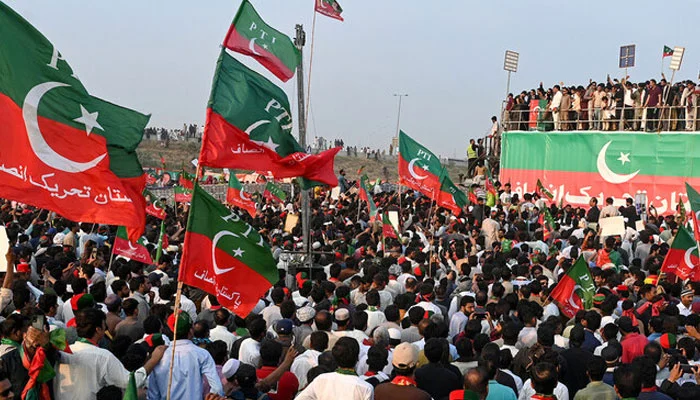
Pakistan Tehreek-e-Insaf (PTI) founder and former Prime Minister Imran Khan’s son Kasim Khan believes the former premier chose prison over personal comfort abroad.

In a heartfelt post on X (formerly Twitter), Imran Khan’s son Kasim Khan said his father rejected opportunities to live peacefully with family in England, opting instead to endure a “dark prison cell” in Pakistan. The message is seen as a direct response to speculation about Imran Khan seeking a political exit through exile.

Imran Khan’s son Kasim Khan Calls Out His Father’s Silent Sacrifice

“Our father lived in Pakistan — away from us — for most of our lives,” wrote Kasim. “Not because he had to, but because he chose to stand up against a corrupt regime.”

The young Khan underlined how his father’s absence from their daily lives was replaced by his visible leadership on the national stage. “He wasn’t with us every day as a father, but Pakistan had him as a leader,” said Kasim, crediting him with building hospitals, launching universities, and leading a mass movement for justice.

Kasim’s statement paints a picture of Imran Khan not just as a political figure, but as a parent who traded personal happiness for public service. He also revealed that Khan had been offered the chance to spend the rest of his life in peace, playing cricket and enjoying walks in England. “Instead, he chooses to remain locked away in a dark prison cell,” Kasim shared.

This powerful personal note from Imran Khan’s son Kasim Khan comes amid growing concern over the former PM’s legal challenges, party crackdowns, and lack of access to open trial.

Kasim concluded by saying his father’s resilience is fuelled by the people of Pakistan, suggesting that the imprisoned leader draws strength from the very nation he once governed.

Also, see:

Viral Case Against Salman Farooqui Officially Dropped

Viral Case Against Salman Farooqui Officially Dropped

The much-publicised case against Salman Farooqui, stemming from a viral altercation in Karachi’s DHA, has officially been closed by local authorities after the complainant chose not to pursue legal action.

The incident, which took place in the Ittehad Commercial area last month, saw Farooqui physically assault a young motorcyclist, Dheeraj alias Dhanraj, in the presence of the victim’s sisters. The disturbing footage triggered widespread anger across social media, prompting the police to register a formal complaint and launch an investigation.

Affidavit Ends Prosecution in Case Against Salman Farooqui

During a recent hearing at the South Judicial Magistrate’s Court, the Gizri Police submitted a “C-Class” report, confirming that the case against Salman Farooqui was no longer prosecutable. The report followed a signed affidavit by the complainant, who declared he did not wish to proceed with the case. He further stated that neither he nor his sister experienced any misconduct from the accused.

The court accepted the report into record and adjourned the matter, effectively ending the legal process.

Farooqui had initially been arrested for criminal intimidation and threats following the altercation on Khayaban-e-Ittehad, where his violent reaction over a traffic issue was caught on camera. Co-accused Owais Hashmi had also been named in the original FIR.

The retraction of the complaint and the dismissal of charges have closed the chapter, legally, if not in public memory, for now. Many online users continue to debate whether public figures and powerful individuals are being held accountable, especially when viral evidence exists but justice appears negotiable.

Also, see:

Microsoft Shuts Pakistan Office Amid Global Restructuring — IT Minister Clarifies Stance

Microsoft Shuts Pakistan Office Amid Global Restructuring — IT Minister Clarifies Stance

Federal Minister for Information Technology and Telecommunication, Shaza Fatima Khawaja, has addressed widespread speculation surrounding Microsoft’s recent exit from Pakistan. Speaking to reporters after an IT Committee meeting, she offered much-needed clarification following the tech giant’s global restructuring.

“Microsoft has undergone a global shift, laying off between 15,000 and 16,000 employees,” the minister said. “However, here in Pakistan, Microsoft maintained only four or five employees — and none have officially left yet.”

Contrary to viral reports, Shaza Fatima emphasized that Microsoft’s local presence has not vanished entirely and that the ministry is in active dialogue with the company to preserve ongoing collaborations and support for Pakistani users.

She also highlighted that Pakistan is in talks with other major technology firms. Notably, discussions with Google are progressing around AI-driven initiatives, with a focus on education and accessibility.

Projects involving Google Chromebooks are also advancing, reinforcing the government’s push for tech infrastructure in schools and remote communities.

The situation gained attention after Jawad Rehman, former head of Microsoft Pakistan, posted on LinkedIn, calling the closure the “end of an era.” Microsoft later confirmed it will serve Pakistan through its regional hubs and partner ecosystem, a model already in place in several countries.

The announcement follows a similar move by Careem, which will cease operations in Pakistan next month.