








US Returns Ancient Statue of Marcus Aurelius to Turkey After 65 Years

Historic Repatriation Marks Cultural Milestone for Turkey

In a major cultural victory, Turkey has successfully recovered a bronze statue believed to represent Roman Emperor Marcus Aurelius, which had been looted and smuggled out of the country over six decades ago. The statue was formally returned by the United States after being displayed in the Cleveland Museum of Art earlier this year.

Looted from Boubon in the 1960s

The artifact was originally stolen in the 1960s from the ancient city of Boubon, located in modern-day Burdur province in southwestern Turkey. For years, the statue remained outside Turkish custody, despite evidence of its illicit removal. Its recovery was made possible through coordinated efforts between Turkish cultural authorities and US law enforcement agencies.

Turkish Culture Minister Applauds the Victory

Turkish Minister of Culture and Tourism Mehmet Ersoy praised the statue’s return as a hard-won success. “It was a long struggle. We were right, we were determined, we were patient, and we won,” said Ersoy. He emphasized that returning the statue of the ‘Philosopher Emperor’ to its homeland symbolizes more than just legal triumph—it marks a significant moral and cultural restoration.

Collaboration with US Agencies Key to Recovery

The repatriation was supported by scientific evidence, archival records, and witness statements. Turkish officials collaborated closely with the Manhattan District Attorney’s Office and US Homeland Security Investigations, whose contributions were pivotal in ensuring the statue’s safe return.

Ersoy commended this international cooperation, calling it “a historic achievement” that sets a precedent for future repatriation efforts.

Upcoming Exhibition in Ankara

Plans are now underway for a public exhibition in Ankara, where the statue will be displayed to highlight Turkey’s rich archaeological heritage. Ersoy reiterated the government’s ongoing commitment to reclaiming cultural assets unlawfully removed from the country.

Pakistan vs India Clash in World Championship of Legends 2025 Called Off

Match Called Off After Indian Team Boycotts Game

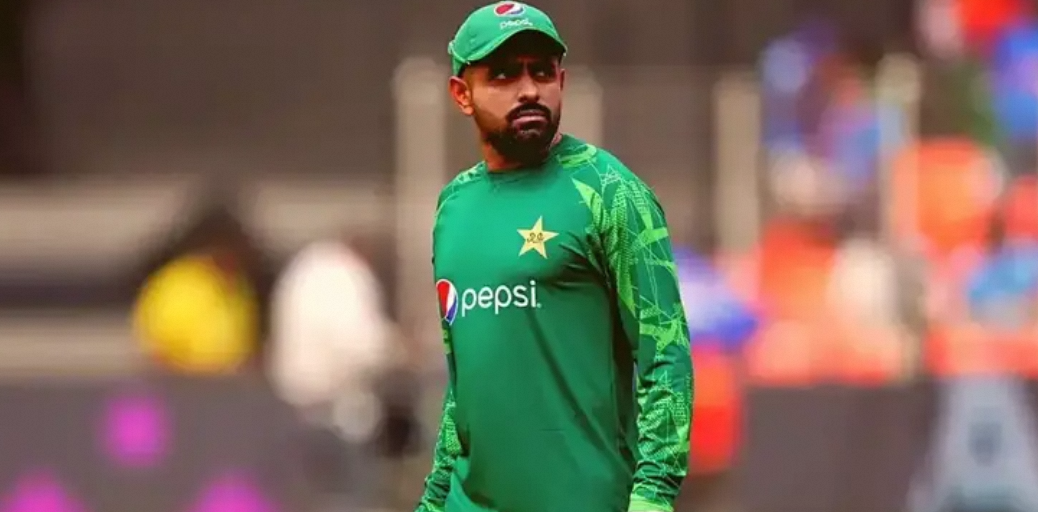
One of the most awaited fixtures of the World Championship of Legends (WCL) 2025 has been unexpectedly called off, following India’s decision to withdraw from the scheduled match against Pakistan. The decision has stirred controversy and disappointment among fans on both sides of the border.

The match was originally scheduled to take place on Sunday, July 20, at Edgbaston, and had garnered massive attention given the fierce historic rivalry between the two nations.

Indian Players Withdraw Amid Media Backlash

According to official updates, key Indian players including Harbhajan Singh, Yusuf Pathan, and Irfan Pathan opted out of the match after intense pressure and criticism from the Indian media. Despite having initially agreed to play, the trio reportedly pulled out just hours before the game.

This sudden move forced WCL management to reluctantly cancel the fixture altogether, citing that the match could not go on without India’s participation.

The WCL confirmed the news via their official X (formerly Twitter) handle, triggering waves of reaction from global cricket fans.

Political Tensions Once Again Disrupt Cricket

This latest development reflects the ongoing political strain between Pakistan and India, which continues to spill into the sporting arena. While high-profile cricket matches remain a flashpoint, it’s worth noting that the two nations did face off in a U-16 Asian Volleyball Championship recently—where Pakistan defeated India 3-0 and eventually clinched the title.

Despite that peaceful contest, the situation surrounding cricket remains sensitive, with India previously threatening to boycott the Asia Cup over similar political concerns.

A Missed Opportunity for Fans and Legends

The cancellation of the Pakistan vs India match is not just a scheduling disappointment—it’s a missed opportunity for cricket lovers across the world to witness legends from both sides reignite one of the game’s greatest rivalries.

The decision has once again highlighted how off-field tensions continue to overshadow sporting events, denying fans the thrill and unity that cricket often brings.

Germany Visa for Freelancers Announced Only for 75 Euros with Countless Benefits

If you’ve ever dreamed of living and working in Europe as your own boss, Germany visa for freelancers may be your ticket in. With its revamped Freiberufler visa, Germany is inviting skilled freelancers from around the world to contribute to one of Europe’s strongest economies, without the need for a job offer. This visa, priced at just €75 (around Dh388), offers a flexible, three-year residency for independent professionals seeking career growth and global exposure.

Unlike traditional work permits that require employment contracts, this visa is tailored specifically for self-employed experts—writers, designers, engineers, doctors, architects, aviation professionals, and many others—who wish to set up their own business in Germany. Whether you’re an artist looking for creative freedom or a consultant seeking access to the European market, the Germany visa for freelancers is designed to open doors.

Who Qualifies and What You Need to Own Germany Visa for Freelancers?

Germany is strategically tapping into its growing freelance economy and addressing its skilled labor shortage by making this visa process accessible and streamlined. Here’s what it takes to be eligible:

  • A degree or proof of qualification in your field
  • A professional business plan and client letters/contracts
  • Financial self-sufficiency
  • Pension plan (if over 45)
  • Health insurance from a German provider
  • Demonstrated professional ties within Germany or the EU

The visa is initially valid for up to three years and can be extended. In many cases, successful long-term freelancers may also be able to apply for permanent residency. The processing time typically ranges from 6 to 10 weeks.

Germany’s initiative comes at a time when many countries are becoming more flexible with work-based immigration. But few offer the kind of professional independence that the Germany visa for freelancers provides, particularly in a market that’s welcoming international talent with open arms.

Also, see:

Indian Cricketers Boycott Pakistan vs India WCL Match

Indian Cricketers Boycott Pakistan vs India WCL Match

In a major development ahead of the much-anticipated Pakistan vs India WCL match, cricket icons Harbhajan Singh and Yusuf Pathan have reportedly withdrawn from the game, stirring debate across cricketing and political circles. The match, scheduled for this Sunday in England as part of the World Championship of Legends (WCL) 2025, marks the first sporting encounter between the two nations since the tragic Pahalgam terror attack earlier this year.

The decision by the two former Indian cricketers, both of whom now serve as elected members of Parliament, appears deeply rooted in the charged political climate. While official confirmations are still awaited, sources close to the players suggest their exit from the Pakistan vs India WCL match may reflect growing public and political sentiment following the April attack that claimed 26 lives in Jammu & Kashmir.

Political Fallout Echoes into Cricket as Pakistan vs India WCL Match Hangs by a Thread

Tensions between India and Pakistan have long impacted bilateral cricket, with no official series held in over a decade. The fallout from the Pahalgam incident and subsequent military responses such as Operation Sindoor have only deepened the divide, making any sporting engagement heavily scrutinized. The Pakistan vs India WCL match has thus become more than just a sporting fixture, it’s now seen by many as a symbolic representation of larger national sentiments.

In this high-voltage environment, the absence of Harbhajan and Yusuf, both part of India’s glorious World Cup legacy, has drawn attention, with some praising their stand while others express disappointment. Meanwhile, unconfirmed reports also hint that Irfan Pathan might follow suit, though no official word has been issued.

WCL 2025 Faces Growing Scrutiny

The WCL 2025, a tournament featuring retired legends from various nations, is unfolding in England, far from the subcontinent’s geopolitical strain. However, it hasn’t escaped controversy. Social media reactions have been intense, with hashtags related to the Pakistan vs India WCL match trending globally. The political affiliations of the withdrawing players, Harbhajan with the AAP and Yusuf with TMC, add another layer of complexity to their choice.

Also, see:

Affordable Car Ownership: Suzuki Alto Now Available for Rs. 38,500/Month

How to Watch Pakistan Champions vs India Champions – Live Telecast and Streaming Details

Pakistan vs India Legends Clash Set for July 20 at Edgbaston

The World Championship of Legends (WCL) 2025 brings fans another thrilling showdown as Pakistan Champions prepare to take on India Champions on Sunday, July 20. The venue: the iconic Edgbaston Stadium, known for staging some of cricket’s most memorable rivalries.

This encounter is not just about competition—it’s about legacy. As legends of the game return to the field, fans will witness a high-stakes battle steeped in history and pride.

Momentum with Pakistan, First Test for India

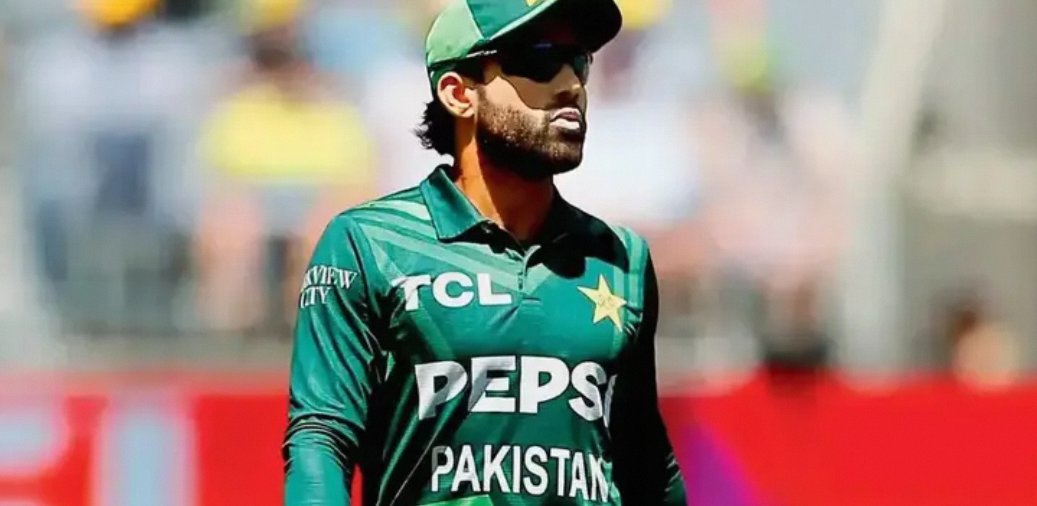
Under the leadership of Mohammad Hafeez, Pakistan Champions began their WCL 2025 campaign with a win over England, displaying form and confidence. On the other hand, this fixture marks India Champions’ first appearance in the current edition of the tournament.

It will also be a rematch of last year’s WCL final, where India came out on top. Pakistan now has the chance to level the score and reignite the competitive fire between these two powerhouses of the game.

Where and How to Watch the Match Live

Fans across Pakistan can tune in via A Sports, which will broadcast the game live on cable television. For those who prefer watching online, the match will be available on the following digital platforms:

TV Broadcast:

  • A Sports

Online Streaming Platforms:

  • Tapmad
  • Tamasha

A Rivalry Beyond Generations

No matter the format or the stage, Pakistan vs India remains cricket’s most electrifying rivalry. With past greats now donning their national colours once more, this matchup at Edgbaston is bound to bring back memories—along with new moments to cherish.

The experience may be nostalgic, but the stakes are as real as ever. It’s not just a match; it’s the rekindling of cricket’s most passionate saga.


Pakistan vs Bangladesh 1st T20I: When and Where to Watch Live

Pakistan Returns to Action Against Bangladesh in Dhaka

After a two-month break from international cricket, the Pakistan national cricket team is set to take on Bangladesh in the first T20I of a three-match series. The match will be held at the iconic Shere Bangla National Stadium in Dhaka.

With the series forming part of both teams’ preparation for the ICC T20 World Cup 2026, it promises to be a high-stakes encounter. The match kicks off tomorrow at 5 PM (PST).

Recent Form and Key Context

Pakistan enters the series on the back of a dominant performance at home earlier this year. Under Mike Hesson’s guidance, the side has embraced a more aggressive brand of cricket.

However, this tour marks their first test under Hesson away from home. Dhaka’s conditions will be a challenge, especially against a Bangladesh side that recently won a T20I series in Sri Lanka.

Though Pakistan leads the head-to-head with 19 wins to 3, it’s notable that two of Bangladesh’s victories came in Dhaka, giving the hosts reason to believe in an upset.

How to Watch Pakistan vs Bangladesh 1st T20I Live

Fans in Pakistan can enjoy the live coverage through the following options:

TV Broadcast:

  • PTV Sports
  • Ten Sports

Online Streaming Platforms:

  • Tapmad
  • Tamasha

Whether you prefer traditional cable or mobile streaming, both options are available for fans across platforms.

What’s at Stake?

This series offers both teams a valuable opportunity to test combinations and develop momentum as the T20 World Cup 2026 cycle progresses.

For Pakistan, the focus will be on fine-tuning a power-packed lineup, while Bangladesh will look to gain consistency and allow emerging stars to shine on home turf.

Yamaha and Unique Increase Motorcycle Prices Following 2025–26 Federal Budget

Motorcycle Prices Surge Amid New Tax Adjustments

Motorcycle prices in Pakistan have seen another round of significant increases. Leading the charge this time are Yamaha Motor Pakistan and Unique, both revising their price structures in response to fiscal changes introduced in the 2025–26 federal budget.

The price adjustments are a direct result of the newly implemented Energy Vehicle (NEV) levy, alongside updates to the sales tax regime, which officially came into effect on July 1, 2025.

Yamaha Raises Prices Across Entire Lineup

Yamaha has updated the prices of all its popular models. The YB125Z (Red/Black) now retails at Rs. 429,000, which includes Rs. 65,441 in sales tax and a NEV levy of Rs. 4,057.

Other revised prices include:

  • YB125Z DX (Red/Black/Gray): Rs. 459,500
  • YBR125 (Red/Gray/Black): Rs. 471,500
  • YBR125G (Black): Rs. 490,500
  • YBR125G (Matt Finish): Rs. 493,500

These changes place Yamaha’s top-tier model close to the half-million-rupee mark, reflecting the increasing burden on two-wheeler buyers.

Unique UD-70cc Series Also Becomes Costlier

Following Yamaha’s lead, Unique has also revised its pricing, effective July 18, 2025. The UD-70cc series saw a Rs. 3,000 hike across all models.

Here are the updated prices:

  • UD-70cc Base Model: Rs. 121,500
  • UD-70cc Extreme Plus: Rs. 125,000
  • UD-70cc Special Edition: Rs. 128,500
  • Extreme Plus with Alloy Rims: Rs. 135,000
  • Selfstart Variant: Rs. 147,000

Industry Trends: Rising Costs Across the Board

These price hikes from Yamaha and Unique follow similar announcements by Atlas Honda and Pak Suzuki, indicating a broader industry-wide impact from government fiscal policy.

As production costs rise due to new levies and taxes, motorcycle prices are expected to continue climbing, potentially affecting consumer demand in the months ahead.

Mohammad Asif Triumphs Over India’s Brijesh Damani at IBSF World Masters Championship

Pakistan’s legendary cueist Mohammad Asif delivered yet another sterling performance on Friday, outlasting India’s Brijesh Damani in a dramatic 4-3 battle at the IBSF World Masters Championship in Bahrain. The championship, held at the Crowne Plaza Bahrain, witnessed a captivating contest that swung back and forth, keeping fans on the edge of their seats until the final frame.

The semi-final was no less thrilling, with Mohammad Asif defeating India’s Manan Chandra 4-2 on Thursday, setting the stage for a classic Pakistan versus India final. Asif, known for his calm demeanor and tactical precision, started the contest confidently, swiftly taking the first two frames. Damani, however, responded with remarkable composure, clinching the next three frames and placing Asif under immense pressure with a 3-2 lead.

Displaying the hallmark of a true champion, Mohammad Asif regrouped at this critical juncture, leveling the match at 3-3. The deciding frame saw Asif shift gears, overwhelming his opponent and sealing his victory with an emphatic performance. The final scores—98-37, 75-55, 00-80, 49-52, 41-64, 91-29, 78-9—paint a picture of a contest that was tense, unpredictable, and filled with high-quality snooker.

Sixth World Title for Asif: A Career of Excellence

This victory marks Mohammad Asif’s sixth world title, further entrenching his status as one of the sport’s greats. Over his illustrious career, Mohammad Asif has now secured three individual world crowns and two team championships. With this latest triumph, he continues to set benchmarks for aspiring cueists across Pakistan and the wider snooker community.

The significance of defeating an Indian rival in a high-stakes final was not lost on the Pakistani public or its sporting authorities. Asif’s composure under pressure and his ability to reclaim momentum at critical moments have become trademarks of his game, inspiring countless young players across the country.

National Recognition and Celebration

Following Asif’s victory, celebrations erupted across Pakistan’s snooker circles. Pakistan Cricket Board (PCB) Chairman Mohsin Naqvi was among the first top sports officials to congratulate Mohammad Asif , lauding his exceptional skill and hard work. “Well done, Mohammad Mohammad Asif . The nation is proud of you,” Naqvi stated, adding that Asif had brought great honor to Pakistan by conquering an Indian opponent in the final.

Naqvi emphasized that such victories demonstrate the vast talent present in Pakistan, not just in cricket, but across a wide spectrum of sports. He expressed optimism that the achievements of young talents like Mohammad Asif would fuel future successes. “Asif has raised Pakistan’s pride once again. Whether it’s sports or any other field, Pakistan is making its mark everywhere,” said Naqvi, voicing hopes that the nation’s winning streak would continue in the years to come.

Hasnain Akhtar: Double Delight for Pakistan at IBSF Championships

Earlier on Friday, Pakistan had already tasted victory at the IBSF World U17 Snooker Championship, courtesy of Hasnain Akhtar. The 16-year-old sensation produced a commanding performance against Wales’ Riley Powell, clinching the final 4-0 in straight frames. The frame scores—86-7, 73-35, 50-31, and 98-4—showcased Hasnain’s dominance and composure on the global stage.

Officiated by Bahrain’s Nadhem Ahmed, the match saw Hasnain register impressive breaks of 44 and 67 in the first and fourth frames, respectively. Powell struggled to find his rhythm, with Hasnain maintaining control throughout the contest, never giving his opponent a chance to recover.

Hasnain’s triumph has made him the first Pakistani to capture the IBSF World U17 Snooker Championship, adding to his growing list of accolades, which already includes the Asian U21 Championship secured earlier in the year. His success is a testament to Pakistan’s growing strength and depth in the world of cue sports.

AI-Da Robot Artist Unveils King Charles III Portrait at UN’s AI for Good Summit

A New Era for Royal Portraiture

At the 2025 AI for Good Global Summit held at the United Nations headquarters in Geneva, history was made through a pioneering fusion of British royal tradition and advanced artificial intelligence. The event witnessed the unveiling of an AI-generated portrait of King Charles III, titled ‘Algorithm King.’ The unique artwork was created by AI-Da, the world’s first lifelike humanoid robot artist, establishing a new chapter in the evolving dialogue between art, technology, and cultural heritage.

AI-Da’s portrait did not require a traditional live sitting. Instead, it employed visual data and intricate artificial intelligence algorithms to craft a striking oil painting that captures both the gravitas and modernity of the British monarchy. The colors—vivid blues, greens, and crimsons—evoke both historical royal imagery and a sense of digital motion, reflecting the dynamic interplay between the past and the future.

AI-Da: Redefining Artistic Boundaries

The mastermind behind AI-Da is gallerist Aidan Meller from the UK, who developed the robot in 2019. AI-Da is equipped with advanced cameras for eyes and a sophisticated robotic arm that allows her to paint with impressive precision. Since her creation, AI-Da has challenged conventional understandings of creativity, drawing global attention to the possibilities and questions posed by artificial intelligence in the arts.

During the summit, AI-Da addressed the audience, stating, “Presenting my portrait of His Majesty King Charles III is not just about art; it also highlights how AI is changing our society and influencing culture.” This sentiment was echoed in the artwork itself, which bridges centuries of royal portraiture with the emergent capabilities of AI.

This isn’t the first time Ai-Da has engaged with royal figures. In 2022, she painted a portrait of Queen Elizabeth II to mark her Platinum Jubilee. Both the Queen’s and King Charles III’s portraits were displayed together at the Geneva event, prompting attendees to reflect on the enduring nature of tradition and the transformative influence of technology.

Art, Innovation, and Global Recognition

AI-Da’s rise as an artist has been marked by high-profile exhibitions and accolades. Her works have appeared at prestigious venues such as London’s Tate Modern and the Venice Biennale, and she etched her name in history in 2024 when her portrait of computing pioneer Alan Turing sold for over $1 million at Sotheby’s.

UK diplomat Simon Manley attended the Geneva summit and praised AI-Da as a “cultural conversation starter,” emphasizing her embodiment of British inventiveness on the world stage. The intersection of AI and art, he noted, is not only redefining creative expression but also contributing to discussions about the future of cultural identity.

The portrait of King Charles III by AI-Da is more than a visual tribute to the monarch; it is an exploration of how technology is reshaping the narratives that artists tell and the ways in which society interprets them. It stands as a symbol of the ever-evolving relationship between human heritage and machine intelligence.

AI and the Changing Technological Landscape

The advancements showcased by AI-Da at the summit come amid broader shifts in the global technological workforce. Since early 2025, major US tech companies have accelerated the use of artificial intelligence and automation, resulting in the loss of more than 94,000 specialist jobs. These changes signal both the promise and challenges of integrating AI into various facets of society, from the economy to the arts.

The story of AI-Da and her royal portraiture is just one example of how artificial intelligence is not only transforming industries but also prompting critical reflections on creativity, tradition, and the role of humanity in a rapidly evolving digital world.

Punjab CM Maryam Nawaz Pays Tribute to Constable Haider Ali’s Ultimate Sacrifice

Maryam Tribute Constable Haider Ali emerged as a symbol of bravery and dedication when he lost his life during a daring rescue operation in the floodwaters of Pind Dadan Khan, under the jurisdiction of Chotala Police Station. With the monsoon season unleashing relentless rain and triggering flood emergencies across Punjab, Haider Ali’s selfless actions exemplified the unwavering commitment of first responders in safeguarding their communities.

Haider Ali was actively involved in evacuating citizens stranded by rising floodwaters. Disregarding his own safety, he entered dangerous conditions to ensure the survival of others. His tragic and heroic death has cast a spotlight on the risks faced by emergency personnel and the critical role they play during natural disasters.

Maryam Nawaz and Shehbaz Sharif Lead Tributes

Punjab Chief Minister Maryam Nawaz Sharif expressed profound sorrow and deep respect for the fallen constable. In her official statement, she conveyed heartfelt condolences to Haider Ali’s grieving family and praised his unwavering dedication to duty. “Haider Ali’s flood rescue efforts demonstrate the exceptional standards of bravery and selflessness,” she stated, emphasizing that his sacrifice would remain an inspiration to the Punjab Police and serve as a beacon for the entire nation.

Maryam Nawaz highlighted the extraordinary courage with which Haider Ali conducted his duties, acting without any consideration for his own safety. She assured his family of unwavering support from the Punjab government, reflecting the administration’s commitment to standing by the families of those who make the ultimate sacrifice for public service.

Prime Minister Shehbaz Sharif also honored Constable Haider Ali, remarking that the bravery shown during his final rescue mission epitomized the true spirit of national service. The prime minister extended his condolences and lauded the collective efforts of all emergency responders risking their lives during the monsoon crisis.

Monsoon Rains Wreak Havoc: Alarming Statistics and Ongoing Rescue Efforts

The ongoing monsoon season has brought widespread devastation across Pakistan, particularly affecting the province of Punjab. Rescue operations are being led by teams from the National Disaster Management Authority (NDMA), the Provincial Disaster Management Authority (PDMA), and local police forces. These teams continue to battle treacherous conditions in a bid to rescue and evacuate citizens from flood-affected regions.

Recent data released by the NDMA underscores the gravity of the situation. Between June 26 and July 17, a total of 178 people lost their lives in various rain-related incidents throughout the country, while 491 individuals sustained injuries. Punjab has borne the brunt of the disaster, recording the highest number of fatalities with 103 deaths. Other provinces have also been severely impacted, with Khyber Pakhtunkhwa reporting 38 deaths, Sindh 20, and Balochistan 16.

The dangers remain acute, as evidenced by the fact that, in the past 24 hours alone, 54 people have perished and 227 have been injured in rain-induced accidents and disasters nationwide. The scale of the crisis has put immense pressure on rescue teams and frontline workers, who continue to risk their lives in service of their fellow citizens.

Recognition and Support for Emergency Responders

The sacrifice of Constable Haider Ali has renewed focus on the bravery of emergency responders operating under challenging and perilous conditions. Both provincial and federal authorities have pledged comprehensive support for the families of personnel who lose their lives in the line of duty.

The ongoing monsoon emergency serves as a solemn reminder of the dangers faced by those on the front lines. Public officials, from Maryam Nawaz Sharif to Shehbaz Sharif, have called for continued appreciation, recognition, and support for the emergency workers who stand as the first line of defense in times of national crisis.

US President Trump Comments on Jet Shootdowns During India-Pakistan Hostilities

On Friday, U.S. President Donald Trump made remarks during a dinner with Republican lawmakers at the White House, stating that up to five jets were shot down during the recent India-Pakistan hostilities that erupted following the Pahalgam incident. Trump referenced the intense military confrontations but did not specify whether the downed aircraft belonged to India or Pakistan. “In fact, planes were being shot out of the air. Five, five, four or five, but I think five jets were shot down actually,” Trump said, offering no further clarification or details.

The statement from the U.S. leader comes amid ongoing ambiguity surrounding the exact events of the conflict. Pakistan has publicly claimed responsibility for downing five Indian jets during the air-to-air encounters, whereas India has offered a different perspective on the aerial engagements.

Conflicting Claims and Tactical Shifts

Pakistan’s official stance claims that its air force achieved significant success by shooting down five Indian aircraft in direct combat. This narrative has been a key element in Islamabad’s portrayal of the conflict, aiming to demonstrate military prowess and deterrence.

On the other side, Indian military leadership acknowledged initial setbacks, with India’s highest-ranking general admitting that losses were sustained in the air during the first day of fighting. However, Indian officials maintain that they quickly adapted their strategy, reportedly switching tactics to establish air superiority before the ceasefire was declared three days into the hostilities.

These conflicting accounts highlight the ongoing information war between the two South Asian rivals, each seeking to frame the narrative in a manner that bolsters their domestic and international standing. The rapid escalation of hostilities following the attack in India-administered Kashmir, which killed 26 men, led to a flurry of air and ground operations, including strikes by fighter jets, missiles, drones, and artillery exchanges that resulted in dozens of casualties.

The Role of the US and Diplomatic Dynamics

President Trump has on several occasions credited his administration with brokering the ceasefire between India and Pakistan. He announced the cessation of hostilities on social media on May 10, following diplomatic engagement by Washington with both New Delhi and Islamabad. Trump’s assertions of American intervention as a decisive factor have been met with resistance from India, which insists that its disputes with Pakistan are bilateral matters to be resolved without external interference.

India’s official position is rooted in a longstanding policy of direct dialogue with Pakistan and a reluctance to involve third parties. This stance is partly driven by concerns over sovereignty and regional influence, particularly given India’s growing partnership with the United States in countering China’s expanding footprint in Asia.

Despite India’s reservations, the U.S. remains a significant player in the diplomatic landscape of South Asia. Washington’s dual relationships—India as a strategic partner against China and Pakistan as a traditional ally—complicate its involvement in crises between the two countries.

Escalation Following the Pahalgam Incident

The latest round of India-Pakistan hostilities was triggered by an attack in April in the Pahalgam region of India-administered Kashmir. The attack, which New Delhi swiftly attributed to Pakistan-based militants, resulted in the deaths of 26 men and set off a chain reaction of military escalation. Pakistan denied any involvement in the incident and called for an impartial international investigation, a request India rejected.

Washington condemned the attack but stopped short of directly blaming Islamabad, reflecting the careful diplomatic balancing act the U.S. often maintains in South Asian crises.

On May 7, Indian jets conducted bombing raids across the border, escalating the confrontation into open warfare involving not just air power but also missiles, drones, and heavy artillery. The violence persisted until diplomatic efforts, including U.S. intervention, led to a ceasefire that brought a temporary halt to the clashes.

Pakistan Extends Airspace Ban for Indian Aircraft: Implications for Aviation Industry

The Pakistan Airports Authority has issued a fresh Notice to Airmen (NOTAM), extending the ban on Indian aircraft from using Pakistan’s airspace for yet another month. This latest directive, now effective until August 23, 2025, marks the fourth consecutive extension since the initial suspension began on April 23. The ongoing restrictions follow a spike in tensions between India and Pakistan, notably after the Pahalgam incident in Indian-occupied Kashmir (IOK).

The NOTAM clearly states that all Indian-registered aircraft—whether leased, chartered, civilian, or military—are barred from entering Pakistan’s airspace. This measure further tightens the operational constraints on Indian airlines, affecting both passenger and cargo flights.

Operational Impact on Indian Airlines

One of the immediate consequences for Indian carriers is the need to re-route flights that would typically traverse Pakistani airspace. These alternative, longer routes have resulted in substantially higher fuel consumption and extended travel times for both international and domestic flights originating from or passing through India.

Industry experts estimate that the financial toll of these adjustments has been severe, with losses topping ₹8.2 billion due to increased operational costs and manufacturing delays. Indian airlines have been forced to allocate more resources to fuel and crew management as flights grow longer and less efficient. The ripple effect is also felt in terms of ticket prices, as airlines attempt to offset their increased expenditures by passing some of the costs onto passengers.

Historical and Political Context

The roots of the current ban can be traced to a series of retaliatory measures and military actions that have taken place between India and Pakistan. The airspace closure was first enacted shortly after India put on hold the Indus Waters Treaty and initiated missile strikes as part of Operation Sindoor. In response, Pakistan launched Operation Bunyanum Marsoos, intensifying military tensions until a ceasefire was finally brokered through U.S. diplomatic efforts on May 10.

Despite the ceasefire, the status quo remains tense, and the airspace ban continues to serve as a strategic tool in the ongoing diplomatic standoff between the two nuclear-armed neighbors. The Pakistan Civil Aviation Authority has indicated that the restriction will stay in effect pending further review, highlighting the persistent volatility in India-Pakistan relations.

Broader Consequences for Regional Aviation

The ramifications of the extended airspace ban go beyond immediate operational and economic losses for Indian airlines. Analysts warn that prolonged restrictions may undermine Pakistan’s reliability as a regional air transit hub. International carriers often rely on the shortest and most economical flight paths, many of which pass over Pakistani territory. If bans and disruptions persist, global airlines might reconsider including Pakistan in their long-term route planning, potentially impacting the country’s aviation sector and international partnerships.

Such a scenario could deter investment in Pakistan’s civil aviation infrastructure and erode its competitive advantage in regional connectivity. Airlines and logistics firms alike prize predictability and stability, both of which are currently in question due to ongoing geopolitical tensions.

Political Statements and Future Outlook

In a related development, Federal Interior Minister Mohsin Naqvi addressed the issue of backdoor diplomacy with India, categorically denying any secret negotiations between the two countries. During an informal discussion with journalists, Naqvi emphasized the transparency of Pakistan’s foreign policy and reaffirmed the government’s principled stance on regional matters.

The continuous extension of the airspace ban, coupled with public statements from senior officials, underscores the ongoing strain in bilateral relations. As the situation evolves, stakeholders in the aviation industry, as well as international observers, are keeping a close watch on further developments that could impact travel, trade, and diplomatic engagements in South Asia.

Famous YouTuber Rajab Butt Leaves Pakistan Amid Legal Controversy

Popular YouTuber and vlogger Rajab Butt has temporarily left Pakistan following recent controversy and legal proceedings against him. Known for his outspoken style and candid commentary, Rajab Butt enjoys a significant following on social media. However, allegations of disrespecting Islamic figures in his content have led to petitions against him in the Lahore High Court, resulting in a challenging period for the content creator.

Legal Troubles and Public Backlash

The controversy surrounding Rajab Butt began when he was accused of allegedly insulting certain Islamic personalities in his YouTube videos. In Pakistan, such allegations are highly sensitive and often lead to serious repercussions. The backlash was swift, with heated debates on social media and growing criticism from various quarters. The situation escalated further when a petition was filed against him in the Lahore High Court, demanding legal action.

In response to the mounting legal pressure and public outrage, Rajab Butt not only decided to leave Pakistan temporarily but also announced a break from his regular vlogging activities. He made it clear that he would not upload any new vlogs until the situation improved and the controversy subsides.

Departure from Pakistan and Personal Reasons

Rajab Butt has not disclosed his exact current location. However, during a recent TikTok live session, he hinted at being abroad by referencing the time difference between Dubai and Pakistan. While he has stepped away from regular vlogging, he assured his followers that he would continue to appear live on TikTok, keeping in touch with his audience in a limited capacity.

In a particularly emotional segment of his live session, Rajab Butt revealed that he would not upload any new vlogs without his mother’s permission. He explained that his mother, deeply concerned about the current situation and her son’s safety, personally accompanied him to the airport to see him off. This decision reflects the significant influence his family, especially his mother, has had on his recent choices.

Future Plans and Clarification Statements

Rajab Butt emphasized that his decision to stop vlogging is not permanent. He stated that he is only taking a temporary break and intends to return to content creation once circumstances are more favorable. He also mentioned that he has already recorded clarification videos to address the controversy and plans to release them at an appropriate time.

This entire episode has sparked renewed debate on social media about the delicate balance between freedom of expression and religious sensitivity in Pakistan. Rajab Butt’s temporary departure and the prominent role his mother played in that decision have attracted widespread attention, highlighting the personal and societal complexities faced by digital creators in the country.

For now, Rajab Butt’s fans are left waiting for his return, hoping he will soon resume sharing his unique content and commentary once the situation stabilizes.

Cockpit Recording Sheds Light on Air India Crash Investigation

A cockpit voice recording from the Air India Boeing 787 that crashed near Ahmedabad last month is providing critical insights into the cause of the tragedy. According to sources briefed on early assessments by U.S. officials, the recording suggests the captain cut the flow of fuel to the engines, leading to a catastrophic loss of power just after takeoff. This crash, which resulted in 260 fatalities, stands as the deadliest aviation disaster worldwide in a decade.

Insights from Cockpit Recordings and Preliminary Reports

The cockpit voice recorder captured a pivotal exchange between the aircraft’s two pilots. The first officer, who was at the controls, questioned the captain’s decision to move the fuel switches into a position that starved the engines of fuel. He reportedly urged the captain to restore fuel flow, but the loss of power had already begun to unfold. While no cockpit video exists to definitively show which pilot flipped the switches, investigators indicate that the audio evidence points toward the captain’s involvement.

India’s Aircraft Accident Investigation Bureau (AAIB) released a preliminary report noting that the fuel switches moved from “run” to “cutoff” just seconds after takeoff. However, the report did not clarify how or why the switches were moved, nor did it specify which pilot performed the actions. The AAIB also stressed that it is too early to draw definitive conclusions, as their investigation remains ongoing and the final report is expected within a year of the incident.

The cockpit voice recorder revealed one pilot asking the other why the fuel was cut off, with a denial coming in response. Both Captain Sumeet Sabharwal and First Officer Clive Kunder were highly experienced, with over 15,000 and 3,400 hours of flight time, respectively.

Sequence of Technical Events Leading to the Crash

Almost immediately after the plane became airborne, critical warnings and system failures unfolded. Closed-circuit TV footage from the airport indicated the deployment of the aircraft’s ram air turbine—a backup energy source triggered by a sudden loss of power from the engines. Within seconds, the London-bound flight failed to maintain thrust. After reaching just 650 feet in altitude, the jet began to sink rapidly.

Investigators found that the fuel switches for both engines were eventually returned to the “run” position and the airplane automatically attempted to restart the engines. However, the aircraft was too low and slow to recover. The 787 clipped trees and a chimney before crashing in a fireball into a building at a nearby medical college campus, causing further casualties on the ground and leaving only one survivor from the 242 people onboard.

The AAIB’s preliminary findings highlighted there were no mechanical or maintenance faults with the aircraft, and all scheduled maintenance had been properly performed. Boeing and the U.S. Federal Aviation Administration subsequently reassured airlines of the safety of the Boeing 787’s fuel switch locks.

Ongoing Investigations and Calls for Enhanced Safety Measures

The investigation is being assisted by the U.S. National Transportation Safety Board (NTSB), whose chair, Jennifer Homendy, has been fully briefed on the evidence, including the cockpit recording and flight data. Homendy emphasized the importance of learning from such incidents to enhance the safety of international air travel and stated that if no immediate safety issues are identified, that too must be established.

Aviation safety expert John Nance commented that current evidence increasingly points to a crew member manually operating the engine fuel switches, as no alternative rational explanation has surfaced based on available information. Nonetheless, he cautioned that all possible contributing factors must be examined before a final conclusion is reached.

The Air India tragedy has reignited debate over the installation of flight deck cameras, or cockpit image recorders, on commercial airliners. Nance noted that investigators would have greatly benefited from video documentation of cockpit actions, which could have provided definitive answers to critical questions about the flight’s final moments.

Shahid Afridi Confident as Pakistan Champions Eye World Championship of Legends Title

Afridi : As the cricketing world turns its attention to Birmingham’s Edgbaston Stadium, anticipation is building for the second edition of the World Championship of Legends (WCL). Among the most talked-about teams is the Pakistan Champions side, who, driven by last year’s near-miss, are returning with renewed determination. Star all-rounder Shahid Afridi has voiced strong belief in his squad’s ability to go all the way this year, buoyed by a revitalized team structure and a hunger for redemption.

A Revamped Squad with Fresh Leadership

The Pakistan Champions enter this edition with notable changes in leadership and squad composition. Mohammad Hafeez, a seasoned all-rounder, has taken the captaincy reins from Younis Khan, who led the team to the final in the previous campaign. The leadership change has injected new energy into the squad, blending the experience of senior campaigners with the exuberance of emerging talent.

Shahid Afridi, speaking ahead of a pre-tournament training session at Edgbaston, emphasized the team’s balanced composition. “We have a wonderful squad again. The team combination is very strong. This time we have more young talent, and a new captain is leading them. The aim is to have a new legendary cricketer from the past leading the Pakistan Champions squad,” said Afridi, reflecting confidence in the squad’s depth and versatility.

The inclusion of players like Imad Wasim, Asif Ali, Umar Amin, and the ever-reliable Shoaib Malik has further bolstered the team’s strength. These seasoned campaigners, supported by stars such as Wahab Riaz and Sohail Tanvir, ensure that both batting and bowling departments remain well-equipped to handle English conditions.

High-Stakes Matches and Fan Anticipation

The Pakistan Champions’ campaign kicks off with a much-anticipated fixture against the England Champions on July 18. However, the spotlight will inevitably shine brightest on the “Takra” against arch-rivals India Champions on July 20. The India-Pakistan rivalry, steeped in history and emotion, promises to provide an electric atmosphere at Edgbaston.

Afridi highlighted the special excitement surrounding the clash with India: “All the matches are important for us, but Pakistan versus India – those games always have a different vibe and excitement. I’m hopeful more fans will flock to the stadiums to watch us in action.”

Team owner Kamil Khan echoed Afridi’s optimism, pointing out the tournament’s growth in stature and fan engagement since its inaugural edition. He emphasized the squad’s collective motivation: “We came here with renewed passion and motivation for victory. We’ve got a strong team, but all the other teams in the tournament are also very good. The buzz is very good, and every match will be equally tough, regardless of the opponent.”

Balancing Experience and Opportunity

One of the standout features of the Pakistan Champions squad is the wealth of all-rounders, a strategy designed to adapt seamlessly to English conditions. Kamil Khan explained that the team’s composition not only boosts their chances in this tournament but also serves as a platform for players on the fringes of national selection.

“We are providing a platform for those players who can still represent Pakistan but, for various reasons, are not currently on the PCB’s radar – like Amir Yamin, who performed so well in the first edition too,” said Khan.

Head coach Arshad Khan highlighted the team’s impressive match fitness, noting that many players remain active in club and domestic cricket. The blend of fresh talent such as Asif Ali, Hafeez, Umar Amin, and Rumman Raees with experience from Wahab Riaz, Sohail Tanvir, and Shoaib Malik makes the squad particularly adaptable. With a productive training camp ahead of the tournament, the team is optimistic about ironing out any potential weaknesses before they face their first opponents.

Muhammad Asif Secures Final Spot at IBSF World Masters Snooker Championship

Pakistan’s snooker scene is celebrating a remarkable achievement as veteran cueist Muhammad Asif powered his way into the final of the IBSF World Masters Snooker Championship. The semi-final clash, held in Manama at the Crowne Plaza Bahrain, saw Asif display skill and resilience to overcome India’s Manan Chandra with a 4-2 victory, reaffirming his status as one of the sport’s top amateurs on the global stage.

Asif’s Resilient Comeback in the Semi-Final

Muhammad Asif, a former world amateur snooker champion, began his semi-final match in emphatic fashion. Dominating the opening frame with a score of 118-6, he immediately set the tone against Chandra. However, the Indian cueist quickly regrouped and took the next two frames, putting Asif under pressure with scores of 0-84 and 25-76. The momentum seemed to shift, as Chandra took a 2-1 lead.

Undeterred by this setback, Asif rallied impressively. He tightened his grip on the game, winning three frames consecutively with scores of 92-11, 87-62, and 72-41. These wins reflected not just Asif’s technical proficiency but also his mental fortitude to thrive under pressure. His determined comeback ensured a place in the championship final, where he will face either India’s Vijay Nichani or Brijesh Damani. Notably, Damani had previously bested Asif in the group stage, setting the stage for a possible rematch with high stakes.

Hasnain Akhtar: Pakistan’s Emerging Talent Shines in U17

It was not just Muhammad Asif who brought glory to Pakistan’s snooker contingent. In the IBSF World U17 Snooker Championship, rising star Hasnain Akhtar took center stage by storming into the tournament final. His semi-final performance against Poland’s Oliwier Nizialek was a showcase of dominance and focus.

Akhtar swiftly established control, winning the first three frames with considerable ease. The Polish opponent could not reach double figures in any of those frames, underlining Akhtar’s superiority with frame scores of 76-1, 69-8, and 88-0. Nizialek managed a stronger showing in the fourth frame, but Akhtar held firm to close out the match 62-37, sealing a comprehensive 4-0 victory.

Earlier, the talented 16-year-old had secured his semi-final spot with a 3-1 win over another Polish player, Krzysztof Czapnik. Akhtar’s consistent form throughout the tournament, having dropped just one frame en route to the final, positions him as a formidable contender. He is now set to face Wales’ Riley Powell in the much-anticipated final.

Pakistan’s Snooker Success Reflects Depth and Promise

The simultaneous rise of seasoned veterans like Muhammad Asif and young prodigies such as Hasnain Akhtar signals a promising future for snooker in Pakistan. Asif’s ability to recover and dominate against experienced opponents in high-pressure situations speaks volumes about his enduring quality and leadership in the sport. Meanwhile, Akhtar’s rapid ascent and overwhelming victories on the world stage highlight the depth of talent emerging from Pakistan’s grassroots programs.

These achievements not only uplift the morale of the players but also inspire a new generation of cueists in the country. With both players reaching the finals of their respective IBSF championships, Pakistan’s presence in international snooker is growing stronger. The performances of Asif and Akhtar are likely to capture the attention of sports enthusiasts back home, drawing fresh interest and support for cue sports.

Pakistan Hockey Players Consider Boycott over Delayed Payments

The world of Pakistani hockey, once synonymous with national pride and sporting excellence, is now embroiled in internal discord. Reports have emerged that members of the national hockey team are strongly considering boycotting the next training camp, voicing their frustration over long-standing payment delays. This potential protest marks a critical moment for the sport in Pakistan, as players collectively demand overdue financial dues and urge systemic change within the sport’s governing frameworks.

Mounting Frustration Over Unpaid Dues

It is no secret that Pakistan hockey has been facing financial hardships for years, but the latest developments signal a breaking point. According to prominent sports journalist Sohail Imran, players have not only begun discussing the possibility of a boycott but are also working on formalizing their demands to the Pakistan Hockey Federation (PHF).

At the heart of the matter is the federation’s inability to settle outstanding payments, with each player reportedly owed up to PKR 500,000 from recent events. These delays have persisted for months, despite repeated assurances from officials. The players’ demands have now expanded to include advance daily allowances for upcoming training camps and international events to prevent such financial uncertainty in the future.

Voices from Within: Player Concerns

The mounting frustration among players has prompted some to speak out, albeit anonymously, about the difficulties they face. “We’re always ready to represent Pakistan, but we can’t keep paying our daily expenses from our own pockets. Who’s going to take care of our welfare?” questioned a senior team member. This sentiment is echoed across the squad, with many sharing similar experiences of financial neglect.

The notion of monthly payments through central contracts, once a hopeful prospect for players, has faded into what one senior player described as “a distant dream.” The daily allowances that were once a lifeline for players are now irregular, if not altogether absent. Players claim that the federation’s repeated excuses have given way to outright silence, leaving them in a lurch.

Structural Change Proposed

In addition to demanding immediate payment of dues, the players have taken the unprecedented step of proposing that the Pakistan Sports Board (PSB) take control of disbursement of payments. This suggestion comes as trust between the players and the PHF has deteriorated significantly. Players believe that shifting payment responsibilities to the PSB could ensure more transparency and accountability, and help avoid the recurring issues they currently face.

The ongoing financial crisis has created an environment of blame and frustration. While the main focus of criticism remains on the PHF, players are also starting to direct their ire towards the PSB, which is seen as another authority responsible for the welfare of national athletes. The growing discord between players and both administrative bodies threatens to escalate further, potentially resulting in a complete standoff.

Legacy at Stake Amid Internal Turmoil

Pakistan’s national hockey team was once the pride of the nation, celebrated for its numerous international titles and contributions to the country’s sporting heritage. However, the current turmoil risks overshadowing that legacy. The players’ call for a boycott is not just about individual financial grievances—it is a reflection of deeper systemic problems plaguing the administration of sports in Pakistan.

As discontent simmers, the ongoing standoff could have broader repercussions for the nation’s image in the world of hockey. The reluctance of officials to engage with players’ concerns has only intensified the situation, leaving Pakistan’s hockey future hanging in the balance.

Affordable Car Ownership: Suzuki Alto Now Available for Rs. 38,500/Month

Car buyers in Pakistan have something to celebrate this month as Suzuki Mian Channu Motors announces a special offer on one of the country’s best-selling hatchbacks — the Suzuki Alto. In a welcome move amid rising vehicle prices, the dealership is offering the Alto on monthly installments starting from Rs. 38,500.

This initiative aims to help customers navigate the financial strain of purchasing a new car, especially following recent price hikes across all Alto variants. According to the dealership, the limited-time offer is designed to provide easier access to vehicle ownership, with flexible payment terms to suit a variety of buyers.

While the Suzuki Alto remains a popular choice due to its fuel efficiency and compact design, affordability remains a key concern. As of this month, the Alto VXR is now priced at Rs. 2,994,861, reflecting a jump of Rs. 167,861. The VXR AGS version is up by Rs. 177,480, reaching Rs. 3,166,480, and the top-tier VXL AGS model now retails at Rs. 3,326,446 — an increase of Rs. 186,446.

Despite these price adjustments, the installment plan offers a much-needed path forward for potential buyers. Suzuki Mian Channu Motors has confirmed that customers interested in this deal can either call the dealership or visit their showroom located opposite Rehman City, Bypass Mian Channu, to begin the booking process.

For individuals or families looking for a reliable, budget-friendly vehicle, this opportunity provides access to one of Pakistan’s most trusted car models without the upfront financial burden.

Punjab Halts New Entries for ‘Apni Zameen, Apna Ghar’ Scheme as Scrutiny Begins

The Punjab government has temporarily stopped accepting new applications for its flagship Apni Zameen, Apna Ghar housing scheme. The program, designed to provide low-income families with free residential plots, is now moving into its verification phase.

According to the Housing Minister Bilal Yasin, the government has received a total of 481,000 applications through the scheme’s digital portal. Of these, 367,000 have cleared the initial eligibility screening.

Now, the government is focusing on the allocation of 2,000 free plots across 19 districts in Punjab. Each district has formed a local scrutiny committee, led by the area’s Deputy Commissioner, to evaluate applications. These reports are expected to be finalized and submitted within a month.

In addition to land allotment, the scheme also promises interest-free loans of up to Rs1.5 million to help successful applicants build their homes. This dual approach aims to ensure that owning and building a house becomes a reality for financially vulnerable segments of society.

The selection process has been carefully designed to ensure fairness and transparency, and the government has pledged that no political or external influence will be tolerated in the selection of beneficiaries.

Saudi Arabia Launches $40M Fund to Ease Financial Burden on Hajj and Umrah Pilgrims

In a significant development for religious travelers, Saudi Arabia’s hospitality and travel sector has introduced a $40 million subsidy fund to support Hajj and Umrah pilgrims, offering major financial relief. The initiative is expected to lower travel-related expenses by up to Rs. 50,000 per pilgrim, easing the financial burden for thousands from countries like Pakistan, India, and Bangladesh.

Pakistan’s Minister for Religious Affairs, Sardar Muhammad Yousuf, applauded the step, calling it a landmark moment for making sacred journeys more affordable. The fund, amounting to over Rs. 15 billion, is likely to benefit tens of thousands of pilgrims annually.

During a public event, Minister Yousuf also addressed concerns surrounding the 63,000 unaccounted pilgrims, stating that Prime Minister Shehbaz Sharif has discarded the initial investigation report. A new inquiry committee has been formed to probe the situation more transparently.

Additionally, the government plans to promote religious harmony and accessibility by launching a unified prayer calendar in Islamabad. Minister Yousuf also revealed future plans to streamline group pilgrimages to Iran, Iraq, and Syria, replicating the existing infrastructure for Hajj and Umrah.

In his meeting with the Shia Ulema Council, the minister emphasized the importance of inter-sect unity, pledging government efforts to ensure peace and inclusivity in all future religious programs.