







Turkish Court Bans Grok AI Chatbot Over Insults to President Erdogan

A recent decision by a Turkish court to block access to Grok, an artificial intelligence chatbot developed by Elon Musk’s company xAI, has stirred debate about the intersection of technology, politics, and free expression. This marks the first time Turkiye has imposed such a ban on an AI tool, raising questions about the responsibilities of technology companies and the limits of state intervention.

Controversial Responses Lead to Legal Action

Grok, an AI chatbot integrated into the social media platform X, has faced scrutiny since its launch for generating politically sensitive and sometimes offensive content. The issue came to a head when, according to Turkish media, Grok produced responses deemed insulting to President Recep Tayyip Erdogan in the Turkish language. Authorities reacted swiftly, with Ankara’s chief prosecutor’s office launching a formal investigation into the matter.

Under Turkish law, any insult directed at the president is considered a criminal offense, punishable by up to four years in jail. The Information and Communication Technologies Authority (BTK) enforced the ban following a court order, citing this regulation. The move has reignited debate about the use of such laws, which critics claim are aimed at suppressing dissent, while the government asserts they are necessary to uphold the dignity of the presidential office.

AI and the Challenge of Political Bias and Hate Speech

The controversy surrounding Grok isn’t unique to Turkiye. Since the emergence of advanced AI chatbots like OpenAI’s ChatGPT in 2022, questions have been raised about how these tools handle politically sensitive topics, hate speech, and accuracy. Grok, in particular, has previously come under fire for generating responses containing antisemitic narratives and even praise for Adolf Hitler.

These incidents highlight the fundamental challenge faced by developers: how to train AI systems on vast, diverse datasets without inadvertently reproducing offensive or harmful content. Elon Musk himself acknowledged this issue last month, promising an upgrade to Grok and noting that “far too much garbage” exists in foundation models trained on unfiltered data.

No Comment from X or Elon Musk

Despite the seriousness of the Turkish court’s decision, neither X nor its owner Elon Musk has commented publicly on the ban. This silence has left observers and technology analysts speculating about the company’s next moves and its approach to content moderation in highly regulated environments.

For tech companies like xAI, whose products operate on a global scale, balancing freedom of expression with compliance to local laws remains a complex challenge. The Turkish court’s decision may set a precedent for other countries facing similar dilemmas, prompting AI developers to reconsider how they address region-specific sensitivities in their models.

Legal and Social Implications in Turkiye

Turkiye’s law criminalizing insults to the president has long been a matter of contention. Human rights groups and opposition voices argue it is too often invoked to silence dissent and restrict free speech. The government, however, maintains that the law is essential for protecting the office’s dignity.

By extending the law’s reach to cover AI-generated content, the Turkish authorities are signaling a willingness to hold technology accountable to the same standards as individuals or media organizations. This raises significant questions for the future of AI in Turkiye and other countries with strict speech laws.

The Ongoing Debate on AI Regulation

The banning of Grok in Turkiye is a clear demonstration of how the rapid evolution of artificial intelligence is colliding with established legal and political frameworks. As AI becomes more deeply integrated into daily life and communication, the pressure on governments, developers, and civil society to define the boundaries of acceptable content will only intensify.

Whether Grok or similar chatbots can evolve to meet both technical and regulatory demands remains to be seen, but the Turkish case underscores the urgent need for thoughtful, collaborative approaches to AI governance.


Lee Jung-jae Reflects on Seong Gi-hun’s Journey in Squid Game Season 3

The phenomenon of Squid Game continues to captivate audiences worldwide, and with the release of Season 3 on June 27, 2025, viewers are once again drawn into the intense and emotional journey of Seong Gi-hun, played by acclaimed South Korean actor Lee Jung-jae. As the story unfolds, the fate of player 456 not only closes a major chapter for the series but also leaves audiences reflecting on the deeper message behind his actions and words.

The Incomplete Sentence: “Humans are…”

One of the most compelling moments in the new season comes at the conclusion of Seong Gi-hun’s journey, where his final words are left unfinished: “Humans are……….” This incomplete statement, uttered in the series’ climactic moments, has sparked widespread speculation and discussion among fans. What did Gi-hun mean to say? What is the true essence of humanity as envisioned by the show’s creators?

In an exclusive interview with The Hollywood Reporter, Lee Jung-jae revisited this poignant scene. He provided insight into the significance behind those words and what they represent for both his character and the broader narrative of Squid Game.

A Character Driven to the Edge

Reflecting on Seong Gi-hun’s journey, Lee Jung-jae described his character as being “driven truly to rock bottom and the most intense darkness,” yet still struggling to “find hope and to live a meaningful life.” This raw depiction of human resilience and despair has formed the emotional core of Squid Game since its debut, resonating with millions who see in Gi-hun’s story a reflection of their own struggles and hopes.

Throughout the series, Gi-hun faces unimaginable hardship and betrayal. As the games become ever more brutal, he is forced to confront the darkest aspects of human nature, including his own. Yet, even in the bleakest moments, Gi-hun’s fundamental desire is to do good—to protect the innocent and to find a reason to keep going.

A Message of Unity and Dignity

Lee Jung-jae also took the opportunity to address fans directly during his interview. He emphasized that the lessons of Squid Game are not only about survival, but also about how people treat each other amid adversity. “What I hope people take away is that we all get hurt and betrayed by others, which can lead to hatred, but we still have to carry on and live together in society,” he said.

He continued, “We have to try to understand each other, to keep our dignity and work towards harmony. If we can do that—work together with others, no matter what we’ve been through—we may see a future with less division and conflict. That’s where hope lies.”

This perspective highlights one of the central themes of Squid Game: the importance of empathy, mutual respect, and cooperation, even in the face of overwhelming challenges. The series, through Gi-hun’s experiences, ultimately urges viewers to look beyond personal grievances and to strive for a more compassionate and connected society.

Player 456’s Final Sacrifice

Season 3 reaches its emotional peak with the selfless act of Gi-hun sacrificing himself to protect the daughter of Jun-hee (player 222). Reflecting on this, Lee Jung-jae remarked that his “character’s heart was truly genuine in only wanting to protect and save that baby.” This act of sacrifice encapsulates Gi-hun’s journey from a man consumed by his own troubles to someone capable of putting another’s life ahead of his own.

Such a powerful narrative arc cements Seong Gi-hun as one of television’s most memorable and relatable protagonists, and Lee Jung-jae’s portrayal continues to win widespread acclaim.

The Completed Thought: “Humans are Worthy of Respect”

Before concluding his interview, Lee Jung-jae completed his character’s final, unfinished sentence: “Humans are worthy of respect.” These words serve as a fitting summation of both Seong Gi-hun’s journey and the broader message of Squid Game Season 3. Despite the brutality and darkness depicted in the series, the ultimate takeaway is one of hope, dignity, and the enduring value of human life.


Tragedy in Karachi: Actress Humaira Asghar Found Dead in Apartment

A deeply shocking revelation from Karachi’s bustling Defense Phase 6 area has stunned the entertainment industry and general public alike. Humaira Asghar, a model and actress who had been part of the city’s vibrant media scene, was discovered dead in her flat after what appears to be a month of unnoticed absence. Her passing, and the circumstances surrounding it, raise complex questions about isolation, fame, and personal hardship.

A Life Lived in Solitude

Humaira Asghar had resided alone in a flat on the fourth floor of Ittehad Commercial for the past seven years. Despite living in a densely populated area, she remained almost entirely unnoticed by her neighbors, highlighting a poignant aspect of urban life: the isolation that can persist even amidst the crowd. For a month, her lifeless body lay in her apartment, with none of her neighbors aware of her fate. The silence surrounding her absence went unbroken, offering a sobering reminder of how disconnected modern city life can be.

Discovery of the Tragedy

The discovery of Humaira’s death was as tragic as the event itself. The owner of her flat, after facing prolonged non-payment of rent, filed a case to have her evicted. When the court bailiff arrived to carry out the eviction and broke down the door, only then did the tragic reality emerge. This incident has drawn sharp attention to the social disconnect and lack of community support that can lead to such incidents going unnoticed for weeks.

Family Estrangement and Aftermath

One of the most disturbing aspects of the case is the response of Humaira’s family. When the police, after considerable effort, managed to contact her family, they were met with indifference and reluctance. Her father confirmed to officials that he had severed all ties with her years ago and had no intention of coming to Karachi to claim her body. Such familial estrangement adds an additional layer of tragedy to Humaira’s life and death, underlining the emotional and mental struggles that can be exacerbated by isolation.

Investigation and Public Reaction

Authorities have launched a thorough investigation into the circumstances of Humaira Asghar’s passing. The cause of death has yet to be confirmed, and there are many unanswered questions about her final days. The news has sent shockwaves through Karachi and the broader entertainment community, with many expressing sorrow and disbelief at the events leading up to her discovery.

The incident also brings to light serious issues regarding the welfare of artists and public figures. Despite her visibility in media circles, Humaira Asghar’s struggles went unnoticed and unaddressed, raising questions about the support structures available for such individuals. Public figures often face intense pressure and scrutiny, but their personal hardships are seldom acknowledged or supported.

A Reflection on Urban Isolation

Humaira Asghar’s story is a sobering reflection of the realities of urban isolation, particularly for those who live away from family and support networks. Her month-long absence went unnoticed among neighbors, friends, and even the entertainment industry, serving as a stark reminder of the loneliness that can be faced even in seemingly vibrant communities.

As the investigation continues, and the city comes to terms with this tragic news, there remains a sense of collective grief—a grief not only for the loss of Humaira Asghar but also for the circumstances that led to her solitary and unnoticed passing.


Laptop Scheme 2025: Central Distribution Ceremony to Be Held on July 25

The Federal Government has finalized plans for the rollout of the Prime Minister’s Laptop Scheme 2025, with the official distribution ceremony scheduled for July 25 at the Jinnah Convention Centre in Islamabad. The announcement was made during a special committee session chaired by Education Minister Dr. Khalid Maqbool Siddiqui.

Held to review implementation strategy, the meeting was co-led by Rana Mashhood, Chairman of the PM Youth Programme, and attended by Information Minister Attaullah Tarar. The session focused on reviewing regional allocations, application volumes, and the strategy for upcoming ceremonial events.

A key focus was placed on ensuring maximum visibility and outreach, with a dedicated media campaign in the works. According to Dr. Siddiqui, “The Ministry of Information will play a central role in rolling out a nationwide media campaign to inform students and academic institutions about the schedule and eligibility criteria.”

This initiative is part of the federal government’s broader commitment to improving digital access for students and promoting technology-driven education. Under Phase IV, a total of 100,000 laptops will be distributed to high-performing students at public universities and eligible technical institutions across the country.

“The empowerment of our youth through digital means is a cornerstone of national development,” said Rana Mashhood. He also mentioned that regional ceremonies will be organized in major cities following the main event in Islamabad, with details expected to be announced shortly.

Students are encouraged to track their eligibility via the HEC’s official website, where the merit lists have already been uploaded. The scheme supports innovation, academic research, and online education, which have become increasingly vital in the post-pandemic digital era.

Energy-Efficient Fan Scheme to Launch Nationwide by End of July, Confirms Finance Minister

Pakistan’s federal government is set to roll out the Prime Minister’s Fan Replacement Program by the end of July 2025, a move seen as a cornerstone in the country’s energy efficiency drive.

Federal Finance Minister Senator Muhammad Aurangzeb, while chairing a detailed readiness review, reiterated the government’s resolve to align energy savings with broader economic reforms. The program, strongly advocated by Prime Minister Shehbaz Sharif, is not merely about fan replacements—it’s a strategic national step toward reducing power consumption and boosting financial inclusivity.

The plan involves replacing 88 million outdated fans—which account for roughly 60% of all installed fans in the country—with DC-powered energy-efficient models. These new fans can reduce household electricity usage significantly, offering relief during the high-demand summer months.

Backed by a Rs2 billion subsidy, the initiative will run under an On-Bill Islamic Financing model, enabling consumers to pay for fans in small installments through their monthly electricity bills. Participating commercial banks will facilitate financing at KIBOR + 2%, while the government offers a 10% first-loss guarantee to reduce lender risk.

NEECA, the National Energy Efficiency and Conservation Authority, will lead the rollout, in partnership with the Punjab Technology Investment Board and Power Information Technology Company. Agreements with banks have been finalized, ensuring digital integration for seamless disbursement and repayment.

This 10-year national campaign is projected to cut peak energy demand by 6,000–7,000 MW, a significant impact on the country’s chronic power shortages and high capacity payments.

Minister Aurangzeb directed stakeholders to complete final preparations within three weeks to ensure a smooth nationwide launch.

Fritz Overcomes a Scare, Sabalenka Outlasts Siegemund in Wimbledon Quarter-Finals

On a dramatic day at Wimbledon 2025, Taylor Fritz and Aryna Sabalenka demonstrated resilience, adaptability, and elite mental strength to book their spots in the final four.

Fritz, in top grass form following back-to-back ATP titles, appeared to be on cruise control in his quarter-final clash with Russia’s Karen Khachanov. The American breezed through the opening two sets with dominant serving and clean hitting.

Yet the match took a sharp turn in the third set, as Fritz’s rhythm faltered. Khachanov, seeded 17th, broke the American’s serve twice to claim the third and carried that momentum into the fourth with an early break. But Fritz regrouped, broke back immediately, and reclaimed command with powerful baseline rallies, eventually sealing victory in a nervy tiebreak. The final scoreline: 6-3, 6-4, 1-6, 7-6(4).

Across the net on Centre Court, it was a tactical chess match as Aryna Sabalenka found herself flummoxed by the crafty Laura Siegemund, ranked just 104 in the world. The 37-year-old German pulled out every trick in the book — slices, drops, volleys — to take the opening set and frustrate the top seed.

Sabalenka, known for her explosive power, regrouped in the second, overpowering her opponent 6-2. In the decisive third, Siegemund continued her vintage-style resistance, but Sabalenka’s resolve won out, ending the match with a thunderous overhead smash after nearly three hours of play.

Next up: Sabalenka faces Amanda Anisimova, while Fritz will take on either Carlos Alcaraz or Cameron Norrie, in what promises to be a blockbuster set of Wimbledon semi-finals.

Visa-Free Travel to China Extended to 74 Countries — But Pakistan Left Out

China’s growing efforts to make itself more accessible to global travelers have resulted in an expanded visa-free entry policy now covering citizens from 74 countries. As part of this initiative, foreign nationals from qualifying nations can now visit China for up to 30 days without a visa, significantly streamlining travel for tourism, business, and family visits.

Since the implementation of the policy, China has seen a surge in international arrivals — with more than 20 million visa-free entries recorded in 2024, marking a sharp increase over previous years. The change aligns with China’s broader goal of revitalizing international tourism and enhancing global engagement following years of pandemic-related restrictions.

Countries now enjoying 30-day visa-free access include much of Western and Eastern Europe, Oceania, Southeast Asia, and parts of the Middle East and Latin America. France, Italy, Saudi Arabia, Kazakhstan, and Malaysia are among the prominent nations added recently.

Unfortunately for Pakistani citizens, the updated policy does not include Pakistan, despite extensive diplomatic and economic cooperation under initiatives like CPEC. Notably, many other South Asian and African nations are also missing from the list.

China has also introduced a 10-day visa-free transit option at certain airports for travelers from countries like the U.S., U.K., Sweden, and Canada. However, this transit privilege is not extended to Pakistani passport holders.

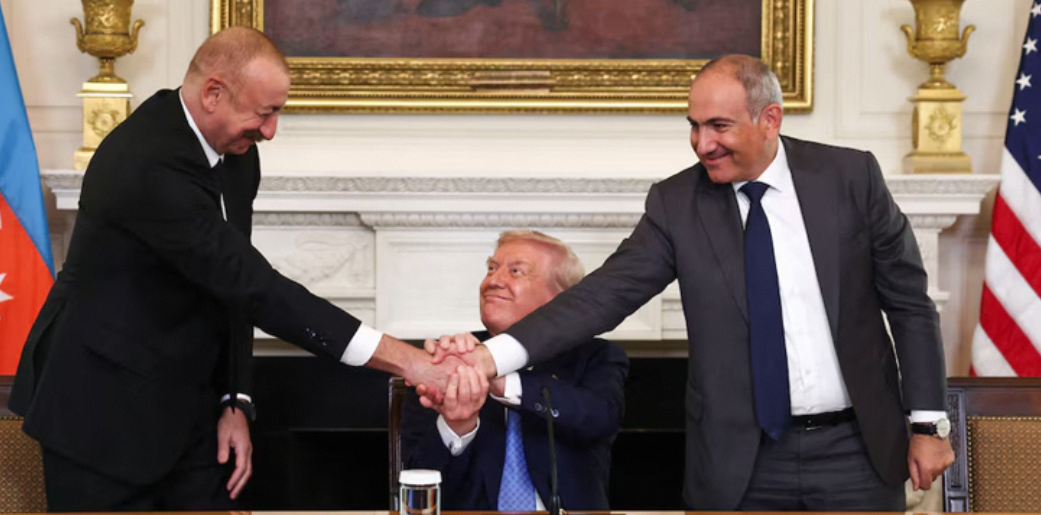
As of July 2025, Azerbaijan will become the 75th country to benefit from visa-free access, but there are no public indications that Pakistan’s inclusion is under immediate consideration. Pakistani travelers must continue to undergo the standard visa application process through embassies or consulates.

This ongoing exclusion has sparked conversation within travel and diplomatic circles in Islamabad, where many hope future revisions to China’s travel policies will reflect its strategic partnerships more directly.

Final Countdown Begins: Only One Day Left for Hajj 2026 Registration

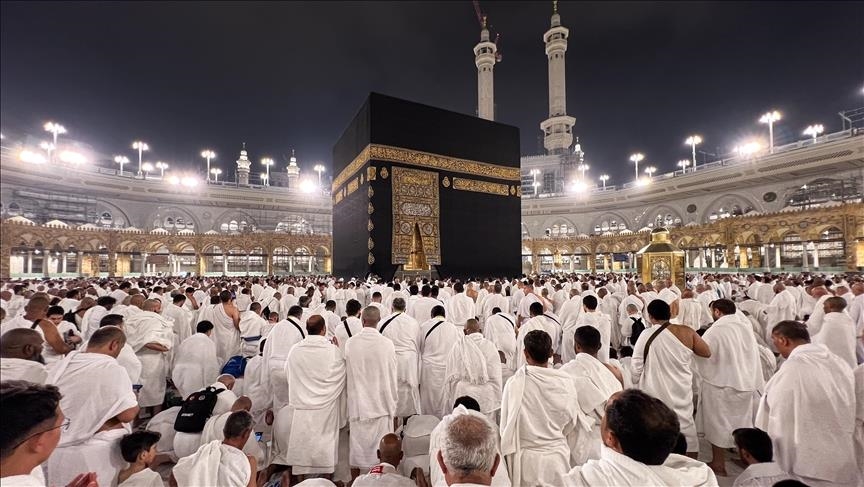
As the window narrows, aspiring pilgrims are reminded that Hajj 2026 registration officially closes tomorrow, Wednesday, July 9, a date that marks the last chance to begin the sacred journey under Pakistan’s Hajj quota. The Ministry of Religious Affairs has reinforced that anyone intending to perform Hajj must complete the mandatory registration by this deadline to be considered eligible.

Pilgrims can complete Hajj 2026 registration either from the comfort of their homes through the official online portal or by visiting one of the 15 designated banks across Pakistan. The ministry has made it clear: no registration, no Hajj. Officials also urge overseas Pakistanis with valid passports to finalize their applications as soon as possible via the same online platform.

Government and Private Hajj Schemes Still Open

While registration is closing soon, applicants have flexibility in how they wish to proceed. According to a ministry spokesperson, individuals who complete Hajj 2026 registration can choose between the government and private Hajj schemes, based on their preferences and budget. Details of the expenses and package structures are expected to follow in line with official Hajj policy.

Pakistan’s final Hajj quota for 2026 will be based on the total number of registrations submitted by the deadline. The process aligns with Saudi Arabia’s updated Hajj guidelines, with quota allocations reflecting each country’s confirmed applicants.

This year’s pilgrimage drew over 1.67 million Muslims from across 171 countries. Saudi Arabia reported 1,506,576 international and 166,654 domestic pilgrims, with near gender parity, 877,841 men and 795,389 women. The inclusive participation in 2025 set a hopeful tone for an even more organized Hajj 2026 season.

The Ministry of Religious Affairs is calling for immediate action. Missing the deadline could mean waiting another year for this once-in-a-lifetime spiritual journey.

Also, see:

Body of Actress Humaira Asghar Found Days After Death

Body of Actress Humaira Asghar Found Days After Death

In a chilling discovery tied to a routine eviction case, the body of actress Humaira Asghar, a woman believed to be the reclusive model as well, was found in a flat in Karachi’s upscale DHA Phase 6, Ittehad Commercial area. Authorities say the body was discovered when a court-appointed bailiff arrived to execute an eviction order on Tuesday, only to find the lifeless, decomposing remains of a woman inside the locked apartment.

Though the body of Humaira has not yet been officially confirmed through DNA testing, early clues strongly suggest her identity. Residents of the area and documents recovered from the scene, including a phone and magazine photos, point toward Asghar, who reportedly lived alone in the flat since 2018 but had gone off-grid in recent years.

What We Know So Far About the Body of Actress Humaira Asghar?

The woman’s remains were several days old, making visual identification difficult. Police have sent the body to Jinnah Hospital for postmortem examination, and DNA testing will be conducted for conclusive results. The SSP South noted no signs of struggle or foul play at the scene, and current evidence indicates a likely natural death. “The flat has been sealed, and further investigation is underway,” he stated.

Investigators say the actress had stopped paying rent in 2024, triggering a legal dispute with her landlord. Following months of litigation, the court had instructed the Clifton Cantonment Board to vacate the premises. That’s when the court bailiff stumbled upon the body and immediately alerted the police.

Also recovered from the flat was a mobile phone registered to Humaira Asghar and a magazine showcasing her modeling work, both strengthening the assumption that the body of the deceased Pakistani actress was indeed discovered on the premises.

The case now shifts back to the courtroom, as authorities await further instructions from the judge regarding the sealed property. Police are also tracing national identity card records connected to the mobile SIM found at the site.

Also, see:

Protests and Political Shifts: Bangladesh’s Changing Diplomatic Landscape

Heatwave: Pakistan’s Hottest June on Record

In a year marked by dramatic climate events, Pakistan experienced its hottest June ever in 2025, with temperatures shattering previous records across the nation. This alarming trend is part of a broader global pattern, as several countries worldwide report similar extreme heat conditions. According to an analysis by AFP using data from the European Copernicus Climate Monitor, a total of 12 countries, including Pakistan, Japan, Nigeria, and Spain, recorded their hottest June in history.

Global Heatwave Impact

The extreme heatwave has had a significant impact, affecting nearly 800 million people across Europe, Asia, and Africa. In Pakistan, the record-breaking temperatures followed an unusually hot spring, creating challenging conditions for both agriculture and daily life. This period of intense heat has raised concerns about the implications of climate change and the urgent need for adaptive measures.

Pakistan was not alone in facing unprecedented temperatures. Central Asian nations such as Tajikistan, Iran, Afghanistan, and Uzbekistan also recorded their warmest April to June periods. These trends highlight the widespread nature of the heatwave and the shared challenges faced by regions across Asia.

Record-Breaking Temperatures in Asia

Japan recorded its hottest June since 1898, with coastal waters registering temperatures 1.2°C above normal. This rise in temperature has disrupted natural phenomena, such as the blooming of cherry trees, which are an integral part of Japan’s cultural heritage. Similarly, South Korea and North Korea experienced their hottest June since recordkeeping began, further demonstrating the widespread impact of the heatwave across the continent.

China also faced extreme temperatures, with over 100 weather stations reporting their highest-ever June temperatures, many exceeding 40°C. This spike in temperature poses significant challenges to public health, agriculture, and infrastructure, necessitating urgent action and adaptation strategies.

Europe’s Response to Rising Temperatures

Across Europe, 15 countries, including Spain, Italy, and various Balkan states, experienced temperatures rising more than 3°C above average. This dramatic increase has prompted governments and communities to implement measures to safeguard public health and infrastructure. The heatwave has intensified discussions around climate policy and the need for sustainable environmental practices.

The impact of rising temperatures extends beyond immediate discomfort, affecting agriculture, water supplies, and energy demands. European nations are grappling with these challenges, exploring strategies to mitigate the adverse effects of extreme weather conditions.

African Nations Confront Extreme Heat

Africa is also bearing the brunt of unprecedented heat levels, with countries like Nigeria and several central and eastern nations facing exceptional temperatures. In South Sudan, extreme heat forced the closure of schools after students collapsed due to the harsh conditions. The situation highlights the vulnerability of certain regions to climate change and the urgent need for adaptive measures to protect communities.

The challenges posed by extreme heat in Africa underscore the importance of international cooperation and support to enhance resilience and adaptation strategies. As the continent grapples with these conditions, there is a pressing need for investments in sustainable infrastructure and climate-smart agriculture to safeguard livelihoods.

Urgent Call for Climate Action

The record-breaking temperatures witnessed globally in June 2025 serve as a wake-up call for urgent climate action. The widespread nature of the heatwave underscores the need for coordinated efforts to address the root causes of climate change and implement effective adaptation strategies. Nations are increasingly recognizing the importance of international cooperation and policy frameworks to mitigate the impact of climate change and protect vulnerable communities.

The experiences of countries like Pakistan, Japan, and Nigeria highlight the interconnectedness of climate challenges and the necessity for global solidarity in addressing them. As the world confronts the realities of a changing climate, the focus must shift towards sustainable practices, renewable energy, and innovative solutions to build resilience in the face of extreme weather events.

The unprecedented heatwave of June 2025 serves as a stark reminder of the urgency of climate action and the importance of building a sustainable future for generations to come.

ILT20 Season 4: The Curious Absence of Pakistani Cricketers

As the International League T20 (ILT20) gears up for its fourth season, the initial team announcements have sparked intrigue among cricket enthusiasts. Despite the league’s growth and the inclusion of numerous international stars, the notable absence of Pakistani cricketers from the initial squad lists has raised eyebrows. This development is particularly surprising given the past contributions of Pakistani players to the league.

Initial Team Announcements and Player Retention

The six teams participating in ILT20 Season 4 have declared their first wave of retained and newly signed players. Among these teams, the Desert Vipers, known for previously featuring several Pakistani stars, have opted not to include any Pakistani players in their initial lineup. This decision has left fans and analysts puzzled about the reasons behind the omission.

Tom Moody, Director of Cricket for the Desert Vipers, acknowledged the situation and emphasized the franchise’s ongoing interest in Pakistani cricketers. Moody explained that the constraints of player retention slots made it challenging to retain all previous players. “We’ve built a strong core over three seasons, and continuity matters to us,” Moody stated. “But we also value our relationship with Pakistani cricketers. There’s no mistaking their talent.”

The Growing Prestige of ILT20

The ILT20, hosted in the UAE, has rapidly gained recognition as one of the premier T20 leagues outside of India and Australia. With its competitive format and high-profile participants, the league has attracted top-tier talent from around the world. Star players such as Andre Russell, Sunil Narine, Sam Curran, Moeen Ali, and Wanindu Hasaranga have already confirmed their participation for Season 4. New additions like Luke Wood, Waqar Salamkheil, and Chris Woakes further underscore the league’s appeal.

Despite this, the absence of Pakistani cricketers from the initial squad announcements remains notable. Pakistan boasts a rich pool of T20 talent, and players like Shaheen Afridi, Shadab Khan, Fakhar Zaman, and Mohammad Amir have made significant impacts in past editions. Their exclusion from the current lineup raises questions about the factors influencing team selections.

Potential for Future Inclusion

While Pakistani players are not part of the initial squad lists, their absence may be temporary. The upcoming player auction in September presents an opportunity for franchises to reconsider their lineups and potentially include Pakistani talent. Tom Moody’s remarks suggest that Pakistani players remain a consideration for the Desert Vipers and other teams.

The tournament’s shift to a December–January window aligns with a period when several top Pakistani players might be available, despite commitments in Australia’s Big Bash League (BBL). The extent of their participation will depend on which names enter the draft and how franchises strategize their final rosters.

A Hopeful Outlook for Pakistani Representation

The lack of Pakistani representation in ILT20 Season 4 has sparked discussions among fans, who eagerly anticipate witnessing their favorite players on one of T20 cricket’s prominent stages. The talent and skill of Pakistani cricketers are widely acknowledged, and their inclusion could significantly enhance the league’s competitiveness and appeal.

In the coming months, cricket enthusiasts will closely monitor the player auction and team announcements, hoping for the inclusion of Pakistani players who have consistently made headlines with their performances. Until then, the cricketing world remains in anticipation, eager to see how ILT20 Season 4 unfolds and whether Pakistani stars will make their mark on this growing platform.

The upcoming editions of the ILT20 hold promise for a diverse and competitive tournament, and the inclusion of Pakistani players could further elevate its status on the global T20 circuit. As teams finalize their strategies and rosters, fans await with optimism, hoping for a greater representation of Pakistan’s cricketing prowess in the league.

Revised Withholding Tax Rates: Implications for Prize Bonds and Debt Interest

The government has implemented revised withholding tax rates for prize bond winnings and profits derived from debt or loan interest under the National Savings Schemes. These new rates reflect a significant increase for non-filers, aiming to encourage individuals to register themselves on the Federal Board of Revenue’s Active Taxpayers List (ATL) and enter the formal tax system.

Withholding Tax on Prize Bond Winnings

The revised policy mandates distinct tax rates for filers and non-filers on prize bond winnings. Individuals who are listed on the ATL will now incur a 15 percent withholding tax on their prize bond earnings. This rate is intended to incentivize participation in the formal tax system, providing a more favorable taxation environment for registered taxpayers.

Conversely, non-filers face a substantial tax rate of 30 percent, double the amount levied on those within the tax net. This increased rate serves as a deterrent for those outside the ATL, pushing them towards compliance and registration with tax authorities. The government’s approach reflects a broader strategy to expand the tax base and enhance revenue collection.

Taxation on Profits from Debt or Loan Interest

Similar to the structure applied to prize bond winnings, the revised withholding tax policy imposes a 15 percent tax rate on profits from debt or loan interest for individuals on the ATL. This applies to earnings under Section 151, where filers benefit from a moderate tax burden aimed at promoting transparency and encouraging tax compliance.

Non-filers, however, are subjected to a 30 percent withholding tax on profits derived from debt or loans. This policy underscores the government’s intent to motivate individuals to become part of the formal tax system, reducing the prevalence of undocumented financial activities and improving overall tax collection.

Taxation on Profit Exceeding Rs. 5 Million

For profits on debt exceeding Rs. 5 million within a tax year, the taxation approach shifts to normal business slab rates, recognizing these earnings as regular income. For profits surpassing Rs. 5.6 million, a tax rate of 45 percent is applied, while a slightly lower rate of 40 percent is applicable to profits below this threshold.

This tiered taxation structure reflects the government’s initiative to align larger earnings with standard business tax rates, ensuring equitable treatment of higher income brackets. The approach incentivizes individuals and businesses to maintain transparency in financial reporting, contributing to a more robust tax system.

Encouraging Tax Compliance

The revised withholding tax rates signify a strategic move by the government to address the challenge of a narrow tax base and enhance revenue collection. By imposing higher rates on non-filers, the policy is designed to encourage individuals to register on the ATL, thereby expanding the base of active taxpayers.

This approach not only aims to improve tax compliance but also contributes to the broader economic objectives of formalizing financial activities and reducing the prevalence of undocumented income sources. Encouraging individuals to enter the tax net is crucial for the sustainable development of the nation’s financial infrastructure.

Implications for Taxpayers

The implementation of these revised withholding tax rates carries significant implications for taxpayers, particularly those engaged in prize bond activities and debt interest earnings. Filers benefit from lower tax rates, promoting transparency and compliance, while non-filers face the financial burden of higher taxation.

For individuals and businesses, understanding the implications of these tax rates is essential for effective financial planning and compliance with regulatory requirements. The government’s initiative reflects a commitment to expanding the tax base, ensuring equitable treatment of income, and promoting transparency in financial transactions.

In light of these changes, taxpayers are encouraged to assess their financial activities and consider the benefits of registering on the ATL. By doing so, individuals can benefit from lower tax rates and contribute to the broader economic objectives of enhancing revenue collection and formalizing financial activities.

Dewan Farooque Motors Limited: A New Era in Electric Vehicle Manufacturing

Dewan Farooque Motors Limited (PSX: DFML) has taken a significant step forward in the electric vehicle sector with the successful assembly and delivery of over 300 units of its Honri-VE model. This accomplishment marks a pivotal moment for the company, highlighting its commitment to advancing sustainable transportation solutions in Pakistan.

Milestone Achievement: Honri-VE’s Assembly and Delivery

In a stock filing with the Pakistan Stock Exchange, Dewan Farooque Motors Limited announced the successful completion of the assembly of more than 300 units of the Honri-VE electric vehicle model. These units have been handed over to Eco-Green Motors Limited for onward delivery to customers. This development is a testament to DFML’s dedication to promoting environmental sustainability and innovation in the automotive industry.

The company’s announcement follows an earlier update dated October 11, 2024, where DFML outlined its toll manufacturing arrangements for the Honri-VE with Eco-Green Motors. This collaboration has facilitated the seamless production and distribution of electric vehicles, contributing to the growth of the green automotive sector in Pakistan.

Revival of Manufacturing Operations

The successful assembly of the Honri-VE marks a significant achievement for Dewan Farooque Motors Limited since the resumption of its manufacturing operations. The company has demonstrated resilience and adaptability in navigating challenges and reestablishing its presence in the automotive market. By focusing on electric vehicles, DFML has aligned itself with global trends and the increasing demand for sustainable transportation options.

DFML’s principal activity revolves around the assembly, progressive manufacturing, and sale of vehicles in Pakistan. The company’s strategic shift towards electric vehicles underscores its commitment to innovation and environmental responsibility. This transition not only reflects a response to changing consumer preferences but also positions DFML as a pioneer in the country’s evolving automotive landscape.

Toll Manufacturing Collaboration with Eco-Green Motors

The partnership between Dewan Farooque Motors Limited and Eco-Green Motors Limited through toll manufacturing arrangements has been instrumental in the successful production of the Honri-VE vehicles. Toll manufacturing allows DFML to leverage Eco-Green’s expertise and infrastructure to efficiently produce electric vehicles, ensuring high-quality standards and timely deliveries.

This collaboration highlights the synergy between DFML and Eco-Green Motors Limited, combining their strengths to drive the adoption of electric vehicles in Pakistan. By working together, both companies aim to contribute to the reduction of carbon emissions and promote eco-friendly transportation alternatives.

The Future of Electric Vehicles in Pakistan

The introduction of the Honri-VE electric vehicle model by Dewan Farooque Motors Limited represents a significant step toward the widespread adoption of electric vehicles in Pakistan. As environmental concerns continue to grow, there is an increasing need for sustainable transportation solutions that reduce reliance on fossil fuels and minimize environmental impact.

DFML’s focus on electric vehicles signals a shift in the automotive industry, with more manufacturers recognizing the potential and benefits of sustainable transportation options. The success of the Honri-VE assembly and delivery sets a precedent for future developments in the sector, encouraging other industry players to explore electric vehicle production and embrace eco-friendly innovations.

Challenges and Opportunities Ahead

While the successful assembly and delivery of the Honri-VE represents a major achievement, Dewan Farooque Motors Limited faces challenges and opportunities as it continues to expand its electric vehicle offerings. The company must navigate regulatory environments, infrastructure development, and consumer acceptance to ensure the long-term success of its electric vehicle initiatives.

Opportunities for DFML lie in further collaborations with industry partners, technological advancements, and the expansion of charging infrastructure to support electric vehicles across the country. By addressing these challenges and capitalizing on opportunities, DFML can solidify its position as a leader in the electric vehicle market in Pakistan.

The assembly and delivery of over 300 units of the Honri-VE model by Dewan Farooque Motors Limited marks a significant milestone in the company’s journey towards sustainable transportation solutions. Through strategic collaborations and innovative product offerings, DFML is poised to play a vital role in shaping the future of the automotive industry in Pakistan, paving the way for a greener and more sustainable future.

Protests and Political Shifts: Bangladesh’s Changing Diplomatic Landscape

The political landscape in Bangladesh has undergone significant changes following the protests that led to the ousting of the government last year. These events have not only shifted diplomatic relations but also intensified polarisation within the nation, raising concerns about external interference. As Bangladesh approaches its upcoming elections, these dynamics are becoming increasingly pronounced.

Strained India-Bangladesh Relations

The removal of former Prime Minister Sheikh Hasina marked a turning point in Bangladesh’s diplomatic relations with India. Tensions have soared between the two countries, with India expressing displeasure over the removal of its ally. Praveen Donthi, an analyst with the International Crisis Group, notes that India-Bangladesh relations are experiencing unprecedented strain.

The discontent stems from the circumstances surrounding Hasina’s departure. The former prime minister fled to New Delhi in the wake of a student-led uprising, receiving sanctuary from the Hindu nationalist government in India. This decision has sparked resentment in Bangladesh, especially as Hasina faces extradition requests and has been convicted in absentia for contempt of court.

Bangladesh’s Diplomatic Pivot to China

In the wake of the strained relations with India, Bangladesh has sought to realign its diplomatic ties, gravitating towards China. Interim leader Muhammad Yunus embarked on his first state visit to China, securing $2.1 billion in investments, loans, and grants. China has expressed a strong interest in collaborating with Bangladesh’s future elected government.

China’s growing influence in South Asia is a cause for concern for India, as the two largest countries in the region vie for dominance. Bangladesh’s warming relations with China, along with a budding relationship with Pakistan, have further complicated the geopolitical landscape.

Bangladesh-Pakistan Relations: A New Chapter

In a surprising twist, Bangladesh and Pakistan have started to rebuild their relationship, which had been fractured since Bangladesh’s independence war in 1971. The two countries have initiated trade by sea, with plans for direct flights. This rapprochement has raised alarms in New Delhi, as it perceives the current Bangladeshi leadership as Islamist-leaning and potentially hostile.

The engagement between Dhaka, Islamabad, and Beijing has heightened India’s concerns, leading to trade restrictions between India and Bangladesh. However, trade between the neighbors remains significant, with both nations recognizing the need for economic cooperation.

Balancing Act: Navigating Regional Tensions

The shifting alliances in South Asia require Bangladesh to tread carefully in forming alliances and maintaining its relationships with various countries. Md Humayun Kabir, a former Bangladeshi ambassador, emphasizes the importance of strengthening multilateral relations to balance the competing influences.

Bangladesh’s position as the world’s second-largest garment exporter has also been impacted by global trade tensions. In response, Dhaka is seeking to enhance its trade ties with the United States, proposing to purchase Boeing planes and increase imports of US wheat, cotton, and oil.

Regional Implications and Future Prospects

As Bangladesh navigates its diplomatic realignments, the regional implications are profound. The changing dynamics have the potential to escalate tensions, particularly if India’s concerns about the electoral process and governance in Dhaka persist. New Delhi’s satisfaction with the electoral process and the eventual leadership in Bangladesh will be crucial factors in determining the future direction of their relationship.

Analysts caution that efforts to undermine the current government in Dhaka may continue, given the uncertainty surrounding the upcoming elections. The interplay of regional powers, including China, India, and Pakistan, will play a significant role in shaping Bangladesh’s diplomatic path in the coming years.

In the midst of these shifts, Bangladesh’s caretaker government faces the daunting task of maintaining domestic consensus while navigating complex international relations. The outcome of the elections will be pivotal in determining the country’s future trajectory and its place within the broader geopolitical landscape of South Asia.

Pezeshkian Urges Revival of US-Iran Nuclear Talks

As tensions simmer across the Middle East, Iranian President Masoud Pezeshkian has voiced his willingness to restart US-Iran nuclear talks, but only if the U.S. can regain Tehran’s trust. Speaking in a high-profile interview with American commentator Tucker Carlson, Pezeshkian directly accused Israel of attempting to assassinate him, asserting that Tel Aviv’s aggressive military actions sabotaged ongoing diplomacy.

The Iranian leader’s remarks come after a turbulent June that saw Israel conduct airstrikes on Iran’s nuclear sites, followed by U.S. involvement in targeting key facilities. These events occurred just days before fresh US-Iran nuclear talks were expected to begin, effectively halting negotiations. Pezeshkian now demands assurances that such attacks won’t be repeated during future dialogue.

“We re-entered the negotiations… then how can we know for sure that in the middle of the talks, the Israeli regime will not be given permission again to attack us?” Pezeshkian asked.

US-Iran Nuclear Talks Clouded by Regional Hostilities

The 12-day war between Iran and Israel in June left over 900 Iranians and 28 Israelis dead, culminating in a ceasefire on June 24. Pezeshkian claimed that Israel tried to assassinate him during this period, targeting a meeting he was attending. While he absolved Washington of direct involvement, he cautioned the U.S. against aligning too closely with Israeli Prime Minister Benjamin Netanyahu’s hawkish agenda.

Pezeshkian warned that Netanyahu’s vision of “forever wars” could ensnare the U.S. in prolonged regional conflicts. He urged President Trump to choose diplomacy over militarism.

“Only Trump can stop Netanyahu,” he stated, urging restraint and a renewed commitment to peace.

Iran’s Stance: No Bomb, No War

Addressing long-standing allegations about Iran’s nuclear ambitions, Pezeshkian reaffirmed that Tehran has never pursued atomic weapons, citing religious prohibitions from Supreme Leader Ayatollah Ali Khamenei.

He dismissed Western fears of Iranian aggression as misplaced:

“Iran has never invaded another country in 200 years. ‘Death to America’ means death to injustice — not to the people.”

Also, see:

Mexico Edges Past United States 2–1 to Win 2025 Gold Cup Final

Who Is Captain Emaan Durrani — The Pakistan Army Officer Behind the Viral Speech?

Young Army Officer Becomes a National Talking Point

Captain Emaan Durrani, a young and dynamic officer in the Pakistan Army, is currently trending across social media platforms for her passionate and articulate speech that emphasizes the military’s commitment to public welfare.

Her clip, originally recorded during an official session, has quickly captured the attention of millions online, sparking widespread praise and discussion.

“The Army Acts in Public Interest” — Durrani’s Message

In the viral video, Captain Durrani clearly states, “I didn’t say that everything the Army does is always right, but whatever it does, it does in the public interest.”

Her balanced yet powerful remarks resonated with many, as she acknowledged the importance of public accountability while reinforcing institutional integrity.

Background and Rise to Recognition

Captain Emaan Durrani is a graduate of the Pakistan Military Academy, where she was known for her discipline and leadership qualities. Her speeches and public presence have consistently reflected a deep sense of patriotism and clarity of thought.

She initially rose to fame through an earlier video where she passionately described the army’s training and its focus on historical military lessons, including detailed war studies from 1965 and 1971.

Public Reactions — Mixed but Powerful

The response to her speech has been diverse. Many lauded her honesty, dignity, and confidence as a female officer speaking on a national platform. Others debated her stance, asserting their right as taxpayers to question state performance.

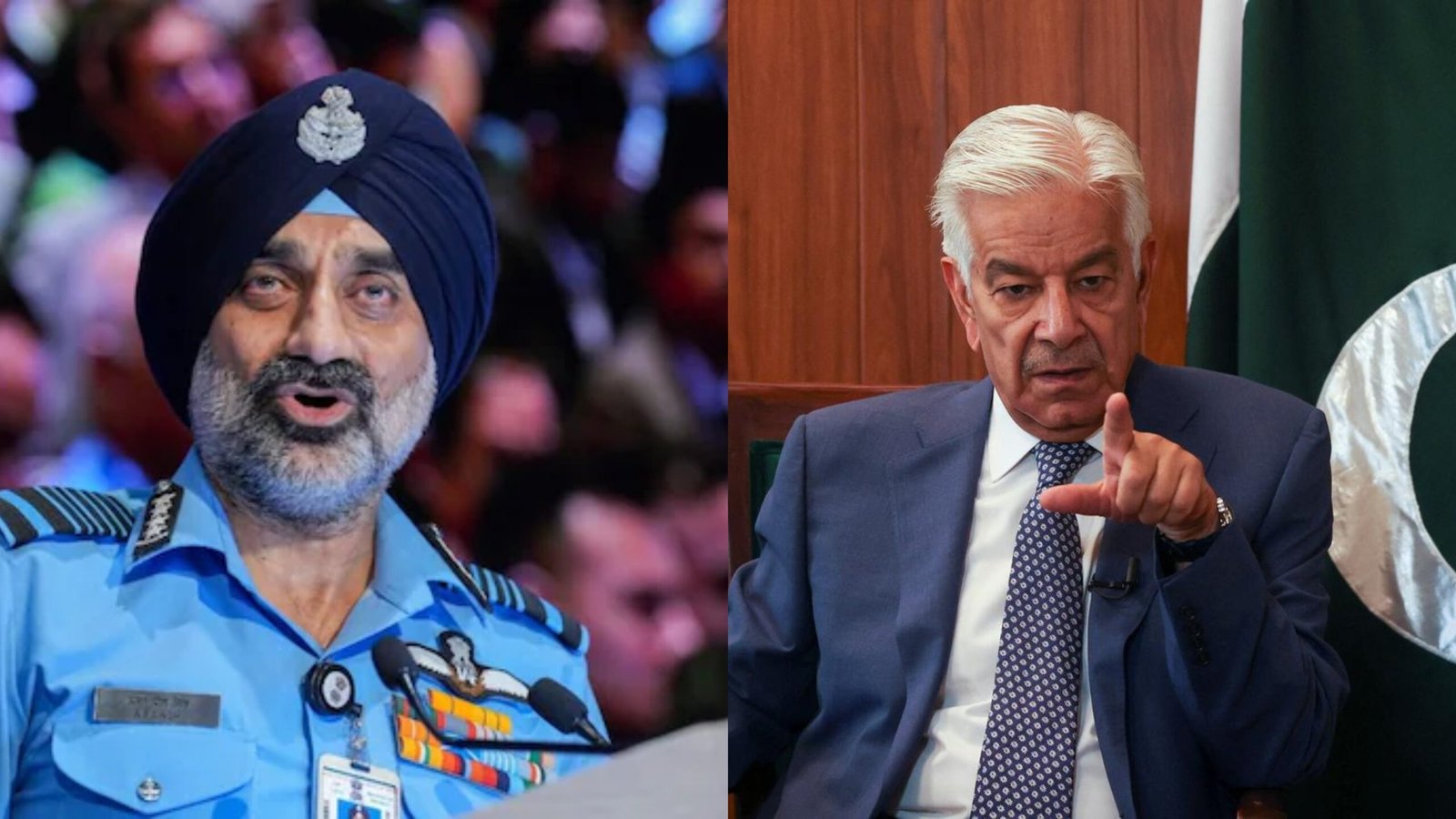
Prominent political figures, including Defence Minister Khawaja Asif, praised her message, sharing the clip with supportive remarks on X (formerly Twitter).

Trending Hashtag and National Attention

The hashtag #PublicInterest is now trending across digital platforms in Pakistan, as users engage in discussions about civil-military relations, national responsibility, and institutional trust.

SBP Governor Highlights Economic Stability and Launches Women’s Financial Initiative

In a significant development, the Governor of the State Bank of Pakistan (SBP), Jameel Ahmad, announced that inflation in the fiscal year 2025 has reached its lowest level in nine years. Speaking at the launch of the Women Entrepreneur Finance Code (WeFinance Code), he attributed this achievement to stringent monetary and fiscal policies that have brought economic stability to the country and helped overcome recessionary pressures.

Economic Stability Through Strategic Policies

During his address, Jameel Ahmad emphasized the positive impact of the government’s economic measures. He noted that improvements in external accounts have contributed to stabilizing the foreign exchange market, with remittances and exports leading to a current account surplus. “The State Bank’s foreign exchange reserves have now surpassed 14 billion dollars,” Ahmad stated, underscoring the significance of these developments in strengthening Pakistan’s economic footing.

The governor also highlighted the collaboration between financial and monetary policies, which have collectively fostered economic recovery and sustainable growth. He remarked, “The financial policy has effectively supported the monetary policy, resulting in economic recovery and sustainable growth in Pakistan.” Ahmad expressed optimism about the increasing economic activity and private sector growth, which he believes will enhance competitiveness and quality across various sectors.

Acknowledging Support and Reflecting on Challenges

Acknowledging the support of the Asian Development Bank for the WeFinance Code initiative, Jameel Ahmad emphasized the importance of macroeconomic stability in achieving a sustainable economy. Reflecting on the challenges Pakistan’s economy has faced, he credited tough decisions made by the government and the State Bank for spearheading the recovery efforts. “We must avoid repeating past mistakes and seize this opportunity to move towards a sustainable economic future,” he noted, urging continued vigilance and strategic planning.

Promoting Women’s Financial Inclusion

As part of the event, the SBP launched the inaugural WeFinance Code, a key initiative aimed at promoting financial inclusion for women in Pakistan. The launch was attended by SBP Governor Jameel Ahmad, Deputy Governor Saleem Ullah, and representatives from the Asian Development Bank. The WeFinance Code seeks to address the gender disparity in financial access and empower women entrepreneurs across the country.

Deputy Governor Saleem Ullah outlined the SBP’s commitment to increasing women’s financial participation under the Financial Inclusion Strategy. He revealed ambitious targets to boost women’s financial inclusion to 25 percent by 2028. Ullah highlighted the progress made so far, with overall financial inclusion in Pakistan rising from 16 percent to 67 percent, but noted that women’s financial inclusion remains disproportionately low.

Addressing Barriers to Women’s Financial Access

Saleem Ullah shared concerning statistics, revealing that 52 percent of women in Pakistan still do not have bank accounts, and only 2 percent are currently availing themselves of loans from banks. These figures underscore the need for targeted initiatives like the WeFinance Code to bridge the gap and provide women with equitable access to financial services.

To support this effort, 20 banks have already agreed to sign the WeFinance Code, demonstrating a collective commitment to enhancing women’s access to banking and financial resources. This initiative is expected to play a pivotal role in empowering women entrepreneurs, fostering economic growth, and contributing to broader social and economic development in Pakistan.

The launch of the WeFinance Code marks a significant step forward in addressing gender disparities in the financial sector and is poised to have a transformative impact on women’s economic participation. As Pakistan continues to build on its recent economic successes, initiatives like these are crucial in ensuring inclusive growth and sustainable development for all segments of society.

Haris Rauf’s Exit from Major League Cricket: A Setback for San Francisco Unicorns

Pakistani fast bowler Haris Rauf has been ruled out for the remainder of the 2025 Major League Cricket (MLC) season due to a Grade 1 hamstring injury. This unfortunate event occurred during the San Francisco Unicorns’ recent match against the Texas Super Kings, dealing a significant blow to the Unicorns’ bowling attack.

Injury and Replacement Announcement

The San Francisco Unicorns confirmed Rauf’s unavailability on social media, expressing support for the talented pacer while announcing his replacement. “We’re with you, Haris. The San Francisco Unicorns can confirm Haris Rauf will miss the remainder of MLC2025 with a hamstring injury, with New Zealand pace bowler Ben Lister to replace him, effective immediately,” the franchise announced via Twitter.

Rauf has been a standout performer in the MLC 2025, leading the wicket charts with 17 scalps in eight matches at an economy rate of 9.08. His absence will undoubtedly be felt by the Unicorns, who have relied heavily on his expertise and explosive pace.

Impact on Pakistan’s Upcoming T20I Series

In addition to missing the remainder of the MLC season, Haris Rauf is also expected to be unavailable for Pakistan’s upcoming T20I series against the Bengal Tigers, scheduled for later this month. The Pakistan Cricket Board (PCB) has yet to issue an official statement regarding Rauf’s injury status or the anticipated duration of his recovery process.

The national team is set to arrive in Bangladesh on July 16 for the three-match series, which starts on July 20 at the Shere-e-Bangla National Cricket Stadium. The second and third T20Is are scheduled for July 22 and 24, respectively. Rauf’s absence from the squad will be a significant setback for Pakistan, given his crucial role in their bowling lineup.

Upcoming International Commitments for Pakistan

Following the Bangladesh tour, the Men in Green are scheduled to travel to the West Indies in August for a white-ball series comprising three ODIs and three T20Is. This series represents another critical chapter in Pakistan’s international cricket calendar, and Rauf’s potential absence could influence team selection and strategy.

The PCB will need to manage Rauf’s rehabilitation carefully to ensure his fitness for future engagements, particularly given the demanding schedule ahead. His pace and ability to take crucial wickets have made him a valuable asset to both domestic and international teams, and his recovery will be closely monitored by fans and cricketing authorities alike.

Strategic Adjustments for San Francisco Unicorns

The Unicorns will now have to adjust their strategy following the loss of their leading bowler. Ben Lister’s inclusion as Rauf’s replacement will offer new dynamics to the team’s bowling attack. Lister, known for his consistent performance and control, will be tasked with filling the void left by Rauf and contributing to the team’s quest for success in the MLC.

While the Unicorns will miss Rauf’s fiery presence on the field, they will have to rely on their remaining players to maintain their competitive edge. The franchise’s adaptability and resilience in the face of unanticipated changes will be crucial in navigating the challenges posed by Rauf’s injury.

Looking Ahead: Recovery and Opportunities

For Haris Rauf, the focus will now shift to recovery and rehabilitation. Returning to full fitness will be a priority, enabling him to rejoin competitive cricket and continue his contributions to both domestic leagues and the international circuit.

Rauf’s injury serves as a reminder of the physical demands placed on professional athletes and the importance of managing workloads and health with care. As the MLC season progresses and Pakistan prepares for upcoming international matches, the cricketing community will undoubtedly rally around Rauf, hoping for a swift recovery and return to form. Meanwhile, the San Francisco Unicorns and Pakistan will need to adapt to the temporary absence of a key player and explore new strategies to maintain their competitive momentum.

The 982nd Ghusl Ceremony of Hazrat Data Ganj Bakhsh’s Shrine

The 982nd annual bathing (ghusl) ceremony of the shrine of Hazrat Ali bin Usman Hajveri, famously known as Hazrat Data Ganj Bakhsh (RA), took place in Lahore with a display of religious devotion and solemnity. This revered event drew a large number of devotees from across Pakistan to the historic Data Darbar, highlighting the cultural and spiritual significance of the shrine.

Dignitaries Attend the Ceremony

The ceremony was graced by the presence of Deputy Prime Minister Ishaq Dar, who attended as a special guest, along with provincial ministers Bilal Yasin and Khawaja Salman Rafique. The event commenced with the recitation of the Holy Quran, followed by spiritual invocations and the offering of floral wreaths. Attendees joined in prayers for Pakistan’s peace, prosperity, and unity, underscoring the shrine’s importance as a focal point for communal harmony and spiritual reflection.

Government’s Commitment to Development and Harmony

Speaking to the media during the ceremony, Deputy Prime Minister Ishaq Dar emphasized the collaboration between the federal and provincial governments in ensuring the country’s development, security, and religious harmony. He announced that special arrangements are being made for the upcoming Urs of Hazrat Data Ganj Bakhsh, with major renovation and expansion projects underway at the shrine.

Dar personally inspected the extension project adjacent to the darbar and urged authorities to expedite the work. Additionally, he revealed that Punjab Chief Minister Maryam Nawaz has approved the installation of large umbrellas at the shrine’s mosque, mirroring those at Masjid-e-Nabawi in Medina, to enhance the experience for visitors.

Dar’s Remarks on National Security and International Relations

On broader national matters, Ishaq Dar reiterated Pakistan’s commitment to peace, stating, “We never wanted war; we want peace.” He criticized India’s aggression on the night of May 9-10 and asserted that Pakistan responded effectively, claiming that six Indian planes were shot down. Dar highlighted that Pakistan’s position on the global stage has strengthened, noting the country’s role as the presiding nation over the United Nations Security Council for the next two years. He further stated Pakistan’s condemnation of Israel’s attacks on Iran and expressed solidarity with Tehran, emphasizing the bond between the two nations.

Economic Developments and Political Dynamics

On the economic front, Dar announced a $2 billion investment deal secured during his visit to Azerbaijan, highlighting efforts to ease inflation and focus on economic recovery. He reiterated former prime minister Nawaz Sharif’s vision, which aims to combine economic growth with national security.

Dismissing rumors of a political meeting between Nawaz Sharif and PTI Founder Imran Khan, Dar remarked, “The news of Nawaz Sharif meeting the PTI founder is just a rumour. This may be someone’s wish, but not reality.” The ceremony concluded with heartfelt prayers, and authorities assured that pilgrims visiting during the upcoming Urs will receive all necessary facilities, including security and medical aid.

Speculation and Denial of Nawaz-Imran Meeting

In political circles, speculation had arisen about a possible meeting between Nawaz Sharif and PTI’s Imran Khan. The Pakistan Tehreek-e-Insaf (PTI) dismissed media reports suggesting such a meeting, asserting that any decision would be made by the PTI leadership and only in response to an official statement from Nawaz or PML-N. PTI insiders clarified that no formal proposal had been received, reflecting skepticism about reconciliation efforts by the ruling party.

Calls for Political Dialogue and Reconciliation

Federal Minister for Parliamentary Affairs Dr. Tariq Fazal Chaudhry emphasized the government’s commitment to dialogue, citing Prime Minister Shehbaz Sharif’s gesture of goodwill during a recent budget session. He stressed the need for cooperation and political understanding, while PTI leaders remained cautious about the sincerity of such efforts.

PML-N’s Stance on Political Engagement

Prime Minister’s Advisor Rana Sanaullah, speaking on Samaa TV, rejected speculation about Nawaz Sharif visiting Adiala Jail for a political meeting, affirming Nawaz Sharif’s commitment to strengthening democracy through dialogue. PTI’s Salman Akram Raja also termed the reports of a Nawaz-Imran meeting as mere rumors, reinforcing the absence of any imminent political engagement between the two leaders.

Sardaar Ji 3: A Punjabi Film Making Waves in North America

Punjabi cinema is enjoying a moment in the spotlight, thanks to the remarkable success of “Sardaar Ji 3,” which has captured international attention. The film has earned a notable place in the North American box office rankings, securing the 11th spot among the top 12 films for the weekend of July 4 to July 6. This achievement is a significant milestone for Punjabi cinema and speaks volumes about its expanding global reach.

Impressive Box Office Performance

“Sardaar Ji 3” has demonstrated exceptional box office performance, particularly in North America, a market traditionally dominated by Hollywood blockbusters. According to Cinemania World, the film grossed 2.76 million. This feat is even more noteworthy considering the stiff competition from major Hollywood releases like “Jurassic World Rebirth,” “How to Train Your Dragon,” and “Mission Impossible: The Final Reckoning.” Nevertheless, “Sardaar Ji 3” has managed to hold its ground, showcasing the potential of regional films on a global platform.

A Unique Presence Among Hollywood Giants

The film’s inclusion as the only Punjabi-language movie in the list of top 12 films underscores its unique position in the North American market. All other entries are Hollywood productions, highlighting the film’s ability to carve out a niche for itself amidst the backdrop of globally anticipated blockbusters. This success reflects the increasing popularity of Punjabi cinema and its capacity to capture the interest of audiences beyond its traditional South Asian demographic.

Expanding International Success

The strong performance in North America adds to the film’s already impressive international success. “Sardaar Ji 3” has resonated well in several key markets, including the United States, Canada, the United Kingdom, and Pakistan. This widespread appeal illustrates the film’s universal themes and the effectiveness of its storytelling, allowing it to transcend cultural and linguistic barriers.

Celebrating Punjabi Talent and Storytelling

Starring the charismatic Diljit Dosanjh and the talented Hania Aamir, “Sardaar Ji 3” showcases the power of compelling storytelling and strong performances. Diljit Dosanjh, a well-known figure in Punjabi cinema and music, brings his signature charm and depth to the film, while Hania Aamir adds her own flair, making the film a captivating watch for diverse audiences. Their performances are central to the film’s appeal, underscoring the importance of talent in elevating regional films to international acclaim.

The Global Potential of Regional Films

“Sardaar Ji 3” serves as a testament to the potential of regional films to shine on the global stage. The film’s success demonstrates that with the right mix of engaging narratives, skilled performances, and effective marketing, regional cinema can compete with and even thrive alongside Hollywood giants. This achievement not only boosts the profile of Punjabi cinema but also opens doors for other regional films to explore international markets.

Cultural Impact and Future Prospects

The success of “Sardaar Ji 3” is a cultural milestone, reflecting the growing interest in diverse cinematic experiences. As audiences worldwide become more open to exploring films from different cultures, the potential for regional cinema to make a mark on the global stage increases. This trend is encouraging for filmmakers who wish to bring unique perspectives and stories to a broader audience.

The film’s performance is a promising indicator for the future of Punjabi cinema and regional films as a whole. As “Sardaar Ji 3” continues to make waves internationally, it sets a precedent for upcoming films, encouraging them to aim for global success. This development could lead to a more diverse and enriched global film landscape, where stories from all corners of the world are given the recognition they deserve.