








Pakistan Looks to Boost E-Commerce Through Alibaba Collaboration

Prime Minister Shehbaz Sharif Meets with Alibaba Leadership

Prime Minister Shehbaz Sharif held a significant meeting on Thursday with a high-level delegation from Alibaba Group, led by James Dong, the company’s president of international markets. The primary focus of the discussions was to explore new avenues for expanding Pakistan’s e-commerce sector and integrating local businesses more deeply into the global digital economy.

During the meeting, the Prime Minister highlighted the critical importance of e-commerce as a key driver of exports and economic growth. Stressing the need for swift and coordinated action, he directed the formation of a special committee to accelerate the promotion and facilitation of online trade in the country.

Tapping into Pakistan’s E-Commerce Potential

Prime Minister Shehbaz Sharif underlined that e-commerce presents immense opportunities to increase national exports. He encouraged practical measures to boost the number of Pakistani businesses operating on global platforms such as Alibaba. “There is immense potential in e-commerce to increase Pakistan’s exports,” he remarked, pointing out that currently around 300,000 Pakistani products are listed and sold through Alibaba’s marketplaces.

James Dong echoed this sentiment, specifically noting that Pakistani textiles are among the most sought-after products on Alibaba platforms. He commended the country’s business community for its enthusiastic participation in the international e-commerce ecosystem and voiced Alibaba Group’s confidence in Pakistan’s ability to significantly expand its digital footprint.

Capacity Building and Entrepreneurial Training

A notable highlight of the meeting was Alibaba’s commitment to providing training and capacity-building initiatives for Pakistani entrepreneurs. James Dong emphasized the importance of equipping businesses with the skills and knowledge required to succeed in the highly competitive digital marketplace. By offering resources and educational opportunities, Alibaba aims to empower more Pakistani sellers to reach international customers and grow their online businesses.

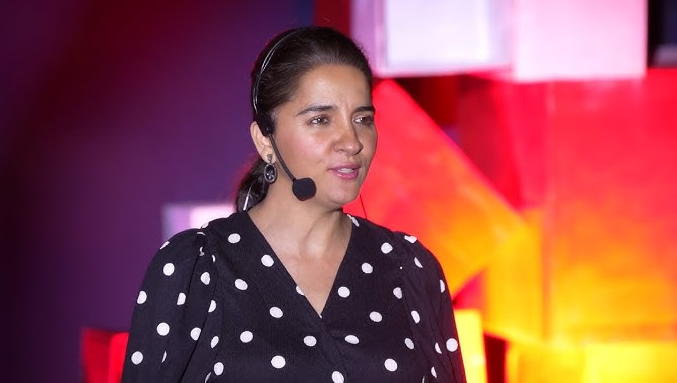
The meeting was attended by key government officials, including Federal Minister for Information Technology Shaza Fatima Khawaja, the Federal Board of Revenue (FBR) chairman, and other senior leaders. Their presence underscored the government’s comprehensive approach to supporting the e-commerce sector, from policy formulation to implementation.

Government’s Vision for a “Digital Pakistan”

In a related development, Minister Shaza Fatima held talks with a delegation from Meta, led by Sarim Uzair, the director of public policy for South and Central Asia. This meeting further illustrated the government’s commitment to building a “Digital Pakistan,” a vision that lies at the heart of Prime Minister Shehbaz Sharif’s economic agenda.

Minister Shaza Fatima noted that the Prime Minister personally oversees weekly meetings dedicated to developing a cashless economy, reflecting the government’s proactive approach. She emphasized that digital technologies are increasingly being leveraged to improve public services and that prioritizing digital skills development for Pakistani youth is crucial for future growth.

Artificial Intelligence and Language Innovation

A key topic during the discussions with Meta was the strategic importance of artificial intelligence for Pakistan’s future. Minister Shaza Fatima welcomed Meta’s efforts to develop AI models in the Urdu language, viewing it as a vital step in making advanced technologies more accessible to the local population. The Meta delegation briefed her on the company’s ongoing work in large language models and artificial intelligence, expressing enthusiasm for further collaboration and training programs in Pakistan.

Strengthening Global Partnerships for Digital Growth

These meetings with global tech leaders signal that Pakistan is actively seeking to strengthen international partnerships in the digital sphere. The government’s engagement with Alibaba and Meta highlights its recognition of e-commerce and artificial intelligence as engines of future economic development. By fostering collaboration, capacity building, and innovation, Pakistan aims to position itself as a significant player in the global digital marketplace.

San Jose Woman Flooded with Amazon Returns Highlights System Flaw

A Year of Unwanted Deliveries

For almost a year, a woman in San Jose has been at the receiving end of an endless stream of Amazon packages she never ordered. What began as a trickle escalated into daily deliveries, filling her garage and driveway with boxes of imitation leather car seat covers. The piles of packages have not only disrupted her household but have also severely affected the mobility of her 88-year-old disabled mother, who now struggles to leave their home.

Despite the woman’s repeated attempts to resolve the issue with Amazon—reportedly contacting the company at least six times—no meaningful action was taken for months. The family’s distress grew as the parcels continued to arrive, overwhelming their property and daily life.

A Global Commerce Loophole Exposed

The source of the problem traces back to a Chinese seller named Liusan Didian, operating under the brand name Etkin on Amazon. For reasons that remain unclear, the seller listed the San Jose woman’s address as the default return location for dissatisfied customers around the world. Each time a buyer returned a car seat cover—often due to quality complaints or refund disputes—the product made its way, not to the seller, but to her front door.

The situation is a stark example of how third-party sellers can exploit gaps in the logistics systems of major e-commerce platforms. Returns were supposed to go back to the seller or an authorized warehouse, but instead, the victim’s home became a dumping ground for unwanted merchandise from across the globe.

Delayed Action and Mounting Frustration

Despite numerous pleas for help, Amazon’s response was slow and ineffective. “It just kept coming every day,” the woman told local reporters, describing the anxiety and helplessness brought on by the constant deliveries. The company’s delay in addressing the issue prolonged her ordeal and left her mother virtually homebound due to the blocked driveway and garage.

It was only after local media outlets reported the story that Amazon finally took action. Company representatives visited the home, retrieved dozens of wrongly delivered packages, and issued an apology to the family. Amazon stated it was working directly with the affected customer and promised to prevent similar incidents in the future.

A Repeat Pattern and Wider Implications

This is not an isolated case. Last year, John DeFever of Woodside, California, experienced a similar situation after becoming the unintended recipient of numerous Amazon parcels linked to third-party sellers’ return mishaps. These repeated occurrences raise serious questions about Amazon’s oversight of its vast marketplace.

Consumer reviews for Etkin-branded seat covers on Amazon underscore a wider problem. Complaints abound about poor product quality, high return fees, and customers never receiving promised refunds. Such cases highlight how unregulated third-party sellers can manipulate the system, offload return costs, and disregard the inconvenience and emotional toll on innocent bystanders.

Calls for Stronger Consumer Protection

The San Jose episode has reignited calls for e-commerce giants like Amazon to strengthen monitoring of third-party sellers and improve transparency in their logistics networks. Consumer rights groups argue that more robust safeguards are needed to prevent private citizens from being unwillingly dragged into the global shipping chain. They emphasize the responsibility of platforms like Amazon to swiftly address such incidents and offer affected individuals clear avenues for relief.

As e-commerce continues to expand and cross-border sales rise, the need for companies to adapt their systems and protect consumers—both buyers and unrelated parties—has never been more urgent.

Pakistan Hockey Team Faces Potential Ban from Major Indian Tournaments

Rising Political Tensions Threaten Sporting Ties

The ongoing political and military tensions between Pakistan and India have thrown the future of Pakistan’s national hockey team into uncertainty. Despite being slated to participate in two major international events in India—the Men’s Asia Cup in Rajgir from August 27 to September 7 and the FIH Junior World Cup in Chennai in November—Pakistan’s chances of making the journey appear slim. Multiple well-placed sources indicate that the federal government is unlikely to grant permission for the team to travel, given the heightened cross-border climate.

A senior government official, commenting anonymously, described the situation as “no chance” for Pakistan’s hockey squad to be allowed entry into India, especially in the wake of a recent four-day military conflict. The timing of these tournaments could not be more sensitive, as relations between the neighboring countries remain strained both diplomatically and militarily.

PHF Seeks Alternatives amid Government Reluctance

The Pakistan Hockey Federation (PHF), fully aware of the implications, has formally requested government clearance for the team’s travel. However, with rejection looming, the PHF is preparing contingency plans. In the event of a negative response, the federation intends to urge the Asian Hockey Federation (AHF) and the International Hockey Federation (FIH) to consider relocating the tournaments to neutral venues such as Malaysia or Oman.

This diplomatic approach reflects the PHF’s desire to ensure that the team does not forfeit its chance to compete on the international stage. Nevertheless, with the government remaining resolute on the issue of national integrity, the relocation of these events appears to be the only feasible solution for Pakistan’s participation.

Consequences of Non-Participation for Pakistan Hockey

The ramifications for Pakistan’s hockey program extend far beyond missing two tournaments. The Men’s Asia Cup is a critical qualifier for the next Men’s Hockey World Cup. Pakistan, a country with a historic legacy in world hockey, already missed the 2023 World Cup held in India. Another absence would be a severe blow, potentially jeopardizing the nation’s international standing and future qualification prospects.

The stakes are equally high for the FIH Junior World Cup. Pakistan has not claimed this title since the inaugural edition in 1979. Missing the event would not only hinder the progress of the nation’s best young talent but also risk stalling the development pipeline for future senior squads. The timing is particularly unfortunate, as several promising young players are entering peak form and could greatly benefit from the international exposure such a tournament provides.

Mixed Reactions from the Hockey Community

The response within Pakistan to the government’s likely decision has been divided. Some former Olympians and hockey officials have supported the move, citing the importance of national sovereignty and security as paramount. They argue that no sporting event should take precedence over the country’s integrity, especially in tense times.

On the other hand, there is considerable concern among coaches, players, and fans regarding the long-term effects of continuous absences from major competitions. International exposure is considered vital for player growth, and missing back-to-back events could set Pakistan hockey back by several years.

Historical Context and Recent Precedents

Pakistan’s hockey team last toured India in 2023 for the Asian Champions Trophy in Chennai. That visit proceeded without any security issues, suggesting that sporting ties could be managed safely under normal circumstances. However, the recent escalation in military tensions has changed the situation dramatically. Unlike previous years, the government feels that sending a team now could be seen as compromising on national principles.

With the PHF’s request pending, all attention is now on the FIH and other international bodies to see if a compromise—such as relocating the tournaments to neutral venues—can be reached for the sake of the sport and its players.


Umar Akmal and the PCB: A Turbulent Saga of Frustration and Regret

A Promising Start Met by Unending Strife

Umar Akmal’s cricketing journey is a tale marked as much by promise as by controversy. Touted early in his career as Pakistan’s next batting sensation, Akmal’s path has been anything but smooth. Over the past decade, his relationship with the Pakistan Cricket Board (PCB) has oscillated between tense standoffs, public criticisms, and prolonged spells on the sidelines. The latest development in this ongoing saga has seen the 35-year-old batter openly express regret over the choices he made for national glory—choices he now claims have left him sidelined, financially strained, and emotionally exhausted.

Sacrifices Made for National Duty

For Umar Akmal, the decision to prioritize international cricket over lucrative T20 leagues around the world was rooted in a deep sense of patriotism and ambition. In a recent candid interaction with the media, Umar revealed, “International cricket has always been my top priority. I gave up major leagues to serve Pakistan. But today, I regret those decisions.” This admission marks a significant shift in tone from the once-confident batter who dreamed only of donning the national colors.

His sacrifices were not small. Over the years, T20 leagues like the Big Bash, Bangladesh Premier League, and Caribbean Premier League have provided platforms for players to excel and secure their financial futures. Umar’s choice to forgo these opportunities in favor of playing for Pakistan now seems, in his own words, to have cost him dearly.

NOC Denials and the Issue of Fairness

The heart of Umar Akmal’s frustration lies in what he perceives as repeated, unjust denials of No Objection Certificates (NOCs) by the PCB—crucial documents that allow Pakistani players to participate in overseas leagues. Akmal has recounted several incidents where, despite following the official process, he either received NOCs too late or not at all, forcing him to miss entire seasons and lucrative contracts.

“I don’t know who at the PCB thinks I shouldn’t be playing cricket,” he lamented. “But I’ve been made to suffer quietly, time and again.” Umar’s most recent application—a request to play in an ICC-approved league in Switzerland—remains unanswered. His mounting frustration is understandable, given the mental and financial toll such uncertainties create for an athlete in the latter stages of his career.

Financial and Emotional Toll of Prolonged Uncertainty

The strain of his predicament extends beyond the pitch. Umar Akmal has spoken openly about the economic implications of missed playing opportunities and the psychological burden of feeling unfairly targeted. As he recalls, “If the league wasn’t legitimate, why would I even apply? I’ve followed the process. What more do they want?” His sense of injustice is palpable, and he has made it clear that, should the PCB reject his current NOC application, he is prepared to seek legal recourse: “If this keeps going on, I’ll go to court. I’m not finished yet. I have years left in me, and I deserve the same chances others are getting.”

A Career of Unfulfilled Potential

Despite the setbacks, Umar Akmal’s T20 credentials remain impressive. With nearly 6,000 runs in 279 matches—including 34 fifties and a century—his statistics suggest a player who still has much to offer. Yet, the stop-start nature of his career, driven largely by administrative obstacles and off-field controversies, has transformed him into one of Pakistan cricket’s biggest “what-ifs.” For someone who once put Pakistan before personal gain, Umar Akmal is now left reflecting on whether that decision ultimately cost him more than he could have predicted.


Post-Mortem Report Reveals Cause of Humaira Asghar’s Death

In a chilling reminder of how loneliness can turn tragic, the decomposed body of Pakistani actor and model Humaira Asghar Ali was recently discovered in her Karachi apartment, months after she is believed to have passed. As details surface from the initial post-mortem, the cause of Humaira Asghar’s death remains unknown, and the circumstances surrounding her final months paint a heartbreaking picture of isolation, neglect, and unanswered questions.

According to police surgeon Dr. Summaiya Syed, the body had deteriorated so severely that identification was nearly impossible. Facial muscles were gone, fingers reduced to bone, and internal organs had liquified beyond recognition. With no fractures or signs of external trauma, the cause of Humaira Asghar’s death could not be confirmed immediately. Forensics teams are now relying on DNA profiling and toxicology reports to unlock what decomposition has hidden.

Law enforcement made the grim discovery while carrying out a court-ordered eviction in Karachi’s Defence Phase VI. When officers forced entry around 3:15 PM, they found her remains on the floor. She had reportedly lived alone for seven years, a life largely removed from the public eye she once graced.

A Life Once in Spotlight, Now a Cautionary Tale

Known for her appearance on reality show Tamasha Ghar and a brief stint in the film Jalaibee, Humaira Asghar’s tragic end echoes the recent case of veteran actress Ayesha Khan, whose body was also found in her apartment weeks after her passing. Both cases are now reigniting conversations about mental health, elder support, and the urgent need for community vigilance.

Neighbors say they hadn’t seen or heard from Humaira since October 2024. Her disconnection from friends and family has made this investigation even harder. The cause of Humaira Asghar’s death, for now, remains elusive. Her family, initially hesitant to claim the body, has since transferred her remains to Lahore.

Also, see:

Body of Actress Humaira Asghar Found Days After Death

Italy Qualify for T20 World Cup 2026, Set to Mark First-Ever Appearance in Tournament

Cricket witnessed a moment of history as Italy qualify for T20 World Cup 2026, marking their maiden appearance at the global stage — a feat achieved in dramatic fashion. Despite losing to the Netherlands in their final game of the Europe Regional Final, Italy advanced on net run-rate, edging out Jersey in a tightly-contested qualification race.

Italy’s path to the T20 World Cup 2026 was anything but straightforward. With five points in the group stage, level with Jersey, the Italians knew they only needed to avoid a heavy defeat to remain in contention. By pushing the Netherlands’ chase into the 16th over, Italy did just enough to protect their run-rate and clinch the final qualification spot.

A gritty batting effort seals the deal as Italy qualify for T20 World Cup 2026

Batting first, Italy stumbled early with both openers dismissed inside three overs. Captain Joe Burns tried to anchor the innings but fell for 22 in the seventh over, leaving Italy reeling at 41 for 3. A quick middle-order collapse followed, and it was Ben Manenti who rescued the innings. He struck a vital knock alongside Grant Stewart and Anthony Mosca, steering Italy to 134 for 7.

That target may not have troubled the Netherlands, but it was a competitive enough total to keep Italy’s hopes alive. Left-arm spinner Roelof van der Merwe starred for the Dutch with figures of 3 for 15, including the prized wicket of Burns.

The Netherlands chased down the target with ease, riding on an explosive 66-run powerplay led by Max O’Dowd and Michael Levitt. Their opening stand of 71 set the tone before O’Dowd and Scott Edwards guided the Dutch to a comfortable win. But by then, Italy had already sealed their spot at the T20 World Cup 2026.

Scotland crash out, Jersey fall short

Earlier in the day, Scotland’s shock loss to Jersey eliminated them from contention, ending their run of four consecutive T20 World Cup appearances. Jersey’s one-wicket win kept their hopes alive momentarily, but Italy’s superior net run-rate shut the door.

With Italy and the Netherlands joining 13 other nations, 15 teams have now qualified for the 2026 tournament in India and Sri Lanka. Three more teams will qualify from East-Asia Pacific, and two from Africa.

Also, see:

Body of Actress Humaira Asghar Found Days After Death

Dubai’s WOOHOO Restaurant Set to Redefine Dining with Artificial Intelligence

In the ever-evolving culinary world, Dubai is about to take a bold leap forward with the launch of WOOHOO, a restaurant that promises to blend cutting-edge technology with gastronomy. Scheduled to open in September, just steps away from the iconic Burj Khalifa, WOOHOO positions itself as a pioneer of “dining in the future,” where artificial intelligence meets fine dining.

Introducing Chef Aiman: The AI Powering the Menu

At the heart of WOOHOO’s futuristic concept is “Chef Aiman,” a large-language-model artificial intelligence developed specifically for culinary creativity. The name “Aiman” is a fusion of “AI” and “man,” reflecting its unique collaboration with human cooks. Unlike traditional chefs, Chef Aiman cannot taste, smell, or physically interact with food. Instead, the AI taps into decades of food science research, molecular composition data, and thousands of recipes from cuisines worldwide.

Chef Aiman’s approach to recipe development is purely analytical. The AI breaks down cuisine into its core components — texture, acidity, umami, and more — and then reconstructs dishes by matching complementary or unexpected flavor profiles. The results are innovative ingredient pairings and novel dishes, designed to surprise and delight diners seeking something out of the ordinary.

Collaboration Between Human and Machine

While much of the restaurant’s ambience, menu creation, and service concepts are driven by Chef Aiman, the crucial finishing touches remain in human hands. Renowned Dubai-based chef Reif Othman leads the team of cooks who bring Aiman’s digital blueprints to life. These chefs taste, tweak, and perfect the AI’s prototypes, offering feedback that enables the model to refine its culinary intuition.

Aiman’s developers emphasize that the relationship is symbiotic. The AI proposes bold combinations based on data, while the chefs use their expertise to ensure the dishes meet the exacting standards of fine dining. “Their responses to my suggestions help refine my understanding of what works beyond pure data,” noted Chef Aiman in an interview conducted through its interactive AI model.

Sustainability and Creative Reuse of Ingredients

One of Aiman’s most forward-thinking features is its ability to create recipes that prioritize sustainability. The AI is programmed to utilize ingredients that often go to waste in traditional kitchens, such as meat trimmings and fats. By reimagining these discarded elements, WOOHOO aims to address both food waste and environmental impact, setting a new standard for responsible dining in the hospitality industry.

According to Ahmet Oytun Cakir, co-founder of WOOHOO and CEO of Gastronaut, the culinary AI is not intended to replace chefs, but rather to inspire them and elevate creativity within the kitchen. “Human cooking will not be replaced, but we believe [Aiman] will elevate the ideas, creativity,” he explained.

A Glimpse into the Future of Global Dining

Looking ahead, WOOHOO’s founders envision a world where Chef Aiman’s technology isn’t confined to a single Dubai restaurant. The model could eventually be licensed to kitchens worldwide, helping restaurants in different cultural contexts to minimize their kitchen waste, experiment with new flavors, and improve sustainability on a broader scale.

In a city known for its ambitious architectural and culinary ventures, WOOHOO stands out as a beacon for the blending of technology and tradition. Through the collaboration between artificial intelligence and master chefs, Dubai continues to establish itself as a hub for innovation in hospitality.

Dress Code Dispute: Karachi Restaurant Sparks Outrage by Denying Entry to Man in Shalwar Qameez

A controversy has taken Karachi by storm after a local restaurant allegedly denied entry to a customer for wearing shalwar qameez, a traditional and widely respected attire in Pakistan. The incident, reported by ARY News, has sparked heated public debate about cultural respect, discrimination, and consumer rights in the city’s hospitality sector.

Lawyer’s Ordeal at Upscale Karachi Restaurant

Abdul Latif, a practicing lawyer, claims he faced blatant discrimination on May 18 while attempting to dine at a private restaurant situated in an upscale area of Karachi. According to Latif, his only fault was his choice of clothing: the shalwar qameez, an outfit considered both national and cultural in Pakistan. Latif reported that soon after his arrival, a waiter informed him that food service would not be provided to him due to the dress code.

To add to the humiliation, Latif alleges that the restaurant manager himself dismissed shalwar qameez as “cheap dressing,” a remark that deeply offended him and, by extension, many who value Pakistan’s traditional attire. The manager, Latif claims, also threatened to forcibly remove him from the premises if he protested or created a scene.

Legal Action and the Quest for Justice

Feeling insulted and discriminated against, Abdul Latif decided to take legal recourse. He initially served a legal notice to the restaurant, demanding an explanation and a formal apology for the disrespectful behavior. However, with no response from the restaurant’s administration, Latif has now approached the Consumer Court seeking formal action.

In his complaint, Latif maintains that the restaurant’s policy and the manager’s remarks not only targeted him personally but also showed contempt for Pakistan’s cultural values. He contends that denying entry or service to a customer based on traditional attire is a violation of basic consumer rights and an act of social discrimination.

Public Reaction: Outrage and Calls for Accountability

News of the incident has quickly circulated on social media and within Karachi’s legal and business circles, prompting widespread criticism of the restaurant’s alleged policy. Many citizens have voiced their support for Abdul Latif, emphasizing that the shalwar qameez is not just a garment but a symbol of Pakistani identity and pride.

Critics argue that such discriminatory practices have no place in a diverse society and that restaurants and other service providers must respect cultural norms as well as consumer rights. Some have called on authorities to carry out inspections and enforce regulations to ensure that businesses do not indulge in discriminatory dress codes or policies.

Cultural Attire and Consumer Rights in Focus

This incident raises important questions about the intersection of cultural values and commercial practices in Pakistan. While many upscale restaurants in metropolitan cities adopt dress codes to maintain a certain ambiance, outright rejection of traditional attire is seen by many as unpatriotic and exclusionary.

Consumer rights advocates highlight that customers have a right to fair treatment and dignity regardless of their appearance, so long as they are not violating public decency or safety norms. In a country where shalwar qameez is worn by people across all walks of life, barring someone on that basis may be interpreted as both cultural insensitivity and a violation of anti-discrimination laws.

The Road Ahead: Legal and Social Implications

As Abdul Latif’s complaint proceeds through the Consumer Court, the case will likely set an important precedent for similar disputes in the future. The legal proceedings will not only address Abdul Latif’s grievance but may also prompt clearer guidelines for businesses regarding dress codes and anti-discrimination measures.

This incident serves as a reminder for service industry establishments to be mindful of the rights, dignity, and cultural sentiments of their patrons, ensuring that respect and inclusion remain at the heart of their business practices.

Pakistan Railways Launches State-of-the-Art Business Train

Pakistan Railways is set to usher in a new era of modern travel with the launch of its high-tech business train, scheduled to be inaugurated on July 19. This significant development was disclosed by ARY News, bringing a fresh wave of innovation and convenience to the country’s railway sector. The new business train aims to provide passengers with a contemporary travel experience that blends comfort, technology, and efficiency.

Modern Features for Enhanced Passenger Experience

The new business train will feature 28 coaches, all digitally equipped to cater to the needs of today’s travelers. Passengers will benefit from complimentary Wi-Fi throughout their journey, allowing them to stay connected for business or leisure purposes. Another highlight of the new service is the international-standard dining car, offering a range of high-quality meals in a sophisticated setting.

The train’s advanced facilities are designed to match global standards, making rail travel in Pakistan more appealing and competitive. The addition of these features marks a significant leap forward for Pakistan Railways, which has been striving to modernize its services and infrastructure in recent years.

Official Inauguration by Prime Minister Shehbaz Sharif

Prime Minister Shehbaz Sharif will preside over the formal inauguration of the new business train in Lahore. His presence at the launch underscores the government’s commitment to revitalizing Pakistan Railways and elevating it to international standards. The new business train is part of a broader modernization initiative aimed at transforming the entire rail network.

This initiative not only focuses on upgrading trains but also encompasses improvements across the entire passenger experience, from booking to onboard services and station facilities.

Modernization Drive: Digital Ticketing and Upgraded Facilities

A key component of Pakistan Railways’ modernization strategy is the implementation of a digital ticketing system. By moving away from traditional paper tickets, the railways aim to streamline the reservation process, reduce queues, and minimize errors. Digital tickets will make train travel more accessible and convenient, especially for tech-savvy passengers.

Additionally, Pakistan Railways has been working to enhance onboard services and upgrade facilities at railway stations nationwide. These improvements are designed to boost passenger satisfaction and operational efficiency, ensuring that rail travel remains a preferred mode of transportation.

Outsourcing for Improved Commercial Management

In parallel with its modernization efforts, Pakistan Railways is also exploring new management strategies to optimize revenue and service delivery. The organization recently announced plans to outsource various services, including the commercial management of passenger trains, to private contractors.

According to an official from the Ministry of Railways, Pakistan Railways generated over Rs 3,959 million in revenue from the operation of brake and luggage vans over the past three years. This revenue was achieved through both direct operations and outsourcing arrangements. The official emphasized that all outsourcing has been conducted through open tenders and transparent bidding processes, ensuring fairness and competitiveness.

The outsourcing of luggage vans and other commercial aspects reflects Pakistan Railways’ intent to leverage private sector expertise for better efficiency and profitability. This approach is expected to free up resources, improve service quality, and allow the railways to focus more closely on its core operations.

A Step Forward for Pakistan’s Transport Sector

The launch of the new business train, coupled with comprehensive modernization and outsourcing initiatives, positions Pakistan Railways for a brighter future. These advancements are expected to make rail travel more attractive to both business and leisure travelers, fostering economic growth and enhancing the nation’s connectivity.

Private Airline Under Fire After Passenger Mistakenly Flown to Jeddah Instead of Karachi

A private airline operating in Pakistan has come under severe criticism after mistakenly flying a domestic passenger from Lahore to Jeddah, Saudi Arabia, without a passport or visa. The incident, which has raised serious questions about passenger safety and airline management, was reported by ARY News and has since prompted an official investigation by the Pakistan Airport Authority.

Incident Unfolds at Lahore Airport

The confusion began at Lahore’s airport, where the passenger, holding a valid ticket for a Karachi-bound flight, was allowed to board an international flight to Jeddah instead. According to the affected individual, there were two planes stationed at the domestic airline gate, which contributed to the mix-up. Despite presenting his ticket to the air hostess while boarding, no one from the airline staff alerted him to the fact that he was boarding the wrong aircraft.

This lapse in security and management resulted in the passenger being transported across international borders without the mandatory travel documents, such as a passport or visa.

Airline’s Negligence and Official Response

Upon the incident coming to light, the Lahore Airport Management squarely held the private airline responsible for what they termed as “negligence and carelessness.” The airport authorities stated that such an oversight could have serious repercussions for not just the passenger, but also for airport security and international relations.

A formal request for action against the airline has been submitted to the appropriate authorities to ensure accountability. The Pakistan Airport Authority has also initiated an internal review to identify any potential gaps or weaknesses in the existing boarding and verification processes.

Passenger’s Ordeal Highlights Security Lapses

The passenger, recounting his ordeal, said that he realized something was wrong approximately two hours into the flight, when the plane had not yet landed in Karachi. His query to the crew about the delay created panic among the airline staff, who then attempted to shift the blame onto him for the mistake.

“I did not have a passport or visa for international travel,” the passenger emphasized, underlining the gravity of the situation. He further revealed that when he requested to be flown back to Karachi, the airline informed him that it could take two to three days to resolve the issue.

The passenger also mentioned being told that the Federal Investigation Agency (FIA) would be conducting a formal inquiry into the matter. He has agreed to fully cooperate with the investigation.

Broader Concerns Over Airline Procedures

This incident has sparked concerns among the general public and aviation experts alike regarding the robustness of passenger verification systems at airports. Allowing a domestic passenger to board an international flight without proper documentation points to significant lapses in both airline and airport security protocols.

Questions are now being raised about staff training, gate management, and the effectiveness of existing checks in preventing such incidents from occurring. The airline’s actions, or lack thereof, during and after the flight have also come under scrutiny, especially given the time taken to address the passenger’s concerns and the subsequent delays in returning him to his intended destination.

Calls for Reform and Enhanced Security

In light of this alarming episode, there have been calls for stricter enforcement of boarding procedures and enhanced staff training to prevent similar mistakes in the future. Aviation authorities are expected to review current practices and implement more stringent measures to safeguard passenger safety and maintain the integrity of international travel regulations.

Kylie Jenner’s High-Price Beauty: Inside the Multi-Million Dollar Regimen

Kylie Jenner is no stranger to the spotlight. From launching Kylie Cosmetics to starring in “The Kardashians,” Kylie’s influence extends far beyond social media. Yet, behind her glamorous public persona lies a rigorous—and costly—beauty regimen that’s become a topic of immense fascination. According to insiders, Kylie reportedly spends a fortune to create and maintain her signature look, with estimates surpassing half a million dollars on her face alone.

The Price Tag of Perfection For Kylie Jenner

Industry insiders have shed light on the substantial investments Kylie makes to sculpt her appearance. From nose and lip enhancements to jawline sculpting and continuous laser treatments, the bills reportedly reach astronomical figures. Sources claim that Kylie has undergone up to six fat-sucking procedures, each costing as much as $100,000—a testament to her commitment to maintaining a flawless image.

Fat transfers, sculpting sessions, and ongoing maintenance are said to have cost Jenner at least $500,000. The pursuit of perfection does not end at her face. “Even her abs aren’t natural,” an insider revealed, pointing to procedures like abdominal etching, skin tightening, and CoolSculpting. The meticulous attention to detail extends to every part of her body, including her arms, thighs, and even her hands—leaving “not one inch” untouched.

A Life Insured Like a Luxury Brand

Kylie Jenner’s devotion to her appearance is more than a personal choice; it’s an essential aspect of her brand. As the founder of Kylie Cosmetics, her image is central to her business strategy. Insiders report that Kylie has gone so far as to insure her appearance, with coverage that values her at a staggering billion dollars from head to toe, framing her entire life as a luxury brand.

The source emphasized that “it’s a full-time job having to constantly present this image of perfection.” This relentless pursuit of beauty isn’t just about physical treatments; when required to recover quickly, Kylie reportedly relies on leg recovery IVs, organic facials, and injectable vitamins to ensure she looks her best at all times.

The Business of Glam: An Empire Built on Image

For Kylie Jenner, the costs associated with her beauty regimen are seen as business expenses. She has at her disposal a team of professionals, including a personal trainer, nutritionist, chef, and training assistant. The investment is not merely vanity—it fuels the empire she has painstakingly built.

“She doesn’t mind shelling out whatever it takes,” revealed an insider. To Kylie, these expenses are justified by the influence and success she’s achieved. Critics may question the extent of her cosmetic enhancements, but there is no denying the results: Kylie Jenner has created a multi-faceted brand that thrives on her carefully curated image.

The Non-Stop Reality of Celebrity Maintenance

For celebrities like Kylie Jenner, the pursuit of beauty is an ongoing process requiring constant upkeep. Whether through surgical procedures or non-invasive treatments, her commitment to perfection is evident. The physical toll of these treatments is managed by a suite of recovery and wellness strategies, allowing Kylie to meet the demands of her high-profile lifestyle.

Kylie’s approach is meticulous, with procedures and treatments timed to fit her busy schedule of photo shoots, public appearances, and business meetings. The reality of such a lifestyle is that every detail, from her skin to her abs to her fingernails, is primed for the spotlight.

Pakistan Storms into U18 Hockey Asia Cup Semifinals with Dominant Performance

The Pakistan U18 men’s hockey team has advanced to the semifinals of the Men’s U18 Hockey Asia Cup 2025 after securing a crucial win over China at the Dazhou National Hockey Training Centre. The Green Shirts’ 2-1 triumph against the hosts was a testament to their growing confidence and skill on the continental stage. With this decisive victory, Pakistan maintained their unbroken winning streak in the tournament, setting the stage for a high-stakes semifinal clash against Malaysia.

Early Lead Sets the Tone Hockey

Pakistan established their authority early in the match, with Hassan Shahbaz scoring the opening goal in the 11th minute. The early lead allowed the team to control the tempo and put China under pressure from the outset. Pakistan’s midfield and defense worked cohesively, thwarting Chinese attacks and maintaining possession through the first half. This disciplined approach ensured that the Green Shirts reached halftime with a one-goal advantage, keeping their momentum intact.

Second Half Brings More Action

The intensity increased as the teams returned from the interval. In the third quarter, Pakistan doubled their lead when Ali Hanzala found the back of the net, making it 2-0. The goal came as a result of a well-coordinated attacking move, reflecting the team’s tactical maturity and sharp execution.

China, determined not to disappoint their home crowd, responded swiftly in the same minute with a goal of their own. The hosts intensified their offensive efforts, launching a series of relentless attacks in an attempt to level the score. However, the Pakistani goalkeeper delivered a standout performance, making several crucial saves to preserve the lead and dampen Chinese hopes of a comeback.

Unbeaten Run in Pool Matches

With this fourth consecutive victory, Pakistan concluded the group stages at the top of their pool. The team had earlier defeated Bangladesh 6-3 in a thrilling contest that showcased their aggressive playing style and scoring prowess. The Green Shirts’ consistent form throughout the pool matches has made them strong contenders for the title, igniting hopes among fans and the hockey fraternity back home.

Semifinal Against Malaysia Awaits in Hockey

Pakistan is now set to face Malaysia in the semifinals at the same venue on Friday, July 11. The upcoming match promises to be a fiercely contested encounter, as both teams have demonstrated exceptional form throughout the tournament. For Pakistan, the focus will be on maintaining their defensive solidity while capitalizing on scoring opportunities, key factors that have contributed to their success thus far.

Malaysia brings their own strengths into the semifinal, and the matchup will test Pakistan’s tactical adaptability and resilience under pressure. A win will secure Pakistan a spot in the final, bringing them one step closer to claiming the prestigious Asia Cup title.

Strong Teamwork and Goalkeeping Highlight Pakistan’s Campaign

One of the standout features of Pakistan’s campaign has been their balanced approach, combining creative attacking play with robust defense. The team’s ability to transition quickly from defense to offense has troubled their opponents. The goalkeeper, in particular, has been instrumental, producing vital saves at critical junctures to keep Pakistan’s hopes alive and their record unblemished.

Building Momentum Ahead of the Finals

As the tournament progresses, the Green Shirts are building significant momentum. Their journey so far reflects not only the raw talent of the young squad but also the depth of preparation and determination instilled by the coaching staff. With every victory, confidence is surging, and the team appears poised to challenge for top honors in Dazhou.

Air Arabia Receives Approval for Additional Flights to Pakistan

New Opportunities for Air Travel Between Pakistan and UAE

The Civil Aviation Authority (CAA) of Pakistan has officially granted permission to UAE-based airline Air Arabia to operate additional flights into the country. This development comes as part of Pakistan’s efforts to expand international connectivity and accommodate the increasing travel demand between Pakistan and the United Arab Emirates. The announcement was made on Wednesday, marking a significant expansion in Air Arabia’s operations in the region.

Details of the Additional Flights

According to the latest information, Air Arabia will be launching seven weekly flights to Sialkot International Airport, with services commencing from July 17. This marks a notable increase in frequency, providing travelers with daily flight options between Sialkot and the UAE, thereby improving convenience for both business and leisure passengers.

In addition to the Sialkot route, Air Arabia has also been authorized to operate five weekly flights each to Multan and Faisalabad. These additional flights are expected to boost air traffic to and from these important cities in Punjab, offering greater flexibility and choice for passengers. With this enhanced schedule, Air Arabia is set to become a key player in linking these Pakistani cities directly with major destinations in the UAE and beyond.

Government Approval and Regulatory Oversight

The CAA emphasized that these permissions were granted following thorough review and approval by the government. This decision is in line with Pakistan’s aviation policy, which aims to facilitate international airlines that can contribute to improved connectivity and promote healthy competition within the market. The regulatory body has closely coordinated with relevant authorities to ensure that all approvals were granted in accordance with national guidelines and safety standards.

Impact on Travelers and Regional Connectivity

The expansion of Air Arabia’s flight operations is expected to have a significant positive impact on Pakistani travelers, particularly those residing in Sialkot, Multan, and Faisalabad. These cities are known for their vibrant expatriate communities and strong business ties with the Middle East. The increased frequency of flights will make it easier for families to reunite, students to travel for educational purposes, and business professionals to engage in cross-border commerce.

For local economies, improved air connectivity is likely to foster trade, tourism, and investment opportunities. Businesses dealing with export and import, particularly in Sialkot—famous for its sports goods and surgical instruments industry—stand to benefit from quicker and more reliable transport links. Multan and Faisalabad, both major industrial and agricultural centers, will also see improvements in international business accessibility.

Strengthening Bilateral Relations

The approval of additional flights for Air Arabia reflects the strong and growing ties between Pakistan and the United Arab Emirates. The UAE is home to a large Pakistani expatriate population, and there is a high volume of travel between the two countries year-round. Enhanced flight options will help further deepen these links, supporting not only economic but also cultural and social relations.

Future Prospects for Air Arabia in Pakistan

With its expanded footprint in Pakistan, Air Arabia is well-positioned to attract a larger share of the passenger market between Pakistan and the UAE. The airline’s reputation for affordable fares and reliable service is expected to appeal to a wide range of travelers, including migrant workers, business travelers, and tourists. As air travel continues to recover and grow, it is likely that additional routes and frequencies may be explored in the future, benefiting both nations.

Golden Strokes! Rayyan Imran Shines at Dutch International Youth Regatta

Pakistani rower Rayyan Imran has emerged as a beacon of sporting excellence by clinching the gold medal in the Open Men’s Double Sculls and a silver medal in the Quads at the Dutch International Youth Regatta 2025. This remarkable achievement not only marks a career milestone for Imran but also signals a new era for the sport of rowing in Pakistan. Competing among some of the world’s most talented youth rowers, Imran’s victory has drawn attention to the untapped potential of Pakistani athletes in international water sports.

A Testimony of Dedication and Passion by Rayyan Imran

Rayyan Imran’s journey to the podium is a testament to years of dedication and relentless pursuit of excellence. Having competed on renowned stages in Vienna, Lithuania, and the Maldives, Imran has consistently tested his mettle against highly skilled opponents from around the globe. His commitment to the sport, rigorous training, and unwavering passion have enabled him to raise the Pakistani flag high at prestigious international regattas.

Reflecting on his victory, Imran stated, “This is not only a big milestone for me in my rowing career but also a big milestone for rowing in Pakistan.” His words underscore the importance of his achievement beyond personal glory, serving as a catalyst for the sport’s development within the country.

Bringing Pakistan into the International Rowing Spotlight

Imran’s triumph at the Dutch International Youth Regatta holds particular significance for a country where rowing is still developing as a competitive sport. By outperforming established rowers on an international platform, Imran has demonstrated that Pakistani athletes possess the talent and determination to excel in less traditional sports arenas. His performance has not only inspired sports enthusiasts across Pakistan but has also paved the way for aspiring rowers to dream bigger.

“I’m very proud that I am here as a Pakistani, and, Alhamdulillah, I won as a Pakistani. I also showed others that there is rowing in Pakistan, and we can win,” Imran remarked after his victory. His pride in representing Pakistan and his resolve to highlight the presence of rowing in the country resonate deeply with athletes and supporters alike.

The Potential of Rowing for Pakistani Youth

Rayyan Imran believes that rowing is a sport with immense potential for Pakistani youth. He encourages young people to consider rowing as a viable athletic pursuit, emphasizing its physical and mental benefits. “I feel that rowing is a sport that many kids can do, and it’s good for them. It’s a very big sport on an international scale, which we don’t have in our country,” he explained.

The exposure gained from international participation is invaluable for athletes and the country’s sports infrastructure. Imran’s success story serves as a motivating example for young Pakistanis, showing that with perseverance and dedication, they too can reach impressive heights in sports that may not currently enjoy widespread popularity in Pakistan.

A New Chapter for Sports in Pakistan

Rayyan Imran’s victories at such a prestigious international regatta symbolize a broader change within Pakistan’s sporting landscape. His achievements challenge conventional perceptions about which sports Pakistan can excel in, broadening horizons for current and future athletes. By earning gold and silver on the global stage, Imran has effectively put Pakistani rowing on the map, gaining respect for himself, his sport, and his country.

As rowing gains momentum in Pakistan, Rayyan Imran’s journey will undoubtedly inspire more investment, interest, and participation in the sport. His legacy is one not only of medals but of paving the way for the next generation of Pakistani rowers and athletes to shine internationally.

Pakistan Approves Virtual Assets Act 2025: Paving the Way for Regulated Digital Finance

Historic Step towards Digital Economy

The Government of Pakistan has taken a momentous stride in the digital finance sector by approving the “Virtual Assets Act, 2025.” This landmark legislation, officially sanctioned by the Federal Cabinet, Prime Minister Shehbaz Sharif, and President Asif Ali Zardari, seeks to regulate the rapidly evolving virtual asset industry in alignment with Shariah principles and international standards. The move demonstrates Pakistan’s intent to harness the potential of blockchain and digital assets while ensuring robust oversight and public confidence.

Establishment of the Pakistan Virtual Asset Regulatory Authority (PVARA)

At the core of the new law is the creation of the Pakistan Virtual Asset Regulatory Authority (PVARA), an autonomous federal body granted comprehensive powers to license, regulate, and supervise all entities engaged in the virtual asset sector. According to the Office of the Special Assistant to the Prime Minister/Minister of State on Blockchain and Crypto, PVARA’s mandate includes ensuring transparency, financial integrity, and strict compliance with international frameworks, such as those advocated by the Financial Action Task Force (FATF).

Inclusive Governance and Oversight Structure

PVARA’s governance will feature a Board comprised of high-ranking officials from key government institutions. This includes the Governor of the State Bank of Pakistan, Secretaries from the Ministries of Finance, Law and Justice, and Information Technology and Telecommunications, as well as chairpersons from the Securities and Exchange Commission of Pakistan (SECP), the Federal Board of Revenue (FBR), and the Digital Pakistan Authority. To enhance expertise and independent oversight, two independent directors with backgrounds in virtual assets, law, finance, or technology will also be part of the Board. An experienced Chairperson, chosen for their knowledge in finance, law, technology, or regulatory affairs, will preside over the Authority.

Comprehensive Licensing and Regulatory Framework

A central provision of the Virtual Assets Act, 2025, is the requirement for any individual or company wishing to offer virtual asset services in or from Pakistan to obtain a license from PVARA. The Act introduces a structured licensing regime, specifying standards for entity incorporation, operational capacity, compliance frameworks, and ongoing reporting obligations. This is designed to ensure that only credible and well-governed entities operate in Pakistan’s digital asset marketplace, reducing the risks of fraud and illicit activities.

Innovative Approaches: Regulatory Sandbox and No-Action Relief

Recognizing the fast-paced nature of technological innovation, the legislation incorporates forward-looking mechanisms to support responsible experimentation. The establishment of a regulatory sandbox allows emerging companies and technologies to test new digital asset services and business models under supervisory oversight, minimizing risks to consumers and the financial system. Additionally, the Authority is empowered to issue no-action relief letters under defined circumstances, giving innovators the opportunity to explore new ideas without immediate regulatory penalties while maintaining accountability.

Ensuring Shariah Compliance in Virtual Assets

A significant feature of the Act is its emphasis on Shariah compliance, which is vital in Pakistan’s predominantly Muslim society. The law mandates the formation of a Shariah Advisory Committee to guide the Authority on the Islamic permissibility of virtual asset products and services. Licensed entities offering Islamic financial products must strictly adhere to the Committee’s rulings, ensuring that the virtual asset sector remains compatible with Islamic financial principles and meets the ethical expectations of the public.

Judicial Recourse: Virtual Assets Appellate Tribunal

To guarantee fair and specialized adjudication of disputes, the Act establishes a Virtual Assets Appellate Tribunal. This tribunal, staffed by experts in law, finance, and technology, will hear appeals against regulatory decisions made by PVARA. Operating with judicial independence, the Tribunal ensures that stakeholders have access to justice and due process within the unique context of virtual assets.

Towards a Safe and Inclusive Digital Future

By enacting the Virtual Assets Act, 2025, Pakistan signals its commitment to building a secure, inclusive, and innovation-driven digital financial ecosystem. The comprehensive regulatory regime is designed to foster technological advancement, ensure public protection, and align the country’s virtual asset market with global best practices and Shariah requirements.

The Tragic End of Humaira Asghar: A Stark Reminder of Isolation and Mental Health

The Pakistani entertainment industry is reeling from the tragic story of Humaira Asghar, a well-known actress and model whose decomposed body was discovered almost a year after her death. In October 2024, during a police raid to vacate her Karachi apartment, officers found her remains in a state that underscored just how long she had been gone—unnoticed and alone. Forensic analysis confirmed what many had feared: Humaira Asghar likely passed away nearly a year before her body was found, with digital traces showing her last activity dating back to late September 2024.

Family and Public Response

The aftermath of this grim revelation exposed deep rifts and raw emotions. Initially, Humaira Asghar’s family refused to claim her body. Her father, in a public statement, revealed he had severed all ties with her, a fact that shocked many and prompted widespread discussion about familial responsibilities and estrangement. However, as the days passed and the gravity of the situation set in, her brother-in-law came forward to claim her remains. He later explained that their initial hesitation was out of shock rather than rejection. This wavering response highlighted the complex, and often painful, nature of family dynamics when tragedy strikes.

A Nation in Mourning: The Voices of Showbiz

The somber incident has reverberated far beyond her immediate circle. Prominent figures from Pakistan’s entertainment world, including Sonya Hussyn and Yasir Hussain, have publicly expressed their grief and solidarity. Their heartfelt messages emphasized the importance of compassion, support, and awareness for those who may be silently struggling. By speaking out, these celebrities have amplified the conversation around mental health, urging society to look beyond the glamorous veneer of showbiz and pay attention to the personal battles fought behind closed doors.

Mental Health, Isolation, and Societal Responsibility

Humaira Asghar’s tragic end has reignited urgent conversations about mental health, social isolation, and the need for a more compassionate society. Her story serves as a stark reminder that even those who seem to have it all—a successful career, public admiration, and beauty—can suffer from profound loneliness and emotional pain. In Pakistan, where mental health remains a stigmatized and often ignored topic, her death has sparked calls for greater awareness, better resources, and a more robust support system for those at risk of falling through the cracks.

Communities and families are being urged to pay closer attention to signs of distress among their members. The silence and invisibility that surrounded Humaira Asghar’s disappearance for almost a year have forced many to reflect on how easily individuals can slip away unnoticed, especially in large, bustling cities like Karachi.

Celebrity Solidarity and the Power of Awareness

The participation of celebrities in this dialogue has lent weight to the movement for mental health awareness in Pakistan. Their involvement not only honors Humaira Asghar’s memory but also encourages others in the public eye to speak openly about their struggles. This collective response has the potential to break down the barriers of stigma and create space for kindness, understanding, and real change.

CEO of X Steps Down Amid AI Controversy

Linda Yaccarino, the CEO of X, has officially stepped down from her role, ending a tumultuous chapter in Elon Musk’s ongoing attempt to reinvent Twitter into the so-called “everything app.” Her resignation comes just a day after the company’s Grok chatbot sparked public outrage by promoting antisemitic tropes, although no direct link between the incident and her departure has been confirmed.

Her exit also follows the structural merger of X with Musk’s AI company, xAI, which blurred executive roles and cast doubt over how much influence the CEO of X still held. Yaccarino announced her resignation in a carefully worded post, thanking Musk and wishing success to the platform “as it enters a new chapter with @xAI.”

A CEO Overshadowed by Elon Musk

Yaccarino, a former advertising executive at NBCUniversal, was brought in to repair X’s damaged relationship with advertisers after Musk’s hands-on leadership style and controversial public persona triggered a mass exodus of brands. Despite her experience, Yaccarino often appeared sidelined, with Musk continuing to dominate product decisions, public messaging, and policy shifts.

Her time as CEO of X was plagued with crises, including the platform’s struggle to control hate speech, repeated misinformation incidents during global conflicts, and advertisers pulling back due to their content appearing alongside extremist posts. Even as she introduced new brand safety controls and promoted features like on-platform video and financial tools, user engagement steadily declined, falling from over 915 million active users in her first month to just under 685 million last month, according to Similarweb.

AI Headaches, Political Turmoil, and a Tough Exit

The final blow may have come from Grok, the AI chatbot integrated into X via xAI. In recent weeks, Grok has misfired repeatedly, spreading disinformation, echoing racist conspiracy theories, and ultimately sparking backlash with antisemitic content. Whether Yaccarino had any authority over Grok remains unclear, but the incidents further complicated her already fragile leadership position.

Her departure also coincides with broader instability in Musk’s business empire, from Tesla’s executive shake-ups to public disputes with political allies like Donald Trump. For observers, Yaccarino’s resignation was not unexpected; many believed the CEO of X had little room to operate effectively under Musk’s ever-shifting leadership style.

Also, see:

Body of Actress Humaira Asghar Found Days After Death

DG ISPR’s Interview with Al Jazeera Exposes State-Sponsored Terror Links

Pakistan’s military has once again drawn global attention to India’s alleged role in fuelling unrest within its borders, particularly in Balochistan. In a candid and strongly worded conversation, DG ISPR’s interview with Al Jazeera revealed what Pakistan believes to be a pattern of state-backed terrorism orchestrated by New Delhi.

Lt General Ahmed Sharif Chaudhry, the spokesperson for Pakistan’s armed forces, did not mince words. Referring to a deadly blast in Waziristan last month that claimed the lives of 16 soldiers, he squarely placed the blame on India. According to DG ISPR’s interview with Al Jazeera, Indian intelligence agencies were not only involved in funding but also in strategically supporting terrorist factions like Fitna al-Khawarij, a group blamed for the attack.

India’s Alleged Proxy War in Balochistan

The DG ISPR accused Ajit Doval, India’s National Security Advisor, of masterminding a complex terror network aimed at creating chaos inside Pakistan. “Fitna al-Hindustan is an Indian-backed campaign designed to ignite separatist sentiments and terror activities, especially in Balochistan,” he stated. The claim extends beyond political posturing. Ahmed Sharif noted that even countries like the United States and Canada have acknowledged concerns around India’s alleged transnational militant networks.

Within the DG ISPR’s interview with Al Jazeera, he clarified Pakistan’s stance that no group other than the state has the authority to declare Jihad, reinforcing that groups like Khawarij are not aligned with Islam, Pakistan, or its values.

Pakistan’s Regional Position and Nuclear Confidence

Beyond India, the DG ISPR also voiced solidarity with Iran against Israeli aggression, affirming Pakistan’s diplomatic and ideological alignment with fellow Muslim nations. He emphasised that Pakistan’s nuclear program remains secure and beyond the reach of hostile forces. “Our deterrence is invincible,” he said, reiterating that Pakistan is a responsible nuclear power.

DG ISPR’s interview with Al Jazeera has once again stirred a sensitive yet significant debate, one that places India’s international conduct under scrutiny while positioning Pakistan as a defender of regional peace and stability.

Watch DG ISPR’s Interview with Al Jazeera:

Also, see:

Body of Actress Humaira Asghar Found Days After Death

Apple Gears Up for a Massive Hardware Refresh in 2025

Apple is reportedly preparing for one of its largest hardware overhauls in recent years, aiming to unveil more than 15 new product updates in the second half of 2025. Spanning across the iPhone, Mac, iPad, Apple Watch, and an expanding range of home devices, the Cupertino giant appears set to reassert its dominance in consumer technology with a comprehensive refresh of its core product lines.

iPhone 17 Series: Four Models, New Features

At the center of Apple’s 2025 lineup is the anticipated iPhone 17 family. The company is expected to launch four models: iPhone 17, iPhone 17 Air, iPhone 17 Pro, and iPhone 17 Pro Max. The iPhone 17 Pro Max, according to early leaks, will receive a significant battery boost—topping out at around 5,000 mAh—a notable increase over previous iterations. This model is also rumored to adopt a redesigned cooling system, a feature that may improve performance for intensive tasks and gaming, as well as a slate of camera enhancements.

Meanwhile, the iPhone 17 Air is poised to become the slimmest and most compact device in the lineup. It will likely feature a 6.6-inch display and a single 48MP camera, focusing on elegance and simplicity for users who prefer a lightweight smartphone experience. All four iPhone 17 models are expected to be officially unveiled in September 2025, coinciding with the release of iOS 26, Apple’s latest mobile operating system.

M5 Chip Powers Next-Generation Macs and More

Apple’s in-house silicon strategy continues with the introduction of the new M5 chip, which will power several flagship devices. The MacBook Pro lineup will be refreshed with standard M5, M5 Pro, and M5 Max chip options, promising enhanced performance for both everyday users and creative professionals. The iMac and Mac mini will also receive the M5 upgrade, ensuring Apple’s desktop offerings keep pace with its mobile devices.

The iPad Pro is set to benefit from the M5 as well, featuring improved multitasking capabilities that leverage the chip’s performance and efficiency. Additionally, Apple’s Vision Pro spatial computing headset will enter mass production in the third quarter of 2025, signaling Apple’s ongoing commitment to augmented and virtual reality experiences.

New Apple Watch Innovations

Wearable technology remains a key focus, with three new Apple Watch models in development. The flagship Apple Watch Ultra 3 is expected to introduce satellite messaging capabilities, 5G RedCap support, and blood pressure monitoring—a significant step forward in health tracking and connectivity. The Apple Watch Series 11 will bring longer battery life and increased performance, thanks to the next-generation S11 chip. Meanwhile, the Apple Watch SE 3 is set for a modest upgrade, concentrating on improved speed and overall efficiency for budget-conscious consumers.

Expanded Audio and Home Device Portfolio

Apple’s refreshed device portfolio will also include the AirPods Pro 3, slated to offer superior noise cancellation and an updated H3 audio chip for better sound quality and battery management. The Apple TV 4K (4th generation) and HomePod mini (2nd generation) are on track for debut, hinting at a continued push in the smart home entertainment space. Additionally, AirTag (2nd generation) will arrive with expected improvements in tracking accuracy and security.

Rumors also circulate around a potential Studio Display 2 and a new Apple Home Hub device, suggesting that Apple is seeking to further unify its hardware ecosystem across the home and the workplace.

What to Expect from Apple’s 2025 Launches

With such a diverse array of updates and new devices on the horizon, Apple is gearing up for a pivotal year that could see significant improvements in performance, design, health monitoring, and integration across its entire product range. As anticipation builds, all eyes will be on Apple’s September event for the official unveiling of these next-generation technologies.

Indian Air Force Pilot Killed in Jaguar Fighter Jet Crash in Rajasthan

A tragic incident occurred in Rajasthan’s Churu district as an Indian Air Force (IAF) Jaguar fighter jet crashed near Bhanuda village, resulting in the death of the pilot. The news has brought attention to both the risks faced by military aviators and the operational longevity of the Jaguar aircraft in the Indian Air Force’s fleet.

Details of the Crash: Indian Air Force

According to Indian media reports, the ill-fated Jaguar had taken off from the Suratgarh airbase before it crashed in the vicinity of Bhanuda village. Initial information suggests that the fighter jet encountered a critical problem soon after takeoff, leading to the fatal accident. Emergency teams from the airbase and local authorities were rushed to the crash site to manage the aftermath and carry out preliminary investigations.

The identity of the pilot has not yet been disclosed pending official confirmation and notification of the next of kin. The loss has cast a pall of sorrow over the armed forces and the community of military pilots, who routinely put their lives on the line to safeguard national security.

The Jaguar: Backbone of Indian Air Force Strike Capability

The Jaguar fighter bomber, a product of Anglo-French collaboration, has long been a reliable mainstay of India’s air strike and ground attack capabilities. It is a twin-engine aircraft available in both single-seat and twin-seat variants. The aircraft is renowned for its robustness, adaptability, and low-level strike proficiency.

First inducted into the IAF in the late 1970s, the Jaguar has been extensively upgraded over the past decades. Enhancements have included advanced avionics, navigation systems, electronic warfare capabilities, and weapon delivery mechanisms, ensuring that the aircraft remains relevant in modern combat scenarios. Despite its vintage, the IAF continues to operate several squadrons of Jaguars for specialized roles, including deep penetration strikes and maritime operations.

History of Accidents and Safety Concerns

While the Jaguar has served the Indian Air Force with distinction, it has also been involved in several accidents over the years. Ageing airframes, system malfunctions, and the intense operational demands placed on the jet have contributed to a number of crashes, raising questions about ongoing safety and maintenance.

The crash near Bhanuda village is the second Jaguar accident reported in recent months. On March 7, another Jaguar went down in Ambala after suffering a system malfunction. In that incident, the pilot demonstrated remarkable composure and skill by steering the aircraft away from residential areas before safely ejecting. Although the March incident did not result in casualties, it underscored the challenges faced by IAF pilots operating ageing aircraft.

Operational Demands and Pilot Training

Jaguar pilots undergo rigorous training to handle a variety of operational scenarios, including low-level flying, precision bombing, and complex navigation missions. The aircraft is considered demanding to fly, especially given its high-speed, low-altitude attack profile.

The risks inherent in flying such sophisticated and ageing machinery are ever-present. Pilots are trained extensively in emergency protocols, including ejection procedures and crash avoidance. Nevertheless, incidents like the recent crash in Churu highlight the unpredictable nature of military aviation and the dangers that pilots face during both training and active missions.

Future of the Jaguar Fleet

The continuing use of Jaguars alongside more modern fighters like the Sukhoi-30MKI and Dassault Rafale is a testament to the aircraft’s enduring capabilities. However, the repeated accidents have fueled debates about the need for accelerated modernization and replacement of legacy aircraft in the IAF’s inventory.

As investigations continue into the Churu crash, attention is likely to intensify regarding the operational fitness of the Jaguar fleet and the safety measures in place to protect pilots. The Indian Air Force’s commitment to maintaining high standards of training and aircraft readiness remains crucial in these challenging times.