Pakistan-Bound Oil Tanker Successfully Passes Through Strait of Hormuz Amid Rising Regional Tensions

An oil tanker carrying crude oil to Pakistan has successfully passed through the strategic Strait of Hormuz and is now heading toward the country, according to ship-tracking data cited by Bloomberg. The development comes at a time of heightened tensions in the region following military actions involving Iran.

Shipping activity in the Persian Gulf has slowed significantly in recent days after the United States and Israel announced military action against Iran. The escalation has raised concerns across global energy markets, particularly because the narrow maritime passage is one of the world’s most critical oil shipping routes.

The tanker involved in the transit is operated by the Pakistan National Shipping Corporation, Pakistan’s state-owned shipping company. Data from vessel tracking services indicates that the ship completed its passage through the Strait of Hormuz on Sunday, navigating the high-risk waterway as geopolitical tensions continue to rise.

The Strait of Hormuz plays a vital role in global energy supply, as a significant portion of the world’s oil shipments pass through this narrow corridor connecting the Persian Gulf with international markets. Any disruption in this region can quickly impact global oil prices and supply chains.

Due to the current conflict environment, many shipping companies have been cautious about sending vessels through the area. Reports suggest that only limited tanker movements have been observed since hostilities escalated, making the safe passage of the Pakistan-bound vessel particularly notable.

For Pakistan, uninterrupted oil supplies remain crucial for maintaining energy stability and supporting economic activity. The successful transit of the tanker operated by the Pakistan National Shipping Corporation provides some relief amid growing uncertainty surrounding regional shipping routes.

Global analysts continue to monitor developments closely, as any further escalation in tensions involving Iran and its adversaries could impact maritime traffic in the Strait of Hormuz. The waterway remains a key geopolitical flashpoint due to its strategic importance for energy transportation.

As the tanker proceeds toward Pakistan, industry observers say the situation highlights how closely global oil logistics are tied to security conditions in the Middle East. The safe movement of vessels through the Strait of Hormuz will remain a critical factor influencing regional energy supplies and international oil markets.

PIA Losses Reach Rs. 500 Billion as Government Pushes Privatization Plan

Pakistan’s national flag carrier, Pakistan International Airlines, has accumulated losses of nearly Rs. 500 billion between 2015 and 2023, according to officials who briefed the Senate Standing Committee on Privatization. The disclosure highlights the severe financial challenges faced by the airline over the past several years.

During the committee meeting held on Monday, officials revealed that the airline’s financial situation had continued to deteriorate due to operational inefficiencies, mounting debt, and rising operational costs. The figures underline the urgent need for structural reforms within the organization.

Usman Bajwa, Secretary of the Privatization Commission, informed lawmakers that the government has decided to move forward with privatizing the national carrier. He stated that the airline has been incurring annual losses of nearly Rs. 100 billion, placing a heavy burden on the national treasury.

According to officials, repeated financial bailouts from the government have failed to turn around the airline’s performance. The persistent losses have forced authorities to consider privatization as a long-term solution to stabilize the company and improve efficiency.

The financial strain on Pakistan International Airlines has also been linked to a large workforce, aging fleet maintenance costs, and declining market competitiveness in the regional aviation industry. Experts say these issues have gradually weakened the airline’s operational capacity and profitability.

Members of the Senate Standing Committee on Privatization emphasized the importance of transparency in the privatization process. They stressed that the move should aim to protect national interests while ensuring the airline can eventually operate on a sustainable financial model.

The government believes that private sector participation could help introduce modern management practices, improved operational efficiency, and better service standards. Officials argue that these changes could ultimately help revive the struggling airline and restore confidence among passengers and investors.

However, the proposed privatization has also sparked debate among policymakers and industry observers. Critics argue that reforms within the public sector should be explored first, while supporters believe private investment is necessary to prevent further financial losses.

For now, the government continues to move forward with its privatization strategy while addressing concerns raised by lawmakers and stakeholders. The future of Pakistan International Airlines remains closely tied to how effectively the upcoming reforms and privatization plans are implemented.

Punjab Launches Climate Leadership Development Internship Program for Young Graduates

The Government of Punjab, Pakistan has introduced the Chief Minister Punjab Climate Leadership Development Internship Program, offering young graduates an opportunity to contribute to environmental and climate-related initiatives across the province.

The program aims to engage youth in climate action and environmental awareness while providing practical experience in sustainability projects. Through this initiative, the provincial government seeks to empower young professionals who are passionate about addressing environmental challenges.

According to the official announcement, selected participants will receive a monthly stipend of Rs. 60,000 during the internship. The program will run for three months, giving interns the chance to work on climate-focused activities, research, and community engagement projects.

The initiative is part of the broader environmental strategy led by the Government of Punjab to promote climate awareness and build future leadership in environmental management. By involving graduates in real-world initiatives, the program intends to develop practical skills while encouraging long-term commitment to sustainability.

Interns selected under the program will gain exposure to policy discussions, environmental projects, and awareness campaigns that address climate-related issues. Such programs are increasingly important as governments worldwide focus on climate resilience and sustainable development.

Upon successful completion of the internship, participants will receive an official government internship certificate, which can help strengthen their professional profiles and improve career opportunities in environmental and public sector roles.

Youth-focused initiatives like the Chief Minister Punjab Climate Leadership Development Internship Program also aim to encourage graduates to play an active role in environmental protection and climate advocacy. By combining financial support with professional experience, the program is expected to attract motivated candidates from across the province.

The internship reflects the growing emphasis on youth engagement in tackling environmental challenges and developing leadership skills needed for sustainable development in the future.

Punjab Increases Metro Bus Fare by 33 Percent Across BRT Services

The Punjab Mass Transit Authority has announced a significant increase in fares for metro bus services operating across major cities in Punjab, Pakistan, raising the cost of travel for thousands of daily commuters.

According to officials, the revised fare structure will come into effect from March 26, 2026. Under the new policy, ticket prices for Bus Rapid Transit services will increase by Rs 10 across all operational routes. The change represents an overall rise of approximately 33 percent in metro bus fares.

The increase applies to multiple BRT systems managed by the Punjab Mass Transit Authority, including the widely used Lahore Metrobus. These services are a key mode of transportation for commuters traveling between residential areas and business districts in major urban centers.

Officials have stated that the decision to raise fares was made in response to rising operational expenses, including fuel costs, maintenance, and infrastructure management. Public transport authorities often review fare structures periodically to ensure that services remain financially sustainable while continuing to operate efficiently.

The metro bus system has become an essential part of the public transportation network in cities such as Lahore, Rawalpindi, and Multan. Thousands of passengers rely on these BRT routes every day for affordable and relatively fast travel compared to conventional road transport.

While the fare increase may help address operational challenges faced by transit authorities, it could also affect daily commuters who depend on public transportation for work, education, and other routine travel. Even small fare changes can have a noticeable impact on passengers who use the service multiple times each day.

Public transport systems across the region continue to face pressure from increasing fuel prices and infrastructure costs. Authorities often balance fare adjustments with service improvements to maintain operational stability and service quality.

The revised fares will officially take effect on March 26, and commuters are advised to plan their travel budgets accordingly as the updated ticket prices are implemented across all BRT lines in the province.

Global Diesel Prices Cross $140 Per Barrel, Highest Level Since 2022 Energy Crisis

International diesel prices have surged past $140 per barrel, reaching levels not seen since the global energy shock triggered by the Russia–Ukraine War. The sharp rise signals renewed pressure on global fuel markets and raises concerns about potential economic ripple effects across multiple sectors.

According to market data compiled by Topline Securities, diesel prices had dropped to nearly $75 per barrel during early 2025. However, the market has witnessed a dramatic turnaround, with prices nearly doubling to around $140 per barrel in early 2026. The surge reflects a tightening supply environment and heightened uncertainty in international energy markets.

Analysts attribute the sudden spike primarily to escalating geopolitical tensions in the Middle East. Conflicts and security risks in the region have disrupted key shipping routes and increased operational costs for oil tankers transporting refined fuel products. As a result, insurance premiums and freight charges for vessels navigating conflict-affected waters have climbed significantly.

The rising costs associated with transporting diesel have added another layer of pressure on already strained supply chains. Shipping companies are reportedly facing higher war risk insurance premiums, while some routes have become less attractive due to safety concerns. This combination of supply risks and logistical challenges has contributed directly to the rapid increase in diesel prices.

Diesel remains one of the most critical fuels for the global economy. It powers trucks, ships, agricultural machinery, and industrial equipment. When diesel prices climb sharply, transportation costs often rise as well, which can eventually translate into higher prices for goods and services worldwide.

Energy experts warn that if geopolitical tensions continue or intensify, diesel prices could remain elevated in the coming months. Persistent supply disruptions could also affect refining capacity and global fuel inventories, further tightening the market.

For countries that rely heavily on imported fuel, including many in South Asia, higher diesel prices could place additional pressure on inflation and economic stability. Governments may be forced to review fuel subsidies, taxation policies, or pricing mechanisms to manage the impact on consumers and businesses.

The recent surge underscores how vulnerable global energy markets remain to geopolitical developments. As conflicts and strategic tensions continue to influence supply chains, fuel price volatility may remain a defining feature of the international energy landscape in 2026.

Bitcoin Surges to Highest Level Since US-Israel Conflict with Iran

Bitcoin climbed sharply on Friday, reaching nearly a two-week high amid heightened geopolitical tensions in the Middle East. The cryptocurrency rose approximately 3 percent to around $71,500 by 4 PM Pakistan Standard Time (PKT) and has since surpassed $73,000, marking its highest level since the onset of the US-Israel military action against Iran.

The surge comes as equity markets were unsettled and global oil prices remained near $100 per barrel, reflecting investor caution amid regional instability. Bitcoin’s gains partially offset the losses it suffered following the escalation of the Gulf conflict.

Market analysts suggest that investors are increasingly turning to Bitcoin as a hedge against geopolitical risk and currency volatility. The rise highlights the cryptocurrency’s growing role as an alternative asset during times of economic and political uncertainty.

Despite the recent jump, Bitcoin remains highly volatile, with price movements closely tied to developments in global markets and international events. Traders and investors continue to monitor the situation in the Middle East, as further escalation or resolution could significantly impact digital asset valuations.

Bitcoin’s current rally underscores the influence of macroeconomic and geopolitical factors on cryptocurrency markets, as global events continue to drive investor sentiment and trading activity.

Hunza Serena Hotel Featured on TIME’s “World’s Greatest Places of 2026” List

Hunza Serena Hotel in Hunza has been recognized by TIME Magazine as one of the “World’s Greatest Places of 2026,” highlighting Pakistan’s growing appeal as a global travel destination.

The prestigious list celebrates unique destinations worldwide, and Hunza Serena Hotel stands out for its breathtaking location in Gilgit-Baltistan, surrounded by some of the world’s highest mountains. TIME Magazine noted that Gilgit-Baltistan is home to five of the 14 peaks exceeding 8,000 meters, offering travelers dramatic landscapes and unparalleled adventure experiences.

Historically, the region has remained relatively low-profile despite its natural beauty. However, recent years have seen a surge in international interest, with visits to Gilgit-Baltistan rising by 121 percent in 2024 alone. The recognition of Hunza Serena Hotel reflects this growing trend and the area’s emergence as one of Asia’s most exciting adventure destinations.

Hunza Serena Hotel is praised not only for its scenic setting but also for providing world-class hospitality that complements the surrounding natural wonders. Travelers can enjoy luxury accommodations while exploring glaciers, rivers, and peaks that make northern Pakistan a unique destination for adventure tourism.

This recognition is expected to further boost Pakistan’s tourism industry, encouraging both domestic and international visitors to explore Gilgit-Baltistan’s remarkable landscapes. Local tourism authorities anticipate increased economic activity and greater global attention as a result of this recognition.

US Embassy Extends Visa Appointment Suspension in Pakistan Until March 20

The United States Embassy in Islamabad has announced an extension of the suspension of visa appointments across Pakistan, affecting both immigrant and nonimmigrant applicants. The decision means that scheduled visa interviews will remain cancelled through March 20, according to the latest update issued by the embassy.

Despite the suspension, the embassy clarified that routine and emergency services for U.S. citizens will continue without interruption. American nationals in Pakistan who require assistance can still access essential consular services during this period.

The pause in visa appointments has created uncertainty for many Pakistani applicants who were preparing for scheduled interviews or planning travel to the United States. Both immigrant visas, which allow individuals to move permanently, and nonimmigrant visas, including student, business, and tourist categories, are affected by the temporary measure.

Officials have advised applicants to monitor official embassy communication channels for further updates. Once visa services resume, individuals whose appointments were cancelled will likely receive instructions regarding rescheduling or the next steps in the process.

Diplomatic missions periodically adjust visa operations due to administrative, logistical, or security considerations. While the embassy has not provided detailed reasons for the extension, such measures are sometimes implemented to manage operational challenges or ensure the safety and efficiency of consular services.

Applicants are encouraged not to arrive at the embassy for interviews during the suspension period unless they receive specific instructions. The embassy has emphasized that only individuals with confirmed appointments after services resume should visit the consular section.

Travel experts say visa disruptions can affect students, business travelers, and families waiting for immigration processing. Many Pakistani students planning to study in the United States are particularly attentive to visa appointment timelines, as delays can impact academic schedules.

In the meantime, the embassy continues to prioritize assistance to U.S. citizens living in or visiting Pakistan. Emergency support, passport services, and other citizen-related matters remain available through normal consular channels.

Authorities have urged visa applicants to remain patient and rely only on official announcements for accurate information. Further updates regarding the resumption of visa appointments are expected after March 20.

IPL-Linked Franchise Sunrisers Leeds Signs Pakistani Spinner Abrar Ahmed for £190,000 in The Hundred

Pakistani leg-spinner Abrar Ahmed has made headlines after being signed by Sunrisers Leeds, an IPL-owned franchise, at The Hundred auction for £190,000 (around Rs. 6.84 crore). The deal marks one of the highest prices ever paid for an overseas spinner in the competition’s history.

Abrar entered the auction with a base price of £75,000, but an intense bidding war—including reported interest from Trent Rockets—more than doubled his value before Sunrisers Leeds secured his services. This acquisition is especially notable as Abrar is reportedly the first Pakistani player to be picked by an IPL-linked team in The Hundred, challenging previous assumptions that such franchises might avoid signing Pakistani talent.

The spinner’s rising profile comes on the back of consistent performances in both domestic and international formats. As of early 2026, Abrar Ahmed ranks No. 4 in the ICC Men’s T20I Bowling Rankings and impressed audiences with his standout spells during the T20 World Cup 2026. His success highlights Pakistan’s growing influence in franchise cricket and underscores the demand for high-quality spin talent.

Abrar’s signing follows earlier Pakistani representation in the draft, with Usman Tariq joining Birmingham Phoenix for £140,000 (around Rs. 5.04 crore). However, other high-profile names, including Haris Rauf, Saim Ayub, and Shadab Khan, went unsold, while Shaheen Shah Afridi opted out of the auction. In the women’s draft, no Pakistani players were selected, including captain Fatima Sana and top-ranked bowler Sadia Iqbal, sparking discussions about the treatment of Pakistani talent in The Hundred.

Sunrisers Leeds’ move signals growing recognition of Pakistani players in international franchise leagues, emphasizing both skill and commercial value. With Abrar Ahmed now part of the squad, fans will be eager to see how his performances influence the team’s campaign and Pakistan’s overall footprint in The Hundred.

Pakistan Hockey Players Allowed to Participate in Overseas Leagues

The Pakistan Hockey Federation has granted permission to national team players to take part in overseas hockey leagues, opening new opportunities for athletes to gain international exposure and professional experience.

According to sources, several members of the Pakistan men’s national field hockey team are expected to feature in various international competitions. The move is seen as a positive step toward improving the performance and development of Pakistani hockey players.

Participation in foreign leagues allows athletes to compete against top international talent, learn modern playing techniques, and adapt to different styles of the game. Exposure to competitive global environments can also help players enhance their skills and fitness levels.

Officials believe that allowing players to compete abroad could contribute to the overall growth of hockey in Pakistan. By gaining experience in professional leagues, players can bring valuable insights and advanced strategies back to the national team setup.

The decision also reflects a broader effort to revive Pakistan’s presence in international hockey. Once considered a dominant force in the sport, Pakistan has faced challenges in maintaining its competitive edge in recent years.

Experts say participation in international leagues could help players regain confidence and improve their performance in major tournaments. It also offers them financial benefits and opportunities to build professional careers beyond domestic competitions.

The Pakistan Hockey Federation hopes that this initiative will encourage greater development within the sport while helping the national team regain its historical strength on the global stage.

With several players now preparing to join overseas clubs, fans will be watching closely to see how this exposure influences Pakistan’s future performances in international hockey competitions.

Middle East Conflict Could Push Pakistan’s Inflation to 17% and Widen Trade Deficit: PIDE Report

Escalating tensions in the Middle East could trigger serious economic challenges for Pakistan, particularly if the conflict disrupts global oil supply routes. A recent report by the Pakistan Institute of Development Economics warns that a full-scale regional crisis could drive international oil prices sharply higher and significantly impact Pakistan’s economy.

The report highlights a worst-case scenario in which crude oil prices climb to between $120 and $150 per barrel. Such a surge would place heavy pressure on oil-importing countries, including Pakistan, where energy imports already account for a major share of the country’s trade expenditure.

One of the biggest risks comes from potential disruptions in the Strait of Hormuz, a vital maritime route through which a large portion of the world’s oil supply passes. Any instability or blockage in this narrow passage could interrupt shipments and push global prices upward almost immediately.

According to the analysis, if such a disruption occurs, Pakistan’s inflation rate could rise dramatically. Current inflation levels hover around 7 percent, but the report estimates that prices could surge to between 15 and 17 percent if global oil markets face severe shocks.

Higher oil prices would also have a direct impact on Pakistan’s import bill. The country currently spends billions each month on energy imports, and under the projected scenario, the monthly oil import cost could climb to between $3.5 billion and $4.5 billion.

This spike in energy costs would likely widen Pakistan’s trade deficit, placing additional strain on foreign exchange reserves and increasing pressure on the national currency. Economists warn that such developments could slow economic recovery efforts and complicate fiscal planning.

Beyond the immediate financial impact, rising energy costs would affect nearly every sector of the economy. Transportation expenses, electricity generation, manufacturing, and food supply chains could all experience price increases, further fueling inflation across the country.

Experts emphasize that Pakistan’s heavy reliance on imported fuel makes the economy particularly vulnerable to global energy shocks. Strengthening energy diversification, increasing renewable power generation, and improving efficiency in fuel consumption could help reduce exposure to international market volatility.

The report ultimately underscores the importance of closely monitoring developments in the Middle East. For Pakistan, geopolitical instability in key oil-producing regions could quickly translate into domestic economic challenges, making proactive planning and energy policy reforms increasingly critical.

Pakistan Nears IMF Agreement to Revise FBR Tax Collection Target for FY26

Pakistan and the International Monetary Fund are reportedly close to finalizing a revised tax collection target for the current fiscal year as part of ongoing economic negotiations. The discussions are taking place under the country’s $7 billion Extended Fund Facility program, which aims to stabilize Pakistan’s financial system and improve fiscal management.

According to sources familiar with the negotiations, the new target for the Federal Board of Revenue is expected to be set at Rs. 13.45 trillion for fiscal year 2026. Officials from both sides are currently engaged in virtual discussions to reach a staff-level agreement that would formally update the country’s revenue expectations.

The revision comes after concerns that the earlier tax-to-GDP target of 11 percent may not be achievable within the current economic conditions. Instead, the updated projections suggest that the tax-to-GDP ratio may reach around 10.6 percent by June 2026.

Based on this revised ratio, the total tax collection by the Federal Board of Revenue is estimated to reach approximately Rs. 13.45 trillion by the end of the fiscal year. This adjustment reflects the government’s effort to align revenue goals with realistic economic performance and fiscal capacity.

The negotiations with the International Monetary Fund are part of broader discussions aimed at maintaining macroeconomic stability and ensuring the continuation of financial support under the Extended Fund Facility program. The IMF program includes various structural reforms designed to improve Pakistan’s fiscal discipline, strengthen revenue collection, and enhance transparency in public finances.

Economic policymakers have been working to balance revenue targets with the country’s economic challenges, including inflation, growth constraints, and administrative limitations in tax collection. Revising the target is viewed by some analysts as a practical step to maintain credibility in fiscal planning.

Officials have indicated that reaching a staff-level agreement is a key milestone in the negotiation process. Once finalized, the agreement will help define Pakistan’s fiscal roadmap for the remainder of the program period.

The government has also been focusing on reforms aimed at broadening the tax base, improving compliance, and strengthening digital monitoring systems within the tax authority. These efforts are intended to gradually increase the tax-to-GDP ratio over the long term.

While the revised target slightly lowers earlier expectations, policymakers believe it still represents a significant revenue goal that requires improved tax administration and enforcement.

The outcome of the negotiations will play an important role in shaping Pakistan’s fiscal outlook for FY26 and could influence future economic reforms and budget planning.

PAC Raises Alarm Over Billions Lost in Alleged Property Fraud Linked to CDA Land Deals

Pakistan’s Public Accounts Committee raised serious concerns over alleged corruption and financial irregularities involving land transactions managed by the Capital Development Authority. The issue was discussed during a committee meeting where lawmakers reviewed audit findings and examined the status of investigations related to suspected property fraud.

The meeting, chaired by Shahida Akhtar Ali, focused on the CDA’s Audit Report for 2023–24. Committee members carefully reviewed several audit observations that highlighted possible irregularities in land allotments and property transactions within the authority.

Lawmakers expressed frustration over reports suggesting that billions of rupees may have been lost due to questionable land deals and administrative lapses. The committee stressed that such losses not only affect public resources but also undermine confidence in government institutions responsible for managing valuable state land.

Officials confirmed that a number of audit paragraphs had already been forwarded to the Federal Investigation Agency for further investigation. These cases involve allegations of fraud, illegal land allotments, and procedural violations that may have caused significant financial damage.

During the session, Usman Anwar appeared before the committee to provide an update on the status of the investigations. He briefed lawmakers on the progress made so far and explained the steps being taken by the agency to examine the cases in detail.

Committee members pressed for faster progress, emphasizing that accountability must be ensured in cases involving public land and large financial losses. They called for thorough investigations and transparent reporting to determine how the alleged irregularities occurred and who may be responsible.

The discussion highlighted broader concerns about governance and oversight within the Capital Development Authority. As the primary body responsible for urban development and land management in Islamabad, the CDA oversees valuable property assets that require strict regulatory control and transparent administration.

Lawmakers also stressed the need for improved monitoring mechanisms to prevent similar incidents in the future. Strengthening internal checks, enhancing documentation procedures, and increasing coordination with oversight bodies were among the measures suggested during the meeting.

The committee noted that property fraud and irregular land transactions can have far-reaching consequences, including financial losses to the government and legal disputes affecting citizens and investors.

Members concluded that the investigations must be completed without delay so that accountability can be established and appropriate legal action can be taken where necessary. The PAC reiterated that protecting public assets and ensuring transparency in land management should remain a priority for all relevant institutions.

Senate Questions Security of Foreign Software Used in Islamabad Safe City Surveillance System

The Senate Standing Committee on Information Technology and Telecommunication has raised serious concerns about the use of foreign software in the Islamabad Safe City surveillance system. The issue was discussed during a recent committee meeting, where officials provided a detailed briefing on the cybersecurity measures currently in place to safeguard the capital’s monitoring infrastructure.

Members of the committee reviewed the security framework of the Safe City project in light of growing global concerns about cyber attacks targeting surveillance and traffic management networks. Lawmakers emphasized the need to thoroughly assess the technological backbone of the system to ensure that it remains protected against potential digital threats.

Officials associated with the Safe City initiative explained that several layers of cybersecurity protocols are deployed to protect the network from unauthorized access or cyber intrusions. They assured the committee that monitoring mechanisms, firewalls, and other protective technologies are actively working to prevent vulnerabilities within the system.

Despite these assurances, senators highlighted the potential risks associated with relying on foreign technology for critical national infrastructure. They stressed that surveillance systems, especially those responsible for monitoring traffic, law enforcement, and public safety, must be secured with the highest level of data protection.

The discussion was also influenced by recent international incidents in which traffic camera systems and urban surveillance networks were reportedly targeted by cyber attackers. These cases raised alarms among policymakers, prompting them to examine whether similar threats could affect Pakistan’s own digital infrastructure.

Committee members urged authorities to conduct continuous security audits and vulnerability assessments of the Islamabad Safe City system. They also recommended strengthening local technological capabilities to reduce dependency on external software providers.

The Safe City project plays a crucial role in maintaining law and order in the federal capital. Through an extensive network of cameras and data monitoring tools, the system assists law enforcement agencies in traffic management, crime prevention, and emergency response operations.

Given the importance of such infrastructure, senators emphasized that cybersecurity must remain a top priority. They called for improved coordination between technology experts, security agencies, and government institutions to ensure that surveillance systems remain resilient against emerging cyber threats.

The committee concluded that while the Safe City project has significantly enhanced public safety in Islamabad, regular upgrades and strict oversight are necessary to maintain its security and efficiency in the face of evolving digital risks.

Karachi Inaugurates Upgraded Jinnah Bridge Following Rehabilitation Work

Karachi Mayor Barrister Murtaza Wahab inaugurated the completion of the improvement and rehabilitation project for Jinnah Bridge in District Keamari. The project was completed at a cost of Rs. 609 million and aims to enhance traffic flow and infrastructure safety.

During the ceremony, the mayor highlighted the strategic importance of Jinnah Bridge, noting that it connects the port area with major highways and serves as a link to the Native Jetty Bridge. The upgraded bridge is expected to facilitate smoother transportation for commuters, freight movement, and trade activities in the city.

The rehabilitation work included structural repairs, resurfacing, and modernization of the bridge’s facilities to ensure long-term durability and safety. Authorities emphasized that the improvements would not only improve traffic management but also enhance the aesthetic appeal of one of Karachi’s key transport landmarks.

City officials noted that Jinnah Bridge is a critical route for vehicles transporting goods to and from the port, and the upgraded infrastructure will reduce congestion and improve efficiency in the movement of commercial traffic.

The project reflects Karachi’s ongoing efforts to modernize urban infrastructure and maintain vital transport links that support economic activity. By upgrading the bridge, city authorities aim to enhance connectivity for both local commuters and the logistics sector, which relies heavily on efficient port access.

Mayor Wahab assured residents that similar rehabilitation initiatives would continue across the city to improve public safety, traffic flow, and overall infrastructure quality. The project demonstrates a focus on long-term urban planning and sustainable development in Karachi.

Global Oil Prices Plunge After Trump Signals Possible De-Escalation in Middle East Conflict

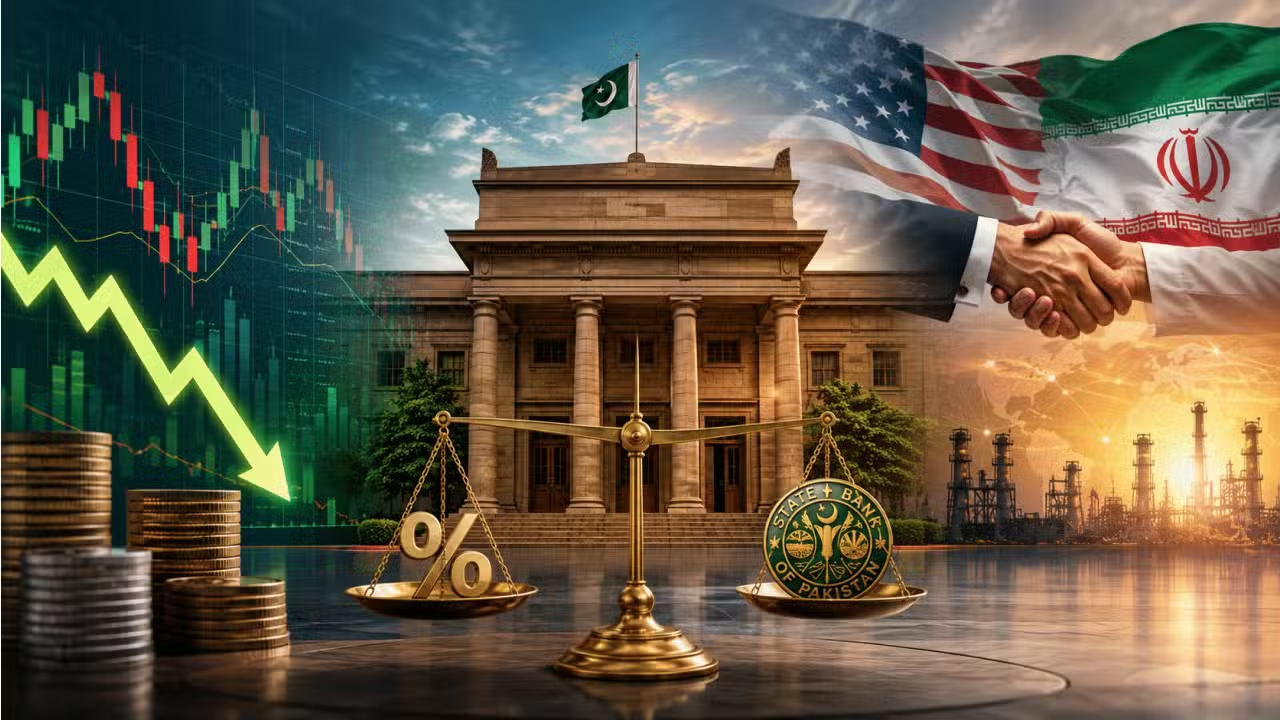
International oil prices witnessed a sharp decline after Donald Trump hinted at a possible “conditional de-escalation” from the ongoing conflict involving Iran. The remarks triggered immediate reactions in global energy markets, leading to a significant drop in crude oil benchmarks.

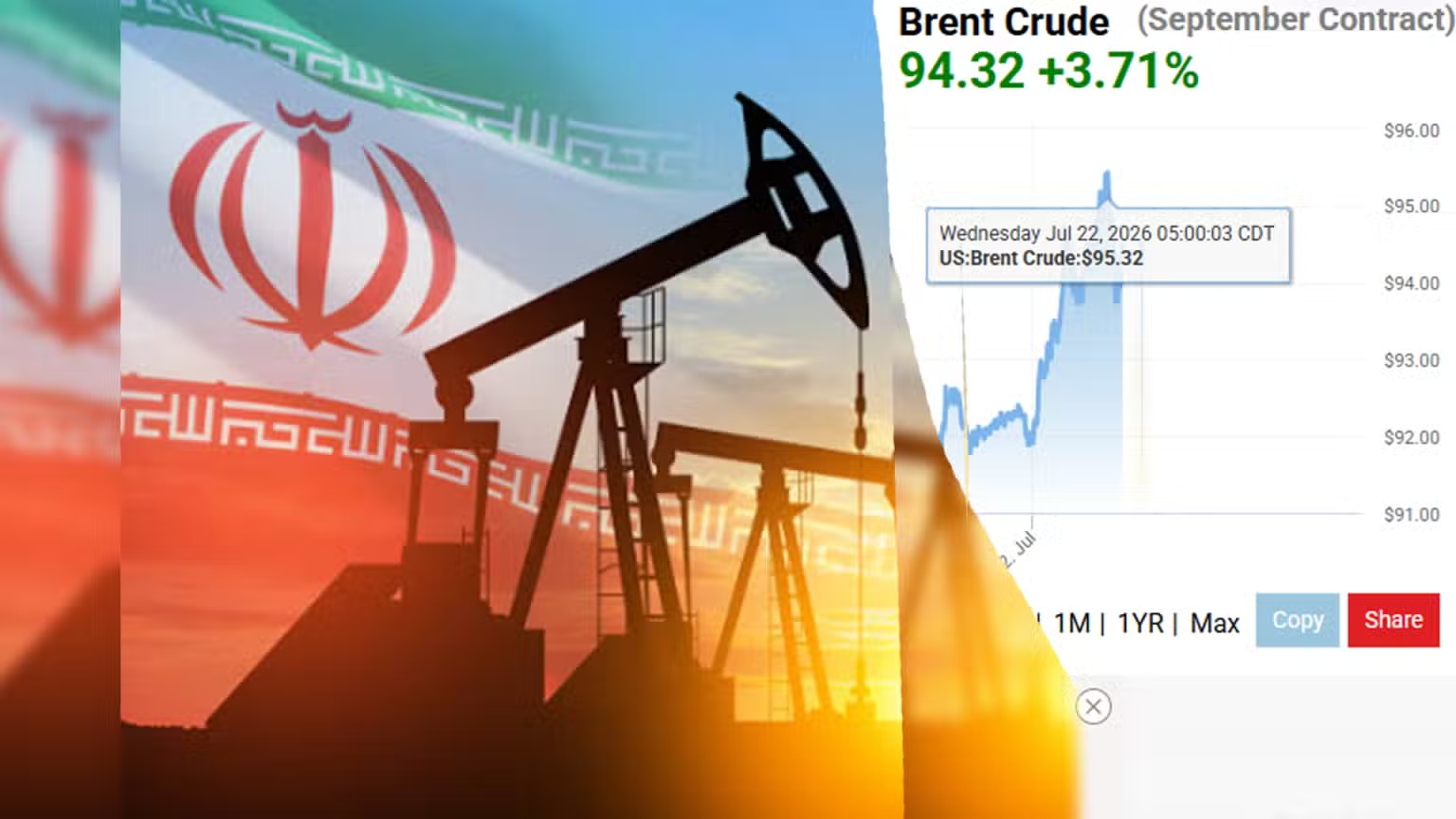
At the time of reporting, Brent Crude had fallen by 7.62 percent, dropping $7.54 to reach $91.42 per barrel. Meanwhile, West Texas Intermediate (WTI) declined by 6.9 percent, shedding $6.54 to settle at $88.23 per barrel.

Earlier in the trading session, both crude benchmarks recorded even steeper losses, falling by nearly 12 percent before recovering slightly. The volatility reflects how sensitive global oil markets are to geopolitical developments, particularly in regions critical to global energy supply.

Energy markets closely monitor developments in the Middle East, as the region plays a central role in global oil production and supply routes. Any escalation in tensions typically drives prices higher due to concerns about supply disruptions. Conversely, signals of easing tensions can quickly trigger sharp declines in oil prices.

Market analysts suggest that Trump’s comments indicating a possible de-escalation reduced fears of a prolonged military confrontation that could disrupt oil exports from key producers in the region. This shift in sentiment prompted traders to adjust positions, resulting in the rapid drop in crude prices.

Global oil markets have remained highly volatile in recent weeks as investors track geopolitical risks, production decisions by major oil producers, and changes in global demand. Developments related to conflicts, diplomatic negotiations, and international sanctions can all influence market expectations and price movements.

For oil-importing countries such as Pakistan, a decline in international oil prices could potentially provide economic relief by lowering import costs. Reduced fuel prices may help ease pressure on inflation and support economic stability if the trend continues.

However, analysts caution that oil markets can shift rapidly depending on new developments in global politics and energy supply chains. A single policy statement, military development, or diplomatic shift can quickly change the market outlook.

Investors and energy stakeholders will continue monitoring geopolitical signals, as any further announcements regarding the conflict or diplomatic negotiations could significantly influence global oil prices in the coming days.

Airlines Increase Ticket Prices in Pakistan Following Jet Fuel Price Surge

Airlines operating in Pakistan have raised ticket prices on several domestic routes after a significant increase in jet fuel costs. The fare hike has affected passengers traveling between major cities, including Karachi, Lahore, and Islamabad, as carriers adjust prices to manage rising operational expenses.

According to airline sources, ticket prices on domestic flights have increased between Rs. 2,800 and Rs. 5,000 per ticket. The increase has been implemented across multiple routes, with airlines citing the surge in jet fuel prices as the primary reason behind the revised fares.

Jet fuel is one of the largest operational costs for airlines, and any fluctuation in its price directly impacts ticket pricing. With fuel costs rising sharply, airlines have been compelled to revise their fare structures to maintain financial stability while continuing flight operations across the country.

Passengers traveling from Karachi to Lahore and Islamabad are among those most affected, as these routes are among the busiest in Pakistan’s domestic aviation network. The increase in fares may influence travel plans for many passengers, particularly those who frequently rely on air travel for business or urgent commitments.

Industry experts say that airline ticket prices often respond quickly to changes in fuel costs. When jet fuel prices rise, airlines typically have limited options other than adjusting fares to offset the increased expenses. Without such adjustments, operating flights could become financially unsustainable for carriers.

Travel analysts also note that the aviation sector in Pakistan has been facing mounting cost pressures in recent months. Apart from fuel, airlines must also manage expenses related to maintenance, airport charges, and currency fluctuations, all of which can contribute to higher operational costs.

Despite the fare hike, airlines are expected to maintain regular flight schedules on key domestic routes. However, travelers are advised to check updated ticket prices before booking flights, as fares may vary depending on demand, route availability, and travel dates.

The increase in ticket prices highlights the broader impact of fuel price fluctuations on the aviation industry. As global and local fuel markets remain volatile, airline passengers in Pakistan may continue to see adjustments in airfare depending on future changes in operating costs.

For frequent travelers, experts recommend booking tickets early and monitoring fare updates to secure better prices whenever possible.

Pakistani Rupee Strengthens Against US Dollar Amid Global Turbulence

The Pakistani rupee (PKR) continued its upward momentum, closing in green against the US Dollar (USD) for the 115th consecutive day on Monday. The currency gained three paisas, finishing the session at 279.37 PKR per USD, reflecting steady resilience despite ongoing global economic challenges.

In addition to the US Dollar, the rupee also posted gains against most other major international currencies during the trading session. Analysts attribute the PKR’s strength to a combination of domestic economic measures, improved foreign exchange reserves, and favorable market sentiment.

Market experts note that maintaining such a streak of consecutive gains is significant for Pakistan’s economy, as it supports import affordability, reduces inflationary pressures, and enhances investor confidence. The continued appreciation of the rupee also provides relief to businesses and consumers dependent on foreign currency transactions.

Despite uncertainty in global markets, the Pakistani rupee’s performance has defied expectations, with its stability seen as a positive indicator of the government’s fiscal and monetary management. Traders remain optimistic that the currency could maintain a stable trajectory in the coming weeks if current economic policies and market trends persist.

Economists warn, however, that while short-term gains are encouraging, sustaining long-term stability requires continued monitoring of external factors, including global oil prices, trade balances, and geopolitical developments.

Investors and importers alike are closely watching the PKR’s performance, as its strength against the US Dollar has direct implications for trade, remittances, and overall economic confidence in Pakistan.

PM Shehbaz Announces Cash Reward for Pakistan Hockey Team After World Cup Qualification

Prime Minister Shehbaz Sharif has announced a cash reward of Rs. 1.5 million for each player of the Pakistan national hockey team following their successful qualification for the Hockey World Cup. The announcement comes as recognition of the team’s impressive performance during the qualification campaign.

The prime minister praised the players for their dedication and commitment, stating that their achievement has brought pride and renewed hope for the country’s hockey community. Pakistan has a rich history in international hockey, and the team’s qualification for the World Cup is being viewed as an important step toward reviving the sport at the national level.

Officials noted that the cash reward is intended to acknowledge the hard work and determination shown by the players throughout the qualifiers. The financial incentive is also meant to encourage athletes to continue performing at a high level as they prepare for upcoming international competitions.

Pakistan’s hockey team has been striving to regain its former glory after facing challenges in recent years. The country, once considered a dominant force in global hockey, has been working to rebuild its presence in major tournaments through renewed investment and improved training programs.

Sports analysts believe that recognition from the government can play a positive role in motivating athletes and strengthening the overall sports environment in the country. Incentives such as cash rewards highlight the importance of supporting national teams and acknowledging their achievements on the international stage.

The prime minister also expressed hope that the team’s performance will inspire young players across Pakistan to pursue hockey and contribute to the sport’s future. Encouraging youth participation is considered vital for restoring Pakistan’s competitive edge in international hockey tournaments.

The government has repeatedly emphasized the need to support sports development through better facilities, coaching programs, and financial incentives. Achievements like World Cup qualification provide an opportunity to rebuild public interest and confidence in Pakistan’s national hockey program.

With the World Cup qualification secured, the Pakistan hockey team will now focus on preparations for the upcoming tournament. Fans and sports officials alike are optimistic that the team can deliver strong performances and represent the country with pride on the global stage.

Work Begins on Slip Road Project at Faizabad Interchange in Rawalpindi

Authorities in Rawalpindi have initiated construction work on a new slip road at the Faizabad Interchange, a move aimed at improving traffic management and commuter convenience in one of the city’s busiest areas. The development has been launched under the directives of the Rawalpindi Commissioner and Director General of the Rawalpindi Development Authority, Engineer Aamir Khattak.

The Rawalpindi Development Authority’s Engineering Directorate has officially started the construction and rehabilitation activities for the slip road. Alongside the physical infrastructure work, informational signboards are also being installed to guide motorists and enhance road safety. Officials believe the project will streamline traffic flow around the interchange and reduce congestion that frequently affects the surrounding roads.

The slip road project is part of broader urban infrastructure improvements being pursued in Rawalpindi to address growing traffic demands. The Faizabad Interchange serves as a critical connection point between Rawalpindi and Islamabad, handling a large volume of daily commuters, public transport, and commercial vehicles. As a result, improving traffic movement in this area has long been a priority for local authorities.

According to project details, the estimated cost of the development stands at Rs. 15.490 million. The initiative includes road rehabilitation, structural improvements, and the installation of clear directional signage to assist drivers navigating the interchange. These upgrades are expected to minimize confusion for motorists while also improving road discipline.

The project was formally inaugurated by Raja Hanif, Chairman of the Chief Minister’s Inspection Team Punjab and Member of the Provincial Assembly for constituency PP-17. During the inauguration, he emphasized the importance of infrastructure projects that enhance urban mobility and provide relief to residents who face daily traffic bottlenecks.

Officials from the Rawalpindi Development Authority noted that timely completion of the slip road will play a key role in easing traffic pressure at the interchange. They added that the engineering team will ensure that the construction work meets safety standards while minimizing disruption for commuters traveling through the area.

Urban planners have long identified the Faizabad Interchange as a strategic junction where efficient traffic management can significantly impact overall road connectivity between Rawalpindi and Islamabad. The new slip road and improved signage are expected to provide smoother entry and exit routes for vehicles, helping reduce delays during peak hours.

Authorities remain optimistic that the project will contribute to a more organized and efficient road network in the twin cities. Once completed, the slip road is expected to support better traffic flow, improve commuter safety, and enhance the overall transportation infrastructure in the region.