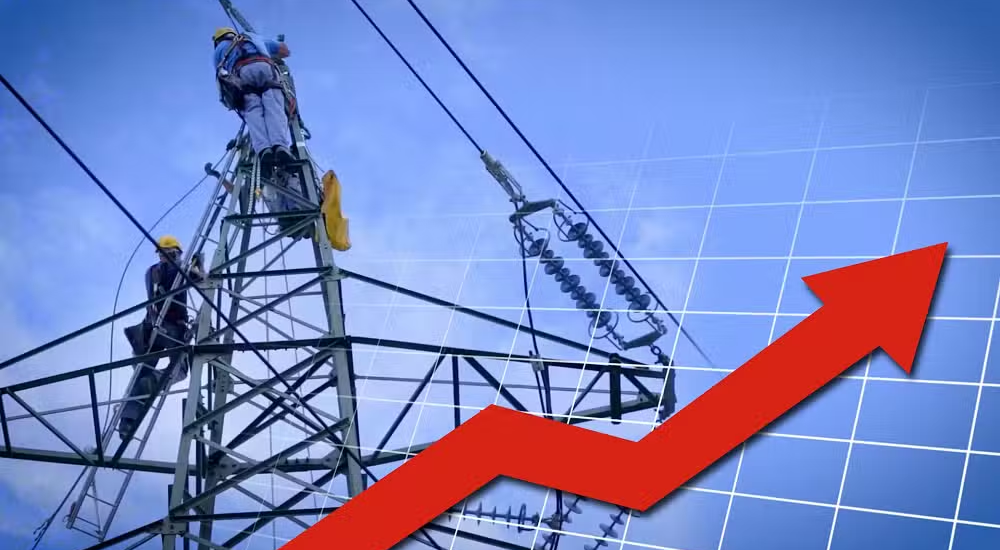
Pakistan’s average fuel cost for electricity generation increased by 14 percent year-on-year in June 2026, reflecting higher expenses associated with power production. The increase was primarily driven by the rising cost of electricity generated through Re-gasified Liquefied Natural Gas (RLNG) and furnace oil, according to data compiled by Topline Research using statistics from the National Electric Power Regulatory Authority (NEPRA).
The average fuel cost reached Rs. 9.0 per unit during June, highlighting the growing financial pressure on the country’s power sector. Fuel prices remain one of the key factors influencing electricity generation costs, particularly when utilities rely on imported energy sources such as RLNG and furnace oil.
Despite the rise in generation costs, overall electricity production recorded a slight decline during the month. Pakistan generated 13,430 gigawatt-hours (GWh) of electricity in June 2026, representing a 2 percent decrease compared to the same month last year.
However, the monthly figures showed signs of recovery. Electricity generation increased by 6 percent compared to May 2026, indicating improved output as power demand and generation activity picked up during the month.
Energy analysts note that fluctuations in fuel prices continue to have a significant impact on Pakistan’s electricity generation costs. Since imported fuels account for a considerable share of the country’s energy mix, changes in international commodity prices and exchange rates can directly influence the overall cost of power production.
The higher dependence on RLNG and furnace oil during June contributed to the increase in average generation costs. These energy sources generally carry higher operating expenses compared to alternatives such as hydropower, nuclear energy, or locally sourced coal, making the overall electricity generation process more expensive.
The latest figures also highlight the ongoing challenges facing Pakistan’s energy sector as authorities work to balance rising fuel costs, electricity demand, and financial sustainability. Improving the share of lower-cost and renewable energy sources remains a long-term objective to reduce dependence on imported fuels and stabilize electricity prices.
Industry experts believe that diversifying the country’s energy mix and investing in indigenous resources could help mitigate the impact of global fuel price fluctuations. Expanding renewable energy projects and improving generation efficiency may also contribute to lowering future electricity production costs.
The June data provides an important snapshot of the country’s evolving power sector, showing both the challenges posed by higher fuel expenses and the gradual recovery in electricity generation after the previous month.