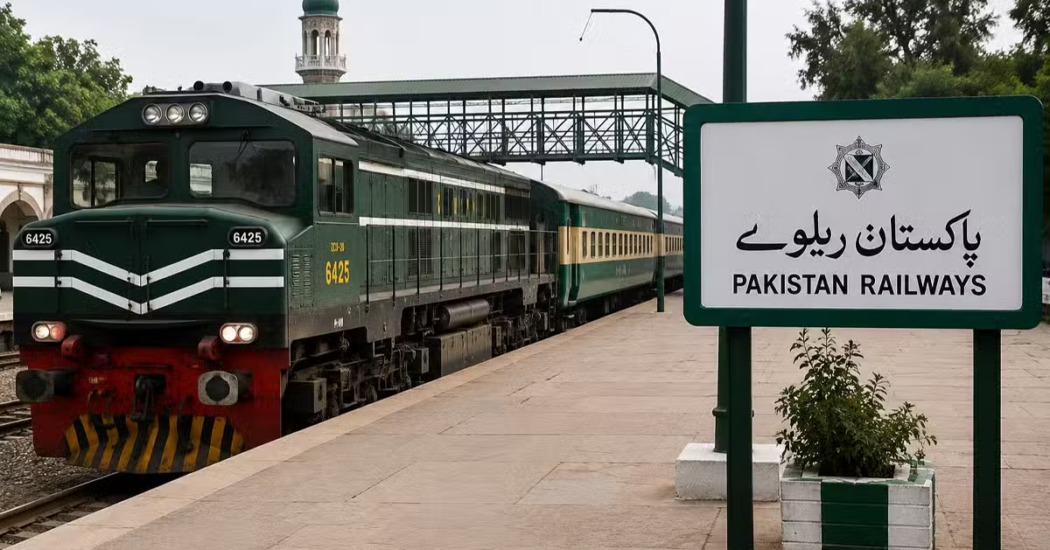
Pakistan Railways has launched a major initiative to modernize its passenger services by planning the procurement of 16 new power plants worth more than Rs. 3 billion. The move is part of a broader strategy to replace aging power units installed in express and passenger trains, ensuring more reliable onboard electricity and an improved travel experience for commuters.
The project reflects the government’s continued focus on upgrading the country’s railway infrastructure. By replacing outdated equipment, Pakistan Railways aims to improve operational efficiency while reducing technical faults that have affected passenger comfort over the years.
Federal Minister for Railways Hanif Abbasi confirmed that the procurement process is already in progress. According to him, bidding, tendering, and the shortlisting of suppliers are currently underway, with the entire procurement expected to be completed by December this year.
The new power plants will replace older systems that have remained in service for many years. These existing units have become increasingly difficult to maintain due to aging components, frequent breakdowns, and rising maintenance costs. Introducing modern power systems is expected to enhance reliability across multiple passenger routes.
Power plants installed in passenger coaches play an essential role in ensuring uninterrupted electricity throughout the journey. They supply power for air conditioning, lighting, charging ports, and other onboard facilities that contribute to passenger comfort. Upgraded systems can significantly reduce power-related disruptions, especially during long-distance travel.
The investment also supports Pakistan Railways’ long-term modernization agenda. In recent years, the department has introduced various initiatives aimed at improving railway infrastructure, enhancing safety standards, and increasing operational efficiency. Modernizing onboard power systems is another important step toward delivering better-quality services.
The procurement process is being carried out through a competitive bidding mechanism. Officials expect that selecting qualified suppliers through transparent tendering will help ensure high-quality equipment and better long-term value for public investment.
Industry observers believe that replacing outdated power plants could also lower maintenance expenses in the future. Newer systems generally offer improved fuel efficiency, greater durability, and easier maintenance compared to older equipment that requires frequent repairs.
Passengers are likely to benefit from more stable electricity during journeys, particularly on express services where uninterrupted air conditioning and lighting are considered essential. Reliable onboard power can also improve the overall perception of railway travel, encouraging more people to choose trains over other transportation options.
Pakistan Railways continues to face growing passenger demand while balancing the need to modernize its aging fleet and supporting infrastructure. Investments such as this demonstrate an effort to address long-standing operational challenges through targeted upgrades.
If completed within the announced timeline, the procurement of the 16 new power plants will represent one of the significant equipment replacement projects undertaken by Pakistan Railways this year. The modernization initiative is expected to strengthen service reliability and contribute to a more comfortable travel experience for passengers across the country.