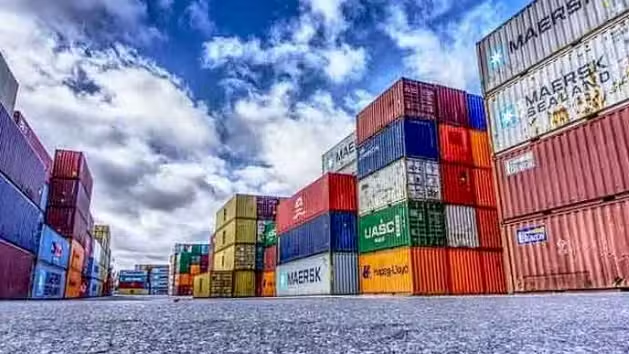
Pakistan has officially been removed from the global war-risk shipping list, marking a significant milestone for the country’s maritime sector and international trade. The decision by the Lloyd’s Market Association’s Joint War Committee (JWC) means Pakistan is no longer classified as a high-risk maritime zone for international shipping vessels, a development expected to strengthen investor confidence and reduce shipping-related costs.
The move is being seen as a major achievement for Pakistan’s diplomatic and economic efforts. It reflects growing international trust in the country’s security environment and could help improve the competitiveness of its ports, logistics sector, and import-export industry.
Deputy Prime Minister and Foreign Minister Ishaq Dar welcomed the announcement, describing it as an important step forward for Pakistan’s global standing.
In a statement shared on X, Dar said Pakistan welcomed the decision of the Lloyd’s Market Association’s Joint War Committee to remove the country from its Listed Areas for war-risk insurance. He noted that the achievement was the result of coordinated efforts by the Government of Pakistan, with significant support from the Pakistan High Commission in London.
Dar also expressed appreciation for Lloyd’s constructive engagement throughout the review process, emphasizing that the decision reflects increasing international confidence in Pakistan’s stability and maritime security.
The Joint War Committee, operating under the Lloyd’s Market Association, periodically reviews regions around the world that are considered high-risk due to conflict, political instability, or security concerns. Shipping companies operating in these areas are often required to pay additional war-risk insurance premiums, increasing the overall cost of transporting goods.
With Pakistan’s removal from the Listed Areas, international shipping companies are expected to benefit from lower insurance costs. This could encourage more shipping traffic through Pakistani ports, including Karachi and Port Qasim, while enhancing the country’s appeal as a regional trade hub.
The development is particularly significant for Pakistan’s economy, which relies heavily on maritime trade for imports and exports. Lower shipping costs can reduce expenses for businesses, improve supply chain efficiency, and potentially lower costs for consumers over time.
Industry experts believe the decision may also encourage foreign investment in Pakistan’s logistics, port infrastructure, and shipping sectors. As confidence grows among international insurers and shipping operators, Pakistan could see increased commercial activity and stronger integration into regional and global trade networks.
The removal from the global war-risk shipping list also supports Pakistan’s broader efforts to improve its economic outlook. The government has been working to strengthen international partnerships, attract investment, and present the country as a safer and more reliable destination for business.
For exporters, importers, and shipping companies, the announcement offers renewed optimism. Reduced insurance premiums and improved perceptions of maritime security can contribute to greater trade efficiency and long-term economic growth.
As Pakistan continues to pursue reforms and strengthen its international relationships, this latest recognition from the Joint War Committee represents a positive signal for global markets and reinforces confidence in the country’s evolving economic and security landscape.