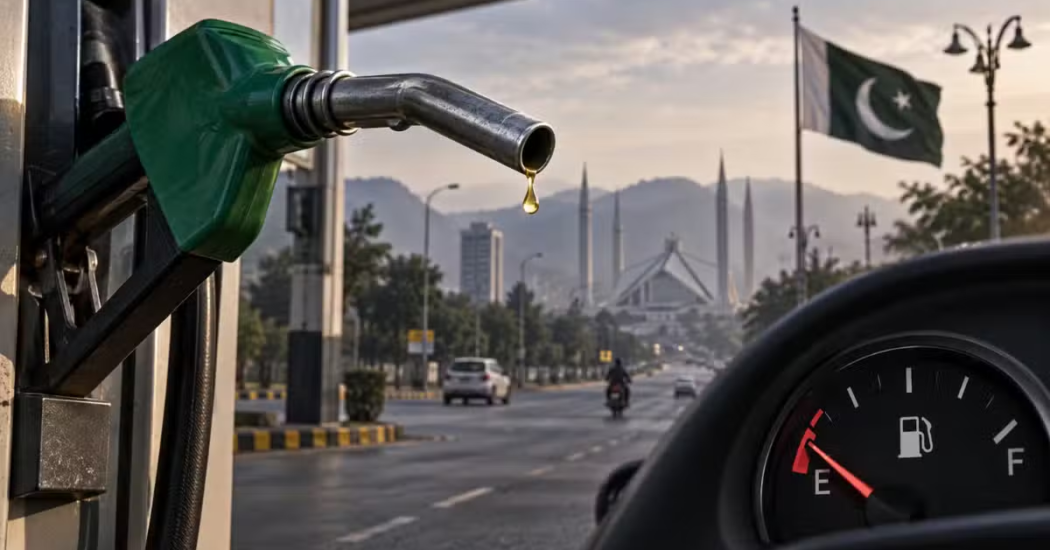
Government Considers Three-Day Smart Petroleum Lockdown as Petrol Prices Near Rs. 400
The federal government is considering a range of emergency measures to reduce petrol consumption in Pakistan as international energy pressures increase amid the ongoing US-Iran conflict, according to sources.
Officials are reportedly examining different strategies to maintain uninterrupted fuel supplies and manage the potential impact of changing global conditions on Pakistan’s energy sector.
One proposal under consideration is a “smart petroleum lockdown” that could give citizens three days off each week while maintaining normal work and government activities for the remaining four days.
Under the proposal being discussed, Friday, Saturday and Sunday could become restricted-movement days. The objective would be to reduce unnecessary travel and lower national petrol consumption.
The proposal comes as concerns grow over international energy markets and the potential impact of geopolitical tensions on petroleum supplies and prices.
Sources said the government is studying ways to conserve fuel at the national level without completely shutting down economic and government activity.
If approved, the proposed arrangement would allow businesses and government offices to continue operating for four days each week. The three-day period would instead focus on reducing unnecessary movement and limiting fuel consumption.
The plan is being described as a possible emergency response rather than a confirmed government decision. Authorities are still reviewing its potential effects before any final announcement is made.
Officials are also considering how restrictions on movement during weekends could affect businesses, public transportation, workers and other daily activities.
A major consideration for policymakers is ensuring that any fuel conservation strategy does not unnecessarily disrupt essential services or economic activity.
Sources said consultations are underway among relevant ministries and government departments regarding the proposed smart petroleum lockdown.
The government is reportedly assessing the expected reduction in petrol demand as well as the practical challenges involved in implementing restricted movement for three consecutive days.
The proposed strategy could become particularly significant if international developments continue to place pressure on petroleum supplies and prices. Pakistan relies heavily on imported petroleum products, making global oil market movements an important factor for the domestic economy.
A final report containing recommendations on the proposed smart petroleum lockdown is expected to be presented to Prime Minister Shehbaz Sharif.
The prime minister is expected to review the recommendations before deciding whether the proposal should be implemented. Relevant ministries and departments may also provide additional suggestions before a final decision is taken.
The government has not yet finalized the duration, scope or exact implementation mechanism of the proposed restrictions, according to the information provided by sources.
If approved, the plan could represent an unusual step aimed at reducing fuel demand without bringing economic activity to a complete halt.
The government’s immediate focus is reportedly on conserving petroleum, discouraging unnecessary travel and ensuring that available fuel supplies remain sufficient to meet essential needs.
For now, the three-day smart petroleum lockdown remains under consideration. Citizens should wait for an official government announcement before treating Friday, Saturday and Sunday restrictions as confirmed.
Any final decision will depend on the recommendations submitted to the prime minister and consultations with the relevant government departments.
