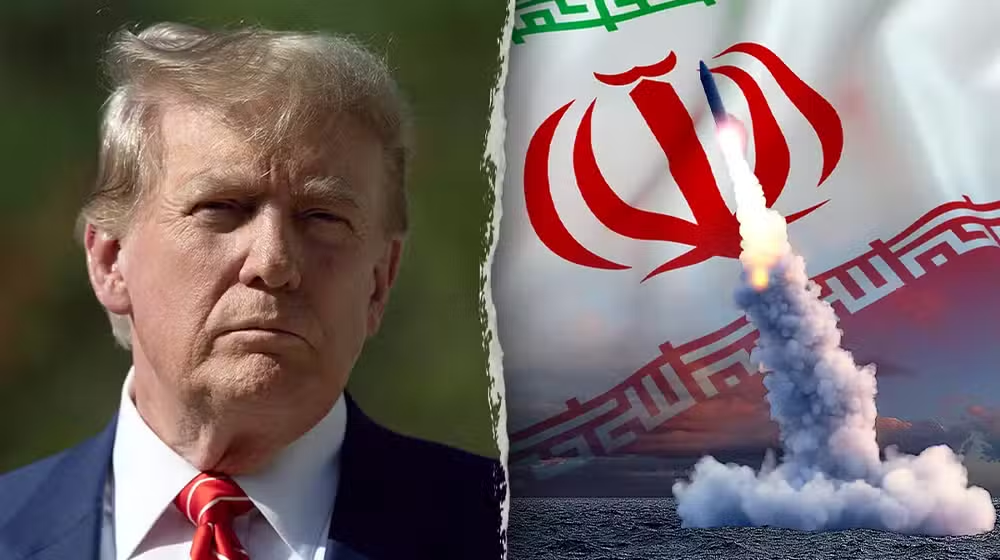
International oil prices witnessed a sharp decline after Donald Trump hinted at a possible “conditional de-escalation” from the ongoing conflict involving Iran. The remarks triggered immediate reactions in global energy markets, leading to a significant drop in crude oil benchmarks.
At the time of reporting, Brent Crude had fallen by 7.62 percent, dropping $7.54 to reach $91.42 per barrel. Meanwhile, West Texas Intermediate (WTI) declined by 6.9 percent, shedding $6.54 to settle at $88.23 per barrel.
Earlier in the trading session, both crude benchmarks recorded even steeper losses, falling by nearly 12 percent before recovering slightly. The volatility reflects how sensitive global oil markets are to geopolitical developments, particularly in regions critical to global energy supply.
Energy markets closely monitor developments in the Middle East, as the region plays a central role in global oil production and supply routes. Any escalation in tensions typically drives prices higher due to concerns about supply disruptions. Conversely, signals of easing tensions can quickly trigger sharp declines in oil prices.
Market analysts suggest that Trump’s comments indicating a possible de-escalation reduced fears of a prolonged military confrontation that could disrupt oil exports from key producers in the region. This shift in sentiment prompted traders to adjust positions, resulting in the rapid drop in crude prices.
Global oil markets have remained highly volatile in recent weeks as investors track geopolitical risks, production decisions by major oil producers, and changes in global demand. Developments related to conflicts, diplomatic negotiations, and international sanctions can all influence market expectations and price movements.
For oil-importing countries such as Pakistan, a decline in international oil prices could potentially provide economic relief by lowering import costs. Reduced fuel prices may help ease pressure on inflation and support economic stability if the trend continues.
However, analysts caution that oil markets can shift rapidly depending on new developments in global politics and energy supply chains. A single policy statement, military development, or diplomatic shift can quickly change the market outlook.
Investors and energy stakeholders will continue monitoring geopolitical signals, as any further announcements regarding the conflict or diplomatic negotiations could significantly influence global oil prices in the coming days.