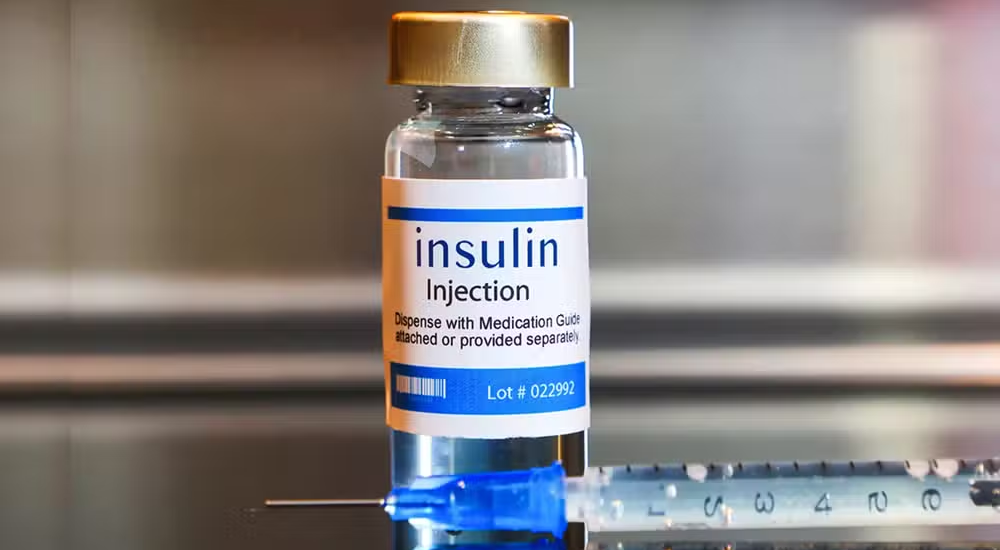
Pakistan is set to take a major step toward strengthening its healthcare and pharmaceutical sector as Russian pharmaceutical company Zavod Medsintez joins hands with Genetics Pharmaceuticals Private Limited to begin local insulin production in the country.
According to sources, the partnership will bring an investment of nearly $80 million into Pakistan’s pharmaceutical industry. The project is expected to reduce the country’s dependence on imported insulin while improving access to diabetes treatment for millions of patients.
The investment will be executed in two phases. During the first phase, the companies plan to invest approximately $20 million to establish an aseptic filling plant for insulin and related pharmaceutical products. This facility will initially manage bulk insulin imports and perform local filling and packaging operations.
Officials familiar with the development said the first plant is expected to be completed by December 2028. The project is being viewed as an important move toward enhancing Pakistan’s pharmaceutical manufacturing capabilities and encouraging foreign direct investment in the healthcare sector.
In the second phase, the partnership aims to establish a complete insulin manufacturing facility in Pakistan. Once operational, the plant could significantly improve the local supply chain for diabetes medicines and help stabilize insulin prices in the domestic market.
Pakistan has witnessed a growing number of diabetes cases over the years, increasing the demand for affordable insulin and related treatments. Industry experts believe that local production could lower import costs, create employment opportunities, and strengthen the country’s healthcare infrastructure.
The collaboration between the Russian and Pakistani pharmaceutical firms also reflects expanding economic cooperation between the two countries. Analysts say foreign investments in pharmaceutical manufacturing can help Pakistan become more self-reliant in producing essential medicines.
The development is likely to be welcomed by healthcare professionals and patients alike, especially at a time when rising medical costs continue to put pressure on consumers across the country.