Pakistan’s rising fuel prices once again came under scrutiny after officials from the Petroleum Division attributed the latest increase in petrol prices to the growing petroleum levy rather than direct government policy decisions.
The issue was discussed during a meeting of the Senate Standing Committee on Petroleum, where Ali Pervaiz Malik and senior officials from the Petroleum Division briefed committee members on the country’s fuel pricing mechanism and petroleum stock situation.
During the meeting, lawmakers raised concerns over the continued increase in petrol prices and its impact on inflation and public transportation costs across the country. Committee members questioned the government’s pricing strategy and demanded greater transparency regarding the taxes imposed on petroleum products.
Saifullah Abro called for a detailed written breakdown of all taxes and charges included in fuel pricing. He stressed the need for the public and lawmakers to clearly understand how petrol prices are calculated and which components contribute most to the overall cost.
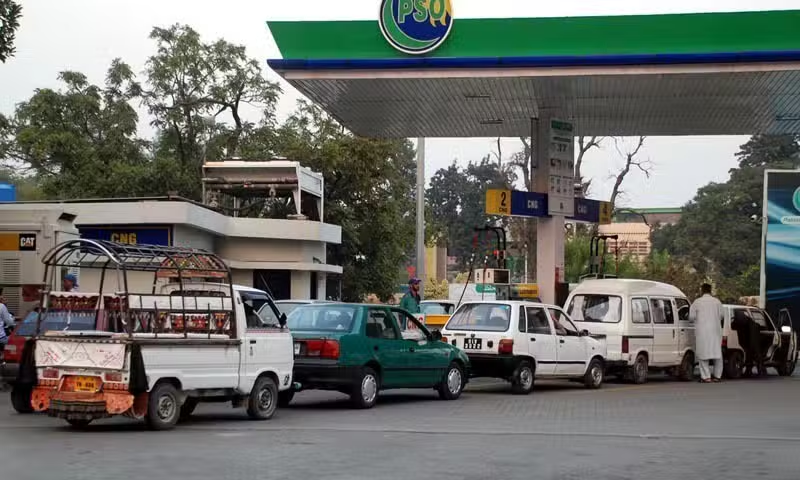
Officials from the Petroleum Division explained that the petroleum levy, which has reportedly reached Rs117 per litre, was the primary factor behind the latest increase in fuel prices. According to officials, the levy forms a significant portion of the final retail price paid by consumers at petrol stations nationwide.
The briefing also focused on petroleum reserves, supply chain stability, and market conditions affecting fuel imports. Authorities assured the committee that the country currently maintains adequate fuel stocks despite ongoing price fluctuations in international energy markets.
Fuel prices remain a sensitive issue in Pakistan as transportation costs directly influence inflation, food prices, and overall living expenses. Every increase in petrol and diesel rates adds financial pressure on households and businesses already dealing with economic challenges.
Economic experts note that petroleum levies are often used by governments to increase revenue collection without directly imposing new taxes. However, higher levies also increase fuel costs for consumers, contributing to inflationary pressure throughout the economy.
The debate surrounding fuel pricing transparency has intensified in recent months, with opposition lawmakers and consumers demanding clearer explanations regarding tax structures, import costs, and pricing formulas used by authorities.
Pakistan’s fuel pricing mechanism is largely linked to international oil market trends, exchange rate fluctuations, and government-imposed taxes and levies. As global oil prices continue to fluctuate, further adjustments in domestic petroleum prices may remain likely in the coming months.