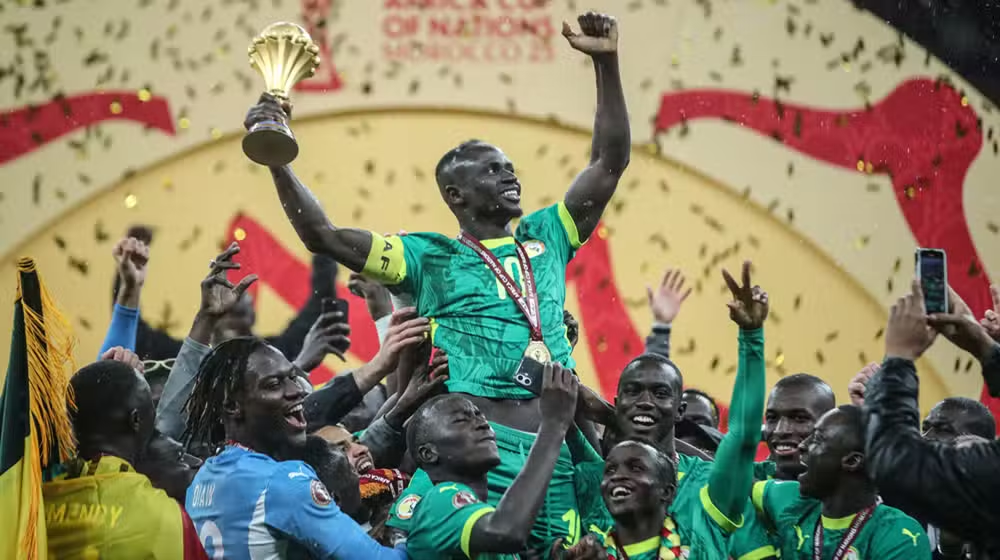
Senegal has formally demanded an independent international investigation into alleged corruption in African football governance after being stripped of its Africa Cup of Nations (AFCON) 2025 title. The decision has sparked controversy across the football world and raised serious concerns about transparency within the sport.
The dispute escalated after Morocco was officially declared the winner of AFCON 2025. The Confederation of African Football (CAF) appeals board ruled that Senegal had forfeited the final played in January, leading to a reversal of the original outcome. This ruling has not only altered the tournament’s result but also triggered a strong reaction from Senegalese authorities.
Senegal’s government has expressed deep dissatisfaction with the verdict, describing it as questionable and potentially influenced by irregularities. Officials have urged global football bodies and independent regulators to step in and conduct a thorough investigation. The call reflects growing frustration over what they perceive as a lack of accountability in key football decisions.
The controversy surrounding AFCON 2025 highlights broader governance challenges in international sports. Decisions of this magnitude can have lasting implications for teams, players, and fans. For Senegal, losing the title under such circumstances has raised both sporting and national concerns, prompting demands for justice and clarity.
Experts believe that an independent inquiry could help restore confidence in African football institutions. Transparency and fairness remain critical to maintaining the integrity of major tournaments like AFCON. Without proper oversight, such disputes risk damaging the reputation of the sport and undermining trust among stakeholders.
Morocco’s newly awarded title, while officially recognized, is now overshadowed by the ongoing dispute. Fans and analysts alike are closely monitoring developments, as the outcome of any investigation could reshape the narrative surrounding the tournament.
This situation also places increased pressure on CAF to address allegations and demonstrate its commitment to fair play. The organization may need to review its decision-making processes to avoid similar controversies in the future.
As the story continues to unfold, Senegal’s push for accountability could mark a turning point in how football disputes are handled across the continent. The coming weeks are expected to bring further developments, with international attention firmly focused on the integrity of African football governance.