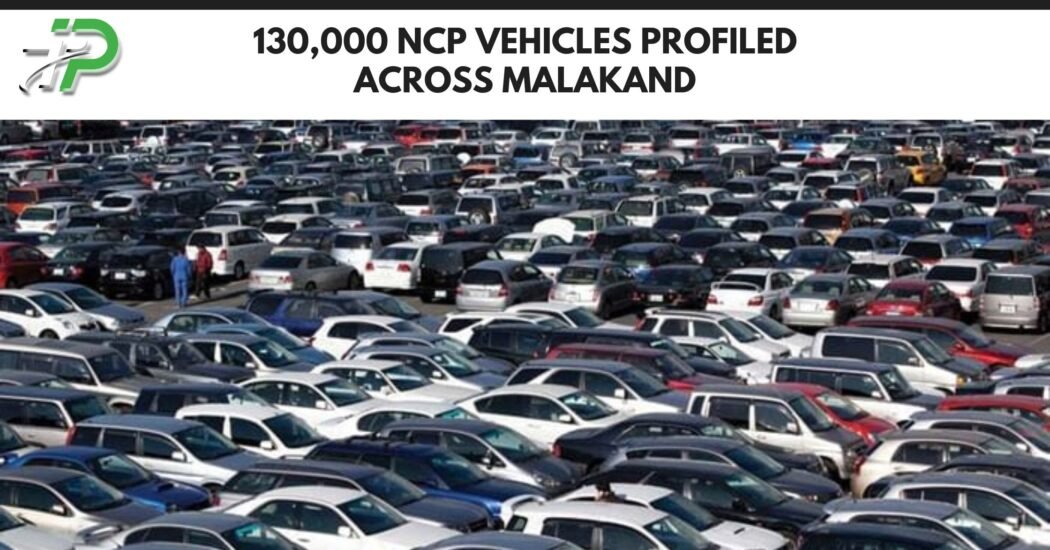
130,000 NCP Vehicles Profiled in Malakand: What Owners Need to Know
Khyber Pakhtunkhwa’s Excise and Taxation Department has completed profiling of around 130,000 non-custom-paid vehicles operating across Malakand Division as authorities build a centralized record of vehicles in the region.
The exercise is part of a broader government effort to identify undocumented NCP vehicles and improve the ability of authorities and law-enforcement agencies to trace them.
Officials say profiling centres have been established at key locations throughout Malakand Division and owners whose vehicles have not yet been documented have been urged to complete the process before the department’s deadline expires.
How Many NCP Vehicles Have Been Profiled?
Director Excise and Taxation Malakand Region Fazal Ghafoor said approximately:
130,000 vehicles
have already been profiled.
However, the exercise itself has not ended.
Officials say thousands of additional NCP vehicles are still operating in the region, meaning owners of remaining vehicles are being asked to report to designated profiling facilities.
Where Is the Profiling Taking Place?
The current 130,000 figure relates specifically to Malakand Division in Khyber Pakhtunkhwa.
It should not be reported as a nationwide total or as the total number of NCP vehicles in the province.
Profiling centres have been set up at key locations across the division under the KP government’s policy and Excise Department directives.
What Is an NCP Vehicle?
NCP stands for non-custom-paid.
The term generally refers to a vehicle that has entered or is operating in Pakistan without payment of the customs duties and taxes ordinarily applicable to a legally imported vehicle.
NCP vehicles have historically operated in parts of the former Provincially Administered Tribal Areas and border regions under legal and administrative conditions different from those applying in Pakistan’s settled customs territory.
Owners should not assume that rules applying to an ordinary registered vehicle automatically apply in the same way to an NCP vehicle.
What Does Vehicle Profiling Mean?
The Malakand exercise is aimed at recording and identifying NCP vehicles in a centralized government database.
The information can help authorities determine:
- the identity of a vehicle;
- the person associated with it;
- where it is operating; and
- whether it becomes linked to theft, crime or another investigation.
Officials say the database will improve the ability of law-enforcement agencies to trace vehicles when necessary.
Does Profiling Make an NCP Vehicle Legal Nationwide?
The reports announcing the exercise do not state that profiling itself converts an NCP vehicle into a customs-paid vehicle or gives it ordinary nationwide registration status.
Profiling should therefore not be confused with customs clearance, regularisation or ordinary vehicle registration.
Owners should follow the specific legal conditions governing NCP vehicles and any instructions issued by the KP Excise Department.
Why Is the Government Creating a Central Database?
One of the stated purposes is improved law enforcement.
Vehicles that have not been properly identified can be more difficult to trace if they are stolen, transferred informally or used in criminal activity.
A centralized profiling database gives authorities a record against which vehicle information can be checked.
Officials have specifically cited theft and criminal investigations as reasons for improving documentation.
Are Car Dealers Included?
Yes.
The Excise Department says it has contacted:
- vehicle bargaining centres; and
- car showrooms
operating within the division.
Businesses holding NCP vehicles have also been directed to ensure those vehicles are profiled.
This means the exercise is not limited only to private individual owners.
What Happens to Vehicles That Are Not Profiled?
Excise officials have warned that legal action can be taken against owners whose vehicles remain undocumented after the profiling deadline.
However, the reports announcing the 130,000 figure did not specify a new exact calendar date for the deadline.
Owners should therefore obtain the current deadline directly from their local Excise office or profiling centre rather than relying on an old social-media post.
Is This a Registration Scheme?
It is more accurate to call the current process profiling or documentation.
The announced objective is to create a centralized record of NCP vehicles.
Unless the government separately announces a regularisation, customs-payment or registration programme, owners should not interpret profiling as conventional vehicle registration.
Why Malakand Has Many NCP Vehicles
Malakand Division and neighbouring areas have historically had a significant number of non-custom-paid vehicles because of the region’s special administrative history and proximity to border trade routes.
This has created a long-standing policy challenge for authorities attempting to balance local transport realities with customs, taxation and law-enforcement requirements.
The latest profiling campaign focuses on documenting the vehicles currently operating in the region rather than leaving them outside a centralized identification system.
What Should an NCP Vehicle Owner Do?
Owners whose vehicles have not yet been profiled should contact the nearest relevant Excise and Taxation office or officially designated profiling centre.
They should also confirm:
- which documents are currently required;
- whether the vehicle is already present in the central record;
- the applicable deadline; and
- any rules governing transfer or sale.
Owners should avoid paying unofficial agents claiming they can provide special registration or legalization unless the process is confirmed by the Excise Department.
Frequently Asked Questions
How many NCP vehicles have been profiled?
Around 130,000 vehicles have been profiled in Malakand Division.
Has profiling finished?
Profiling of approximately 130,000 vehicles has been completed, but authorities say other undocumented NCP vehicles remain and the broader exercise is continuing.
Is the figure for all of Pakistan?
No. The 130,000 figure relates to Malakand Division.
Why are authorities profiling NCP vehicles?
The objective is to create a centralized database and make it easier for government and law-enforcement agencies to identify and trace vehicles.
Will owners face action if they do not participate?
Excise officials have warned that legal action may follow against owners who leave vehicles undocumented after the applicable deadline.
Does profiling mean the vehicle becomes customs-paid?
The current announcement does not say profiling converts an NCP vehicle into a customs-paid or ordinary registered vehicle.
