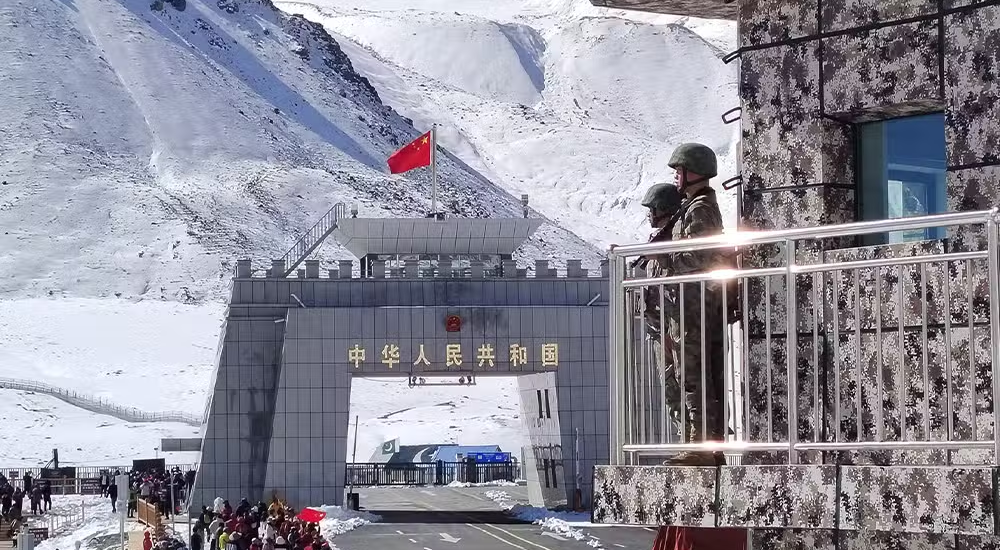
Kyrgyz Shipment Enters Pakistan via China Route, Marking New Regional Trade Shift
Pakistan has received its first commercial shipment from Kyrgyzstan through a newly activated trade corridor that passes via China, marking a significant development in regional logistics and connectivity. The consignment reached the Sost Dry Port in Gilgit-Baltistan, signaling the operational start of an alternative trade route that bypasses Afghanistan.
The shipment entered Pakistan through the Khunjerab Pass, a key gateway on the China-Pakistan border. This route allows goods from Central Asia to travel through China before entering Pakistan, offering a more stable and direct transit option for regional trade.
This development comes at a time when trade flows through traditional land routes have faced disruptions due to strained border conditions with Afghanistan. As a result, businesses have increasingly sought alternative pathways to maintain supply chain continuity and reduce delays.
Under the new corridor, goods originating from Central Asia can now reach Pakistan’s southern markets, including Karachi, without relying on Afghan transit routes. This shift is expected to improve efficiency, reduce transportation risks, and strengthen Pakistan’s role as a regional trade hub.
The use of the Khunjerab Pass corridor highlights the growing importance of infrastructure linking Pakistan with China under broader regional connectivity frameworks. It also opens new opportunities for trade expansion between Central Asian economies and South Asia.
Analysts believe this development could enhance economic integration in the region by providing landlocked Central Asian countries with improved access to seaports. For Pakistan, it represents a strategic opportunity to diversify trade routes and boost transit revenue.
As the route becomes operational, attention will now focus on its long-term viability, customs efficiency, and capacity to handle increased cargo volumes. If successful, it could reshape regional trade dynamics by reducing dependence on traditional transit corridors.
