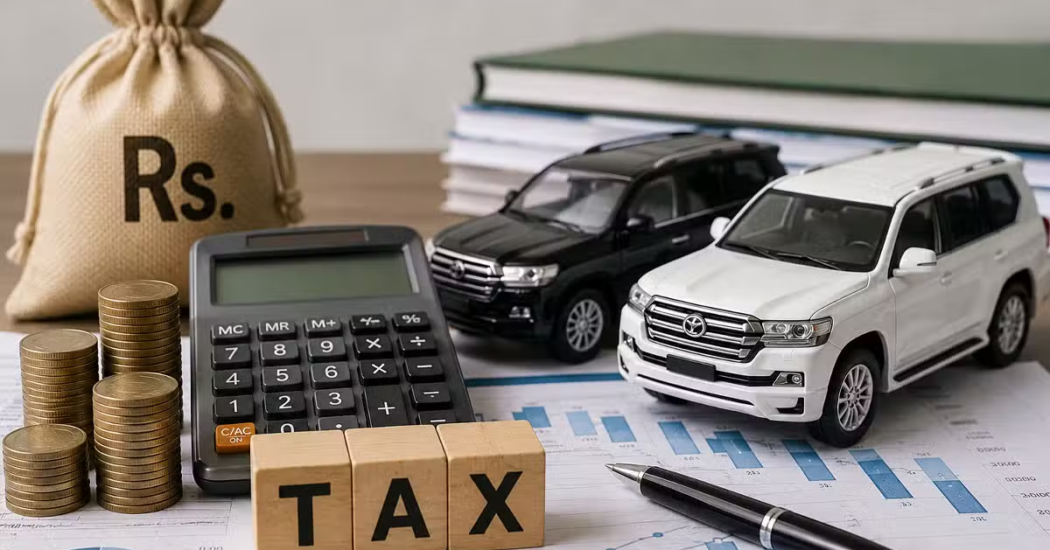
Buying luxury vehicles in Pakistan may soon become more expensive as the federal government has unveiled fresh taxation proposals in the FY2026-27 budget. The proposed measures target imported vehicles, high-engine-capacity SUVs, and premium electric vehicles, signaling a move toward increasing revenue collection from the luxury automotive segment.
According to details shared during the federal budget presentation, the government plans to introduce a federal excise duty (FED) on imported cars and sport utility vehicles (SUVs) with engine capacities ranging from 2000cc to 3000cc. The proposal is expected to raise the overall cost of these vehicles for consumers once implemented.
In addition to the new excise duty, authorities have also suggested increasing the existing duty structure on vehicles powered by engines exceeding 3000cc. This category primarily includes luxury sedans, premium SUVs, and other high-end imported automobiles that cater to affluent buyers.
The proposed taxation changes are part of broader fiscal measures aimed at enhancing government revenues and managing imports. By placing additional taxes on luxury vehicles, policymakers are seeking to generate funds while discouraging excessive spending on imported goods.
The impact of the proposed duties may extend beyond traditional petrol-powered vehicles. Luxury electric vehicles, which have been gaining popularity among consumers looking for environmentally friendly transportation options, could also face higher costs under the new taxation framework.
Industry experts believe that the revised tax structure may influence purchasing decisions, particularly among buyers considering imported luxury vehicles. Dealers and importers are also expected to closely monitor the policy changes, as higher duties could affect demand and market dynamics in the coming months.
Pakistan’s automotive sector has witnessed growing interest in both premium SUVs and electric vehicles over the past few years. However, the proposed budget measures indicate that consumers may need to prepare for higher prices if the tax changes receive final approval and are implemented as planned.
The government maintains that the proposed duties are designed to support fiscal objectives while ensuring that luxury consumption contributes a greater share to national revenue generation. As the budget moves through the approval process, stakeholders across the automotive industry will be watching closely for further developments.
If approved, the new taxes are expected to take effect from the next fiscal period, making luxury petrol vehicles, imported SUVs, and premium EVs significantly more expensive for Pakistani buyers.