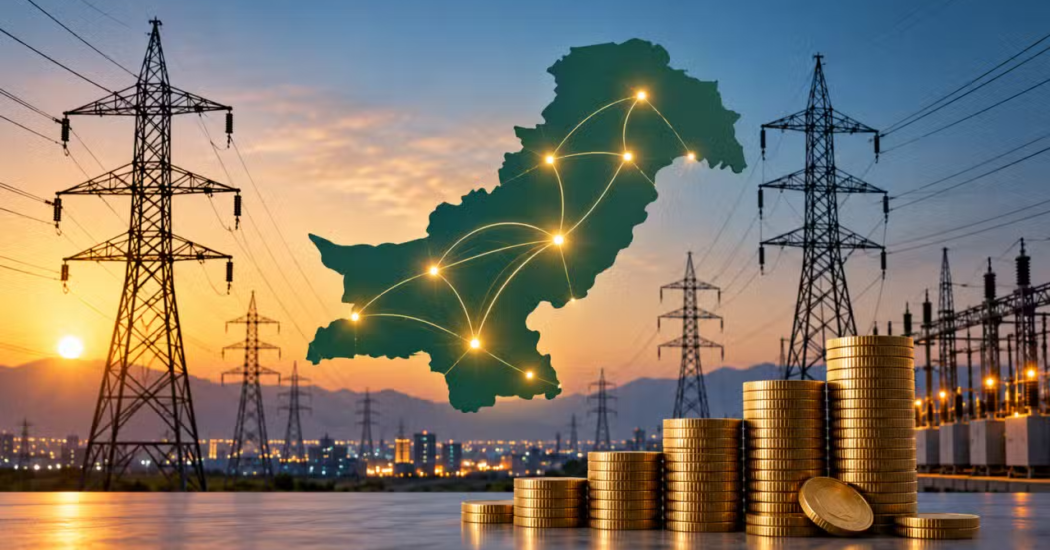
NEPRA Approves $58 Billion Power Expansion Plan Despite Major Concerns
The National Electric Power Regulatory Authority (NEPRA) has approved an 11-year power generation and transmission expansion plan involving an estimated investment of around $58 billion through 2035.
The approval of the Integrated System Plan 2025 comes despite significant reservations raised by all three members of the power regulator, including concerns about the selection of projects and the process followed in preparing the plan.
NEPRA approved the plan through a 45-page decision, making the implementation subject to the regulator’s observations being properly addressed.
The decision highlights the scale of Pakistan’s planned investment in electricity generation and transmission infrastructure over the coming years. The proposed $58 billion program is intended to shape the country’s power system through 2035.
However, the approval was accompanied by substantial disagreement within the regulatory authority. The three NEPRA members recorded more than 12 pages of dissenting or separate advisory notes regarding different aspects of the proposed power expansion strategy.
Among the major concerns raised by the members was the selection of projects included in the plan. Questions were also raised about why certain major projects had been included while others were left out.
The reservations indicate that there were differences within the regulator over the assumptions and priorities used to develop the long-term power generation and transmission roadmap.
Another significant issue highlighted by the members relates to the Council of Common Interests (CCI). They questioned the decision-making process and raised concerns that the national power planning framework had bypassed the constitutional forum responsible for matters including national energy policy and planning.
The Council of Common Interests has an important constitutional role in resolving issues involving shared interests between the federation and provinces. Energy policy and planning can therefore involve broader institutional and provincial considerations.
The objections recorded by NEPRA members could become important as Pakistan moves toward implementing a long-term power investment strategy. Large-scale decisions involving generation and transmission infrastructure can have lasting effects on electricity supply, costs and the overall structure of the power sector.
The $58 billion figure also demonstrates the enormous financial requirements associated with expanding and modernizing Pakistan’s electricity system. Investment decisions over an 11-year period will need to be aligned with expected electricity demand, available generation capacity and transmission requirements.
NEPRA’s decision does not mean that all concerns raised by its members have been disregarded. The approval specifically makes implementation subject to addressing the observations included in the regulatory decision.
This condition could require authorities and relevant power-sector institutions to review aspects of the plan before individual projects move forward.
The debate surrounding the Integrated System Plan 2025 also comes at a time when Pakistan continues to face challenges related to electricity generation, transmission capacity and the financial sustainability of the power sector.
A carefully designed long-term plan can help coordinate investment and reduce the risk of developing generation capacity without sufficient transmission infrastructure. At the same time, project selection and institutional procedures remain critical to ensuring that investments deliver value for consumers and the economy.
The concerns raised by NEPRA members are therefore likely to remain relevant as the government and power-sector institutions work on the next stages of the plan.
With the approval of the Integrated System Plan 2025, Pakistan now has a long-term framework for power generation and transmission investment extending to 2035. The challenge will be to address the regulator’s observations while ensuring that the planned investments are economically justified and implemented through the appropriate constitutional and regulatory processes.
