Oil Prices Surge as Iran Attacks US Military Bases, Analysts Warn Brent Could Cross $100
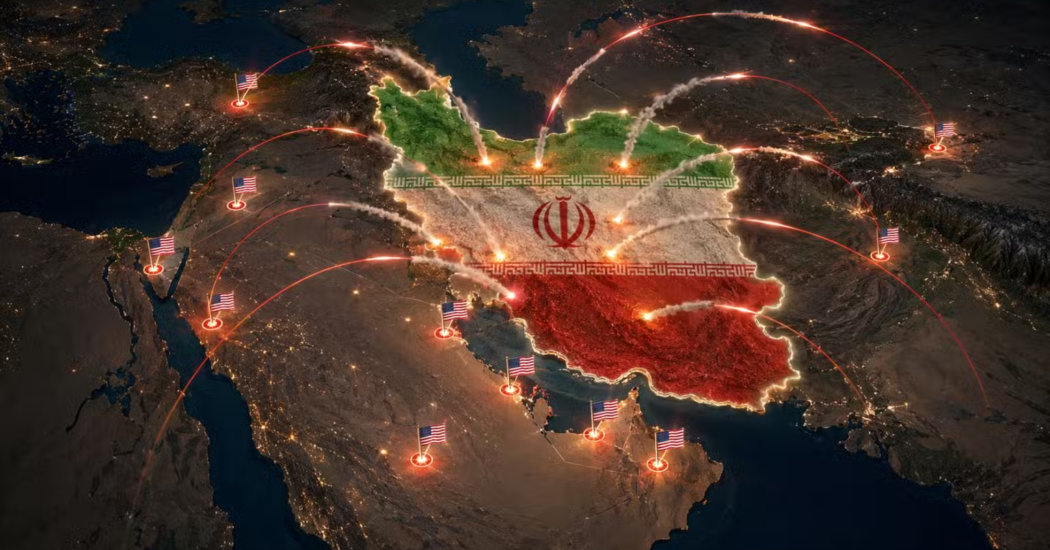
Global oil markets witnessed sharp volatility after Iran launched missile attacks targeting multiple United States military bases across the region, escalating tensions in the Middle East and raising fears of a broader regional conflict. The latest developments have fueled concerns about potential disruptions to global energy supplies, prompting a strong rebound in crude oil prices.
Brent crude climbed close to $90 per barrel following reports of the attacks, recovering significantly after trading below $75 per barrel just a day earlier. Market analysts believe that if hostilities continue to intensify, oil prices could once again rise above the $100 per barrel mark.
The escalation comes after Iran carried out missile strikes in response to reported US bombardment of key Iranian infrastructure. The exchange has heightened geopolitical uncertainty in one of the world’s most strategically important energy-producing regions.
A senior Iranian official warned that Tehran could significantly expand its military response if the United States continues targeting Iranian assets. The statement has increased investor concerns that the conflict could widen, potentially affecting oil production, transportation routes, and regional stability.
Mohsen Rezaee, a senior commander of the Islamic Revolutionary Guard Corps (IRGC) and a member of Iran’s Expediency Discernment Council, said Iran is no longer willing to limit its response to reciprocal actions.
According to Rezaee, if US military operations continue, Iran would shift toward what he described as a broader military offensive. His remarks signal a tougher stance from Tehran amid rapidly escalating tensions.
Financial markets often react strongly to geopolitical developments in the Middle East because the region accounts for a substantial share of the world’s oil production and exports. Any threat to energy infrastructure or major shipping routes, including the Strait of Hormuz, can quickly influence global crude prices.
Energy analysts note that continued military escalation could increase concerns over supply disruptions, leading traders to factor higher geopolitical risk into oil prices. If the conflict expands or affects regional oil exports, international energy markets may experience further volatility.
Higher crude oil prices can have widespread economic consequences, including increased fuel costs, transportation expenses, and inflationary pressures for countries that rely heavily on imported petroleum products. Pakistan, like many energy-importing nations, could face additional pressure on fuel prices and import costs if global oil markets remain elevated.
While oil has already recorded a sharp recovery following the latest developments, future price movements will largely depend on diplomatic efforts, military developments, and the stability of energy infrastructure across the Middle East. Investors and policymakers will continue monitoring the situation closely as global markets respond to the evolving conflict.
