





Exciting Eid-ul-Fitr Holiday 2025: Discover the Festive Holiday Duration in Pakistan

As the holy month of Ramadan draws to a close, the anticipation for Eid-ul-Fitr Holiday, the festival of breaking the fast, reaches its peak. For Pakistanis, this joyous occasion is not only a time for spiritual reflection and family gatherings but also a period of well-deserved respite. A common question arises as Eid approaches: how many holidays can we expect?

Determining the exact number of Eid-ul-Fitr holidays in Pakistan is a matter that blends religious tradition with governmental decisions. Unlike fixed calendar events, Eid’s timing is intrinsically linked to the lunar calendar, specifically the sighting of the Shawwal moon. This celestial dependency introduces a degree of variability, making precise predictions challenging.  

The Lunar Calendar and Moon Sighting:

The Islamic calendar, based on lunar cycles, dictates the start and end of Ramadan. Consequently, Eid-ul-Fitr’s commencement hinges on the sighting of the new moon. This means that the exact date, and therefore the number of holidays, can only be confirmed closer to the time. The Ruet-e-Hilal Committee, a national body responsible for moon sighting, plays a crucial role in this process, announcing the official Eid date after verifying the moon’s appearance.  

Government Declarations and Public Holidays:

While the moon sighting determines the religious date, the Pakistani government officially declares the number of public holidays. Typically, the government announces the holiday dates a few days before the expected Eid, allowing citizens to plan their festivities and travel arrangements.

Historically, Pakistanis can anticipate at least one to three days of official public holidays for Eid-ul-Fitr. The primary day of celebration, Eid Day itself, is always declared a public holiday. Depending on the government’s discretion and the moon sighting, an additional day before or after Eid may also be granted.

Regional Variations and Planning: Eid-ul-Fitr Holiday

It’s worth noting that while the government’s declarations apply nationwide, slight regional variations in holiday observances might occur. Additionally, many individuals choose to extend their Eid holidays by taking additional leave, particularly if they plan to travel to their hometowns or visit extended family.

Planning for Eid festivities, therefore, necessitates a degree of flexibility. While the official holidays provide a baseline, many Pakistanis factor in potential extensions and travel time when making their arrangements.

The Spirit of Eid-ul-Fitr Holiday:

Regardless of the precise number of holidays, the essence of Eid-ul-Fitr remains constant. It’s a time for celebrating with loved ones, sharing meals, exchanging gifts, and expressing gratitude. The holiday period allows for strengthening family bonds, fostering community spirit, and reflecting on the spiritual lessons learned during Ramadan.  

As the Shawwal moon approaches, Pakistanis eagerly await the official announcements, but more importantly, they prepare to embrace the joy and blessings of Eid-ul-Fitr. Whether it’s a short break or an extended holiday, the spirit of celebration and togetherness will undoubtedly prevail.

New Zealand Storm Past South Africa, Set Up Champions Trophy 2025 Final Clash with India

New Zealand booked their place in the ICC Champions Trophy 2025 final with a commanding 50-run victory over South Africa in Lahore. A superb all-round display from Rachin Ravindra and a clinical bowling effort ensured the Black Caps advanced to their second-ever Champions Trophy final, where they will face India.

New Zealand’s Batting Masterclass

After winning the toss and opting to bat first, New Zealand got off to a steady start with Will Young (21) and Rachin Ravindra setting the tone. While Young fell early to Lungi Ngidi, Ravindra took control alongside captain Kane Williamson, stitching together a brilliant 164-run partnership.

Ravindra, continuing his sensational form, smashed 108 off 101 balls, finding the boundary 13 times and clearing it once. Williamson, calm as ever, anchored the innings with a classy 102 off 94 deliveries. Their partnership ensured blackcaps built a strong foundation to accelerate in the final overs.

Daryl Mitchell (49 off 37) and Glenn Phillips (49* off 27) provided the late push, with Phillips, in particular, taking on the Proteas bowlers with aggressive stroke play. The Kiwis finished on a formidable 362/6, putting immense pressure on South Africa’s batting unit.

South Africa’s Chase: A Struggle Against the Clock

Chasing a stiff target of 363, Bavuma and co needed a strong start but lost opener Ryan Rickelton early. Temba Bavuma (56) and Rassie van der Dussen (69) steadied the innings, adding 105 runs for the second wicket. Their partnership gave South Africa hope, but as the required run rate climbed, the middle order faltered.

Aiden Markram (31) fell to a sharp caught-and-bowled effort from Ravindra, and Heinrich Klaasen followed soon after, dismissed for just 3 runs. The turning point came when Mitchell Santner (3/43) dismissed van der Dussen and Klaasen in quick succession, putting Proteas in deep trouble at 167/4.

https://www.youtube.com/watch?v=mNARPo-JVxs&pp=ygUTbnogdnMgc2EgaGlnaGxpZ2h0cw%3D%3D

David Miller was the lone warrior for the Proteas, blasting an unbeaten 100 off just 67 deliveries. He fought till the very end, hammering 10 fours and 4 sixes, but lacked support from the lower order. Marco Jansen, Wiaan Mulder, and Kagiso Rabada perished while trying to accelerate, and despite Miller’s late heroics, Bavuma and men could only reach 312/9 at the end of 50 overs.

New Zealand’s Bowling Discipline Seals the Win

The Kiwi bowlers stuck to their plans, with Santner leading the charge with a crucial three-wicket haul. Matt Henry (2/43) and Glenn Phillips (2/27) played important supporting roles, while Ravindra contributed with both bat and ball, picking up a wicket and holding two key catches.

New Zealand’s disciplined effort ensured they maintained control throughout, never allowing South Africa’s batters to dictate terms. Despite a late onslaught from Miller, the Proteas fell well short of the target, confirming New Zealand’s place in the final.

India vs New Zealand: A Final to Remember

With this victory, Santner and men set up a blockbuster final against India, who defeated Australia in the other semi-final. The two teams have been among the most consistent sides in the tournament, making the title clash a highly anticipated encounter.

Can the blackcaps clinch their first Champions Trophy title, or will India continue their dominance? Cricket fans around the world eagerly await what promises to be an epic showdown!

Also, see:

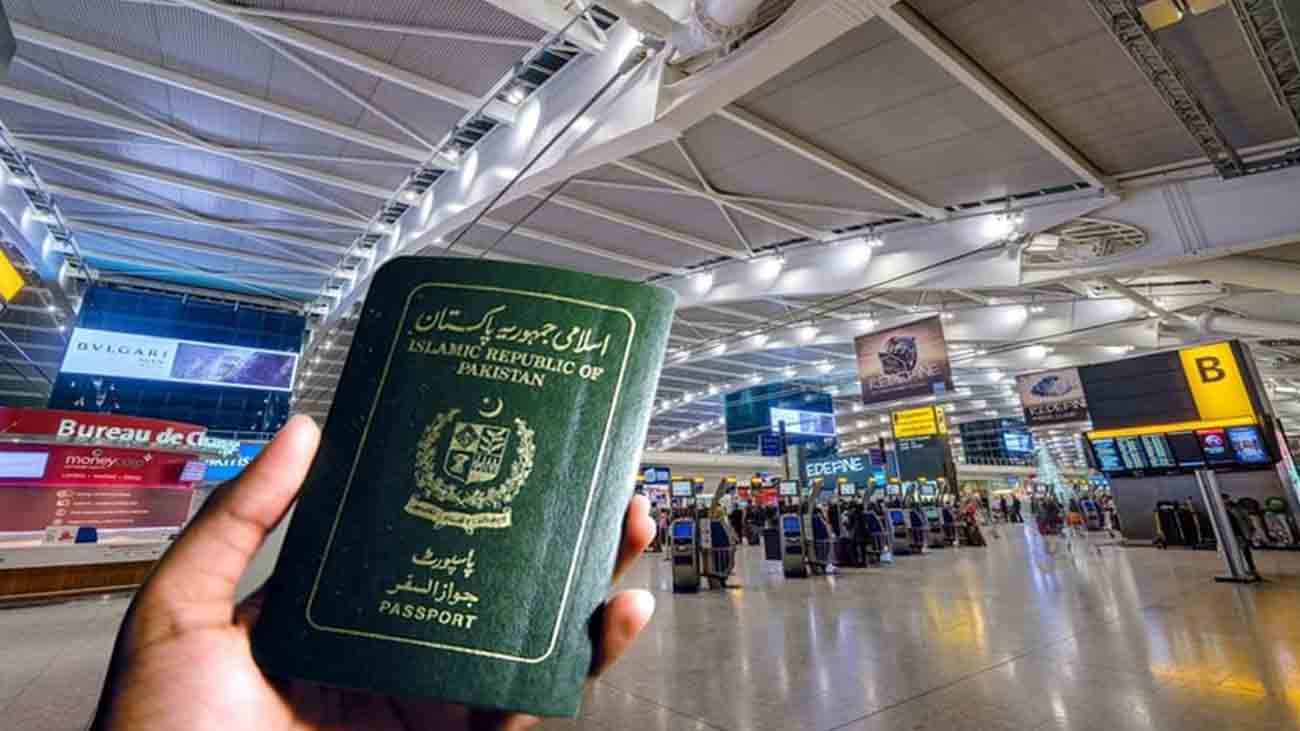
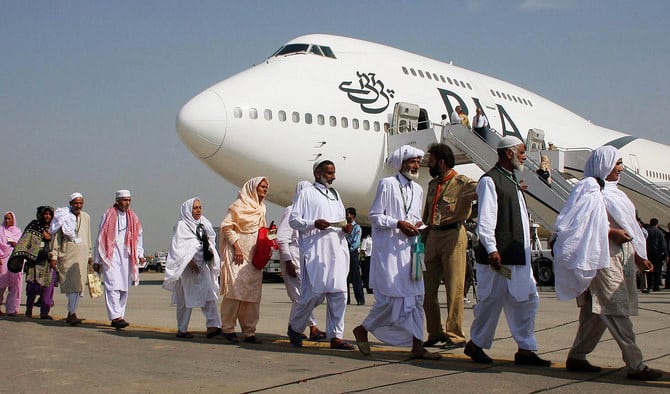
PIA to resume UK flights after 4.5 years

PIA to resume UK flights after 4.5 years

In a significant turnaround, Pakistan International Airlines (PIA) is poised to reclaim its skies over the United Kingdom after a 4.5-year grounding. The national carrier, once marred by controversy, has navigated turbulent times to secure a path back to one of its most critical international routes.

PIA to resume UK flights for the first time since 2020

The suspension of PIA’s European operations in 2020 came after shocking allegations of fraudulent pilot licenses and safety concerns, which not only tarnished the airline’s reputation but also led to a cascade of financial and operational setbacks.

The European Union and the UK swiftly barred PIA flights, while the US Federal Aviation Administration downgraded Pakistan’s safety rating, leaving 150 pilots grounded and countless others facing professional turmoil abroad.

PIA awaits green signal from UK’s Civil Aviation Authority

Now, after years of rigorous reforms and preparations, PIA is on the brink of relaunching its Islamabad-to-Manchester route. The airline has reportedly finalized arrangements with British airports and is awaiting the green light from the UK’s Civil Aviation Authority. A pivotal meeting on March 15 is expected to grant the necessary clearance, marking a new chapter for the beleaguered carrier.

The revival comes at a crucial time for PIA, which saw its market share plummet from 50% to a mere 20% during the suspension. Gulf and UAE-based airlines capitalized on the void, leveraging bilateral agreements to dominate the region’s air traffic. However, PIA’s return to the UK could signal a resurgence, with the airline deploying its Boeing Triple Seven fleet to re-establish its presence.

Deputy Prime Minister and Foreign Minister Mohammad Ishaq Dar had earlier hinted at the resumption, assuring that all efforts were being made to expedite the process. A UK aviation team’s visit to Pakistan in January for a physical inspection further underscored the seriousness of the preparations.

As PIA prepares to reclaim its place in the international aviation arena, the stakes are high. The airline’s comeback is not just about restoring routes but rebuilding trust and reclaiming its legacy as Pakistan’s flag carrier.

Also, see:

PIA Privatization: Political Tensions Rise

Senator Faisal Vawda reveals Rs60bn corruption

In a recent Senate Standing Committee on Maritime Affairs meeting, Chairman Senator Faisal Vawda unveiled a significant corruption scandal involving the alleged misallocation of valuable land at Karachi’s Port Qasim and Karachi Port Trust (KPT). The scandal, which reportedly resulted in a loss of approximately Rs60 billion to the national exchequer, has sparked widespread concern and calls for accountability.

The Allegations

Senator Vawda disclosed that 500 acres of land at Port Qasim, with a government-assessed value of Rs40 million per acre, were allotted at a mere Rs1 million per acre. This undervaluation led to a substantial loss of Rs60 billion. Additionally, a separate allotment of 200 acres was highlighted, further exacerbating the financial detriment to the state.

Similarly, land under the jurisdiction of the KPT, valued at Rs40 billion, was allegedly sold for just Rs5 billion, indicating a massive undervaluation and potential mismanagement of public assets.

Immediate Actions Taken : Senator Faisal Vawda

In response to these revelations, Senator Vawda directed an immediate freeze on all land allotments and acquisitions within Port Qasim and KPT areas. He emphasized the need for transparency and accountability, stating that such deals should not proceed without proper oversight and clearance from relevant authorities.

Reactions from Authorities : Senator Faisal Vawda

The Federal Minister for Maritime Affairs, Qaiser Ahmed Sheikh, along with other officials present at the committee meeting, acknowledged the gravity of the situation. They assured that comprehensive investigations would be conducted to identify those responsible and to prevent such occurrences in the future.

Public Outcry and Media Coverage

The public reaction has been one of outrage and disappointment. Citizens have expressed their frustration over the recurrent misuse of public assets and the lack of stringent oversight mechanisms. Media outlets have extensively covered the scandal, with editorials labeling the situation as “simply unforgivable” and calling for systemic reforms to curb corruption.

Implications for Future Land Allotments

This scandal has prompted a reevaluation of land allotment procedures at major ports. There is a growing demand for the implementation of transparent bidding processes, regular audits, and the establishment of independent oversight bodies to ensure that public assets are managed responsibly and in the nation’s best interest.

Conclusion

The exposure of this Rs60 billion land allotment scandal underscores the pressing need for robust governance and accountability in Pakistan’s public sector. As investigations proceed, it is imperative that corrective measures are implemented to restore public trust and safeguard national resources.

Karachi’s Unseasonal Chill: Below-Average Temperatures and the Dry March 2025 Paradox

Karachi, a city synonymous with sweltering heat and humidity, is experiencing an unusual Temperatures in march. Residents are bundling up as the metropolis records below-average temperatures, a stark contrast to the typically warming climate. This unexpected chill, coupled with persistent dry weather, presents a unique meteorological phenomenon, leaving many wondering about the underlying causes and its potential implications.

A Departure from the Norm:

March in Karachi usually heralds the transition from winter’s mildness to the approaching summer’s intensity. However, this year, the city’s temperature readings have consistently remained lower than the historical average. This deviation from the norm has surprised many, particularly those accustomed to the city’s predictable seasonal patterns.

The Dry Weather Factor:

The below-average temperatures are closely linked to the prevailing dry weather conditions. The absence of moisture in the atmosphere allows for greater radiative cooling, leading to lower nighttime and early morning temperatures. Additionally, the lack of cloud cover, which typically traps heat, contributes to the overall chill.

Possible Meteorological Explanations:

Several meteorological factors could be contributing to this unusual weather pattern:

  • Changes in Wind Patterns: Shifts in prevailing wind patterns, particularly the influx of cooler northerly or northwesterly winds, could be playing a significant role.
  • Influence of Western Disturbances: Although typically affecting northern regions, the influence of western disturbances, which bring cooler air and dry conditions, might be extending further south than usual.
  • Global Climate Variability: The broader context of global climate variability and anomalies cannot be ignored. Changes in large-scale atmospheric circulation patterns could be impacting regional weather patterns.

Impact on Daily Life:

The unseasonal chill has had a noticeable impact on daily life in Karachi:

  • Clothing Adjustments: Residents are opting for warmer clothing, including light jackets and sweaters, a departure from the usual light cotton attire.
  • Health Concerns: The fluctuating temperatures and dry weather could exacerbate respiratory issues and other health problems.
  • Agricultural Impact: The prolonged dry spell could impact agricultural activities in surrounding areas, potentially affecting crop yields.
  • Energy Consumption: With slightly cooler temperatures, energy consumption relating to cooling may be reduced.

Looking Ahead:

While the current weather pattern is unusual, it’s essential to remember that weather is inherently variable. Meteorologists are closely monitoring the situation to determine the duration and potential impacts of this unseasonal chill.

The Bigger Picture:

This event serves as a reminder of the complex and interconnected nature of weather and climate. Even seemingly minor deviations from the norm can have noticeable impacts on daily life. As climate patterns continue to evolve, it’s crucial to remain vigilant and adapt to changing conditions.

IMF’s Fiscal Directive 2025: Pakistan’s Economic Shortfall Validated Now

Pakistan’s economic landscape is once again under the microscope, with the International Monetary Fund (IMF) reportedly urging the nation to address its revenue shortfall in the upcoming quarter. This directive underscores the ongoing challenges Pakistan faces in stabilizing its economy and meeting the stringent conditions of its IMF bailout program.

The Context of the Revenue Shortfall:

Pakistan’s persistent revenue shortfalls have been a major concern for the IMF. These shortfalls hinder the government’s ability to meet its fiscal targets, impacting crucial areas like debt repayment, social spending, and infrastructure development. The IMF’s emphasis on addressing this issue reflects its commitment to ensuring the sustainability of Pakistan’s economic recovery.

IMF’s Demands and Implications:

The IMF’s “wants” are, in essence, demands tied to the continuation of the bailout program. These demands likely include:

  • Increased Tax Collection: The IMF is expected to push for more aggressive tax collection measures, including broadening the tax base and improving tax administration.
  • Reduced Tax Exemptions: The IMF is likely to urge the government to curtail tax exemptions and privileges, which contribute to revenue losses.
  • Expenditure Rationalization: While revenue generation is critical, the IMF may also emphasize the need for prudent expenditure management to avoid excessive spending.
  • Transparency and Accountability: The IMF will likely stress the importance of transparency and accountability in fiscal management to ensure that public funds are used efficiently.

Challenges and Obstacles:

Meeting the IMF’s revenue targets will not be easy for Pakistan. Several challenges stand in the way:

  • Economic Slowdown: An economic slowdown can impact tax collection, as businesses generate less revenue.
  • Political Instability: Political instability can hinder the government’s ability to implement unpopular but necessary fiscal reforms.
  • Tax Evasion: Tax evasion remains a significant problem in Pakistan, and tackling it requires robust enforcement measures.
  • Informal Economy: A large informal economy makes it difficult to bring businesses and individuals into the tax net.

Potential Measures and Strategies:

To address the revenue shortfall, the government may need to consider a range of measures, including:

  • Strengthening Tax Administration: Investing in technology and training to improve tax collection efficiency.
  • Expanding the Tax Base: Bringing more individuals and businesses into the tax net.
  • Improving Tax Compliance: Implementing stricter penalties for tax evasion and non-compliance.
  • Rationalizing Public Spending: Cutting unnecessary expenditures and prioritizing essential services.
  • Promoting Economic Growth: Creating a conducive environment for businesses to thrive and generate more revenue.

The Road Ahead:

The IMF’s directive underscores the urgency of addressing Pakistan’s fiscal challenges. Meeting the revenue targets will require a concerted effort from the government, businesses, and citizens. The government must implement bold reforms, while businesses and citizens must fulfill their tax obligations.

The success of Pakistan’s economic recovery hinges on its ability to achieve fiscal sustainability. The IMF’s scrutiny serves as a reminder that the path to economic stability is fraught with challenges, but with determination and sound policies, Pakistan can overcome these obstacles and build a more prosperous future.

Snowfall Splendor 2025: Winter Tourism Flourishes Now in Murree and Northern Pakistan

An Icy Wonderland Beckons Travelers

The recent snowfall in Pakistan’s northern regions, including the picturesque hill station of Murree, has transformed these areas into a winter paradise, attracting a surge of tourists eager to experience the serene beauty and recreational opportunities offered by the snow-clad landscapes.

Tourist Influx

The snowfall has led to a significant increase in tourist arrivals, with families, adventure enthusiasts, and nature lovers flocking to destinations like:

  • Murree
  • Nathiagali
  • Ayubia
  • Swat Valley
  • Hunza Valley

These areas, blanketed in snow, offer a mesmerizing backdrop for various activities, making them ideal getaways during the winter season.

Popular Activities

Visitors are indulging in a variety of winter activities, including:

  • Snow Trekking: Exploring snow-covered trails and forests.
  • Skiing and Snowboarding: Particularly in areas like Malam Jabba.
  • Snowball Fights and Building Snowmen: Enjoyed by families and children.
  • Photography: Capturing the breathtaking snowy vistas.

Economic Impact

The tourism boom has provided a substantial boost to the local economy:

  • Hospitality Sector: Hotels and guesthouses are experiencing high occupancy rates.
  • Local Businesses: Increased sales for restaurants, cafes, and souvenir shops.
  • Employment Opportunities: Temporary jobs for locals as guides, drivers, and support staff.

Infrastructure and Safety Measures

Local authorities have implemented several measures to ensure a safe and enjoyable experience for tourists:

  • Road Maintenance: Regular clearing of snow from main roads to ensure accessibility.
  • Emergency Services: Establishment of rescue centers and deployment of emergency response teams.
  • Guidelines for Tourists: Advisories issued regarding safe travel practices and weather updates.

Traveler Tips

For those planning a visit to the snowy regions:

  • Clothing: Wear appropriate winter attire, including thermal layers, waterproof boots, and gloves.
  • Vehicle Preparation: Ensure vehicles are equipped with snow chains and are in good condition.
  • Accommodation: Book lodgings in advance due to high demand.
  • Stay Informed: Keep updated with weather forecasts and follow local authority advisories.

Conclusion

The enchanting snowfall in Murree and northern Pakistan has not only beautified the region but also revitalized tourism, offering a perfect blend of adventure and tranquility for visitors. As the winter season continues, these snow-laden destinations remain a top choice for those seeking a magical escape into nature’s icy embrace.

PCB’s Ramadan Gift: Free Iftar for Fans at Champions Trophy Semi-Final 2025

In a commendable move to honor the spirit of Ramadan and enhance the spectator experience, the Pakistan Cricket Board (PCB) has announced that it will provide free Iftar to fans attending the ICC Champions Trophy 2025 semi-final at Lahore’s Gaddafi Stadium. This initiative underscores PCB’s commitment to accommodating the religious practices of its supporters while promoting a festive atmosphere during the tournament.

Event Details

  • Match: ICC Champions Trophy 2025 Semi-Final
  • Teams: New Zealand vs. South Africa
  • Date: Wednesday, March 5, 2025
  • Venue: Gaddafi Stadium, Lahore

Iftar Arrangements

Spectators with valid match tickets will receive complimentary Iftar boxes containing:

  • Dates
  • Juice
  • Mini pizza

These thoughtfully curated boxes aim to provide a nutritious and satisfying meal to fans observing the fast, ensuring they don’t miss any on-field action during Iftar time.

Fan Reactions

The announcement has been met with widespread appreciation from cricket enthusiasts and the general public alike. Many fans have taken to social media to express their gratitude towards PCB for acknowledging the significance of Ramadan and making appropriate arrangements. Such gestures not only enhance the match-day experience but also strengthen the bond between the board and its supporters.

Logistical Considerations

To ensure a seamless distribution process, PCB has collaborated with local vendors and volunteers. Designated distribution points will be set up around the stadium to facilitate orderly collection of Iftar boxes. Fans are advised to arrive early and follow the guidelines provided by the organizers to maintain decorum and ensure everyone’s safety.

Promoting Inclusivity in Sports

This initiative by PCB reflects a broader trend of sports organizations worldwide striving to accommodate the diverse cultural and religious backgrounds of their audiences. By aligning match-day experiences with the cultural and religious practices of fans, sports bodies can foster inclusivity and enhance community engagement.

Conclusion

The PCB’s decision to offer free Iftar during the Champions Trophy semi-final is a thoughtful gesture that resonates with the values of Ramadan and showcases the board’s dedication to its fans. As cricket continues to unite people across different backgrounds, such initiatives play a pivotal role in enriching the cultural fabric of the sport.

When Will Eid-ul-Fitr 2025 Be Celebrated in Pakistan?

Pakistan is likely to observe Eid-ul-Fitr 2025 on Monday, March 31, as the Shawwal moon is expected to be sighted on the evening of Sunday, March 30, according to forecasts by the Ruet-e-Hilal Research Council.

Khalid Ijaz Mufti, the council’s Secretary General, explained that astronomical calculations indicate favorable conditions for moon sighting. “The new moon will be born on March 29 at 3:58 PM Pakistan time, and by sunset on March 30, it will be over 26 hours old—making it clearly visible,” he said.

For the Shawwal crescent to be sighted, it must be at least 18 hours old at sunset, with a minimum 40-minute gap between sunset and moonset. Mufti confirmed that these conditions will be met in multiple regions across the country, increasing the likelihood of a confirmed moon sighting.

Official Announcement on Eid-ul-Fitr in Pakistan Awaits Ruet-e-Hilal Committee’s Decision

While the Ruet-e-Hilal Research Council provides scientific projections, the final decision rests with the Central Ruet-e-Hilal Committee, led by Maulana Abdul Khabir Azad. The committee will convene on March 30 to verify moon sightings across Pakistan before officially announcing the date for Eid.

Eid-ul-Fitr, one of the most anticipated Islamic celebrations, marks the end of Ramadan and is observed with congregational prayers, festive gatherings, and traditional feasts. The announcement of Eid is eagerly awaited as it signals a time of joy, family reunions, and communal celebrations across the country.

If the committee confirms the sighting on March 30, Pakistanis will begin their Eid celebrations the following day, bringing an end to a month of fasting and spiritual devotion.

Also, see:

Ramadan 2025: The Longest and Shortest Fasting Hours by Country

Islamic countries set to meet in Jeddah for an emergency session on crisis in Palestine

In response to the escalating crisis in Palestine, foreign ministers from the Organisation of Islamic Cooperation (OIC) will convene in Jeddah on March 7 for an emergency session. The meeting aims to address Israel’s continued military aggression and the deteriorating humanitarian conditions in the occupied territories.

Pakistan’s Deputy Prime Minister and Foreign Minister Ishaq Dar will participate in the Extraordinary Session of the OIC Council of Foreign Ministers (CFM), reaffirming Pakistan’s strong stance on the Palestinian cause. The Pakistan Foreign Office emphasized that Islamabad remains committed to advocating for Palestinian rights on global platforms.

“The session will focus on collective measures to counter Israeli aggression, violations of Palestinian rights, and any efforts to displace Palestinians from their homeland,” the Foreign Office stated.

During the meeting, Pakistan will reiterate its call for Israel’s complete withdrawal from all occupied Palestinian territories, including East Jerusalem. Foreign Minister Dar is also expected to strongly reject any proposals for forced displacement of Palestinians and emphasize the urgent need for a sovereign Palestinian state based on pre-1967 borders, with Al-Quds Al-Sharif as its capital.

Regional Diplomacy and Global Reactions

Beyond the OIC discussions, diplomatic efforts are intensifying across the region. Arab leaders are set to gather in Cairo to deliberate over a controversial plan proposed by former U.S. President Donald Trump, which suggests placing Gaza under external control while displacing its Palestinian population. The plan has drawn widespread criticism, with many Arab and Muslim-majority nations firmly opposing any forced relocation of Palestinians.

The Arab League summit on regional reconstruction coincides with Israeli Prime Minister Binyamin Netanyahu’s renewed backing of Trump’s proposal, describing it as “visionary.” However, Palestinian leaders, the broader Arab world, and even some Western allies have rejected the idea outright, calling it a violation of Palestinian sovereignty.

On the sidelines of the OIC summit, Foreign Minister Dar is expected to hold key bilateral meetings with his counterparts from leading Islamic nations, further strengthening Pakistan’s diplomatic engagements on the issue.

As the humanitarian situation in Palestine continues to deteriorate, the upcoming OIC meeting is seen as a crucial opportunity for Islamic nations to present a unified stance against Israeli aggression and advocate for immediate international intervention.

Also, see:

What should be an ideal diet for a cricketer?

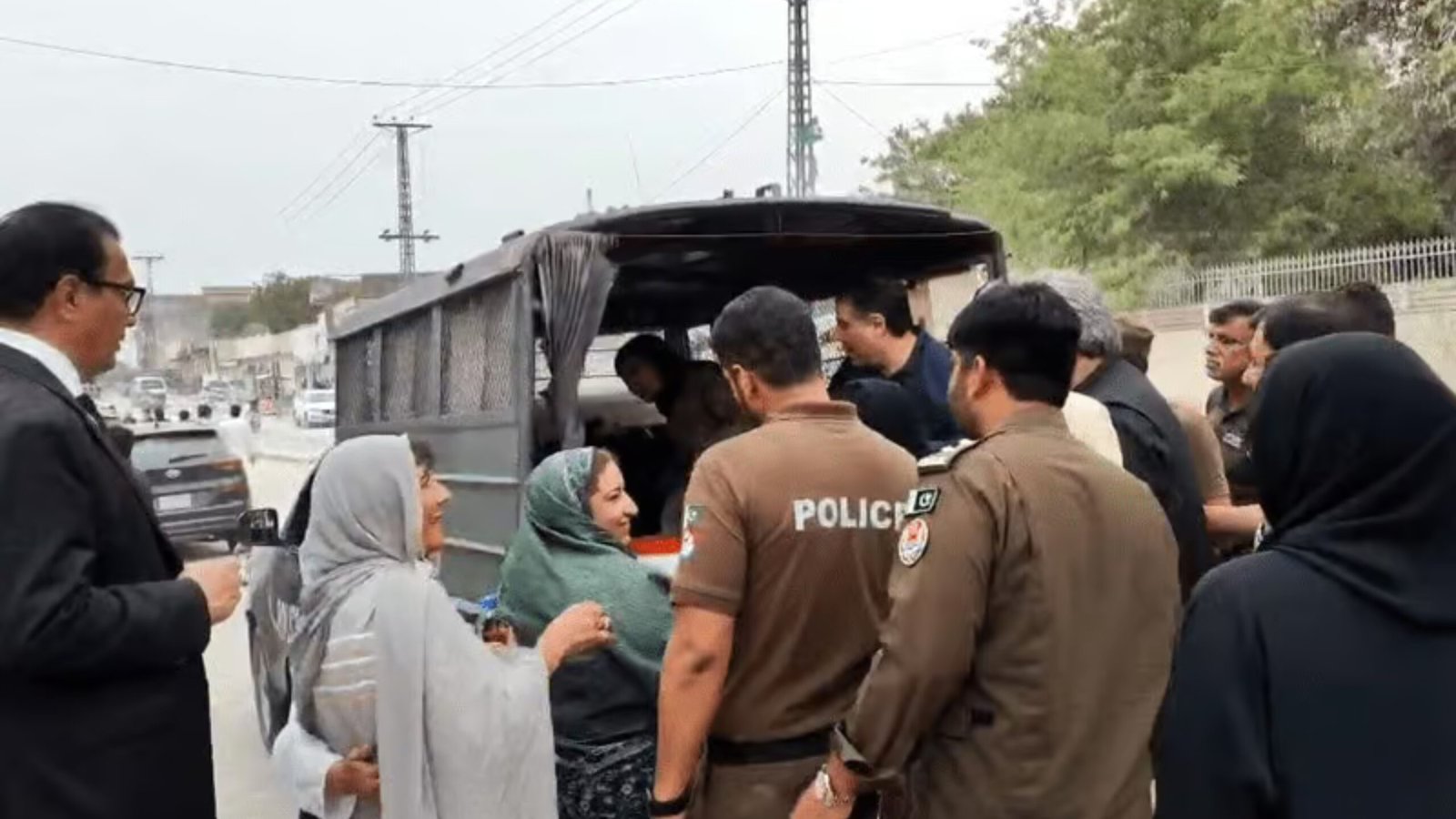
Striking a Ignite Against Exploitation: Govt. Imposes Travel Ban on 52,000 to Curb Human Smuggling

In a decisive move to combat the insidious trade of human smuggling, the government has imposed a travel ban on over 52,000 individuals suspected of involvement in these illicit activities. This sweeping measure underscores the seriousness with which authorities are addressing the issue, aiming to dismantle criminal networks and protect vulnerable individuals from exploitation.

The Scourge of Human Smuggling:

Human smuggling, a multi-billion dollar global industry, preys on the desperation of individuals seeking a better life. These criminal networks lure vulnerable people with false promises, often subjecting them to dangerous journeys, exploitation, and even death. The devastating consequences of this trade demand a robust and multifaceted response.  

The Government’s Decisive Action:

The imposition of a travel ban on 52,000 individuals represents a significant escalation in the government’s efforts to curb human smuggling. This measure demonstrates a commitment to:

  • Disrupting Criminal Networks: By restricting the movement of suspected smugglers, the government aims to disrupt their operations and dismantle their networks.
  • Protecting Vulnerable Individuals: The ban serves as a deterrent, preventing these individuals from facilitating the exploitation of others.
  • Strengthening Border Security: The measure enhances border security by preventing suspected smugglers from leaving the country and facilitating illegal crossings.
  • Sending a Strong Message: The government’s action sends a clear message that human smuggling will not be tolerated and that those involved will face severe consequences.

The Scope and Implementation:

The travel ban is likely based on intelligence gathered through various sources, including law enforcement agencies, border control, and international cooperation. The implementation of such a large-scale ban requires a coordinated effort across multiple government departments, including immigration, law enforcement, and intelligence agencies.

Challenges and Considerations:

While the travel ban is a crucial step, it is essential to acknowledge the challenges involved in combating human smuggling. These include:

  • Identifying and Prosecuting Smugglers: Gathering evidence and prosecuting smugglers can be complex, requiring international cooperation and specialized expertise.  
  • Addressing Root Causes: Addressing the root causes of human smuggling, such as poverty, conflict, and lack of opportunity, is essential for long-term solutions.
  • Protecting the Rights of Migrants: It is crucial to ensure that measures taken to combat human smuggling do not violate the rights of migrants and asylum seekers.
  • International Cooperation: Human smuggling is a transnational crime, requiring close collaboration with international partners to effectively address the issue.  

A Multifaceted Approach:

The travel ban is one component of a broader strategy to combat human smuggling. This strategy must also include:

  • Strengthening Law Enforcement: Investing in law enforcement agencies to enhance their capacity to investigate and prosecute smuggling cases.
  • Raising Awareness: Educating vulnerable communities about the dangers of human smuggling and the risks involved in illegal migration.  
  • Providing Alternatives: Creating legal pathways for migration and providing economic opportunities in source countries.
  • Victim Support: Providing support and assistance to victims of human smuggling.

A Step Towards Justice:

The government’s imposition of a travel ban on 52,000 individuals is a significant step towards combating human smuggling and protecting vulnerable individuals. It is a reminder that the fight against exploitation requires unwavering commitment and a comprehensive approach. By continuing to work together, governments, law enforcement agencies, and civil society can dismantle these criminal networks and create a world where human dignity is respected. Sources and related content

Powering Punjab’s Future: Laptop Scheme 2025 Ignites Student Potential

The Punjab government has once again ignited a spark of hope and opportunity, announcing the revival of its highly anticipated laptop scheme for students. This initiative, designed to bridge the digital divide and empower the youth, promises to equip deserving students with the tools they need to excel in the modern educational landscape.

A Digital Bridge to Opportunity:

In an era where digital literacy is paramount, access to technology is no longer a luxury but a necessity. The Punjab government’s laptop scheme recognizes this crucial reality, aiming to provide students with the means to navigate the digital world and unlock their full potential. By placing laptops in the hands of bright minds, the government is effectively building a digital bridge to a future filled with possibilities.

Empowering the Next Generation:

This scheme is more than just a distribution of hardware; it’s an investment in the future of Punjab. Students equipped with laptops gain access to a wealth of online resources, educational platforms, and research tools. This empowers them to:

  • Enhance Learning: Access digital textbooks, online lectures, and interactive learning materials, enriching their educational experience.
  • Conduct Research: Explore vast databases, academic journals, and research papers, fostering critical thinking and analytical skills.
  • Develop Digital Skills: Gain proficiency in computer software, internet navigation, and digital communication, preparing them for the demands of the modern workforce.
  • Connect and Collaborate: Engage with peers, educators, and experts through online platforms, fostering collaboration and knowledge sharing.

Eligibility and Implementation:

While specific details of the scheme are still being finalized, the government has emphasized its commitment to ensuring transparency and fairness in the selection process. Eligibility criteria are expected to prioritize students from underprivileged backgrounds and those demonstrating exceptional academic performance. The scheme’s successful implementation will hinge on efficient distribution, robust support systems, and ongoing maintenance.

Beyond the Laptop:

The laptop scheme is not merely a standalone initiative; it’s a vital component of a broader strategy to transform Punjab’s education system. By integrating technology into classrooms and empowering students with digital tools, the government is laying the foundation for a more dynamic and innovative learning environment. This initiative also helps promote equality, by giving equal tools to students who otherwise would not have access to them.

Addressing the Digital Divide:

The digital divide, the gap between those with access to technology and those without, remains a significant challenge in many parts of the world. The Punjab government’s laptop scheme is a commendable effort to address this disparity and ensure that all students have equal opportunities to succeed. This initiative demonstrates a commitment to inclusive growth and the empowerment of marginalized communities.

A Vision for the Future:

The Punjab government’s laptop scheme is a testament to its vision for a future where technology empowers every student to achieve their dreams. By investing in the digital literacy of its youth, Punjab is investing in its own future, creating a generation of digitally savvy individuals who will drive innovation and progress. This scheme is a powerful reminder that education is the key to unlocking human potential, and technology is the key to unlocking the doors of opportunity.

Beekeepers Diversity: Empower Nectar Sources Now in Pakistan

In the face of evolving environmental challenges and the need for sustainable apiculture practices, Pakistani beekeepers are increasingly diversifying their pursuit of floral sources. This strategic shift aims to enhance honey production, ensure bee health, and bolster the livelihoods dependent on this vital agricultural sector.

Traditional Beekeeping Practices in Pakistan

Historically, Pakistani beekeepers have relied on specific floral sources native to their regions. The country’s diverse flora, ranging from the mountainous north to the plains and deserts, has provided ample foraging opportunities for bee species such as Apis mellifera and Apis cerana.

Challenges Prompting Diversification

Several factors have necessitated a broader approach to nectar sourcing:

  • Monofloral Dependency: Reliance on single floral sources can lead to overexploitation and reduced nectar availability over time.
  • Climate Change: Shifts in climate patterns have altered blooming seasons, affecting the consistency of traditional nectar sources.
  • Agricultural Practices: Changes in land use and crop patterns have impacted the availability of certain flowering plants.

Strategies for Diversification

To mitigate these challenges, beekeepers are adopting several innovative practices:

  • Exploring New Floral Sources: Beekeepers are identifying and utilizing alternative nectar-rich plants to reduce dependency on traditional sources.
  • Migratory Beekeeping: Some are adopting migratory practices, moving hives to different regions to capitalize on various blooming periods.
  • **Cultivating Bee-Friendly

Historically, Pakistani beekeepers have relied on specific floral sources native to their regions. The country’s diverse flora, ranging from the mountainous north to the plains and deserts, has provided ample foraging opportunities for bee species such as Apis mellifera and Apis cerana.

Early Ramadan Weather Forecast: What Karachi Residents Can Expect Now In March 2025

As Ramadan approaches, Karachiites are keen to know what Ramadan Weather conditions to anticipate during the holy month. Meteorological forecasts suggest that residents can expect relatively pleasant weather in the early days of Ramadan, with a gradual increase in temperature as the month progresses.

Early Ramadan Weather Conditions

  • Temperatures: During the initial phase of Ramadan, Karachi is expected to experience mild daytime temperatures, providing comfort to those observing fasts. Chief Meteorologist Sardar Sarfraz of the Pakistan Meteorological Department (PMD) anticipates that while days may be warm, nights will remain comfortable, aided by the city’s characteristic sea breezes.
  • Humidity Levels: Humidity is expected to remain moderate, contributing to the overall pleasant weather conditions.

Mid to Late Ramadan Weather Outlook

  • Temperature Rise: As Ramadan progresses, a gradual increase in temperature is anticipated, especially during the last ten days. Residents should prepare for warmer days during this period.
  • Sea Breezes: Despite the rise in temperature, the presence of sea breezes is expected to maintain relatively cooler nights, offering some respite from the daytime heat.

General Weather Patterns

  • Westerly Wave Influence: The PMD has noted the approach of a westerly wave expected to reach the western and upper regions of the country. This system may influence Karachi’s weather patterns, potentially bringing cooler temperatures or light precipitation during its passage.

Recommendations for Residents

  • Stay Informed: Regularly check weather updates from reliable sources to stay informed about any sudden changes.
  • Hydration: Ensure adequate hydration during non-fasting hours to prepare for the warmer days ahead.
  • Clothing: Opt for light, breathable clothing to stay comfortable during the warmer periods.

Conclusion

Karachi residents can look forward to relatively pleasant weather during the early days of Ramadan, with a gradual warming trend expected as the month progresses. Staying informed and taking necessary precautions will help ensure a comfortable and fulfilling observance of the holy month.

Pakistan’s Economic Transparency: Government Shares Key Data with IMF Mission

In a significant move towards economic transparency and stability, Pakistan’s government has recently shared critical economic data with the International Monetary Fund (IMF) mission. This initiative underscores the nation’s commitment to adhering to the benchmarks set under the Extended Fund Facility (EFF) and reflects its dedication to economic reform and fiscal responsibility.

Background of the IMF Extended Fund Facility

In the summer of 2024, Pakistan secured a $7 billion EFF from the IMF to address its burgeoning economic transparency challenges. This program aims to stabilize the country’s economy, enhance fiscal discipline, and promote sustainable growth. The EFF serves as a lifeline, providing the necessary support to implement structural reforms and improve macroeconomic indicators.

Current Economic Indicators

  • Inflation Rate: As of February 2025, Pakistan’s annual inflation rate has impressively declined to 1.5%, marking the lowest in nearly a decade. This is a substantial decrease from the 23.1% recorded in February 2024. The monthly consumer price index also saw a reduction of 0.8% during this period.
  • Economic Growth: The IMF’s World Economic Outlook Update projects Pakistan’s real GDP growth at 3.0% for 2025, indicating a positive trajectory in economic performance.

Commencement of IMF Review Talks

On March 4, 2025, an IMF delegation commenced talks in Islamabad with Pakistani authorities for the first economic review of the EFF. Finance Minister Muhammad Aurangzeb expressed optimism, stating that Pakistan is “well positioned” for this review. The discussions are structured in two phases: technical and policy-level talks.

Government’s Commitment to Economic Reforms

The Pakistani government has demonstrated a strong commitment to meeting the IMF’s criteria by implementing necessary fiscal and monetary policies. These reforms are designed to enhance revenue generation, reduce fiscal deficits, and promote economic stability. The sharing of critical economic data with the IMF mission exemplifies the government’s dedication to transparency and accountability.

Public Sentiment and Economic Outlook

The positive trends in inflation and GDP growth have fostered a sense of cautious optimism among the public and investors. The reduction in inflation has alleviated some of the cost-of-living pressures on citizens, while the projected GDP growth signals potential improvements in employment and income levels.

Conclusion

Pakistan’s proactive approach in collaborating with the IMF and sharing essential economic data reflects its resolve to achieve economic transparency stability and growth. As the IMF review progresses, the outcomes will likely influence the nation’s economic policies and its path towards sustainable development.

Sadapay: Your All-in-One Guide to Pakistan’s Digital Wallet Revolution

Pakistan’s digital finance scene is booming, fueled by a tech-savvy population and a surge in user-friendly payment platforms. Among these game-changers, Sadapay stands out as a leader, offering a seamless and convenient way to manage your money. This comprehensive guide dives into everything you need to know about Sadapay – what it is, how it works, and how to unlock its full potential!

What is Sadapay?

Sadapay is more than just a digital wallet; it’s a financial revolution in your pocket. Launched with the vision of simplifying finance for all Pakistanis, Sadapay empowers you to conduct a wide range of transactions – from paying bills to sending money – all from the comfort of your smartphone.

Getting Started with Sadapay

Downloading Sadapay is a breeze, designed for accessibility across Pakistan. Here’s your quick guide:

  1. App Store or Google Play: Find Sadapay on your smartphone’s app store, whether you’re an iOS or Android user.
  2. Search for “Sadapay”: Simply type “Sadapay” in the search bar, and the app will appear.
  3. Download the App: Tap “Install” to download Sadapay.
  4. Sign Up: Follow the on-screen instructions to create your account. You’ll need some basic details and verification to complete the process.
  5. Set Up Your Account: Link your bank account and add funds to your wallet to unlock Sadapay’s features.

How Does Sadapay Work?

Think of Sadapay as your secure digital wallet. Here’s how it simplifies your finances:

  1. Effortless Loading: Top up your Sadapay wallet by transferring funds from your bank account via bank transfer or linking a debit/credit card.
  2. Pay with Ease: Use Sadapay at a wide range of online and offline merchants – from online shopping to restaurants and utility bills, Sadapay is your convenient payment solution.
  3. Send & Receive Money: Transfer money instantly to friends, family, or anyone with a Sadapay account. Split bills, repay loans, or send money to loved ones – all with a few taps.
  4. Bill Payments Made Simple: Ditch the queues! Sadapay lets you pay utility bills, top up your mobile, settle internet bills, and more – all directly within the app.
  5. Cash When Needed: Need cash? Withdraw money from your Sadapay wallet at participating ATMs across Pakistan.
  6. Security First: Sadapay prioritizes your financial safety. The app uses robust encryption and multi-factor authentication to secure your transactions and prevent unauthorized access.

Why Choose Sadapay?

Here’s why Sadapay should be your go-to financial app:

  • Convenience: Manage your finances anytime, anywhere, directly from your smartphone.
  • Accessibility: The user-friendly interface and widespread availability make Sadapay perfect for everyone, even those in remote areas.
  • Cost-Effective: Eliminate the need for cash and reliance on traditional banking, saving you time and money.
  • Financial Inclusion: Sadapay empowers the unbanked and underbanked by bringing them into the formal financial system.
  • Innovation: Sadapay constantly introduces new features like instant transfers and real-time tracking, ensuring a superior user experience.

Embrace the Financial Future with Sadapay

Sadapay represents a transformative shift in Pakistan’s financial landscape. It offers a modern, efficient, and secure way to manage your money. Whether you’re a tech-savvy professional, a business owner, or simply someone seeking a hassle-free payment solution, Sadapay has something for everyone. Download the app, understand its features, and unlock a world of financial empowerment in the digital age. Welcome to the future of finance – welcome to Sadapay!

Nayapay: Pakistan’s Revolutionary Payment App

Financial Freedom at Your Fingertips: Exploring Nayapay

Pakistan’s digital landscape is booming, and financial technology (fintech) is at the forefront of this revolution. Among the groundbreaking developments, Nayapay stands out as a game-changer, simplifying and securing financial transactions for millions. This guide dives into Nayapay, exploring its features, functionalities, and how you can leverage it for seamless financial management.

What is Nayapay?

Nayapay is a digital payment platform that empowers you to send and receive money instantly, conveniently, and securely. Designed to revolutionize financial transactions in Pakistan, Nayapay offers a variety of services, from peer-to-peer transfers to bill payments and merchant transactions.

Inclusivity for All

Nayapay prioritizes inclusivity and accessibility. Regardless of your background or location, Nayapay welcomes you to experience the ease of digital finance.

User-Friendly Mobile App

Nayapay operates through a user-friendly mobile app available on both iOS and Android devices. Downloading the app is the first step to financial freedom. Simply create an account using your name, email address, and phone number. Link your bank account or debit card for effortless transactions.

Security First

Nayapay prioritizes your security. State-of-the-art encryption safeguards your personal and financial information. Every transaction is conducted with the utmost confidentiality and integrity. Multi-factor authentication adds an extra layer of protection against unauthorized access.

Sending & Receiving Money Made Easy

Forget cash or physical cards! Sending and receiving money is a breeze with Nayapay. Simply enter the recipient’s phone number (or select them from your contact list), specify the amount, and complete the transaction with a few taps. Splitting bills, paying for groceries, or settling utilities is now easier than ever.

More Than Just Transfers

Nayapay offers a range of value-added services to enhance your experience. Pay bills instantly, top up your mobile phone, or purchase digital vouchers for popular retailers and online platforms. Manage your finances on the go, anytime, anywhere!

Key Features of Nayapay:

  • Real-Time Transactions: Send and receive funds instantly without delays.
  • Effortless Bill Payments: Settle electricity, gas, internet, and mobile bills in seconds.
  • Seamless Merchant Transactions: Pay at partner stores and online retailers using Nayapay, ditching cash and cards.
  • Complete Transaction History: Track your financial activities with a detailed record within the app.
  • Robust Security: Nayapay prioritizes user safety with advanced encryption and authentication protocols.

Download Nayapay in Minutes

Getting started with Nayapay is quick and easy:

  1. Visit the Google Play Store or Apple App Store on your mobile device.
  2. Search for “Nayapay” in the search bar.
  3. Locate the Nayapay app and tap on it.
  4. Click “Install” to download the app.
  5. Once installed, open the app and create your account following the on-screen instructions.
  6. Link your bank account or debit card to start sending and receiving money.

The Future of Payments is Here

In today’s digital world, convenience and efficiency reign supreme. Nayapay emerges as a beacon of innovation, redefining financial transactions in Pakistan. Its user-friendly interface, robust security measures, and diverse services empower you to manage your finances seamlessly and securely. As Pakistan embraces digital transformation, Nayapay is poised to play a pivotal role in shaping financial inclusion and empowerment for all. Don’t wait! Join the Nayapay revolution today and experience the future of payments firsthand!

A Comprehensive Guide to Trading Stocks in the Pakistan Stock Exchange (PSX)

In the world of investing, the Pakistan Stock Exchange (PSX) holds a significant place for those interested in the Pakistani stock market. With its rich history and diverse range of stocks, the PSX provides ample opportunities for traders to capitalize on various sectors and industries. However, like any stock exchange, navigating the PSX requires knowledge, strategy, and a solid understanding of how the market operates. In this comprehensive guide, we’ll delve into everything you need to know about trading stocks in the PSX, from the best stocks to invest in, how much to invest, the least amount required, to where to learn and much more.

Understanding the Pakistan Stock Exchange (PSX)

Before diving into trading, it’s essential to grasp the fundamentals of the Pakistan Stock Exchange. Established in 1947, the PSX is one of the oldest stock exchanges in South Asia, serving as a primary platform for trading equities. It plays a crucial role in the Pakistani economy by facilitating the flow of capital between investors and companies.

Market Segments in PSX

The PSX is divided into several segments, including:

  1. Main Board: Comprising blue-chip companies with large market capitalization.
  2. Second Board: Featuring mid-sized companies.
  3. Growth Enterprise Market (GEM): Catering to small and growing companies.
  4. Debt Market: Trading debt securities such as government bonds and corporate debentures.

Understanding these segments helps investors identify suitable investment opportunities based on their risk tolerance and investment objectives.

Getting Started with Stock Trading in PSX

1. Education and Research

Before making any investments, it’s crucial to educate yourself about the stock market and conduct thorough research. Resources such as books, online courses, and financial websites can provide valuable insights into stock trading strategies, fundamental analysis, and technical analysis.

2. Opening a Brokerage Account

To trade stocks in the PSX, you’ll need to open a brokerage account with a licensed brokerage firm. Ensure the brokerage firm is reputable, offers competitive commission rates, and provides robust trading platforms that meet your needs.

3. Determining Investment Amount

When determining how much to invest in the PSX, consider your financial goals, risk tolerance, and investment horizon. It’s advisable to only invest money that you can afford to lose and to diversify your investment portfolio to mitigate risk.

4. Choosing the Right Stocks

Selecting the right stocks is essential for successful trading in the PSX. Conduct thorough fundamental and technical analysis to identify undervalued stocks with strong growth potential. Consider factors such as the company’s financial health, industry trends, and macroeconomic conditions.

5. Developing a Trading Strategy

Developing a trading strategy is crucial for achieving consistent returns in the PSX. Whether you prefer long-term investing or short-term trading, having a well-defined strategy helps you make informed decisions and manage risk effectively.

Best Stocks to Invest in PSX

1. Blue-Chip Stocks

Blue-chip stocks are shares of large, well-established companies with a proven track record of stable earnings and dividends. Investing in blue-chip stocks in sectors such as banking, energy, and consumer goods can provide investors with steady returns and lower risk exposure.

2. Growth Stocks

Growth stocks are shares of companies that are expected to grow at an above-average rate compared to other companies in the market. These companies typically reinvest their earnings into expanding operations and developing new products or services. Investing in growth stocks can be rewarding but carries higher risk due to potential volatility.

3. Dividend-Paying Stocks

Dividend-paying stocks are shares of companies that distribute a portion of their earnings to shareholders in the form of dividends. Investing in dividend-paying stocks can provide investors with a steady stream of income, making them an attractive option for income-oriented investors.

4. Sector-Specific Stocks

Investing in sector-specific stocks allows investors to capitalize on trends and opportunities within specific industries. For example, sectors such as technology, healthcare, and telecommunications may experience rapid growth and innovation, presenting investment opportunities for savvy investors.

How Much to Invest and Least Amount Required

The amount you should invest in the PSX depends on your financial situation, risk tolerance, and investment objectives. There is no one-size-fits-all answer, but it’s essential to only invest money that you can afford to lose and to diversify your investment portfolio to spread risk.

As for the least amount required to start investing in the PSX, it varies depending on the brokerage firm and their account minimums. Some brokerage firms may have minimum deposit requirements, while others may allow you to start trading with a small initial investment. It’s advisable to check with your chosen brokerage firm for their specific requirements.

Where to Learn Stock Trading in PSX

1. Online Courses and Webinars

Numerous online platforms offer courses and webinars on stock trading, covering topics such as technical analysis, fundamental analysis, and trading strategies. These resources provide flexible learning options and allow you to learn at your own pace.

2. Books and Publications

Books authored by experienced traders and investors can provide valuable insights into stock market dynamics and trading strategies. Look for titles that cover topics relevant to trading in the PSX and seek recommendations from reputable sources.

3. Financial Websites and Forums

Financial websites and forums are valuable sources of information and insights into stock trading. Websites such as Bloomberg, Reuters, and Investopedia offer a wealth of articles, tutorials, and forums where you can engage with fellow investors and traders.

4. Seminars and Workshops

Attending seminars and workshops conducted by industry experts is an excellent way to gain practical knowledge and network with other traders. Look for events organized by reputable institutions or financial organizations that cover topics relevant to stock trading in the PSX.

Trading stocks in the Pakistan Stock Exchange offers exciting opportunities for investors to grow their wealth and achieve their financial goals. By understanding the fundamentals of the PSX conducting thorough research, and developing a sound trading strategy, investors can navigate the market with confidence and maximize their chances of success. Whether you’re a seasoned trader or a novice investor, the PSX provides a dynamic environment where you can capitalize on various investment opportunities and participate in the growth of the Pakistani economy.

Understanding Meezan Islamic Bank: Investing in Meezan Mutual Funds and its Islamic Principles

In the realm of finance, where conventional banking systems dominate, there exists a unique institution that stands out for its adherence to Islamic principles: Meezan Islamic Bank. Established in Pakistan in 1997, Meezan Bank has grown to become the country’s first and largest Islamic bank, offering a range of Shariah-compliant financial products and services. Among its offerings are Meezan Mutual Funds, providing investors with opportunities to grow their wealth in accordance with Islamic teachings. In this comprehensive guide, we delve into what makes Meezan Islamic Bank truly Islamic, how to invest in Meezan Mutual Funds, the expected returns, and everything you need to know to make informed investment decisions.

Understanding Meezan Islamic Bank

Meezan Islamic Bank operates on the principles of Islamic finance, which prohibits the charging or paying of interest (riba) and promotes risk-sharing and ethical investment. Unlike conventional banks, which often engage in interest-based transactions, Meezan Bank follows a model based on Shariah principles, ensuring that its operations are in line with Islamic law.

The core principles that govern Meezan Bank’s operations include:

  1. Prohibition of Riba (Interest): Islamic finance strictly prohibits the payment or receipt of interest. Instead, transactions are structured to avoid interest, fostering fairness and justice in financial dealings.
  2. Avoidance of Gharar (Uncertainty) and Maisir (Gambling): Islamic finance discourages transactions that involve excessive uncertainty (gharar) or gambling (maisir). Investments must be based on tangible assets and real economic activity, minimizing speculation and risk.
  3. Adherence to Halal (Permissible) Investments: Meezan Bank ensures that all its investments and financial transactions comply with Shariah guidelines. Investments in businesses involved in activities such as alcohol, gambling, or other haram (forbidden) industries are strictly avoided.
  4. Risk-Sharing: Islamic finance encourages risk-sharing between parties involved in financial transactions. Instead of fixed interest payments, profits and losses are shared among investors and entrepreneurs, promoting a fair distribution of risk and reward.

Meezan Mutual Funds: A Shariah-Compliant Investment Option

Meezan Mutual Funds offer investors the opportunity to participate in a diversified portfolio of Shariah-compliant investments, managed by experienced professionals. These mutual funds are designed to generate competitive returns while adhering to Islamic principles, making them suitable for investors seeking Halal investment opportunities.

Investing in Meezan Mutual Funds involves the following steps:

  1. Research and Selection: Before investing, investors should conduct thorough research on the available Meezan Mutual Funds to understand their investment objectives, risk profiles, and historical performance. Meezan Bank provides detailed information about its mutual funds, including fund prospectuses and performance reports, to help investors make informed decisions.
  2. Account Opening: To invest in Meezan Mutual Funds, investors need to open an investment account with Meezan Bank or its authorized distributors. The account opening process typically requires providing personal information, completing relevant forms, and submitting identification documents as per regulatory requirements.
  3. Investment Allocation: Once the investment account is opened, investors can allocate their funds to their chosen Meezan Mutual Funds based on their investment preferences and risk tolerance. Meezan Bank offers a variety of mutual funds catering to different investment objectives, including equity funds, income funds, and balanced funds.
  4. Monitoring and Review: After investing in Meezan Mutual Funds, investors should regularly monitor their investment performance and review their portfolio to ensure it remains aligned with their investment goals. Meezan Bank provides online access and periodic statements to help investors track their investments and make informed decisions.

Expected Returns and Performance

The performance of Meezan Mutual Funds is subject to market conditions, investment strategies, and the performance of underlying assets. While past performance is not indicative of future results, Meezan Bank aims to deliver competitive returns to investors while adhering to Shariah principles.

The expected returns from Meezan Mutual Funds can vary depending on factors such as:

  • Market conditions: Economic trends, interest rates, and geopolitical events can impact the performance of financial markets and, consequently, the returns generated by mutual funds.
  • Investment strategy: The investment strategy adopted by Meezan Mutual Funds, such as asset allocation, sector diversification, and stock selection, can influence their performance relative to benchmark indices and peer funds.
  • Shariah compliance: Ensuring compliance with Islamic principles may impose certain restrictions on investment opportunities, potentially affecting the risk-return profile of Meezan Mutual Funds compared to conventional funds.

It’s important to note that while Meezan Mutual Funds strive to deliver competitive returns, investors should be mindful of the inherent risks associated with investing in financial markets, including the possibility of loss of capital.

Meezan Islamic Bank and its suite of Shariah-compliant financial products, including Meezan Mutual Funds, offer investors the opportunity to align their investments with their ethical and religious beliefs. By adhering to Islamic principles such as the prohibition of interest, avoidance of uncertainty and gambling, and promotion of risk-sharing, Meezan Bank provides a Halal alternative to conventional banking and investment options.

Investing in Meezan Mutual Funds allows investors to diversify their portfolios, access professional fund management, and potentially earn competitive returns while staying true to their religious values. However, like all investments, Meezan Mutual Funds carry inherent risks, and investors should carefully assess their investment objectives, risk tolerance, and financial circumstances before investing.

With its commitment to Islamic finance principles and a track record of delivering value to investors, Meezan Islamic Bank continues to be a leading institution in the global Islamic banking and finance industry, catering to the needs of individuals and institutions seeking ethical and Halal financial solutions.

Understanding Riba (Interest) and Its Prohibition in Pakistan: A Comprehensive Analysis

In the Islamic financial system, the concept of riba, or interest, holds significant importance. Pakistan, being an Islamic republic, adheres to Islamic principles in its financial practices. Riba, as mentioned in the Quran and Hadith, is strictly prohibited in Islam due to its exploitative nature and harmful effects on society. This article aims to delve deep into the reasons why riba is considered haram (forbidden) in Pakistan, exploring its economic, social, and ethical implications.

Understanding Riba:

Riba, in Islamic finance, refers to the unjust or exploitative gains made from lending money or any transaction that involves interest. The Quran explicitly prohibits riba in several verses, emphasizing fairness and justice in financial dealings. One of the most cited verses regarding riba is in Surah Al-Baqarah (2:275-279), where Allah warns against engaging in riba and declares it as a form of injustice.

Economic Implications of Riba:

From an economic standpoint, riba distorts the natural flow of wealth and creates disparities in society. In a conventional banking system where interest is prevalent, wealth tends to accumulate in the hands of the rich while burdening the poor with debt. This perpetuates a cycle of inequality, hindering economic growth and development. In contrast, Islamic finance promotes risk-sharing and asset-backed transactions, fostering a more equitable distribution of wealth.

Riba and Poverty Alleviation:

Pakistan, like many other developing countries, grapples with poverty and income inequality. The prevalence of riba exacerbates these issues by trapping individuals and communities in perpetual debt cycles. High-interest rates charged by conventional banks often lead to loan defaults and financial distress among borrowers, particularly those from marginalized backgrounds. Islamic finance, with its emphasis on social welfare and ethical principles, offers alternative solutions for poverty alleviation through interest-free microfinance, zakat-based initiatives, and charitable lending.

Ethical Considerations:

Beyond its economic implications, riba raises ethical concerns regarding fairness and justice. Islam advocates for ethical business practices that prioritize mutual benefit and social responsibility. Riba, by its very nature, exploits the financial vulnerability of individuals and disregards their well-being for the sake of profit. In Pakistan, where Islamic values play a significant role in shaping societal norms, the prohibition of riba aligns with the ethical framework of Islam and promotes integrity in financial transactions.

Legal Framework in Pakistan:

The Constitution of Pakistan declares Islam as the state religion and mandates that all laws be consistent with Islamic principles. As such, the prohibition of riba is enshrined in Pakistan’s legal framework, influencing its banking and financial regulations. The State Bank of Pakistan, the country’s central bank, regulates Islamic banking alongside conventional banking, ensuring compliance with Shariah principles. The growth of Islamic finance in Pakistan reflects the nation’s commitment to upholding Islamic values in its financial system.

Challenges and Opportunities:

While the prohibition of riba is well-established in Islamic doctrine and Pakistani law, challenges persist in its implementation and enforcement. The coexistence of Islamic and conventional banking systems poses regulatory challenges, requiring robust mechanisms to ensure Shariah compliance. Moreover, misconceptions about Islamic finance and the perceived complexity of Shariah-compliant products hinder its widespread adoption. However, these challenges also present opportunities for innovation and collaboration within the Islamic finance industry, driving sustainable economic development in Pakistan.