





Ramadan 2025: PMD forecasts widespread rain, strong winds, thunderstorms, and snowfall across Pakistan

As the holy month of Ramadan 2025 begins, Pakistan is bracing for a dramatic shift in weather. The Pakistan Meteorological Department (PMD) has forecast widespread rain, strong winds, and thunderstorms starting late Sunday, with snowfall expected in northern regions.

This weather system, sweeping in from the west, is set to impact Balochistan, Khyber-Pakhtunkhwa, Punjab, Gilgit-Baltistan, and Azad Kashmir, bringing a mix of rain, thunderstorms, and snow over higher altitudes.

Widespread rain expected across Pakistan except Sindh

The PMD has issued warnings of potential road closures and slippery conditions in hilly areas due to moderate to heavy snowfall. Additionally, the risk of landslides and avalanches looms over Khyber Pakhtunkhwa, Gilgit-Baltistan, and Azad Kashmir. Farmers have been advised to adjust their activities in light of the forecast, while Sindh remains largely unaffected, with dry weather expected to persist across most of the province.

This weather shift comes after a period of unusually low rainfall, with the PMD previously warning of emerging drought conditions. From September 2024 to January 2025, Pakistan experienced a 40% rainfall deficit, with Sindh, Balochistan, and Punjab recording 52%, 45%, and 42% less rain, respectively. The combination of below-normal rainfall and above-average temperatures has heightened concerns about drought intensification, particularly in rainfed areas.

The recent rains have already disrupted major events, including the Champions Trophy matches in Rawalpindi, where Pakistan faced Bangladesh and Australia clashed with South Africa. As the new weather system approaches, authorities are urging caution, especially in vulnerable regions.

Also, see:

What should be an ideal diet for a cricketer?

Balochistan set to host inaugural International Boxing Championship

This May, Quetta, the capital of Pakistan’s Balochistan province, will step into the global spotlight as it hosts its inaugural International Boxing Championship. The event, a first of its kind for the region, will bring together elite athletes and officials from five nations—Australia, Britain, Kazakhstan, Mexico, and Venezuela—showcasing eight high-stakes bouts that promise to thrill sports enthusiasts worldwide.

The championship is more than just a sporting event; it’s a testament to Balochistan’s growing prominence on the international stage. Known for its rugged landscapes and rich cultural heritage, the province is now carving out a new identity as a destination for world-class sports. This event follows a series of successful initiatives by the civil administration and the Pakistan Army, aimed at boosting tourism and promoting Balochistan’s untapped potential.

In recent months, the province has played host to a string of high-profile events, including the adrenaline-fueled Jhal Magsi and Nushki Golden Desert Jeep Rallies, the historic Sibi Mela, and the Quetta Eat Festival, which celebrated local and international flavors. These efforts have not only highlighted Balochistan’s cultural richness but also its capacity to organize large-scale international events.

The International Boxing Championship is expected to draw global attention, further cementing Quetta’s reputation as a rising hub for sports and adventure. For the people of Balochistan, it’s a moment of pride and opportunity, as the world turns its gaze to their vibrant province.

Also, see:

What should be an ideal diet for a cricketer?

During Ramadan Weather Department Forecasts Increased Rain and Snowfall

Anticipated Weather Patterns Across Pakistan

As the holy month of Ramadan approaches, the Pakistan Meteorological Department (PMD) has issued forecasts indicating an increase in rain, wind, thunderstorms, and snowfall in various regions of the country. These weather patterns are expected to influence daily life and religious observances during this significant period.

Expected Weather Conditions

The PMD’s forecast includes:

  • Rain and Thunderstorms: Several regions are anticipated to experience rain accompanied by wind and thunderstorms, which may provide relief from rising temperatures but could also disrupt outdoor activities.
  • Snowfall in Hilly Areas: Elevated regions are likely to witness snowfall, affecting travel and accessibility in these areas.

These conditions are expected to persist during the early days of Ramadan, influencing both urban and rural settings.

Regional Impacts

The forecasted weather patterns will have varying effects across different regions:

  • Urban Areas: Cities may experience cooler temperatures due to rainfall, impacting daily routines and possibly easing the fasting experience.
  • Rural and Hilly Regions: Snowfall and rain could affect agricultural activities and transportation, necessitating precautionary measures.

Recommendations for the Public

In light of the anticipated weather conditions, the PMD advises the public to:

  • Stay Informed: Regularly check weather updates from official sources to plan activities accordingly.
  • Exercise Caution: Be mindful of slippery roads and reduced visibility during rain or snowfall, especially when traveling.
  • Prepare for Power Outages: Have contingency plans in place for potential disruptions in electricity due to storms.

By staying informed and prepared, individuals can navigate the weather-related challenges during Ramadan more effectively.

Conclusion

Both the recognition of Dr. Ghulam Sarwar’s contributions to agricultural innovation and the PMD’s weather forecasts highlight the dynamic landscape of Pakistan as it approaches Ramadan. These developments underscore the importance of scientific advancement and preparedness in enhancing the well-being of communities nationwide.

Pakistani Scientist Honored with Prestigious International Award for Agricultural Innovationm 2025

Celebrating Excellence in Sustainable Agriculture

In a remarkable achievement for Pakistan’s scientific community, Dr. Ghulam Sarwar, a distinguished scientist from the Pakistan Agricultural Research Council (PARC), has been honored with the prestigious Khalifa International Award. This accolade recognizes his groundbreaking contributions to agricultural innovation, particularly in the development of composite flour, which holds significant promise for sustainable food production.

Innovative Approach to Composite Flour

Dr. Sarwar’s research focuses on the formulation of composite flour by integrating underutilized local grains with traditional wheat flour. This innovative approach not only enhances the nutritional profile of flour but also promotes the use of indigenous crops, thereby supporting local agriculture and reducing dependency on wheat imports. The development of composite flour aligns with global efforts to diversify food sources and improve food security.

International Recognition and Ceremony

The Khalifa International Award ceremony was held at the Emirates Palace Hotel in Abu Dhabi, where Dr. Sarwar was celebrated alongside other international laureates. The award underscores the global recognition of his work and its potential impact on sustainable agriculture practices. This honor not only elevates Dr. Sarwar’s standing in the scientific community but also brings attention to Pakistan’s contributions to agricultural research.

Implications for Pakistan’s Agriculture Sector

Dr. Sarwar’s achievement has far-reaching implications for Pakistan’s agriculture sector:

  • Promotion of Indigenous Crops: By incorporating local grains into mainstream food products, farmers are encouraged to cultivate a diverse range of crops, leading to agricultural sustainability.
  • Nutritional Enhancement: Composite flour offers improved nutritional benefits, addressing dietary deficiencies prevalent in various communities.
  • Economic Benefits: Reducing reliance on wheat imports can lead to significant economic savings and bolster the domestic agriculture industry.

Future Prospects and Research

Building on this success, Dr. Sarwar plans to further his research in sustainable agriculture. His future projects aim to explore the potential of other underutilized crops, develop climate-resilient farming techniques, and collaborate with international researchers to address global food security challenges. His dedication to innovation continues to inspire the next generation of scientists in Pakistan and beyond.

State Bank of Pakistan Declares Bank Holiday for Ramadan 1st Friday

Adjustments in Banking Operations During the Holy Month

In observance of the upcoming holy month of Ramadan, the State Bank of Pakistan (SBP) has announced a bank holiday to accommodate the religious practices of the Muslim community. This decision reflects the country’s respect for Islamic traditions and ensures that both banking staff and customers can adjust their schedules accordingly.

Details of the Bank Holiday: State Bank

The SBP has declared that all banks, development finance institutions (DFIs), and microfinance banks will remain closed on the first day of Ramadan. The exact date of this holiday will be confirmed based on the sighting of the moon, as per Islamic tradition. This closure allows banking professionals to observe the commencement of Ramadan without work obligations.

Revised Banking Hours During Ramadan

Following the initial holiday, the SBP has issued a revised schedule for banking hours throughout Ramadan to facilitate both employees and customers:

  • Monday to Thursday: Banks will operate from 10:00 AM to 4:00 PM, with a prayer break between 2:00 PM and 2:15 PM.
  • Fridays: Operating hours will be from 10:00 AM to 1:00 PM without any breaks.

These adjusted timings aim to accommodate the altered daily routines of individuals observing fasting during Ramadan.

Impact on Financial Transactions : State Bank

Customers are advised to plan their financial activities in line with the revised banking hours. While physical branches will operate on the adjusted schedule, digital banking services such as online transfers, mobile banking, and ATMs will remain available 24/7. This ensures uninterrupted access to essential banking services during the holy month.

Guidance for Businesses and Individuals

Government Launches Rs20 Billion Ramadan Relief Package

Supporting Millions of Deserving Families Across Pakistan

In a significant move to support underprivileged communities during the holy month of Ramadan, the Pakistani government has unveiled a comprehensive relief package worth Rs20 billion. This initiative aims to provide financial assistance to millions of deserving families, ensuring they can observe the sacred month with dignity and ease.

Direct Cash Transfers to Beneficiaries

Under this relief package, approximately four million households across the country will receive direct cash transfers. Each eligible family is set to receive Rs5,000 through digital wallets, ensuring a transparent and efficient distribution process. This method not only streamlines the delivery of aid but also minimizes the potential for mismanagement or delays.

Inclusive Coverage Across Regions

The relief package is designed to be inclusive, covering all four provinces, as well as Azad Kashmir and Gilgit-Baltistan. This widespread coverage ensures that deserving families from various regions benefit from the initiative, promoting national solidarity during the holy month.

Government’s Commitment to Social Welfare

The launch of this relief package underscores the government’s dedication to social welfare and its proactive approach to addressing the needs of its citizens. By allocating substantial funds for Ramadan, the authorities aim to alleviate the financial burdens faced by many during this period, allowing them to focus on spiritual practices without undue stress.

Ensuring Transparency and Accountability

To maintain the integrity of the relief efforts, the government has emphasized the importance of transparency and accountability. The use of digital wallets for cash transfers is a strategic move to ensure that aid reaches the intended beneficiaries promptly and securely. Continuous monitoring and supervision mechanisms have been put in place to oversee the distribution process, addressing any issues that may arise.

Positive Reception from the Public

The announcement of the Ramadan relief package has been met with appreciation from various sectors of society. Beneficiaries have expressed relief and gratitude, noting that the financial assistance will significantly ease their expenses during the holy month. Community leaders and social workers have also lauded the government’s initiative, recognizing it as a timely intervention to support vulnerable populations.

Prince Harry and Meghan Markle’s Ongoing Commitment to Advocacy

Continuing the Fight for Justice and Equality

Prince Harry and Meghan Markle have consistently demonstrated their dedication to various social causes, advocating for justice, equality, and mental health awareness. Despite stepping back from their royal duties, the Duke and Duchess of Sussex remain committed to making a positive impact through their philanthropic endeavors.

Advocacy for Media Accountability

A significant aspect of their activism involves challenging unethical media practices. Prince Harry, in particular, has taken legal action against media outlets for alleged invasions of privacy. In a recent development, he secured an apology from Rupert Murdoch’s UK newspaper division for unethical practices related to his late mother, Princess Diana. However, the company stopped short of apologizing for similar actions concerning Meghan Markle.

Addressing Family Dynamics and Public Perception

The couple has also been vocal about their experiences within the royal family, shedding light on challenges related to race and mental health. In interviews, Prince Harry has called for transparency and reconciliation, urging the royal family to acknowledge past actions. He emphasized the importance of “fighting the good fight” to bring about meaningful change.

Personal Resilience Amidst Public Scrutiny

Facing intense media scrutiny and public speculation about their personal lives, Harry and Meghan have shown resilience. They have addressed rumors head-on, reaffirming their commitment to each other and their shared goals. Reports suggest that they are focusing on strengthening their relationship and continuing their joint philanthropic efforts.

Future Endeavors and Ongoing Projects

Looking ahead, the Duke and Duchess plan to expand their charitable initiatives. Through their Archewell Foundation, they aim to tackle issues such as systemic racism, mental health stigma, and environmental conservation. Their unwavering dedication to these causes underscores their resolve to effect positive change on a global scale.

Ramadan 2025: The Longest and Shortest Fasting Hours by Country

As Ramadan 2025 approaches, Muslims across the globe are gearing up for their month of fasting, but the experience will differ greatly depending on location. While some communities will fast for more than 20 hours, others will complete their daily fasts in nearly half that time. The stark contrast in fasting durations—shaped by the Earth’s position and seasonal variations—highlights the diversity of Ramadan experiences worldwide.

In northern regions, where daylight lingers for extended hours, fasting will be exceptionally long, with countries like Sweden, Norway, and Greenland seeing Muslims abstaining from food and drink for nearly an entire day. On the other hand, those in the Southern Hemisphere, including parts of Argentina, Chile, and South Africa, will observe much shorter fasting periods, benefiting from early sunsets.

Fasting Durations in Major Cities

Longest Fasts:

  • Sweden (Kiruna): 20 hours 30 minutes
  • Norway: 20 hours 30 minutes
  • Greenland (Nuuk): 20 hours
  • Iceland (Reykjavik): 19 hours 59 minutes
  • Finland (Helsinki): 19 hours 9 minutes

Shortest Fasts:

  • Christchurch, New Zealand: 12 hours
  • Buenos Aires, Argentina: 12 hours
  • Johannesburg, South Africa: 11-12 hours
  • Montevideo, Uruguay: 11-12 hours

How Geography Shapes Fasting Hours

The variation in fasting durations is driven by Earth’s axial tilt and position in its orbit around the sun. In the Northern Hemisphere, where Ramadan 2025 falls closer to the summer solstice, daylight hours are significantly longer. Meanwhile, the Southern Hemisphere is transitioning into autumn, resulting in shorter days.

For Muslims in polar regions where the sun barely sets, Islamic scholars advise following fasting times based on Makkah’s schedule or the closest moderate city to ensure a balanced fasting experience.

With Ramadan beginning on March 1, 2025, Muslims worldwide will adjust their routines accordingly, embracing the spiritual discipline of fasting despite regional differences.

Also, see:

Payoneer Achieves Record-Breaking Financial Performance in 2024

Each deserving family to get Rs 5,000 in Shehbaz Sharif’s 20 billion Ramadan relief package

Prime Minister Shehbaz Sharif announced a Rs20 billion Ramadan relief package on Saturday in a major initiative aimed at easing the financial burden on struggling households. This nationwide program is set to assist 4 million deserving families, translating to nearly 20 million beneficiaries.

Financial Assistance via Digital Wallets

The relief initiative ensures that each family receives Rs5,000, directly transferred through a secure digital wallet system. The government has pledged to distribute the funds within the first ten days of Ramadan, ensuring timely assistance as inflation remains a key concern. The Prime Minister expressed optimism, noting that price hikes during Ramazan have been relatively controlled this year compared to previous ones.

Highlighting the significant increase in financial support, PM Shehbaz remarked, “Last year’s allocation was Rs7 billion, but this time, we have dedicated Rs20 billion to help those in need.”

Advanced Digital System for Transparent Distribution

To prevent leakages and ensure efficiency, the relief package is being executed through a modernized digital mechanism. The initiative, developed with the support of the State Bank of Pakistan, NADRA, BISP, and leading tech companies, guarantees swift and transparent fund transfers. PM Shehbaz acknowledged the efforts of all stakeholders involved in establishing this streamlined process.

Additionally, he extended his gratitude to international partners for their role in supporting this humanitarian effort, emphasizing their dedication to Pakistan’s welfare.

Crackdown on Corruption and Economic Reforms

Shifting focus to economic governance, the Prime Minister reiterated the government’s zero-tolerance policy against corruption. He revealed that Rs500 billion worth of cases remain stuck in litigation, and his administration is determined to expedite decisions to recover public funds.

Citing a recent Sindh High Court ruling, he highlighted how Rs23 billion was reclaimed following the disposal of a prolonged stay order case. PM Shehbaz also pointed out irregularities within the Utility Stores Corporation, labeling it as one of the worst corruption cases. To curb financial mismanagement, the government is moving forward with privatizing loss-making state entities and replacing inefficient structures with digitally driven solutions.

Condemnation of Terrorist Attack on Maulana Hamid ul Haq

Addressing national security, PM Shehbaz strongly condemned the terrorist attack on Maulana Hamid ul Haq at Madrassa Haqqania, which resulted in his martyrdom. Calling the incident deeply tragic and unacceptable, he assured the public that the Khyber Pakhtunkhwa government is actively working to apprehend those responsible.

Recalling the nation’s ongoing battle against terrorism, the Prime Minister stated that Pakistan had successfully eliminated terrorism by 2018 after sacrificing 80,000 lives, including military personnel and civilians. However, recent resurgence has been concerning, and the government remains resolute in eradicating extremism once and for all.

Subsidized Sugar and Essential Goods for Ramazan

Alongside direct cash assistance, 600 tehsil-level stalls are being set up to provide sugar at a subsidized rate of Rs130 per kg. Minister for Industries and Production, Rana Tanveer Hussain, emphasized that a foolproof mechanism has been implemented to guarantee fair and prompt distribution of subsidies.

With this ambitious Ramazan relief initiative, the government aims to provide tangible support to millions of struggling Pakistanis, reinforcing its commitment to economic stability and social welfare.

Also, see:

Payoneer Achieves Record-Breaking Financial Performance in 2024

A Life Lost, A City’s Shame: The Tragedy on University Road

The roar of Karachi traffic, a constant, chaotic symphony, turned into a death knell this week. A motorcyclist, navigating the treacherous asphalt of University Road, was crushed beneath the wheels of a water tanker, a stark and brutal reminder of the city’s crumbling infrastructure and the human cost of negligence.

This wasn’t just another statistic, another fleeting headline. It was a life extinguished, a family shattered, a future stolen. The image, inevitably shared across social media, is seared into the collective consciousness: a mangled motorcycle, the stark blue of the tanker, and the unbearable weight of a senseless death.

University Road, a vital artery of Karachi, is a microcosm of the city’s larger struggles. Potholes yawn like open wounds, traffic signals malfunction with alarming regularity, and the sheer volume of vehicles creates a daily gauntlet for commuters. Water tankers, essential in a city plagued by chronic water shortages, often become instruments of terror, their drivers navigating the crowded streets with a reckless disregard for human life.

This tragedy isn’t an isolated incident. It’s a symptom of a deeper malaise, a systemic failure that prioritizes expediency over safety. The lack of proper traffic enforcement, the prevalence of overloaded and poorly maintained vehicles, and the culture of impunity that pervades the roads all contribute to the daily carnage.

The question echoes: how many more lives must be lost before meaningful action is taken? How many more families must endure the agonizing pain of losing a loved one to preventable accidents?

The authorities must move beyond empty condolences and hollow promises. Stricter regulations for water tankers, including mandatory safety inspections and driver training, are urgently needed. A comprehensive overhaul of traffic management, including improved infrastructure and effective enforcement, is long overdue.

But responsibility doesn’t rest solely with the authorities. We, as citizens, must also demand change. We must refuse to accept this culture of reckless driving and disregard for human life. We must hold those in power accountable and advocate for safer roads for all.

The death of this motorcyclist should serve as a wake-up call, a catalyst for change. It should ignite a collective outrage that demands a safer, more humane Karachi. It should be a reminder that every life lost on our roads is a tragedy, a preventable tragedy, and a stark indictment of our collective failure.

Let us not allow this death to be in vain. Let us honor the memory of the victim by demanding a city where safety is not a luxury, but a fundamental right. Let us transform our grief into action, our anger into advocacy, and our despair into hope. Because every life matters, and every death should ignite a movement for change.

Ruet-e-Hilal Committee Aims for Unified Ramadan Start Across Pakistan

National Effort for Synchronised Observance

As the holy month of Ramadan approaches, the Central Ruet-e-Hilal Committee, led by Chairman Maulana Abdul Khabir Azad, is set to convene in Peshawar on February 28 to observe the Ramadan moon. This strategic move aims to achieve a unified commencement of Ramadan across Pakistan, fostering national unity and harmony.

Significance of a Unified Ramadan

In previous years, differing moon sighting decisions have led to variations in the start of Ramadan across various regions of Pakistan. This year, the Ruet-e-Hilal Committee is making concerted efforts to ensure that the holy month begins uniformly throughout the country. A synchronized start to Ramadan holds cultural and religious significance, promoting a sense of solidarity among the Muslim community nationwide.

Government’s Role in Promoting Uniformity

The federal government’s decision to hold the moon sighting meeting in Peshawar reflects its commitment to achieving nationwide consensus on religious observances. By centralizing the meeting in a key city, the government aims to bridge regional differences and encourage collective participation in the moon sighting process. This initiative is a step towards resolving past discrepancies and ensuring that all regions of Pakistan observe Ramadan simultaneously.

Community Engagement and Expectations

The Ruet-e-Hilal Committee has called upon local committees and the general public to actively participate in the moon sighting process. By involving communities across the nation, the committee hopes to gather comprehensive and accurate sightings, facilitating a unanimous decision. This collaborative approach not only enhances the credibility of the moon sighting but also strengthens communal bonds during the sacred month.

Anticipation for the Holy Month

Muslims across Pakistan are eagerly awaiting the commencement of Ramadan, a time dedicated to fasting, prayer, and reflection. The efforts towards a unified start to the month are being met with optimism, as a collective observance reinforces the spirit of togetherness and shared faith. As the Ruet-e-Hilal Committee prepares for its crucial meeting, the nation remains hopeful for a harmonious beginning to this auspicious period.

BusCaro Secures Investment from Epic Angels to Revolutionize Pakistan’s Mobility Sector

Empowering Urban Transportation Through Innovation

BusCaro, a Karachi-based mobility startup, has recently secured investment from Epic Angels, the world’s largest female investor collective. This strategic funding is set to accelerate BusCaro’s mission to transform urban transportation in Pakistan by providing efficient and affordable solutions.

Addressing Urban Mobility Challenges

Founded in October 2022 by industry veteran Maha Shahzad, BusCaro aims to tackle the pressing issues of Pakistan’s public transport system, including overcrowding and inefficiency. The startup offers a tech-driven platform that connects passengers with reliable minivan and minibus services, ensuring a comfortable and timely commute.

Strategic Partnerships and High Retention Rates

BusCaro has established partnerships with various corporations and educational institutions, providing tailored transportation solutions to meet diverse needs. The company’s commitment to quality service is reflected in its impressive 99% retention rate and 100% invoice collection, indicating strong customer satisfaction and operational

Payoneer Achieves Record-Breaking Financial Performance in 2024

Empowering Global SMBs Through Financial Technology

Payoneer Global Inc. (NASDAQ: PAYO), a leading financial technology company, has reported unprecedented financial results for the fiscal year 2024. The company’s performance underscores its commitment to empowering small and medium-sized businesses (SMBs) worldwide to transact and grow in the global marketplace.

Robust Financial Growth

In 2024, Payoneer achieved a record revenue of $1.04 billion, marking a significant milestone in the company’s history. This impressive figure reflects a 20% increase in revenue, excluding interest income, compared to the previous year. The company’s strategic initiatives and expanding customer base have been pivotal in driving this growth.

Surge in Transaction Volumes

The company’s platform witnessed a substantial 25% year-over-year increase in transaction volumes, with business-to-business (B2B) transactions experiencing a remarkable 57% surge. This growth indicates a rising demand for Payoneer’s services among SMBs seeking efficient cross-border payment solutions.

Enhanced Profitability

Payoneer’s focus on operational efficiency has led to three consecutive quarters of positive adjusted EBITDA, excluding interest income. This trend highlights the company’s ability to scale effectively while maintaining profitability, ensuring sustainable growth in the competitive fintech landscape.

Strategic Initiatives Fueling Expansion

Several strategic initiatives have contributed to Payoneer’s record-breaking performance:

  • Market Diversification: Expanding services into emerging markets has opened new revenue streams and diversified the company’s customer base.
  • Product Innovation: Introducing new financial products tailored to the needs of SMBs has enhanced customer engagement and satisfaction.
  • Partnerships and Collaborations: Collaborating with other financial institutions and technology providers has extended Payoneer’s reach and service offerings.

Empowering SMBs in the Global Economy

Payoneer’s mission to empower SMBs is evident in its continuous efforts to provide accessible and efficient financial services. By offering solutions that facilitate seamless cross-border transactions, the company enables businesses to expand their operations and compete on a global scale.

Future Outlook

Looking ahead, Payoneer aims to build upon its success by exploring new markets and enhancing its product suite. The company’s commitment to innovation and customer-centric solutions positions it well to capitalize on emerging opportunities in the fintech sector.

Historic Milestone: All-Women Team Executes Ground Handling Operation at Jinnah International Airport

Empowering Women in Pakistan’s Aviation Sector

In a groundbreaking achievement, an all-women team successfully conducted Pakistan’s first-ever female-led ground handling operation at Karachi’s Jinnah International Airport. This historic event signifies a monumental step forward in empowering women within the nation’s aviation industry.

Pioneering the Skies: Women Take Charge

The operation was meticulously executed by Gerry’s Dnata, a prominent ground services provider in Pakistan. The all-female team managed various critical tasks, including aircraft marshaling, baggage handling, and cabin cleaning, showcasing their expertise and dedication. This initiative not only highlights the capabilities of women in traditionally male-dominated roles but also sets a precedent for future inclusivity in the sector.

Breaking Barriers: A New Era in Aviation

Historically, ground handling roles have been predominantly occupied by men in Pakistan. The successful execution of this operation by an all-women team challenges these long-standing norms and paves the way for increased female participation in aviation. It reflects a broader societal shift towards gender equality and women’s empowerment in the workplace.

Empowerment Through Training and Opportunity

Gerry’s Dnata has been at the forefront of promoting gender diversity within its workforce. The company has implemented comprehensive training programs aimed at equipping women with the necessary skills to excel in various ground handling roles. By providing these opportunities, Gerry’s Dnata is not only fostering a more inclusive work environment but also contributing to the professional growth of women in Pakistan.

A Collaborative Effort: Support from the Aviation Community

The successful operation received widespread acclaim from the aviation community and beyond. Industry leaders and government officials have lauded the initiative, recognizing it as a significant milestone in Pakistan’s journey towards gender inclusivity. This collaborative effort underscores the importance of support and encouragement from all stakeholders in driving meaningful change.

Inspiring Future Generations

The accomplishment of this all-women team serves as an inspiration to young girls and women across the country. It demonstrates that with determination, proper training, and support, women can excel in any field they choose. This event is expected to encourage more women to pursue careers in aviation and other industries traditionally dominated by men.

Looking Ahead: Sustaining the Momentum

Building on this success, there is a growing call for sustained efforts to promote gender diversity in the aviation sector. Companies are encouraged to implement policies that support women’s recruitment, retention, and advancement. By doing so, the industry can continue to benefit from a diverse and inclusive workforce, leading to enhanced innovation and performance.

Pakistan, UAE Strengthen Ties with Five Key Economic Agreements

Pakistan and the United Arab Emirates (UAE) have taken a significant step toward strengthening their economic and strategic partnership by signing five key economic agreements covering banking, railways, mining, and infrastructure investment. This milestone was marked during the first official visit of Abu Dhabi’s Crown Prince, Sheikh Khaled bin Mohamed bin Zayed Al Nahyan, to Pakistan.

A New Era of Cooperation

The high-level visit, undertaken on the invitation of Prime Minister Shehbaz Sharif, marks the growing relations between the two countries. Upon arrival at Nur Khan Airbase, the Crown Prince was given a grand welcome by President Asif Ali Zardari and Prime Minister Shehbaz Sharif, accompanied by top government officials. A ceremonial reception, complete with children holding the flags of both countries, marked the beginning of a visit aimed at furthering bilateral ties.

Strategic Economic Partnerships

The visit saw the leaders of both nations exchange signed documents, opening doors to fresh economic cooperation. Some of the signed agreements include a significant banking cooperation agreement, which was exchanged between Pakistan’s Secretary Finance Imdadullah Bosal and IHC CEO Syed Basar Shueb. A further important agreement was signed in an effort to improve cooperation in the mining sector, increasing investment in resource exploration and development.

The railways industry also saw a breakthrough with Pakistan Railways CEO Amir Ali Baloch and Etihad Rail CEO Shadi Malik signing two Memorandums of Understanding (MoUs) to modernize rail infrastructure. An MoU on infrastructure investment was also signed between Secretary Board of Investment Nadeem Chaudhary and AD Ports CEO Capt. Muhammad Juma Al Shamisi, indicating intensified cooperation in Pakistan’s development projects.

Leadership’s Commitment to Economic Growth

Prime Minister Shehbaz Sharif and Crown Prince Sheikh Khaled had in-depth talks on economic cooperation, trade development, and investment plans. The premier expressed Pakistan’s commitment to turning its historic relations with the UAE into a strong economic partnership. He underlined that negotiations for the Uzbekistan-Afghanistan-Pakistan Railway project could potentially assist ports in Gwadar and Abu Dhabi, setting the region up for unprecedented economic growth.

Sheikh Khaled reaffirmed the UAE’s firm commitment to Pakistan’s economic stability and prosperity, with Abu Dhabi vowing to strengthen investment relations.

Also, see:

What should be an ideal diet for a cricketer?

National Horse and Cattle Show Returns After Three Decades 2025

After a remarkable 30-year hiatus, the National Horse and Cattle Show has galloped back into the heart of Lahore, transforming Fortress Stadium into a vibrant tapestry of Punjab’s rich cultural heritage and robust agricultural strength. This grand revival, inaugurated by Prime Minister Shehbaz Sharif and Punjab Chief Minister Maryam Nawaz, serves as a powerful reminder of the region’s enduring traditions and progressive strides.

The event, as reported by various news outlets, including “The News,” was a spectacle of color, skill, and tradition. The opening ceremony itself was a testament to the event’s significance, with a breathtaking display by skilled horsemen setting the stage for the days to come. This revival isn’t merely an entertainment event; it’s a cultural cornerstone, a platform to celebrate the very essence of Punjab.

One of the most prominent features of the show was the Livestock Exhibitions. Farmers from every corner of Punjab proudly presented their finest cattle breeds, showcasing the advancements in livestock farming. This display highlighted the dedication and expertise of Punjab’s agricultural community, a backbone of the region’s economy. These exhibitions are not just about showing off prize-winning animals; they represent years of hard work, dedication to breeding, and the adoption of modern agricultural practices.

Complementing the livestock displays were the Equestrian Performances. Skilled riders captivated audiences with their mastery of horsemanship, demonstrating incredible feats of agility and precision. Events like tent pegging and show jumping were not only thrilling to watch but also served as a reminder of the historical significance of horses in Punjab’s culture. These performances were a blend of tradition and athleticism, showcasing the deep bond between humans and animals.

The Cultural Displays were another highlight, offering a glimpse into Punjab’s vibrant traditions. From traditional music and dance to handicrafts and local cuisine, the show provided a comprehensive cultural experience. These displays were a celebration of the region’s artistic heritage, reminding attendees of the rich tapestry of customs that make Punjab unique.

Beyond the entertainment and displays, the revival of the National Horse and Cattle Show holds a deeper significance. It underscores the government’s commitment to preserving and promoting Punjab’s cultural and agricultural heritage. In an era of rapid modernization, it’s crucial to safeguard these traditions, ensuring they are passed on to future generations.

The event also serves as a platform for knowledge sharing and networking within the agricultural community. Farmers had the opportunity to learn about new techniques, technologies, and best practices, contributing to the continued growth and development of the sector.

In conclusion, the triumphant return of the National Horse and Cattle Show is more than just an event; it’s a celebration of Punjab’s identity. It’s a reminder of the region’s agricultural prowess, its rich cultural heritage, and the enduring spirit of its people. This revival is a testament to the power of tradition and the importance of preserving it for generations to come.

Pakistan and Bangladesh Resume Direct Trade After Decades

Historic Rice Export Marks New Chapter in Bilateral Relations

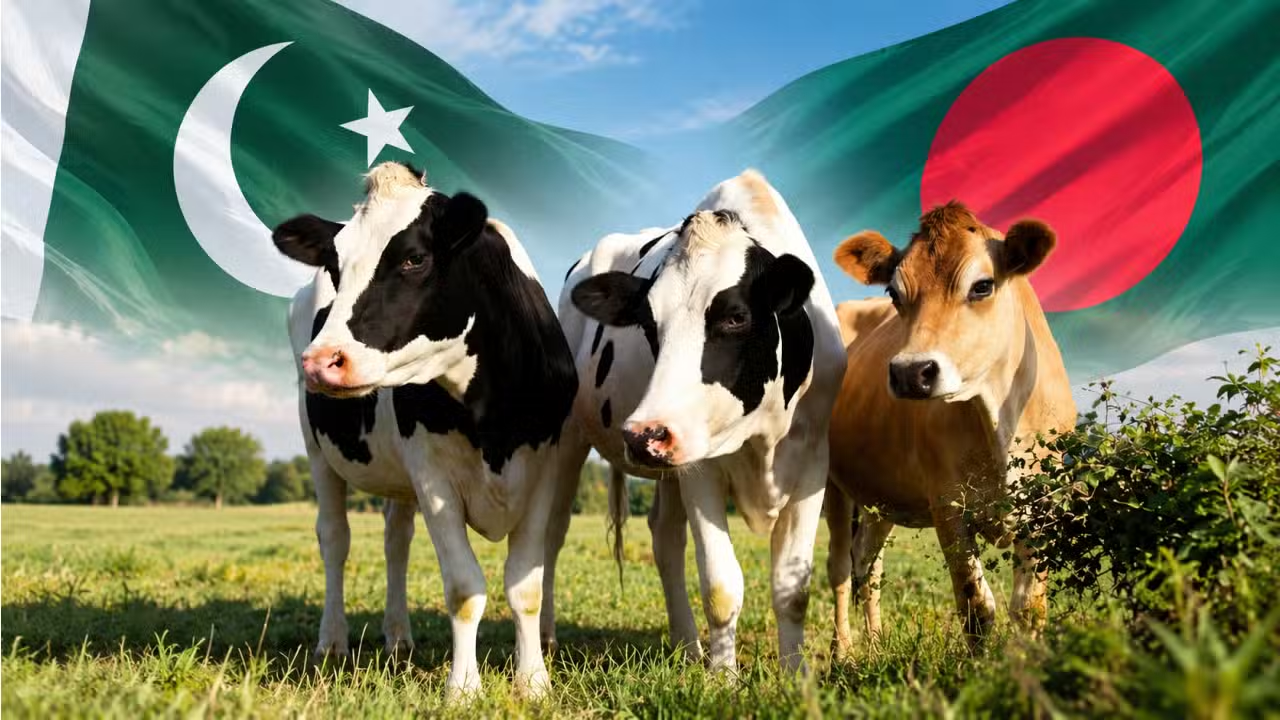
In a landmark development, Pakistan and Bangladesh have resumed direct government-to-government trade after decades of strained relations. The renewed trade relations commenced with Bangladesh importing 50,000 tonnes of rice from Pakistan, marking the first such transaction since the two countries’ separation in 1971.

Revival of Economic Ties

The resumption of direct trade signifies a thaw in bilateral relations, especially following recent political changes in Bangladesh. The ousting of the India-aligned premier Sheikh Hasina has paved the way for improved ties between the two South Asian nations. This development is expected to open new avenues for economic cooperation and regional integration.

Details of the Trade Agreement

The initial trade involves the export of 50,000 tonnes of rice from Pakistan to Bangladesh. This government-to-government deal was finalized in early February, with the first shipment departing from Pakistan’s Port Qasim. The direct shipping route eliminates the need for third-country transshipment, reducing costs and delivery times.

Strategic and Economic Implications

The revival of direct trade between Pakistan and Bangladesh holds several strategic and economic benefits:

  • Enhanced Bilateral Relations: Strengthening economic ties can lead to improved diplomatic relations and regional stability.
  • Economic Growth: Direct trade opens new markets for exporters in both countries, fostering economic growth and diversification.
  • Regional Integration: Improved trade relations contribute to regional integration, promoting peace and cooperation in South Asia.

Future Prospects

Building on this positive momentum, both countries are exploring opportunities to expand trade to other commodities and sectors. Potential areas of collaboration include textiles, pharmaceuticals, and information technology. The establishment of direct trade routes is expected to encourage private sector partnerships and investments, further solidifying economic ties.

Abu Dhabi Crown Prince’s Inaugural Visit to Pakistan Strengthens Bilateral Relations

High-Level Discussions Focus on Investment, Trade, and Economic Cooperation

Abu Dhabi Crown Prince Sheikh Khaled bin Mohamed bin Zayed Al Nahyan commenced his first official visit to Pakistan on Thursday, receiving a ceremonial guard of honour at the Prime Minister House in Islamabad. Prime Minister Shehbaz Sharif personally welcomed the Crown Prince, underscoring the significance of the visit in bolstering Pakistan-United Arab Emirates (UAE) relations.

Strengthening Diplomatic and Economic Ties

The Abu Dhabi stands as one of Pakistan’s most prominent trading partners in the Middle East and serves as a major source of remittances, thanks to a substantial Pakistani expatriate community. The Crown Prince’s visit aims to further enhance these ties, with a focus on investment, economic, and trade cooperation. High-level discussions are set to explore new avenues for collaboration, potentially leading to agreements that will benefit both nations.

Ceremonial Welcome and High-Level Meetings

Upon arrival at Nur Khan Airbase, Crown Prince Sheikh Khaled was received with a red carpet welcome and a 21-gun salute. Prime Minister Shehbaz Sharif and President Asif Ali Zardari greeted the Crown Prince, reflecting the importance Pakistan places on this visit. The formal reception at the Prime Minister House included a guard of honour and a fly-past salute, symbolizing the deep-rooted friendship between the two countries.

Focus Areas of Cooperation

The discussions between Pakistani leadership and the Crown Prince are expected to cover several key areas:

  • Investment Opportunities: Exploring avenues for UAE investments in Pakistan’s infrastructure, energy, and technology sectors.
  • Trade Enhancement: Identifying strategies to increase bilateral trade volumes, including the removal of trade barriers and the establishment of joint ventures.
  • Economic Collaboration: Strengthening economic ties through collaborative projects and shared economic policies.

Anticipated Outcomes: Abu Dhabi

The visit is poised to culminate in the signing of multiple agreements aimed at boosting economic and trade partnerships. In recognition of his efforts to strengthen bilateral relations, Crown Prince Sheikh Khaled bin Mohamed bin Zayed Al Nahyan is expected to be awarded the ‘Nishan-e-Pakistan,’ Pakistan’s highest civilian honour.

Historical Context

This visit marks a significant milestone in Pakistan-UAE relations, building upon decades of diplomatic, economic, and cultural ties. The UAE has consistently been a key ally for Pakistan, providing economic assistance and serving as a home to a large Pakistani diaspora. The Crown Prince’s visit is expected to further solidify this enduring partnership.

Pakistan and Uzbekistan Commit to Elevate Bilateral Trade to $2 Billion

Strategic Partnerships and Infrastructure Development at the Forefront

In a significant move to strengthen economic ties, Pakistan and Uzbekistan have pledged to boost their bilateral trade volume from the current $400 million to an ambitious $2 billion in the near future. This commitment was solidified during high-level discussions between Prime Minister Shehbaz Sharif and Uzbek President Shavkat Mirziyoyev in Tashkent.

Key Areas of Cooperation

The two nations identified several sectors to enhance collaboration:

  • Investment: Encouraging mutual investments to stimulate economic growth and create job opportunities.
  • Connectivity: Developing infrastructure projects to facilitate smoother trade routes and logistics.
  • Tourism: Promoting cultural exchanges and tourism to strengthen people-to-people connections.

Trans-Afghan Railway Project

A cornerstone of the enhanced connectivity agenda is the Trans-Afghan Railway project. Prime Minister Sharif emphasized the transformative potential of this initiative, stating that it would be a “game changer” not only for Pakistan and Uzbekistan but for the entire region. The railway aims to provide a direct link between Central Asia and Pakistani seaports, significantly reducing transit times and costs.

Memoranda of Understanding (MoUs) Signed

To formalize their commitments, both countries signed multiple MoUs, including:

  • City Partnerships: Establishing a sister-city relationship between Tashkent and Lahore to foster cultural and economic ties.
  • News Agencies Cooperation: Facilitating the exchange of information and media content to enhance mutual understanding.
  • Youth Affairs Collaboration: Engaging in joint programs to empower the younger population through education and skill development.
  • Science and Technology Agreement: Promoting research collaborations and technological innovations.

Strategic Importance of Enhanced Relations

Strengthening ties between Pakistan and Uzbekistan holds strategic significance:

  • Regional Stability: Collaborative projects can contribute to economic stability in Central and South Asia.
  • Economic Diversification: Diversified trade partnerships reduce dependency on traditional markets and open new avenues for growth.
  • Geopolitical Influence: Enhanced connectivity projects position both nations as pivotal players in regional trade dynamics.

Challenges and the Path Forward

While the prospects are promising, several challenges need addressing:

  • Security Concerns: Ensuring the safety of infrastructure projects passing through volatile regions.
  • Regulatory Harmonization: Aligning trade policies and regulations to facilitate seamless business operations.
  • Financing Infrastructure: Securing funding for large-scale projects like the Trans-Afghan Railway requires coordinated efforts and investment.

Pakistan’s Finance Ministry Anticipates Slight Inflation Increase in March 2025

Economic Stabilization Efforts Show Positive Trends Amid Global Challenges

In its latest economic outlook, Pakistan’s Finance Ministry has projected a slight uptick in consumer inflation for March 2025. The ministry anticipates that inflation will rise to between 3.0% and 4.0%, up from the 2.0% to 3.0% range expected in February. This forecast comes as the country continues its economic stabilization efforts under a $7 billion International Monetary Fund (IMF) program secured last summer.

Current Inflation Trends

As of January 2025, Pakistan’s Consumer Price Index (CPI) stood at 2.4%, a significant decrease from the 24% recorded in the same period the previous year. This downward trend is largely attributed to the government’s economic policies and the IMF-backed stabilization program. The Finance Ministry’s February report suggests that while inflation remains low, external factors such as global commodity prices and supply chain disruptions could contribute to the slight increase anticipated in March.

Factors Influencing Inflation: Pakistan’s Finance

Several elements are expected to influence the projected rise in inflation:

  • Global Commodity Prices: Fluctuations in international markets, particularly concerning oil and food prices, can directly impact domestic inflation rates.
  • Supply Chain Disruptions: Ongoing global supply chain issues may lead to shortages or increased costs of imported goods, affecting local prices.
  • Currency Valuation: Changes in the value of the Pakistani rupee against major currencies can alter import costs, subsequently influencing consumer prices.

IMF Program and Economic Stabilization

The IMF’s $7 billion program aims to support Pakistan’s economic reforms and stabilization efforts. An IMF mission is scheduled to visit Islamabad next week for the first review of this facility. The Finance Ministry has expressed optimism that the primary surplus will continue to improve in the coming months, aligning with the benchmarks set by the IMF.

Remittance Inflows Bolstering the Economy : Pakistan’s Finance

A notable positive development is the significant increase in workers’ remittances. From July to January of the fiscal year 2025, remittances reached $20.8 billion, marking a 31.7% rise compared to $15.8 billion during the same period last year. These robust inflows have been instrumental in supporting Pakistan’s foreign exchange reserves and mitigating the current account deficit.

Outlook for the Coming Months: Pakistan’s Finance

While the anticipated slight increase in inflation for March 2025 reflects external economic pressures, the overall trend indicates a stabilized economic environment. The government’s commitment to fiscal discipline, coupled with supportive monetary policies, aims to maintain inflation within manageable levels. Continuous monitoring of global economic conditions and proactive policy adjustments will be crucial in sustaining this stability.