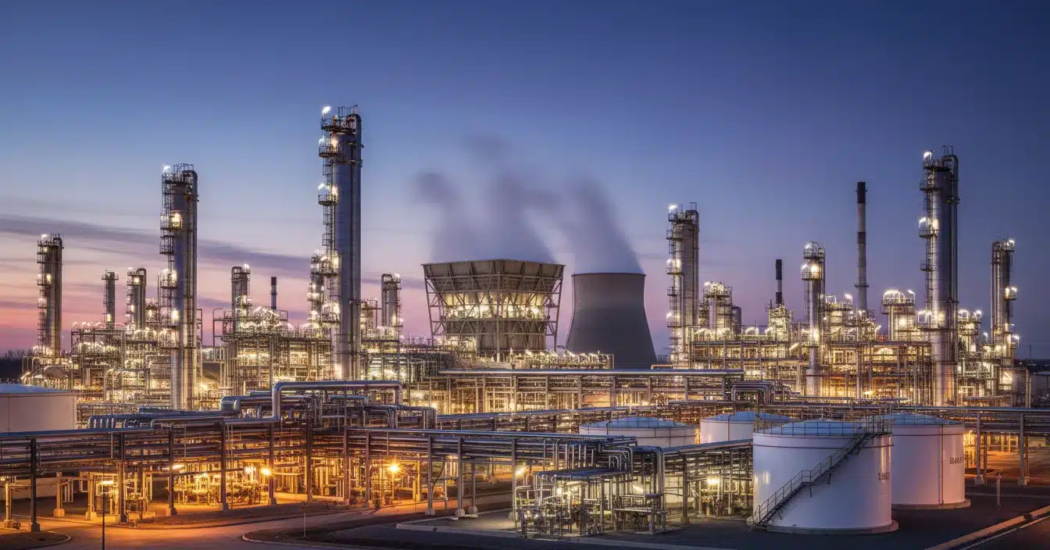
Pakistan’s listed refinery sector returned to a combined net profit of Rs54.8 billion in FY2026, compared with a Rs10.5 billion loss in FY2025, according to Arif Habib Limited research reported by ProPakistani.
Stronger petrol and diesel refining margins, increased production and higher sales supported the recovery. However, the annual improvement was accompanied by weaker gross profit in the final quarter.
FY2026 compared with FY2025
| Measure | FY2025 | FY2026 |
|---|---|---|
| Combined net result | Rs10.5bn loss | Rs54.8bn profit |
| Revenue | Rs1.22trn | Rs1.54trn |
| Gross profit | Rs10.4bn | Rs107.4bn |
| Gross profit margin | 0.9% | 7% |
| Capacity utilisation | 48% | 55% |
The figures cover the listed refinery sector in the brokerage’s analysis. They should not be presented as the results of every petroleum company operating in Pakistan.
What supported the recovery?
Petroleum product production increased by 13.4% to 11.2 million tonnes. Higher capacity utilisation meant the refineries used a greater share of their available production capacity.
Reported ex-refinery petrol and diesel prices rose by 17% and 19%, respectively. These are refinery-level prices, rather than a measure of the percentage change motorists paid at filling stations.
For a separate view of the fuel-marketing business, read our breakdown of PSO’s FY2026 financial results.
Fourth-quarter performance adds context
The Standard’s coverage of the same research reported that sector gross profit fell to Rs8 billion in the fourth quarter from Rs72.2 billion in the preceding quarter.
That comparison concerns quarterly gross profit, while the Rs54.8 billion headline figure represents annual net profit. The two measures should not be compared directly.
The annual results show a substantial recovery, but the weaker closing quarter means the improvement should not be described as uniform throughout the year.