





Government Extends OGRA Chairman’s Tenure by One Year

Ensuring Continuity in Energy Sector Regulation

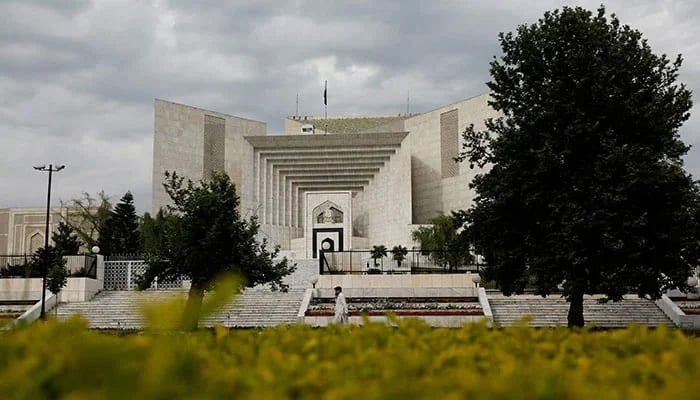
The government has officially extended the tenure of the Oil and Gas Regulatory Authority (OGRA) Chairman for an additional year. This decision underscores the administration’s commitment to maintaining stability and continuity within the country’s energy regulatory framework.

Role of the OGRA Chairman

  • Regulatory Oversight: Ensuring compliance with policies and regulations within Pakistan’s oil and gas sectors.
  • Tariff Management: Overseeing the determination and adjustment of tariffs to balance consumer interests and industry viability.
  • Policy Implementation: Facilitating the execution of government policies aimed at energy sector development and sustainability.

Implications of the Extension

The extension of the chairman’s tenure is expected to:

  • Policy Continuity: Provide consistent leadership to advance ongoing projects and reforms within the energy sector.
  • Investor Confidence: Enhance the confidence of domestic and international investors by demonstrating regulatory stability.
  • Sectoral Stability: Ensure uninterrupted oversight and management during a critical period of energy sector transformation.

Looking Ahead

With the extended tenure, the OGRA Chairman is poised to continue efforts in addressing challenges such as energy pricing, supply chain efficiencies, and the integration of renewable energy sources into Pakistan’s energy mix.

SPAR6C Pakistan to Assist Lakhodair Landfill in Lahore as Carbon Market Pilot

Pioneering Sustainable Waste Management Initiatives

In a significant move towards sustainable development, SPAR6C Pakistan has announced its collaboration with the Lakhodair Landfill in Lahore. This partnership aims to transform the landfill into a pilot project for carbon market initiatives, focusing on reducing greenhouse gas emissions and promoting environmental responsibility.

Objectives of the Collaboration

  • Emission Reduction: Implementing technologies to capture and convert methane emissions from the landfill into usable energy, thereby reducing the site’s carbon footprint.
  • Carbon Credits: Generating carbon credits through verified emission reductions, which can be traded in international carbon markets to attract investment.
  • Capacity Building: Enhancing local expertise in carbon finance and sustainable waste management practices.

Strategic Importance

This initiative is part of Pakistan’s broader strategy to engage with global carbon markets under Article 6 of the Paris Agreement. By developing viable carbon market projects, Pakistan aims to access international finance, support sustainable development, and contribute to global climate mitigation efforts.

Future Implications

The success of the Lakhodair Landfill project could serve as a model for similar initiatives across Pakistan. It demonstrates the potential of leveraging carbon markets to fund environmental projects, reduce emissions, and promote sustainable urban development.

Pakistan’s Inflation Projected to Stabilize at 2-2.5% in February 2025

Pakistan’s Inflation landscape is witnessing a period of relative stability, with the inflation rate expected to hover between 2.0% and 2.5% in February 2025. This projection aligns closely with the 2.4% inflation rate recorded in January, as reported by the Pakistan Bureau of Statistics (PBS).

Recent Trends in Pakistan’s Inflation

  • January 2025: Inflation stood at 2.4%, marking a significant decline from the 4.1% observed in December 2024.
  • December 2024: The rate was 4.1%, continuing a downward trend from previous months.

Factors Contributing to Pakistan’s Inflation Rates

Several elements have influenced the current inflation trajectory:

  • Base Effect: The high inflation rates experienced in the previous year have created a statistical base effect, contributing to the perception of reduced inflation in recent months.
  • Currency Stability: The Pakistani rupee has maintained relative stability against major currencies, mitigating imported inflation pressures.
  • Commodity Prices: A decrease in global food and energy prices has positively impacted domestic markets, leading to lower consumer prices.

Monetary Policy Adjustments:

In response to the easing inflation, the State Bank of Pakistan (SBP) has implemented a series of policy rate cuts:

  • Pakistan’s Inflation December 2024: A reduction of 200 basis points brought the policy rate down to 13%.
  • Pakistan’s Inflation January 2025: An additional 100 basis points cut lowered the rate further to 12%.

Pakistan’s Inflation measures aim to stimulate economic activity by making borrowing more affordable for businesses and consumers.

Outlook for the Coming Months

Analysts anticipate Pakistan’s Inflation will remain within the current range in the near term. However, potential risks such as fluctuations in global commodity prices and domestic supply chain challenges could influence future rates. The SBP continues to monitor these developments to adjust monetary policies accordingly.

The Pioneering History of Digital Assistants – Positive vibes of 2025

Looking into the history of digital assistants, we find a story that starts with the birth of artificial intelligence. The journey of digital assistants shows key moments that have changed how we use technology. These early steps in AI paved the way for the smart tools we use every day.

By looking back, we see assistants as major achievements in tech. They also push us forward in making technology more interactive and intelligent.

Key Takeaways

  • The history of digital assistants showcases remarkable advancements in artificial intelligence.
  • Early innovations set the stage for the smart technologies we rely on today.
  • Digital assistants represent a prime example of the convergence between technology and user interaction.
  • The evolution of these assistants illustrates significant milestones in AI development.
  • Understanding this history enhances our appreciation for modern technological capabilities.

The Emergence of Digital Assistants

Looking back, we see how digital assistants came to be. It all started with early AI technologies. These early steps were crucial for machines to talk to us like they do now.

Understanding Early AI Technologies

At first, AI researchers aimed to make machines understand human language. The first digital assistants were simple but showed us what was possible. Their early success set the stage for today’s smart helpers.

The Role of Speech Recognition

Speech recognition changed how we talk to devices. It made it easy to use natural language with machines. This led to the creation of popular digital assistants like Alexa and Google Assistant. It shows how important speech recognition is for better user experience.

Milestones in Digital Assistant Development

Many important innovations have shaped digital assistants over the years. These breakthroughs, in both hardware and software, have greatly influenced AI since the 20th century.

Key Innovations in the 20th Century

The 20th century was crucial for AI. Personal computers allowed users to interact with technology in new ways. This set the stage for more advanced systems. Some key examples include:

  • IBM’s Deep Blue, which beat the world chess champion in 1997, showing off its advanced skills.
  • Natural language processing emerged, making it easier for users to talk to machines.
  • Early voice recognition systems started to pave the way for voice-controlled digital assistants.

Transformation Through the 21st Century

In the 21st century, digital assistants became a big part of our lives. Important developments included:

  • Apple’s Siri was introduced in 2011, making hands-free digital help common.
  • Google Assistant and Amazon’s Alexa greatly increased what digital assistants could do.
  • Improvements in mobile devices and the internet allowed for more complex AI and easier integration into our lives.

These 21st century digital assistants are the result of years of research and development. They have changed how we use technology today.

The Digital Assistant was One of the Earliest Innovations in AI

The digital assistant is a key innovation in artificial intelligence. It uses natural language processing to talk like humans. This has made technology more accessible to everyone.

Integration of Natural Language Processing

Natural language processing is crucial for computer-human interaction. It lets machines understand and create language. This has made virtual assistants like Siri and Alexa possible.

These assistants can understand what you say and learn from you. They offer a personalized experience that changes based on your preferences.

Impact of User Interaction on Development

User feedback has greatly improved assistants. As users give feedback, developers make the systems better. This cycle of improvement has made digital assistants more intuitive and human-like.

Developers keep making these assistants more responsive and personal. This leads to better experiences for users.

Modern Digital Assistants and Their Capabilities

Digital assistants have changed a lot in recent years. Now, they have advanced features that make our lives better. They learn what we like and need, making our daily tasks easier.

Personalization and User Experience

AI personalization has changed how we use digital assistants. They learn from us and give us what we like. This makes them feel more like friends, not just machines.

As they get to know us better, they become even more helpful. They create a space that fits our lives perfectly.

Machine Learning Impacts

Machine learning is key to digital assistants’ growth. They use smart algorithms to understand us better. This lets them guess what we need before we ask.

As they learn more, they get better at helping us. This shows their dedication to making our lives easier. But, they also face challenges like keeping our data safe.

Conclusion

Looking back, we see how far assistance in digital have come. They started with simple AI and now we have smart tools like Amazon’s Alexa and Apple’s Siri. This journey shows how much AI has grown and how it has changed how we use technology.

The future of assistance in digital looks exciting. With better machine learning and natural language processing, they will become even more useful. But, we also need to think about privacy and making sure everyone can use them.

In summary, digital assistants are a big step forward in AI. They’ve moved from simple voice commands to smart systems that help us every day. As we move forward, we can expect even more improvements that will change how we interact with technology.

Traditional SystemsModern Digital Assistants
Manual updatesReal-time learning from user interaction

Explore UAE job market, Increase knowledge about varying regional hiring in 2025

The UAE job market stands out in the Middle East for its dynamic nature which provides both distinct challenges and rewards to those seeking employment.

Understanding the UAE’s Job Market Dynamics

The UAE job market is distinguished by its diverse multicultural workforce that demands both employers and candidates to manage complex cultural and legal factors.

Dubai and Abu Dhabi function as economic powerhouses within the United Arab Emirates because they host multiple industries such as finance, technology, and hospitality that together create abundant opportunities for job seekers.

Tailor-Made Resumes and Applications

The UAE job market demands that you meticulously prepare your resume.

You must customize your resume to emphasize relevant skills and experiences because job market competition demands such personalization.

A professional photo along with a personal statement and multicultural experiences will make your application more appealing.

Impact of Culture on the Hiring Process

In the UAE business environment cultural awareness takes precedence because business etiquette here differs from Western practices.

When you grasp the significance of respect along with hierarchy and transparent communication you increase your likelihood of success.

Researching Islamic traditions and holidays is essential to show respect in UAE business culture.

Legal and Visa Requirements

Legal requirements in the UAE prove essential throughout the recruitment process.

Understanding visa regulations and labor laws is essential because they change based on nationality and employment type.

A work visa is necessary for most positions and employers typically handle the sponsorship process.

Networking: A Vital Component

The UAE job search process relies heavily on building professional networks to discover opportunities.

Participating in professional groups and attending industry events along with making connections on LinkedIn helps discover potential job opportunities.

The region heavily relies on personal relationships for influence.

Lahore Launches ‘Electro’ – The City’s First Electric Bus Service

The Punjab government has officially launched “Electro”, Lahore’s first-ever electric bus service, to modernize public transport and provide affordable, eco-friendly commuting options. With an initial fleet of 27 electric buses and 98 stops, the project aims to improve connectivity across the city.

This initiative is part of Punjab’s larger vision to develop sustainable urban mobility, with future expansions planned in Faisalabad and Gujranwala.

Route Map: Connecting Lahore’s Key Areas

The Electro bus route links some of Lahore’s busiest commercial, educational, and residential hubs, offering a convenient travel option for students, professionals, and daily commuters.

Starting Point: Lahore Railway Station to Green Town
Key Stops:

  • City Center & Business Hubs – Haji Camp, Police Lines, Shimla Pahari, Governor House
  • Educational Institutions – Punjab College, Punjab University, Hailey College, IBA Stop
  • Healthcare Facilities – Ganga Ram Hospital, Ravi Chowk
  • Residential & Market Areas – Ichhra, Mozang, Model Road, Honda Mor, Minhaj University

The final stop of the route is Minhaj University, ensuring connectivity for students and faculty.

Affordable and Inclusive Public Transport

One of the biggest highlights of the Electro bus service is its affordability.

Fare: Rs. 20 – making it one of the most cost-effective transport options.
Free Rides for Students – Encouraging accessible education.
Complimentary Travel for Disabled Individuals – Promoting inclusivity.

Modern Features for a Comfortable Ride

Each Electro bus is equipped with:

  • Free Wi-Fi – Stay connected on the go.
  • Mobile Charging Ports – Convenient for long commutes.
  • CCTV Cameras – Enhanced security for passengers.

This smart transport system ensures a safe, comfortable, and connected commuting experience.

Expansion Plans: More Buses and Lahore’s First Tram Service

The Punjab government has announced plans to introduce 500 more electric buses, expanding the service to Faisalabad and Gujranwala.

Additionally, Lahore will soon see its first tram service, set to operate from Thokar Niaz Baig to Harbanspura, providing another eco-friendly transport alternative.

Chief Minister Maryam Nawaz has also directed officials to explore the possibility of an underground metro system, aiming to modernize Lahore’s transport infrastructure further.

A Step Towards a Greener Lahore

With rising pollution levels and traffic congestion, the Electro bus service is a significant step toward sustainability. The electric buses contribute to:

  • Reducing carbon emissions
  • Easing traffic congestion
  • Promoting energy-efficient transport

By investing in eco-friendly transport solutions, Punjab is moving toward a cleaner and more sustainable future.

The launch of Electro marks a new era in Lahore’s public transport system, offering affordability, comfort, and sustainability. With its expansion plans, upcoming tram service, and proposed underground metro system, Punjab is set to revolutionize urban mobility for millions of citizens.

Read More: China Faces Rising Youth Unemployment Amid Economic Challenges 1

Pakistan to Launch Freight Train Service to Russia, Expanding Trade Links

Pakistan Railways is set to launch an international freight train service to Russia by March 15, marking a significant step toward enhancing regional trade. This initiative will establish a cost-effective and efficient trade corridor, strengthening commercial ties with Iran, Turkmenistan, Kazakhstan, and Russia.

The announcement was made by Pakistan Railways Freight CEO Sufiyan Sarfaraz Dogar, who urged businesses, especially the textile sector, to take advantage of this new transportation route.

A New Trade Corridor for Pakistani Exports

The freight train service will begin operations from Qasim International Container Terminal and Pakistan International Container Terminal, offering containerized cargo capacity of 22 tons and 44 tons.

  1. Key Transit Points:
  2. Taftan Station (Pakistan) – A critical entry point for goods moving toward Central Asia and Russia.
  3. Iran, Turkmenistan & Kazakhstan – Major transit hubs facilitating seamless trade.
  4. Russia – The final destination, opening doors for expanded commerce.

Authorities have worked on resolving customs-related challenges at Taftan, ensuring hassle-free clearance for cargo shipments.

Trade Benefits: Strengthening Economic Relations

This freight train service will significantly enhance Pakistan’s export potential, allowing local industries to access new markets and reduce transportation costs.

Imports from Russia to Pakistan:

  • Oil & Natural Gas – Supporting Pakistan’s energy sector.
  • Steel & Industrial Equipment – Meeting industrial demand.

Pakistani Exports to Russia & Central Asia:

  • Textiles & Apparel – Expanding Pakistan’s largest export industry.
  • Food & Agricultural Products – Rice, wheat, and cotton to meet regional demand.

The initiative stems from the 27th Saint Petersburg International Economic Forum (June 2024), where Pakistan and Russia signed a memorandum of understanding (MoU) to develop a strategic trade corridor linking South Asia with Central Asia and Russia.

APTMA’s Support & Economic Prospects

The All Pakistan Textile Mills Association (APTMA) is backing the new freight train service, seeing it as a game-changer for Pakistan’s textile industry.

APTMA Chairman Kamran Arshad outlined an ambitious export target of $50 billion over the next five years, emphasizing the importance of trade-friendly policies.

To further streamline operations, APTMA suggests:
Automating Freight Handling – Minimizing delays and reducing costs.
Establishing Dry Ports – Improving logistics efficiency.
Introducing a Barter Trade System – Similar to the Pakistan-Iran model to facilitate direct exchange of goods.
Strengthening Banking Channels – Ensuring smooth financial transactions between Pakistan and Russia.

Impact on Regional Trade & Logistics

With Pakistan’s geopolitical position, this freight train service will:

  • Reduce Shipping Costs – A more affordable alternative to sea and air freight.
  • Boost Regional Connectivity – Strengthening South Asia-Central Asia trade ties.
  • Enhance Export Competitiveness – Opening new markets for Pakistani businesses.

This initiative is expected to revolutionize trade logistics, providing reliable, cost-effective transportation and fostering stronger economic partnerships between Pakistan, Russia, and Central Asia.

Final Thoughts

The Pakistan-Russia freight train service represents a landmark development for the country’s export-driven economy. With the support of APTMA and government-backed trade initiatives, the textile, food, and industrial sectors stand to benefit immensely.

As Pakistan strengthens its trade infrastructure, businesses must capitalize on emerging opportunities and expand their global reach.

Read More: China Faces Rising Youth Unemployment Amid Economic Challenges 1

First Lady Aseefa Bhutto Zardari inaugurates SZABIST ZABed’s 5th Leadership Conference on AI-Driven Education

SZABIST ZABed, the educational division of SZABIST, recently hosted its 5th Leadership Conference under the theme “Students and the AI-Powered Future.” The event commenced on February 20, 2025, in Karachi and is set to continue in Larkana from February 24 to 26, 2025.

The Karachi session was notably graced by the presence of First Lady and Member of the National Assembly, Bibi Aseefa Bhutto Zardari, as the Chief Guest. Her attendance underscored the conference’s significance in addressing the integration of artificial intelligence into Pakistan’s educational framework. Accompanying her was PPP Women Wing President Faryal Talpur, along with a host of distinguished academics, industry experts, and government officials from the education sector.

Executive Director of SZABIST ZABed, Lubna Khalid, delivered an inspiring keynote address, emphasizing the institution’s dedication to equipping students with future-ready skills and fostering a culture of research and digital transformation. The conference featured a series of discussions led by prominent speakers who delved into topics such as STEM education, ethical considerations in AI, and the development of AI-driven assessment tools—areas pivotal to the evolution of education in Pakistan.

Following the success of the Karachi session, the conference will proceed to Larkana, focusing on the broader implications of AI in education and personal development. Key themes for the Larkana sessions include “AI Value and Its Pathway to the Future,” “Coping with Stress and Anxiety in an AI-Driven World,” and “Learning from Failure: Building Resilience in the Digital Age.”

First Lady Aseefa Bhutto Zardari lauded SZABIST ZABed’s initiative, stating, “This leadership conference is a crucial step towards integrating AI into education, inspiring students to embrace technology and innovation.” Her remarks highlight the institution’s role in pioneering thought leadership and academic excellence within Pakistan.

By bridging the realms of academia, industry, and policy, SZABIST ZABed’s Leadership Conference 2025 aims to catalyze meaningful advancements in education and research, empowering students to navigate the challenges and opportunities presented by an AI-driven future.

Think Tech, Think Pakistan: Pakistan Software Export Board to Participate in LEAP 2025

Pakistan is making bold strides in the global tech landscape, emerging as a key player in artificial intelligence, digital finance, and startup innovation. As the Pakistan Software Export Board prepares to take the spotlight at LEAP 2025 in Riyadh, it presents a compelling narrative of digital transformation, investment potential, and technological excellence. This marks Pakistan’s biggest ever participation at an international event with over 100 companies and 1,000+ delegates on board, showcasing a booming IT industry, progressive policies, and a rapidly growing talent pool that is poised for unprecedented growth in the digital economy.

A Digital Nation on the Rise

At the heart of Pakistan’s transformation is the Digital Nation Pakistan (DNP) Act. This landmark policy is designed to bolster innovation, attract both foreign and domestic investment, and empower entrepreneurs. By strengthening digital infrastructure, enhancing cybersecurity, and nurturing a knowledge-driven economy, the DNP Act is positioning Pakistan as a premier destination for global tech players looking for new markets and opportunities. Working under the proactive guidance of the Ministry of IT and Telecom (MoITT), alongside the broader Digital Pakistan Policy, these initiatives are cultivating an environment where technology fuels every aspect of economic and social development.

Pakistan-Saudi Arabia: A Strategic Tech Partnership

Pakistan and Saudi Arabia share a long-standing relationship that is now evolving into a powerful alliance in technology and innovation. Both nations are increasingly exploring avenues for collaboration in digital transformation and tech-driven projects. Early initiatives and discussions ranging from cybersecurity and smart infrastructure to startup investments, signal a growing commitment to shared growth. Moreover, Pakistan’s robust business ties with the Kingdom are underscored by the significant presence of Pakistani companies operating in Saudi Arabia, further strengthening economic bonds and opening up new markets for innovation.

A Unified Digital Vision for LEAP

In line with LEAP’s focus on shaping the future of technology, Pakistan is presenting a unified digital vision that weaves together its advancements in AI, fintech, and digital solutions. A key component of this vision is the work undertaken by the National Center of Artificial Intelligence (NCAI), a collaborative network of research labs across leading universities. The NCAI has already developed over 221 AI-driven solutions that are transforming sectors such as healthcare, media monitoring, and intelligent transportation. By integrating AI into its digital strategy, Pakistan strengthens its commitment to innovation and leadership in emerging tech.

A Flourishing Startup Ecosystem

Pakistan’s startup landscape is experiencing remarkable growth. With over $800 million raised in venture capital funding in recent years, the nation’s entrepreneurial spirit is evident in its dynamic ecosystem. A youthful, tech-savvy population combined with forward-thinking policies and an investor-friendly climate has given rise to groundbreaking startups in fintech, edtech, AI, and e-commerce. At LEAP 2025 in Riyadh, Pakistan will not only showcase its vibrant startup ecosystem from its dedicated pavilion but is also expecting to generate approximately $15 million in business over the next year!

A Vision for Digital Empowerment

Pakistan’s commitment to digital empowerment spans all sectors. Government initiatives, led by the Ministry of IT and Telecom (MoITT), are driving the adoption of smart technologies in education, healthcare, and public services, ensuring that the benefits of digital innovation reach every corner of society. This strategic approach is designed to create an ecosystem where technology acts as a catalyst for inclusive growth, enhanced quality of life, and sustainable development. By nurturing local talent and fostering innovation hubs, Pakistan is building a resilient digital economy that is ready to meet the challenges of tomorrow.

Why Pakistan? The Ultimate Tech Destination

Several factors make Pakistan an attractive hub for technology and innovation:

  • Strategic Location: Positioned as a gateway to South Asia, the Middle East, and Central Asia, Pakistan offers access to diverse and emerging markets.
  • World-Class Talent: With over 600,000 IT professionals and more than 75,000 IT graduates entering the workforce annually, Pakistan boasts a robust talent pool ready to drive technological advancements.
  • Proactive Policies: The government’s commitment to digital transformation is reflected in its investor-friendly regulations, special tech zones, and substantial incentives for startups and tech companies.
  • Expanding Digital Infrastructure: Rapidly growing broadband access, advanced research hubs, and cloud computing developments are laying the groundwork for a future-ready digital ecosystem.

A Call to Global Innovators

Pakistan is not only transforming its own digital landscape but is also building bridges with key partners like Saudi Arabia to catalyze regional innovation. This strategic collaboration is opening up exciting opportunities for cross-border investments, joint research projects, and talent exchanges that promise to accelerate technological advancements on both sides.

At LEAP 2025 in Riyadh, Pakistan extends an open invitation to investors, innovators, and tech leaders to join in its extraordinary journey toward a digitally empowered future. With its robust ecosystem, forward-looking policies, and strong international partnerships, Pakistan is ready to shape the future of technology for generations to come.

Eid-ul-Fitr: Fitra Amount 2025 Announced by Council of Islamic Ideology

As Eid-ul-Fitr 2025 approaches, the Council of Islamic Ideology (CII) has announced the Fitra amount that Muslims in Pakistan must pay before the festival. This annual charity, also known as Fitrana, is an essential part of Islamic social welfare, ensuring that underprivileged individuals can celebrate Eid with dignity.

Fitra and Fidya Rates for 2025

The CII Chairman, Allama Dr. Raghib Hussain Naeemi, shared the minimum Fitra amount for this year, set at Rs220 per person. However, the amount varies depending on the food commodity used for calculation.

Fitra Amount Based on Different Commodities:

  • Wheat: Rs220
  • Barley: Rs450
  • Dates: Rs1,650
  • Raisins (Kishmish): Rs2,500
  • Dried Figs (Munakka): Rs5,000

For those unable to fast during Ramadan, Fidya (compensation for missed fasts) is also mandatory. The Fidya amount varies:

  • Wheat Flour: Rs6,600 (for the entire month)
  • Raisins: Rs150,000 (for the entire month)

Dr. Naeemi emphasized that individuals should pay according to their financial capacity, ensuring maximum benefit to those in need.

Understanding the Concept of Fitra

Fitra or Zakat al-Fitr is a form of charity that is obligatory upon every financially stable Muslim at the end of Ramadan.

Who Must Pay Fitra?
Every Muslim, including men, women, and children, who possesses wealth beyond their basic needs must pay Fitra before Eid.

Why Is Fitra Important?
Fitra ensures that the less fortunate can celebrate Eid-ul-Fitr with dignity by helping them buy food and other necessities.

When Should It Be Paid?
Fitra should be distributed before the Eid prayer, preferably to the needy directly or through trusted charitable organizations.

Fidya: Compensation for Missed Fasts

Fidya is mandatory for individuals who are unable to fast due to chronic illness or any permanent health condition that prevents them from fasting. The compensation is calculated based on the cost of a daily meal.

Who Should Pay Fidya?

  • Individuals with chronic illnesses
  • Elderly people who cannot fast
  • Those with permanent medical conditions

Paying Fitra and Fidya is not just a religious obligation but a social responsibility that upholds the values of compassion, generosity, and inclusivity in Islam. By ensuring that less fortunate families have the means to celebrate Eid, Fitra reinforces the spirit of community and brotherhood.

For more information on Islamic charity guidelines, visit authentic Islamic organizations or consult local scholars.


How to Choose the Best 1121 Basmati Rice for Perfect Cooking

1121 Basmati rice is one of the most sought-after long-grain rice varieties, known for its exceptional aroma, delicate texture, and premium quality. Originating from the fertile Himalayan plains, this rice is a staple in biryani, pulao, and other South Asian cuisines. However, with so many options available in the market, choosing the best quality 1121 Basmati rice can be a challenge.

This guide will help you identify the key factors to consider when selecting high-quality 1121 Basmati rice.

1. Grain Length and Appearance

Longer grains signify better quality: Authentic 1121 Basmati rice is renowned for its extra-long grains, often exceeding 8mm in length. The longer the grain, the fluffier and more aromatic the rice will be after cooking.

Uniformity matters: High-quality rice should have consistent grain length and minimal broken grains. This ensures even cooking and a refined texture.

Color indicators: The grains should appear pearly white or slightly golden. Avoid rice with dull, yellowish, or grayish grains, as these may indicate poor storage or aging.

2. Aroma and Flavor

Distinct fragrance: 1121 Basmati rice is known for its natural nutty and floral aroma. Before purchasing, take a sniff—high-quality rice will have a strong, pleasant scent even before cooking.

Subtle yet rich flavor: When cooked, premium Basmati rice should have a mildly nutty taste that complements a variety of dishes.

3. Texture and Cooking Quality

Fluffy, separate grains: The hallmark of good-quality Basmati rice is that it remains light and fluffy after cooking, with each grain staying distinct rather than clumping together.

Consistent cooking performance: The best 1121 Basmati rice absorbs water evenly and expands without breaking or becoming mushy.

Low stickiness: Unlike regular rice, high-quality Basmati should have low starch content, ensuring a non-sticky texture.

4. Quality and Purity Indicators

Certifications matter: Look for ISO, Agmark, or other food safety certifications, which indicate the rice has been tested for quality and purity.

Check the label: Reliable brands clearly mention the origin, processing methods, and any additives or preservatives. Always opt for naturally aged rice, as aging enhances aroma and texture.

Choose trusted brands: Buying from reputed brands ensures consistency in quality and prevents the risk of adulteration.

5. Packaging and Storage Considerations

Airtight packaging: Choose vacuum-sealed or airtight bags to preserve the freshness and fragrance of the rice.

Storage tips: Once opened, store the rice in a cool, dry place, preferably in an airtight container to prevent moisture absorption and pest infestation.

6. Cooking Tips for Perfect Basmati Rice

To get the best results, follow these proven cooking techniques:

Rinse thoroughly: Washing the rice 2-3 times removes excess starch and prevents stickiness.

Soak before cooking: Soaking for 30 minutes enhances the grain’s length and ensures even cooking.

Maintain the right water ratio: Generally, use a 1:1.5 or 1:2 rice-to-water ratio, depending on your preferred texture.

Cook on low heat: Simmering on low heat prevents breakage and preserves the delicate texture.

Fluff with a fork: Once cooked, let the rice rest for 5 minutes, then gently fluff it to separate the grains.

Why Choosing the Best 1121 Basmati Rice Matters?

Selecting the right Basmati rice enhances the overall dining experience, whether you are preparing fragrant biryani, savory pulao, or simple steamed rice. Investing in premium-quality rice ensures a flavorful, aromatic, and visually appealing dish.

For a reliable source of high-quality 1121 Basmati rice, consider brands that offer authentic and aged rice, ensuring premium taste and texture.


Portugal Schengen Visa: Minimum Bank Statement Requirement for February 2025

Planning a trip to Portugal from Pakistan? You will need to apply for a Schengen visa, which allows short stays of up to 90 days within the Schengen area. The visa application process requires financial proof, including a bank statement, to ensure applicants have sufficient funds for their stay.

For Pakistani applicants, the Schengen visa process is handled by Gerry’s Visa Service, as Portugal does not have a direct visa application center in Pakistan. Understanding the minimum financial requirements and visa processing details can help you prepare for a smooth application process.

What Is a Schengen Visa?

A Schengen visa is a short-stay visa that permits travelers to enter, transit, or stay within one or more Schengen countries for up to 90 days. However, having a visa does not guarantee automatic entry into the Schengen region. Border authorities at your point of entry will verify your documents and decide whether you can enter.

  • Upon arrival in Portugal, immigration officials may ask for:
  • Proof of purpose of visit
  • Confirmed accommodation details
  • Evidence of sufficient funds to cover expenses
  • Return ticket or proof of onward travel

To meet these financial requirements, applicants must submit a six-month bank statement, signed and stamped by their bank.

Minimum Bank Statement Requirement for Portugal Visit Visa

According to the latest guidelines, travelers must have at least €75 per day for their stay in Portugal. This means:

  • For a 90-day visit, the total required amount is €6,750.
  • With an exchange rate of PKR 290.75 per euro (as of February 2025), applicants must have approximately PKR 2 million in their bank account.

Failure to provide sufficient financial proof may result in visa rejection.

Portugal Schengen Visa Processing Fee in Pakistan

The standard Portugal visit visa fee is €90.

  • As of February 2025, the exchange rate stands at €1 = PKR 290.75, meaning the visa fee is approximately PKR 26,167.
  • The application is processed only after the payment of the visa fee.

Required Documents for a Portugal Schengen Visa

To ensure a successful visa application, applicants must provide the following:

  1. Valid Passport (must be valid for at least three months beyond the intended stay)
  2. Recent Passport-Sized Photos (as per Schengen visa photo requirements)
  3. Bank Statement (last six months, signed and stamped by the bank)
  4. Proof of Accommodation (hotel reservation or invitation letter)
  5. Travel Itinerary (flight booking and travel details)
  6. Medical Travel Insurance (coverage of at least €30,000)
  7. Employment or Business Documents (salary slips, tax returns, business registration, etc.)
  8. Visa Fee Payment Receipt

Applying for a Portugal Schengen visa requires careful financial planning. Ensuring you meet the minimum bank statement requirement and have all necessary documents greatly improves your chances of visa approval.

For more details on the Schengen visa process, visit the official website of the Portugal Embassy in Pakistan or consult Gerry’s Visa Service for professional guidance.


Sindh Government to Distribute 500,000 Free Solar Panels in 2024

The Sindh government has announced a major solar energy initiative aimed at providing free solar panels to 500,000 deserving households across the province. The announcement was made by Sindh Energy Minister Syed Nasir Hussain Shah, who highlighted the government’s commitment to expanding renewable energy access to underprivileged areas.

Speaking at an inauguration ceremony for electricity supply in Abdullah Rind Goth, Manghopir Town, the minister emphasized that the solar panels will be provided to residents facing electricity shortages.

“Bilawal Bhutto Zardari’s vision is to provide electricity to everyone,” he stated, reinforcing the government’s goal of energy inclusivity.

Phase-Wise Solar Panel Distribution

The Sindh government has already begun distributing 200,000 solar systems, and an additional 500,000 will be rolled out throughout the year. The initiative targets areas where traditional electricity infrastructure is weak or non-existent, ensuring that more households can benefit from affordable and reliable power solutions.

The program will also focus on providing electricity to urban areas, particularly Karachi, where residents will experience cheaper and more sustainable energy options.

Key Benefits of the Solar Panel Initiative

  • Empowering Underserved Communities – Providing electricity to off-grid areas.
  • Reducing Energy Costs – Households can cut down on electricity bills by using solar energy.
  • Supporting Sustainable Development – Aligning with Pakistan’s renewable energy goals.
  • Encouraging Women’s Empowerment – Ownership rights of houses being transferred to women.

Sindh’s Commitment to Renewable Energy

Beyond household solar systems, the Sindh government is actively working on large-scale renewable energy projects. A 400-megawatt solar park is currently under development, with completion expected by 2025.

This solar park is part of the Sindh Solar Energy Project, a broader effort to integrate solar power into the province’s energy grid. Additionally, the government is exploring technical training programs to equip locals with solar energy expertise, creating employment opportunities in the renewable sector.

Prioritizing Energy for the People

Minister Nasir Hussain Shah highlighted that industries are essential, but the top priority remains providing electricity to citizens.

“This is a journey of goodness and light,” he stated, reaffirming the government’s commitment to energy accessibility.

With the increasing shift towards solar energy, Sindh is setting a progressive example for other provinces to follow, demonstrating how renewable power can bridge the energy gap and improve quality of life.

Sindh’s initiative to distribute 500,000 free solar panels is a transformative step toward sustainable energy solutions. By focusing on rural electrification, economic relief, and women’s empowerment, the solar panel program is set to bring long-term benefits to countless households.

As Pakistan embraces renewable energy, projects like these are crucial in reducing reliance on traditional power sources and ensuring a greener, more energy-secure future.


Khyber Pakhtunkhwa Introduces Free OPD Services Under Sehat Card Plus

The Khyber Pakhtunkhwa (KP) government has taken a major step in healthcare reform by launching free outpatient department (OPD) services under the Sehat Card Plus program. This initiative aims to expand healthcare access to deserving families, making basic medical services more affordable and accessible.

The program was officially launched by Chief Minister Ali Amin Gandapur during a ceremony at the Chief Minister’s House, attended by provincial ministers, lawmakers, and health officials. The initiative is expected to significantly ease the financial burden of low-income households in the province.

Pilot Phase: Mardan to Lead the Initiative

The program’s pilot phase has begun in Mardan, covering 50,000 low-income households. The next expansion phase will include:

  • Chitral
  • Malakand
  • Kohat

Eventually, the program aims to benefit around 120,000 families, with eligibility determined through Benazir Income Support Program (BISP) data.

What the Free OPD Services Cover

Under this initiative, eligible patients will receive:

  • Free Medical Consultations – Access to qualified doctors at Sehat Card panel hospitals.
  • Medications & Diagnostic Tests – Essential drugs, lab tests, and screenings at no cost.
  • Wider Access to Healthcare Facilities – Services available at Basic Health Units (BHUs) and Rural Health Centers (RHCs) at the Union Council level.

This comprehensive coverage will ensure that financial constraints do not prevent families from seeking medical attention.

German Organization KfW’s Support & Future Expansion

The initiative is being implemented with support from KfW, a German development bank that funds projects in healthcare, education, and infrastructure. The partnership is expected to enhance the program’s sustainability and efficiency.

With successful implementation in initial regions, the government plans to expand OPD services across KP, eventually reaching millions of residents.

KP’s Leadership in Healthcare Reforms

During the launch, Chief Minister Gandapur emphasized that KP is the first province in Pakistan to introduce free OPD services under the Sehat Card program.

“Our commitment is to ensure that both admitted patients and OPD visitors receive treatment without financial burden,” he stated.

The initiative reflects KP’s long-term healthcare vision, ensuring that citizens receive quality medical care without out-of-pocket expenses.

Why This Initiative Matters

Affordable Healthcare for Low-Income Families – Addressing the financial barriers to medical treatment.
Strengthening Primary Healthcare – Encouraging preventive care and early diagnosis to reduce hospital admissions.
Boosting Public Health Infrastructure – Expanding medical services in rural and underserved areas.

KP’s free OPD services under Sehat Card Plus mark a transformative moment for Pakistan’s healthcare system. By making medical consultations, medicines, and tests free, the government is setting an example for other provinces.

As the program expands further, millions of people will have access to essential healthcare services, ultimately leading to a healthier and more productive society.


Pakistan’s Army Chief Visits UK to Attend Regional Stabilisation Conference

High-Level Diplomatic & Defense Talks in the UK

Pakistan’s Chief of Army Staff (COAS) has traveled to the United Kingdom to participate in the Regional Stabilisation Conference, a key international forum focusing on security challenges, military cooperation, and geopolitical stability in South Asia and beyond. The conference brings together military officials, defense experts, and policymakers from various countries to discuss regional conflicts, counterterrorism efforts, and strategic partnerships.

The visit comes at a crucial time when Pakistan is actively engaging with global stakeholders to strengthen counterterrorism operations, border security measures, and regional peace efforts.

Key Agendas for Pakistan at the Conference

1. Countering Cross-Border Terrorism

One of the central issues for Pakistan at the conference is the escalation of cross-border security threats, particularly from Afghanistan and other neighboring regions. The country has been working closely with international allies to curb militant activity, prevent insurgency spillover, and enhance intelligence-sharing mechanisms.

2. Strengthening Military & Strategic Alliances

The conference provides an opportunity for Pakistan’s military leadership to strengthen ties with key defense partners, including the UK, the US, and other NATO allies. The discussions focus on:

  • Joint military training programs
  • Technology-sharing agreements
  • Counterinsurgency operations and intelligence cooperation

3. Peace and Stability in South Asia

With growing geopolitical tensions in South Asia, particularly regarding border disputes and regional power shifts, the COAS is expected to highlight Pakistan’s stance on peace-building efforts. The emphasis will be on promoting dialogue, conflict resolution, and diplomatic engagement to avoid instability in the region.

4. Modernizing Pakistan’s Armed Forces

A key part of the visit involves discussions on modernizing Pakistan’s military infrastructure through:

  • Advanced defense technology acquisitions
  • Cybersecurity collaborations
  • Upgrading Pakistan’s surveillance and border management systems

Why This Visit Matters

The COAS’s presence in the UK at this high-profile conference signals Pakistan’s commitment to playing an active role in global security initiatives. The conference also provides an opportunity for Pakistan’s military leadership to engage with international defense experts and policymakers, reinforcing the country’s position as a key strategic player in regional security matters.

This visit is expected to result in stronger military alliances, new security agreements, and increased global cooperation in tackling security challenges affecting both Pakistan and its international partners.

Pakistan Seeks UN Support to Counter Cross-Border Terrorism from Afghanistan

Pakistan’s Diplomatic Move for Regional Stability

Pakistan has reached out to the United Nations (UN) for assistance in tackling cross-border terrorism originating from Afghanistan. This comes as security concerns escalate due to frequent terrorist activities along the Pak-Afghan border. The government is seeking international cooperation to curb the infiltration of militants and prevent terrorist groups from using Afghan territory as a launchpad for attacks on Pakistani soil.

Growing Threat from Afghan-Based Terrorist Networks

Pakistan has repeatedly raised concerns over terrorist organizations operating freely in Afghanistan. Groups like the Tehreek-e-Taliban Pakistan (TTP) and other extremist factions have been responsible for several deadly attacks in Pakistan, particularly targeting security forces and civilians. Despite multiple discussions between Islamabad and Kabul, these groups continue to find safe havens across the border, making it a serious threat to Pakistan’s internal security.

Pakistan’s Formal Appeal to the UN

To address this growing challenge, Pakistan has formally requested the UN to play a more active role in pressuring Afghan authorities to take decisive action against these militant groups. The request includes:

  • Urging the Afghan government to dismantle terrorist training camps operating within its borders.
  • Strengthening border security cooperation between Afghanistan and Pakistan.
  • Increasing UN peacekeeping support in affected regions.

Diplomatic sources reveal that Pakistan’s government has also engaged with friendly nations to lobby for stronger global intervention in resolving this crisis.

Concerns Over Afghanistan’s Response

The Afghan Taliban-led government has repeatedly denied allegations that its territory is being used for cross-border terrorism. However, their lack of concrete action against groups like TTP raises concerns. Analysts believe that while Kabul may not directly support these militants, it has been reluctant to take decisive measures due to internal political challenges and ideological alignments.

International Response and Possible Outcomes

The UN’s response to Pakistan’s request will be crucial in determining the next steps. Some international powers, including China and Russia, have expressed concerns over rising instability in the region. If the UN takes a stronger stance, it could lead to increased pressure on Afghanistan to take meaningful steps against militant groups. However, if diplomatic efforts fail, Pakistan may have to resort to stronger unilateral border control measures.

Four Pakistanis Rescued from Human Traffickers in Iran Amid Rising Illegal Migration Crisis

Human Trafficking: A Growing Crisis for Pakistani Migrants

The issue of human trafficking has once again come into the spotlight as four Pakistani citizens were recently rescued from traffickers in Iran. The victims, who were attempting to cross the border illegally in search of better opportunities, were reportedly held captive by a notorious trafficking network. The successful rescue operation was conducted with the cooperation of Pakistani and Iranian authorities, highlighting the ongoing crisis of illegal migration in the region.

The Perilous Route of Illegal Migration

Every year, thousands of Pakistani nationals attempt to enter Iran illegally with hopes of reaching Europe or the Middle East. The most common route involves:

  • Crossing into Iran through Balochistan’s porous border.
  • Navigating dangerous terrain in hopes of reaching Turkey or Greece.
  • Falling prey to smugglers who promise safe passage but exploit migrants.

The four rescued Pakistanis were reportedly misled by traffickers who had promised them secure entry into Iran and onward passage to Europe. However, upon arrival, they were held hostage and subjected to inhumane conditions, including physical abuse and ransom demands.

Pakistani Government’s Efforts to Combat Human Trafficking

The government of Pakistan has ramped up its efforts to counter illegal migration and trafficking networks. Key measures include:

  • Increased border security to prevent illegal crossings into Iran and Afghanistan.
  • Crackdown on human smuggling rings operating in major cities like Karachi, Lahore, and Quetta.
  • Public awareness campaigns to educate people about the dangers of illegal migration.

Despite these efforts, traffickers continue to lure vulnerable individuals, particularly from impoverished regions, with false promises of employment and a better life abroad.

Iran’s Role in Stopping Illegal Migration

Iran, a major transit country for illegal migrants from Pakistan, has also intensified its border surveillance. In collaboration with Pakistani law enforcement, Iranian security forces have:

  • Deported thousands of illegal migrants back to Pakistan.
  • Increased patrols along border regions like Sistan-Baluchestan, a common crossing point.
  • Launched joint intelligence-sharing initiatives to track human smuggling networks.

Iranian officials have urged Pakistan to take stricter measures in preventing illegal migration at its source, particularly by targeting recruitment hubs used by traffickers.

Rising Cases of Trafficking and Illegal Migration

The recent rescue incident is just one example of the larger crisis. According to reports, hundreds of Pakistanis are stranded in different countries after falling victim to human traffickers. Many face:

  • Inhumane treatment in detention centers.
  • Risk of deportation or criminal charges in foreign lands.
  • Financial ruin after paying traffickers large sums of money.

What Needs to Be Done?

Experts suggest a multi-pronged approach to tackle this growing issue:

  1. Stronger border enforcement to prevent illegal crossings.
  2. More job opportunities in Pakistan to reduce economic desperation.
  3. Tougher penalties for traffickers to dismantle their networks.
  4. International collaboration to rescue and repatriate victims of human trafficking.

The recent rescue of the four Pakistanis in Iran serves as both a relief and a wake-up call. With rising cases of human trafficking, authorities must take more proactive measures to protect citizens from falling into the traps of illegal migration networks.

Ruet-e-Hilal Committee to Convene in Peshawar for Ramadan Moon Sighting

Effort Aims for Unified Commencement of Holy Month Across Pakistan

The Central Ruet-e-Hilal Committee has announced that it will convene in Peshawar on February 28, 2025, to observe the sighting of the Ramadan moon. This decision is part of a concerted effort by the federal government to ensure a unified start to the holy month of Ramadan throughout Pakistan. The meeting will be presided over by Committee Chairman Maulana Abdul Khabir Azad.

Significance of a Unified Ramadan

In Pakistan, the commencement of Ramadan has historically seen regional discrepancies, with different areas beginning the fast on varying days. These differences often stem from separate moon sightings and local decisions, leading to a fragmented observance of the holy month. A synchronized start to Ramadan is significant as it fosters national unity and communal harmony, allowing Muslims across the country to observe fasting and related religious activities in unison.

Strategic Choice of Peshawar

Selecting Peshawar as the venue for the moon sighting meeting holds strategic importance. Khyber Pakhtunkhwa (KP) province, with Peshawar as its capital, has frequently observed Ramadan and Eid on dates differing from the rest of the country. By holding the central meeting in Peshawar, the government aims to bridge regional divides and promote consensus. This initiative seeks to align local practices with the national framework, reducing the likelihood of discordant observances.

Role of Zonal Committees

While the Central Ruet-e-Hilal Committee will lead the moon sighting efforts, zonal committees across various regions will also hold meetings simultaneously. These local bodies are tasked with observing the moon and reporting their findings to the central committee. The collaborative approach ensures that observations from all parts of the country are considered, leading to an informed and collective decision. The Ministry of Religious Affairs will oversee the coordination between these committees to maintain transparency and accuracy in the moon sighting process.

Community Engagement and Awareness

To support the initiative of a unified Ramadan, the government plans to engage with religious scholars, community leaders, and the general public. Awareness campaigns will be conducted to emphasize the importance of collective observance and the benefits it brings to societal cohesion. By involving various stakeholders, the government aims to foster a sense of shared purpose and mutual respect among different communities, thereby strengthening the social fabric of the nation.

Arab Leaders Convene in Riyadh to Counter U.S. Gaza Plan

Regional Summit Aims to Propose Alternative Reconstruction Strategy

In a significant diplomatic move, Arab leaders are gathering in Riyadh to formulate a unified response to U.S. President Donald Trump’s proposal for Gaza’s redevelopment, which includes the controversial displacement of its residents. The summit, scheduled for Friday, seeks to present an alternative plan that emphasizes regional collaboration and the preservation of Palestinian sovereignty.

Egypt’s Initiative for Gaza Reconstruction

Egypt has taken a proactive stance by developing a comprehensive plan aimed at rebuilding Gaza while ensuring that Palestinians remain in their homeland. This initiative proposes the creation of “secure areas” within Gaza to temporarily house displaced individuals during the reconstruction of essential infrastructure. The plan is structured in three phases, focusing on immediate relief, infrastructure development, and long-term economic revitalization. Funding discussions are underway, with estimates suggesting a requirement of up to $20 billion from regional contributors. Egyptian President Abdel Fattah al-Sisi is set to discuss this proposal with Saudi officials ahead of the broader summit.

Regional Collaboration and Financial Commitments

The Riyadh summit will bring together key Arab nations, including Saudi Arabia, Egypt, Jordan, the United Arab Emirates, and Qatar. The collective goal is to endorse a reconstruction plan that not only addresses the immediate humanitarian crisis but also lays the groundwork for sustainable development in Gaza. Financial commitments are a focal point, with discussions on allocating contributions to meet the projected $20 billion needed for the initial three years of the plan. This collaborative financial effort aims to counterbalance the U.S. proposal by demonstrating regional capability and solidarity.

Challenges and International Dynamics

While the Arab-led initiative underscores regional unity, it faces several challenges. Establishing a governance structure in Gaza that excludes Hamas and the Palestinian Authority requires careful negotiation to ensure legitimacy and effectiveness. Additionally, securing international support and recognition for the plan is crucial, particularly in light of President Trump’s proposal, which has been criticized for its approach to depopulating Gaza. The Arab leaders’ strategy seeks to engage global stakeholders, including European nations, to participate in and endorse the reconstruction efforts.

Implications for U.S.-Arab Relations

The Riyadh summit and the resulting plan for Gaza’s reconstruction have significant implications for U.S.-Arab relations. By presenting a cohesive and well-funded alternative to the U.S. proposal, Arab nations are asserting their agency in regional affairs. This move may recalibrate diplomatic dynamics, prompting the U.S. administration to reconsider its approach to Middle East policy. The outcome of this summit could set a precedent for future regional initiatives that prioritize local solutions over external interventions.

Fakhar Zaman ruled out of Champions Trophy 2025

In a dramatic twist to Pakistan’s Champions Trophy journey, star opener Fakhar Zaman has been forced to bow out of the tournament after sustaining a muscular sprain during the high-octane clash against New Zealand on February 19, 2025. The injury, which occurred in the very first over while fielding, has left the team scrambling to fill the void left by one of their most explosive batsmen.

The Pakistan Cricket Board (PCB) confirmed the unfortunate news, revealing that Zaman’s injury has ruled him out for the remainder of the tournament. This development comes as a significant blow to Pakistan’s campaign, especially considering Zaman’s heroics in the 2017 Champions Trophy final, where his blistering century against India propelled Pakistan to a historic victory.

Captain Mohammad Rizwan didn’t mince words when addressing the impact of Zaman’s absence. “Losing Fakhar is a huge setback. His ability to dominate the powerplay and finish strong in the death overs is unmatched. We’ll need to rethink our strategy moving forward,” Rizwan stated.

Who will replace Fakhar Zaman?

With Zaman out, all eyes are now on the PCB to announce a suitable replacement. Speculation is rife that Imam ul Haq, a seasoned campaigner with over 3,000 ODI runs to his name, might step into the breach. However, filling Zaman’s shoes is no small feat, given his knack for delivering under pressure.

The timing couldn’t be worse for Pakistan, who are set to face arch-rivals India in a high-stakes showdown on February 23 in Dubai. The match, already brimming with anticipation, now carries added weight as Pakistan seek to regroup and recalibrate their batting lineup.

As the tournament unfolds, Pakistan’s ability to adapt and overcome this setback will be put to the test. The absence of a key player like Fakhar Zaman is undeniably a hurdle, but it also presents an opportunity for others to rise to the occasion and etch their names in cricketing lore.

Also, see:

BCCI announces IPL 2025 schedule