The Silent Front: Why Pakistan’s Digital Sovereignty Is Now a Strategic Imperative

A recent high-priority advisory from Pakistan’s National Cyber Emergency Response Team has underscored a new reality: cyber threats are no longer theoretical risks. They are active, coordinated campaigns targeting banks, defense networks, and key government ministries.

According to the alert, the threat landscape has evolved rapidly. From advanced ransomware attacks and supply chain infiltration to AI-driven deepfakes, adversaries are deploying increasingly complex tools to compromise national systems. The message is unambiguous. Cybersecurity decisions are no longer limited to IT departments; they are matters of national security.

For years, many public and private institutions in Pakistan have relied heavily on foreign cybersecurity platforms. While these tools often offer global expertise and scale, shifting geopolitical dynamics have exposed structural vulnerabilities in this model of digital dependency.

One major concern is the risk of geopolitical choke points. Sanctions, export controls, or licensing restrictions can disrupt access to critical platforms without warning. In sectors such as banking and defense, even a short-term interruption could have severe consequences.

Transparency gaps present another challenge. Limited access to source code and dependence on offshore cloud infrastructure create operational “black boxes” in sensitive environments. During periods of regional tension, delayed vulnerability disclosures or patch rollouts may not align with local security priorities.

The NCERT advisory also highlighted vulnerabilities in legacy systems, including SMS-based verification and reliance on foreign communication platforms for sensitive coordination. These weaknesses are not abstract. They represent entry points for adversaries seeking to exploit institutional blind spots.

In response, Pakistan has begun strengthening indigenous cybersecurity capabilities. Islamabad-based Averox has developed locally engineered solutions aimed at closing gaps identified in the advisory.

Its Autonomous Security Validation Platform (ASVP) consolidates breach simulation, API validation, and network scanning within a unified architecture. Instead of managing multiple international tools, institutions can centralize visibility and streamline risk assessments.

Similarly, Averox’s SIEM/XDR platform provides real-time log management, alerting, and compliance reporting. Early detection of unauthorized access attempts is critical in a climate where cyber intrusions can escalate quickly.

Encryption and identity management are also central to the sovereign technology push. AI-powered encryption tools and locally managed Public Key Infrastructure (PKI) frameworks offer stronger alternatives to SMS-based authentication. Secure domestic messaging and video conferencing platforms further reduce reliance on external ecosystems.

The broader question facing regulators and enterprises is not whether to abandon global tools entirely. It is whether Pakistan can maintain operational continuity if access to foreign platforms is suddenly restricted.

Digital sovereignty does not mean isolation. It means preparedness. By integrating indigenous, government-authorized solutions alongside international systems, Pakistan can build layered resilience against evolving cyber threats.

The foundation for a sovereign cybersecurity framework already exists. Local expertise, technical talent, and emerging platforms provide the building blocks. What remains is a strategic commitment to prioritize national digital independence in an era where cyber warfare is unfolding silently but persistently.

Govt Tightens Monitoring of Fuel Stocks to Avoid Supply Disruptions Amid Regional Tensions

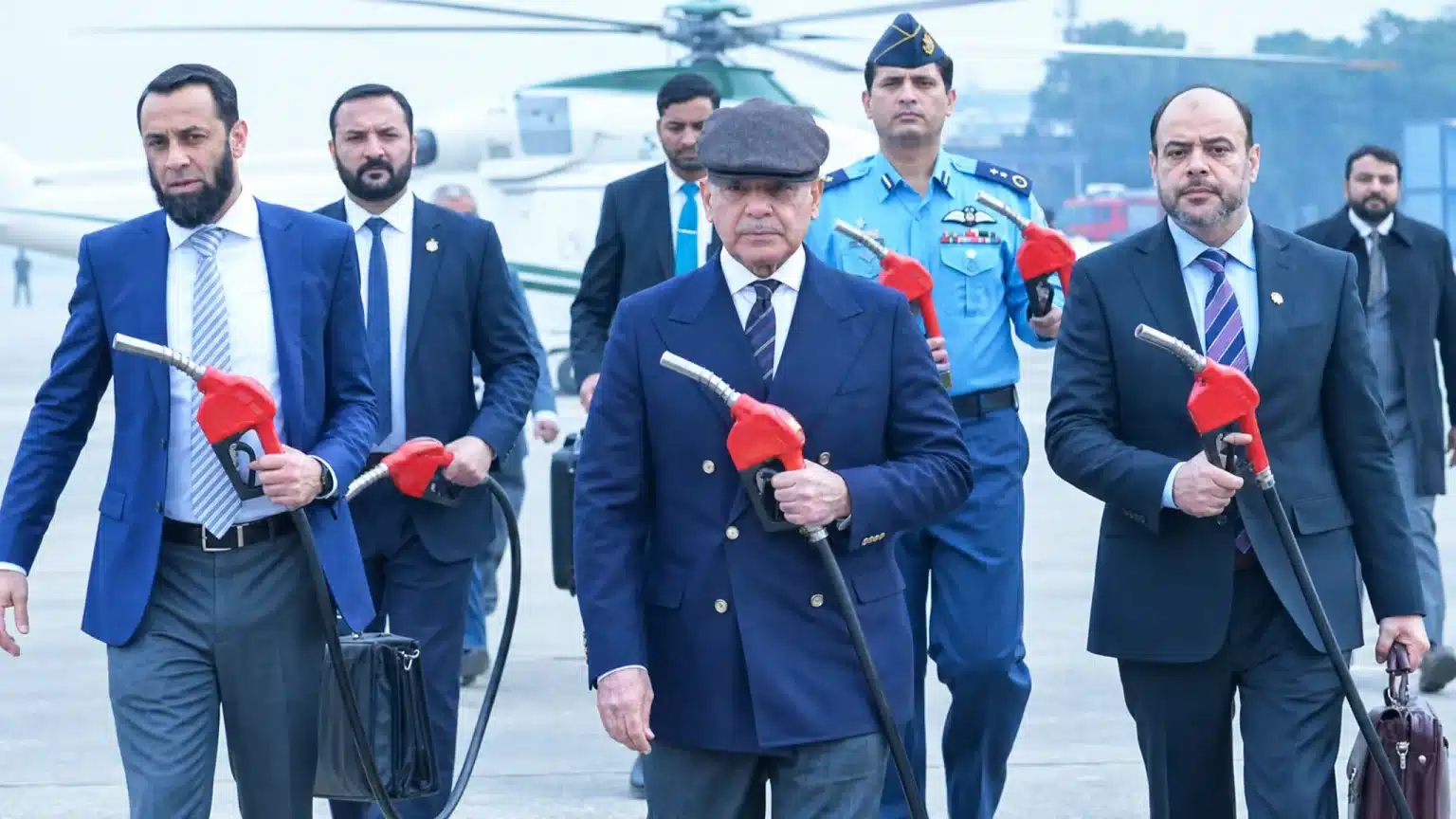
The federal government has stepped up oversight of petroleum reserves to ensure uninterrupted fuel availability across Pakistan, as regional developments continue to impact global energy markets. Authorities say the move is aimed at preventing any potential supply disruptions and maintaining price stability for consumers.

A key meeting of the committee formed by Prime Minister Shehbaz Sharif was held at the Finance Division under the chairmanship of Finance Minister Senator Muhammad Aurangzeb. The session focused on evaluating the country’s fuel reserves and reviewing preparedness measures in light of the changing geopolitical landscape.

Officials conducted a detailed assessment of crude oil inventories and refined petroleum products, including petrol, high-speed diesel, aviation fuels, and liquefied petroleum gas (LPG). The briefing covered current stock levels, average daily consumption rates, and the number of days the country can sustain its fuel requirements under existing supplies.

According to sources familiar with the discussions, the committee examined supply chain mechanisms to ensure smooth transportation and distribution of fuel nationwide. Special emphasis was placed on safeguarding strategic reserves and avoiding panic-driven market behavior that could trigger artificial shortages.

The government’s proactive monitoring reflects growing concerns about volatility in global oil prices. Ongoing regional uncertainties have the potential to disrupt international shipping routes and influence crude oil supply, which can directly affect domestic fuel availability in import-dependent economies like Pakistan.

Energy analysts note that regular stock assessments and close coordination between relevant ministries are critical in times of global instability. By closely tracking petroleum inventories and consumption trends, policymakers can make timely decisions regarding imports, pricing adjustments, and contingency planning.

Officials reassured the public that current petroleum stocks remain within manageable limits. However, they emphasized the importance of vigilance to prevent hoarding or speculative activities in the market. Regulatory bodies have also been directed to maintain strict oversight of oil marketing companies and distribution networks.

The committee is expected to continue reviewing developments in international energy markets on a routine basis. Authorities aim to ensure that petrol pumps across the country remain fully supplied, especially as seasonal demand patterns and economic activities fluctuate.

Pakistan relies heavily on imported crude oil and refined products, making it vulnerable to external shocks. Strengthening monitoring mechanisms and maintaining adequate days of fuel cover are essential steps toward minimizing economic disruptions and protecting consumers from sudden price spikes.

The government’s latest review signals a precautionary approach designed to maintain energy security and economic stability. With ongoing global uncertainties, sustained oversight of petroleum stocks will remain a top priority for policymakers.

Gold Prices Drop Sharply in Pakistan After International Market Reversal

Gold rates in Pakistan witnessed a significant decline on Tuesday, following a sharp reversal in global bullion prices a day earlier. The sudden shift in the international market directly impacted domestic trading, leading to one of the steepest single-day drops in recent weeks.

According to figures released by the All-Pakistan Gems and Jewellers Sarafa Association, the price of gold per tola fell by Rs. 13,900. The new rate now stands at Rs. 549,962 in the local market.

Similarly, the price of 10 grams of gold dropped by Rs. 11,917, bringing it down to Rs. 471,503. The decline reflects the close linkage between Pakistan’s gold market and fluctuations in international bullion prices.

Market analysts attribute the downturn to changes in global economic indicators and investor sentiment. When international gold prices retreat, local rates typically follow the same trend after currency adjustments and market recalibrations.

Gold remains a preferred investment and savings instrument in Pakistan. Many buyers closely monitor daily fluctuations to make purchasing decisions, particularly ahead of wedding seasons and festive occasions.

Traders reported cautious activity in major bullion hubs as investors evaluated the sudden price correction. While some buyers viewed the drop as a potential buying opportunity, others adopted a wait-and-see approach, anticipating further changes in global rates.

Currency movements also play a critical role in determining local gold prices. Any fluctuation in the Pakistani rupee against the US dollar can amplify or moderate the impact of international price shifts.

The latest decline comes after Monday’s unexpected surge in global bullion markets, which had briefly pushed domestic prices higher. However, the international reversal quickly erased those gains, triggering the steep adjustment seen on Tuesday.

Gold market observers suggest that volatility may persist in the coming days, depending on global economic data, inflation expectations, and central bank policies. Investors are advised to stay informed through reliable market sources before making significant buying or selling decisions.

USCIS Raises Premium Processing Fees for Work Visas and Green Cards Effective March 2026

The U.S. Citizenship and Immigration Services has announced an increase in premium processing fees for several employment-based visa and green card petitions. The updated fee structure will take effect on March 1, 2026, as part of a routine inflation adjustment.

The changes apply to a range of commonly used immigration forms filed by employers and foreign workers. USCIS stated that the revision is consistent with federal guidelines that allow periodic adjustments to maintain operational costs and service efficiency.

Premium processing is an optional service that allows applicants to receive faster case decisions. In most cases, USCIS processes these requests within 15 to 30 calendar days, depending on the specific form category. However, expedited handling does not guarantee approval of a petition or issuance of a visa.

The service is widely used for employment-based petitions, including work visas and certain green card-related filings. Employers often rely on premium processing to secure faster decisions for skilled foreign professionals, especially when facing strict job start deadlines or project timelines.

With the upcoming fee increase, businesses and applicants may need to reassess filing strategies and budgets. Immigration attorneys advise companies to carefully review updated fee charts and submission timelines before March 1 to avoid confusion or delays.

USCIS has clarified that only the premium processing service fee is being adjusted. Standard filing fees for individual forms may remain separate unless otherwise specified in official notices. Applicants must ensure correct payment amounts to prevent rejection of their petitions.

The agency emphasized that premium processing remains entirely optional. Petitioners who choose regular processing will continue to receive case decisions under standard timelines, which can vary significantly based on visa category and workload.

The inflation-based adjustment reflects the government’s effort to maintain service quality and operational capacity. Premium processing fees contribute to funding additional staffing and resources that enable expedited review of cases.

Foreign workers planning to apply for employment-based visas or permanent residency in 2026 should stay updated on official USCIS announcements. Employers are also encouraged to coordinate with legal counsel to manage compliance and cost considerations effectively.

Islamabad to Receive Modern Machinery to Upgrade Garbage Collection System

Islamabad is set to enhance its sanitation infrastructure as the Capital Development Authority moves forward with plans to acquire modern machinery for garbage collection. The initiative aims to strengthen the city’s waste management framework and ensure a cleaner, healthier environment for residents.

The decision was finalized during a high-level meeting at CDA Headquarters. The session was chaired by Muhammad Ali Randhawa, who currently serves as CDA Chairman and Chief Commissioner Islamabad. Senior officials reviewed strategies to establish a more efficient and standardized cleanliness system across the federal capital.

Islamabad, known for its organized sectors and green landscape, has witnessed rapid population growth in recent years. This expansion has increased pressure on existing sanitation services. Authorities believe that integrating advanced waste collection vehicles and mechanized equipment will significantly improve operational efficiency and response time.

Officials highlighted that outdated tools and manual systems often slow down garbage collection, particularly in densely populated neighborhoods. By introducing modern machinery, the CDA intends to streamline waste disposal processes, reduce environmental hazards, and enhance public health standards.

The new equipment is expected to include specialized garbage trucks, compactors, and mechanized sweepers designed to handle both residential and commercial waste. These machines will help ensure timely collection while minimizing spillage and roadside accumulation. Improved logistics and route management are also part of the broader sanitation upgrade plan.

During the meeting, emphasis was placed on adopting international best practices in urban cleanliness. The CDA leadership stressed that Islamabad must set an example for other cities in Pakistan by maintaining high sanitation benchmarks. Authorities also discussed monitoring mechanisms to ensure transparency and accountability in the waste management process.

Urban development experts have long advocated for technology-driven waste management solutions. Modernized garbage collection systems not only reduce operational costs over time but also support environmental sustainability goals. Cleaner streets contribute to improved air quality and enhance the overall image of the capital city.

Residents of Islamabad have frequently voiced concerns over irregular waste pickup in certain sectors. The CDA’s latest move is expected to address these concerns by ensuring a more consistent and reliable service. Once implemented, the upgraded machinery will likely transform the city’s sanitation landscape.

The initiative reflects the government’s broader commitment to urban improvement and sustainable development. With modern machinery in place, Islamabad could witness a noticeable improvement in cleanliness standards, reinforcing its reputation as one of Pakistan’s most planned and scenic cities.

CDA Receives Competitive Bid 10% Below Estimate for Major Road Project

The Capital Development Authority (CDA) has received a bid 10 percent below the official estimate for a major road project, following a recent revision of its tendering criteria.

The development reflects increased competition and interest from contractors after the authority eased previously strict eligibility requirements.


Tender Revisions Encourage Broader Participation

Previously, CDA had issued tenders for large-scale road projects with stringent eligibility conditions, limiting the number of participating contractors.

In recent months, the authority relaxed certain requirements to allow more firms to compete, resulting in lower bids and potentially significant cost savings for the government.

Officials noted that the new bidding rules have encouraged wider participation from both established and emerging construction companies.


Implications for Road Development

A bid coming in 10 percent below the estimated cost could translate into substantial savings for the Capital Development Authority, enabling the allocation of additional resources to other infrastructure projects.

The project, part of CDA’s broader urban development strategy, aims to improve road connectivity, reduce traffic congestion, and enhance commuter convenience in the capital city.


Next Steps

The CDA is expected to review the submitted bids carefully to ensure compliance with technical and financial requirements before awarding the contract.

Authorities emphasized that maintaining transparency and accountability remains a priority, even as they seek to encourage competitive bidding in large-scale urban projects.

IMF Delegation Leaves Pakistan; Talks Shift Online Over Security Concerns

Pakistan has moved its ongoing negotiations with the International Monetary Fund (IMF) to a virtual format amid prevailing security concerns, while keeping the review process on schedule.

Officials from the Ministry of Finance confirmed that although the format has shifted from in-person meetings to online discussions, the timeline and agenda of the talks remain unchanged.


IMF Mission Begins Third EFF Review

An IMF mission led by Iva Petrova initiated discussions with Pakistani authorities in Karachi and Islamabad as part of the third review of Pakistan’s Extended Fund Facility (EFF) arrangement.

The delegation also began the second review of the Resilience and Sustainability Facility (RSF), a program designed to help countries address climate vulnerabilities and build economic resilience.

IMF Resident Representative Mahir Binici confirmed that the discussions will now continue virtually.


Delegation Departs After Initial Meetings

The IMF delegation left Pakistan after completing its initial round of meetings. Remaining negotiations, which were earlier planned to continue physically, will now be conducted through virtual platforms.

Sources within the Finance Ministry emphasized that this change is procedural rather than disruptive, and that both sides remain committed to concluding the review process as planned.


What’s at Stake in the Review

The third review under the EFF is considered critical for Pakistan’s economic roadmap. Successful completion would pave the way for the release of the next tranche of funds under the multi-billion-dollar program.

The Resilience and Sustainability Facility review is also significant, as it supports climate-related reforms and long-term fiscal sustainability measures.

Pakistan has been working to meet structural benchmarks and fiscal targets set under the IMF program, including revenue reforms, energy sector restructuring, and public financial management improvements.


Economic Stability Remains Priority

Despite the shift to virtual engagement, officials maintain that the review process is progressing without interruption. The government has reiterated its commitment to fulfilling IMF conditions to ensure macroeconomic stability and maintain investor confidence.

The outcome of the ongoing reviews will play a key role in determining Pakistan’s access to further financial support and its broader economic stabilization strategy in the coming months.

Sindh High Court Orders Removal of Encroachments on M-9 Green Belts, Service Roads

In a significant move aimed at protecting public infrastructure, the Sindh High Court (SHC) has ordered a joint demarcation of the Right of Way (ROW) along the M-9 motorway and directed the immediate removal of encroachments on green belts and service roads.

The directive came during a hearing concerning disputed private lands located along the busy M-9 corridor, which connects Karachi to Hyderabad. The court instructed relevant authorities to complete the demarcation process within 60 days to clearly define the boundaries between state-owned land and privately owned property.

60-Day Deadline for ROW Demarcation

According to the court’s order, officials must carry out a joint survey to establish the exact limits of the motorway’s Right of Way. The move is expected to resolve ongoing disputes between landowners and government departments regarding ownership and possession.

The bench further ruled that until the demarcation process is finalized, all parties must maintain the status quo regarding possession of privately owned land. This means no new construction, demolition, or transfer of land will be allowed in the disputed areas during the 60-day period.

Immediate Action Against Encroachments

In addition to the survey directive, the SHC ordered authorities to immediately remove encroachments from green belts and service roads along the motorway. These areas are designated for environmental protection, traffic flow management, and public safety.

Encroachments on service roads have long been a source of concern, as they can obstruct traffic, increase accident risks, and hinder emergency response access. Illegal structures on green belts also undermine urban planning and environmental sustainability efforts.

Importance of the M-9 Motorway

The M-9 motorway is a key transportation link in Sindh, facilitating commercial traffic and passenger movement between Karachi and Hyderabad. Any obstruction or land dispute along this route can significantly impact logistics, trade, and daily commuting.

Legal experts say the court’s decision underscores the judiciary’s commitment to safeguarding public infrastructure while ensuring due process for private landowners. By ordering a joint demarcation, the SHC aims to balance state interests with property rights, reducing the likelihood of future legal conflicts.

Authorities are now expected to coordinate with land revenue officials, highway authorities, and other relevant departments to carry out the survey within the stipulated timeframe. The outcome of the demarcation process will likely determine the next steps in resolving ownership disputes and clearing the motorway corridor.

NAB Recovers 350 Acres of Illegally Allotted Government Land in Karachi

The National Accountability Bureau (NAB) has successfully recovered 350 acres of government land in the Karachi’s Clifton area, marking a major anti-corruption achievement. The recovered property, valued at approximately Rs423.5 billion, spans Clifton Block-I and Block-II, making it one of the largest land recoveries in recent years.

NAB’s investigation revealed that the land had been illegally allotted, implicating senior officials from the Land Utilisation Department, Karachi Metropolitan Corporation (KMC), and the Karachi Development Authority (KDA). The thorough probe included reviewing allotment records, cross-checking ownership documents, and verifying regulatory compliance.

Officials noted that the recovered land had been highly sought after due to its prime location and commercial potential. Retrieving the property ensures it will be returned to public use, safeguarding national assets and deterring future illegal allotments.

This recovery is part of NAB’s ongoing efforts to combat corruption and enforce accountability in public sector transactions. Authorities emphasized that investigations into similar illegal allotments across the city are continuing, aiming to restore government land and prevent misuse.

Analysts highlighted that recovering such high-value government property sends a strong message about transparency and institutional oversight. The action reinforces the role of regulatory bodies in safeguarding national resources against malpractice.

NAB officials also confirmed that legal and administrative measures will be taken to prevent future irregularities, while recovered land will be officially documented and secured under government custody.

Motorway Police Announce Major Crackdown on Vehicle Overloading Across Pakistan

The National Highways and Motorway Police has launched a nationwide crackdown on vehicle overloading, aiming to improve road safety and prevent infrastructure damage across Pakistan’s motorway network.

The announcement was made by the Inspector General of Motorway Police, who emphasized that strict enforcement measures will be implemented against transporters violating weight limits. Authorities say the campaign is part of broader efforts to reduce road accidents and ensure compliance with traffic regulations.

According to officials, overloading remains one of the leading causes of highway accidents. Excess weight affects braking distance, tire performance, and overall vehicle stability, significantly increasing the risk of crashes. Heavy vehicles exceeding prescribed limits also cause rapid deterioration of road surfaces and bridges, leading to costly repairs.

Under the new directive, monitoring teams will increase inspections at toll plazas and designated checkpoints. Advanced weighing systems and mobile enforcement units will be deployed to detect overloaded trucks and commercial vehicles in real time.

The Inspector General warned that violators will face heavy fines, vehicle impoundment, and possible suspension of route permits. Repeat offenders may also be subject to stricter penalties under existing traffic and transport laws.

Transport associations have been advised to strictly adhere to approved load limits. Officials stated that awareness campaigns will run alongside enforcement to educate drivers and fleet owners about the risks associated with overloading.

Road safety experts have welcomed the move, noting that effective enforcement can significantly reduce fatal accidents on high-speed corridors. Pakistan’s motorway network plays a vital role in national trade and logistics, making safety compliance essential for economic stability.

The crackdown also aligns with the government’s broader infrastructure protection strategy. Overloaded vehicles not only threaten public safety but also reduce the lifespan of highways, increasing maintenance costs for taxpayers.

Authorities have urged the public to cooperate with enforcement teams and report violations through official helplines. The Motorway Police reiterated its commitment to maintaining secure and efficient travel conditions for commuters and commercial operators alike.

The campaign is expected to continue in phases, with periodic reviews to assess compliance levels and enforcement effectiveness.

Pakistani National Confirmed Dead in Iranian Missile Attack in Abu Dhabi Amid Escalating Gulf Tensions

A Pakistani national has been confirmed dead in a missile-related incident in Abu Dhabi, according to an official statement from the United Arab Emirates. The tragic loss marks the first confirmed casualty in the Gulf as regional tensions intensify following recent military escalations.

The UAE authorities stated that the victim was a Pakistani citizen who lost his life during what has been described as an Iranian missile attack targeting areas in the Gulf. The confirmation comes amid a rapidly evolving crisis triggered by Israel’s strikes on Tehran, subsequent involvement by the United States, and Iran’s retaliatory actions across the region.

In its follow-up statement, the UAE government extended sincere condolences and heartfelt sympathy to the family and relatives of the deceased. Officials emphasized their solidarity with the victim’s loved ones during this difficult time and reaffirmed their commitment to ensuring the safety of residents and expatriates across the country.

The incident has heightened concerns within the large Pakistani community residing in the United Arab Emirates. The UAE is home to millions of expatriates, including a significant number of Pakistani nationals who contribute to key sectors such as construction, healthcare, retail, and services. The confirmation of a Pakistani casualty has drawn attention in both Islamabad and Abu Dhabi.

The broader regional conflict has raised alarm internationally. Israel’s military operations in Tehran reportedly triggered a series of retaliatory actions, with Iran launching missile and drone strikes across strategic Gulf locations. The United States’ involvement has further escalated diplomatic and military tensions, increasing fears of a prolonged confrontation in the Middle East.

Security analysts warn that the Gulf region remains highly sensitive due to its strategic importance, energy infrastructure, and international presence. Any sustained escalation could impact global oil markets, regional stability, and the safety of foreign nationals working across Gulf states.

While authorities continue to monitor the situation closely, diplomatic efforts are reportedly underway to prevent further escalation. Governments across the region have urged restraint and called for dialogue to de-escalate tensions.

The tragic death of the Pakistani national underscores the far-reaching human cost of geopolitical conflict. As developments unfold, families across the region are watching closely, hoping for stability and peace in an increasingly volatile environment.

Fog Expected in Karachi Over the Weekend

The Pakistan Meteorological Department (PMD) has issued a forecast predicting fog in Karachi on Saturday and Sunday, which may reduce visibility during morning hours.

The Early Warning Center of the PMD reported that certain parts of the city are likely to experience low-lying fog, potentially impacting early morning traffic and transportation. Commuters are advised to exercise caution while driving and allow extra travel time during foggy conditions.

Weather officials also recommend monitoring local forecasts for updates and taking safety measures to prevent accidents caused by limited visibility.

Five Children Die After Drinking Water from Pesticide Bottle in Ghotki

A tragic incident in Ghotki District has claimed the lives of five children after they reportedly drank water from an empty pesticide bottle, underscoring the serious risks associated with unsafe disposal of agricultural chemicals in rural areas.

The incident occurred in the village of Arif Chajjar in the town of Sarhad, where the children allegedly found a discarded pesticide container and used it to drink water while returning home from school.

According to reports, 10-year-old Waqar Ahmed and 9-year-old Ayaz Ahmed died on the first day after falling seriously ill. Two more children, seven-year-old Allaudin and five-year-old Waseem, passed away the following day. Ayaz, Allaudin, and Waseem were brothers.

Health officials say pesticide residues can remain highly toxic even in empty containers, posing life-threatening risks if ingested. The tragedy has once again raised concerns over:

  • Improper disposal of agricultural chemicals
  • Lack of awareness in rural communities
  • Limited access to emergency medical facilities
  • Need for stricter regulation and public safety campaigns

Experts stress that pesticide containers should never be reused for storing food or water and must be disposed of according to safety guidelines. Proper labeling, community education, and enforcement of environmental regulations are critical to preventing similar incidents.

Authorities are expected to investigate the circumstances surrounding the case, while calls grow for stronger awareness campaigns to protect children in farming communities.

Umar Akmal Responds to Babar Azam Comparison Controversy

Former Pakistan batter Umar Akmal has issued a clarification after an Instagram story sparked controversy for seemingly comparing his performances with those of Babar Azam.

Taking to social media platform X, Umar Akmal addressed the backlash and said his post had been misunderstood. He emphasized that he had no intention of drawing comparisons between himself and the Pakistan captain.

“I want to clarify that my aim was never to compare myself with Babar Azam. He is currently one of the top batters in the world, and I have great respect for his achievements,” Umar wrote.

The clarification comes after fans interpreted his earlier Instagram story as an attempt to measure his career statistics against Babar’s, leading to heated debate online.

Babar Azam is widely regarded as one of the finest batters of his generation, consistently ranking among the top players in international cricket across formats. Umar’s statement appears aimed at easing tensions and putting speculation to rest.

The episode once again highlights how quickly social media posts can spark controversy in Pakistan’s passionate cricket community.

Fauji Cement, KAPCO Receive CCP Approval to Acquire Attock Cement

The Competition Commission of Pakistan has approved the proposed acquisition of Attock Cement Pakistan Limited by Fauji Cement Company Limited and Kot Addu Power Company Limited following a Phase-I review under the Competition Act, 2010.

The approval clears a major corporate transaction in Pakistan’s cement sector. Regulators determined that the acquisition does not substantially lessen competition or create a dominant market position.

On February 3, 2026, Fauji Cement and Kot Addu Power submitted a pre-merger application seeking to acquire a controlling stake in Attock Cement. The transaction involves purchasing shares from Pharaon Investment Group Limited.

The proposed acquisition is structured under a Scheme of Compromises, Arrangement, and Reconstruction Agreement dated January 30, 2026. Upon completion of the deal, Fauji Cement and KAPCO will jointly assume control of Attock Cement Pakistan.

Industry analysts view the development as a strategic consolidation move. The cement sector has witnessed increased merger and acquisition activity in recent years, driven by expansion plans and market optimization strategies.

Fauji Cement is among the key players in Pakistan’s construction materials industry, while KAPCO operates in the power generation segment. Their joint acquisition of Attock Cement signals cross-sector collaboration aimed at strengthening industrial portfolios.

The Competition Commission conducted a Phase-I review to assess potential market impacts, including pricing power and supply chain dynamics. After evaluation, the regulator concluded that the transaction complies with competition laws.

Completion of the acquisition will depend on fulfilling regulatory and procedural requirements outlined in the agreement. Once finalized, the transaction is expected to reshape ownership dynamics within the cement industry.

The approval marks a significant milestone for the parties involved and reflects ongoing corporate restructuring within Pakistan’s industrial landscape.

Lawmaker Claims Pakistan Steel Mills Was Quietly Offered to Russia

Fresh controversy has emerged around Pakistan Steel Mills after a lawmaker alleged that the state-owned industrial giant was quietly offered to Russia for sale nearly six months ago.

The claim surfaced during a meeting of the National Assembly Standing Committee on Industries and Production, where members expressed serious concern over reported large-scale theft and administrative lapses at the facility.

The session was chaired by Syed Hafeezuddin, with a subcommittee report presented by committee member Naz Baloch. The report painted a troubling picture of operational decline and governance failures within the organization.

Naz Baloch alleged that theft was occurring on a significant scale inside Pakistan Steel Mills. She further claimed that the mill had been informally offered to Russia, raising questions about transparency and due process in any potential privatization efforts.

According to the lawmaker, the situation at the steel complex has worsened considerably in recent months. She indicated that instead of stabilizing operations, administrative weaknesses and mismanagement have deepened the crisis.

Committee members voiced strong reservations over the reported developments. They directed the Chief Executive Officer of Pakistan Steel Mills to appear before the committee and provide a detailed explanation regarding the alleged theft, administrative shortcomings, and the reported offer to Russia.

Pakistan Steel Mills has long been considered a strategic national asset. Once a cornerstone of the country’s industrial base, the entity has faced years of financial losses, production shutdowns, and restructuring attempts.

The latest allegations add a new layer of complexity to the ongoing debate surrounding the future of the mill. Lawmakers emphasized the need for accountability and transparent decision-making, particularly if discussions regarding foreign interest or privatization are taking place.

The committee is expected to review further evidence and seek clarification from relevant officials in upcoming sessions. Any formal move involving a foreign government or entity would likely require cabinet-level approval and parliamentary oversight.

As scrutiny intensifies, the future of Pakistan Steel Mills remains uncertain. The coming weeks may prove critical in determining whether the facility undergoes restructuring, privatization, or another form of revival strategy.

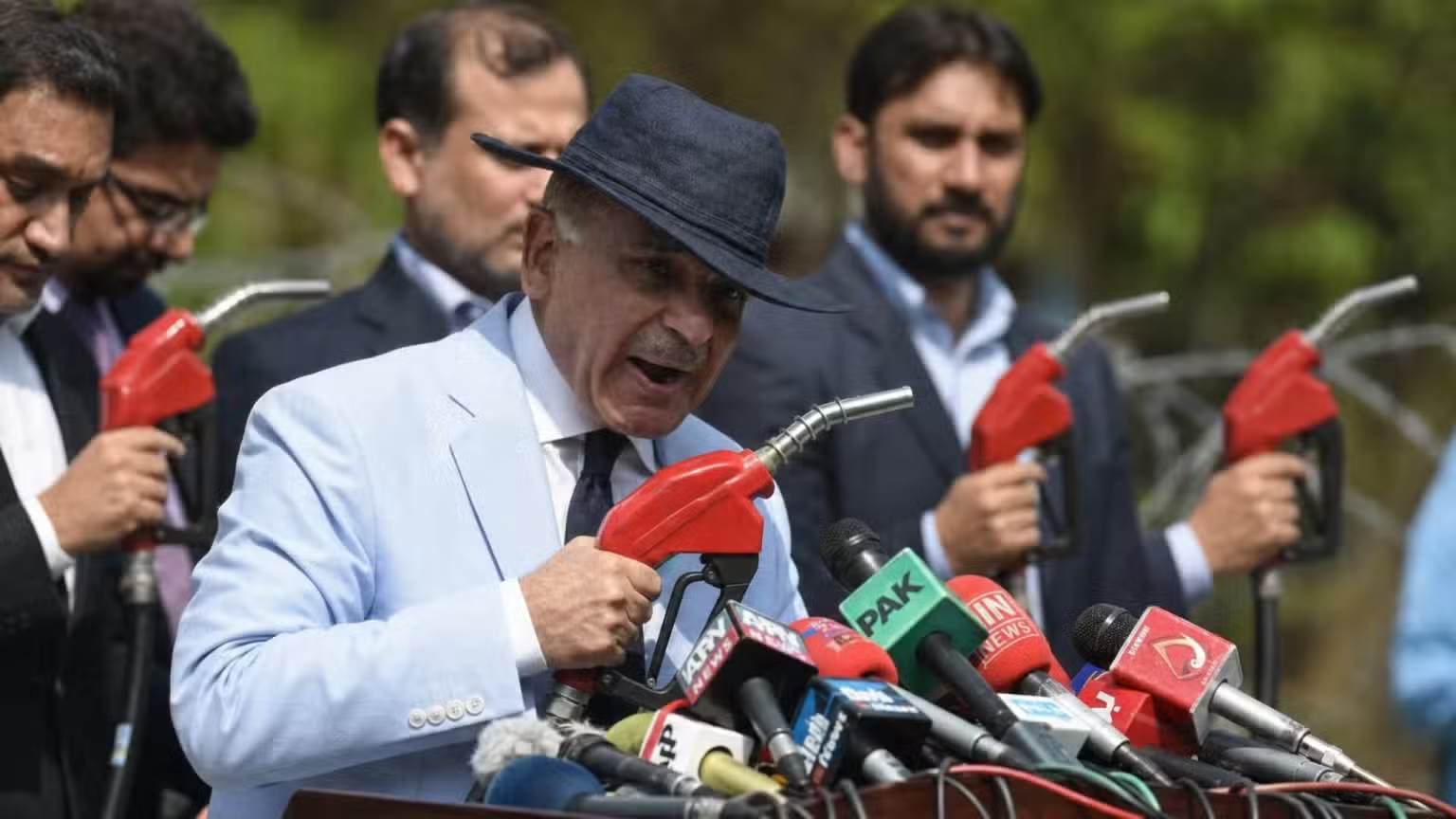
Petrol and Diesel Prices Likely to Increase from 1st March 2026

Petroleum product prices in Pakistan are expected to rise once again, with new rates likely to come into effect from 1st March 2026, subject to government approval. The anticipated adjustment could put additional financial pressure on consumers already managing high living costs.

According to projections shared by Arif Habib Limited, the proposed increase may reach up to Rs. 6.8 per litre. The revision is part of the routine fortnightly price review linked to global oil market trends and exchange rate fluctuations.

Motor Spirit (MS) petrol is expected to witness an increase of Rs. 5.13 per litre. If approved, the new price could rise to Rs. 263.30 per litre. This change would directly impact private vehicle owners and ride-hailing services across the country.

High-Speed Diesel (HSD), widely used in heavy transport vehicles, agriculture machinery, and goods carriers, is projected to increase by Rs. 6.8 per litre. The expected new rate may reach Rs. 282.50 per litre from 1st March 2026.

An increase in diesel prices typically has a broader economic impact. Since HSD fuels trucks and public transport, higher rates can raise transportation costs. This often leads to an increase in the prices of essential commodities, including food and construction materials.

Fuel prices in Pakistan are influenced by international crude oil prices and adjustments in petroleum levy and taxes. The government reviews these factors every two weeks before announcing the final rates. Any upward revision is closely watched by businesses and consumers alike.

If the proposed changes are approved, households may experience higher commuting expenses. Businesses, particularly those dependent on logistics and supply chains, could also face increased operational costs.

The final decision regarding the revised petroleum prices will be announced by the government before the start of March. Until then, the expected hike remains subject to official confirmation.

Shaheen Afridi Sets New Record at T20 World Cup 2026 Despite Narrow Loss to England

Shaheen Afridi etched his name into the record books during the Super Eight clash against England cricket team at the ICC Men’s T20 World Cup 2026, delivering a sensational bowling performance that highlighted his dominance in T20 International cricket.

The left-arm pacer produced a fiery spell under pressure, dismantling England’s batting order with pace, accuracy, and intelligent variations. His four-wicket haul not only shifted momentum at crucial stages but also helped him achieve a new personal milestone in T20 World Cup history.

Afridi’s performance further cemented his reputation as one of Pakistan’s most reliable match-winners in global tournaments. With this outing, he strengthened his standing among the leading wicket-takers in T20 World Cup competitions, underlining his consistency on the biggest stage.

Bowling with the new ball and returning at the death, Afridi maintained control despite England’s aggressive chase. His ability to strike at key moments kept Pakistan in contention throughout the high-intensity encounter.

However, despite Afridi’s brilliance with the ball, Pakistan fell short in a closely fought contest. England managed to edge past the target in the final overs, sealing a narrow victory and securing crucial points in the Super Eight stage.

Afridi’s spell was widely praised by cricket analysts and fans alike, with many describing it as one of the standout bowling performances of the tournament so far. His rhythm, pace, and execution under pressure demonstrated why he remains a cornerstone of Pakistan’s T20 bowling attack.

While the result did not go Pakistan’s way, Afridi’s record-breaking feat remains a significant positive for the team moving forward. His form will be vital as Pakistan continues its campaign in the latter stages of the tournament.

With big matches ahead, Pakistan will look to build on individual performances like Afridi’s and convert them into collective success in the ICC Men’s T20 World Cup 2026.

UAE to Rollover $2 Billion Loan to Pakistan for Extended Period: Ishaq Dar

The United Arab Emirates has agreed to rollover a $2 billion loan to Pakistan for a longer tenure this time, Deputy Prime Minister and Foreign Minister Ishaq Dar confirmed on Wednesday.

Speaking informally to the media, Dar described the deposits as secure and assured that the rollover process would be automatic, providing a significant boost to Pakistan’s external financing outlook.

Financial Stability Support

The $2 billion deposit, placed by the UAE with the State Bank of Pakistan, plays a crucial role in supporting the country’s foreign exchange reserves. Such rollovers are often key components of Pakistan’s efforts to maintain macroeconomic stability and meet conditions set by international lenders.

Dar emphasized that the renewed arrangement reflects the strong bilateral ties between Pakistan and the UAE. By extending the tenure of the deposit, the Gulf nation has provided Islamabad with additional breathing space amid ongoing economic reforms and fiscal consolidation efforts.

Automatic Rollover Mechanism

According to the foreign minister, the rollover will take place automatically, ensuring continuity without any disruption to Pakistan’s financial position. This assurance is particularly significant as Pakistan continues to navigate external financing pressures and manage its balance-of-payments situation.

The development comes at a time when the government is working to stabilize the economy through structural reforms, improved revenue generation, and strengthened international partnerships.

With the UAE’s continued financial backing, policymakers hope to reinforce investor confidence and maintain stability in the country’s foreign exchange market.

Canada Warns Pakistanis About Fake Visa Offers for FIFA World Cup 2026

The High Commission of Canada in Pakistan has issued a public advisory cautioning Pakistani nationals against fraudulent agents and online scams offering “guaranteed” visas or electronic travel authorizations (eTAs) for the upcoming FIFA World Cup 2026.

In its official notice, the High Commission urged applicants to submit all visa and eTA requests exclusively through the Government of Canada’s official website. Authorities warned that using unofficial agents or third-party services could result in financial losses, rejected applications, or even future travel bans.

Surge in Travel Interest Raises Scam Risks

Canada is co-hosting the 2026 tournament alongside the United States and Mexico. With more than 500,000 international visitors expected during the event, officials say the spike in travel interest has created opportunities for scammers to target football fans eager to attend matches.

Fraudsters are reportedly promoting fake packages, fast-track approvals, and guaranteed visa services through social media and messaging platforms. Canadian officials emphasized that no private agent can guarantee approval of a visa or eTA application.

No Special World Cup Visa Category

According to Immigration, Refugees and Citizenship Canada, there is no special visa category for attending World Cup matches. Fans traveling to Canada will enter as tourists and must apply for either a visitor visa or an eTA, depending on their nationality and travel method.

Authorities clarified that applicants do not need to purchase a World Cup match ticket before applying for a visa or eTA. However, holding a valid match ticket does not guarantee approval of any travel document. Each application is assessed individually based on Canadian immigration rules.

Processing Times and Official Guidance

For Pakistani applicants, current processing times for Canadian visitor visas are estimated at 20 to 30 weeks. Officials stressed the importance of applying well in advance and ensuring that all documents are accurate and submitted through official channels.

The High Commission strongly advised individuals to avoid agents promising guaranteed approvals or expedited processing. Instead, applicants should rely solely on verified government sources to protect themselves from fraud and ensure a lawful travel process ahead of the 2026 World Cup.