Pakistan Nears IMF Agreement to Revise FBR Tax Collection Target for FY26

Pakistan and the International Monetary Fund are reportedly close to finalizing a revised tax collection target for the current fiscal year as part of ongoing economic negotiations. The discussions are taking place under the country’s $7 billion Extended Fund Facility program, which aims to stabilize Pakistan’s financial system and improve fiscal management.

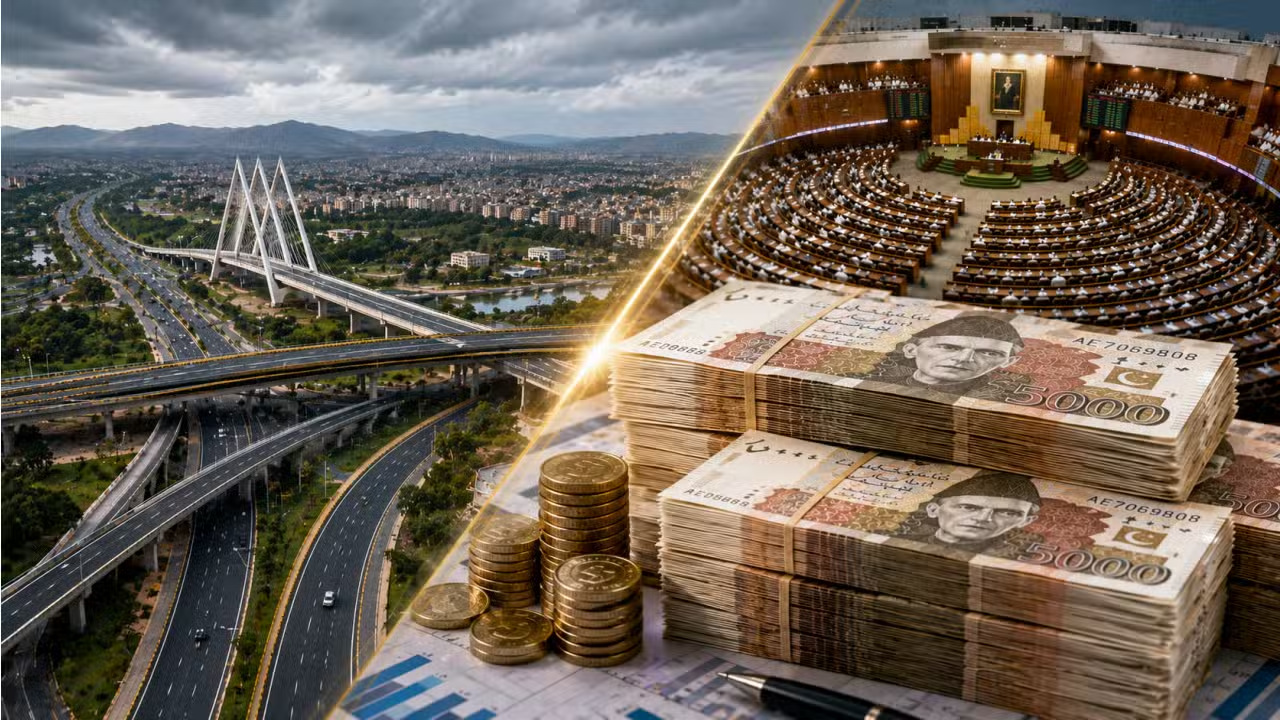
According to sources familiar with the negotiations, the new target for the Federal Board of Revenue is expected to be set at Rs. 13.45 trillion for fiscal year 2026. Officials from both sides are currently engaged in virtual discussions to reach a staff-level agreement that would formally update the country’s revenue expectations.

The revision comes after concerns that the earlier tax-to-GDP target of 11 percent may not be achievable within the current economic conditions. Instead, the updated projections suggest that the tax-to-GDP ratio may reach around 10.6 percent by June 2026.

Based on this revised ratio, the total tax collection by the Federal Board of Revenue is estimated to reach approximately Rs. 13.45 trillion by the end of the fiscal year. This adjustment reflects the government’s effort to align revenue goals with realistic economic performance and fiscal capacity.

The negotiations with the International Monetary Fund are part of broader discussions aimed at maintaining macroeconomic stability and ensuring the continuation of financial support under the Extended Fund Facility program. The IMF program includes various structural reforms designed to improve Pakistan’s fiscal discipline, strengthen revenue collection, and enhance transparency in public finances.

Economic policymakers have been working to balance revenue targets with the country’s economic challenges, including inflation, growth constraints, and administrative limitations in tax collection. Revising the target is viewed by some analysts as a practical step to maintain credibility in fiscal planning.

Officials have indicated that reaching a staff-level agreement is a key milestone in the negotiation process. Once finalized, the agreement will help define Pakistan’s fiscal roadmap for the remainder of the program period.

The government has also been focusing on reforms aimed at broadening the tax base, improving compliance, and strengthening digital monitoring systems within the tax authority. These efforts are intended to gradually increase the tax-to-GDP ratio over the long term.

While the revised target slightly lowers earlier expectations, policymakers believe it still represents a significant revenue goal that requires improved tax administration and enforcement.

The outcome of the negotiations will play an important role in shaping Pakistan’s fiscal outlook for FY26 and could influence future economic reforms and budget planning.

PAC Raises Alarm Over Billions Lost in Alleged Property Fraud Linked to CDA Land Deals

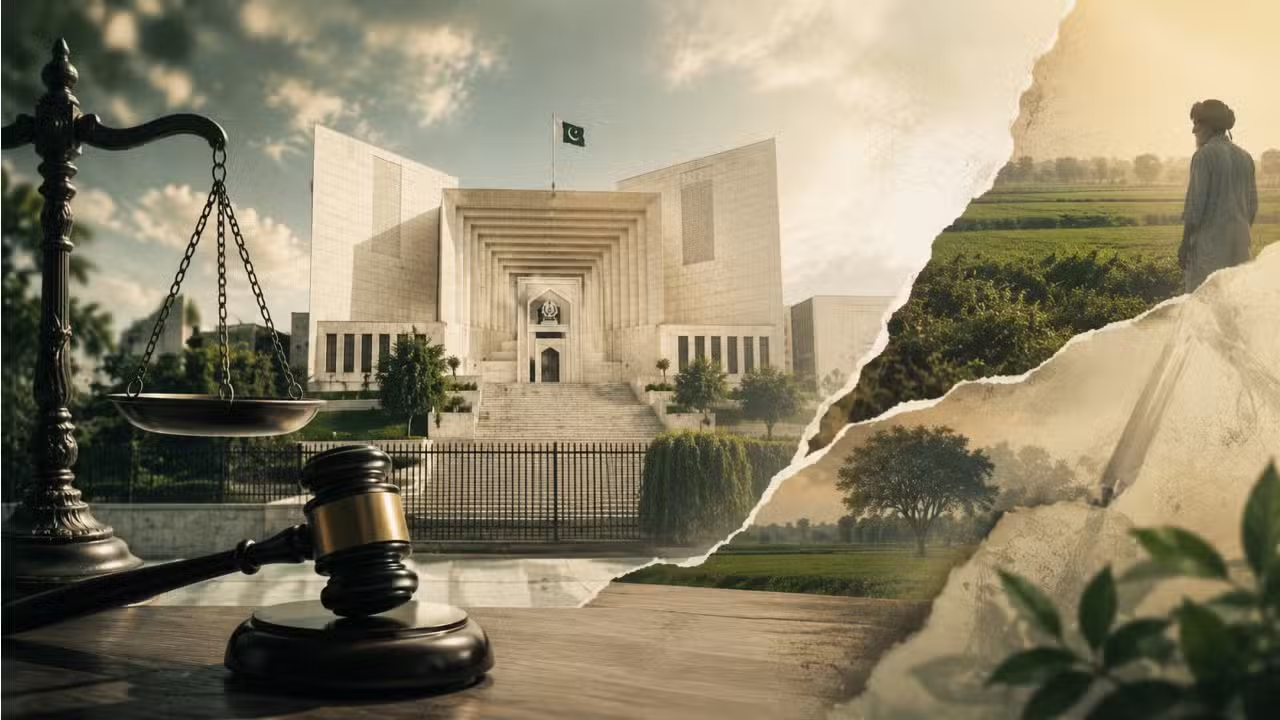
Pakistan’s Public Accounts Committee raised serious concerns over alleged corruption and financial irregularities involving land transactions managed by the Capital Development Authority. The issue was discussed during a committee meeting where lawmakers reviewed audit findings and examined the status of investigations related to suspected property fraud.

The meeting, chaired by Shahida Akhtar Ali, focused on the CDA’s Audit Report for 2023–24. Committee members carefully reviewed several audit observations that highlighted possible irregularities in land allotments and property transactions within the authority.

Lawmakers expressed frustration over reports suggesting that billions of rupees may have been lost due to questionable land deals and administrative lapses. The committee stressed that such losses not only affect public resources but also undermine confidence in government institutions responsible for managing valuable state land.

Officials confirmed that a number of audit paragraphs had already been forwarded to the Federal Investigation Agency for further investigation. These cases involve allegations of fraud, illegal land allotments, and procedural violations that may have caused significant financial damage.

During the session, Usman Anwar appeared before the committee to provide an update on the status of the investigations. He briefed lawmakers on the progress made so far and explained the steps being taken by the agency to examine the cases in detail.

Committee members pressed for faster progress, emphasizing that accountability must be ensured in cases involving public land and large financial losses. They called for thorough investigations and transparent reporting to determine how the alleged irregularities occurred and who may be responsible.

The discussion highlighted broader concerns about governance and oversight within the Capital Development Authority. As the primary body responsible for urban development and land management in Islamabad, the CDA oversees valuable property assets that require strict regulatory control and transparent administration.

Lawmakers also stressed the need for improved monitoring mechanisms to prevent similar incidents in the future. Strengthening internal checks, enhancing documentation procedures, and increasing coordination with oversight bodies were among the measures suggested during the meeting.

The committee noted that property fraud and irregular land transactions can have far-reaching consequences, including financial losses to the government and legal disputes affecting citizens and investors.

Members concluded that the investigations must be completed without delay so that accountability can be established and appropriate legal action can be taken where necessary. The PAC reiterated that protecting public assets and ensuring transparency in land management should remain a priority for all relevant institutions.

Senate Questions Security of Foreign Software Used in Islamabad Safe City Surveillance System

The Senate Standing Committee on Information Technology and Telecommunication has raised serious concerns about the use of foreign software in the Islamabad Safe City surveillance system. The issue was discussed during a recent committee meeting, where officials provided a detailed briefing on the cybersecurity measures currently in place to safeguard the capital’s monitoring infrastructure.

Members of the committee reviewed the security framework of the Safe City project in light of growing global concerns about cyber attacks targeting surveillance and traffic management networks. Lawmakers emphasized the need to thoroughly assess the technological backbone of the system to ensure that it remains protected against potential digital threats.

Officials associated with the Safe City initiative explained that several layers of cybersecurity protocols are deployed to protect the network from unauthorized access or cyber intrusions. They assured the committee that monitoring mechanisms, firewalls, and other protective technologies are actively working to prevent vulnerabilities within the system.

Despite these assurances, senators highlighted the potential risks associated with relying on foreign technology for critical national infrastructure. They stressed that surveillance systems, especially those responsible for monitoring traffic, law enforcement, and public safety, must be secured with the highest level of data protection.

The discussion was also influenced by recent international incidents in which traffic camera systems and urban surveillance networks were reportedly targeted by cyber attackers. These cases raised alarms among policymakers, prompting them to examine whether similar threats could affect Pakistan’s own digital infrastructure.

Committee members urged authorities to conduct continuous security audits and vulnerability assessments of the Islamabad Safe City system. They also recommended strengthening local technological capabilities to reduce dependency on external software providers.

The Safe City project plays a crucial role in maintaining law and order in the federal capital. Through an extensive network of cameras and data monitoring tools, the system assists law enforcement agencies in traffic management, crime prevention, and emergency response operations.

Given the importance of such infrastructure, senators emphasized that cybersecurity must remain a top priority. They called for improved coordination between technology experts, security agencies, and government institutions to ensure that surveillance systems remain resilient against emerging cyber threats.

The committee concluded that while the Safe City project has significantly enhanced public safety in Islamabad, regular upgrades and strict oversight are necessary to maintain its security and efficiency in the face of evolving digital risks.

Karachi Inaugurates Upgraded Jinnah Bridge Following Rehabilitation Work

Karachi Mayor Barrister Murtaza Wahab inaugurated the completion of the improvement and rehabilitation project for Jinnah Bridge in District Keamari. The project was completed at a cost of Rs. 609 million and aims to enhance traffic flow and infrastructure safety.

During the ceremony, the mayor highlighted the strategic importance of Jinnah Bridge, noting that it connects the port area with major highways and serves as a link to the Native Jetty Bridge. The upgraded bridge is expected to facilitate smoother transportation for commuters, freight movement, and trade activities in the city.

The rehabilitation work included structural repairs, resurfacing, and modernization of the bridge’s facilities to ensure long-term durability and safety. Authorities emphasized that the improvements would not only improve traffic management but also enhance the aesthetic appeal of one of Karachi’s key transport landmarks.

City officials noted that Jinnah Bridge is a critical route for vehicles transporting goods to and from the port, and the upgraded infrastructure will reduce congestion and improve efficiency in the movement of commercial traffic.

The project reflects Karachi’s ongoing efforts to modernize urban infrastructure and maintain vital transport links that support economic activity. By upgrading the bridge, city authorities aim to enhance connectivity for both local commuters and the logistics sector, which relies heavily on efficient port access.

Mayor Wahab assured residents that similar rehabilitation initiatives would continue across the city to improve public safety, traffic flow, and overall infrastructure quality. The project demonstrates a focus on long-term urban planning and sustainable development in Karachi.

Global Oil Prices Plunge After Trump Signals Possible De-Escalation in Middle East Conflict

International oil prices witnessed a sharp decline after Donald Trump hinted at a possible “conditional de-escalation” from the ongoing conflict involving Iran. The remarks triggered immediate reactions in global energy markets, leading to a significant drop in crude oil benchmarks.

At the time of reporting, Brent Crude had fallen by 7.62 percent, dropping $7.54 to reach $91.42 per barrel. Meanwhile, West Texas Intermediate (WTI) declined by 6.9 percent, shedding $6.54 to settle at $88.23 per barrel.

Earlier in the trading session, both crude benchmarks recorded even steeper losses, falling by nearly 12 percent before recovering slightly. The volatility reflects how sensitive global oil markets are to geopolitical developments, particularly in regions critical to global energy supply.

Energy markets closely monitor developments in the Middle East, as the region plays a central role in global oil production and supply routes. Any escalation in tensions typically drives prices higher due to concerns about supply disruptions. Conversely, signals of easing tensions can quickly trigger sharp declines in oil prices.

Market analysts suggest that Trump’s comments indicating a possible de-escalation reduced fears of a prolonged military confrontation that could disrupt oil exports from key producers in the region. This shift in sentiment prompted traders to adjust positions, resulting in the rapid drop in crude prices.

Global oil markets have remained highly volatile in recent weeks as investors track geopolitical risks, production decisions by major oil producers, and changes in global demand. Developments related to conflicts, diplomatic negotiations, and international sanctions can all influence market expectations and price movements.

For oil-importing countries such as Pakistan, a decline in international oil prices could potentially provide economic relief by lowering import costs. Reduced fuel prices may help ease pressure on inflation and support economic stability if the trend continues.

However, analysts caution that oil markets can shift rapidly depending on new developments in global politics and energy supply chains. A single policy statement, military development, or diplomatic shift can quickly change the market outlook.

Investors and energy stakeholders will continue monitoring geopolitical signals, as any further announcements regarding the conflict or diplomatic negotiations could significantly influence global oil prices in the coming days.

Airlines Increase Ticket Prices in Pakistan Following Jet Fuel Price Surge

Airlines operating in Pakistan have raised ticket prices on several domestic routes after a significant increase in jet fuel costs. The fare hike has affected passengers traveling between major cities, including Karachi, Lahore, and Islamabad, as carriers adjust prices to manage rising operational expenses.

According to airline sources, ticket prices on domestic flights have increased between Rs. 2,800 and Rs. 5,000 per ticket. The increase has been implemented across multiple routes, with airlines citing the surge in jet fuel prices as the primary reason behind the revised fares.

Jet fuel is one of the largest operational costs for airlines, and any fluctuation in its price directly impacts ticket pricing. With fuel costs rising sharply, airlines have been compelled to revise their fare structures to maintain financial stability while continuing flight operations across the country.

Passengers traveling from Karachi to Lahore and Islamabad are among those most affected, as these routes are among the busiest in Pakistan’s domestic aviation network. The increase in fares may influence travel plans for many passengers, particularly those who frequently rely on air travel for business or urgent commitments.

Industry experts say that airline ticket prices often respond quickly to changes in fuel costs. When jet fuel prices rise, airlines typically have limited options other than adjusting fares to offset the increased expenses. Without such adjustments, operating flights could become financially unsustainable for carriers.

Travel analysts also note that the aviation sector in Pakistan has been facing mounting cost pressures in recent months. Apart from fuel, airlines must also manage expenses related to maintenance, airport charges, and currency fluctuations, all of which can contribute to higher operational costs.

Despite the fare hike, airlines are expected to maintain regular flight schedules on key domestic routes. However, travelers are advised to check updated ticket prices before booking flights, as fares may vary depending on demand, route availability, and travel dates.

The increase in ticket prices highlights the broader impact of fuel price fluctuations on the aviation industry. As global and local fuel markets remain volatile, airline passengers in Pakistan may continue to see adjustments in airfare depending on future changes in operating costs.

For frequent travelers, experts recommend booking tickets early and monitoring fare updates to secure better prices whenever possible.

Pakistani Rupee Strengthens Against US Dollar Amid Global Turbulence

The Pakistani rupee (PKR) continued its upward momentum, closing in green against the US Dollar (USD) for the 115th consecutive day on Monday. The currency gained three paisas, finishing the session at 279.37 PKR per USD, reflecting steady resilience despite ongoing global economic challenges.

In addition to the US Dollar, the rupee also posted gains against most other major international currencies during the trading session. Analysts attribute the PKR’s strength to a combination of domestic economic measures, improved foreign exchange reserves, and favorable market sentiment.

Market experts note that maintaining such a streak of consecutive gains is significant for Pakistan’s economy, as it supports import affordability, reduces inflationary pressures, and enhances investor confidence. The continued appreciation of the rupee also provides relief to businesses and consumers dependent on foreign currency transactions.

Despite uncertainty in global markets, the Pakistani rupee’s performance has defied expectations, with its stability seen as a positive indicator of the government’s fiscal and monetary management. Traders remain optimistic that the currency could maintain a stable trajectory in the coming weeks if current economic policies and market trends persist.

Economists warn, however, that while short-term gains are encouraging, sustaining long-term stability requires continued monitoring of external factors, including global oil prices, trade balances, and geopolitical developments.

Investors and importers alike are closely watching the PKR’s performance, as its strength against the US Dollar has direct implications for trade, remittances, and overall economic confidence in Pakistan.

PM Shehbaz Announces Cash Reward for Pakistan Hockey Team After World Cup Qualification

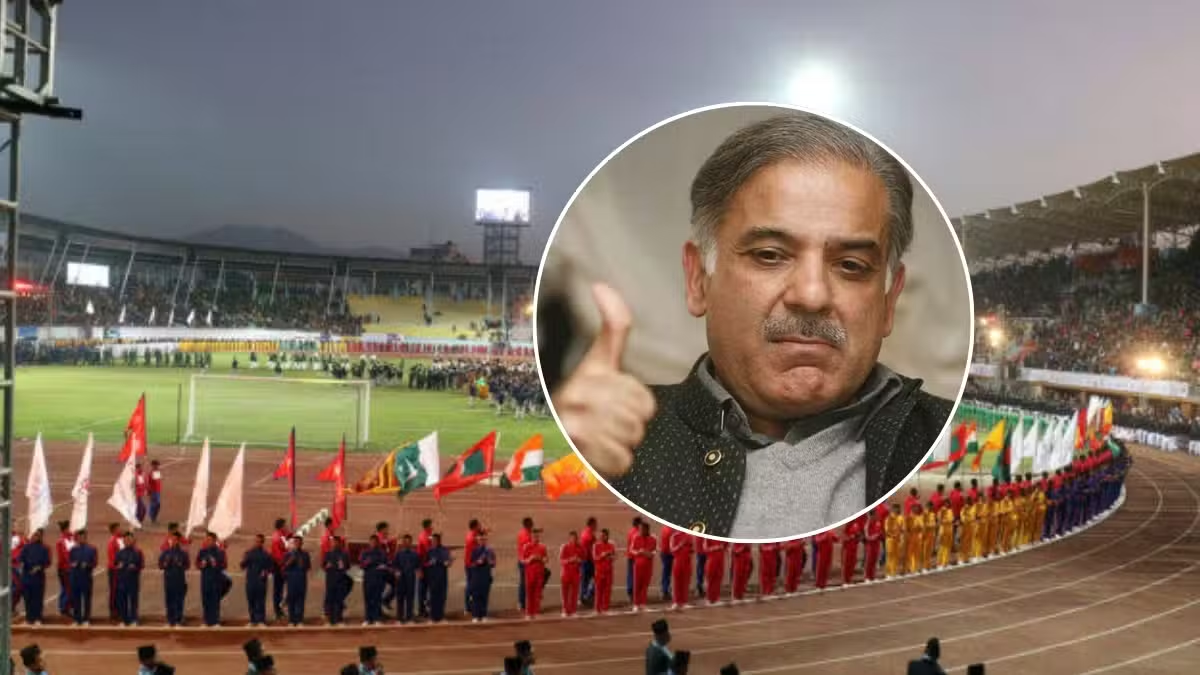
Prime Minister Shehbaz Sharif has announced a cash reward of Rs. 1.5 million for each player of the Pakistan national hockey team following their successful qualification for the Hockey World Cup. The announcement comes as recognition of the team’s impressive performance during the qualification campaign.

The prime minister praised the players for their dedication and commitment, stating that their achievement has brought pride and renewed hope for the country’s hockey community. Pakistan has a rich history in international hockey, and the team’s qualification for the World Cup is being viewed as an important step toward reviving the sport at the national level.

Officials noted that the cash reward is intended to acknowledge the hard work and determination shown by the players throughout the qualifiers. The financial incentive is also meant to encourage athletes to continue performing at a high level as they prepare for upcoming international competitions.

Pakistan’s hockey team has been striving to regain its former glory after facing challenges in recent years. The country, once considered a dominant force in global hockey, has been working to rebuild its presence in major tournaments through renewed investment and improved training programs.

Sports analysts believe that recognition from the government can play a positive role in motivating athletes and strengthening the overall sports environment in the country. Incentives such as cash rewards highlight the importance of supporting national teams and acknowledging their achievements on the international stage.

The prime minister also expressed hope that the team’s performance will inspire young players across Pakistan to pursue hockey and contribute to the sport’s future. Encouraging youth participation is considered vital for restoring Pakistan’s competitive edge in international hockey tournaments.

The government has repeatedly emphasized the need to support sports development through better facilities, coaching programs, and financial incentives. Achievements like World Cup qualification provide an opportunity to rebuild public interest and confidence in Pakistan’s national hockey program.

With the World Cup qualification secured, the Pakistan hockey team will now focus on preparations for the upcoming tournament. Fans and sports officials alike are optimistic that the team can deliver strong performances and represent the country with pride on the global stage.

Work Begins on Slip Road Project at Faizabad Interchange in Rawalpindi

Authorities in Rawalpindi have initiated construction work on a new slip road at the Faizabad Interchange, a move aimed at improving traffic management and commuter convenience in one of the city’s busiest areas. The development has been launched under the directives of the Rawalpindi Commissioner and Director General of the Rawalpindi Development Authority, Engineer Aamir Khattak.

The Rawalpindi Development Authority’s Engineering Directorate has officially started the construction and rehabilitation activities for the slip road. Alongside the physical infrastructure work, informational signboards are also being installed to guide motorists and enhance road safety. Officials believe the project will streamline traffic flow around the interchange and reduce congestion that frequently affects the surrounding roads.

The slip road project is part of broader urban infrastructure improvements being pursued in Rawalpindi to address growing traffic demands. The Faizabad Interchange serves as a critical connection point between Rawalpindi and Islamabad, handling a large volume of daily commuters, public transport, and commercial vehicles. As a result, improving traffic movement in this area has long been a priority for local authorities.

According to project details, the estimated cost of the development stands at Rs. 15.490 million. The initiative includes road rehabilitation, structural improvements, and the installation of clear directional signage to assist drivers navigating the interchange. These upgrades are expected to minimize confusion for motorists while also improving road discipline.

The project was formally inaugurated by Raja Hanif, Chairman of the Chief Minister’s Inspection Team Punjab and Member of the Provincial Assembly for constituency PP-17. During the inauguration, he emphasized the importance of infrastructure projects that enhance urban mobility and provide relief to residents who face daily traffic bottlenecks.

Officials from the Rawalpindi Development Authority noted that timely completion of the slip road will play a key role in easing traffic pressure at the interchange. They added that the engineering team will ensure that the construction work meets safety standards while minimizing disruption for commuters traveling through the area.

Urban planners have long identified the Faizabad Interchange as a strategic junction where efficient traffic management can significantly impact overall road connectivity between Rawalpindi and Islamabad. The new slip road and improved signage are expected to provide smoother entry and exit routes for vehicles, helping reduce delays during peak hours.

Authorities remain optimistic that the project will contribute to a more organized and efficient road network in the twin cities. Once completed, the slip road is expected to support better traffic flow, improve commuter safety, and enhance the overall transportation infrastructure in the region.

Walee Secures Exclusive Global & Domestic Media Rights for HBL PSL 2026-2029

LAHORE, Pakistan  — Walee Technologies, Pakistan’s leading Tech ecosystem, has officially been awarded the consolidated media and broadcast rights for the HBL Pakistan Super League (PSL) for the 2026–2029 cycle.

In a landmark agreement, Walee now holds exclusive television and digital live-streaming rights within Pakistan, alongside comprehensive international media rights (excluding India). This four-year partnership positions Walee as the primary engine driving the PSL’s global footprint.

“Our mission is to bridge the gap between the stadium and the screen using world-class technology,” said Muhammad Ahsan Tahir, CEO of Walee Technologies. “By securing these rights, Walee is committed to delivering a ‘Made in Pakistan’ viewing experience that connects millions of fans worldwide to the heartbeat of our cricket.”

A New Era for the HBL PSL

The 2026–2029 cycle marks a significant evolution for the tournament, which expands to an eight-team format featuring 44 matches per season. Walee’s acquisition ensures a unified broadcast strategy, providing fans with seamless, high-definition access across all platforms.

The Walee-led broadcast era officially kicks off with PSL 11 on March 26, 2026, promising the most digitally advanced season in the league’s history.


About Walee Technologies

Walee is Pakistan’s premier Tech platform, empowering the economy through data-driven Technology solutions, Banking Fintech, social commerce, and digital media distribution.

Pakistan Railways Announces Train Fare Increase After Diesel Price Hike

Pakistan Railways has announced an increase in train fares across multiple passenger classes and freight services, with the revised rates set to take effect from March 9. The adjustment comes in response to the recent rise in diesel prices, which has increased operational costs for the national railway network.

According to Railways spokesperson Babar Ali, the fare revision will affect both passenger and freight services. Economy Class fares will increase by 5 percent, while ticket prices for all air-conditioned classes will rise by 10 percent.

The increase is part of the railway department’s efforts to manage growing fuel expenses and maintain regular operations. Officials say the rising cost of diesel has significantly impacted transportation sectors across Pakistan, including rail services.

In addition to passenger fares, freight charges will also see a notable rise. Pakistan Railways confirmed that freight train tariffs will increase by 20 percent. The adjustment is expected to affect businesses that rely on rail transport for the movement of goods across the country.

Authorities say the fare revision aims to help offset operational expenses while ensuring continued railway services nationwide. Pakistan Railways operates an extensive network that connects major cities and regional hubs, making it a key mode of transportation for both passengers and cargo.

The decision follows similar cost adjustments in other sectors affected by fluctuating fuel prices. Transportation experts note that diesel price changes often lead to fare revisions in rail, road, and logistics services.

Passengers are advised to check updated ticket prices before making travel plans after March 9. The railway department has stated that the revised fare structure will apply to bookings made from the effective date onward.

Despite the increase, Pakistan Railways officials emphasize that train travel remains one of the most affordable and widely accessible transportation options in the country. The department continues to focus on improving service quality while managing rising operational costs.

Punjab Mandates Underground Electrical Installations in New Housing Societies

The Government of Punjab has introduced new infrastructure regulations requiring all upcoming housing societies in Lahore to install underground electricity systems. The move aims to modernize the city’s power distribution network and improve safety standards in residential developments.

The decision was finalized during the third meeting of the Energy Department’s Steering Committee, which was chaired by Faisal Ayub Khokhar, the Provincial Energy Minister. Officials from relevant departments participated in the meeting to discuss ongoing challenges and potential reforms related to electricity infrastructure in Lahore.

During the session, authorities conducted a detailed review of the existing electricity distribution system in the city. Discussions also focused on safety risks associated with consumer electrical installations and how improved planning could minimize hazards in residential areas.

Officials presented updates from three working groups formed earlier to address key infrastructure concerns. These groups analyzed the efficiency of the current system, evaluated safety standards, and proposed strategies to enhance electricity distribution in newly developed housing schemes.

The new policy will make underground electrical installations mandatory for all future housing societies seeking approval in Lahore. Authorities believe that shifting power lines underground will significantly reduce risks such as electrical accidents, cable damage, and disruptions caused by extreme weather conditions.

Urban planners also highlight that underground power systems contribute to better city aesthetics by removing overhead wires and poles. This change is expected to create a cleaner and more organized urban landscape while improving the reliability of electricity supply.

The initiative is part of broader efforts by the provincial government to modernize infrastructure and improve public safety. By implementing stricter development standards, officials aim to ensure that future housing projects in Lahore follow sustainable and technologically advanced infrastructure practices.

Developers will now need to incorporate underground electrical networks into their planning and construction processes before receiving approvals from relevant authorities. The move is expected to influence upcoming residential projects and reshape infrastructure standards in the region.

Experts believe that while underground installations may initially increase development costs, the long-term benefits—including improved safety, reduced maintenance, and more reliable electricity distribution—will outweigh the initial investment.

With Lahore continuing to expand rapidly, the government’s latest directive reflects a growing emphasis on modern infrastructure planning. The policy is expected to play an important role in shaping the future development of housing societies across the city.

PCB Chairman Praises Pakistan Hockey Team for Qualifying for FIH Hockey World Cup 2026

Pakistan’s return to the global hockey stage has sparked celebration across the country after the national team secured qualification for the FIH Hockey World Cup 2026. Pakistan Cricket Board (PCB) Chairman Mohsin Naqvi applauded the players for their determination and commitment that ended an eight-year absence from the prestigious international tournament.

The national side confirmed its place in the upcoming World Cup after defeating Japan in a thrilling 4–3 contest during the ongoing qualification tournament. The decisive match took place at the Suez Canal Authority Hockey Stadium in Ismailia, where Pakistan delivered a strong performance under pressure.

Mohsin Naqvi commended the team’s resilience and praised the players for restoring pride in Pakistan’s historic hockey legacy. He highlighted that qualifying for the global event is a major achievement for the sport in the country and a positive step toward reviving Pakistan’s once-dominant presence in international hockey.

Pakistan is historically one of the most successful teams in the sport, having won the Hockey World Cup four times. However, recent years saw the team struggle to maintain its traditional dominance. Missing the previous edition of the tournament raised concerns among fans and analysts about the future of the sport in the country.

The latest victory against Japan has reignited hope among supporters who believe the team is gradually regaining its competitive edge. The match itself was intense, with both teams fighting hard throughout the game. Pakistan managed to hold its lead in the final moments, securing a narrow yet crucial victory that sealed its qualification.

Sports officials and fans alike have welcomed the development, seeing it as a turning point for Pakistan hockey. The national team’s qualification reflects improved preparation, stronger teamwork, and a renewed focus on rebuilding the sport’s foundation at both domestic and international levels.

Mohsin Naqvi also emphasized the importance of continued support for the hockey team. He encouraged institutions and stakeholders to invest more in the sport so that Pakistan can once again compete among the world’s top hockey nations.

With qualification secured, attention will now shift toward preparation for the FIH Hockey World Cup 2026. The tournament will provide Pakistan with an opportunity to prove its resurgence and showcase its talent on the world stage.

For a nation with a proud hockey history, the return to the World Cup represents more than just qualification. It symbolizes a revival of hope for the sport and a chance for Pakistan to rebuild its legacy in international hockey.

Pakistan Bank Deposits Rise 18.2% to Rs. 36.6 Trillion Despite Weak Lending Growth

Pakistan’s banking sector recorded steady financial growth as total deposits increased by 18.2 percent year-on-year, reaching Rs. 36.6 trillion in January 2026. The figures were highlighted in data compiled by Topline Securities, indicating continued confidence among depositors despite a slowdown in lending activity.

The rise in deposits reflects strong savings inflows into banks across Pakistan. Financial analysts note that higher deposit volumes often signal improved liquidity within the banking system, allowing institutions to maintain stable financial operations even during periods of subdued credit growth.

While deposits showed strong expansion, bank lending activity moved in the opposite direction. Total advances declined by 3 percent year-on-year, falling to Rs. 14.29 trillion compared to Rs. 14.72 trillion recorded during the same period last year. The drop suggests a slowdown in credit demand from businesses and consumers amid broader economic challenges.

Economists believe the decline in advances may be linked to cautious borrowing behavior by companies and individuals. Higher borrowing costs, economic uncertainty, and slower investment activity can often lead to reduced demand for loans.

Despite weaker lending figures, banks significantly increased their investment portfolios. According to the data shared by Topline Securities, total investments surged by 29.4 percent year-on-year to reach Rs. 38.8 trillion in January 2026. This marks a notable rise compared to Rs. 30.02 trillion recorded during the same month in the previous year.

The increase in investments suggests that banks are allocating more funds toward government securities and other relatively safer financial instruments. This strategy allows financial institutions to manage risk while generating stable returns, especially when private sector borrowing remains limited.

Banking sector analysts say the trend of higher deposits combined with lower lending can influence economic growth patterns. While increased deposits strengthen the financial stability of banks, reduced credit flow to businesses may slow down expansion in certain sectors of the economy.

Nevertheless, the strong growth in deposits demonstrates continued public trust in the banking system across Pakistan. Depositors often view banks as a secure place to safeguard savings, particularly during periods of economic uncertainty.

Financial experts will continue to monitor lending trends in the coming months to determine whether credit demand begins to recover. Increased borrowing by businesses and consumers could play a key role in supporting broader economic activity.

For now, the latest figures show that while lending has slowed, Pakistan’s banking sector remains resilient with rising deposits and a significant increase in investment holdings.

Lahore to Host Horse and Cattle Show 2026 with Grand Cultural Celebrations

The government of Punjab has announced that the highly anticipated Horse and Cattle Show 2026 will officially begin in Lahore on March 28. The opening ceremony is scheduled to take place at Fortress Stadium, marking the start of one of the region’s most vibrant cultural events.

The annual show is known for celebrating rural traditions, agriculture, livestock, and the rich cultural heritage of Punjab. This year’s event is expected to attract large crowds, including families, tourists, and participants from across the province.

One of the most anticipated highlights of the event will be the grand float parades planned throughout the festival. These parades will take place from March 28 to April 11 and will travel along major roads across Lahore. The colorful processions will feature decorated floats showcasing the traditions of rural communities, agricultural achievements, and regional culture.

The floats are expected to display artistic themes related to farming life, traditional crafts, livestock breeding, and Punjab’s diverse cultural identity. Participants will include cultural groups, performers, and organizations presenting visual storytelling through elaborate designs and performances.

The Horse and Cattle Show has long served as a platform to highlight the agricultural strength of Punjab while also promoting cultural tourism. Visitors will get an opportunity to witness traditional sports, livestock exhibitions, and performances that reflect the province’s deep-rooted rural heritage.

Events planned for the show will likely include horse dancing competitions, cattle exhibitions, folk music performances, and cultural displays representing various regions of Punjab. These activities aim to celebrate both modern agricultural progress and traditional rural lifestyles.

Officials believe the event will help strengthen tourism in Lahore while also providing a platform for farmers, livestock breeders, and cultural performers to showcase their talents. The festival also serves as a reminder of the province’s historical connection with agriculture and livestock farming.

The opening ceremony at Fortress Stadium is expected to feature cultural performances, music, and presentations highlighting the significance of the event. Government officials, cultural representatives, and members of the public are likely to attend the ceremony.

With its vibrant floats, cultural performances, and agricultural showcases, the Horse and Cattle Show 2026 is set to become one of the most exciting public events in Lahore this year, bringing together communities to celebrate the region’s heritage and traditions.

Jubilee General Parents Care Plus Policy Introduces Comprehensive Health Coverage for Parents in Pakistan

Healthcare planning for aging parents has often remained an overlooked responsibility in many Pakistani households. In most cases, this gap does not arise from neglect but from the lack of suitable insurance options designed specifically for parents. For years, families have relied on policies that mainly provide support during hospitalization, leaving routine healthcare expenses uncovered and forcing families to pay out of pocket.

Recognizing this issue, Jubilee General Insurance has introduced the Jubilee General Parents Care Plus Policy, a solution designed to bridge the long-standing gap in healthcare protection for parents. The policy brings together outpatient department (OPD) coverage and hospitalization benefits under one plan, offering families a more complete healthcare safety net.

Traditional health insurance plans in Pakistan typically focus on inpatient treatment. While these policies help cover major medical emergencies that require hospitalization, they do not support everyday healthcare needs such as doctor consultations, lab tests, or prescription medications. These routine healthcare requirements are common for aging parents and can become a recurring financial burden for families.

The Jubilee General Parents Care Plus Policy addresses this limitation by providing integrated coverage for both routine and critical healthcare services. The inclusion of OPD benefits ensures that parents can seek timely medical advice and treatment without worrying about frequent medical costs. This approach encourages early diagnosis and treatment, which can prevent minor health concerns from escalating into serious medical conditions.

Under the policy, parents receive OPD coverage of up to PKR 40,000 annually. This allowance can be used for doctor consultations, prescribed medications, and diagnostic tests. In addition to outpatient care, the policy also offers hospitalization coverage through a cashless network of more than 600 hospitals across Pakistan, making access to medical treatment more convenient and financially manageable.

The policy is available for individuals aged between 45 and 70 years. It can be renewed annually until the age of 75, covering a critical period when healthcare needs typically increase. One of the notable features of this plan is that the premium does not increase with age, allowing families to plan healthcare expenses more predictably over time.

Another advantage is the flexibility offered through three different plan options. Families can select the level of coverage that best suits their financial situation and healthcare requirements. Enrollment has also been simplified to improve accessibility. No medical tests are required during the signup process, and the policy can be issued digitally with instant confirmation, eliminating complicated paperwork and delays.

Beyond core coverage, the Jubilee General Parents Care Plus Policy includes additional value-added services that enhance healthcare accessibility. Policyholders receive unlimited doctor consultations through a telehealth platform that can be accessed via a mobile application or website. This allows parents to receive medical advice quickly without needing to visit a clinic for every minor concern.

The introduction of this policy marks a significant development in Pakistan’s health insurance landscape. By combining OPD benefits, hospitalization coverage, and digital healthcare services, the Jubilee General Parents Care Plus Policy offers a more practical approach to protecting parents’ health.

For families looking for a reliable healthcare plan for their parents, this policy provides a balanced solution that supports both everyday medical needs and unexpected health emergencies.

Novo Nordisk and Health Ministry Spotlight Obesity in Pakistan on World Obesity Day

On World Obesity Day, Novo Nordisk joined hands with the Ministry of National Health Services, Regulations and Coordination (MoNHSRC) to emphasize the growing public health challenge of obesity in Pakistan. The joint event, held on 4 March 2026, highlighted the need for coordinated, science-based strategies to tackle obesity and related non-communicable diseases.

The engagement was attended by Dr. Malik Mukhtar Ahmad Bharath, Federal State Minister for Health, H.E. Maja Mortensen, Danish Ambassador to Pakistan, Hamed Yaqoob Sheikh, Secretary MoNHSRC, Dr Abdul Wali Khan, DG Health, and Hasnain Ahmad, Head of Public Affairs at Novo Nordisk, along with senior officials from both the Ministry and the Danish Embassy. The event fostered dialogue on prevention, awareness, and long-term management of obesity.

Obesity in Pakistan has been rising steadily, affecting both adults and children and increasing strain on the healthcare system. Despite its prevalence, the condition is often misunderstood and stigmatized, creating barriers to early diagnosis and effective care. The joint initiative underscored the need for a comprehensive, national approach combining prevention, early intervention, and improved access to treatment.

Addressing the gathering, the Federal State Minister for Health stated, “Obesity is emerging as a serious public health concern in Pakistan, contributing significantly to the burden of non-communicable diseases. Addressing it requires a comprehensive national approach that combines prevention, early intervention and improved access to care. We welcome continued engagement with stakeholders to strengthen awareness and build healthier communities across the country.”

Hamed Yaqoob Sheikh, Secretary MoNHSRC, emphasized that “Obesity is not simply about lifestyle; it is a complex, chronic disease influenced by biology, environment and social factors. Through the PM Diabetes Program, the Ministry is committed to improving understanding, reducing stigma, and expanding access to person-centered care.”

The Danish Ambassador, H.E. Maja Mortensen, highlighted the importance of partnerships and evidence-based solutions, stating, “It is encouraging to see constructive dialogue taking place in Pakistan around long-term, evidence-based solutions. Partnerships that promote knowledge-sharing and innovation are essential in supporting sustainable health outcomes.”

Hasnain Ahmad from Novo Nordisk added, “Turning the tide on obesity is a global priority. With decades of research in obesity and chronic disease care, Novo Nordisk is committed to supporting Pakistan’s efforts to improve understanding, reduce stigma, and expand access to effective, person-centered care.”

Petrol Dealers Warn Pumps May Shut Down if Fuel Supply Crisis Continues

Petrol pump closures could begin within days if fuel deliveries are not restored, according to the Pakistan Petroleum Dealers Association (PPDA). The association has raised concerns over declining fuel supply to retail outlets across the country.

The warning was issued during a press conference held at the Lahore Press Club, where industry representatives highlighted the growing pressure on petrol pump operators due to limited fuel deliveries.

PPDA Central Secretary General Chaudhry Irfan Elahi stated that petroleum companies have significantly reduced the volume of fuel supplied to petrol stations. As a result, many pumps are struggling to maintain normal operations while trying to manage their remaining fuel stock.

According to the association, diesel supplies have dropped sharply to nearly 20 percent of normal levels. Diesel is a critical fuel used in Pakistan’s transportation, logistics, and agriculture sectors, making the shortage particularly concerning for economic activity.

Petrol supplies have also declined significantly, raising fears that retail outlets could run out of fuel if the situation does not improve quickly. Dealers say many pumps are already operating with limited reserves, which could lead to closures in the coming days.

Industry representatives warned that reduced fuel deliveries are creating operational challenges for petrol pump owners nationwide. Without consistent supply from oil marketing companies, retailers have limited options to keep pumps running.

If the disruption continues, closures could trigger long queues at operational petrol stations and disrupt daily commuting, goods transportation, and commercial activities. Transport operators and delivery services would likely be among the first sectors affected by the shortage.

Fuel shortages can also have a ripple effect across the economy. Diesel shortages in particular could impact trucking operations and agricultural machinery, potentially affecting supply chains and increasing costs for businesses.

The association has urged authorities and petroleum companies to address the supply disruption immediately. Dealers are calling for urgent coordination between regulators, oil marketing companies, and distribution networks to restore normal fuel deliveries.

Energy sector observers note that maintaining stable fuel supply chains is critical for preventing panic buying and market disruption. Any prolonged shortage could create logistical challenges for cities and industries dependent on uninterrupted fuel availability.

PPDA leaders say they hope the issue will be resolved quickly to avoid widespread closures of petrol pumps and further inconvenience for consumers.

Petrol Dealers Warn of 50% Supply Cut as Pump Closures Loom Across Pakistan

Fuel supply concerns are growing across Pakistan after the Pakistan Petroleum Dealers Association warned that petrol pumps may begin shutting down from Monday if supply disruptions continue.

The association said that retail outlets across the country currently have only about 50 percent of their normal petrol stock remaining. Dealers fear the situation could worsen quickly if deliveries are not restored in the coming days.

According to the Pakistan Petroleum Dealers Association, the shortage is even more severe for diesel. Officials reported that diesel supplies have dropped to nearly 20 percent of normal levels, creating serious concerns for transport, agriculture, and logistics sectors that depend heavily on the fuel.

Central Secretary General Chaudhry Irfan Elahi highlighted the gravity of the situation while speaking about the dwindling reserves at fuel stations nationwide. He warned that if supply chains are not stabilized immediately, many petrol pumps could be forced to suspend operations within days.

Fuel shortages in Pakistan can have widespread economic consequences. Diesel is widely used in heavy transportation, farming machinery, and commercial operations. A sharp drop in availability could disrupt goods transportation, affect crop harvesting activities, and lead to increased costs across supply chains.

Petrol retailers say they are already struggling to maintain regular operations due to reduced deliveries. Many pumps are reportedly rationing fuel to manage remaining stock and avoid running completely dry before the next shipment arrives.

Lahore President of the association, Jehanzaib Malik, urged the government to take immediate action to ensure uninterrupted supply to retail outlets. He stressed that authorities should focus on resolving supply issues rather than conducting inspections at petrol pumps.

Malik criticized recent inspection drives that target filling stations instead of supply depots, saying the core issue lies in the disruption of deliveries. According to him, dealers cannot continue operating without consistent fuel shipments from distribution sources.

He warned that if the supply chain is not restored promptly, fuel stations across multiple cities could start closing their operations as early as Monday. Such closures could lead to long queues at operational pumps and increased public frustration.

Industry representatives are now urging the government and relevant departments to coordinate with oil marketing companies and logistics providers to restore normal supply levels before the situation escalates into a nationwide fuel crisis.

Energy sector observers say timely intervention will be critical to prevent disruptions that could affect transportation networks and everyday economic activity.

Pakistan Announces ODI Squad for Bangladesh Series in Dhaka

The Pakistan Cricket Board has unveiled a 15-member One Day International (ODI) squad for the upcoming three-match series against Bangladesh national cricket team. The matches will be played in Dhaka from March 11 to 15.

All three fixtures are scheduled at the Sher-e-Bangla National Cricket Stadium. The Pakistan team will arrive in Bangladesh on March 8, with a full practice session planned for March 10 ahead of the opening match.

Fast bowler Shaheen Shah Afridi has been appointed ODI captain for the tour. His leadership marks a new phase for Pakistan’s limited-overs setup as the team looks to rebuild following recent setbacks on the international stage.

The squad features six uncapped players who are yet to make their ODI debut: Abdul Samad, Maaz Sadaqat, Muhammad Ghazi Ghori, Saad Masood, Sahibzada Farhan, and Shamyl Hussain. Their inclusion signals a clear intent to test emerging talent and expand the national talent pool.

Four of these newcomers—Abdul Samad, Maaz Sadaqat, Saad Masood, and Shamyl Hussain—were recently part of the Pakistan Shaheens squad that competed against the England Lions in Abu Dhabi. Their performances at the developmental level appear to have earned them national selection.

The full squad for the Bangladesh series includes Shaheen Afridi (captain), Haris Rauf, Faheem Ashraf, Mohammad Wasim Jr., Salman Ali Agha, Mohammad Rizwan (wicketkeeper), Abrar Ahmed, Hussain Talat, Abdul Samad, Faisal Akram, Maaz Sadaqat, Sahibzada Farhan, Saad Masood, Muhammad Ghazi Ghori (wicketkeeper), and Shamyl Hussain.

Notably absent from the lineup are several established names, including Babar Azam, Naseem Shah, Usman Tariq, Mohammad Nawaz, and Saim Ayub. The omissions come after Pakistan’s disappointing campaign at the 2026 T20 World Cup held in Sri Lanka and India.

Cricket analysts view this squad announcement as part of a broader transition strategy. By blending experienced campaigners with fresh faces, Pakistan aims to recalibrate its ODI unit and build depth ahead of future international tournaments.

The Dhaka series will provide a crucial opportunity for emerging players to stake their claim in the national setup while allowing the leadership group to experiment with combinations in competitive conditions.