Sindh Health Authorities Issue Guidelines to Combat Pink Eye Spread

Sindh Health Authorities Issue Guidelines to Combat Pink Eye Spread

In response to a concerning surge in cases of pink eye infection, also known as conjunctivitis, health authorities in the Sindh region have taken proactive measures by issuing special guidelines targeted at airports and airlines. Dr. Murtaza Shah, the director of Provincial Border Health Services (BHS), has outlined these guidelines, aiming to combat the spread of pink eye infections effectively.

These directives have a dual focus, addressing both medical staff and airlines, with the primary goal of containing the transmission of pink eye infections. Airlines that operate within the Sindh region have been given explicit instructions to identify passengers exhibiting symptoms indicative of pink eye. Rather than imposing travel bans on infected passengers, the guidelines call for airlines to play a role in curbing the potential spread of the infection.

The key component of these guidelines involves airlines advising passengers displaying pink eye symptoms to promptly contact the health department’s designated doctor stationed at the airports. This intervention ensures that individuals with suspected pink eye receive appropriate medical attention and guidance before embarking on their journeys. Given the highly contagious nature of pink eye, stemming from either viral or bacterial origins, this precautionary measure is crucial in preventing its rapid transmission from person to person.

Dr. Shah further elaborated that the health department’s doctor will conduct a thorough examination of individuals exhibiting pink eye symptoms. Based on their evaluation, passengers will receive tailored travel advice. This proactive approach not only safeguards the health of the affected individuals but also serves as a preventive measure to contain the infection’s spread within airport and airline environments.

In addition to these airport-specific measures, the broader public is encouraged to adopt essential self-care and hygiene practices. These simple yet effective measures play a pivotal role in minimizing the risk of contracting or transmitting pink eye. By adhering to these guidelines, individuals can contribute to the collective effort in curbing the infection’s spread, ensuring the well-being of all travelers and airport personnel.

The health authorities’ swift response and the implementation of these guidelines reflect a commitment to public health and safety, particularly in the context of contagious diseases like pink eye.

The Evolution of Training: How New Technologies are Shaping Learning

Staying current with the most recent knowledge and abilities is essential for both personal and professional development in today’s fast-paced environment. Thanks in great part to new technologies, conventional approaches to education and training are experiencing a fundamental upheaval. This essay examines how these developments are changing training and enhancing its accessibility, engagement, and effectiveness.

  1. Online Learning Platforms

One of the most significant advancements in training is the proliferation of online learning platforms. These platforms, such as Coursera, edX, and Udemy, offer a wide range of courses and programs on diverse subjects. Learners can access high-quality education from the comfort of their homes, breaking geographical barriers.

Moreover, online learning platforms often incorporate features like video lectures, quizzes, and discussion forums, providing a more interactive and engaging learning experience. Learners can choose their own pace and schedule, making education flexible and adaptable to their individual needs.

2. Virtual Reality (VR) and Augmented Reality (AR)

Virtual Reality (VR) and Augmented Reality (AR) technologies are revolutionizing training in various industries, from healthcare to aviation. These immersive technologies provide trainees with realistic simulations and scenarios, enabling them to practice and develop skills in a safe and controlled environment.

For example, medical students can perform virtual surgeries using VR, while aircraft maintenance technicians can practice repairs on virtual aircraft. These technologies offer hands-on training without the risks associated with real-world scenarios.

  1. Artificial Intelligence (AI) and Machine Learning

AI and machine learning are being integrated into training programs to personalize learning experiences. These technologies analyze a learner’s progress, strengths, and weaknesses to tailor the content and pace of instruction accordingly. AI-powered chatbots are also becoming prevalent, providing instant assistance and feedback to learners.

Additionally, AI can help identify trends in training data, allowing organizations to make data-driven decisions about their training programs. This ensures that training remains relevant and effective.

  1. Gamification

Gamification involves incorporating game elements, such as points, badges, and leaderboards, into training programs. It taps into the human instinct for competition and achievement, making learning more engaging and enjoyable.

For instance, Duolingo uses gamification to teach languages, and corporate training programs use gamified simulations to improve employee engagement and retention. Gamification can also enhance problem-solving and critical thinking skills.

  1. Mobile Learning

The ubiquity of smartphones has led to the rise of mobile learning, or m-learning. Learners can access training materials on their mobile devices, making it convenient to learn on the go. Mobile apps and responsive websites optimize content for various screen sizes, ensuring a seamless learning experience.

Additionally, the integration of social learning features in mobile apps allows learners to collaborate with peers, ask questions, and share knowledge easily.

  1. Big Data and Analytics

Big Data and analytics are transforming the way training programs are designed and evaluated. By collecting and analyzing data on learner performance, organizations can gain insights into what works and what doesn’t. This information can inform the continuous improvement of training materials and methods.

Furthermore, predictive analytics can help identify potential issues early in the training process, allowing for timely interventions and adjustments.

Conclusion

New technologies are reshaping the landscape of training and education, making it more accessible, engaging, and effective than ever before. Online learning platforms, VR, AR, AI, gamification, mobile learning, and data analytics are just a few examples of how these innovations are transforming the way we acquire and develop skills. As technology continues to evolve, the future of training holds even more exciting possibilities, promising a world where learning knows no bounds.

Electricity bills to further increase in September

On Friday, the National Electric Power Regulatory Authority (NEPRA) made a significant announcement, notifying a hike of Rs. 1.46 per unit in electricity prices, attributed to fuel cost adjustment (FCA), applicable to ex-Wapda distribution companies (DISCOs).

This adjustment is set to impact all consumer categories, with two notable exceptions: Electric Vehicle Charging Stations (EVCS) and Lifeline consumers. To ensure transparency, the adjustment will be displayed separately on consumers’ bills, reflecting the units billed to them in July 2023. For ex-Wapda distribution companies (XWDISCOs), the fuel charge adjustment for July 2023 will be incorporated into the billing cycle for September 2023.

It’s worth noting that the distribution companies had originally requested NEPRA to approve a more substantial increase of Rs. 2.07 per unit in terms of FCA.

This tariff hike comes as an additional burden for the already inflation-stricken populace. In recent weeks, protests have erupted nationwide in response to inflated power bills. Despite promises of relief, consumers are now facing the prospect of increased bills in September, further exacerbating their financial concerns.

Also, see:

Asia Cup 2023 Super 4: Pakistan vs India to have a reserved day

Asia Cup 2023 Super 4: Pakistan vs India to have a reserved day

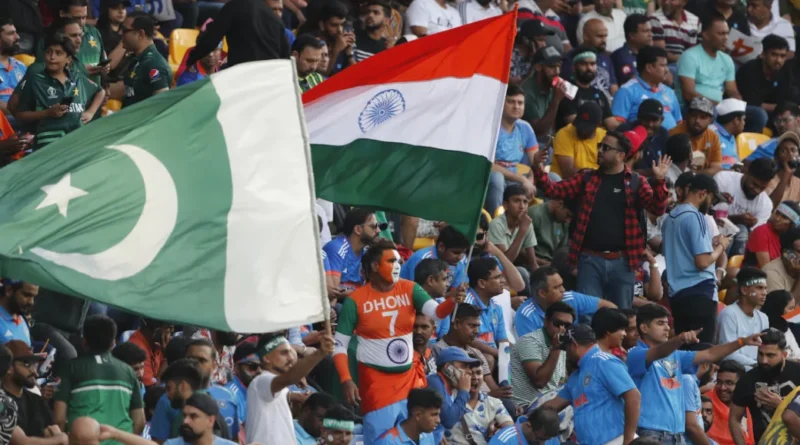
Cricket enthusiasts around the world are eagerly counting down the days to the much-anticipated 2023 Asia Cup Super 4s showdown Pakistan vs India, scheduled for September 10th. However, a cloud of uncertainty hangs over this highly awaited fixture, thanks to the looming threat of rain.

With weather forecasts predicting persistent rainfall for the remainder of the Asia Cup matches in Colombo, the tournament organizers have taken proactive measures by allocating a Reserve Day for this blockbuster encounter.

This Reserve Day, set for September 11th, serves as a contingency plan in case adverse weather conditions disrupt the primary match day. Additionally, a Reserve Day has been earmarked for the Asia Cup final, scheduled for September 17th.

The inclusion of a Reserve Day is a reassuring move for cricket fans worldwide, ensuring that the teams will have a fair opportunity to display their skills and that the thrilling cricketing spectacle won’t be jeopardized by rain interruptions.

The Pakistan vs. India clash is poised to be a nail-biting contest, as both sides vie for the coveted Asia Cup glory. Previously, these two arch-rivals clashed in the group stage of the competition in Pallekele, a match that was marred by rain. Pakistan was unable to complete their innings after bowling out India for 266 runs, resulting in both teams sharing the points due to the match’s abandonment.

Presently, Pakistan leads the Super 4s points table following a convincing 7-wicket victory against Bangladesh in Lahore. A win in this pivotal clash against India would nearly guarantee them a spot in the grand final of this prestigious mega-event. Cricket enthusiasts around the world are on the edge of their seats, eagerly awaiting this epic battle on the cricket field.

Government Denounces Fake News of Rs5,000 Note Ban

Caretaker Information Minister Murtaza Solangi swiftly dismissed a counterfeit letter that had been circulating on Thursday, falsely asserting the government’s intent to prohibit Rs5,000 banknotes starting September 30.

On his social media platform, Solangi emphasized that the government would take action against those disseminating such false information, intending to stir up turmoil.

The counterfeit letter inaccurately alleged a nationwide ban on the utilization, possession, and circulation of Rs5,000 currency notes from September 30, 2023. Solangi’s prompt response aimed to quell any unwarranted concerns sparked by the counterfeit letter.

Also, see:

“Curiosity Peaks as Pakistan Defeats Bangladesh: Anticipation Grows for Asia Cup Against India

“Curiosity Peaks as Pakistan Defeats Bangladesh: Anticipation Grows for Asia Cup Against India

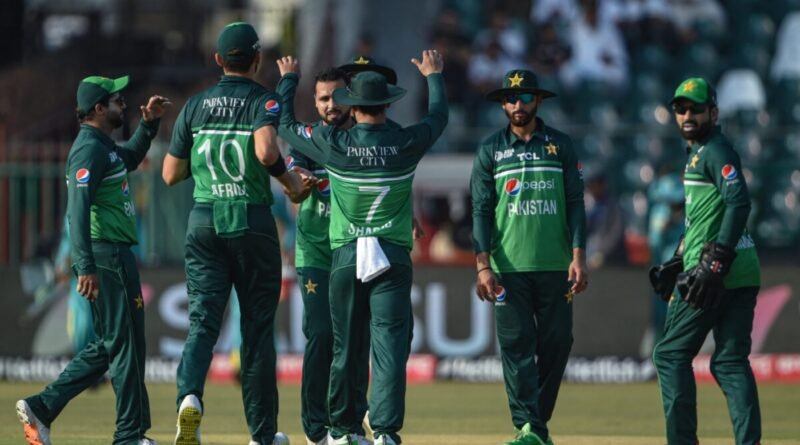
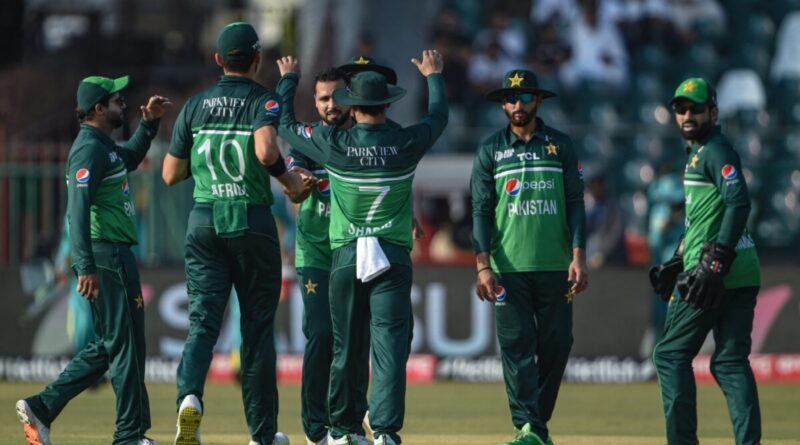
Few sporting events in the world of cricket engage spectators as fervently as games between Pakistan and India. Every time the two nations compete in cricket, the fierce animosity, driven by decades of history, boils over onto the play. The interest and excitement around Pakistan’s impending match against India have only grown since their recent triumph over Bangladesh in the Asia Cup.

Cricket enthusiasts now have higher hopes and expectations following Pakistan’s recent victory against Bangladesh. The team’s potential and depth were on display during the Asia Cup encounter against Bangladesh, demonstrating their preparation for the more difficult test that awaits them against India.

Key Takeaways from the Victory

  1. Batting Prowess: Pakistan’s top-order batsmen displayed exceptional form during the match against Bangladesh. The likes of , Imamul Haq, and Mohammad Rizwan played crucial roles in securing a convincing win.
  2. Bowling Dominance: Pakistan’s bowling attack, often regarded as one of the best in the world, was at its menacing best. Shaheen Afridi, Naseem Shah, and Rauf led the charge with their lethal pace and impeccable line and length.
  3. Fielding Brilliance: Pakistan’s fielding unit was sharp and agile, ensuring that every run was contested, and every opportunity was seized. This level of commitment on the field augurs well for their upcoming matches.

The India-Pakistan Showdown

As the dust settles on the victory against Bangladesh, all eyes are now firmly fixed on the Asia Cup clash against India. This match carries enormous significance, as it is not just a cricketing contest but a reflection of the long-standing rivalry between the two nations.

  1. Historical Context: The rivalry between Pakistan and India in cricket dates back to 1952, and it has since evolved into one of the most heated and passionate sporting rivalries in the world.
  2. Unpredictable Outcomes: Matches between these two cricketing giants are known for their unpredictability. Past records often go out the window when they face each other, and the result is hard to predict.
  3. Emotional Investment: The match is more than just a game; it’s a matter of national pride. Fans on both sides are emotionally invested in the outcome, which only adds to the drama and intensity of the contest.
  4. Cricket Diplomacy: Over the years, cricket has served as a platform for diplomatic gestures and peace-building efforts between the two nations. These matches have the potential to transcend the boundaries of sport.

Conclusion

The anticipation surrounding the upcoming Asia Cup clash between Pakistan and India is at an all-time high, thanks to Pakistan’s recent victory over Bangladesh. Cricket fans worldwide are eagerly awaiting this showdown, which promises to be a thrilling encounter filled with drama, passion, and intense competition. As the two cricketing giants prepare to face each other, the world watches with bated breath, eager to witness history in the making on the cricket field.

Over 1,100 Road Accidents in 24 Hours: Punjab and Motorways on Alert

In the past 24 hours, the Punjab Emergency Services Department (ESD) has reported an alarming surge in road traffic incidents across the province, tallying over 1,100 collisions. Within this grim statistic, five individuals tragically lost their lives, while a staggering 1,142 individuals endured injuries as a result of 1,132 road accidents.

Among the injured, a total of 604 people sustained critical injuries, necessitating immediate attention and transfer to various hospitals for urgent care. On the other hand, the remaining 570 victims suffered relatively minor injuries and received prompt treatment directly at the accident scenes, thanks to the swift response of rescue medical teams.

This surge in road accidents is not isolated to Punjab alone. Recent reports indicate a concerning trend on motorways throughout Pakistan, with an official document from ProPakistani revealing a total of 387 accidents occurring on these major thoroughfares in the past year. Tragically, these accidents resulted in the loss of 503 lives and left 270 individuals injured.

The National Highway and Motorway Police (NHMP) have identified the primary factors contributing to these accidents, which include blatant traffic rule violations, excessive speeding, reckless driving practices, and the prevalence of mechanically compromised vehicles on the motorways.

In response to this alarming situation, the NHMP has initiated a comprehensive campaign aimed at preventing smoke-emitting and poorly-maintained vehicles from entering the motorway. A spokesperson for the NHMP emphasized the organization’s awareness of the rising accident numbers and affirmed their commitment to taking decisive actions to address and ultimately mitigate this pressing issue.

Also, see:

Can a Female Join Pak Army? Opportunities for Females in the Pakistan Army

Can a Female Join Pak Army? Opportunities for Females in the Pakistan Army

The protection of the country’s borders and upkeep of internal security have always been priorities for the Pakistan Army. It has always been a male-dominated organisation with little opportunity for women to fill a variety of positions. However, there has been a noticeable shift towards greater gender inclusion in recent years, creating new employment options for women in the Pakistan Army. This essay examines the fascinating advancements and opportunities for women who want to join the armed forces to serve their country.

Historically, the Pakistan Army only allowed women to serve in administrative and medical posts. However, the modernization and changing requirements of the armed forces have given female officers and troops access to a wider range of opportunities. The Pakistan Army now allows women to serve in a variety of roles, including:

  1. Combat Support: Women are now being trained to serve in combat support roles, such as engineers, signals, and military intelligence. These positions are critical in supporting the overall effectiveness of the army.
  2. Aviation: The Pakistan Army now allows women to serve as pilots, opening up exciting opportunities in aviation. Female pilots are actively participating in helicopter and fixed-wing aircraft operations.
  3. Cyber Warfare: With the increasing importance of technology in modern warfare, women are also joining the ranks of the Pakistan Army’s cyber warfare units, contributing to the nation’s defense in the digital domain.
  4. Legal and Administrative Roles: Opportunities in legal and administrative positions have also expanded, allowing women to serve as legal officers, public relations officers, and in various administrative capacities.

Training and Education:

Women who aspire to serve in the Pakistan Army undergo rigorous training, similar to their male counterparts. The army provides specialized training in their chosen fields, ensuring that they are well-prepared for the challenges and responsibilities of their roles.

Recruitment Process:

The recruitment process for women in the Pakistan Army has become more transparent and accessible. Interested candidates can apply through the official recruitment website or visit the nearest Army Selection and Recruitment Center (AS&RC) for information and assistance. Applicants are required to meet specific educational and physical fitness criteria, undergo medical examinations, and pass interviews and written tests.

Click this to Join Pak Army Online: http://www.joinpakarmy.gov.pk/

Benefits of Serving in the Pakistan Army:

Serving in the Pakistan Army offers numerous benefits, including job security, competitive salaries, healthcare, housing, and educational opportunities. Additionally, it provides a sense of purpose and the opportunity to make a meaningful contribution to national security.

Conclusion:

The inclusion of women in various roles within the Pakistan Army is a significant step towards gender equality and the empowerment of women in Pakistan. These new job opportunities not only offer women a chance to serve their country but also contribute to the modernization and effectiveness of the armed forces. As the Pakistan Army continues to evolve, it is likely that more doors will open for women, further enhancing their role in defending the nation. Aspiring female candidates are encouraged to explore these opportunities and consider a career in the Pakistan Army.

Ministry of Finance Assures Worrying Trend for Pakistanis: Prolonged Inflation Ahead

Amidst the economic landscape of August 2023, the Ministry of Finance raised a flag of concern regarding the nation’s inflationary journey. Two significant fuel price surges and an upward adjustment in energy tariffs in the month were the culprits behind this apprehension.

In their Monthly Update & Outlook report, the Ministry emphasized the international commodity price outlook as a beacon of hope. Forecasts indicated that these international factors would help counterbalance the adverse effects of the local currency’s depreciation, providing a cushion against rising prices of imported goods.

A glimmer of optimism was found in the FAO Food Price Index, a global benchmark for food commodity prices. It registered at 123.9 points in July 2023, marking an 11.8 percent decrease compared to the same month the previous year.

Domestically, a silver lining came in the form of the high base effect, which offered a slight respite to inflationary concerns. Nevertheless, the Ministry remained cautious about the imminent months, with the fuel price hikes and energy tariff adjustments casting shadows over the economic horizon.

However, the report also offered a ray of hope for the latter half of the fiscal year (FY24). It anticipated that the cumulative effects of monetary tightening, the government’s fiscal consolidation efforts, and a more favorable growth outlook would collectively work to alleviate the inflationary pressures.

On the trade front, the report envisaged a gradual increase in imports in the forthcoming months. However, it acknowledged that exports faced both global and domestic challenges that might impede growth. Despite these factors, the current account balance was anticipated to maintain a similar level as observed in July 2023.

As Pakistan navigated the complexities of its economic landscape, the Ministry of Finance’s outlook offered a nuanced perspective, combining concerns with cautious optimism for the nation’s fiscal journey ahead.

Also, see:

Pakistan’s Inflation Sees Slight Dip in August 2023 Amidst Economic Challenges

Principal and teacher brutally beat young student in school, cause skull fracture

Principal and teacher brutally beat young student in school, cause skull fracture

In a deeply disturbing incident that unfolded in Lahore’s Samanabad area, a school principal and a teacher are facing allegations of subjecting a student to brutal torture, resulting in a grievous skull fracture. The victim, a student of Iqra Rozatul Atfal School Samanabad, bore the brunt of this horrific ordeal.

Local law enforcement revealed the harrowing details of the incident, which transpired when the principal and the teacher subjected the student to physical abuse. Shockingly, the teacher forcefully propelled the young student, leading to a violent collision between the child’s head and a ceiling fan. This devastating impact inflicted a severe fracture to the child’s skull, raising significant concerns about potential brain damage.

Even more distressing is the fact that instead of promptly notifying Faizan’s parents about the grave situation, the school’s management chose to transfer him to a hospital. It was only due to the persistent insistence of his father that a formal complaint against the school administration was finally registered.

Despite the grave accusations and the severity of the injuries inflicted upon the young student, the accused principal and teacher remain at large, compounding the anguish of the victim’s family. The incident has triggered widespread outrage and a fervent demand for swift justice. Local authorities have intensified their efforts to apprehend the alleged culprits and ensure that justice is served promptly.

Also, see:

Historic Saudi Investment: $25 Billion for Pakistan

Domestic Gold Prices Experience Second Consecutive Decline Amidst Economic Uncertainty

Domestic Gold Prices Experience Second Consecutive Decline Amidst Economic Uncertainty

Domestic gold prices in Pakistan sustained a downward trend for the second consecutive day on Tuesday, reflecting a 0.48% depreciation of the local currency against the US dollar in the interbank market.

Data provided by the All-Pakistan Sarafa Gems and Jewellers Association (APSGJA) revealed that the price of 24-karat gold dropped by Rs6,300 per tola and Rs5,402 per 10 grams, resulting in prices settling at Rs232,800 and Rs199,588, respectively.

On the international front, the price of gold also witnessed a decline, with a $9 drop settling it at $1,931 per ounce.

The fluctuating gold rates in Pakistan can be attributed to ongoing political and economic uncertainties in the country, coupled with high inflation levels.

Furthermore, data from the association indicated that the price of 24-karat silver decreased by Rs100 per tola and Rs85.74 per 10 grams, reaching Rs2,800 and Rs2,400.5, respectively.

It is noteworthy that the local currency experienced a devaluation of Rs1.46 against the US dollar in interbank trading, closing at Rs307.10 in comparison to the previous day’s rate of Rs305.64.

Meanwhile, as reported by the Forex Association of Pakistan (FAP), the buying and selling rates of the US dollar in the open market stood at Rs320.8 and Rs324, respectively.

A day earlier, the per tola price of 24-karat gold had witnessed a decline of Rs700, selling at Rs239,100. Similarly, the price of 10 grams of 24-karat gold had decreased by Rs600, reaching Rs204,990, according to the All Sindh Sarafa Jewellers Association.

Also, see:

Historic Saudi Investment: $25 Billion for Pakistan

Strategies for Maximizing Your Income

Photo By Anna Nekrashevich

Working smarter rather than harder is the key to earning smarter money. Knowing how to maximise your income is critical in today’s dynamic environment, where chances abound. This article will examine methods for smart earning, whether you want to increase your current income, put money away for the future, or invest in your long-term financial objectives.

Diversify Your Income Streams

It can be dangerous to rely only on one source of income. Having multiple sources of income not only increases your financial security but also your earning potential. To complement your main source of income, take into account side jobs, contract employment, investments, or rental income. You can boost your overall financial stability and be more resilient to economic uncertainty by having various sources of income.

Invest in Education and Skills

Investing in education and skill development is a smart way to enhance your earning potential. Acquiring new skills or improving existing ones can lead to higher-paying job opportunities or allow you to command better rates as a freelancer or consultant. Continuous learning keeps you competitive and adaptable in a rapidly changing job market.

Budget Wisely

Earning smart involves not just making more money but managing it effectively. Create a budget that accounts for your income, expenses, and savings goals. Tracking your spending habits can help you identify areas where you can cut unnecessary expenses, freeing up more money for saving and investing

Entrepreneurship and Side Hustles

Starting a business or pursuing side hustles can be an excellent way to earn smart. If you have a passion or a marketable skill, consider turning it into a business venture. Entrepreneurship allows you to control your income potential and build assets that can appreciate in value over time.

Negotiate Your Worth

Don’t underestimate the value of negotiating your salary or rates. Whether you’re starting a new job or renegotiating a contract, research industry standards and be prepared to articulate your worth. Negotiating effectively can lead to higher earnings and better compensation packages.

Network and Build Relationships

Networking is a powerful tool for smart earnings. Building and nurturing professional relationships can open doors to new opportunities, collaborations, and referrals. Attend industry events, join online communities, and be proactive in reaching out to others in your field.

What to do

Earning smart is about being strategic, forward-thinking, and proactive with your finances. It involves diversifying your income streams, continuously improving your skills, budgeting wisely, saving, and investing for the future. By adopting these strategies and making informed financial decisions, you can maximize your earnings, achieve financial security, and work towards your long-term financial goals. Remember that earning smart is not just about accumulating wealth; it’s about using your resources wisely to lead a financially fulfilling life.

Federal Government’s Public Debt Surges by 22.1% YoY in July 2023

Federal Government's Public Debt Surges by 22.1% YoY in July 2023

In July 2023, the federal government’s total public debt stock witnessed a significant YoY increase of 22.1%, rising to Rs. 61.747 trillion compared to Rs. 50.567 trillion in the same month the previous year, marking an Rs. 11.180 trillion surge. This substantial growth in debt was revealed in the monthly data released by the State Bank of Pakistan (SBP).

On a month-on-month basis, the federal government’s total public debt stock also showed a notable increase, climbing by Rs. 907 billion from the June 2023 figure of Rs. 60.840 billion.

The data from SBP further highlights that the domestic debt of the central government experienced a significant YoY surge of 25.1%, soaring from Rs. 31.192 trillion in July 2022 to Rs. 39.016 trillion in July 2023. This increase encompassed both long-term and short-term public debt.

Of the total long-term debt, the government raised Rs. 5.75 trillion through Federal Government Bonds, which included Pakistan Investment Bonds and GOP Ijara Sukuk and Bai-Muajjal Sukuk, during the past year. The total debt stock of Federal Government Bonds increased from Rs. 19.655 trillion to Rs. 25.405 trillion. Additionally, the government generated Rs. 8 billion through the issuance of Prize Bonds within a year.

The report further indicates that external debt of the central government surged to Rs. 22.732 trillion, reflecting a 17.3% increase compared to Rs. 19.375 trillion during the same period, highlighting the evolving dynamics of the country’s debt situation.

Also, see:

Historic Saudi Investment: $25 Billion for Pakistan

Historic Saudi Investment: $25 Billion for Pakistan

Historic Saudi Investment: $25 Billion for Pakistan

Interim Prime Minister Anwaarul Haq Kakar made a significant announcement on Monday, sharing that the Kingdom of Saudi Arabia (KSA) is poised to inject a substantial $25 billion into Pakistan over the next two to five years, as reported by Reuters.

During his media briefing on Monday, Kakar unveiled the exciting news of Saudi Arabia’s investment plan. This considerable financial injection from Saudi Arabia will be directed towards three key sectors: mining, agriculture, and information technology. This strategic move is part of a broader initiative to boost foreign direct investment in Pakistan.

Pakistan’s Economic Revival: $25 Billion Saudi Injection

Should this investment materialize, it would mark a historic milestone, representing KSA’s most substantial commitment to Pakistan to date.

Pakistan is currently grappling with a pressing financial challenge, requiring substantial funds to address its trade deficit and international loan obligations in the ongoing fiscal year. During the announcement, Prime Minister Kakar refrained from specifying the precise projects that Riyadh is contemplating for investment.

However, it’s worth noting that Barrick Gold Corp recently indicated its willingness to collaborate with Saudi Arabia’s wealth fund in Pakistan’s Reko Diq mine, which could potentially be a part of this substantial investment.

PM Kakar also shed light on the remarkable untapped potential of Pakistan’s mineral deposits, which are conservatively estimated to be worth a staggering $6 trillion.

In addition to the Saudi investment, the government under Kakar’s leadership is committed to finalizing two privatization deals within the next six months. These transactions are likely to involve state-run power sector companies. Furthermore, the government aims to privatize another state-owned enterprise, ideally outside the energy sector.

It is noteworthy that the privatization process in Pakistan has been stagnant, mainly due to its political sensitivity, with successive elected governments avoiding the sale of state assets.

Pakistan currently finds itself on a challenging path to economic recovery, with a caretaker administration in charge following the International Monetary Fund’s approval of a $3 billion loan plan in July, averting a potential sovereign debt default.

Given Islamabad’s ongoing balance of payments crisis and the urgent need to address trade imbalances and debt obligations, Saudi Arabia’s proposed $25 billion investment assumes immense significance. This influx of funds could prove to be a lifeline for Pakistan’s cash-strapped economy, representing one of the most critical foreign investments in recent times.

Business Community Thinks Default Imminent for Pakistan: Gallup Survey

Photo: CNBC

The majority of business community in Pakistan is not very “hopeful” about the ability of caretaker government to cope up with the financial challenges the country is facing. Hence, they fear there is an imminent danger of default, reveals a latest survey conducted by Gallup Pakistan.

More than 500 business owners were asked if they are satisfied with the performance of current government and around 72% of these people disagreed. They also said that they think Pakistan can still default down the road.

Of all the participants surveyed, around 49% seemed concerned about the ongoing economic situation in the country while 17% people did not show any concerns.

According to the Gallup Pakistan Business Confidence Index Q22023 report, the business community is very worried about the increasing power prices and back-breaking inflation. However, the business owners are now a little bit less pessimistic about the situation as compared to the last quarter despite mounting tariffs and inflation.

The survey report mentioned, “Inflation, utility bills and rupee devaluation cause growing concern among business community, but overall fewer businesses express hopelessness compared to the previous quarter.”

It further added, “Prevailing economic and political crises have contributed to persisting business insecurity.”

Besides inflation and increased fuel prices, the hike in taxes and freefall of the rupee are two main problems the business community wants the government to address. They also complained about the increased load shedding which has severely affected their productivity and as a result, they either had to shut down units, increase the prices of their products or lay off employees.

The Gallup Pakistan states that “the business community’s view about future business in the country is the most pessimistic since Gallup Pakistan started recording this indicator.”

IMF rejects Pakistan’s electricity relief plan: sources

The International Monetary Fund (IMF) has declined the interim government’s proposed electricity relief plan, citing discrepancies in the allocated funds for its implementation, as disclosed by sources within the finance ministry to Aaj News.

The lending institution, which entered into a bailout agreement with Pakistan in July of this year, has requested a revised plan that would avoid further burdening the population already grappling with soaring electricity bills.

Interim Information Minister Murtaza Solangi had announced on August 29 that the caretaker government was actively in talks with the IMF to introduce relief measures for electricity consumers, hinting at an impending announcement.

However, interim Prime Minister Anwaarul Haq Kakar, during a press conference on August 31, conveyed that citizens would need to settle their utility bills as there were limited alternatives, with ongoing negotiations with international lenders on the matter.

Insider sources have revealed to Aaj News that the government’s estimate indicated that the proposed relief for consumers’ bills would have a revenue impact of less than Rs6.5 billion. In contrast, the IMF’s assessment projected a revenue impact exceeding Rs15 billion.

These sources added that the IMF has requested Pakistan to furnish a plan addressing the financial gap that the country would once again face. In response, the interim government has assured the IMF of adhering to the budget while delivering relief to the populace. Additionally, the proposal to allow bill payments in installments will be revisited during further discussions with the lender.

It is worth noting that Pakistan had shared the relief plan with the IMF on a Friday, and the IMF’s response arrived after a four-day interval.

Also, see:

Italian Ambassador and Pakistani Minister Chart Path for Enhanced Trade Relations

Italian Ambassador and Pakistani Minister Chart Path for Enhanced Trade Relations

Italian Ambassador to Pakistan, Andreas Ferrarese, held a productive meeting with Dr. Gohar Ejaz, the Caretaker Federal Minister for Commerce and Industries and Production, on Monday, with a keen focus on enhancing trade relations between Italy and Pakistan.

In the high-level discussion, both parties underscored the necessity of exploring new avenues for business, emphasizing the pivotal role of expanding economic cooperation between the two nations.

The conversation centered around the potential for collaboration across various sectors, with special attention directed toward technology transfer and the steel industry.

Minister Dr. Gohar Ejaz shared his ambitious vision of significantly boosting the trade volume between Italy and Pakistan, ultimately striving for mutual economic growth. Ambassador Ferrarese expressed his deep appreciation for the minister’s forward-looking vision and unwavering commitment to fortifying bilateral ties.

Also, see:

Textile Factories Closures Surge, Pakistan Eyes Recovery Plan

Textile Factories Closures Surge, Pakistan Eyes Recovery Plan

Textile Factories Closures Surge, Pakistan Eyes Recovery Plan

In the past sixteen months, more than 1,600 textile factories in the country have ceased operations, as reported by Interim Commerce Minister Dr. Gohar Ijaz. The closure of these factories has impacted the entire textile value chain, encompassing ginning, weaving, spinning, processing, and garment manufacturing, with many industries now operating at reduced production levels.

Dr. Ijaz highlighted that approximately 20 percent of the installed capacity in the textile and clothing sector has been adversely affected during this 16-month period. To address these challenges, the government is in the process of finalizing a strategic framework. This framework aims to provide solutions such as regional competitive energy pricing, working capital support, expedited refund payments, improved market access, and product diversification.

The minister expressed confidence that the forthcoming policy announcement will unlock the full production capacity potential within the country. In the midst of these developments, recent data from the Pakistan Bureau of Statistics (PBS) indicates that in August 2023, Pakistan’s exports amounted to $2.36 billion, reflecting a 4.8 percent decrease compared to the $2.48 billion recorded in August 2022.

However, this also represents a 14.3 percent increase over the $2.07 billion in exports recorded in the preceding month.

Also, see:

Pakistani rupee faces record decline amid economic challenges

The Power of Networking Internship in Karachi: Building Career Bridges

Photo Credit: glints.com

The booming metropolis of Karachi, Pakistan’s economic hub, provides a plethora of chances for aspirational students and young professionals to launch their careers through networking internships. In this post, we’ll examine the value of networking internships in Karachi, highlighting their contribution to creating enduring relationships, acquiring practical experience, and opening up new job opportunities.

Building a Professional Network

A networking internship in Karachi can be a golden opportunity to establish a robust professional network. Engaging with experienced mentors, colleagues, and industry leaders allows interns to make meaningful connections that can influence their future careers. These connections can provide guidance, recommendations, and potential job opportunities down the line.

Practical Experience

Networking internships in Karachi often offer hands-on experience in the chosen field. Whether you are interning in finance, marketing, or any other sector, you get a chance to apply classroom knowledge to real-world situations. This practical exposure is invaluable and helps interns gain a deeper understanding of their chosen career path.

Internships in Karachi provide a platform for skill development and enhancement. You can acquire new skills, refine existing ones, and learn industry-specific tools and technologies. These skills not only make you more competitive in the job market but also boost your confidence and employability.

Exposure to Diverse Industries

Karachi’s diverse economy allows interns to explore various industries and sectors. Whether you have an interest in tech startups, financial institutions, or healthcare providers, there’s likely an internship opportunity available. Exposure to different industries can help you discover your passion and career direction.

Resume Enhancement

A networking internship in Karachi can significantly enhance your resume. Employers often value candidates who have practical experience, especially if it includes networking and relationship-building skills. This experience can set you apart from other job applicants when you embark on your post-internship job search.

Mentorship and Guidance

Many professionals in Karachi are open to mentorship and guiding young talents. As an intern, you have the chance to learn from experienced individuals who can provide insights, advice, and a roadmap for your career development. Mentorship relationships formed during internships can be long-lasting and beneficial.

What Can We Do

A networking internship in Karachi is not just about gaining experience; it’s a strategic move toward building a successful career. It offers the chance to establish connections, acquire practical skills, and explore diverse industries in a vibrant and competitive job market. Whether you’re a student looking to kickstart your career or a young professional seeking to pivot, consider the immense value that a networking internship in Karachi can bring to your professional journey.

Pakistani rupee faces record decline amid economic challenges

Pakistani rupee faces record decline amid economic challenges

The Pakistani rupee’s persistent decline against the US Dollar has been a topic of concern as it continues to set new records in the financial landscape. Today, as the trading day commenced, the rupee opened at 304.1 in the interbank market, setting the stage for another day of fluctuations and market dynamics.

Around noon, the rupee found itself in a bearish trajectory, slipping to a low of 308.225 against the US Dollar. This marked a significant depreciation of approximately Rs. 4 compared to its earlier value, in line with the pessimistic sentiment that characterized the market’s opening.

However, as the clock ticked towards the afternoon hours, the rupee exhibited signs of resilience by returning to the 305 level between 1:30 PM and 2:30 PM. This brief recovery created a momentary stability, albeit amidst the ever-changing currency landscape.

Since the ascent of the caretaker government, the US Dollar has made substantial gains, strengthening its position by Rs. 16.19 against the Pakistani rupee. This trend has not only raised concerns but also underscored the economic challenges facing the nation.

Beyond the official interbank rates, open market rates have painted a broader picture, fluctuating within the 309-315 range and reflecting the volatility in currency markets.

At the close of the trading day, the Pakistani rupee exhibited a slight appreciation of 0.06 percent, closing at 305.64 after losing 17 paisas against the US Dollar.

Notably, the parallel black market rates have deviated further from the official bank rates, trading in the 330-337 range. Currency dealers anticipate a slowdown in the rupee’s depreciation until it reaches a level where resistance begins to take shape. September may witness multiple record lows, hovering in the range of 310-320. Market participants are hopeful that the forthcoming announcement of General Elections will bring clarity and reduce some of the prevailing uncertainty.

In a significant development, Pakistan’s trade deficit for August 2023 amounted to $2.13 billion, marking a substantial 40.5 percent decrease compared to the $3.57 billion trade deficit recorded in the same month of the previous fiscal year. However, it’s important to note that the country’s trade deficit did rise by nearly 30 percent when compared to the $1.64 billion trade deficit recorded in July 2023, reflecting the dynamic nature of Pakistan’s economic landscape.

Also, see:

Yango hosts a thrilling Asia Cup 2023 Pakistan vs. India screening in Lahore