PM Shehbaz Sharif Invites Enhanced UAE Investment to Boost Pakistan’s Economic Growth

Prime Minister Shehbaz Sharif has called for increased investment from the United Arab Emirates in key economic sectors, underlining Pakistan’s commitment to deepening its long-standing partnership with the Gulf nation. The invitation was extended during a meeting with UAE Ambassador Salem Mohammed Salem Al Bawab Al Zaabi in Islamabad, reflecting Islamabad’s focus on economic revival and sustainable development.

During the discussion, the prime minister reaffirmed that Pakistan places high value on its historic, strategic, and people-to-people ties with the UAE. He described the bilateral relationship as one rooted in mutual trust and shared interests, adding that Pakistan remains keen to expand cooperation across economic and development-oriented domains.

Prime Minister Shehbaz Sharif also expressed gratitude for the UAE’s consistent support during challenging times. He acknowledged the Emirates’ role in providing humanitarian assistance and contributing to various development initiatives in Pakistan, noting that such support has strengthened bilateral goodwill and cooperation.

Highlighting the current state of trade relations, the prime minister expressed satisfaction with the volume of bilateral trade between the two countries. At the same time, he emphasized that there remains significant untapped potential. He urged both sides to work closely to enhance trade flows, promote joint ventures, and facilitate greater investment that can contribute to long-term economic stability.

The prime minister specifically identified priority sectors where UAE investment could play a transformative role. These include energy, minerals, information technology, railways, and aviation. He noted that Pakistan is undertaking economic reforms and improving its business environment to attract foreign investors, offering competitive opportunities and policy support.

According to officials, the government is particularly interested in leveraging UAE expertise and capital in infrastructure development, digital innovation, and energy diversification. Such collaboration, the prime minister said, would not only generate employment but also strengthen Pakistan’s productive capacity and export potential.

In response, Ambassador Salem Mohammed Salem Al Bawab Al Zaabi conveyed the UAE’s strong interest in further deepening its partnership with Pakistan. He reaffirmed his country’s resolve to expand cooperation across multiple sectors and emphasized that the UAE views Pakistan as a key partner in the region.

The ambassador assured Prime Minister Shehbaz Sharif that he would actively work to identify new avenues of cooperation and investment that deliver mutual economic benefits. He also acknowledged Pakistan’s efforts to stabilize its economy and improve the investment climate.

The meeting reflects a broader diplomatic push by Pakistan to attract foreign direct investment and strengthen economic diplomacy. With both sides expressing optimism and commitment, Pakistan-UAE relations appear poised for deeper economic engagement in the coming period.


NADRA Extends Operating Hours at Shahrah-e-Quaideen Karachi Center

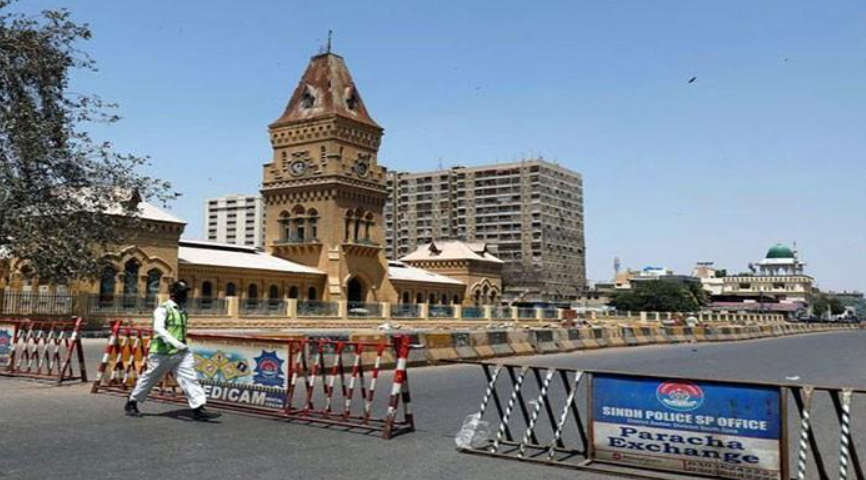
The National Database and Registration Authority (NADRA) has announced extended operating hours at its Shahrah-e-Quaideen center in Karachi to better serve citizens.

Starting from December 22, the center will operate in two shifts, remaining open from 8:00 am to 10:00 pm daily. The morning shift will run from 8:00 am to 3:00 pm, while the evening shift will cover 3:00 pm to 10:00 pm, allowing greater flexibility for residents to complete their NADRA-related services.

This move aims to reduce long waiting times and accommodate the high volume of applicants, especially during peak periods, ensuring smoother access to important services such as CNIC issuance, updates, and other documentation.

DPM Reviews Attestation and Apostille Services at MOFA

Deputy Prime Minister Ishaq Dar chaired a review meeting in Islamabad today to evaluate the consular services provided by the Ministry of Foreign Affairs (MOFA).

The Consular Affairs team presented a detailed briefing on attestation and apostille services, highlighting the smooth functioning and key features of these services for the public.

Ishaq Dar emphasized that transparency and efficiency in attestation processes are central to MOFA’s mission. He further stressed the importance of facilitating citizens with minimal costs and timely service delivery.

The meeting reinforced the ministry’s commitment to improving consular operations and ensuring accessible services for both domestic and overseas Pakistanis.

Notification of Newly-Elected Members of Pakistan Bar Council Issued

The Attorney General of Pakistan, Mansoor Usman Awan, acting as the Returning Officer, has officially issued the notification of the newly-elected members of the Pakistan Bar Council, 24NewsHD TV Channel reported.

From Balochistan, Munir Ahmed Khan Kakar secured his seat as a member of the Pakistan Bar Council. Islamabad’s representative is Raja Rizwan Abbasi.

Khyber Pakhtunkhwa has four newly-elected members: Naveed Akhtar, Abdul Sattar Khan, Rehmanullah, and Qazi Muhammad Arshad.

Punjab saw Azam Nazir Tarar elected to the council, alongside Ahsan Bhoon, Hafizur Rahman Ch, Salman Akram Raja, Shafqat Mehmood Chohan, Muhammad Maqsood, Saqib Akram Gondal, Aamir Saeed, Tahir Nasrullah Warraich, Pir Muhammad Masood Chishti, and Syed Qalb Hassan.

From Sindh, the newly-elected members include Munir Ahmed Malik, Farooq Naik, Barrister Salahuddin Ahmed, Saleem Mangreo, Obaidullah, and Abid Shahid Zuberi.

This notification marks the formal induction of these representatives into the Pakistan Bar Council, allowing them to take part in key legal and regulatory matters affecting the legal profession across the country.

OIC-COMSTECH Coordinator General underscores importance of traditional medicine in reducing global disease burden

Coordinator General of OIC-COMSTECH, Prof. Dr. Muhammad Iqbal Choudhary, has emphasized that traditional and integrative medicine can play a critical role in addressing the rising global disease burden, especially in developing regions facing healthcare inequalities.

He made these remarks while delivering a keynote lecture titled “Traditional, Complementary, and Integrative Medicine: Therapeutic Options to Overcome the Global Disease Burden” at the 13th World Integrative Medicine Congress (WIMCO 2025) held in Changchun, China.

Prof. Dr. Choudhary highlighted that modern drug discovery models are becoming increasingly expensive, complex, and exclusionary. He noted that many developing countries struggle with access to affordable medicines, making healthcare systems vulnerable and unsustainable in the long run.

He stressed that traditional and complementary medicine continues to serve as the primary healthcare option for a large portion of the global population. In low- and middle-income countries, such systems remain deeply embedded in communities and are often more accessible than conventional treatments.

Addressing the role of evidence-based Traditional, Complementary, and Integrative Medicine (TCIM), he explained that it holds strong potential as a first-line treatment for several diseases. TCIM, he said, can also contribute significantly to disease prevention and long-term health management.

Prof. Dr. Choudhary pointed out that traditional medicines are inherently sustainable, as they are derived from natural sources and offer vast chemical diversity. This makes them particularly suitable for treating chronic diseases, which account for a major share of the global disease burden.

He also referenced the World Health Organization’s recommendation urging member states to integrate TCIM into national healthcare systems. According to him, such integration can help reduce health inequities, improve access to care, and strengthen resilience against future health crises.

During the lecture, Prof. Dr. Choudhary highlighted growing Pakistan-China cooperation in the field of traditional medicine. He discussed joint initiatives led by OIC-COMSTECH in collaboration with top Chinese universities and research institutions.

He cited the Sino-Pakistan Cooperation Centre on Traditional Medicine at the International Centre for Chemical and Biological Sciences (ICCBS), University of Karachi, as a successful example of South-South scientific collaboration.

Further collaborations with institutions such as Hunan University of Chinese Medicine, Ningbo University, China Science and Technology Exchange Center, Huawei Technologies, and Xinjiang Medical University were also highlighted. These partnerships focus on research, innovation, capacity building, and knowledge exchange in traditional medicine and biotechnology.

Concluding his address, Prof. Dr. Choudhary called for stronger international cooperation, interdisciplinary research, and policy-level support through OIC-COMSTECH. He stressed that harnessing the full potential of traditional medicine is essential for achieving inclusive healthcare, sustainable development, and improved global health outcomes.

French Culture Ministry Official Accused of Mass Drink Spiking to Humiliate Women

Hiyam Zarouri, now 35, was among nearly 200 women who have accused former French culture ministry official Christian Negre of spiking drinks with a diuretic to humiliate female job-seekers. Zarouri, then 25, said that during a meeting arranged through LinkedIn, Negre slipped the substance into her coffee, causing her to experience severe discomfort, including cold sweats, chills, hot flashes, and extreme pain while walking in high heels for over three hours in central Paris.

Zarouri and other victims say Negre would watch women writhe in pain, sometimes forcing them to relieve themselves in public. Unlike some other victims, Zarouri eventually demanded to return to the ministry to use the toilet. She later realized, after media reports on similar cases four years later, that she had been targeted deliberately.

Negre, a former human resources manager, was charged with administering a harmful substance without consent, sexual assault by abusing authority, and invasion of privacy. Investigations revealed that between 2009 and 2018, he targeted 197 women, documenting their names and reactions in a spreadsheet, according to sources close to the case. Many victims, including Zarouri, criticize the slow pace of the investigation, expressing concern that Negre—still allowed to work under judicial control—could target others.

Negre admitted in 2018 to investigators that he had “imposed humiliating situations on women” during interviews, leading to his dismissal from the ministry in 2019. Reports indicate that he later worked under a pseudonym as a teacher at a business school in Normandy. His lawyer has declined to comment.

The case has drawn wider attention in France amid growing awareness of abuse through drugs, following other high-profile cases involving drug-facilitated sexual assault. Feminist groups, including the Women’s Foundation, emphasize that the diuretic cases are serious abuses of power, noting that victims’ experiences were meticulously recorded by Negre, reducing women to mere data points on a spreadsheet.

Investigators face challenges due to the high number of victims, administrative burdens, and limited resources, delaying the process. Each court clerk must notify victims of any updates via registered mail, and expert consultations further slow proceedings. Authorities plan to meet complainants early next year to provide updates, though organizing a criminal trial will take additional time.

An administrative court ruling in 2023 awarded one victim €12,000 ($14,000) after finding the French state guilty of failing to protect her and six other women. The case underscores ongoing concerns about workplace abuse and the need for timely justice for victims.

ECNEC Approves 11 Development Projects Across Multiple Sectors

The Executive Committee of the National Economic Council (ECNEC) approved 11 development projects in a meeting chaired by Deputy Prime Minister and Foreign Minister Senator Muhammad Ishaq Dar in Islamabad on Saturday. The projects cover a broad range of sectors, including transport, communications, and environmental initiatives, reflecting the government’s commitment to infrastructure development and capacity building.

The meeting was attended by Federal Minister for Planning and SAPM Tariq Bajwa, provincial ministers from Sindh and Khyber Pakhtunkhwa, federal secretaries, and provincial heads of development departments.

Among the key approvals was the revised PC-1 for the Dasu Hydropower Project, an important initiative aimed at strengthening Pakistan’s energy infrastructure and supporting sustainable power generation. The committee also endorsed a policy paper designed to create training opportunities for up to 10,000 young engineers annually, who would subsequently be placed in development projects across the country.

The approvals signal continued focus on both infrastructure expansion and human capital development, ensuring that large-scale projects are complemented by efforts to equip the next generation of professionals with practical skills and experience.

These initiatives are expected to enhance economic growth, improve public services, and support Pakistan’s long-term development objectives.

Pakistan Study Centre Officially Inaugurated at Shandong University

The Pakistan Study Centre at Shandong University was officially inaugurated by Pakistan’s Ambassador to China, Khalil Hashmi, in a ceremony attended by Executive Vice-President Wu Zhen and university faculty members. The Centre represents a significant step in strengthening academic collaboration and cultural exchange between Pakistan and China.

Ambassador Hashmi expressed gratitude to the university leadership for their support in establishing the Centre, emphasizing the growing momentum in Pakistan-China relations, particularly in education, research, and knowledge exchange. He highlighted Shandong’s global reputation for innovation in agriculture and fisheries, noting that the province provides an ideal environment for fostering Pakistan-focused academic initiatives.

The newly inaugurated Centre aims to serve as a hub for Pakistan studies, facilitating collaborative research, student engagement, and business-to-business (B2B) activities. By promoting academic dialogue and mutual understanding, the Centre is expected to contribute to long-term people-to-people linkages between the two countries.

During the inauguration, Ambassador Hashmi met with Executive Vice-President Wu Zhen to discuss strategic ways to leverage the Centre for joint academic and research projects, particularly in agriculture and fisheries. He was also given a tour of the Shandong University Museum, further highlighting the importance of educational and cultural collaboration.

The establishment of the Pakistan Study Centre at Shandong University underscores the deepening partnership between Pakistan and China in higher education, research, and innovation. It is expected to become a focal point for nurturing academic talent, promoting cross-cultural understanding, and supporting initiatives that benefit both nations.

Pakistan IT Exports Rise 19% in First Five Months, Reflecting Strong Digital Growth

Pakistan’s digital economy continues to show strong momentum as information technology exports record a notable increase during the first five months of the current fiscal year. The latest figures indicate that the country’s IT sector is steadily emerging as a major contributor to economic growth and foreign exchange earnings.

According to data released by the State Bank of Pakistan, IT exports grew by 19 percent during the July to November period of the ongoing fiscal year. This growth highlights increasing global demand for Pakistani technology services and software solutions, alongside improved domestic policy support for the sector.

Official statistics reveal that total IT exports reached $1.8 billion in the first five months. This performance reflects the sector’s expanding footprint in international markets and its ability to compete in a rapidly evolving global digital economy.

November proved to be a particularly strong month, with IT exports amounting to $356 million. This figure stands among the highest monthly export values recorded by the sector so far, reinforcing confidence in sustained growth throughout the fiscal year.

Government officials and industry stakeholders have attributed the surge in IT exports to consistent policy measures and facilitation efforts. A key role has been played by the Special Investment Facilitation Council, which has worked to remove barriers, streamline procedures, and promote Pakistan as a viable destination for technology investment.

These initiatives have helped rebuild international investor confidence in Pakistan’s digital and technology ecosystem. Improved ease of doing business, regulatory clarity, and incentives for exporters are encouraging both local firms and foreign clients to expand their engagement with the Pakistani IT industry.

Economic analysts note that the rise in IT exports is particularly significant at a time when Pakistan is seeking sustainable sources of foreign exchange. Unlike traditional exports, IT services require relatively low capital investment while offering high value addition, making them a strategic asset for the economy.

Beyond foreign earnings, the growing IT sector is also contributing to job creation and skills development. Increased demand for software development, freelancing, and digital services is opening new employment opportunities for young professionals and strengthening Pakistan’s digital self-reliance.

Experts believe that if current trends continue, the IT sector could play a transformative role in Pakistan’s long-term economic stability. With global demand for digital services rising, Pakistan is well-positioned to expand its market share through continued policy support, infrastructure development, and human capital investment.

The latest export figures underline the sector’s potential to become a key driver of future growth. As digital opportunities expand, Pakistan’s IT industry is increasingly being seen as a cornerstone of economic diversification and resilience.

PAF Airmen Academy Korangi Holds Passing-Out Parade, Sri Lankan Trainee Herath Named Best Foreign Graduate

The Pakistan Air Force (PAF) Airmen Academy in Korangi celebrated a distinguished passing-out parade, marking the successful completion of training for 1,155 trainees from the Pakistan Air Force, Pakistan Navy, and friendly foreign countries.

The ceremony, attended by the President of the National Aerospace Science and Technology Park Advisory Board as the chief guest, highlighted the academy’s commitment to professional excellence, combat readiness, and operational capability. The president commended the PAF for providing training aligned with modern and future operational requirements, ensuring readiness to meet emerging challenges.

Awards were presented to trainees demonstrating exceptional performance during their training. Aircraftman Sergeant Ahmed Hussain Arif received the prestigious Chief of Air Staff Trophy for overall best performance, while he also earned the Noor Khan Trophy. Aircraftman Hamza Ali was awarded the Asghar Khan Trophy, and Academy Sergeant Aircraftman Shafaat Noor received the Air Officer Commanding Trophy.

Among the international trainees, Herath from Sri Lanka was recognized as the best foreign graduate, showcasing the global standards of training at the academy. The chief guest also praised the professional dedication of the academy’s instructors and staff, emphasizing their role in shaping highly skilled airmen for both domestic and allied defense services.

The passing-out parade reaffirmed the PAF’s ongoing commitment to nurturing competent personnel capable of contributing to national defense and regional security.


PCB Moves to Ban ‘Un-Islamic’ Sponsors from PSL

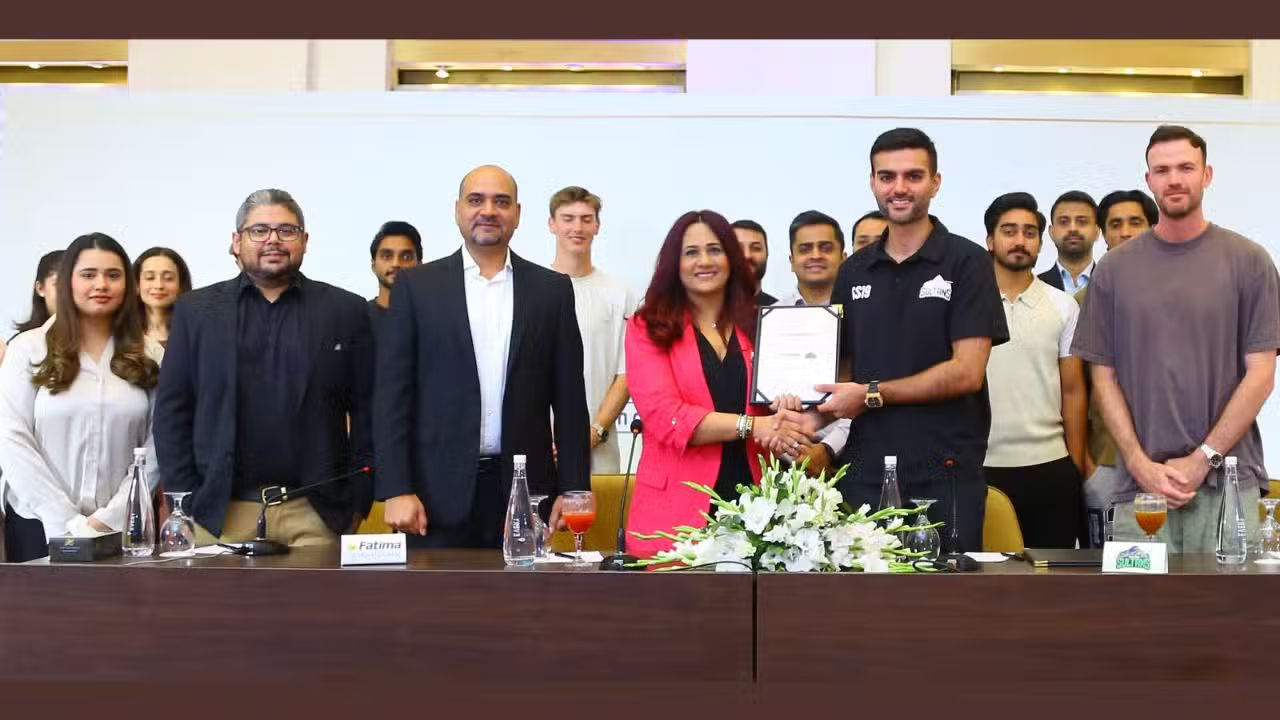
The Pakistan Cricket Board (PCB) is taking decisive steps to maintain the integrity and reputation of the Pakistan Super League (PSL) by introducing stricter sponsorship guidelines. Under the new policy framework, all future franchise agreements will explicitly prohibit the promotion of betting, gambling, or any products considered banned under Islamic principles.

This move aims to ensure that the PSL remains a family-friendly and culturally respectful sporting event. PCB officials emphasized that the decision reflects the board’s commitment to maintaining transparency and upholding the moral and social values of Pakistan.

By restricting sponsorships to ethical and lawful brands, the PCB hopes to create a professional and responsible environment for players, fans, and stakeholders alike. The initiative also aligns with broader efforts to regulate sports sponsorships in accordance with national norms and religious sensitivities.

Franchise owners and potential sponsors have been asked to comply strictly with these guidelines, with the board reserving the right to reject any agreements that do not meet the stipulated ethical standards. The policy is expected to take effect immediately for all new franchise contracts and will be reviewed periodically to ensure compliance.

Lebanon PM Set to Unveil Long-Awaited Banking Law Draft to Address Crisis Losses

Lebanese Prime Minister Nawaf Salam is set to announce a long-awaited banking law draft that aims to address the massive financial losses stemming from the country’s 2019 economic collapse. The move marks a critical step in Lebanon’s stalled reform process and comes amid sustained pressure from the international community to overhaul the country’s troubled financial system.

According to a senior Lebanese official, the prime minister will address the nation before formally circulating the draft, widely referred to as the fiscal gap law, to cabinet ministers. Cabinet discussions are expected to begin shortly, potentially opening a long-delayed debate on how Lebanon plans to distribute the burden of one of the worst financial crises in its modern history.

The proposed legislation seeks to define how losses from the crisis will be shared among the Lebanese state, the central bank, commercial banks, and depositors. Government estimates place the losses at around $70 billion, though experts believe the figure has continued to rise as the crisis remained unresolved for more than six years.

For international lenders and donors, the fiscal gap law is seen as a cornerstone reform. Institutions such as the International Monetary Fund have consistently stressed that restoring confidence in Lebanon’s banking sector requires a transparent framework aligned with international standards. Central to these demands is the protection of small depositors, many of whom lost access to their savings when banks imposed informal capital controls.

The IMF has closely followed the drafting process, repeatedly urging Lebanese authorities to act decisively. Without meaningful reform, international financial assistance remains out of reach, leaving the economy trapped in prolonged stagnation.

However, the proposed law has already drawn criticism from within Lebanon’s banking sector. The Association of Banks in Lebanon has warned that the draft contains what it described as serious flaws and could further weaken commercial banks already struggling under the weight of the crisis. Bank representatives argue that the legislation unfairly shifts losses onto financial institutions without adequately addressing state responsibility.

Political hurdles also remain significant. While President Joseph Aoun and Prime Minister Nawaf Salam have both pledged to push through long-overdue reforms, similar efforts in the past have faced strong resistance. Lawmakers and influential financial stakeholders have repeatedly blocked or diluted reform bills, delaying international support and prolonging economic hardship for ordinary citizens.

In April, Lebanon’s parliament passed a bank restructuring law aimed at correcting earlier legal gaps that allegedly enabled capital flight at the onset of the crisis. Yet analysts note that restructuring alone is insufficient without a clear mechanism for loss allocation, making the fiscal gap law a decisive test of political will.

Even if the cabinet approves the draft, it could still face delays or rejection in parliament. For many Lebanese, the announcement represents a cautious moment of hope, signaling that long-promised reforms may finally be moving from rhetoric to action, though their ultimate fate remains uncertain.


Indian Attempts to Weaponize Water Raise Alarm Over Pakistan’s Food Security and Regional Stability

Pakistan has raised serious concerns over what it describes as India’s growing attempts to use water as a strategic tool, warning that such actions threaten food security, regional peace, and the foundations of international law. The issue has once again brought the Indus Waters Treaty into sharp focus, a landmark agreement that has governed water-sharing between the two countries for decades.

Deputy Prime Minister and Foreign Minister Senator Ishaq Dar recently briefed foreign diplomats in Islamabad, outlining Pakistan’s position and expressing deep concern over recent developments. He stressed that water is not merely a resource but a lifeline for millions of people, particularly in an agrarian country like Pakistan where livelihoods, food production, and economic stability depend heavily on consistent river flows.

Pakistan has pointed to unusual and abrupt variations in the flow of the Chenab River observed during two separate periods this year. According to officials, these fluctuations appear to have occurred without prior notification or data-sharing from India, which is a core requirement under the Indus Waters Treaty. Such actions, Pakistan argues, undermine transparency and erode trust between the two neighbors.

The foreign minister emphasized that any attempt to stop or divert water allocated to Pakistan under the treaty would have grave consequences. He stated that deliberately disrupting water flows could amount to a serious violation of international humanitarian principles, given the direct impact on civilian populations, agriculture, and food supply chains.

Beyond immediate water flow concerns, Pakistan has also raised objections to the design and construction of certain Indian hydropower projects, including Kishenganga and Ratle. Islamabad maintains that these projects violate the treaty’s technical provisions and increase India’s capacity to store and manipulate water, thereby creating long-term risks for downstream users.

Another point of contention is India’s alleged reluctance to engage with established dispute resolution mechanisms under the treaty, such as neutral expert reviews and proceedings at the Permanent Court of Arbitration. Pakistan views this as a deliberate attempt to weaken a framework that has historically helped prevent water disputes from escalating into wider conflict.

International legal forums have reaffirmed the continued validity of the Indus Waters Treaty, reinforcing Pakistan’s stance that the agreement remains binding and enforceable. Islamabad has urged the global community to take note of the situation, warning that ignoring treaty violations could set a dangerous precedent for international water-sharing agreements worldwide.

For Pakistan, the issue goes beyond diplomacy. Sudden changes in river flows can trigger floods or droughts, disrupt cropping cycles, and threaten food security for millions. Officials argue that responsible water management and adherence to international agreements are essential not only for bilateral relations but for regional stability as a whole.

As tensions persist, Pakistan continues to call for dialogue, transparency, and strict compliance with the Indus Waters Treaty, emphasizing that cooperation, not coercion, is the only sustainable path forward.


Melania Trump Features in Amazon Documentary Trailer Ahead of January 30 Release

Melania Trump, the former US First Lady, takes center stage in a rare public spotlight with the debut trailer for her upcoming Amazon documentary, Melania, set to release on January 30. The teaser shows Trump delivering a steady, unflinching gaze at the camera while summarizing her husband’s political comeback in four words: “Here we go again.”

The documentary chronicles 20 days leading up to President Donald Trump’s second inauguration, capturing moments from transition planning and closed-door meetings to intimate, behind-the-scenes scenes of life in the White House. According to reports, Amazon MGM’s licensing deal for the film is valued at approximately $40 million, with Melania serving as executive producer and reportedly set to receive 70 percent of the sum, a figure that has drawn public attention.

The trailer blends choreographed grandeur with casual, sometimes awkward moments. It features the former first lady moving through the White House and the Trump family’s Florida estate in tailored outfits, including stilettos and a strapless inaugural ball gown. Several clips highlight her active role in shaping her husband’s speeches, including prompting him with phrases like “Peacemaker and unifier” during rehearsal.

One notable scene shows Melania congratulating Trump over the phone for a speech, replying, “I did not… I will see it on the news,” when asked if she watched it, offering viewers a glimpse into their private dynamic. Additional footage includes photo shoots at the White House, domestic travel, and poignant moments such as placing a white flower at a gravesite, presenting a mix of public and personal life.

Amazon promises the documentary will provide “unprecedented access” and rare insight into Melania Trump’s world, capturing both her public responsibilities and private experiences. The project is directed by Brett Ratner, marking his first major work since allegations of sexual misconduct in 2017, which he denies.

The documentary will premiere in theaters globally on January 30, accompanied by a three-part companion series and a streaming run on Prime Video. By offering exclusive footage of critical meetings, personal interactions, and daily routines, Melania positions the former first lady as both a subject of political and cultural interest while reintroducing her into the public sphere.

Hakimi Boost as Morocco Eye End to AFCON Title Drought

Moroccan football fans received a major boost this week as Achraf Hakimi was spotted in Rabat without a protective boot, raising hopes of his availability ahead of the 2025 Africa Cup of Nations (AFCON), which Morocco hosts starting Sunday.

A casual social media photo of the Paris Saint-Germain star quickly went viral, not because of his outfit, but because his left ankle showed no sign of the surgical boot he wore last month. The image sparked optimism across the country as supporters dream of ending a 49-year AFCON title drought.

Injury Recovery Lifts Moroccan Hopes

Hakimi, 27, had suffered a badly sprained ankle after a reckless challenge by Luis Díaz during a UEFA Champions League match against Bayern Munich in November. Although Díaz was sent off, Hakimi was forced off the pitch, casting serious doubt over his AFCON participation.

The severity of the injury was evident when Hakimi struggled to walk while collecting his African Player of the Year award in Rabat last month. However, his recent appearance without protective gear suggests his recovery is progressing well.

Included in the 2025 FIFA Best XI, Hakimi remains one of the world’s best right-backs and is central to Morocco’s ambitions.

Careful Approach From Coaching Staff

Hakimi has reportedly arrived in Morocco accompanied by a PSG doctor and physiotherapist, continuing his rehabilitation under close supervision. There is hope he could begin light training later this week.

Morocco head coach Walid Regragui has stressed that no risks will be taken with his captain, even if that means missing the entire group stage.

“He is our leader, our captain,” Regragui said.

Morocco open their AFCON campaign against Comoros on Sunday, followed by matches against Mali on December 26 and Zambia on December 29. All group matches will be played at the 68,000-seat Prince Moulay Abdellah Stadium in Rabat.

Title Dreams and Historic Pressure

Ranked Africa’s No. 1 team since their historic run to the 2022 World Cup semi-finals, Morocco enter the tournament as favourites once again.

Yet their AFCON record since winning the tournament in 1976 has been underwhelming. They have reached only one final since then, losing to Tunisia in 2004. Last year, despite high expectations, they were eliminated by South Africa in the round of 16.

Morocco’s current form is formidable. They arrive at AFCON on a world-record 18-match winning streak, having surpassed Spain’s previous record in October and followed it with victories over Mozambique and Uganda.

Home Advantage, But No Guarantees

While Morocco enjoy passionate home support, hosting AFCON does not guarantee success. Since 2000, only three host nations — Tunisia, Egypt (2006), and Ivory Coast (2024) — have lifted the trophy.

Still, Morocco’s chances of becoming the fourth successful host this century would be significantly strengthened if Hakimi returns in time to lead the Atlas Lions into the knockout rounds, expected to begin on January 3.

Pakistan and Libya Pledge to Strengthen Defence Cooperation

Pakistan and Libya have reaffirmed their commitment to deepening bilateral defence and military cooperation, following high-level talks between the defence leadership of both countries.

According to a statement issued by the Inter-Services Public Relations (ISPR), Pakistan’s Chief of Army Staff and Chief of Defence Forces, Field Marshal Syed Asim Munir, held detailed discussions with Field Marshal Khalifa Belqasim Haftar, Commander-in-Chief of the Libyan Arab Armed Forces, and Lieutenant General Saddam Khalifa Haftar, Deputy Commander-in-Chief, during his official visit to Libya.

Guard of Honour and Strategic Dialogue

Upon arrival, Field Marshal Asim Munir was accorded a guard of honour by a smartly turned-out contingent of the Libyan Armed Forces, reflecting the importance both sides place on the visit.

The meeting focused on matters of mutual interest, evolving regional security dynamics, and practical ways to enhance defence and military-to-military cooperation between Pakistan and Libya.

Focus on Training and Counter-Terrorism

Both defence chiefs underscored the significance of collaboration in training, capacity building, and counter-terrorism efforts, highlighting shared security challenges and the need for coordinated responses.

Field Marshal Asim Munir reaffirmed Pakistan’s commitment to expanding defence ties with Libya, emphasizing cooperation based on shared strategic interests and mutual respect.

Libya Praises Pakistan Armed Forces

Field Marshal Khalifa Haftar praised the professionalism and operational capability of the Pakistan Armed Forces and expressed Libya’s desire to further broaden defence cooperation in the coming period.

The engagement reflects Pakistan’s continued focus on strengthening defence partnerships across the region and contributing to regional stability through dialogue and cooperation.

https://youtu.be/qAu3hQnv_Po

Babar Azam Suffers Another Low Score in Big Bash League 2025/26

Pakistan’s premier batter Babar Azam continues to face a challenging start to his Big Bash League campaign, registering another low score for the Sydney Sixers in the ongoing 2025/26 season. The right-hander’s struggles in Australian conditions have once again come under focus as he failed to convert a brief start into a meaningful innings.

In the Sixers’ clash against the Adelaide Strikers at the Sydney Cricket Ground, Babar was dismissed for nine runs off 10 deliveries. His innings included a single boundary, offering a fleeting glimpse of promise before ending prematurely. Much like his debut outing in the tournament, where he managed only two runs against the Perth Scorchers, Babar was unable to settle at the crease.

Observers noted that the former Pakistan captain appeared uncomfortable against the pace and bounce on offer, a recurring theme for batters adjusting to Australian pitches. While he showed intent early on, his timing remained inconsistent, and he struggled to rotate the strike fluently. His dismissal came while attempting an aggressive lofted shot off Luke Wood, only to find Matthew Short positioned safely in the field.

Babar’s inclusion in the Big Bash League was met with significant anticipation, with fans eager to see how one of modern cricket’s most consistent run-scorers would adapt to the demands of Australia’s premier T20 competition. However, his initial performances have fallen short of expectations, raising questions about his form and adaptability in fast, bouncy conditions.

The Sydney Sixers, who brought Babar into their squad to strengthen their batting lineup, will be hoping that the experienced batter can quickly find his rhythm. Known for his composure and technical excellence, Babar has previously demonstrated the ability to bounce back from lean patches. Yet, the pressure continues to mount as opportunities slip by in a high-profile tournament like the BBL.

Cricket analysts point out that the Big Bash League presents unique challenges, even for elite international players. Short boundaries, aggressive bowling plans, and unfamiliar conditions often test overseas recruits early in their campaigns. For Babar, adjusting his approach while maintaining his natural game may be key to reversing his fortunes.

Despite the early setbacks, team management and fans alike are likely to remain patient. With several matches still to come, the tournament offers ample time for Babar Azam to rediscover his touch and make meaningful contributions for the Sixers. His track record across formats suggests that one substantial innings could quickly silence critics and shift momentum in his favor.

For now, though, Babar’s Big Bash journey remains a work in progress, with another modest score adding to the scrutiny surrounding his performances in Australia.

US Introduces New Security Checks for H-1B and H-4 Visas

The United States has introduced expanded security screening measures for H-1B work visa applicants and their H-4 dependents, significantly widening the scope of background checks for skilled foreign workers and their families.

According to the US State Department, the new policy came into effect on Monday, December 15. Under the updated rules, visa officers will now review applicants’ social media activity as part of the vetting process. Previously, such checks were largely limited to student and exchange visitor visas under the F, M, and J categories.

The decision reflects Washington’s broader push to tighten immigration screening procedures and ensure that all visa applicants are thoroughly vetted before entering the country. Officials say the expanded checks are designed to verify applicant identities, assess potential security risks, and confirm the accuracy of information provided during the visa application process.

For many professionals, the H-1B visa serves as a primary pathway to work in the United States, particularly in sectors such as technology, engineering, healthcare, and finance. The H-4 visa allows spouses and dependent children of H-1B holders to accompany them, making the new policy relevant to thousands of families.

Following the implementation of the expanded screening, several US consulates have reportedly postponed scheduled H-1B and H-4 visa interviews. Applicants have been informed that many appointments are being rescheduled for March 2026 to allow sufficient time for the additional background checks to be conducted.

Immigration experts say the delays could affect companies relying on foreign talent, as well as families planning relocations, job transitions, or school admissions. While the US government has not announced a blanket suspension of visa processing, the extended timelines suggest a more cautious and methodical review process.

Applicants are now expected to ensure that their social media profiles align with the information provided in their visa forms. Any inconsistencies, misleading details, or content deemed concerning could potentially raise red flags during the review.

The State Department has advised applicants to list all social media identifiers accurately when submitting visa applications. Failure to disclose online accounts or providing incomplete information may result in delays or, in some cases, visa denial.

This move aligns with similar measures introduced in recent years, where digital footprints have increasingly become part of immigration assessments. US officials argue that social media checks help paint a fuller picture of applicants’ backgrounds and intentions.

For Pakistani professionals and students planning to transition from study visas to work visas, the change highlights the importance of maintaining transparent records and preparing for longer processing times.

While the policy has raised concerns about privacy and processing delays, US authorities maintain that the enhanced checks are necessary to balance national security with legal immigration pathways.

Thousands of Pakistanis Deported for Begging From Multiple Countries

Thousands of Pakistani nationals have been deported from several countries this year after being found involved in begging activities, raising serious concerns about migration practices and Pakistan’s international image.

The disclosure was made by officials of the Federal Investigation Agency during a meeting of the National Assembly’s Standing Committee on Overseas Pakistanis and Human Rights. The session was chaired by MNA Agha Rafiullah and focused on challenges faced by Pakistani migrants abroad.

According to the FIA Director General, a total of 51,000 Pakistanis were offloaded or deported from different countries in 2025 due to their involvement in begging or related activities. The scale of the issue highlighted growing scrutiny by host countries and stricter enforcement of immigration laws.

Saudi Arabia emerged as the country with the highest number of deportations, sending back approximately 24,000 Pakistani nationals. Officials noted that many of these individuals were found engaging in street begging, which violates local laws and visa conditions.

The United Arab Emirates ranked second on the list, deporting nearly 6,000 Pakistanis for similar reasons. Authorities in the UAE have repeatedly warned against misuse of visit and work visas, particularly in cases involving organised begging networks.

Azerbaijan was also among the countries taking action, deporting around 2,500 Pakistani nationals. FIA officials said the issue is not limited to Gulf states but is increasingly being flagged by countries across different regions.

During the briefing, the FIA chief revealed that several Pakistanis attempting to travel to Europe were intercepted at airports after falsely claiming they were travelling for Umrah. Investigations showed that these individuals were using forged or misleading travel documents as cover for illegal migration.

Officials clarified that only those passengers who provided documented false claims or fake paperwork were offloaded. Legitimate pilgrims were not affected, and the action was aimed solely at curbing abuse of religious travel routes.

The FIA stressed that organised begging rings often exploit vulnerable individuals by sending them abroad on visit visas, where they are instructed to beg and send money back to handlers. This practice not only violates immigration laws but also damages Pakistan’s global reputation.

Members of the parliamentary committee expressed concern over the alarming figures and urged stronger preventive measures. They emphasized the need for awareness campaigns, stricter screening at airports, and tougher action against travel agents involved in illegal practices.

The committee was informed that FIA has intensified monitoring at major airports and is coordinating with foreign governments to identify and dismantle transnational begging networks.

Officials also highlighted the importance of economic opportunities at home to discourage risky and unlawful migration. Without addressing unemployment and poverty, they warned, such trends may continue.

The revelations have sparked renewed debate about responsible travel, visa misuse, and the need for comprehensive migration reforms to protect both citizens and the country’s standing abroad.

Laughing Gorilla Wins Top Honor at 2025 Comedy Wildlife Awards, Delighting Global Audiences

A photograph capturing a laughing, playful gorilla has claimed first place at the 2025 Comedy Wildlife Awards, standing out among thousands of entries from around the world. The winning image, taken by British photographer Mark Meth-Cohn, has resonated widely for its joyful portrayal of wildlife and its celebration of humor in nature.

Meth-Cohn spent four days in Rwanda’s Virunga Mountains tracking gorilla families, patiently waiting for the right moment. His persistence was rewarded when he captured a male gorilla appearing to laugh mid-movement, seemingly caught in a spontaneous dance-like pose. The photograph, titled High Five, earned the top prize at this year’s Nikon Comedy Wildlife Awards and also secured first place in the mammals category.

Speaking about the moment, Meth-Cohn described the gorilla as unusually animated and eager to show off its acrobatic energy. He said watching the animal’s playful behavior was a joy in itself, and being able to freeze that moment on camera felt especially rewarding. The image reflects the lighter side of wildlife, offering a contrast to the often serious tone associated with nature photography.

The Comedy Wildlife Awards were created to highlight the humorous aspects of animal behavior while promoting conservation awareness. Organizers say the competition continues to grow each year, both in scale and global reach. In 2025, the awards received more than 10,000 photo submissions from photographers across 109 countries, marking a record-breaking level of participation.

From this vast pool of entries, judges shortlisted 40 standout images that best captured humor, creativity, and originality. These finalists were then reviewed by an expert panel, which selected the overall winner along with category champions. The winning gorilla image was praised for its timing, composition, and emotional impact, all of which contributed to its universal appeal.

Beyond entertainment, the awards aim to draw attention to wildlife conservation efforts. By showcasing animals in lighthearted and relatable moments, organizers hope to inspire a deeper emotional connection between people and the natural world. Many conservationists believe that humor can be a powerful tool for raising awareness about endangered species and fragile ecosystems.

The Virunga Mountains, where the winning photograph was taken, are home to some of the world’s last remaining mountain gorillas. The region has long been a focal point for conservation efforts, making the image not only amusing but also meaningful in the broader context of wildlife protection.

As audiences around the world continue to share and celebrate the photograph, Meth-Cohn’s work serves as a reminder that nature can surprise, entertain, and connect people across cultures. The success of the laughing gorilla image underscores the growing popularity of wildlife photography that blends artistry with emotion and storytelling.