ICC Declares MCG Pitch Unsatisfactory After Two-Day Ashes Test Finish

The International Cricket Council has officially rated the Melbourne Cricket Ground pitch as “unsatisfactory” following the abrupt conclusion of the fourth Ashes Test, which ended inside just two days. The assessment has reignited debate around pitch preparation, competitive balance, and the commercial impact of shortened Test matches.

Under the ICC’s four-tier pitch rating system, an “unsatisfactory” grade is the second lowest possible outcome. It is used when conditions are deemed excessively favourable to either batting or bowling. In this case, the governing body concluded that the surface offered bowlers a disproportionate advantage.

Match referee Jeff Crowe confirmed the decision, pointing to the extraordinary number of wickets that fell during the match. A total of 20 wickets tumbled on the opening day, followed by 16 more on day two. Across four innings, not a single batter managed to reach a half-century, underlining how difficult conditions were for scoring runs.

The rating brought an end to the MCG’s recent run of strong evaluations, with the iconic venue having earned “very good” ratings for the previous three Boxing Day Tests. As per ICC regulations, the ground has also received one demerit point as a result of the ruling.

England secured a four-wicket victory in the final session of day two, sealing the match in a contest dominated almost entirely by seam bowling. While the Perth Test earlier in the series also finished inside two days, that surface was judged far more balanced and retained a “very good” rating.

The MCG wicket was prepared with around 10 millimetres of grass, a decision that produced significant movement and bounce for fast bowlers. While such conditions are not uncommon in Australia, the extent of assistance made batting a major challenge throughout the match.

The financial consequences have been substantial. Cricket Australia is reportedly facing an estimated revenue shortfall of around AUD 10 million due to ticket refunds for days three and four. Officials acknowledged the disappointment felt by fans both at the ground and watching globally.

Cricket Australia’s chief of cricket, James Allsopp, said the pitch failed to deliver the traditional balance expected at the MCG. However, he also praised the ground staff’s long-term record of producing high-quality Test wickets.

Australia coach Andrew McDonald publicly defended curator Matt Page, arguing that occasional poor Tests are part of the game. He stressed that players, particularly batters, must also take responsibility for performances and warned against administrative interference in pitch preparation.

Cricket Australia will conduct its own end-of-season review, with chief executive Todd Greenberg previously stating that shorter Tests are “bad for business.” Despite this, McDonald maintained that Australia should avoid moving towards tailor-made surfaces, preserving the independence of curators.

Australia currently lead the Ashes series 3-1, with the final Test set to begin in Sydney on Sunday.

Pakistan Raises Alarm Over Persecution of Minorities in India, Urges Global Action

Pakistan has expressed serious concern over what it describes as the continued persecution of religious minorities in India, calling on the international community to take notice and play its role in protecting the fundamental rights of vulnerable communities. The issue was raised in the context of recent incidents involving vandalism during Christmas celebrations and violence against Muslims across different parts of India.

The concerns were articulated by the spokesperson of Pakistan’s Ministry of Foreign Affairs, Tahir Andrabi, while responding to media queries on Monday. He stated that the persecution of minorities in India remains a matter of deep and ongoing concern, particularly in light of repeated reports of targeted violence and discrimination.

According to the Foreign Office, recent incidents of vandalism at Christian sites during Christmas have added to fears among minority communities. These acts, Pakistan says, reflect a broader pattern of intolerance that has increasingly affected religious groups in India, undermining their sense of security and social inclusion.

The spokesperson also highlighted what he described as state-sponsored campaigns targeting Muslims. These include the demolition of Muslim homes, incidents of mob lynching, and a climate of fear that has grown steadily over recent years. He referred specifically to the case of Muhammad Akhlaq, noting that the handling of the case reinforced perceptions that perpetrators of such violence are often shielded from accountability.

Tahir Andrabi said that such incidents have contributed to deepening alienation among Muslims in India, stressing that the list of victims of communal violence is long and troubling. He added that these developments are not isolated events but part of a broader pattern that warrants international attention.

Pakistan urged global human rights organizations, international bodies, and influential states to closely monitor the situation. The Foreign Office emphasized that silence or inaction could further embolden extremist elements and worsen conditions for minorities living under growing pressure.

Islamabad reiterated that the protection of minority rights is a core obligation under international human rights law. It called on India to uphold its constitutional commitments and international obligations by ensuring equal protection, justice, and dignity for all citizens, regardless of religion or belief.

The Foreign Office spokesperson concluded by urging the international community to take appropriate and practical steps to safeguard the fundamental rights of minorities in India. Pakistan maintains that sustained international engagement is essential to prevent further violations and to promote tolerance, coexistence, and respect for human rights in the region.


Pakistan’s Top Diplomatic Wins of 2025: Strategic Strength and Global Recognition

2025 emerged as a defining year for Pakistan’s foreign policy, marking a resurgence of international trust and a reassertion of the country’s strategic relevance. From high-profile military engagements to strengthened bilateral partnerships, Pakistan demonstrated its ability to navigate complex regional and global dynamics effectively.

One of the most significant events occurred in May, when Pakistan and India engaged in four days of intense military clashes. Pakistani forces reportedly shot down multiple Indian aircraft, showcasing the nation’s operational capabilities despite economic and internal security pressures. This episode significantly bolstered Pakistan’s strategic credibility on the global stage, drawing attention to its defense and deterrence capacity.

Following these developments, Pakistan’s relations with the United States witnessed a notable reset. Under President Donald Trump, Washington acknowledged Pakistan’s constructive role in averting regional escalation. Field Marshal Asim Munir undertook high-profile visits to the US, including meetings with President Trump, focusing on regional stability, counterterrorism, and Gaza-related discussions. Trump’s public praise further emphasized Pakistan’s growing relevance in South Asian geopolitics.

In the Middle East, Pakistan’s strategic footprint expanded through strengthened ties with Saudi Arabia. A mutual defense pact signed in September enhanced cooperation across multiple security domains. Meanwhile, Pakistan secured a $4 billion arms deal with Libya and advanced counterterrorism coordination with Turkey, reflecting a pragmatic and economically driven foreign policy approach.

China also recognized Pakistan’s defense capabilities during the conflict with India, reinforcing cooperation under the China-Pakistan Economic Corridor (CPEC) framework. The success validated China’s defense systems and accelerated progress toward CPEC Phase II, consolidating Pakistan’s strategic significance to Beijing.

Pakistan also played a constructive role in Gaza, advocating for a ceasefire and supporting post-conflict recovery efforts without participating in the disarmament of Hamas. These efforts highlighted Pakistan’s commitment to principled diplomacy and international peacekeeping.

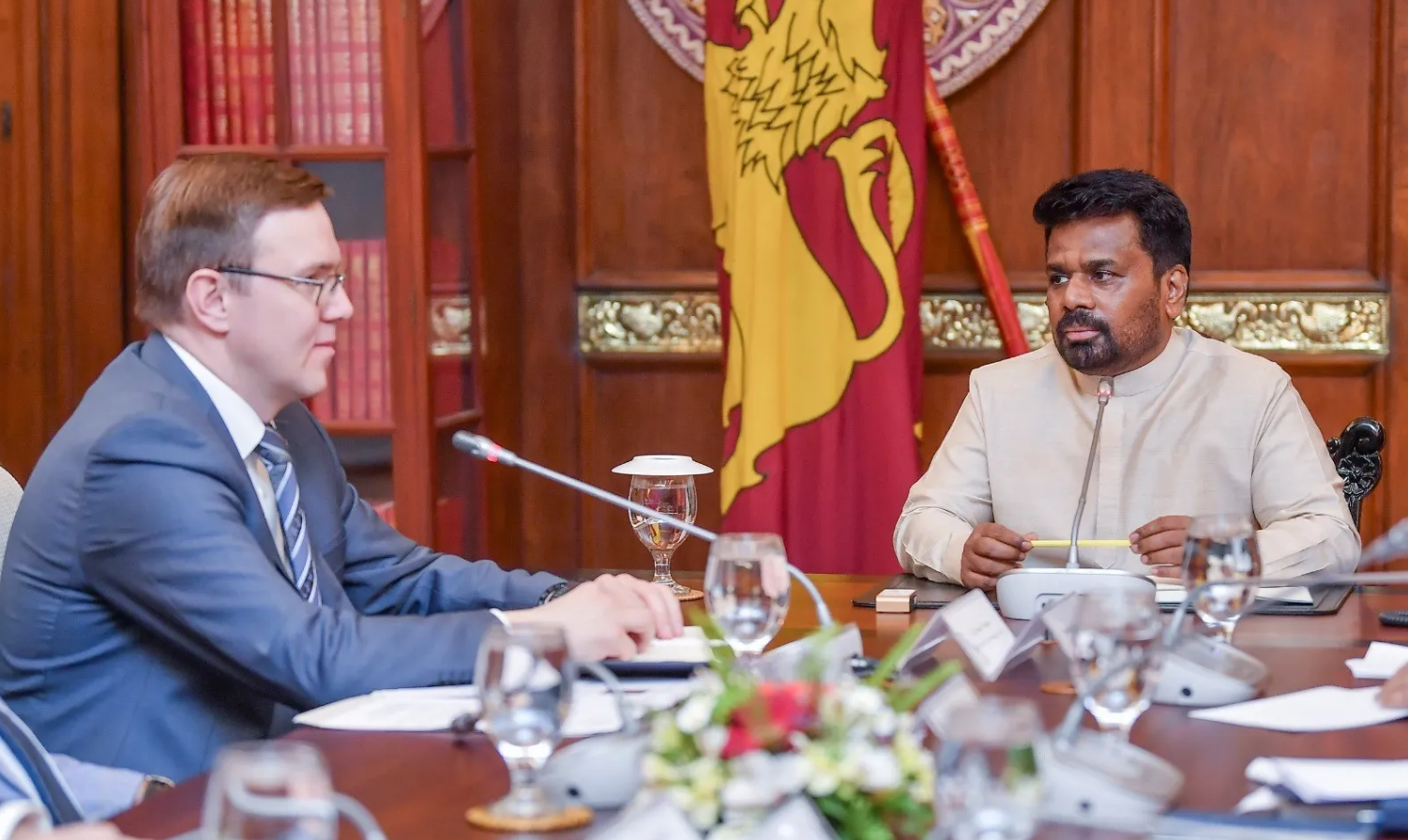
Regionally, Pakistan achieved breakthroughs with Bangladesh, breaking longstanding stagnation in bilateral ties. Discussions during a 36-hour visit reflected goodwill and laid the foundation for full engagement with Dhaka’s new government. Relations with Sri Lanka and Nepal also improved, indicating a balanced and active regional diplomacy approach.

Finance Minister Ishaq Dar emphasized that Pakistan’s foreign policy prestige increased worldwide in 2025. He credited the country’s strategic performance, defense achievements, and diplomatic engagements for earning broad international recognition, reinforcing Pakistan’s position as a credible and proactive player on the global stage.

Cricket Australia Warns Short Tests Hurt Business After MCG Wickets Frenzy

Cricket Australia chief Todd Greenberg has called short Test matches “bad for business” following the dramatic first day of the fourth Ashes Test at the Melbourne Cricket Ground. Over 94,000 spectators witnessed 20 wickets tumble on Friday, with Australia bowled out for 152 and England dismissed for just 110.

The carnage continued into Saturday morning, with Australia losing six more wickets by lunch, bringing the total to 26 in just 98 overs. It marked the most wickets to fall on the first day of an Ashes Test since 1909, and came after a similarly rapid two-day finish in Perth earlier in the series, which cost Cricket Australia millions in revenue.

Greenberg expressed concern over the trend of short Tests, noting that while fans experienced exciting cricket, the financial impact on the governing body was significant. “Short Tests are bad for business. I can’t be much more blunt than that,” he said on SEN radio, emphasizing the need for a better balance between bat and ball to ensure sustainable commercial success.

The Melbourne pitch, prepared with 10 millimetres of grass, favoured bowlers with extra movement and bounce under overcast conditions. Former players, including Michael Vaughan and Alastair Cook, criticized the wicket, calling it “a joke” and “an unfair contest,” highlighting the challenge of maintaining competitive yet commercially viable pitches.

While Australian curators traditionally operate independently, Greenberg hinted that Cricket Australia may take a more hands-on approach in the future to safeguard both the quality of cricket and its commercial interests. “It’s hard not to get more involved when you see the impact on the sport, especially commercially,” he added.

The MCG day-one spectacle has reignited debate about pitch preparation in Australia and the broader implications for Test cricket, underscoring the tension between thrilling cricketing contests and the financial realities of the sport.

Former State Bank Governor Dr Shamshad Akhtar Passes Away, Nation Mourns a Distinguished Economic Leader

Former finance minister and ex-governor of the State Bank of Pakistan, Dr Shamshad Akhtar, passed away on Saturday at the age of 71. Her demise marks the loss of one of Pakistan’s most respected economists, whose career spanned decades of national service and international leadership in global financial institutions.

Dr Shamshad Akhtar was widely recognized for her expertise in economic governance, financial reform, and development policy. She played a pivotal role in shaping Pakistan’s financial framework and was admired for her professionalism, integrity, and commitment to institutional strength.

Over the years, she held several key positions within Pakistan’s economic and corporate landscape. She served as the Chairperson of the Board of Directors of the Pakistan Stock Exchange and Sui Southern Gas Transmission and Distribution Company, reflecting the trust placed in her leadership across major national institutions.

Dr Shamshad Akhtar also served as Pakistan’s finance minister during caretaker governments ahead of the 2018 and 2024 general elections. During these critical transitional periods, she was tasked with maintaining economic stability and ensuring continuity in fiscal management at times of political uncertainty.

Her influence extended far beyond Pakistan’s borders. She served as Vice President of the World Bank for the Middle East and North Africa region, where she contributed to development strategies impacting multiple countries. She also held the position of Executive Secretary of the United Nations Economic and Social Commission for Asia and the Pacific, playing a significant role in advancing regional cooperation and sustainable development.

Before assuming office as the governor of the State Bank of Pakistan, Dr Shamshad Akhtar was associated with the Asian Development Bank. She served as Director General of ADB’s Southeast Asia Department and later as Director of the Governance, Finance, and Trade Division for East and Central Asia. Her work at ADB focused on financial sector reforms, economic resilience, and institutional governance.

Born in Hyderabad, Dr Shamshad Akhtar received her early education in Karachi and Islamabad. Her academic journey reflected her passion for economics and public policy. She earned a Bachelor’s degree in Economics from the University of Punjab in 1974, followed by a Master’s degree from Quaid-i-Azam University in Islamabad.

She further pursued advanced studies abroad, obtaining an M.A. in Development Economics from the University of Sussex in 1977 and completing her PhD in Economics from Paisley College of Technology in the United Kingdom in 1980. Her academic achievements laid the foundation for her distinguished professional career.

Dr Shamshad Akhtar’s passing has prompted condolences from political leaders, economists, and institutions across Pakistan and abroad. She is remembered as a trailblazer for women in economic leadership and a role model for future generations aspiring to serve the country through knowledge and integrity.

Her contributions to Pakistan’s financial stability and global economic dialogue will remain a lasting part of her legacy.


Shaheed Benazir Bhutto a Timeless Symbol of Democratic Struggle, Says Prime Minister Shehbaz Sharif

Prime Minister Shehbaz Sharif has paid heartfelt tribute to Shaheed Mohtarma Benazir Bhutto on her martyrdom anniversary, describing her as a powerful symbol of democratic struggle, public rights, and national unity. His message highlighted her unmatched role in strengthening democracy and promoting stability across Pakistan.

In his official statement, the prime minister said the nation was observing the martyrdom anniversary of Pakistan’s great daughter, former prime minister Mohtarma Benazir Bhutto Shaheed. He emphasized that her life was dedicated to an unprecedented struggle for democracy, constitutional continuity, and the welfare of ordinary citizens.

Prime Minister Shehbaz Sharif noted that Benazir Bhutto stood firm in the face of immense political pressure and personal sacrifices. Her commitment to democratic values never weakened, even during the most challenging phases of Pakistan’s political history. According to him, her struggle was not only for power but for the protection of democratic institutions and public rights.

He further stated that Mohtarma Benazir Bhutto consistently promoted tolerance, harmony, and reconciliation within the democratic system. At a time when politics was often marked by confrontation, she encouraged dialogue and forbearance, setting an example of mature and inclusive leadership.

The prime minister said that the political legacy of Shaheed Benazir Bhutto would always be remembered with respect and pride. Patriotism, he added, was deeply etched into her political journey, as she prioritized national interest and unity over personal or political gains.

Highlighting her contributions, PM Shehbaz Sharif acknowledged the steps taken by Benazir Bhutto to strengthen the role of women in society. She worked tirelessly to empower women, safeguard minority rights, and promote equal opportunities for all segments of society. Her policies reflected her vision of a peaceful, progressive, and democratic Pakistan.

He remarked that her sacrifices and services remain a guiding light for the nation. Even years after her martyrdom, her ideals continue to inspire political leaders and the younger generation to uphold democratic values and serve the country with sincerity.

The prime minister stressed the need to reaffirm the national resolve to continue the journey for which Mohtarma Benazir Bhutto laid down her life. He urged the nation to carry forward her mission of tolerance, patience, rule of law, and public welfare in both letter and spirit.

Concluding his message, PM Shehbaz Sharif prayed for the elevation of the departed soul of Shaheed Benazir Bhutto to the highest ranks in Jannah. He also expressed condolences and prayed for patience and strength for her family, supporters, and admirers across the country.


China Commits to Strengthening Media Ties with Pakistan to Boost CPEC 2.0

China has reaffirmed its commitment to deepen media cooperation with Pakistan, highlighting the role of journalism and communication in supporting the development of the China-Pakistan Economic Corridor (CPEC) 2.0. Chinese Foreign Ministry spokesperson Lin Jian made the remarks during a press briefing following the 9th CPEC Media Forum.

Lin emphasized that stronger media collaboration between the two nations can enhance public understanding, counter misinformation, and promote positive narratives about bilateral achievements. He described media as a key vehicle for advancing the strategic partnership and people-to-people relations that underpin China-Pakistan ties.

The 9th CPEC Media Forum, held on December 24, brought together around 200 participants from China and Pakistan in a hybrid “online + offline” format. The forum was hosted by the Chinese Embassy in Pakistan and co-organized by China Economic Net and the Pakistan-China Institute. Senior government officials, media representatives, and think tanks engaged in in-depth discussions on enhancing media collaboration amid evolving international circumstances.

Participants at the forum highlighted the need for coordinated efforts to tell accurate stories of China-Pakistan cooperation, promote shared achievements, and promptly address false information. Such initiatives are seen as crucial to the progress of CPEC 2.0 and building mutual trust between the two countries.

Lin Jian stated, “China and Pakistan are iron-clad friends and always strategic cooperative partners,” reaffirming Beijing’s readiness to work closely with Islamabad in fostering an even stronger China-Pakistan community with a shared future. The discussions underlined the central role of media in sustaining the corridor’s development and strengthening bilateral relations in the new era.

Pakistan Urged to Cut $50 Billion Trade Deficit as Iran to Import 300,000 Tons of Rice

Federal Minister for Food Security Rana Tanveer Hussain on Friday emphasized the urgent need for Pakistan to boost exports and reduce its trade deficit, which currently stands at $50 billion. Speaking to the media in Lahore, the minister highlighted that countries like Singapore, Thailand, and Vietnam have successfully advanced their economies through the services and export sectors.

Rana Tanveer stressed that Pakistani businesses must move beyond complacency, noting that many entrepreneurs remain content with moderate income levels, unlike their international counterparts who continuously seek expansion. He added that during former Prime Minister Nawaz Sharif’s tenure, a free-market economic model was implemented, which continues to influence the country’s economic policies.

Highlighting the challenges in Pakistan’s export sector, the minister revealed that exports have declined by 30 percent, and foreign exchange reserves lag behind countries like India. He praised overseas Pakistanis for their contributions to strengthening the national economy and encouraged research-driven strategies to increase per-acre agricultural productivity.

In a positive development, Rana Tanveer announced that Iran will import 300,000 tons of rice from Pakistan. He also noted that Bangladesh has expressed interest in importing Pakistani rice, signaling new opportunities to expand trade. The minister added that the Prime Minister has set a national export target of one hundred billion rupees, aiming to improve economic stability and reduce the current account deficit.

Boosting exports through innovation, increased production, and stronger trade partnerships, according to Rana Tanveer, is essential for Pakistan to compete globally and achieve sustainable economic growth.

Silver Price Surges Past $75 as Global Uncertainty Fuels Record Rally in Precious Metals

Silver prices surged past the historic $75 per ounce mark in the global market on Friday, reaching an all-time high as investors rushed toward safe-haven assets amid mounting economic and geopolitical uncertainty. The rally highlights renewed confidence in precious metals as both a store of value and an industrial commodity during turbulent times.

According to global market data, silver touched a peak of $75.1515 per ounce, marking the first time in history that the metal has crossed this level. The surge comes at a time when financial markets worldwide are grappling with inflation concerns, currency volatility, and ongoing geopolitical tensions.

Gold also mirrored silver’s bullish momentum, climbing to a fresh record of $4,531.04 per ounce. The parallel rise in both metals underscores a broader shift in investor sentiment toward assets traditionally viewed as hedges against economic instability.

Market analysts note that silver’s unique dual role has significantly contributed to its sharp rise. Unlike gold, which is primarily a store of value, silver is widely used in industrial applications, including renewable energy, electronics, electric vehicles, and medical technology. Strong demand from these sectors has tightened supply, amplifying price pressure.

The growing push for clean energy solutions has further boosted silver consumption. Solar panel manufacturing, in particular, relies heavily on silver, and increased global investment in renewable infrastructure has strengthened long-term demand expectations.

At the same time, investors are increasingly cautious due to persistent inflation, uncertain interest rate trajectories, and ongoing conflicts in key regions. These factors have encouraged a flight to safety, benefiting precious metals across the board.

Currency fluctuations have also played a role. A weaker US dollar has made metals priced in dollars more attractive to international buyers, contributing to rising demand and higher prices in global markets.

Experts believe silver’s rally may not be short-lived. With supply constraints, rising industrial usage, and sustained investor interest, the metal could remain elevated in the near to medium term. However, they caution that volatility is likely, as metals markets often react sharply to shifts in monetary policy and global economic signals.

Gold’s record-breaking performance further reinforces the trend. Central banks across the world have continued to accumulate gold reserves, signaling long-term confidence in the metal as a strategic asset. This institutional buying has provided strong support to prices even amid fluctuating market conditions.

The synchronized rise of gold and silver reflects broader uncertainty in global financial systems. Investors appear to be diversifying portfolios away from risk-heavy assets and toward commodities perceived as stable during periods of stress.

As the year draws to a close, the historic surge in silver prices marks a significant moment for commodities markets. Whether the rally sustains or cools in the coming months will depend largely on global economic developments, interest rate decisions, and geopolitical stability.

For now, silver’s突破 above $75 stands as a powerful indicator of shifting market dynamics and growing demand for both security and industrial resilience.

UAE President Sheikh Mohammed Arrives in Pakistan on One-Day Official Visit

Pakistan on Thursday welcomed the President of the United Arab Emirates, Sheikh Mohammed bin Zayed Al Nahyan, on a one-day official visit, marking a significant moment in the strengthening of long-standing Pak-UAE relations. The visit underscores the deep-rooted brotherly ties between the two countries and signals renewed momentum in diplomatic, economic, and strategic cooperation.

Sheikh Mohammed was received at Nur Khan Airbase by Prime Minister Shehbaz Sharif, Chief of Defence Forces Field Marshal Asim Munir, Foreign Minister Ishaq Dar, and senior cabinet members including Ahsan Iqbal, Mohsin Naqvi, Khawaja Asif, Muhammad Aurangzeb, and Abdul Aleem Khan. Senior civil and military officials were also present, reflecting the importance Islamabad attaches to the visit.

A formal welcome ceremony followed, featuring national anthems of Pakistan and the UAE, a 21-gun salute, and a guard of honour presented by a military contingent. Traditional and military bands performed ceremonial displays, while children waving Pakistani and Emirati flags lined the route, creating a warm and festive atmosphere. Prime Minister Shehbaz Sharif formally introduced members of his cabinet to the visiting leader.

This is Sheikh Mohammed bin Zayed Al Nahyan’s first visit to Pakistan since assuming office as UAE president, and it comes at the invitation of Prime Minister Shehbaz Sharif. The accompanying delegation includes senior advisers, ministers, and UAE Ambassador to Pakistan Salem Mohammed Al Zaabi, highlighting the high-level nature of the engagement.

In a gesture of respect, Islamabad declared a public holiday for the day. Major roads and intersections across the capital were decorated with Pak-UAE flags, portraits of leaders, and special lighting arrangements. Upon entering Pakistani airspace, the UAE president’s aircraft was escorted by Pakistan Air Force JF-17 Thunder jets, which presented a ceremonial aerial salute.

During the visit, Sheikh Mohammed is scheduled to hold meetings with Prime Minister Shehbaz Sharif and the President of Pakistan. Delegation-level talks will focus on a comprehensive review of bilateral relations, with particular emphasis on investment, trade, energy cooperation, and long-term economic collaboration.

Both sides are expected to explore new investment opportunities and discuss ways to further strengthen the strategic partnership, especially in the Gulf region. Regional stability and global issues of mutual concern will also be part of the discussions.

Officials have described the visit as a new chapter in Pak-UAE relations, reflecting mutual trust and shared aspirations. The presence of the UAE’s top leadership in Islamabad is expected to yield positive outcomes and open fresh avenues for cooperation across multiple sectors.


Interior Minister Naqvi Extends Christmas Greetings, Highlights Religious Harmony in Pakistan

Interior Minister Syed Mohsin Raza Naqvi visited Our Lady of Fatima Catholic Church in Islamabad’s F-8 sector on Thursday to participate in Christmas celebrations and extend heartfelt greetings to the Christian community.

During the ceremony, Naqvi joined Archbishop Joseph Arshad and church members in cutting the Christmas cake and lighting a candle of peace. He also attended prayers, enjoyed performances by children, and acknowledged the importance of love, brotherhood, and unity during the festive season.

Addressing the congregation, Naqvi reaffirmed the government’s commitment to equality and protection for followers of all religions. He emphasized that religious harmony and mutual respect are essential for a strong, progressive Pakistan, noting that Quaid-e-Azam Muhammad Ali Jinnah envisioned equal rights for all communities in the country.

The interior minister praised the Christian community for its valuable contributions to education, health, defence, social services, and nation-building. He described their role as exemplary, highlighting their dedication to national unity and rule of law even during challenging times.

Naqvi also assured that robust security arrangements had been put in place nationwide to ensure safe and peaceful Christmas celebrations. He called on all Pakistanis to uphold the values of love, compassion, and respect taught by Hazrat Isa (AS), emphasizing that his message is universal and intended for all humanity.

The event was attended by senior officials, including the Chief Commissioner of Islamabad, the Inspector General of Islamabad Police, and district administration representatives, reflecting the government’s commitment to promoting religious tolerance and inclusive celebrations.


NCCIA Cracks Down on Foreign-Led Illegal Call Centre in Karachi; 34 Arrested

The National Cyber Crime Investigation Agency (NCCIA) has successfully dismantled an international call centre racket operating in Karachi, arresting 34 individuals, including 15 foreign nationals, and seizing a significant cache of equipment used for fraud.

Authorities revealed that the criminal network ran two illegal call centres targeting unsuspecting victims with fraudulent cryptocurrency and forex investment schemes. Officials estimated the scam involved transactions totaling around $60 million, conducted via Bitcoin and other digital currencies.

Sindh Home Minister Ziaul Hasan Lanjar stated that the operation uncovered the network’s sophisticated setup, which included over 10,000 SIM cards, 37 computers, 40 mobile phones, and an illegal gateway exchange facilitating call operations. The arrests include three foreign women, highlighting the international nature of the scam.

The NCCIA explained that the foreign group had been deceiving Pakistani citizens, convincing them to transfer funds to fake investment platforms before blocking further contact. The scale of the operation reflects the growing threat of globally organised cybercrime networks operating within Pakistan.

Minister Lanjar emphasized that these illegal call centres were not only involved in financial fraud but also had connections to other criminal activities, including narcotics. He reaffirmed the government’s commitment to cracking down on cybercrime and protecting citizens from such scams.

The NCCIA raid marks a significant step in combating cross-border digital fraud, ensuring perpetrators are held accountable while strengthening Pakistan’s cybercrime enforcement framework.

WhatsApp Blocks 10 Million Indian Accounts Monthly Amid Rising Digital Fraud

WhatsApp has intensified its crackdown on digital fraud in India, reportedly banning nearly 10 million accounts each month for violating platform rules. As the country’s largest market, India faces significant challenges in curbing spam, impersonation, and online scams, prompting WhatsApp to implement stricter enforcement measures.

According to reports, through October 2025, WhatsApp blocked an average of 9.8 million accounts per month in India. By November, around 2.9 million profiles and groups were deactivated following government directives from the Department of Telecommunications. Despite these actions, the platform does not disclose mobile numbers associated with banned accounts due to end-to-end encryption and legal restrictions.

Authorities warn that this lack of detailed information makes it difficult to tackle online fraud effectively. Often, accounts banned on WhatsApp resurface on other messaging platforms like Telegram, perpetuating cybercrime. Indian estimates indicate that approximately 95% of digital fraud and impersonation incidents occur on WhatsApp, highlighting the platform’s central role in the country’s online ecosystem.

Messaging apps like WhatsApp allow users to remain active without a SIM once an account is created, complicating efforts to trace perpetrators. Government officials are exploring ways to access account information—without compromising message privacy—to verify SIM issuance and KYC compliance across telecom networks.

In a single month, WhatsApp received 23,596 complaints from Indian users through official channels, including email and post. However, only 1,001 complaints—less than 5%—resulted in action. Appeals against account bans accounted for the majority, yet only 756 accounts were affected. Additionally, 350 safety-related complaints, including reports of abuse and harmful behavior, received no response, with users redirected to in-app reporting processes that often lack follow-up.

WhatsApp maintains that its abuse detection systems monitor accounts during registration, messaging, and feedback collection. Despite banning nearly 10 million accounts monthly, transparency regarding violations and user recourse remains limited, sparking concerns about arbitrary enforcement and the absence of independent audits.

As a widely used private messaging platform, WhatsApp ensures end-to-end encryption, keeping messages accessible only to senders and recipients. However, balancing user privacy with effective fraud prevention remains a pressing challenge in India’s rapidly evolving digital landscape.


Nation Celebrates Quaid-e-Azam Muhammad Ali Jinnah’s 149th Birth Anniversary

Pakistan is celebrating the 149th birth anniversary of Quaid-e-Azam Muhammad Ali Jinnah today with national devotion, respect, and patriotic enthusiasm. Across the country, people from all walks of life are paying tribute to the Father of the Nation, whose vision and leadership laid the foundation of an independent Pakistan.

A public holiday has been observed nationwide, allowing citizens to take part in commemorative activities. Special ceremonies, seminars, and events are being held in major cities and towns to honor Quaid-e-Azam’s life, struggle, and enduring legacy. Educational institutions, government departments, and civil society organizations have arranged discussions highlighting his principles and contributions to the freedom movement.

The birth anniversary is being marked with a renewed commitment to the ideals that guided Quaid-e-Azam throughout his life. Faith, Unity, and Discipline remain the cornerstone of his vision for Pakistan and continue to serve as guiding principles for the nation in the present day.

One of the most prominent events of the day was the change of guards ceremony at Mazar-e-Quaid in Karachi. A smartly turned-out contingent of the Pakistan Army presented a formal salute at the mausoleum, symbolizing respect and continuity of national ideals. Major General Iftikhar Hussain Chaudhry, Hilal-e-Imtiaz, attended the ceremony as the chief guest, while Pakistan Army cadets formally assumed guard duties at the shrine.

Quaid-e-Azam Muhammad Ali Jinnah was born on December 25, 1876, in Karachi. A distinguished lawyer by profession, he emerged as a visionary political leader whose determination and principled struggle transformed the dream of a separate homeland for Muslims of the subcontinent into reality. Despite intense political challenges and opposition, his leadership proved decisive in the creation of Pakistan.

Quaid-e-Azam envisioned a state founded on justice, equality, and the rule of law, where all citizens could live with dignity and freedom regardless of religion or background. His belief in democratic values and constitutional governance conveyed a powerful global message that integrity and principled leadership can shape the destiny of nations.

Tributes poured in from national leadership on the occasion. The Pakistan Armed Forces, including the Army Chief and Chief of Defence Forces Field Marshal Asim Munir, reaffirmed their commitment to safeguarding Pakistan in line with Quaid-e-Azam’s vision of a strong, independent, and democratic state. Prime Minister Shehbaz Sharif, in his message, emphasized Quaid-e-Azam’s teachings of equality, religious harmony, social tolerance, and justice, describing them as a timeless guide for the nation.

As Pakistan marks this important day, the life and leadership of Quaid-e-Azam continue to inspire unity, resilience, and a collective resolve to build a prosperous and peaceful future.


Interior Minister Mohsin Naqvi Commends NDMA’s Integrated Disaster Management Approach

Interior Minister Mohsin Naqvi has praised the National Disaster Management Authority (NDMA) for its comprehensive and innovative approach to disaster risk management, 24NewsHD TV reported. During his visit to NDMA’s headquarters in Islamabad, the minister was briefed on the authority’s strategies for disaster preparedness, early warning systems, and inter-agency coordination.

Naqvi highlighted NDMA’s emphasis on evidence-based planning and innovation in tackling natural and man-made disasters. He expressed appreciation for the authority’s proactive measures, including modern early warning systems designed to enhance public awareness and minimize risks during emergencies. The briefing also covered potential climate hazards facing Pakistan in 2026 and strategies to mitigate their impact.

During the visit, the minister stressed the importance of integrating disaster preparedness into civil defense. He suggested the development of joint training programs and strategic courses in collaboration with the Civil Defense Academy. This, he noted, would ensure a more coordinated response between NDMA and other relevant agencies, strengthening Pakistan’s overall disaster management framework.

Naqvi also toured NDMA’s Centre of Excellence for Climate Change and Disaster Management, reviewing its initiatives in training, research, and capacity-building. He emphasized that robust collaboration between NDMA and civil defense institutions is vital for building resilience against climate-related and other emergencies.

The minister concluded by reaffirming the government’s commitment to supporting NDMA’s efforts and ensuring that Pakistan remains prepared to handle any disaster efficiently through strategic planning, coordination, and innovation.

Arif Habib Group-Led Consortium Wins PIA Privatisation with Rs135 Billion Bid

Pakistan International Airlines (PIA) has officially moved closer to privatisation as the Arif Habib Group-led consortium secured the winning bid at Rs135 billion. The bidding process saw strong competition, with Lucky Cement Group raising its offer to Rs134 billion before falling short.

During the second phase of the privatisation auction, open bidding resumed after initial offers were disclosed. Lucky Cement initially placed a bid of Rs120.25 billion, which was quickly surpassed by Arif Habib Group with Rs121 billion. Following a brief extension of 30 minutes for further bids, the Arif Habib-led consortium ultimately submitted the highest offer of Rs135 billion. Other participants included Airblue Group, which bid Rs26.5 billion.

Privatisation Adviser Muhammad Ali emphasised the strategic importance of PIA’s privatisation as part of the government’s broader agenda. He noted that the successful bid would unlock new investment opportunities and revitalise the national carrier. The sale pertains to 75 percent of PIA’s shares, a figure revised from an earlier plan to sell 51–100 percent. A further 25 percent stake is planned to be offered within 90 days.

According to the adviser, 92.5 percent of the funds from the privatisation will be reinvested in PIA for fleet expansion and operational improvements, while the remaining 7.5 percent will contribute to government revenue. The plan includes increasing the airline’s aircraft fleet from 18 to 100, with payments to be received in stages. Two-thirds of the payment for the 75 percent stake will be made upfront, ensuring immediate capital injection for the airline.

Muhammad Ali also highlighted the flexibility for additional parties to join the winning consortium, including the potential participation of another airline for strategic investment purposes. The privatisation marks a significant step in modernising Pakistan’s aviation sector and attracting private-sector expertise and capital.

Bihar Smashes World Record with 574 Runs in Vijay Hazare Trophy Clash

Indian domestic cricket witnessed a historic moment as Bihar rewrote the record books by scoring an astonishing 574 runs in a single innings during their Vijay Hazare Trophy match against Arunachal Pradesh. The monumental total, achieved in the allotted 50 overs, is now the highest score ever recorded in List A cricket, surpassing all previous benchmarks in the format.

Batting first, Bihar delivered a batting exhibition that stunned spectators and analysts alike. From the opening overs, their intent was clear, as the batters showed no mercy to the opposition bowlers. The innings unfolded at a relentless pace, with boundaries flowing freely across all parts of the ground.

The standout performance came from young batting sensation Vaibhav Suryavanshi, who played one of the most explosive knocks ever seen in domestic cricket. He hammered 190 runs off just 84 balls, showcasing extraordinary power, timing, and composure. His innings was not only about brute force but also about precision, as he dismantled the bowling attack with ease.

Suryavanshi also created another world record during his knock by reaching 150 runs off only 59 balls, making it the fastest 150 in List A cricket history. This milestone alone underlined the significance of Bihar’s innings and highlighted the rising talent emerging from Indian domestic circuits.

Bihar captain Saqib-ul-Ghani played a crucial role in maintaining the momentum. Leading from the front, he smashed a sensational 128 runs off just 40 deliveries. His aggressive approach ensured there was no slowdown in scoring, even as wickets remained intact.

Adding further weight to the record-breaking total, Ayush Loharuka contributed a rapid 116 runs from 56 balls. His innings complemented the fireworks at the other end and kept the scoreboard ticking at an unprecedented rate. Together, the trio formed the backbone of one of the most dominant batting displays ever witnessed in limited-overs cricket.

Before this match, the highest total in List A cricket stood at 506 runs, set by Tamil Nadu during the 2022 Vijay Hazare Trophy. Bihar not only surpassed that record but obliterated it by a massive margin, setting a new global standard for teams in the format.

Bihar’s achievement is being hailed as a landmark moment in Indian domestic cricket. It reflects the growing competitiveness of state teams and the depth of talent spread across regions that were previously considered underrepresented.

This extraordinary performance will be remembered for years to come, serving as inspiration for young cricketers and a reminder that domestic cricket continues to be a powerful platform for record-breaking feats and emerging stars.

UAE President Sheikh Mohamed bin Zayed to Visit Pakistan on December 26

United Arab Emirates President Sheikh Mohamed bin Zayed Al Nahyan is scheduled to visit Pakistan on Friday, December 26, in a move seen as highly significant for strengthening bilateral ties between the two countries. The visit reflects the deep-rooted relationship shared by Pakistan and the UAE, built on mutual trust, cooperation, and long-standing diplomatic engagement.

According to official details, comprehensive preparations are underway to accord the UAE president a warm and dignified welcome in line with his stature. Upon arrival, Sheikh Mohamed bin Zayed will be received with full state honors, underscoring the importance Pakistan places on its strategic partnership with the Gulf nation.

During the visit, the UAE president will hold high-level meetings with Prime Minister Shehbaz Sharif and other senior leadership. These engagements are expected to focus on a wide range of bilateral matters, including political cooperation, economic collaboration, and regional developments of mutual interest. The discussions are aimed at further deepening Pakistan–UAE relations and identifying new avenues for cooperation.

Economic and trade relations are expected to feature prominently on the agenda. Both sides are likely to review ongoing projects and explore opportunities to expand collaboration in sectors such as energy, infrastructure, investment, trade, and development. Several important economic and trade agreements are anticipated to be signed or endorsed during the visit, which could contribute to Pakistan’s economic growth and long-term stability.

The UAE has historically been one of Pakistan’s key partners, providing support through investment, development assistance, and humanitarian aid during critical times. Millions of Pakistanis living and working in the UAE also serve as a vital bridge between the two countries, contributing significantly to remittances and people-to-people ties.

This visit comes at a time when Pakistan is actively seeking to strengthen its economic diplomacy and attract foreign investment. Enhanced cooperation with the UAE is viewed as an important pillar of this broader strategy, given the UAE’s role as a major regional economic hub and a trusted partner.

Analysts believe that Sheikh Mohamed bin Zayed’s visit will further consolidate strategic understanding between Islamabad and Abu Dhabi. It is also expected to send a positive signal to regional and global stakeholders about Pakistan’s commitment to strengthening partnerships based on shared interests and mutual benefit.

Overall, the visit is likely to mark another milestone in Pakistan–UAE relations, paving the way for deeper collaboration across economic, diplomatic, and strategic domains in the years ahead.


Vince Zampella, Co-Creator of ‘Call of Duty,’ Dies in Fatal Car Crash

The video gaming industry mourns the loss of Vince Zampella, co-creator of the iconic Call of Duty franchise, who tragically died in a car accident north of Los Angeles on Sunday. Electronic Arts confirmed the news, highlighting Zampella’s profound impact on modern interactive entertainment.

According to the California Highway Patrol, Zampella was driving his Ferrari on a scenic road when the vehicle veered off the roadway, collided with a concrete barrier, and caught fire. Both Zampella and a passenger were killed in the accident. The circumstances leading to the crash remain unknown.

Zampella’s career spanned decades, beginning in the 1990s as a shooter game designer. He co-founded Infinity Ward in 2002 and helped launch Call of Duty in 2003, a series that became one of the world’s best-selling video game franchises. After leaving Activision under contentious circumstances, he established Respawn Entertainment in 2010. The studio, later acquired by Electronic Arts, produced successful titles such as Titanfall, Apex Legends, and Star Wars Jedi games.

https://twitter.com/i/status/2003319728568480042

At EA, Zampella played a pivotal role in revitalizing the Battlefield franchise, earning acclaim for his leadership, creativity, and commitment to both his teams and players. Electronic Arts called his passing “an unimaginable loss,” praising his profound and far-reaching influence on the video game industry.

Respawn Entertainment also honored Zampella, highlighting his dedication to nurturing talent, encouraging bold ideas, and championing the values he believed were right for his teams and the gaming community.

Zampella’s legacy endures through the groundbreaking games he helped create, inspiring generations of gamers and developers alike.


Financial Times Hails Field Marshal Asim Munir as a Key Middle-Power Strategist

The British newspaper Financial Times has identified Pakistan’s Field Marshal Syed Asim Munir as one of the most influential strategic leaders navigating the complexities of today’s changing global order. In a detailed analysis of evolving international politics, the publication credited the Chief of Defence Forces (CDF) with steering Pakistan through a demanding phase marked by shifting power dynamics and heightened geopolitical competition.

According to the report, the global system is entering a new era where traditional alliances are under strain and middle powers face mounting pressure to balance relations among competing global actors. In this environment, the Financial Times noted that Pakistan has emerged as a notable example of effective strategic adaptation, largely due to the multidimensional approach championed by Field Marshal Asim Munir.

The analysis described him as a leading practitioner of multi-alignment diplomacy, a strategy that avoids rigid bloc politics in favor of pragmatic engagement with diverse partners. The newspaper highlighted Pakistan’s parallel diplomatic engagement with major global and regional players, including the United States, China, Saudi Arabia, and Iran, noting that this approach has allowed Islamabad to safeguard its national interests while expanding its diplomatic space.

A key focus of the Financial Times report was Pakistan’s interaction with the United States during the presidency of Donald Trump. The newspaper observed that Field Marshal Munir demonstrated a strong ability to adapt to Trump’s informal and unconventional diplomatic style. This flexibility, it said, helped Pakistan secure diplomatic gains at a time when many countries struggled to adjust to Washington’s shifting tone and priorities.

The report contrasted Pakistan’s experience with that of India, suggesting that New Delhi faced challenges in responding effectively to the same changing global dynamics. According to the analysis, India’s difficulties in aligning its approach with Trump’s transactional style exposed weaknesses in its own middle-power strategy, limiting its ability to capitalize on emerging opportunities.

Financial Times further noted that Field Marshal Munir has successfully leveraged global transitions to open new diplomatic avenues for Pakistan. His leadership was described as forward-looking, emphasizing strategic clarity, adaptability, and the ability to operate across multiple diplomatic tracks simultaneously.

The newspaper framed Pakistan’s current positioning as part of a broader trend in which middle powers are increasingly shaping outcomes through flexible and issue-based partnerships rather than fixed alliances. In this context, Field Marshal Munir’s approach was presented as a model for how states with limited resources but significant strategic relevance can navigate an increasingly fragmented world.

By recognizing Field Marshal Asim Munir’s role, the Financial Times assessment places Pakistan firmly within contemporary debates on global realignment and middle-power diplomacy. The analysis suggests that Islamabad’s strategic balancing, under his leadership, has enhanced its relevance and credibility at a time when global politics demand agility more than alignment.