Tensions Flare Outside Adiala Jail as Aleema Khan Attacked with Eggs

The Incident Outside Adiala Jail

A chaotic scene unfolded outside Adiala Jail when Aleema Khan, sister of PTI founder Imran Khan, was attacked with eggs during a media interaction. The incident took place as she addressed reporters gathered outside the facility, drawing immediate attention from both media and political circles. Two women carried out the act, disrupting the proceedings and sparking outrage among PTI supporters on the ground.

Immediate Response and Detentions

Following the incident, law enforcement personnel swiftly intervened and detained the women involved in the egg-throwing. Their motives remain under investigation, but the act itself has already fueled debates over growing political hostility in Pakistan’s charged environment. Despite the disruption, Aleema Khan refused to be shaken, responding with composure and resilience.

Aleema Khan’s Reaction

In the aftermath of the confrontation, Aleema addressed the press with a calm but firm stance. “We knew this would happen—we’re not afraid,” she said, signaling determination in the face of hostility. Her reaction was widely shared on television and social media platforms, with supporters highlighting her poise as a reflection of PTI’s resilience amid political turbulence.

Outrage Among PTI Supporters

The attack provoked an immediate reaction from PTI loyalists, many of whom condemned the act as a targeted attempt to intimidate the party’s leadership. Supporters gathered outside the jail raised slogans and expressed anger at what they viewed as an insult not only to Aleema Khan but also to the political movement as a whole. The charged atmosphere outside Adiala underscored the volatility of Pakistan’s political climate.

Political Hostility and Public Discourse

This latest incident has reignited debate over the deteriorating standards of political discourse in the country. Egg-throwing, shoe-hurling, and similar acts have become increasingly common forms of public protest against politicians, raising questions about civility in politics. Analysts argue that such confrontations reflect deeper divisions within society and highlight the growing trend of political disputes spilling into public spaces in aggressive and often confrontational ways.

Symbolism of the Attack

Observers note that while the egg-throwing may appear symbolic, it carries significant political weight. Public acts of defiance directed at figures linked to major political parties tend to dominate news cycles and inflame existing tensions. For Aleema Khan, the incident has placed her directly in the spotlight, reinforcing her visible role as a supporter and spokesperson for her brother during his ongoing legal and political battles.

A Reflection of Larger Tensions

The events outside Adiala Jail illustrate the fragile and tense political environment in Pakistan today. With major parties locked in confrontations and supporters mobilizing across the country, moments like these highlight the precarious balance between protest, expression, and aggression. As Aleema Khan’s remarks suggest, PTI leaders remain defiant, but the attack signals a troubling escalation of hostilities in an already divided political landscape.

Asia Cup 2025 UAE: ACC Men’s Asia Cup 2025 Set to Begin in UAE

Tournament Overview

The much-anticipated ACC Men’s Asia Cup 2025 is officially set to kick off on September 9 in the United Arab Emirates. With Dubai and Abu Dhabi serving as host cities, the event promises thrilling cricket action under the floodlights, bringing together the top cricketing nations from Asia alongside emerging sides. Cricket fans worldwide are already buzzing with excitement, especially with the prospect of high-voltage encounters such as Pakistan versus India.

Participating Teams and Groups

This year’s Asia Cup features eight teams, divided into two groups. Group A includes Pakistan, India, Oman, and the UAE, while Group B consists of Sri Lanka, Afghanistan, Bangladesh, and Hong Kong. The grouping ensures a balanced mix of traditional powerhouses and associate teams, setting the stage for both blockbuster matches and potential upsets. The format offers every side an opportunity to showcase their talent on a global stage, reinforcing the tournament’s role in promoting cricket across Asia.

Spotlight on Pakistan and India Rivalry

No cricketing contest captures global attention quite like Pakistan versus India. With both teams drawn into the same group, fans eagerly await their clash, which could potentially be staged under the lights in Dubai. These matches often go beyond the boundaries of sport, symbolizing decades of fierce rivalry, passion, and national pride. Given their current form and depth of talent, both sides are expected to make strong claims for the Asia Cup trophy.

Emerging Teams in the Mix

While the established giants remain favorites, the inclusion of Oman, UAE, and Hong Kong injects fresh energy into the tournament. These teams have made steady progress in recent years and will view the Asia Cup as a chance to test themselves against the continent’s elite. Playing in familiar conditions in the UAE may provide Oman and UAE with a competitive edge, making them potential dark horses capable of surprising more experienced teams.

Sri Lanka, Afghanistan, and Bangladesh’s Aspirations

Sri Lanka, a team with a proud Asia Cup history, will look to reassert dominance after a period of rebuilding. Afghanistan, with its explosive batting and world-class spin attack, has already proven capable of upsetting any side on its day. Bangladesh, often underestimated, continues to develop a reputation as a dangerous competitor in major tournaments. With these three teams placed together in Group B alongside Hong Kong, the battle for semi-final spots promises to be intense and unpredictable.

UAE as the Perfect Host

The decision to host the Asia Cup 2025 in the UAE reinforces the nation’s growing reputation as a global cricketing hub. With state-of-the-art stadiums, world-class facilities, and a strong history of organizing international events, Dubai and Abu Dhabi are well-prepared to handle the scale of the tournament. The evening fixtures under the lights are expected to draw large crowds, especially from the vibrant South Asian expatriate community residing in the UAE.

New Karachi to Sukkur Train Service Announced by Railways Minister

A Major Investment in Public Transport

Federal Railways Minister Hanif Abbasi has unveiled plans for a new passenger train service connecting Karachi to Sukkur. The project, backed by an investment of Rs 6 billion, is part of a broader strategy to modernize Pakistan Railways and provide reliable transport options for citizens. By focusing on one of the busiest routes in Sindh, the initiative is expected to significantly ease the burden on road networks and offer commuters a faster, safer, and more comfortable journey.

Upgrading the Karachi–Rohri Rail Line

Central to the project is the upgrade of the Karachi–Rohri rail line, a critical link in Pakistan’s railway network. The investment will allow for the replacement of outdated tracks, improving both efficiency and safety for passengers. Authorities have also prioritized removing long-standing encroachments along the railway lines, which have historically slowed down operations and compromised safety standards. With these measures, the government aims to ensure smooth operations for the new train service as well as for existing services on the route.

Modern Facilities for Passengers

In addition to infrastructure improvements, the new Karachi to Sukkur train will be equipped with modern facilities. Air-conditioned coaches, upgraded seating arrangements, and better service delivery are among the features being promised. Officials emphasize that the focus is on enhancing the passenger experience, making train travel not only affordable but also comfortable. The inclusion of modern amenities represents a shift toward improving the overall quality of rail services in Pakistan, aligning with international standards of passenger transport.

Boost to Regional Connectivity

The launch of the Karachi to Sukkur service is expected to enhance connectivity within Sindh by linking urban and semi-urban areas more effectively. Improved railway infrastructure will provide residents with an alternative to road transport, reducing travel times and easing pressure on highways. This enhanced connectivity is also expected to support economic activities, as efficient passenger transport often plays a direct role in boosting trade and mobility across regions. For many communities along the line, this development represents not just improved travel options but also greater access to opportunities in larger cities.

A Step Toward Revitalizing Pakistan Railways

Minister Hanif Abbasi has framed the project as a step forward in the long-term plan to revitalize Pakistan Railways. By addressing longstanding issues such as outdated infrastructure and limited facilities, the government aims to restore public confidence in train travel. The Karachi to Sukkur service is seen as part of a broader effort to make railways the backbone of national transportation once again, while also ensuring sustainability and growth for future generations.

Renowned Singer Quratulain Baloch Injured in Bear Attack at Deosai National Park

Unexpected Incident During Filming

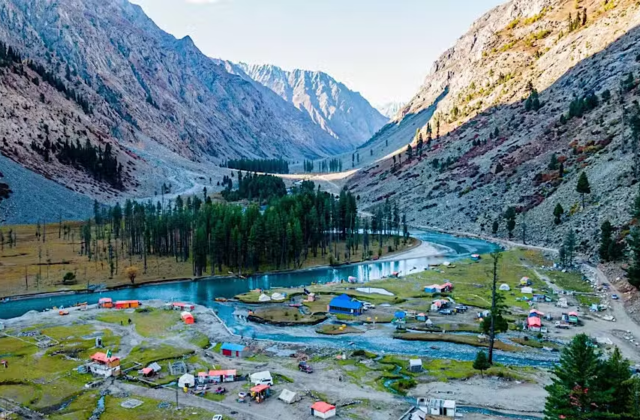
Famous Pakistani singer Quratulain Baloch, widely known as QB, recently faced a terrifying encounter while camping in Deosai National Park, Gilgit-Baltistan. The singer was in the region for the shooting of a music video, surrounded by the breathtaking yet wild landscape of Bara Pani, when a brown bear entered her campsite. The sudden intrusion resulted in injuries to both of her arms, sending shockwaves across her fan base and the local community.

Swift Rescue Operation

As the bear attacked, her team and nearby campers alerted local authorities, prompting an immediate rescue effort. She was quickly shifted to RHQ Hospital in Skardu. Medical officials later confirmed that although QB sustained significant injuries, she is now out of danger. Her stable condition brought relief to her fans, who anxiously awaited updates on her health.

Government’s Response to the Attack

The incident prompted the Gilgit-Baltistan administration to take swift action in order to prevent such situations in the future. Authorities announced a complete ban on night-time camping in Deosai National Park. This measure is aimed at ensuring the safety of visitors who flock to the region every year to witness its natural beauty, high-altitude plains, and diverse wildlife. Officials emphasized that while tourism remains important for the local economy, public safety cannot be compromised in areas where wildlife roams freely.

Wildlife and Human Encounters in Deosai

Deosai National Park, often referred to as the “Land of Giants,” is famous for its rich biodiversity. The brown bear population, considered one of the park’s most iconic species, is a key attraction but also poses risks if proper precautions are not followed. Human-wildlife conflict in such areas is not new, as increasing tourism often overlaps with animal habitats. Experts stress that awareness and education about wildlife behavior are crucial for minimizing risks in these sensitive ecosystems.

Impact on Tourism and Local Community

The attack has sparked widespread discussion about the balance between promoting tourism and protecting both humans and wildlife. Local communities depend heavily on tourism, especially during the summer months, but incidents like this can create fear among potential visitors. The new camping restrictions, while protective, may affect some tourism-related activities. However, officials insist that such policies are necessary to avoid further accidents and to ensure sustainable tourism practices.

Support and Prayers from Fans

News of the attack quickly spread across social media, with fans and fellow artists expressing their shock and sending prayers for QB’s swift recovery. Many also praised the swift response of local authorities and medical teams who ensured her safety. The incident has once again highlighted the unpredictable nature of adventure tourism and the importance of safety measures in areas known for wildlife encounters.

Polio Awareness Drive Conducted at Iqra Children Academy, Batha Town

Karachi, Pakistan – The Rotary Club of Karachi Kehkashan and the Rotary Club of Karachi Beachview jointly organized a Polio Advocacy Drive at Iqra Children Academy, Batha Town. The initiative aimed to raise awareness among schoolchildren about the vital importance of immunization in the fight against polio.

Rotarians and Rotaractors engaged directly with students through advocacy and educational activities, reinforcing the role of vaccination in safeguarding public health and protecting future generations.

Leadership Participation

The impactful program was led by:

  • Assistant Governor Rtn. Himadullah Sohoo, Past President, RCK Kehkashan & Member, District 3271 PolioPlus Committee (2025-26)
  • President Rtn. Aslam Ranger, Rotary Club of Karachi Beachview
  • Miss Asma Saleem, Polio Chair, Rotary Club of Karachi Beachview
  • Rtn. Neelum Zehra, Learning Facilitator, RCK Kehkashan & Principal, Ziauddin College of Occupational Therapy
  • DRRE Dr. Toufeeq Bhutto

Additionally, Rotaractors from the Proposed Rotaract Club of Ziauddin College of Occupational Therapy, under the umbrella of RCK Kehkashan, actively supported the advocacy campaign.

A Step Toward a Polio-Free World

This initiative underscores Rotary’s long-standing commitment to the eradication of polio worldwide. Through such awareness campaigns, Rotary continues to highlight the life-saving benefits of immunization and mobilize communities to protect children from this preventable disease.

The clubs extended their gratitude to all the Rotarians and Rotaractors whose dedication and collaborative efforts made the event a success.

About Rotary International

Rotary International is a global network of 1.4 million neighbors, friends, leaders, and problem-solvers who unite and take action to create lasting change in communities around the world. With clubs in over 200 countries and geographical areas, Rotary members tackle pressing issues, including promoting peace, fighting disease, supporting education, and growing local economies.

About End Polio Now

End Polio Now is Rotary International’s flagship campaign to eradicate polio globally. Since 1985, Rotary has been at the forefront of the fight to end polio, helping reduce polio cases by 99.9 percent worldwide. In partnership with the World Health Organization, UNICEF, the Bill & Melinda Gates Foundation, and others, Rotary remains committed to ensuring that no child suffers from this preventable disease.

Rotary Club of Karachi Silver Sands Hosts Certificate of Appreciation Distribution Ceremony for Volunteers

The Rotary Club of Karachi Silver Sands organized a Certificate of Appreciation Distribution Ceremony at its Club Secretariat, celebrating the tireless efforts of doctors, students, and volunteers who contributed to the Club’s impactful service initiatives in Maternal & Child Health being carried out with partner organisation CFWO actively and passionately working in Tharparkar.

The ceremony was graced by distinguished Rotary leaders, healthcare professionals, students, and community representatives.

The program began with Tilawat-e-Quran, followed by the National Anthem, setting a solemn and patriotic tone.

Club General Secretary and the dynamic force behind the magical camp, Akbar Farooqi presented the outcomes of the Rotary July Maternal & Child Health Initiative in Thar, which included:
Three medical camps (Women’s Health, Dental, General Clinic, Eye Exams)
• Polio immunization drives
• Children’s dental hygiene & prevention awareness
• Distribution of hot meals and flour bags
• Establishment of “Pink Washrooms” for girls in rural areas

Certificates and Letters of Appreciation were awarded by club leadership to doctors and students from Aga Khan University Hospital, Ziauddin Dental Hospital, Vision Trust, and Humanitarian Initiative.

In a special moment, sponsored student Jawad Shahid was honored with a gift and cash award by for his outstanding academic achievements.

The ceremony also featured insightful guest talks:
• Assistant Governor Rotary District 3271 Zone VII, Himadullah Sohoo, highlighted the significance of the Sub-National Immunization Day (SNID) for Polio Eradication.
• Dr. Naveed Manzoor of RCK Pearl on Children’s Dental Hygiene, Prevention, and the Pink Washroom project.
• Mr. Rehan Adil (Ziauddin Engineering University) on Sindh’s history, eco-tourism, and poverty alleviation through tourism.
• Mr. Rajab Karim on environmental challenges in the Thar Desert, highlighting Engro SECMC’s CSR Million Tree Program.

The event concluded with fellowship and dinner, fostering stronger bonds among Rotary members, guests, and students.

The event highlighted the commitment of RCK Silver Sands Club’s commitment to serving humanity through sustainable healthcare, education, and environmental initiatives while upholding the Rotary spirit of ‘Service Above Self’.

Rahat Fateh Ali Khan Bengali: Rahat Fateh Ali Khan Makes Soulful Bengali Debut with Rubayyat Jahan

A Legendary Voice Enters New Territory

Pakistani music maestro Rahat Fateh Ali Khan has added another milestone to his illustrious career with his debut in Bengali music. Teaming up with celebrated Bangladeshi singer Rubayyat Jahan, he lends his voice to the soulful track “Tumi Amar Prem Piyasha.” Known for his mastery of classical and contemporary music, Rahat’s entry into Bengali music marks a significant cross-cultural collaboration that resonates with fans across South Asia.

“Tumi Amar Prem Piyasha”: A Song of Emotions

The duet “Tumi Amar Prem Piyasha” beautifully blends the signature depth of Rahat Fateh Ali Khan’s voice with the rich tonal quality of Rubayyat Jahan. The composition intertwines classical finesse with regional emotions, delivering a melody that is both powerful and heartfelt. Its lyrical depth, paired with musical artistry, makes it a song that speaks directly to the soul. The track embodies longing, love, and devotion, themes that transcend borders and languages.

A Cross-Cultural Collaboration

The collaboration between Rahat Fateh Ali Khan and Rubayyat Jahan highlights the growing cultural bridge between Pakistan and Bangladesh. Music has always been a unifying force, and this duet demonstrates how art can foster harmony and shared identity. By stepping into the Bengali music industry, Rahat not only expands his own repertoire but also reinforces the timeless connection between the two nations through melody.

Rahat Fateh Ali Khan’s Musical Legacy

Rahat Fateh Ali Khan carries forward the illustrious Qawwali tradition of the late Ustad Nusrat Fateh Ali Khan, while also carving his own unique space in global music. From Bollywood soundtracks to international collaborations, his voice has transcended borders time and again. His decision to embrace Bengali music reflects his versatility and his constant pursuit of new horizons in his artistic journey. Fans see this as yet another example of how Rahat continues to reinvent himself while honoring his musical roots.

Rubayyat Jahan: A Voice of Grace and Power

For Rubayyat Jahan, sharing the stage and studio with Rahat Fateh Ali Khan is both a career highlight and a cultural celebration. Her ability to balance technical precision with emotional delivery makes her the perfect partner for this duet. Together, their voices create a synergy that brings out the best of South Asian music traditions. This collaboration shines a spotlight on Bangladeshi talent, giving the song an even broader appeal.

Resonance Across South Asia

The release of “Tumi Amar Prem Piyasha” has been met with admiration from audiences across the region. Fans from Pakistan, Bangladesh, and beyond have celebrated the duet as a symbol of shared heritage and musical unity. The song stands as more than just a performance—it is a cultural statement wrapped in melody and meaning. With its blend of classical artistry and emotional resonance, it is poised to become a timeless addition to South Asia’s musical legacy.

Djed Spence Poised to Make History as First Muslim Footballer for England

A Historic Milestone in English Football

Djed Spence is on the verge of making history by becoming the first Muslim footballer to represent England at the senior level. His potential debut is being hailed as a landmark moment, not just for English football but also for the broader sporting world. Representation on the international stage carries immense weight, and Spence’s presence could mark the beginning of a new chapter in inclusivity and diversity within the national team.

The Journey of Djed Spence

Spence’s career trajectory reflects hard work, resilience, and undeniable talent. Having impressed at the club level, his call-up to the senior England squad underscores the recognition of his skills and discipline. Beyond his footballing ability, his identity as a practicing Muslim has added another layer of significance to his potential debut. For many aspiring athletes from diverse backgrounds, Spence stands as a symbol of possibility, showing that faith and professional sport can thrive side by side.

Faith Meets Football

What makes Spence’s rise particularly powerful is the way his personal faith aligns with his professional career. In a sport that thrives on teamwork, discipline, and respect, his example brings visibility to Muslim athletes who balance their religious commitments with the demands of elite competition. His story demonstrates that diversity in faith is not a barrier but rather a source of strength, offering inspiration to young fans who see their identities reflected on the pitch.

Representation and Inclusivity

The prospect of Spence wearing the England shirt extends beyond the realm of sport. For many fans across Muslim communities, his debut would represent recognition and acceptance in one of the most visible arenas of national pride. Football has long been a unifying force, and the inclusion of players from different cultural and religious backgrounds strengthens its role as a truly global game. Spence’s potential debut emphasizes that English football is embracing a broader definition of identity, rooted in inclusivity and respect.

Breaking Barriers and Inspiring Generations

If Spence takes to the field for England, his debut will be remembered as more than just a personal achievement—it will be a collective victory. It symbolizes progress in a sport that continues to evolve, breaking barriers that once seemed insurmountable. For young players of all backgrounds, particularly those from Muslim communities, Spence’s rise serves as a reminder that dedication and faith can coexist at the highest levels of competition. His journey has the power to inspire future generations to pursue their dreams without compromising their identities.

Kim Jong Un Travels to Beijing with High-Security Toilet

A Unique Security Measure

During his recent visit to Beijing for the Victory Day parade, North Korean leader Kim Jong Un reportedly carried along a private, high-security toilet. This unusual yet deliberate move is part of the leader’s stringent security protocols aimed at protecting sensitive health information. By ensuring that no biological waste is left behind, Kim minimizes the risk of foreign intelligence agencies gaining access to data that could reveal his medical condition.

Protecting Health as a State Secret

For North Korea, the health of its leader is directly tied to the stability of the regime. Any sign of weakness or illness could have serious implications both domestically and internationally. Reports from Nikkei Asia and South Korean intelligence suggest that preventing potential leaks of health information is a top priority for Kim’s security team. His biological waste, if analyzed, could provide insight into his health status, diet, or possible ailments—details that adversaries might exploit for strategic purposes.

Extreme Precautions by Aides

Kim Jong Un’s security protocols go far beyond carrying a portable toilet. His aides have been observed meticulously wiping down furniture, utensils, and even surfaces he comes into contact with during official meetings. This level of caution is designed to ensure that no DNA or biological material is left behind for foreign intelligence agencies to collect. Such practices underscore the extraordinary lengths to which North Korea goes to protect its leadership from perceived threats.

A Consistent Practice Since 2018

This is not the first time Kim’s unique precautionary measures have come under the spotlight. Since 2018, during his international trips to places like Singapore, Vietnam, and Russia, reports have consistently surfaced about his use of a portable toilet. These practices reveal a pattern of extreme caution, reflecting North Korea’s broader approach to secrecy and surveillance. By maintaining consistency, the regime reinforces its commitment to safeguarding the leader’s personal information under all circumstances.

Symbolism of Control and Secrecy

Beyond the practical aspect of protecting health data, Kim’s portable toilet has also become symbolic of the regime’s culture of secrecy and control. In a state where information is tightly managed, even the biological traces of its leader are treated as matters of national security. This aligns with North Korea’s broader strategies of keeping internal matters shielded from external scrutiny, ensuring that no vulnerabilities are exposed to rivals.

International Attention on Unusual Protocols

The revelation of Kim Jong Un’s high-security toilet has once again drawn global attention to the eccentricities of North Korean leadership practices. While unusual, such measures highlight the unique challenges faced by an isolated state that prioritizes regime survival above all else. For international observers, these details provide rare insight into how far the North Korean leadership is willing to go to protect its secrecy and maintain control over its narrative.

Pakistan Sets Global Record with Rs10 Crore Trophy Hunting Permit

Record-Breaking Auction in Gilgit-Baltistan

Pakistan has made international headlines by setting a new global benchmark in trophy hunting. A hunting permit for the Astore markhor, the country’s national animal, was auctioned for an unprecedented Rs10 crore. The auction took place in Gilgit-Baltistan, a region known for its breathtaking landscapes and diverse wildlife. The staggering amount bid by international hunters underscores the growing global interest in Pakistan’s trophy hunting program.

The Astore Markhor: A National Treasure

The Astore markhor, with its spiraling horns and commanding presence, has long been recognized as one of Pakistan’s most majestic species. Once considered endangered, this mountain goat has now become a symbol of successful conservation. Trophy hunting programs, tightly regulated by the government, have played a pivotal role in reviving the population of this iconic animal. By setting strict quotas and seasonal limitations, Pakistan has ensured that hunting contributes positively to wildlife management rather than endangering species.

Conservation Through Trophy Hunting

The record-breaking permit reflects more than just prestige; it represents a model of conservation that benefits both wildlife and local communities. A significant portion of the revenue generated from such auctions is directed toward habitat preservation and community development projects. This approach incentivizes local populations to protect the markhor and its environment, transforming them into stakeholders in conservation. By aligning ecological goals with economic incentives, Pakistan has demonstrated how sustainable hunting can drive wildlife protection.

Economic Opportunities for Local Communities

For the people of Gilgit-Baltistan, the trophy hunting program has opened new avenues of livelihood. Funds from hunting permits are often invested in schools, healthcare facilities, and infrastructure development, improving the quality of life in remote mountain areas. Locals who once viewed wildlife as competition for resources now see the markhor as a valuable asset worth preserving. This shift in perspective has been instrumental in reducing poaching and fostering community-driven conservation.

International Recognition and Participation

The global interest in Pakistan’s trophy hunting program was evident in the fierce bidding for the Astore markhor permit. Hunters from different parts of the world competed to secure the once-in-a-lifetime opportunity to pursue the species in its natural habitat. This not only highlights the prestige associated with hunting the markhor but also places Pakistan on the international stage as a leader in sustainable hunting practices. The success of this auction is expected to draw more attention from conservationists and wildlife enthusiasts worldwide.

A Model of Sustainable Wildlife Management

Pakistan’s trophy hunting initiative stands as an example of how regulated hunting, when combined with strong conservation policies, can safeguard endangered species. The remarkable rebound of the markhor population is proof of the program’s effectiveness. The Rs10 crore permit for the Astore markhor is more than just a record—it is a testament to how careful planning, community engagement, and international collaboration can create a balanced approach to wildlife management.

Pakistan and China Advance CPEC Phase II with Five New Corridors

Strengthening Bilateral Relations

During Prime Minister Shehbaz Sharif’s official visit to Beijing, Pakistan and China reaffirmed their unwavering commitment to strengthening bilateral relations through the next phase of the China-Pakistan Economic Corridor (CPEC). This upgraded version, often referred to as CPEC Phase II, marks a significant milestone in the long-standing partnership between the two nations. Both countries highlighted the need to expand cooperation beyond traditional areas and to adapt to evolving global economic and developmental trends.

Introduction of Five New Corridors

A major highlight of the visit was the formal agreement to introduce five new corridors under CPEC Phase II. These include the Growth Corridor, Livelihood Corridor, Innovation Corridor, Green Development Corridor, and Regional Connectivity Corridor. Each corridor has been designed with a specific focus to ensure a holistic approach to development. The Growth Corridor will focus on industrial advancement, while the Livelihood Corridor aims to improve employment and social welfare opportunities. The Innovation Corridor will promote technology and research collaboration, and the Green Development Corridor emphasizes sustainable energy and environmental protection. The Regional Connectivity Corridor, on the other hand, seeks to enhance integration and trade routes within the broader region.

Signing of MoUs Across Key Sectors

The discussions between Prime Minister Shehbaz Sharif and Chinese Premier Li Qiang were followed by the signing of several memorandums of understanding (MoUs). These agreements covered sectors including information technology, agriculture, media, and infrastructure development. Both leaders stressed that these new agreements would serve as building blocks for sustainable growth and mutual benefit, further solidifying the CPEC framework under the Belt and Road Initiative.

Building on the Belt and Road Framework

CPEC has been a flagship project of China’s Belt and Road Initiative (BRI), and the launch of its second phase represents a deepening of this collaboration. The new corridors align with the broader vision of BRI by fostering shared prosperity, connectivity, and innovation. For Pakistan, CPEC has already delivered substantial progress in the energy and infrastructure sectors, and Phase II promises to broaden its impact by focusing on emerging sectors and sustainable models of development.

Expanding Economic and Strategic Cooperation

Prime Minister Shehbaz Sharif emphasized that CPEC Phase II is not only about infrastructure but also about empowering people and strengthening Pakistan’s economy at multiple levels. The expansion into sectors such as IT and agriculture reflects Pakistan’s desire to modernize its industries while also ensuring food security and digital growth. China’s support in these areas is seen as a critical factor for Pakistan’s long-term stability and prosperity.

Regional Connectivity and Future Prospects

Another key component of the new agreement is the emphasis on regional connectivity. The Regional Connectivity Corridor aims to improve transport, logistics, and trade routes, positioning Pakistan as a hub for regional commerce. By linking South Asia, Central Asia, and the Middle East more effectively, the initiative is expected to bring far-reaching benefits for the entire region. This renewed vision of CPEC showcases how both Pakistan and China are looking beyond bilateral gains to regional integration and cooperation.

Sugar Does Not Make You Fat: Here Is What Actually Does

For decades, sugar has been framed as the ultimate villain of modern health. Every diet trend and wellness influencer seems to repeat the same message: sugar is bad for health and cutting it out will make you leaner. But is this really the truth? Or are we oversimplifying a complex issue? When people ask, does sugar make you fat, the honest answer is more nuanced.

Sugar, on its own, does not directly cause fat gain. What makes you fat is the combination of total calorie intake, lifestyle, and other dietary habits, not just one nutrient. In fact, the body processes sugar in specific ways depending on context, activity levels, and overall diet quality.

Research consistently shows that long-term weight gain is more about chronic calorie surplus, lack of activity, and poor metabolic health than simply eating sugar. So while excessive sugar may contribute to unhealthy patterns, declaring it the single culprit misses the bigger picture. In this article, I will break down the science, highlight what truly leads to fat gain, and help answer the ongoing debate: is sugar bad, good for health, or somewhere in between?

Does Sugar Make You Fat? The Evidence

The question does sugar make you fat has been asked for decades, but studies suggest the answer is not straightforward. A 2013 systematic review in the British Medical Journal concluded that weight gain associated with sugar intake was primarily due to excess calories. When people ate sugary foods and drinks in addition to their regular meals, they consumed more calories overall, which eventually led to fat gain.

However, when sugar was substituted for other carbohydrates without increasing total calories, weight gain did not occur. This means sugar itself is not inherently fattening. Instead, it is the calorie surplus that matters. So if you are wondering what makes you fat, it is consistently eating more energy than your body uses, regardless of whether those calories come from sugar, fat, or protein.

The Role of Calorie Surplus

When we ask what makes you fat, the scientific answer points back to calorie balance. If you burn fewer calories than you consume, your body stores the extra energy, mostly as fat. Sugar can play a role because it is often present in calorie-dense, highly palatable foods like desserts, soft drinks, and processed snacks.

These foods make it easier to consume more energy without realizing it. But once again, the mechanism is not sugar alone; it is the chronic surplus. For example, eating 100 calories of sugar while staying within your daily needs will not automatically lead to fat gain. On the other hand, eating 500 calories of “healthy” foods like nuts or olive oil beyond your daily requirements can still lead to fat storage.

Is Sugar Bad for Health or Good for Health?

So, is sugar bad? The answer depends on context. Excessive added sugar, particularly from sweetened beverages, has been linked to higher risks of obesity, type 2 diabetes, and cardiovascular disease. A large 2014 study published in JAMA Internal Medicine found that people who consumed more than 25 percent of daily calories from added sugar were twice as likely to die from heart disease as those who kept it below 10 percent. This is one reason public health guidelines suggest keeping added sugar intake low.

However, saying sugar is always bad ignores its role in balanced diets and athletic performance. Natural sugars in fruits, for example, come packaged with fiber, vitamins, and antioxidants that are undeniably good for health. For athletes or highly active individuals, sugar can provide quick energy and aid recovery. In these contexts, sugar is not only not bad, but it can actually be beneficial.

Thus, is sugar bad for health? Not universally. It is the quantity, source, and dietary context that determine its effect.

Lifestyle Factors That Actually Make You Fat

If sugar alone does not explain fat gain, then what makes you fat? Science points to a combination of factors:

  • Sedentary behavior: According to the World Health Organization, physical inactivity is one of the leading risk factors for obesity. Even with moderate sugar intake, lack of movement increases the likelihood of fat gain.
  • Poor sleep: A 2010 study in the Annals of Internal Medicine showed that sleep deprivation alters hunger hormones like leptin and ghrelin, increasing appetite and cravings for calorie-dense foods.
  • Ultra-processed foods: These foods often contain sugar, fat, and salt in combinations designed to override satiety. A 2019 NIH randomized controlled trial found that participants eating ultra-processed diets consumed about 500 more calories per day than those eating unprocessed meals, leading to rapid fat gain.
  • Chronic stress: Stress elevates cortisol, a hormone linked to increased appetite and abdominal fat storage. Even without excess sugar, stress alone can contribute to weight gain.

Why Sugar Gets the Blame

One reason people think sugar makes you fat is that sugar-sweetened drinks and processed foods are easy to overconsume. They provide calories without making you feel full, leading to more overall intake. A can of soda, for instance, contains 150 calories, but because it is liquid, it does not satisfy hunger in the same way solid food does. Over time, these extra calories accumulate. This explains why reducing sugary drinks can help with weight control, but it does not mean sugar by itself is inherently fattening.

Practical Takeaways: How to Think About Sugar

Instead of asking only is sugar bad, the more useful question is: how does sugar fit into your overall diet and lifestyle? If your diet is already high in processed foods and low in nutrients, then added sugar may push you into unhealthy territory. But if you eat mostly whole foods, stay active, and maintain a calorie balance, moderate sugar intake is unlikely to cause harm. Sugar is not inherently good for health, but it is not automatically toxic either. Balance and moderation matter far more than elimination.

The Bottom Line

The evidence shows that sugar alone does not make you fat. The true answer to what makes you fat is consuming more calories than you expend, influenced by lifestyle, activity levels, and the quality of your diet. So, does sugar make you fat? Not directly. Is sugar bad for health?

Only in excess, and when it comes from poor sources like sweetened beverages and processed snacks. Is sugar good for health? In natural forms like fruit, or as quick fuel for athletes, it certainly can be. The conversation about sugar needs to move beyond fear and into nuance, because health is not built on one nutrient but on the sum of choices made daily. By the way, you will be amazed to know that sugar directly does not even cause type 2 diabetes.

Gaza Genocide Worsens as Israel-Palestine Conflict Escalates Into Full-Scale Offensive

The streets of Gaza City are burning once again as Israeli forces intensify bombardments ahead of an expected ground assault. Local hospitals reported that women and children were among more than 30 Palestinians killed on Wednesday, with families in the northern and western districts particularly devastated. Residents described the attack on Gaza as “unrelenting,” with drones, tanks and armoured vehicles used to target neighbourhoods that were already home to thousands of displaced civilians.

International agencies warn that the crisis has reached breaking point. According to the UN, nearly 82,000 more people have been forced from their homes since mid-August, many of them moving to the overcrowded coastline. Aid groups argue the Israel-Palestine conflict has now crossed into catastrophic territory, where access to food, medical aid, and safe shelter is almost impossible.

Families Caught Between Hostage Politics and Daily Survival Amid Israel-Palestine Conflict

While Gaza reels, Israel itself faces pressure from within. Thousands of demonstrators filled Jerusalem in what they labelled a “day of disruption,” demanding Prime Minister Benjamin Netanyahu prioritise a deal for the release of hostages rather than pursuing all-out conquest. Hostages’ families accuse the government of abandoning their loved ones, warning that the ongoing attack on Gaza endangers their survival.

EPA Israeli protesters hang banners from the roof of the National Library in Jerusalem, saying: "You have abandoned and also killed." (3 September 2025)

Regional mediators have floated a 60-day truce in exchange for the release of some hostages, yet Netanyahu insists on a comprehensive agreement that includes disarming Hamas. The divide reflects a deeper fracture visible across Israel-Palestine war updates, where one side demands military victory while the other pleads for negotiation to save lives.

Humanitarian Crisis Deepens Amid Ongoing Genocide Claims

Charred ambulances, bombed schools, and children pulled lifeless from rubble have become daily images from Gaza. Witnesses described entire neighbourhoods in Sheikh Radwan “burnt upside-down,” with tents and shelters set ablaze. The Palestinian Ministry of Health reports more than 63,000 deaths since October 2023, with malnutrition claiming hundreds more. Global experts continue to classify the devastation as a Gaza genocide, noting that famine, displacement, and indiscriminate strikes meet the legal threshold.

Even as the Israeli chief of staff vowed to expand “Operation Gideon’s Chariots,” voices across the globe echo concerns that the Israel-Palestine conflict is spiralling beyond containment. For families in Gaza, survival is no longer about politics; it is about living through another night. The reality shared in Israel-Palestine war updates shows that the cost is mounting not only in destroyed buildings but in shattered lives.

Also, see:

Mitchell Starc Retires from T20 Internationals to Focus on Tests and ODIs

Pakistan Dispatches 105 Tonnes of Aid as Afghanistan Reels from a Deadly Quake

Entire villages in Afghanistan’s Kunar province remain buried under rubble days after a 6.0-magnitude deadly quake struck the eastern region, killing more than 1,400 people and injuring over 3,300. Landslides still hamper rescue operations and block roads, forcing aid workers to trek long distances on foot to reach survivors. In some cases, medical teams carried equipment on their backs to provide basic treatment in remote cut-off areas.

Amid the desperate situation, Pakistan has stepped in to provide critical assistance. On Wednesday, Islamabad dispatched 105 tonnes of humanitarian supplies, responding swiftly after Deputy Prime Minister and Foreign Minister Ishaq Dar spoke by phone with his Afghan counterpart Amir Khan Muttaqi. The move underscores Pakistan’s pledge to stand by Afghans in their darkest hours.

Relief Goods to Highlight Regional Solidarity for Afghanistan’s Deadly Quake Victims

The aid package consists of food items, essential medicines, tents, blankets, and bubble mats aimed at supporting families left homeless and exposed to the harsh conditions. Dar, while announcing the consignment, extended “deepest condolences” and prayers for the victims, emphasising Pakistan’s solidarity with its neighbour.

This assistance comes as the Taliban government struggles to provide shelter and medical treatment to the displaced. Authorities confirmed that more than 150 helicopter flights have already been deployed to airlift around 2,000 injured individuals to hospitals, while makeshift clinics have been set up in villages like Mazar Dara. However, aid agencies warn that relief is still not reaching several affected communities.

The United Nations estimates that hundreds of thousands could feel the long-term impact of the disaster, and has warned of funding shortfalls hampering emergency response. Groups such as Save the Children have raised alarms about children left vulnerable to hunger, disease, and trauma in the quake’s aftermath.

Also, see:

Mitchell Starc Retires from T20 Internationals to Focus on Tests and ODIs

Veteran Actor Asad Malik Opens Up About His Views on Love and Marriage

A Rare Glimpse into His Personal Life

Veteran actor Asad Malik has sparked conversations after making a candid revelation during a morning show appearance. Known for his decades-long career in television and film, Malik surprised fans by sharing that he has never fallen in love and has no interest in marriage.

The actor, who has typically kept his personal life away from the public eye, expressed a deep sense of contentment with his chosen lifestyle. His remarks highlighted a philosophy built on independence and personal freedom, contrasting the expectations often placed on celebrities to share conventional life stories.

Choosing Solitude Over Relationships

During the program, Asad Malik explained that he has always found fulfillment in living independently, without the commitments that come with romantic relationships or marriage. For him, solitude is not loneliness but rather a conscious decision to prioritize inner peace and self-sufficiency.

Malik noted that he never felt the need to pursue love or companionship in a traditional sense. Instead, he channeled his energy into his craft, building a reputation as a respected actor whose career spans several successful projects in drama and cinema.

Public Reactions to His Revelation

The revelation has generated mixed reactions from audiences and fans. Many praised Malik for his honesty and confidence in sharing a personal truth that defies societal norms. Others expressed surprise that an admired public figure had chosen a path so different from expectations surrounding love, marriage, and family life.

Social media discussions following the show reflect both admiration and curiosity, with fans revisiting his career highlights while debating the broader implications of his philosophy on personal choices.

A Distinguished Career in Entertainment

Asad Malik’s career in the entertainment industry has been marked by versatility and longevity. He is recognized for his powerful performances across a range of television dramas and films, earning both critical acclaim and public admiration. Despite his success, he has remained private about his personal journey, rarely offering glimpses into his life outside of acting.

His latest remarks provide not only insight into his individuality but also challenge cultural expectations around marriage and relationships. Malik’s perspective underscores the idea that fulfillment can come in different forms, whether through art, independence, or personal conviction.

A Reflection of Personal Philosophy

By openly sharing his decision to remain unmarried and his disinterest in love, Asad Malik has highlighted the importance of personal choice. His candid reflections serve as a reminder that individuals define their own paths, even when they differ from societal norms.

For Malik, contentment lies in solitude and independence — values he has carried with him throughout his life and career.

Islamabad Police Arrest Suspect in Attempted Abduction of Social Media Influencer

Incident Outside Residence Sparks Concern

The Islamabad Police have arrested Hassan Zahid, the primary suspect accused of attempting to abduct social media influencer Samiya Hijab outside her residence. The arrest came after a swift response to the disturbing incident, which has raised questions about online harassment and safety for public figures in Pakistan.

According to the First Information Report (FIR) registered at Shalimar Police Station, Zahid had been targeting Samiya for several months. Reports indicate he persistently harassed her, pressuring her to marry him while issuing repeated threats.

Abduction Attempt and Evidence

The situation escalated when Zahid allegedly snatched Samiya’s phone and attempted to force her into his car. Samiya managed to resist and later shared CCTV footage and a video statement online, detailing the harassment she had faced and the attempt to abduct her.

Her quick decision to make the evidence public amplified the issue on social media, leading to widespread calls for accountability and protection. The video quickly gained traction, prompting law enforcement agencies to act without delay.

Police Action and Legal Charges

Following the viral footage, Islamabad Police launched an operation that led to Zahid’s arrest. Officials confirmed that a case has been registered against him under multiple sections of the Pakistan Penal Code (PPC), including harassment, criminal intimidation, and attempted abduction.

Police sources emphasized that such acts of intimidation and violence will not be tolerated. They further assured that investigations will continue to determine whether Zahid acted alone or if others were involved in the harassment campaign against Samiya.

Public Reaction and Social Media Outcry

The attempted abduction and subsequent arrest have sparked widespread debate on women’s safety in Pakistan, particularly concerning social media personalities who often face stalking, harassment, and threats both online and offline.

Many users praised Samiya’s courage in sharing the footage, noting that publicizing the evidence not only ensured swift police action but also highlighted the vulnerabilities influencers face. Others called for stronger legislation and stricter enforcement to curb harassment, especially against women in public life.

Rising Concerns Over Harassment

The case underscores growing concerns about the harassment of influencers and public figures, who often receive unwanted attention due to their visibility. Activists argue that the incident demonstrates the urgent need for robust legal protections, quicker response mechanisms, and more awareness around digital and physical safety.

For Samiya Hijab, the ordeal marks a troubling experience, but her decision to go public may set an important precedent in encouraging victims to speak out and seek justice.

Pakistan Issues Emergency Flood Alert After India Releases Water into Sutlej River

Emergency Declared Amid Rising Flood Threat

Pakistan’s Ministry of Water Resources has sounded an emergency flood alert following India’s decision to release additional water into the Sutlej River. The move has raised fears of high flooding across several districts of Punjab, putting thousands of people and livestock at risk. Islamabad has voiced concern over the manner in which the water release was communicated, noting that it bypassed the usual procedures outlined in the Indus Waters Treaty.

The sudden surge in water flow has prompted authorities to act swiftly, reinforcing embankments and keeping close watch on sensitive river points where flooding is most likely to occur.

Districts at Risk and Mass Relocation

The alert has identified Kasur, Okara, Bahawalnagar, and Pakpattan as the most vulnerable districts. Already, more than 70,000 residents have been evacuated from low-lying areas to safer locations, while authorities have also relocated around 169,000 livestock to prevent losses.

Relief camps have been set up in affected zones, offering shelter, food, and medical facilities to displaced families. Emergency response teams, along with local administration and rescue services, are actively working to assist the population and minimize damage. Despite these efforts, officials warn that continuous monitoring is critical as water levels rise.

Bypassing Indus Waters Treaty Protocol

One of the most alarming aspects of this situation is the manner in which the development was communicated. Instead of following the Indus Waters Treaty’s official protocols, India informed Pakistan through diplomatic channels. This has raised questions in Islamabad about transparency and the spirit of cooperation under the decades-old agreement.

The Indus Waters Treaty, signed in 1960, governs the sharing of water from the Indus River system between the two countries. Deviating from its mechanisms has the potential to increase mistrust at a time when bilateral relations already face strain. Officials in Pakistan have stressed the importance of adhering to treaty procedures to avoid unnecessary escalation during natural emergencies.

Preparedness and Response Measures

In response to the flood threat, the Ministry of Water Resources, together with the Provincial Disaster Management Authority (PDMA) and local administrations, has launched a coordinated strategy. This includes 24-hour monitoring of river inflows, reinforcing embankments, and ensuring rapid deployment of rescue boats in high-risk areas.

Health departments and relief organizations have also been mobilized to address potential outbreaks of waterborne diseases that often follow large-scale flooding. The government has urged residents in vulnerable districts to cooperate with evacuation efforts and remain alert to official advisories.

Humanitarian and Agricultural Concerns

Beyond the immediate danger to lives and property, the potential flooding poses a significant threat to agriculture in Punjab, which is often described as Pakistan’s breadbasket. Crops in low-lying areas face the risk of destruction, which could further impact food security. The relocation of livestock, though essential, has also placed pressure on available resources in safe zones.

Officials continue to emphasize that while preventive measures are underway, the situation remains delicate and requires full cooperation from both authorities and the public.

Mitchell Starc Retires from T20 Internationals to Focus on Tests and ODIs

A Remarkable Career in T20Is

Australian fast bowler Mitchell Starc has officially retired from T20 internationals, closing a celebrated chapter in his cricketing journey. The 35-year-old, who debuted in 2012 against Pakistan, departs as Australia’s second-highest wicket-taker in T20Is with 79 wickets in 65 matches. His lethal pace and ability to deliver under pressure made him one of the most feared bowlers in the shortest format.

Starc’s career is filled with memorable T20I performances, but none shine brighter than Australia’s 2021 T20 World Cup triumph in Dubai, where his fiery spells were pivotal in securing the title. That victory remains a defining highlight of his contribution to the format and his country.

Shifting Focus to Tests and ODIs

While stepping away from T20Is just months before the 2026 T20 World Cup, Starc has made it clear that his attention is now on the formats he values most — Test and ODI cricket. With a grueling schedule ahead, including the prestigious Ashes tour, a challenging away series in India, and the 2027 ODI World Cup, Starc’s decision reflects his commitment to longevity and peak performance.

By managing his workload and focusing on longer formats, Starc aims to preserve his fitness and ensure he remains Australia’s frontline fast bowler on the biggest stages of international cricket.

The Transition of a Golden Generation

Starc’s retirement marks another step in the gradual transition of Australia’s golden generation. Following the farewells of David Warner, and with the looming exits of seasoned campaigners such as Steve Smith, Glenn Maxwell, and Marcus Stoinis in ODIs, Australian cricket is entering a new era.

While younger talents continue to emerge, the departure of established figures like Starc signifies the end of a dominant chapter in Australian cricket. His absence from T20Is will leave a void, but his continued presence in Tests and ODIs ensures that experience and leadership remain in the dressing room.

A Legacy of Fire and Precision

Mitchell Starc’s T20I legacy is defined by his sheer pace, wicket-taking ability, and match-winning spells. Known for his deadly yorkers and ability to swing the ball at high speed, Starc could turn the course of a game in a single over. His performances not only won matches but also inspired a generation of fast bowlers around the world.

Though he won’t feature in T20 cricket anymore, his influence in shaping Australia’s approach to the format remains. Fans will remember him as a bowler who thrived in high-pressure moments, embodying the spirit of competitiveness and resilience that defines Australian cricket.

Field Marshal Asim Munir and Chinese FM Wang Yi Strengthen Strategic Ties

A High-Level Meeting in Islamabad

In Islamabad, a pivotal meeting took place as Field Marshal General Syed Asim Munir welcomed Chinese Foreign Minister Wang Yi to discuss matters of regional security, cooperation, and mutual interests. The dialogue underscored the longstanding ties between Pakistan and China, reflecting their resolve to strengthen coordination on regional and global levels.

The visit was marked by a spirit of trust and solidarity, highlighting the depth of the relationship between the two nations. Both leaders expressed their vision of ensuring peace, stability, and prosperity in South Asia, while addressing the challenges of terrorism and regional volatility.

Counter-Terrorism and Regional Stability

A significant part of the discussion focused on counter-terrorism cooperation. Both sides agreed that terrorism remains a common threat requiring unified action. Field Marshal Munir emphasized Pakistan’s commitment to eliminating extremist networks, while Wang Yi assured China’s full support in strengthening counter-terrorism strategies.

Regional stability, particularly in the context of South Asia’s security challenges, was another central theme. The leaders underscored that peace in the region is essential for development and that both countries share responsibility in working toward it.

An All-Weather Strategic Partnership

The meeting reiterated the concept of the “all-weather strategic partnership”, a phrase that has long defined Pakistan-China relations. Wang Yi reaffirmed China’s steadfast support for Pakistan’s sovereignty, economic growth, and development initiatives. Field Marshal Munir expressed appreciation for this consistent solidarity, calling it a defining feature of the partnership.

Both leaders highlighted the importance of standing together not only in regional affairs but also on global platforms, where their interests often align. The trust between the two countries was described as a cornerstone that continues to sustain and strengthen the partnership.

Commitment to Development and CPEC Phase-II

Economic cooperation formed a key part of the talks, with particular emphasis on China-Pakistan Economic Corridor (CPEC) Phase-II. Both leaders pledged to accelerate work on transformative projects that would bring economic growth, infrastructure development, and connectivity to the region.

The leaders agreed that the success of CPEC is integral to advancing prosperity and uplifting communities across Pakistan. The shared vision extends beyond economic benefits, aiming also to foster cultural and strategic ties that will shape the region’s future.

A Partnership Built on Trust and Vision

As the meeting concluded, Field Marshal Munir and Wang Yi reaffirmed their shared commitment to a future anchored in peace, prosperity, and mutual respect. They pledged to continue advancing joint efforts, ensuring that the relationship remains one of strength, resilience, and forward-looking cooperation. The discussions once again demonstrated how the Pakistan-China partnership, rooted in trust and common goals, is set to play a defining role in shaping regional stability and development.

Belgium to Recognise Palestine Formally This Week

Sanctions, rather than recognition alone, are dominating the discussion in Brussels this week. Belgian Foreign Minister Maxime Prevot confirmed that his government will move to impose 12 restrictive measures on Israel, including halting imports from illegal West Bank settlements and tightening procurement policies with Israeli companies. These actions, announced ahead of the United Nations General Assembly session, mark one of Europe’s firmest responses yet to the ongoing conflict in Gaza.

The announcement has sparked international debate because the sanctions package is tied directly to Belgium’s wider commitment: Belgium to recognise Palestine formally at the UN later this month. Prevot, also serving as deputy prime minister, linked the recognition to humanitarian concerns in Gaza and the need to open a “real political path” to peace.

Belgium to recognise Palestine amid regional turmoil

Belgium’s decision does not come in isolation. Palestinian officials quickly welcomed the move, framing it as both consistent with international law and essential to preserving the two-state solution. “This step offers protection to peace efforts and counters genocide, displacement, and annexation,” a statement from the Palestinian Ministry of Foreign Affairs read.

Recognition, however, is not immediate. Brussels has tied its timing to two conditions: the release of all captives from Gaza and the complete removal of Hamas from Palestinian governance structures. By placing conditions, the Belgian government signals it wants recognition to reinforce stability rather than complicate negotiations.

Reaction inside Israel has been divided. While the government has yet to respond officially, opposition leader Avigdor Lieberman blamed Prime Minister Benjamin Netanyahu for what he described as a “political collapse,” arguing that Belgium’s announcement reflects Israel’s weakening diplomatic position.

Belgium’s stand raises questions about whether other European states might adopt similar approaches. Some lawmakers across the continent have pressed for stronger measures linking recognition of Palestine with economic and political pressure on Israel. If this momentum builds, Belgium’s strategy could become a model for combining symbolic recognition with concrete sanctions.

Also, see:

Pakistan Padel Team Concludes Asia Pacific Padel Cup 2025