






Government Announces Small Cut in Petrol Price

In a move aimed at providing modest relief to consumers, the Government of Pakistan has announced a reduction in petrol prices. Effective from February 16, 2025, the price of petrol has been decreased by Re1 per litre, bringing the new rate to Rs256.13 per litre. This adjustment follows a similar reduction in high-speed diesel (HSD) prices, which have been lowered by Rs4 per litre to Rs263.95. The decision, communicated through a notification from the Finance Division, reflects the government’s response to recent fluctuations in the international oil market .

Factors Influencing the Price Adjustment

The Oil and Gas Regulatory Authority (OGRA) conducted a thorough review of global oil market trends before recommending the price changes. Analysts suggest that the recent drop in international oil prices, influenced by factors such as potential peace talks between Russia and Ukraine, has contributed to the government’s decision to pass on some of the savings to consumers .

Impact on Consumers

While the reduction in petrol prices is a welcome development, the modest decrease may have a limited immediate impact on the daily expenses of consumers. Petrol is predominantly used in private transportation, small vehicles, rickshaws, and two-wheelers. Higher fuel prices significantly affect the budgets of the middle and lower-middle classes, who primarily consume petrol for commuting. Therefore, even a small reduction can offer some financial relief to these segments of the population .

Challenges in Implementation

Despite the government’s efforts to reduce fuel prices, challenges persist in ensuring that the benefits reach the consumers effectively. In December 2023, following a significant reduction in petrol prices, reports emerged of petrol pumps halting fuel supply, citing exhausted stock. This disruption led to public inconvenience and highlighted issues in the supply chain that need to be addressed to ensure consistent availability of fuel at the revised prices .

Broader Economic Context

The government’s decision to adjust fuel prices comes amid ongoing efforts to manage inflation and stabilize the economy. While the reduction in petrol prices may not lead to immediate drastic changes in the cost of living, it reflects the government’s commitment to mitigating the financial burden on consumers. However, for sustained relief, comprehensive measures addressing various economic factors, including supply chain efficiency and inflation control, are essential.

Conclusion

The recent reduction in petrol prices by Re1 per litre signifies the government’s responsiveness to international market trends and its intention to alleviate some financial pressure on consumers. While the immediate impact may be modest, it underscores the importance of continuous monitoring of global oil markets and domestic economic conditions to make informed decisions that benefit the public. Moving forward, ensuring the effective implementation of such policies and addressing systemic challenges will be crucial in delivering tangible relief to the populace.

Government to Finalize PakTok App Upgrades for Overseas Pakistanis Today

In a significant move to enhance digital engagement with its global diaspora, the Government of Pakistan is set to finalize upgrades to the PakTok app today. This initiative aims to streamline services for overseas Pakistanis, facilitating their connection with the homeland through a comprehensive digital platform.

What is PakTok?

PakTok is a mobile application developed by the National Information Technology Board (NITB) to serve as a one-stop solution for overseas Pakistanis. The app offers a range of services, including member registration, access to plots, welfare services such as dues recovery from foreign clients, free transportation of deceased individuals from abroad to their home addresses, financial assistance like student scholarships in OPF schools and colleges, complaint resolution, and information on OPF initiatives. The app also features a robust 24/7 complaint management system, ensuring that users can stay updated on the latest news and events and enjoy convenient access to OPF resources at their fingertips .

Purpose of the Upgrades

The upcoming upgrades are designed to improve user experience and expand the app’s functionality. Enhancements include:

  • User Interface (UI) Improvements: Streamlining navigation and design for a more intuitive experience.
  • Bug Fixes: Addressing technical issues to ensure smoother performance.
  • New Features: Introducing additional services and tools to better serve the needs of overseas Pakistanis.

These updates reflect the government’s commitment to leveraging technology to support its citizens abroad.

Strategic Importance

Overseas Pakistanis play a crucial role in the nation’s economy, particularly through remittances. Initiatives like the PakTok app are part of a broader strategy to tap into this potential by providing digital solutions that facilitate their engagement with Pakistan.

Prime Minister Shehbaz Sharif has emphasized the importance of IT-related initiatives to support overseas Pakistanis. In a previous address, he highlighted the government’s efforts to introduce various information technology-related initiatives to facilitate millions of overseas Pakistanis, enabling them to register their mobile phones during their visit to Pakistan without paying any taxes .

Broader Digital Initiatives

The PakTok app is part of Pakistan’s broader digital transformation agenda, which includes projects like the Roshan Digital Accounts. These accounts allow overseas Pakistanis to send money to Pakistan with ease, contributing to the stability of the local currency .

Additionally, the government has introduced the Online Temporary Mobile Phone Registration System, enabling overseas Pakistanis and foreign nationals visiting the country to register and utilize their personal mobile phones for up to 120 days without any duties and taxes .

Conclusion

The finalization of PakTok app upgrades today marks a significant step in the government’s efforts to enhance digital services for overseas Pakistanis. By improving user experience and expanding functionality, these upgrades aim to strengthen the connection between the diaspora and their homeland, fostering greater engagement and support for Pakistan’s development.

Watch: Wildfires in Israel Force Mass Evacuations Near Jerusalem as Emergency Declared

Israel is grappling with an escalating wildfire crisis that has scorched central regions near Jerusalem, prompting Prime Minister Benjamin Netanyahu to declare a national emergency. Described as the most intense wildfires in Israel in over a decade, they have already displaced thousands, shut down major highways, and pushed emergency services to their limits.

Sparked by a deadly combination of intense heat and gale-force winds, the fires broke out west of Jerusalem, rapidly spreading towards towns and neighborhoods. Thick smoke covered sections of the Jerusalem–Tel Aviv corridor, prompting authorities to shut down the critical highway and evacuate several communities.

Wildfires in Israel burned 23 alive

The wildfires in Israel have burned at least 23 individuals, including babies and expectant mothers, with many suffering from burns or smoke inhalation. Hospitals throughout the area are on standby, and emergency shelters have been set up to take in evacuees.

Firefighters and rescue forces, including military units, have been sent across hotspots, but authorities maintain that the fight is against the odds. Fire Chief Eyal Caspi confirmed that airborne firefighting operations were suspended because of dangerous wind conditions. “This is a life-saving mission now,” he stated, adding that the situation could grow worse if conditions continue this way.

Adding to the tension, police detained a man from East Jerusalem on suspicion of attempted arson, although authorities have not verified whether the act was connected to the wider outbreak of wildfires. National Security Minister Itamar Ben Gvir suggested the possibility of organized arson, a charge that remains under investigation.

To meet the deteriorating situation, Israel has called for international assistance. Italian and Croatian firefighting planes are due to arrive imminently, with assistance from Greece, Cyprus, and Bulgaria also being organized.

Scenes around Latrun depicted the mayhem: fire advancing towards highways, motorists leaving cars behind, and residents standing by as smoke engulfed the horizon. In Modiin, anger boiled over, with locals asking why fire prevention measures had not been taken, considering well-documented seasonal fire hazards.

As the crisis escalates, Netanyahu’s government comes under increasing pressure to control both the fire and the fear, with containment and safety now taking center stage before recovery can even start.

Also, see:

India’s famous intelligence agency RAW behind Pahalgam attack

India’s famous intelligence agency RAW behind Pahalgam attack

In a shock claim that could tilt the geopolitical discourse surrounding the recent tragedy in Pahalgam, explosive files indicate that India’s famous intelligence agency RAW, had possibly masterminded the tragic attack that killed 28 tourists in Indian-occupied Kashmir.

The leaked classified document, which is now in circulation within diplomatic and intelligence circles, describes a chilling picture of an operation inside allegedly designed to tarnish the image of Pakistan. Entitled “Psy Ops and Narrative Control”, the leaked document reportedly lays bare intentions to influence public opinion and international sentiment by unfairly blaming Pakistan’s ISI.

Leaked Documents

Pakistan was blamed but who is really behind Pahalgam attack?

One of the most disturbing aspects is the rapidity with which Pakistan was blamed. Within 10 minutes of the attack, a FIR naming Pakistan had already been lodged—far ahead of when any forensic process was initiated. The abnormal speed raised eyebrows with observers and put India’s story under closer inspection.

Leaked Documents

As per the leak, Indian media were directed to hold off on blaming Pakistan for the attack for 36 hours—time allegedly required to develop a believable narrative. But a premature media gaffe betrayed inconsistencies that undermined the operation and revealed fissures in RAW’s coordination.

The files also indicate internal conflict within the agency, proposing a rift between nationalist hardliners and dissidents uneasy with increasingly militant Hindutva-led policies.

Even more disturbing are the reported orders that came in the wake of the attack: mass arrests of more than 2,000 Kashmiris, house demolitions, and increased media coverage to present the tragedy as a religiously motivated incident to legitimize a militarized crackdown.

Experts describe the episode as a repetition of past alleged false flag operations by Indian security forces. “If this leak is real, it’s a big reputational blow for India,” a South Asian security expert stated. “Using the lives of civilians as a weapon of narrative superiority is deplorable.

Leaked Documents

Strategically executed to coincide with US Vice President JD Vance’s diplomatic tour, the attack further appears to have been meant to be for overseas consumption, as contingency plans have been mapped in the event of international outcry.

Also, see:

Pahalgam Attack: No Handshake at Muted Pakistan-India Border Ceremony

Pipeline Leak Near Karachi University Triggers Water Shortage in City

A major water pipeline leak near Karachi University has triggered a severe water shortage across several parts of the city, leaving thousands of residents without access to clean water and putting pressure on an already fragile urban water supply system. The incident occurred late Sunday night when a 72-inch main pipeline of the Karachi Water and Sewerage Corporation (KWSC) burst, causing a significant disruption in the distribution network.

The pipeline, which is one of the city’s primary conduits for transporting water from the Dhabeji pumping station to Karachi’s central and western districts, reportedly ruptured due to aging infrastructure and high pressure buildup. As a result, large volumes of water were lost before supply was halted, creating an emergency situation that has affected areas including Gulshan-e-Iqbal, Federal B Area, Nazimabad, North Karachi, and parts of Saddar.

Immediate Impact on Residents

Residents in the affected areas reported dry taps, low water pressure, and long delays in tanker supplies. “We’ve had no water since early Monday morning,” said Ali Raza, a resident of Gulshan Block 13-D. “We are now relying on private water tankers, which are charging double the usual rate.”

The sudden scarcity has forced many households to ration water or seek alternative sources, including costly private supplies and borewells. Commercial areas and schools have also been impacted, with some educational institutions forced to close their washrooms and canteens temporarily due to the shortage.

Hospitals in nearby areas, including those near the university campus, have also expressed concern, especially in maintaining hygiene standards amid the heatwave currently affecting Karachi.

Repair Work and KWSC Response

The Karachi Water and Sewerage Corporation responded swiftly by dispatching technical teams to the site. KWSC officials confirmed that the rupture was “significant” and that emergency repair work is currently underway. Heavy machinery has been deployed, and engineers are working around the clock to replace the damaged section of the pipeline.

In a public statement, a KWSC spokesperson said, “We regret the inconvenience caused to the citizens. The pipeline is over 30 years old and had been flagged for maintenance. We are making every effort to restore supply within 48 to 72 hours.”

Meanwhile, water tankers have been mobilized to some of the hardest-hit areas to provide temporary relief. The KWSC has also requested residents to conserve water and avoid wastage until the situation normalizes.

Recurring Infrastructure Challenges

This is not the first time Karachi’s water infrastructure has suffered a major failure. Experts point out that the city’s water distribution network is outdated, overburdened, and vulnerable to frequent leakages and breakdowns. The combination of rising population demand, unregulated water use, and lack of long-term investment has left Karachi’s water system in a precarious state.

Urban planning specialists argue that piecemeal repairs and emergency responses are not sufficient. “What Karachi needs is a complete overhaul of its water infrastructure,” said Dr. Noman Siddiqui, an urban development expert. “These recurring incidents highlight the urgent need for sustainable investment, modern monitoring systems, and preventive maintenance.”

Public Frustration and Call for Accountability

As the crisis unfolds, public frustration is growing. Social media platforms are filled with complaints and videos showing long queues at tanker stands and residents protesting the lack of water. Many have criticized both local authorities and provincial officials for their slow response and inadequate infrastructure planning.

Citizens are also demanding transparency in how water supply priorities are determined, especially in a city where large portions of the population still lack regular access to piped water.

Looking Ahead

While the KWSC has assured that normal supply will be restored within three days, the latest disruption serves as a stark reminder of the vulnerabilities in Karachi’s essential services. With summer approaching and demand for water increasing, city officials are under renewed pressure to invest in sustainable solutions and ensure reliable access to clean water for all residents.

NIRC, ILO to Hold Landmark Labour Day Conference Tomorrow

In a major development for workers’ rights and labor policy reform in Pakistan, the National Industrial Relations Commission (NIRC), in collaboration with the International Labour Organization (ILO), is set to host a landmark Labour Day conference tomorrow. The high-profile event will bring together labor leaders, government officials, industry representatives, and international experts to discuss critical issues affecting workers across the country and to explore pathways for improving labor standards in line with international commitments.

The conference, scheduled to be held in Islamabad on May 1 — International Labour Day — is expected to mark a significant step toward revitalizing Pakistan’s labor policy framework. With a theme focused on “Decent Work and Social Justice for All,” the gathering aims to foster inclusive dialogue on workers’ rights, fair wages, workplace safety, and the need for stronger labor institutions in the wake of ongoing economic and social challenges.

A Collaborative Effort for Change : NIRC

The NIRC, a key quasi-judicial body that oversees industrial relations and adjudicates disputes between employers and workers, is taking the lead in organizing this conference for the first time at this scale. Partnering with the ILO, a United Nations agency dedicated to promoting social justice and internationally recognized labor standards, adds significant global weight to the initiative.

According to a statement by the NIRC Chairman, “This conference is not just symbolic. It is a platform to initiate real dialogue, assess the challenges facing Pakistani workers, and commit to practical solutions that enhance labor protections across all sectors.”

The ILO’s Country Director for Pakistan is also expected to address the conference, emphasizing the importance of aligning Pakistan’s labor laws and practices with ILO conventions, many of which the country has already ratified.

Key Topics on the Agenda

The conference will address a range of pressing topics including:

  • Minimum wage enforcement and its impact on workers’ quality of life.
  • Social protection schemes, particularly for informal and unregistered workers.
  • The role of trade unions in collective bargaining and ensuring fair labor practices.
  • Gender equality in the workplace, especially in industrial and agricultural sectors.
  • Child labor and bonded labor eradication, which continue to challenge progress in some parts of the country.

Special sessions will be held on labor rights in the digital economy and the rise of gig work, with discussions on how to bring platform workers—such as ride-hailing drivers and delivery personnel—under the umbrella of legal protections and benefits.

Participation and Representation : NIRC

More than 200 participants are expected to attend, including representatives from federal and provincial labor departments, employer associations, civil society organizations, and trade union federations. The presence of international delegates from the ILO and neighboring countries adds a comparative dimension, offering insights into best practices and regional collaboration opportunities.

In a notable gesture of inclusiveness, the NIRC has also invited women trade union leaders and workers from the informal economy to share their experiences and challenges. This is aimed at giving voice to historically underrepresented segments of the labor force.

Looking Toward Reform : NIRC

The outcomes of the conference are expected to feed into national labor policy discussions and legislative reforms currently under consideration. The Ministry of Overseas Pakistanis and Human Resource Development has indicated its support for using the conference recommendations to guide updates to outdated labor laws, many of which were formulated decades ago.

Analysts see this as a crucial opportunity for Pakistan to modernize its labor landscape amid shifting economic dynamics, especially as it seeks to attract foreign investment and meet international trade standards.

As the world observes International Labour Day, Pakistan’s decision to hold such a significant conference sends a strong signal of its intent to uplift its labor force and align more closely with global labor norms. Whether this conference will translate into lasting change will depend on the follow-up and implementation of its outcomes—but for now, it offers a hopeful platform for reform.

Sindh Government to Integrate All Ride-Hailing Services in Unified System in Karachi

In a groundbreaking move aimed at improving urban transportation and enhancing commuter safety, the Sindh government has announced plans to integrate all ride-hailing services into a unified regulatory and operational system in Karachi. The initiative, part of a broader digital mobility framework, seeks to bring companies such as Uber, Careem, InDrive, and various local platforms under a single digital monitoring and management system.

This decision comes amid growing concerns over unregulated pricing, passenger safety, and traffic congestion caused by the unchecked growth of ride-hailing services in the metropolitan city. With over 20 million residents and a rapidly growing urban population, Karachi’s transportation challenges have become increasingly complex. The unified system is expected to streamline operations, improve service quality, and bring greater accountability to the ride-hailing sector.

Aiming for Standardization and Transparency

According to Sindh’s Transport Minister, the integration will be carried out in phases and overseen by a newly established Urban Transport Monitoring Authority. This body will work closely with ride-hailing companies to develop standardized fare structures, service quality benchmarks, and vehicle fitness regulations. The authority will also oversee the registration and licensing of drivers to ensure safety and legal compliance.

“The goal is not to restrict business but to ensure consistency, safety, and fairness for both riders and drivers,” the minister said during a press briefing. “Karachi needs a smart mobility system, and this is a critical step in that direction.”

The new system will include a centralized digital platform that will connect all registered ride-hailing apps. This platform will allow real-time monitoring of vehicles, trip tracking, fare verification, and complaint resolution. It will also help the government collect accurate data to inform transport planning and policy decisions.

Benefits for Riders and Drivers : Sindh

For riders, the integration promises a host of improvements. Commuters will be able to compare prices and waiting times across different platforms through a single app interface. Additionally, the unified system is expected to reduce surge pricing and introduce fare transparency through government oversight. Most importantly, enhanced safety protocols—such as verified driver identities, emergency assistance features, and vehicle tracking—will provide greater peace of mind to passengers.

For drivers, the system aims to provide protections often missing in the gig economy. Under the new framework, ride-hailing drivers will be required to register with the transport authority, but they will also gain access to government-mandated benefits such as basic insurance coverage and standard working hour guidelines. Discussions are also underway to introduce fuel subsidies or incentives for electric vehicle usage among ride-hailing fleets.

Collaboration with Private Sector : Sindh

The Sindh government has initiated consultations with major ride-hailing platforms to ensure smooth implementation. Initial reactions from industry stakeholders have been cautiously optimistic. While some companies have expressed concerns about increased regulation and potential data-sharing requirements, most recognize the need for a coordinated approach in a city as large and complex as Karachi.

Careem Pakistan issued a statement saying, “We welcome any initiative that improves urban mobility, provided that it supports innovation and protects the interests of all stakeholders, especially the captains (drivers).”

The government has assured private players that the system will remain open and competitive, and that integration will not limit market access. Instead, it is intended to foster a more responsible, efficient, and consumer-friendly ride-hailing environment.

Looking Ahead : Sindh

The integration of ride-hailing services in Karachi is part of a broader push by the Sindh government to modernize the city’s urban transport infrastructure. Alongside the People’s Bus Service, BRT projects, and plans for improved rail connectivity, the unified ride-hailing system represents a forward-looking approach to mobility management in Pakistan’s largest city.

If successful, the model could be expanded to other cities across the province—and potentially nationwide—as Pakistan seeks to digitize its transportation networks and address the growing demand for smart urban solutions.

Man killed in Karnataka for chanting Pakistan Zindabad during cricket match

In a tragic turn of events, a man lost his life after allegedly chanting “Pakistan Zindabad” during a local cricket match in Mangaluru, Karnataka, igniting yet another troubling instance of mob violence in India. The victim, whose identity remains undisclosed, succumbed to his injuries after being beaten by a group of locals incensed by his slogan.

The incident occurred during a community-level cricket match in the coastal city, where, according to initial police reports, the man reportedly shouted “Pakistan Zindabad,” a phrase often seen as inflammatory in the Indian context. The chant provoked several bystanders, who then attacked the individual in broad daylight. Karnataka’s Home Minister G. Parameshwara addressed the media, confirming that while the victim did not die on the spot, he later passed away at a hospital due to the severity of his injuries.

Mob kills man for chanting Pakistan Zindabad

“Yes, there was a mob lynching incident. I have received preliminary information suggesting that the man shouted a slogan that led to public outrage. We’re still awaiting the full report,” the minister told PTI (Press Trust of India).

Law enforcement acted swiftly, arresting over ten people connected to the assault. The investigation remains ongoing as authorities attempt to reconstruct the exact sequence of events. Senior police officials are also examining whether the victim’s actions were intentional, provocative, or misunderstood in the heated environment of the cricket match.

The tragic killing has once again sparked conversation around growing intolerance, hyper-nationalism, and the misuse of patriotism as a weapon. Authorities have issued calls for calm, urging citizens not to give in to divisive rhetoric or resort to violence.

Local leaders and human rights groups have condemned the violence, demanding accountability and a thorough probe into what led to the fatal escalation.

Also, see:

Salaried class becomes third-largest contributor to Pakistan’s revenue in FY 2023-24

Philippines Launches Digital Nomad Visa: A New Gateway for Remote Workers

The Philippines has officially joined the global digital workforce revolution by launching a Digital Nomad Visa, allowing remote foreign workers to live and work in the country for up to one year. This strategic move is designed to attract location-independent professionals who want to experience the natural beauty, rich culture, and affordability of the Philippines while continuing their careers remotely.

A Game-Changer for Remote Professionals

As the world embraces remote work, more countries are introducing digital nomad visas to capitalize on the trend. The Philippines, known for its idyllic islands and vibrant cities, now offers an opportunity for remote workers to relocate legally and enjoy a year-long stay without the constraints of traditional work visas.

This new visa aligns with the country’s broader economic goals to boost tourism, increase foreign exchange inflows, and position itself as a hub for digital professionals in Southeast Asia.

Who Can Apply for the Digital Nomad Visa?

To be eligible for the Philippines Digital Nomad Visa, applicants must meet several requirements that ensure they can support themselves financially and do not compete in the local job market. Here’s what you’ll need:

  • Be at least 18 years old
  • Have a verifiable remote job or freelance contract with an overseas company
  • Provide proof of a stable income (exact threshold yet to be finalized)
  • Hold valid health insurance for the duration of the stay
  • Have a clean criminal record
  • Be a citizen of a country that offers reciprocal digital nomad rights to Filipinos
  • Agree not to engage in local employment during their stay

These guidelines ensure that digital nomads can live comfortably in the Philippines while contributing to the local economy through tourism and lifestyle spending.

Why the Philippines?

The Philippines offers a unique blend of advantages that make it an attractive destination for digital nomads:

  • English Proficiency: English is widely spoken, making communication and daily life smoother for foreigners.
  • Affordable Living: Compared to Western nations, the cost of living is significantly lower.
  • Fast-Growing Tech Scene: Cities like Manila and Cebu offer co-working spaces, high-speed internet, and a growing startup ecosystem.
  • Natural Beauty: With over 7,000 islands, the Philippines is home to some of the world’s most breathtaking beaches and nature spots.
  • Friendly Locals: Filipinos are renowned for their hospitality, adding warmth to your stay.

Visa Application Process

Applicants will need to submit documentation such as proof of employment, bank statements, insurance coverage, and a clean police record. Applications can be submitted through Philippine consulates or via the Bureau of Immigration. Though the program is new, more information and guidelines will be published soon on the official immigration portal.

Comparisons with Other Countries

With countries like Portugal, Estonia, and the UAE already offering digital nomad visas, the Philippines’ entry into this space is both timely and competitive. What sets the Philippines apart is its tropical lifestyle, English fluency, and lower cost of living, making it an ideal choice for freelancers, tech workers, and entrepreneurs.

Other Visa Options in the Philippines

In addition to the Digital Nomad Visa, the Philippines offers a range of long-term visa options:

  • Special Resident Retiree Visa (SRRV)
  • Student Visa
  • Work Visa for local employment
    These options make the country attractive not just for nomads, but also for retirees, students, and skilled professionals.

A Forward-Thinking Initiative

This visa marks a forward-thinking shift in the country’s tourism and immigration policies. As remote work becomes the norm, offering flexible visa programs helps countries stay competitive in the global economy. The Philippines is now poised to become one of Asia’s most desirable destinations for digital nomads.

Ishaq Dar Apprises UAE Counterpart of NSC Decisions on Indian Actions

In a significant diplomatic development, Pakistan’s Deputy Prime Minister and Foreign Minister Ishaq Dar briefed his counterpart in the UAE (United Arab Emirates) on the recent decisions made by the National Security Committee (NSC) regarding provocative actions by India. The meeting, held during Dar’s official visit to the UAE, focused on regional stability, bilateral cooperation, and Islamabad’s concerns over recent Indian moves perceived as a threat to peace and security in South Asia.

According to the Foreign Office, Dar conveyed Pakistan’s strong reservations over India’s alleged involvement in subversive activities and its continued violations of international norms, including recent incidents along the Line of Control (LoC) and its covert operations targeting Pakistani interests abroad. The briefing to the UAE Foreign Minister is part of Islamabad’s broader diplomatic outreach to apprise key international partners of what it views as India’s increasingly aggressive posture in the region.

Highlighting NSC Deliberations

Dar’s engagement with the UAE leadership comes in the wake of a high-level meeting of Pakistan’s National Security Committee, chaired by Prime Minister Shehbaz Sharif. The NSC, which includes top civilian and military leadership, deliberated over intelligence findings and security assessments related to Indian activities that, according to Pakistani officials, pose a direct threat to national sovereignty and regional peace.

Key decisions taken by the NSC reportedly include enhancing diplomatic engagement with friendly countries to share Pakistan’s position, strengthening internal security measures, and raising the issue at relevant international forums, including the United Nations. The committee also reiterated Pakistan’s commitment to peace but emphasized its right to defend its sovereignty and protect its citizens.

Ishaq Dar, in his talks with UAE officials, highlighted these decisions and stressed the importance of collective regional efforts to counter destabilizing behavior. “Pakistan seeks peace and cooperation but remains vigilant and fully capable of responding to any provocation,” Dar was quoted as saying in a statement issued by the Foreign Office.

UAE’s Role as a Regional Mediator

The UAE, a close ally of both Pakistan and India, has often played a quiet yet influential role in easing tensions between the two nuclear-armed neighbors. Diplomatic sources suggest that the UAE leadership expressed concern over the deteriorating relations in South Asia and reaffirmed their support for dialogue and peaceful resolution of disputes.

The Emirati Foreign Minister appreciated Pakistan’s transparency in sharing the NSC decisions and assured continued engagement on issues of regional stability. Both sides agreed on the need to avoid escalation and maintain open channels of communication to prevent misunderstandings that could lead to conflict.

Bilateral Relations and Economic Cooperation

While the primary focus of Dar’s visit was regional security, the two foreign ministers also discussed the growing economic partnership between Pakistan and the UAE. Dar emphasized the government’s commitment to providing a favorable investment climate and expressed gratitude for the UAE’s continued financial and humanitarian support.

The UAE remains one of Pakistan’s largest trading partners and a critical source of remittances. Both sides agreed to expand cooperation in sectors including energy, infrastructure, and technology. The UAE side also reiterated its interest in supporting development projects in Pakistan under the umbrella of the Pakistan-UAE Joint Ministerial Commission.

A Broader Diplomatic Strategy

Pakistan’s outreach to the UAE is part of a broader diplomatic campaign to raise awareness about India’s alleged involvement in cross-border destabilization efforts. Similar briefings are expected to take place with other key allies, including China, Saudi Arabia, Turkey, and members of the Organization of Islamic Cooperation (OIC).

As Islamabad prepares to raise its concerns at international platforms, including the upcoming United Nations General Assembly session, it is seeking to rally regional and global support for a peaceful but firm stance on national sovereignty and regional peace.

The evolving situation underscores the complexity of South Asian geopolitics, where diplomacy, military readiness, and international alliances all play critical roles in shaping the balance of power.

New Maximum Fee Announced for Private Medical and Dental Colleges

In a significant policy move aimed at standardizing medical education costs and ensuring greater transparency, the Pakistan Medical and Dental Council (PMDC) has announced a new maximum fee limit for private medical and dental colleges across the country. This decision, made in consultation with key stakeholders and regulatory bodies, is set to impact thousands of aspiring medical and dental students, many of whom have long struggled with unregulated and often exorbitant tuition fees.

According to the PMDC, the newly approved fee structure sets a maximum annual limit of Rs. 1.3 million for MBBS programs and Rs. 1.2 million for BDS programs in private institutions. These caps include all charges—admission fees, tuition, lab expenses, library fees, and other miscellaneous costs—effectively barring colleges from imposing hidden or additional charges on students.

Addressing Long-standing Concerns

The move comes in response to years of complaints from students and parents about inconsistent and often exploitative fee structures in private medical colleges. In the absence of a unified policy, some institutions were reportedly charging as much as Rs. 1.5 to 2 million annually, creating financial barriers for middle-class families and raising concerns about the commercialization of medical education.

Speaking at a press briefing, a PMDC official stated, “This new policy brings clarity and fairness to medical education financing. Our goal is to maintain quality standards while ensuring that deserving students are not priced out of their future careers.”

The Council emphasized that the fee caps are part of a broader framework to regulate private institutions and promote merit-based admissions. Colleges that violate these rules risk facing penalties, including de-recognition and suspension of their license to operate.

Reaction from the Medical Community

The response from the medical community has been mixed. Many students and parents welcomed the announcement, calling it a long-overdue step toward educational equity. “It gives us peace of mind knowing that we won’t be hit with surprise fees later,” said Farhan Ahmad, a student preparing for his MDCAT exam.

However, several private medical college administrators have expressed concerns. Some argue that the imposed cap does not reflect rising operational costs, including faculty salaries, infrastructure upgrades, and compliance with academic standards set by the PMDC and international medical bodies.

An administrator from a private medical college in Lahore noted, “While we support regulation, it’s essential that the fee limits allow us to maintain world-class facilities and teaching quality. A blanket cap without consideration of individual college needs may compromise standards.”

Ensuring Compliance and Transparency

To enforce the new fee policy, the PMDC has announced the formation of an oversight committee. This body will monitor private colleges through random audits, student feedback, and financial disclosures. Institutions will be required to submit a detailed breakdown of their fee structure at the time of admissions and publish it on their official websites.

The Council also plans to introduce an online complaint portal where students and parents can report violations anonymously. “We are serious about implementation. Transparency and accountability are key to the success of this initiative,” the PMDC spokesperson added.

Implications for Medical Education in Pakistan

The decision is expected to have a far-reaching impact on the landscape of medical education in Pakistan. With affordability becoming a greater focus, the number of students opting for domestic education over costly foreign medical degrees may increase. Furthermore, standardized fees could foster healthy competition among colleges based on academic quality rather than brand reputation or financial exclusivity.

As Pakistan continues to face a shortage of qualified doctors and healthcare professionals, ensuring accessible and high-quality medical education is a national priority. The PMDC’s decision marks a step in that direction—balancing regulation with educational opportunity.

While the road ahead may include pushback and necessary adjustments, the new fee cap sends a clear message: medical education must serve the nation, not just the privileged few.

Heatwave Grips Sindh, Rain Expected in Early May

As April draws to a close, the province of Sindh is in the grip of an intense heatwave, with temperatures soaring well above seasonal averages. Major cities including Karachi, Hyderabad, Sukkur, and Larkana have witnessed daytime temperatures exceeding 44°C (111°F), triggering health warnings and advisories from government agencies. The Pakistan Meteorological Department (PMD) has confirmed that the heatwave is expected to persist until the first week of May, when rainfall and a shift in weather patterns may bring some relief.

The PMD has classified the current heatwave as “severe” in several regions of Sindh, particularly in the interior districts where the mercury has remained elevated for consecutive days. According to meteorological experts, the heatwave is a result of high-pressure systems forming over the region, restricting cloud formation and causing prolonged exposure to direct sunlight. Coupled with dry winds and a lack of coastal breeze, the conditions have become extremely challenging for residents, especially those without access to reliable electricity or cooling systems.

Health and Safety Concerns Rise Heatwave

The extreme heat has raised serious public health concerns. Hospitals in multiple districts have reported an increase in heat-related illnesses such as dehydration, heat exhaustion, and heatstroke. Children, the elderly, and outdoor workers are particularly vulnerable. In response, the Sindh Health Department has activated emergency response units and directed hospitals to ensure the availability of essential medicines, IV fluids, and cooling rooms.

Citizens have been advised to stay indoors during peak hours, stay hydrated, wear loose-fitting clothes, and avoid strenuous outdoor activity. Laborers and daily wage workers, however, face an especially difficult situation, as their livelihoods depend on working in the open. Various NGOs and civil society groups have stepped up to distribute water and oral rehydration salts in some of the worst-affected areas.

Karachi Faces Urban Heat Island Effect

In the coastal metropolis of Karachi, residents are facing a compounded version of the heatwave due to the urban heat island effect—where concrete structures, dense population, and lack of vegetation trap heat. Although Karachi is usually buffered by sea winds, the current weather system has disrupted that natural moderation, pushing temperatures close to 42°C (108°F). Prolonged power outages in parts of the city have further worsened the situation, as air conditioning and fans are inaccessible during load-shedding hours.

Rain and Temperature Relief Expected in Early May

Relief, however, may be on the horizon. The PMD has forecast that rain-bearing systems from the west are likely to enter the region in early May, potentially bringing scattered showers and a dip in temperatures. Light to moderate rainfall is expected in southern and central Sindh, including Karachi and Hyderabad, between May 2nd and May 5th. These showers, while not widespread, are expected to break the ongoing heat cycle and offer temporary comfort to the population.

Meteorologists warn, however, that the rains could be accompanied by gusty winds and isolated dust storms, which may pose new hazards. Authorities are preparing for these contingencies by issuing early weather alerts and preparing emergency response mechanisms.

Call for Long-Term Solutions : Heatwave

The recurring nature of heatwaves in Sindh has raised urgent questions about climate resilience and urban planning. Experts stress the need for long-term strategies including increased green cover, reflective building materials, and improved urban ventilation to mitigate extreme weather effects. Water conservation, power grid reliability, and public awareness campaigns are also crucial in tackling the challenges posed by rising temperatures due to climate change.

In the immediate term, provincial and local governments are focusing on providing short-term relief, but climate experts warn that without structural changes, extreme heat events will become more frequent and more deadly in the years ahead.

As Sindh braces for another few days of searing temperatures, the hope for early May rainfall offers a glimmer of relief in an otherwise harsh and unforgiving summer onset.

Punjab to Build and Fix Thousands of Kilometres of Roads Under Biggest Project in Province’s History

In a landmark move to revolutionize its transportation infrastructure, the Punjab government has launched the largest road development initiative in the province’s history. Aiming to build and repair thousands of kilometres of roads across both urban and rural areas, this massive project is expected to enhance connectivity, boost economic development, and improve access to essential services for millions of residents.

The initiative, spearheaded by Punjab’s Chief Minister, is being implemented under the government’s comprehensive infrastructure improvement strategy. It involves the construction of new roads and the rehabilitation of dilapidated routes that have long hindered mobility and commerce in various parts of the province. Officials report that more than 6,000 kilometres of roads will be addressed under this multibillion-rupee project, making it the most ambitious infrastructure effort in Punjab’s modern history.

Enhancing Rural Connectivity

One of the project’s primary goals is to improve rural road networks. In many of Punjab’s villages, road conditions are poor or nonexistent, limiting residents’ access to healthcare, education, and markets. With agriculture as a backbone of the province’s economy, better roads are essential for farmers to transport their produce efficiently. The new infrastructure is expected to significantly reduce travel times and transportation costs, giving rural communities a much-needed economic uplift.

The Punjab government has stated that more than 70% of the roads targeted for reconstruction are located in rural areas. This includes the conversion of dirt paths into all-weather roads, the upgrading of narrow village lanes, and the construction of bridges where required. This rural emphasis is intended to close the development gap between urban centres and the countryside.

Urban Mobility and Economic Growth

In addition to rural development, the project includes major enhancements to urban roadways in cities like Lahore, Faisalabad, Multan, and Rawalpindi. Urban congestion has long plagued these growing cities, leading to lost productivity, increased pollution, and daily frustration for commuters. The plan includes widening of existing roads, improving drainage systems, and introducing modern traffic management solutions.

Improved roads will not only facilitate smoother commutes but are also expected to attract investment and spur industrial growth. Better infrastructure is a key requirement for businesses looking to set up or expand operations. With Punjab being Pakistan’s most populous and economically significant province, enhanced transportation infrastructure is likely to have national-level implications for trade and development.

Sustainability and Transparency

To ensure the long-term success of the project, the Punjab government has pledged transparency and adherence to international construction standards. Contractors will be selected through competitive bidding, and progress will be monitored through a digital dashboard accessible to the public. This transparency initiative is designed to curb corruption and ensure accountability at all levels of the project.

Moreover, sustainability is a central focus. The government is encouraging the use of eco-friendly construction materials and practices. Drainage systems are being redesigned to mitigate urban flooding, which has become increasingly common due to climate change. Roadside plantation initiatives are also being introduced to offset carbon emissions and improve the urban environment.

Looking Ahead

The road development project marks a turning point in Punjab’s infrastructure landscape. While challenges such as bureaucratic delays and potential land disputes remain, the scale and intent behind the initiative demonstrate a serious commitment to long-term development. Once completed, the improved road network is expected to deliver far-reaching benefits, including increased access to services, job creation, and regional economic integration.

Citizens across Punjab are watching the progress closely, with hopes that this unprecedented initiative will deliver on its promises. If successful, it could serve as a model for other provinces and countries aiming to harness infrastructure investment for broad-based socio-economic growth.

Lahore Among World’s Safest Cities, Surpasses New York, London, Other Famous Cities

Lahore has taken a record jump on the world safety charts, becoming one of the world’s safest cities, based on the 2025 Crime and Safety Index by global agency Numbeo.

Lahore Among World Safest Cities, Leaves Behind New York, London, Washington, Berlin, Istanbul, and Paris

Having long struggled with spiraling crime, Lahore has now become stronger and now stands 63rd out of the safest cities in the world and 37th in the Global Crime Index. In a dramatic shift, the city is now safer than New York, London, Washington, Berlin, Istanbul, and Paris — for the first time in the history of Lahore.

From April 2024 to April 2025, reported offenses plummeted to 34,091 cases, down from 67,585 in the past year — a virtual 50% drop. Murders and robberies plummeted by a whopping 64%, while ordinary robbery cases dropped by 55%. Other offenses like motorcycle theft, car theft, street snatching, and vehicle thefts also recorded steep drops of between 33% and 42%.

The city’s makeover owes a great deal to sweeping reforms in policing practices. DIG Operations Faisal Kamran disclosed that tech-driven solutions had a key role to play, enabling the authorities to better focus on crime hubs. “Through increased deployment of resources, merit-based appointments of officers, and systematic crackdown against habitual offenders, we made genuine progress,” Kamran said.

Another force pushing Lahore’s safer streets has been strong internal accountability. More than 400 officers and officials were disciplined, and four SHOs were imprisoned for corruption — an unmistakable signal that reform starts within the system.

Political support and operational autonomy were also instrumental. Unfettered by outside pressures, Lahore’s law enforcement was given the freedom to put in place data-driven, transparent policies with one sole purpose: public safety.

To move forward, the police leadership in Lahore is also ambitious. Kamran confirmed, “We are determined to move Lahore into the ranks of the world’s safest cities.”

Also, see:

India Blocks Pakistan Government’s X Account Following Pahalgam Attack

Pakistan Emerges Among World’s Happiest Nations, Leaving India Far Behind

In a remarkable reflection of national spirit, Pakistan has been named one of the top ten happiest nations globally, according to the latest Happiness Index by Gallup Pakistan. The survey, which included 44 countries, placed Pakistan in 8th position — a significant triumph considering the country’s ongoing political and economic challenges.

Gallup’s findings reveal that an impressive 72% of Pakistanis consider themselves happy with their lives. This achievement highlights the resilience and optimism that persist among the population, even in testing times.

Happy Pakistanis leave India behind, ranked among the world’s happiest nations

Meanwhile, neighbouring India faced a contrasting reality. Ranking at the very bottom of the list, only 31% of Indian respondents reported feeling happy, while 34% voiced dissatisfaction with their quality of life. The stark difference between the two nations underscores a broader narrative of how societal resilience and emotional wellbeing can vary, regardless of external circumstances.

China led the global happiness charts, with 86% of its citizens expressing contentment. Surprisingly, many European countries — often seen as models of prosperity — were outpaced by China, Pakistan, and several other Asian nations.

Gallup Pakistan, renowned for its public opinion research, emphasized that the survey results capture more than momentary feelings. The Happiness Index evaluates a broad spectrum of indicators, including emotional wellbeing, life satisfaction, and expectations for the future. These results point to an underlying tenacity among Pakistanis, showing that collective morale can thrive even amid uncertainty.

Also, see:

Hajj 2025 Operation to Start Tomorrow

Canal Protest Enters 11th Day as Sit-Ins Disrupt Traffic Across Sindh

The ongoing protests in Sindh against the proposed canal projects on the Indus River have entered their 11th day, with sit-ins and road blockages continuing to disrupt traffic across the province. The movement, primarily led by lawyers, nationalist organizations, and civil society groups, has gained significant momentum, drawing attention to concerns over water distribution and environmental impacts.​

Background of the Protests

The federal government’s plan to construct six new canals on the Indus River has faced strong opposition from various quarters in Sindh. Protesters argue that the canal projects threaten the province’s water resources, fertile lands, and the Indus Delta’s ecosystem, potentially turning the region into a desert. They also claim the projects violate the 1991 Water Accord, which allocates water shares among Pakistan’s provinces.​Wikipedia

The sit-in at Babarloi Bypass near Sukkur, which began on April 18, 2025, has been a focal point of the protests. Organized by the Sindh Bar Association, Karachi Bar Association, and other groups, the demonstration has led to significant disruptions, including blocking the National Highway and halting traffic between Sindh and Punjab. The protest escalated with a province-wide shutter-down strike on April 20, affecting cities like Hyderabad, Nawabshah, and Larkana. Lawyers announced an indefinite boycott of court proceedings across Sindh, with the Karachi Bar Association and others extending sit-ins to Kamo Shaheed, Kashmore, and Karachi. On April 20, unknown assailants fired on sleeping protesters, injuring three, but no casualties were reported in a separate incident. The protesters demanded the project’s cancellation within a 72-hour ultimatum, threatening to block railway tracks if unmet.​Wikipedia

Widespread Disruptions

The protests have led to significant traffic disruptions across Sindh. Key highways, including the National Highway, have been blocked, causing long queues of vehicles and halting transportation between Sindh and other provinces. The blockages have also affected agricultural exports, with 250 containers of potatoes stuck due to road blockages. The disruptions have had a ripple effect on daily life, with commuters facing difficulties and businesses experiencing delays.​

Political Reactions

The protests have garnered support from various political leaders and parties. Sindh Chief Minister Murad Ali Shah and PPP Chairman Bilawal Bhutto-Zardari have publicly opposed the canal projects, with Shah stating that no new canals would be built under PPP’s watch. The federal government has stated that the issue will be discussed in the upcoming Council of Common Interests (CCI) meeting on May 2, but protesters remain firm in their demand for the project’s cancellation.​Wikipedia

Ongoing Situation

As the protests enter their 11th day, the situation remains tense but largely peaceful. The protesters continue to maintain their sit-in at Babarloi Bypass, blocking the National Highway. Support for the protest has grown, with more participants joining from various parts of Sindh. The federal government has yet to make a concrete decision regarding the canal projects, and the protesters have vowed to continue their demonstrations until their demands are met.​

Conclusion

The ongoing protests in Sindh highlight the deep concerns over water distribution and environmental sustainability. While the federal government plans to discuss the issue in the upcoming CCI meeting, the protesters remain steadfast in their opposition to the canal projects. The situation underscores the need for dialogue and consensus among Pakistan’s provinces to address the challenges related to water resources and ensure equitable distribution for all.​

Pahalgam Attack: No Handshake at Muted Pakistan-India Border Ceremony

The recent terrorist attack in Pahalgam, Indian-administered Kashmir, has significantly strained relations between India and Pakistan. The assault, which resulted in the deaths of 26 individuals, primarily Hindu tourists, has led to heightened tensions and a series of retaliatory actions by both nations. In a symbolic gesture reflecting the escalating discord, the traditional handshake at the Wagah-Attari border ceremony has been notably absent.​

The Pahalgam Attack: A Catalyst for Escalation

On April 22, 2025, five armed militants launched a coordinated attack on tourists in the Baisaran Valley near Pahalgam. The assailants, equipped with M4 carbines and AK-47s, segregated the victims based on religion before opening fire. The Resistance Front, a militant group with alleged ties to Lashkar-e-Taiba, initially claimed responsibility but later retracted their statement. Indian authorities have linked the attack to Pakistan-based operatives, citing forensic evidence and intelligence intercepts .​

In response, India has taken several punitive measures, including suspending the 1960 Indus Waters Treaty, expelling Pakistan’s military attaché, and closing the Wagah-Attari border. The abrupt closure has led to the separation of families, with Pakistani children visiting India facing deportation and Sikhs in Amritsar being cut off from Lahore, a significant religious and historical site .​

The Wagah-Attari Border Ceremony: A Symbol of Strained Relations

The Wagah-Attari border ceremony, held daily at sunset, is a highly choreographed event where Indian and Pakistani border guards perform synchronized drills, culminating in a handshake and the lowering of the national flags. This display has historically been a symbol of both rivalry and camaraderie between the two nations.​

However, the recent closure of the border has halted this tradition. The absence of the handshake at the ceremony serves as a poignant symbol of the current state of relations between India and Pakistan. The once-enthusiastic crowds that gathered to witness the event are now left in silence, reflecting the broader geopolitical tensions that have overshadowed the region .​

International Reactions and Diplomatic Efforts

The international community has expressed concern over the escalating tensions. The United States has urged both India and Pakistan to engage in dialogue and work towards a responsible resolution, emphasizing the need to avoid further escalation . China has also called for restraint, warning against actions that could lead to a broader conflict between the two nuclear-armed nations.​

Despite these calls for de-escalation, both India and Pakistan have maintained their positions. India continues to hold Pakistan accountable for the Pahalgam attack, while Pakistan denies any involvement and calls for an impartial investigation. The closure of the Wagah-Attari border and the absence of the handshake at the ceremony underscore the deepening divide and the challenges facing diplomatic efforts to restore peace and cooperation.​

Conclusion of Pahalgam

The Pahalgam attack has not only resulted in tragic loss of life but has also served as a catalyst for heightened tensions between India and Pakistan. The absence of the traditional handshake at the Wagah-Attari border ceremony symbolizes the current state of relations and the challenges ahead in rebuilding trust and fostering dialogue. As both nations navigate this complex situation, the international community’s role in encouraging constructive engagement remains crucial to preventing further escalation and promoting lasting peace in the region.

India-Backed Militants Among 71 Terrorists Killed at Pak-Afghan Border

In a significant counterterrorism operation of India, Pakistani security forces have neutralized 71 militants near the Pakistan-Afghanistan border. The operation, conducted from April 25 to 27, 2025, in North Waziristan’s Hassan Khel area, targeted insurgents attempting to infiltrate Pakistan from Afghanistan. The Inter-Services Public Relations (ISPR) reported that the militants were linked to the Tehreek-e-Taliban Pakistan (TTP) and other groups, some allegedly backed by foreign entities, including India.​

Operation Overview

The military’s media wing stated that the operation involved deliberate sanitization efforts in the surrounding areas of Hassan Khel, a region known for cross-border militant activities. The security forces engaged in intense firefights with the insurgents, resulting in the elimination of 71 terrorists. A significant number of these militants were identified as members of the TTP, which has been operating from sanctuaries in Afghanistan since the Taliban’s return to power in 2021.​

Allegations of Foreign Support

Pakistan has consistently accused India of supporting militant groups like the TTP and the Baloch Liberation Army (BLA), alleging that these groups receive training and funding from Indian intelligence agencies. The recent operation’s success has been attributed to the intelligence provided by Pakistan’s security agencies, which reportedly tracked the militants’ movements and identified their hideouts. The military’s swift response prevented potential high-profile attacks within Pakistan.​

Political Reactions

The operation has garnered praise from Pakistan’s political leadership. Interior Minister Mohsin Naqvi lauded the security forces for their decisive action, emphasizing the importance of preemptive strikes in counterterrorism efforts. President Asif Ali Zardari and Prime Minister Shehbaz Sharif also commended the military’s role in safeguarding national security. The operation is seen as a testament to Pakistan’s commitment to eliminating terrorism and maintaining peace along its western border.​

Regional Implications

The success of this operation highlights the ongoing challenges Pakistan faces in combating cross-border terrorism from India. The porous nature of the Pakistan-Afghanistan border has allowed insurgent groups to operate with relative impunity. Pakistan has repeatedly urged the Afghan Taliban to take action against these groups, but progress has been limited. The recent operation underscores Pakistan’s resolve to protect its sovereignty and counter external threats.​

Conclusion :India

The neutralization of 71 terrorists near the Pak-Afghan border marks a significant achievement in Pakistan’s ongoing efforts to combat terrorism. While the operation has been hailed as a success, it also serves as a reminder of the complex security dynamics in the region. Pakistan’s commitment to securing its borders and eliminating terrorist threats remains steadfast, despite the challenges posed by foreign-backed insurgent groups.​

Hajj 2025 Operation to Start Tomorrow

The much-anticipated Hajj 2025 operation is set to commence tomorrow, April 29, 2025, marking the beginning of the annual pilgrimage for Muslims worldwide. This year, Pakistan has been allocated a quota of 179,210 pilgrims, with arrangements in place to ensure a smooth and organized journey for all participants.

Flight Operations

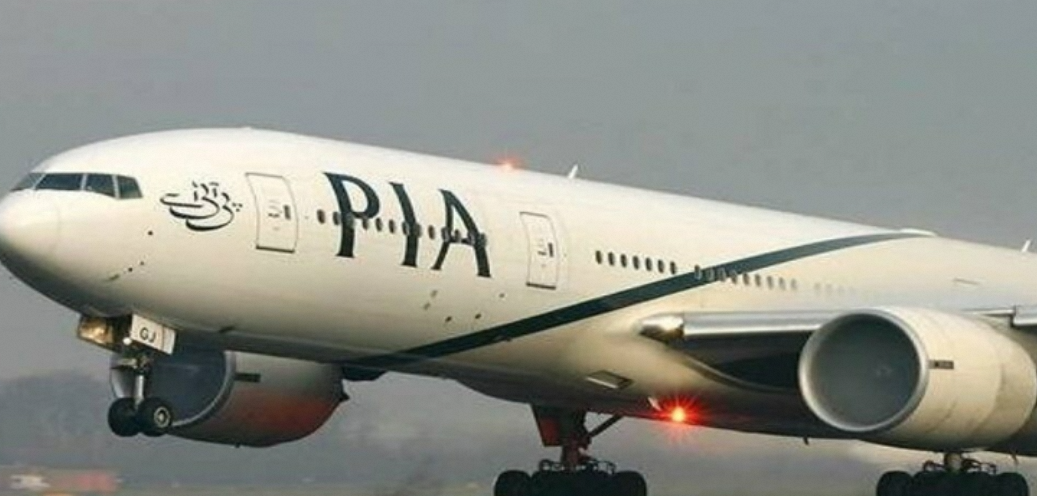
Pakistan International Airlines (PIA) has been designated as the primary carrier for the pilgrimage. The airline will operate 280 special flights from six major cities—Karachi, Islamabad, Lahore, Quetta, Multan, and Sukkur—transporting over 56,000 Pakistani pilgrims to Saudi Arabia. The first flight is scheduled to depart on April 29, and the operation will conclude on June 1. For the return journey, PIA will initiate post-Hajj flights starting June 12, continuing until July 10. To accommodate the large number of passengers, Boeing 777 and Airbus A320 aircraft will be utilized .

Government Scheme and Private Sector Participation

Under the government’s Hajj scheme, all 79,000 applicants have been declared successful . The remaining slots will be filled on a first-come, first-served basis. The private sector has also been actively involved, with various Hajj group organizers offering packages ranging from Rs1.1 million to over Rs3 million, depending on the services provided .​

Facilities and Services

In collaboration with Saudi authorities, special arrangements have been made to enhance the comfort and safety of pilgrims. Dedicated spaces have been allocated for Pakistani pilgrims in Mina, and efforts have been made to reduce accommodation rates. Additionally, a mobile application has been introduced to provide pilgrims with real-time information on flight schedules, accommodation details, and other essential services .​

Preparations and Guidelines

Pilgrims are advised to familiarize themselves with the guidelines provided by the Ministry of Religious Affairs. These include instructions on the performance of Hajj rituals, health and safety protocols, and the use of the official mobile application for updates. Training sessions have been organized to ensure that all participants are well-prepared for the spiritual journey ahead.​

Conclusion

The commencement of the Hajj 2025 operation signifies a significant milestone for Pakistani Muslims undertaking the sacred pilgrimage. With meticulous planning and coordination between the government, PIA, and Saudi authorities, this year’s Hajj is poised to be a memorable and spiritually enriching experience for all pilgrims.

Domino’s Pizza Posts Surprise Fall in Same-Store Sales

In a surprising turn of events, Domino’s Pizza, a global leader in pizza delivery and carryout, reported a drop in same-store sales during the most recent quarter. This fall in sales marks an unexpected shift for the company, which has seen consistent growth over the years, even during times of economic uncertainty and changing consumer habits. The decline has raised questions among investors, analysts, and customers alike about the reasons behind this unexpected downturn.

The Surprising Decline

Domino’s has long been considered a bellwether in the pizza industry, with its efficient delivery system and broad menu catering to a wide variety of customers. For years, the company’s same-store sales—the metric that tracks sales growth at locations open for at least a year—have shown steady increases. However, this time, the numbers were different. The company reported a drop in same-store sales in its most recent earnings report, causing stock prices to dip sharply in response.

For many investors, this was a shock. The drop in same-store sales represents a clear deviation from the norm for Domino’s, which had previously benefitted from strong demand during the COVID-19 pandemic. During the pandemic, lockdowns and social distancing led more people to rely on delivery services, especially pizza, as a comfort food. The company’s strong digital ordering system and expansive delivery network made it a natural choice for consumers looking for convenience and safety during those difficult times. However, the recent dip in sales suggests that these trends may be starting to reverse, potentially signaling a shift in consumer behavior.

Potential Causes of the Decline

Several factors could be contributing to the recent fall in same-store sales for Domino’s. One of the most significant is inflation and rising food costs. Like many other businesses, Domino’s has been affected by the higher prices of ingredients such as cheese, wheat, and meat. These increases have forced the company to raise menu prices in an effort to maintain profitability. While price hikes are necessary for maintaining margins, they can also lead to a reduction in demand as consumers become more price-sensitive, particularly in an inflationary environment where budgets are tighter.

Another potential reason for the sales drop is the intense competition within the pizza industry. In recent years, other pizza chains such as Papa John’s, Pizza Hut, and smaller regional players have ramped up their efforts to capture market share. These competitors have launched new menu items, introduced promotional deals, and improved their delivery services, creating more options for consumers. Domino’s, which was once seen as the dominant force in the pizza delivery market, now faces more challenges in maintaining its competitive edge.

Consumer behavior is also shifting in ways that could impact Domino’s. Over the past few years, there has been a growing emphasis on healthier eating, with many consumers becoming more conscious of the nutritional content of their meals. While Domino’s has tried to innovate with new menu items that cater to these changing preferences, such as offering gluten-free crusts or low-calorie options, pizza—by its nature—remains a high-calorie, indulgent food. This could make it less appealing to health-conscious consumers, especially as the food delivery market becomes more diverse.

Moreover, the post-pandemic recovery has led to changes in consumer habits. As restrictions lifted and people returned to in-person activities, there was a decrease in demand for delivery services as people resumed dining out. This shift back to traditional dining experiences has been challenging for many food delivery services, and Domino’s may have been caught off guard by the speed at which this transition occurred.

What This Means for Domino’s Future

Despite the recent decline, it’s important to note that Domino’s is not facing a crisis. The company still has a strong brand, a vast network of stores, and an established customer base. It remains one of the top players in the pizza industry, and its delivery infrastructure is second to none. However, the latest sales figures underscore the challenges the company faces in maintaining its growth trajectory in a rapidly changing market.

In response to the sales dip, Domino’s is likely to explore various strategies to regain momentum. This could include further diversifying its menu to include more health-conscious or plant-based options, expanding its loyalty programs, or increasing its promotional activities. Additionally, the company may focus on improving the customer experience by enhancing its digital ordering platform and finding ways to reduce delivery times.

Conclusion

The surprise fall in same-store sales for Domino’s Pizza has shaken investor confidence and raised important questions about the company’s future growth prospects. While there are multiple factors contributing to the decline, including inflation, rising competition, and shifting consumer behaviors, Domino’s is still a powerful player in the pizza market. How the company adapts to these challenges in the coming months and years will determine whether it can return to its previous growth levels or if this marks the beginning of a more sustained slowdown in its performance. For now, the company faces a period of introspection and adaptation as it works to regain its footing in a post-pandemic world.