







Quetta Gladiators Defeat Karachi Kings in a Nail-Biting PSL 10 Clash

Karachi Kings Fall Short in Final Over Drama

The Pakistan Super League (PSL) Season 10 continues to deliver thrilling encounters as Quetta Gladiators edged out Karachi Kings by a slender margin of five runs at Lahore’s Gaddafi Stadium.

Chasing a modest target of 143, Karachi Kings could only manage 137-8 in their 20 overs despite a promising start.

Early Breakthroughs and a Strong Partnership

Karachi’s chase began on a sour note when Mohammad Amir dismissed skipper David Warner for just 4 runs in the opening over. However, Tim Seifert and James Vince steadied the innings, launching a spirited counterattack.

The duo stitched a 50-run partnership, but Vince’s dismissal for 30 by Saud Shakeel shifted the momentum back to Quetta.

Seifert kept Karachi’s hopes alive with a fluent 47 off 26 balls, but his departure in the 12th over to Mohammad Wasim Jr. exposed the fragile middle order.

Collapse of Karachi’s Middle Order

Following Seifert’s exit, Karachi’s batting crumbled under pressure. Shan Masood struggled for rhythm, scoring just 9 off 17 balls before falling to Khurram Shahzad.

Khushdil Shah and Mohammad Nabi also departed cheaply, while Omair Bin Yousuf’s 11-run knock could not stem the collapse.

Hasan Ali’s unbeaten 24 off 13 balls provided a late push, but it wasn’t enough to overhaul Quetta’s total.

Mohammad Amir, Abrar Ahmed, and Khurram Shahzad shared six wickets between them, sealing the win for the Gladiators.

Quetta’s Inning: Battling Through a Collapse

Opting to bat first, Quetta Gladiators faced early trouble as their top order crumbled against Karachi’s pace attack. Hasan Ali was instrumental, removing Saud Shakeel and Finn Allen early.

Brief resistance from Kusal Mendis (36 off 22) and a solid 59-run partnership between Hasan Nawaz and Faheem Ashraf gave Quetta some breathing room.

Faheem’s aggressive 43-run innings was crucial, but once the partnership broke, Quetta lost wickets rapidly, ending at 142 all out in 19.3 overs.

Hasan Ali ended with 3/33, supported by Abbas Afridi and Mir Hamza, each claiming two wickets.

List of royals who attended Pope Francis’ funeral

The Vatican witnessed an emotional chapter today as dignitaries, mourners, and the royals who attended Pope Francis’ funeral came together to pay their final respects. A sea of 250,000 gathered, with 50,000 inside St Peter’s Square alone, in honor of a pope who “touched minds and hearts,” according to Cardinal Giovanni Battista Re during the service. As global leaders arrived, the presence of the royals who attended Pope Francis’ funeral added a special sense of tradition to the solemn proceedings.

The funeral mass, held at St Peter’s Basilica, marked the last public moment for Pope Francis, whose coffin was later moved to a church in Rome where he will be laid to rest.

Royals Pay Homage: A Tribute Across Faiths

The Vatican’s age-old protocol gave front pews to Catholic royals, emphasizing the deep ties between monarchy and the Roman Catholic Church. Among the royals who attended Pope Francis’ funeral, Prince Albert and Princess Charlene of Monaco, King Felipe and Queen Letizia of Spain, King Philippe and Queen Mathilde of Belgium, Grand Duke Henri and Grand Duchess Maria Teresa of Luxembourg, and Prince Alois with Princess Sophie of Liechtenstein were given seats of honor.

Behind them, representing non-Catholic traditions, sat Crown Prince Haakon and Crown Princess Mette-Marit of Norway, King Carl Gustaf and Queen Silvia of Sweden, and Queen Mary of Denmark alongside King Frederik. Prince William stood prominently, representing King Charles III and the Church of England.

World Leaders Unite: A Historic Encounter

Elsewhere in the basilica, a historic handshake unfolded. Donald Trump and Volodymyr Zelensky, political figures often seen at odds, met briefly before the funeral ceremony. Zelensky later described the interaction as potentially “historic, if we achieve joint results.” A striking photograph captured Trump and Zelensky in conversation with UK Prime Minister Keir Starmer and French President Emmanuel Macron, symbolizing the unexpected bridges built under the Vatican’s timeless dome.

Global Royal Representation

Beyond Europe’s royal houses, monarchs from different corners of the world also paid tribute. King Abdullah II and Queen Rania of Jordan, the Crown Prince of Abu Dhabi Sheikh Khaled bin Mohamed bin Zayed Al Nahyan, and King Letsie III of Lesotho were among those seated close to the dignitary block, reflecting the international admiration Pope Francis commanded.

The gathering, though somber, stood as a powerful reminder of Francis’ enduring mission: to “build bridges, not walls” across nations, faiths, and cultures.

Also, see:

Pope Francis passes away at 87, leaves behind legacy of humility and hope

Heatwave High-Pressure System Triggers Intense Heatwave Across Pakistan in April 2025

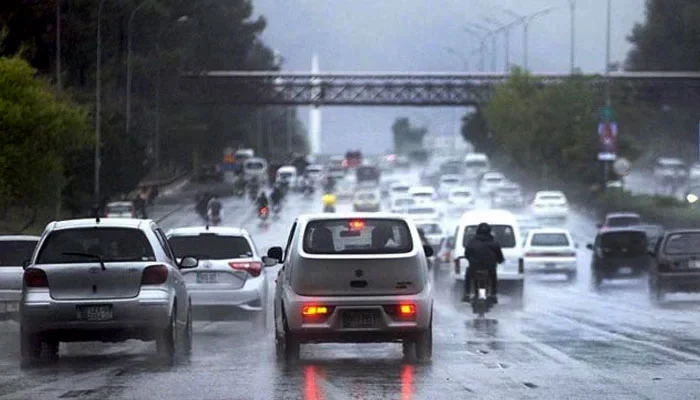
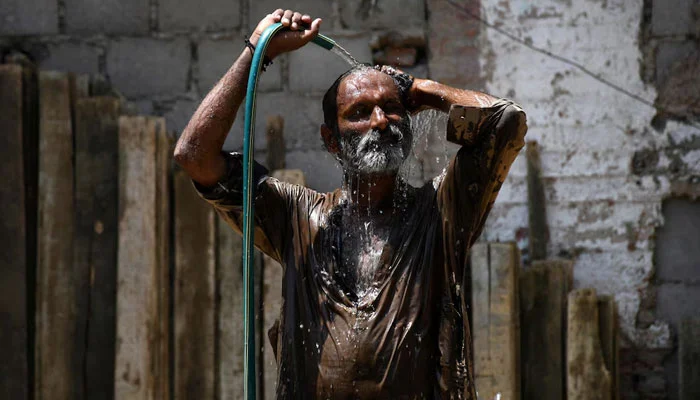
A severe heatwave is set to grip Pakistan starting today, April 26, 2025, as a high-pressure system settles over the region. The Pakistan Meteorological Department (PMD) has issued a warning for elevated temperatures nationwide, with the southern provinces of Sindh, Balochistan, and southern Punjab expected to experience conditions 6–8°C above the seasonal average. This prolonged heat event is anticipated to last until at least April 30, 2025 .

Meteorological Overview

The onset of this heatwave is attributed to a high-pressure system in the upper atmosphere, which has led to a significant rise in temperatures across the country. In Karachi, the maximum temperature is forecasted to reach 39°C on Saturday, with hot and humid conditions persisting over the next few days .​

Regional Impacts

  • Sindh: Cities like Karachi, Sukkur, and Jacobabad are expected to experience temperatures exceeding 40°C. The combination of high temperatures and humidity levels increases the risk of heat-related illnesses.
  • Punjab: Southern districts such as Multan, Bahawalpur, and Rahim Yar Khan may witness temperatures up to 45°C. The Provincial Disaster Management Authority (PDMA) has issued advisories urging residents to take precautions .​
  • Balochistan: Areas like Quetta and Zhob are also under heatwave conditions, with temperatures significantly above normal.​

Health and Safety Precautions

The PMD and NDMA have emphasized the importance of staying hydrated and avoiding prolonged exposure to the sun, particularly between 11 a.m. and 4 p.m. Vulnerable groups, including children, the elderly, and outdoor workers, are advised to take extra precautions. Symptoms of heat-related illnesses such as dizziness, nausea, and excessive sweating should be addressed promptly by moving to a cooler environment and consuming fluids .​

Agricultural and Environmental Concerns

The heatwave poses risks to agriculture, especially in areas where wheat harvesting is underway. Farmers are advised to adjust their schedules to cooler parts of the day and ensure adequate water supply for crops and livestock. Additionally, the elevated temperatures may accelerate the melting of snow in northern regions, potentially leading to glacial lake outburst floods .​

Long-Term Implications

Experts attribute the increasing frequency and intensity of heatwaves to climate change. Pakistan, being one of the most climate-vulnerable countries, faces heightened risks from such extreme weather events. The early onset of this heatwave underscores the urgency for comprehensive climate adaptation strategies, including improved infrastructure, public awareness campaigns, and enhanced disaster response mechanisms .​

As the high-pressure system persists, authorities continue to monitor the situation closely and issue updates to ensure public safety. Residents are encouraged to stay informed through official channels and adhere to safety advisories.

PIA : PM Urges Transparency and Timely Completion of Privatization

Pakistan’s Prime Minister, Shehbaz Sharif, has emphasized the need for transparency and efficiency in the ongoing privatization of Pakistan International Airlines (PIA). This directive comes as part of the government’s broader economic reforms aimed at restructuring state-owned enterprises and addressing fiscal challenges.​

Background of PIA’s Privatization Efforts

PIA, once a symbol of national pride, has faced significant financial difficulties over the years, accumulating losses exceeding Rs 830 billion. Previous attempts to privatize the airline have been unsuccessful, with the most recent effort in 2024 failing due to receiving only a single bid that was substantially below the government’s expectations . In response, the government has restructured its approach, aiming to attract more competitive offers.​

Recent Developments and Government Initiatives

In April 2025, the government announced plans to seek fresh bids for PIA’s privatization by the end of the month. This decision follows the airline’s reported first annual profit in over two decades, signaling a potential turnaround that could make the airline more attractive to investors .

To address concerns from previous privatization attempts, the government has taken steps to relieve PIA of approximately 80% of its legacy debt, transferring it to state accounts. Additionally, reforms have been implemented, including staff reductions and withdrawal from unprofitable routes, to improve the airline’s financial health .​

Prime Minister’s Directives

Prime Minister Sharif has instructed relevant authorities to expedite the privatization process, setting a target for completion by the end of 2025. He has emphasized that the process must be transparent, with all stages—such as the issuance of expressions of interest, bidding, and contract awarding—being conducted openly. Minister for Privatisation, Abdul Aleem Khan, has assured that the entire process will be broadcast live to ensure public accountability .

The government is also addressing PIA’s liabilities, including outstanding taxes and pension obligations, to make the airline more appealing to potential buyers. A framework for dividing PIA’s assets and liabilities between the airline and a holding company has been prepared, with assets valued at Rs171.43 billion .​

Legal and Institutional Support

The Supreme Court of Pakistan has withdrawn its stay order on PIA’s privatization, allowing the government to proceed with the process. The court has directed that the privatization be conducted efficiently and in good faith, with the involvement of legal teams to handle potential litigation .​

Future Outlook

The government’s renewed efforts to privatize PIA are part of a broader strategy to reform state-owned enterprises and reduce the fiscal burden on the national exchequer. By ensuring a transparent and timely privatization process, the government aims to attract credible investors, improve PIA’s operational efficiency, and ultimately provide better services to the public.​

As the privatization process unfolds, stakeholders will be closely monitoring developments to ensure that the objectives of transparency, efficiency, and national interest are upheld.

Pakistan Seeks Stronger Bilateral Ties with Bangladesh: Asif Mahmud’s Call for Acknowledgment of Historical Truths

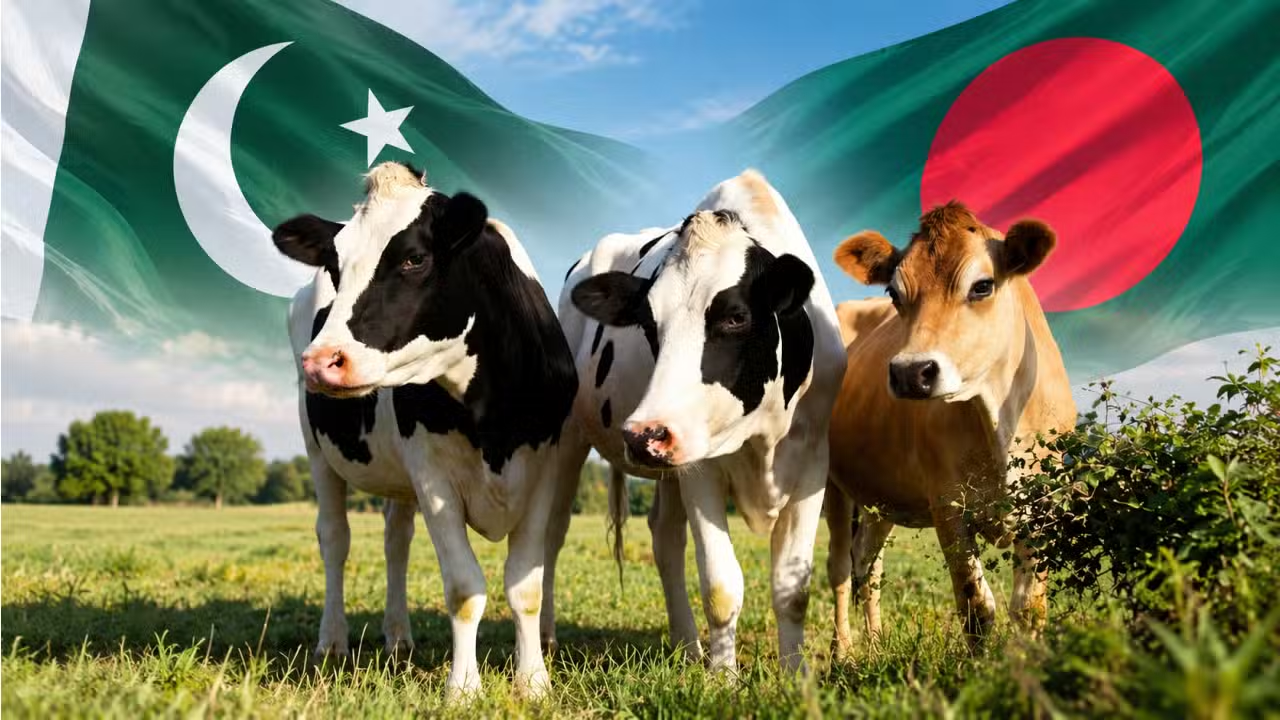
In recent diplomatic developments, Pakistan has expressed a keen interest in strengthening its bilateral relations with Bangladesh. This initiative comes amid a backdrop of shifting political dynamics in Bangladesh and a shared desire to enhance cooperation across various sectors.​

Diplomatic Engagements and Shifting Alliances

The recent political upheaval in Bangladesh, marked by the ousting of former Prime Minister Sheikh Hasina, has paved the way for a recalibration of foreign relations. Under the interim leadership of Nobel Peace Prize laureate Muhammad Yunus, Bangladesh has signaled a move towards fostering stronger ties with Pakistan. This shift includes resuming diplomatic talks after a 15-year hiatus, aimed at mending strained relations and addressing longstanding issues. ​

Asif Mahmud’s Emphasis on Acknowledging Historical Facts

A significant development in this diplomatic thaw is the statement by Asif Mahmud, Bangladesh’s Adviser to the Ministries of Local Government, Rural Development, and Youth and Sports. During a meeting with Pakistan’s High Commissioner to Bangladesh, Syed Ahmed Maruf, Mahmud emphasized the necessity for Pakistan to acknowledge the historical events of 1971 as a prerequisite for advancing socio-economic relations between the two nations. He highlighted that recognition of these historical truths is essential for fostering mutual trust and cooperation. ​

Areas of Potential Cooperation

Both nations have identified several areas where enhanced cooperation could be mutually beneficial:​

  • Trade and Economic Ties: There is a concerted effort to revive and expand trade relations, focusing on sectors such as chemicals, cement clinkers, surgical goods, leather goods, and information technology. Recent steps by Bangladesh, including the waiver of 100% physical inspection of consignments from Pakistan and the removal of special security scrutiny at Dhaka airport for Pakistani passengers, have been welcomed by Pakistan as positive moves towards facilitating trade. ​
  • Cultural and Educational Exchanges: Enhancing people-to-people contacts through cultural and educational exchanges is seen as a vital component of strengthening bilateral ties. Initiatives such as the recent visit of the Bangladesh Cricket Team to Pakistan and a concert by a Pakistani artist in Dhaka exemplify the potential for cultural diplomacy to bridge gaps between the two nations. ​
  • Multilateral Cooperation: Both countries have expressed interest in collaborating within regional and international forums, including the D-8 Organization for Economic Cooperation and the South Asian Association for Regional Cooperation (SAARC), to address common challenges and promote regional stability and development.

Challenges and Path Forward

Despite the positive steps, challenges remain in the path towards stronger bilateral ties. The historical context of the 1971 war of independence continues to be a sensitive issue, with Bangladesh seeking acknowledgment and reconciliation. Pakistan’s response to these concerns will be pivotal in determining the trajectory of future relations.​

In conclusion, the recent diplomatic engagements between Pakistan and Bangladesh signify a potential turning point in their bilateral relations. While acknowledging historical grievances is crucial, both nations appear committed to exploring avenues for cooperation that can lead to a more prosperous and harmonious relationship. The coming months will be critical in translating these diplomatic overtures into tangible outcomes.

Pakistan’s Polio Tally Rises to Eight in 2025 After New Case in Bannu

Pakistan has reported its eighth case of polio for the year 2025, following the confirmation of a new case in Bannu, Khyber Pakhtunkhwa. This marks the third polio case reported from the province this year, underscoring ongoing challenges in the fight against the disease.​

New Case in Bannu

The National Institute of Health (NIH) confirmed the latest polio case in Bannu, a district in Khyber Pakhtunkhwa. This case is the third from the province in 2025, contributing to the national total of eight cases reported so far this year. The NIH’s confirmation came amid ongoing nationwide vaccination campaigns aimed at eradicating the disease.​

National Polio Situation

Prior to this case, Pakistan had reported seven polio cases in 2025. The first case was detected in Dera Ismail Khan, followed by additional cases in various regions, including Sindh and Khyber Pakhtunkhwa. These reports highlight the persistent presence of the poliovirus in certain areas, despite extensive vaccination efforts.​

Vaccination Campaigns and Challenges

In response to the rising number of cases, the Pakistan Polio Programme has been conducting multiple mass vaccination campaigns throughout the year. The first nationwide campaign of 2025 took place from February 3 to 9, during which over 45 million children were vaccinated across the country. Despite these efforts, challenges such as vaccine hesitancy, logistical issues, and security concerns in certain regions continue to hinder the complete eradication of polio.​

Government’s Commitment

The government of Pakistan remains committed to eradicating polio. Prime Minister Shehbaz Sharif has emphasized the importance of the polio eradication program, declaring it a national priority. The government continues to collaborate with international organizations and local stakeholders to strengthen vaccination campaigns and address the underlying issues contributing to the persistence of the disease.​

Conclusion

The confirmation of a new polio case in Bannu serves as a reminder of the ongoing challenges in the fight against polio in Pakistan. While significant progress has been made, the recent cases highlight the need for continued vigilance and sustained efforts to ensure that every child is vaccinated and protected from this debilitating disease. The government’s commitment, combined with community engagement and international support, remains crucial in achieving the goal of a polio-free Pakistan.

Sindh Announces Public Holiday on May 1 in Observance of Labour Day

The Sindh government has officially declared May 1, 2025, as a public holiday across the province to commemorate Labour Day. This announcement was made through an official notification issued by the Chief Secretary of Sindh. The holiday will apply to all government offices, autonomous bodies, semi-autonomous bodies, corporations, and local councils under the administrative control of the Sindh government, with the exception of essential services.

Significance of Labour Day

Labour Day, also known as International Workers’ Day or May Day, is observed globally on May 1 to honor the contributions and achievements of workers. The day commemorates the labor movement’s efforts to establish fair working conditions, including the eight-hour workday. The origins of Labour Day trace back to the Haymarket affair in Chicago in 1886, where workers advocating for better working conditions were tragically killed. Since then, May Day has become a symbol of workers’ rights and solidarity.​

Observance in Sindh

In Sindh, the public holiday on May 1 is a time for reflection on the rights and welfare of workers. While government offices and institutions will remain closed, essential services such as healthcare and emergency services will continue to operate. The day is marked by various events and activities aimed at raising awareness about labor rights and promoting social justice.​

Broader Implications

The declaration of a public holiday on Labour Day underscores the government’s commitment to recognizing the importance of workers in the nation’s development. It serves as a reminder of the ongoing need to address issues such as fair wages, safe working conditions, and social protection for all workers. By observing this day, Sindh joins other provinces and countries worldwide in acknowledging the vital role of workers in shaping society.​

Conclusion

The announcement of a public holiday on May 1 in Sindh is a significant step in honoring the contributions of workers and promoting awareness about labor rights. As the world continues to evolve, it is essential to remember and uphold the principles that Labour Day represents: fairness, equality, and respect for the dignity of work.​

For more information and updates, please refer to the official notification issued by the Sindh government.

Shots fired across Line of Control: Is Kashmir heading toward crisis again?

Kashmir’s fragile peace shattered again as gunfire echoed across the Line of Control (LoC) for the second consecutive night, signaling a sharp escalation between India and Pakistan. Indian military officials reported late Saturday that Pakistani forces launched “unprovoked” attacks from multiple posts, prompting a retaliatory response.

Pakistan denies ‘firing at Line of Control’ allegations

While no casualties have been confirmed, the renewed hostilities come at a time of heightened suspicion and anger following a deadly assault earlier this week. On Tuesday, gunmen opened fire near Pahalgam, a popular tourist hub in Indian-administered Kashmir, killing 26 — most of them Indian tourists. New Delhi swiftly pointed fingers at Pakistan, an allegation Islamabad has firmly denied.

Pakistan’s Prime Minister Shehbaz Sharif has called for an independent international probe into the Pahalgam killings, seeking to counter India’s accusations. Meanwhile, a shadowy outfit calling itself the “Kashmir Resistance” has claimed responsibility, though doubts linger over the group’s credibility.

The fallout has been immediate and severe. India suspended the Indus Waters Treaty, a landmark water-sharing pact, and closed its only active land border crossing with Pakistan. In retaliation, Pakistan canceled Indian visas, shut down its airspace to Indian airlines, and froze bilateral trade. The ripple effects were seen at the Wagah border, where citizens from both countries scrambled to return home.

Adding fuel to the fire, Pakistan’s Information Minister warned that any interference with Indus River waters would be considered an “act of war,” raising serious concerns over regional water security amid ongoing drought conditions in parts of Pakistan.

As fears of a broader conflict rise, Iran has offered to mediate, calling both India and Pakistan “brotherly nations” with shared historical ties. Iran’s foreign minister urged calm and dialogue, while US President Donald Trump, speaking from Air Force One, acknowledged the rising tensions but refrained from offering direct intervention.

The United States and Gulf nations are closely monitoring the developments, with American intelligence chief Tulsi Gabbard voicing strong support for India. Meanwhile, senior diplomats from Saudi Arabia and Iran have engaged Islamabad to discuss ways to ease the crisis.

Despite a 2021 ceasefire that had held for years, the bloodstained history of Kashmir reminds the world how quickly old wounds can reopen. With two nuclear powers standing on a knife’s edge once more, the global community watches anxiously.

Also, see:

India Blocks Pakistan Government’s X Account Following Pahalgam Attack

Indian Airlines Face Operational Challenges as Pakistan Closes Airspace

In a significant escalation of tensions between India and Pakistan, Islamabad has closed its airspace to Indian airlines, compelling carriers like Air India and IndiGo to reroute flights, leading to increased operational costs and extended travel times. This move follows a deadly militant attack in the Pahalgam region of Indian-administered Kashmir, which India attributes to Pakistani involvement—a claim that Pakistan denies. The closure is set to remain in effect until May 23, 2025. ​

Impact on Flight Operations

The airspace closure has forced Indian airlines to alter their flight paths, resulting in longer durations and higher fuel consumption. For instance, flights from New Delhi to destinations like New York, Dubai, and Baku now require detours over the Arabian Sea, bypassing Pakistani airspace. A New Delhi to Baku flight, which previously took approximately 5 hours, now has a duration of over 5 hours and 40 minutes. These detours not only increase fuel expenses but also reduce cargo capacity, further straining airline operations. ​

Economic Consequences for Airlines

The rerouting of flights has led to significant financial losses for Indian airlines. Air India, which operates numerous long-haul international routes, is particularly affected. The airline has reported daily losses of approximately ₹6 crore (around $730,000) due to increased fuel costs and extended flight times. Similarly, budget carriers like IndiGo have incurred additional expenses, although the exact figures are not publicly disclosed. The cumulative losses across the Indian aviation sector are substantial, with estimates running into several hundred crore rupees.

Broader Implications

The airspace closure has broader implications beyond the immediate financial impact on airlines. It disrupts established flight schedules, leading to delays and cancellations that affect passengers’ travel plans. Additionally, the rerouting of flights over longer distances contributes to higher carbon emissions, raising environmental concerns. The situation also underscores the vulnerability of global air travel to geopolitical tensions, highlighting the need for international cooperation and conflict resolution to ensure the smooth functioning of the aviation industry.​

Diplomatic Repercussions

The closure of airspace is part of a series of retaliatory measures taken by both India and Pakistan in response to the Pahalgam attack. India has suspended a crucial water-sharing treaty and revoked visas for Pakistani nationals, while Pakistan has canceled Indian visas, suspended trade, and warned of severe consequences for any interference with the Indus Waters Treaty. The situation has raised concerns about the potential for further escalation between the two nuclear-armed neighbors. ​

The closure of Pakistan’s airspace to Indian airlines has introduced significant challenges for the Indian aviation industry, leading to increased operational costs, extended travel times, and financial losses. The situation highlights the interconnectedness of global air travel and the impact of geopolitical tensions on the sector. As both nations navigate this crisis, the international community watches closely, hoping for a de-escalation of tensions and a return to diplomatic dialogue.

India Blocks Pakistan Government’s X Account Following Pahalgam Attack

Tensions between India and Pakistan have escalated dramatically following a deadly militant attack in Kashmir, where 26 people, mostly Indian tourists, were killed. India has blamed Pakistan for the massacre carried out in Pahalgam and responded by suspending diplomatic relations, revoking visas, closing borders, halting trade, and pausing a significant water-sharing treaty. Pakistan has denied the allegations, closed its airspace to Indian flights, cancelled Indian visas, and warned of severe consequences for any disruption to the Indus Waters Treaty. ​

In a significant development, India has blocked the official X (formerly Twitter) account of the Government of Pakistan, intensifying the diplomatic fallout in the wake of the deadly terror attack in Occupied Kashmir. The move came hours after New Delhi formally downgraded diplomatic ties with Islamabad, amid strained relations between the two nuclear-armed neighbors. The Pahalgam attack, which targeted security personnel and civilians, has drawn strong condemnation from across the globe, including Pakistan. ​

According to X’s official Help Center, the platform may restrict access to accounts or content based on legal demands from governments. “With hundreds of millions of posts each day, we aim to respect freedom of expression while adhering to applicable local laws,” the policy states. Restrictions are typically applied only within the country where the legal request originates. ​

After India’s actions, Pakistan’s National Security Committee is scheduled to meet today to evaluate the situation and formulate a coordinated policy response. Sources in Islamabad say the meeting will focus on India’s latest measures and consider diplomatic, political, and security options amid rising regional tensions. ​

The developments come as ties between the two sides are already at an all-time low, with frequent cross-border incidents and longstanding disputes over Kashmir continuing to fuel hostilities. ​

In response to India’s actions, Pakistan has condemned the attack and denied involvement, accusing India of making baseless accusations. Pakistan has also warned that suspending the Indus Water Treaty—a crucial deal governing water rights and key for Pakistan’s agriculture and hydropower—could be seen as an act of war. Additionally, Islamabad threatened to suspend the Simla Agreement, which governs the Line of Control in Kashmir. ​

The worsening relations center around the long-standing and volatile dispute over the Kashmir region, claimed by both countries. This current crisis revives fears of conflict between the nuclear-armed neighbors. Frequent militant attacks have derailed previous peace efforts, with high-profile incidents in 1999, 2008, and 2019 stoking tensions. Both countries maintain large armed forces and substantial nuclear arsenals, raising international concern over the potential for a major confrontation. ​

As the situation continues to develop, the international community watches closely, urging both nations to engage in dialogue and de-escalate tensions to prevent further violence and instability in the region.

Pakistan PM, MBS Involvement Only Solution to Hajj Quota Issue, Say Officials

The Hajj quota issue, which has been a contentious matter between Pakistan and Saudi Arabia in recent years, continues to cause significant concern among both pilgrims and officials. The annual pilgrimage to Mecca is one of the five pillars of Islam and holds great religious significance for millions of Muslims around the world, particularly in Pakistan, which has one of the largest Muslim populations. However, the allocation of Hajj quotas – the number of pilgrims allowed to travel each year – has been the source of numerous disputes, with many arguing that Pakistan has not been granted an adequate number of slots for its citizens. As the situation becomes increasingly tense, officials from both countries have pointed to the involvement of Prime Minister (PM) Shehbaz Sharif and Saudi Crown Prince Mohammed bin Salman (MBS) as the only viable solution to resolve the issue.

The dispute regarding the Hajj quota began to gain attention several years ago, as the number of Pakistani Muslims wishing to perform Hajj steadily increased. Pakistan’s annual Hajj quota, granted by the Kingdom of Saudi Arabia, was not seen as sufficient to accommodate the growing demand. In 2023, the issue became particularly prominent, with many Pakistani officials and religious leaders voicing dissatisfaction over the limitations placed on the number of pilgrims allowed to travel for the sacred event. The limitations, they argue, do not reflect the significant number of Muslims in Pakistan who wish to perform the pilgrimage and do not take into account the nation’s religious, cultural, and economic ties to Saudi Arabia.

Saudi Arabia allocates Hajj quotas to countries based on their population and historical agreements. While Pakistan has traditionally been allocated a large number of slots, the recent years have seen fluctuations in the exact number of pilgrims allowed. The disparity between the demand and the number of slots has led to frustration and even protests among Pakistani Muslims, who have long viewed the Hajj as a vital spiritual journey. Furthermore, there have been concerns that the high costs associated with the pilgrimage, particularly in light of inflation and economic difficulties, are making it increasingly difficult for ordinary Pakistanis to afford the journey.

The Pakistani government has consistently raised the issue with Saudi authorities, urging them to increase the country’s annual quota to better meet the demand. However, these efforts have often fallen short of producing concrete results, leading officials to conclude that the involvement of higher-level leadership is necessary to resolve the issue effectively. According to diplomatic sources and officials within the Pakistani government, the only way to address the Hajj quota issue on a permanent basis is for Prime Minister Shehbaz Sharif to engage directly with Saudi Crown Prince Mohammed bin Salman (MBS), who holds significant authority over Saudi Arabia’s decisions related to the pilgrimage.

Officials argue that the involvement of PM Sharif and MBS would ensure that the matter is handled at the highest diplomatic level and would demonstrate the importance both nations place on the Hajj pilgrimage and their deep religious and cultural connections. The leadership of both countries, they assert, is crucial in making strategic decisions that balance the needs of the people with the logistical and economic realities of managing such a large-scale religious event.

Prime Minister Shehbaz Sharif, in his recent statements, acknowledged the importance of the issue and vowed to take up the matter with the Saudi leadership during upcoming visits and meetings. He emphasized that the resolution of the Hajj quota issue would not only allow more Pakistanis to perform the sacred pilgrimage but would also strengthen the diplomatic ties between Pakistan and Saudi Arabia. Pakistan’s relationship with Saudi Arabia has long been rooted in shared religious values, as well as strategic and economic partnerships. Both countries, which have historically supported each other in times of need, recognize the significance of Hajj as a major religious and cultural undertaking, and resolving this issue would be a testament to their enduring friendship.

For Saudi Arabia, Crown Prince Mohammed bin Salman’s leadership has ushered in a new era of economic and political reform, and the Kingdom has been increasingly keen to position itself as a global leader in various domains, including religious tourism. Saudi officials have expressed a commitment to ensuring that the Hajj pilgrimage is accessible to Muslims from around the world, but the rising number of pilgrims and the capacity of Mecca’s infrastructure present challenges. In light of this, MBS’s direct involvement could help find a balanced solution that addresses both the demand from Pakistan and the logistical constraints faced by Saudi Arabia.

Diplomatic observers suggest that negotiations between PM Sharif and MBS could lead to a mutually beneficial solution, one that takes into account both the religious importance of Hajj for Pakistan and Saudi Arabia’s need to manage the event in a way that preserves its sanctity and capacity. These talks may also address concerns about the increasing costs of Hajj and explore ways to alleviate financial burdens on Pakistani pilgrims, such as subsidies or reduced travel fees.

In conclusion, the issue of the Hajj quota remains a significant point of contention for Pakistan, but officials are hopeful that the involvement of Prime Minister Shehbaz Sharif and Saudi Crown Prince Mohammed bin Salman will pave the way for a resolution. By engaging at the highest levels, both leaders have the opportunity to reaffirm the strong relationship between their countries and ensure that the sacred pilgrimage can continue to be accessible for Pakistan’s large Muslim population. The outcome of this engagement could set a positive precedent for future cooperation between Pakistan and Saudi Arabia, highlighting the importance of diplomacy in resolving complex issues affecting the Muslim world.

No to Terror, Yes to Peace’: Celebrities Denounce IIOJK Carnage with Heavy Hearts

The ongoing conflict in Indian Illegally Occupied Jammu and Kashmir (IIOJK) has once again made international headlines, this time spurred by the tragic loss of life and widespread devastation in the region. The latest incident, a horrific attack on civilians, has been met with widespread condemnation from across the globe, including prominent figures from the entertainment industry. In response to the brutalities faced by the Kashmiri people, a number of celebrities have spoken out, denouncing the violence and expressing their heartfelt sorrow for the victims. Their united stance calls for an end to terror and an urgent shift toward peace.

The violent episode in IIOJK, which claimed numerous innocent lives, has deepened the humanitarian crisis in the region. In the wake of this carnage, many celebrities have taken to social media, press conferences, and interviews to voice their outrage over the ongoing atrocities. These influential figures, many of whom have millions of followers, have become strong advocates for peace and justice. Their powerful messages of solidarity with the people of Kashmir have echoed around the world, bringing much-needed attention to the suffering faced by the region’s civilians.

One of the most striking aspects of the celebrities’ reaction has been the consistent theme of peace. From Bollywood actors to musicians, sports figures to global stars, many have used the hashtag #NoToTerrorYesToPeace, emphasizing that the path to a better future lies not in violence but in dialogue and understanding. Several high-profile personalities have expressed their anger at the continuing violence, stating that the innocent civilians caught in the crossfire are paying the ultimate price for the political and military tensions in the region.

Celebrities have also used their platforms to educate their audiences about the decades-long turmoil in Kashmir, where the conflict between India and Pakistan over the disputed region has led to countless lives lost. Many in the entertainment industry are calling for greater global awareness about the Kashmir issue, urging the international community to hold accountable those responsible for the violence. They stress the importance of applying pressure on both governments to engage in meaningful dialogue and work towards a peaceful resolution.

Renowned Indian actors, such as Shah Rukh Khan, Priyanka Chopra, and Deepika Padukone, have all shared their grief over the loss of life in the region, with many expressing their hope that peace would soon prevail. Shah Rukh Khan, who has been an outspoken advocate for peace and unity, posted a heartfelt message on social media, expressing his sorrow for the victims of the IIOJK carnage. “No to terror, yes to peace,” he wrote, urging his followers to focus on promoting dialogue and understanding rather than violence and bloodshed. Similarly, Priyanka Chopra posted a statement expressing her dismay over the brutal attack, calling for an end to the senseless killings in Kashmir and a commitment to peace.

On the international stage, musicians and artists have also joined the chorus of condemnation. Pakistani singer Atif Aslam, known for his soulful music, shared an emotional post in which he denounced the violence and called for an immediate ceasefire. His message was clear: the people of Kashmir deserve peace, not violence. He emphasized the importance of giving the youth of the region the opportunity to live without fear and to experience the simple joys of life.

Actors from across the globe have also shown their support for the victims of the IIOJK carnage. Hollywood stars such as Angelina Jolie and Leonardo DiCaprio have echoed the calls for peace, with both figures stressing the need for global cooperation to address the underlying causes of the conflict in Kashmir. Angelina Jolie, a longtime advocate for human rights, took to social media to offer her condolences to the families affected by the attack and called for an end to the cycle of violence. “There is no place for terror in a peaceful world,” she wrote.

One of the most poignant calls for peace came from former cricketer turned commentator, Shoaib Akhtar. Known for his blunt opinions, Akhtar took to Twitter to share his disappointment over the killings in IIOJK. He urged both India and Pakistan to put aside their differences and work towards a peaceful resolution of the Kashmir issue, stressing that the people of Kashmir should not be pawns in a geopolitical struggle. His message resonated with many, as it highlighted the need for both countries to engage in constructive conversations rather than resorting to military confrontation.

While celebrities from various backgrounds have spoken out against the violence, they are also calling for action. Beyond words, they urge the international community to exert pressure on both India and Pakistan to create a framework for peace. Many believe that dialogue, rather than continued bloodshed, is the only way to break the cycle of violence that has plagued the region for so long.

The message from these celebrities is loud and clear: there is no place for terror, and there is every reason to pursue peace. They stand united in their condemnation of the senseless violence in IIOJK and their unwavering belief that the region can only prosper when peace prevails. Their voices, though raised in grief and sorrow, represent a hopeful vision for a future where the people of Kashmir, and the entire South Asian region, can live without fear and with the opportunity to thrive.

In conclusion, the entertainment industry’s strong condemnation of the IIOJK carnage demonstrates that the call for peace transcends borders. Celebrities, with their immense reach and influence, have become powerful advocates for justice and peace, urging an end to the violence that has taken too many innocent lives. Their call to reject terror and embrace peace has resonated deeply, offering hope that one day, the people of Kashmir can live in the peace and freedom they deserve.

Senate Passes Resolution Rejecting India’s Claims Linking Pakistan to Pahalgam Attack 2025

In a significant move, the Senate of Pakistan recently passed a resolution strongly rejecting India’s claims that Pakistan was involved in the 2024 Pahalgam attack. The incident, which took place in the Pahalgam region of Jammu and Kashmir, India, resulted in the tragic deaths of several civilians and raised international concern about the ongoing tensions between India and Pakistan. India’s allegations of Pakistani involvement in the attack were met with a sharp rebuttal from the Pakistani Senate, emphasizing the need for diplomatic dialogue and the rejection of baseless accusations.

The Pahalgam attack, which occurred in early 2024, saw militants reportedly targeting a group of civilians, leading to casualties and heightened tensions in the already volatile region. Indian authorities quickly pointed fingers at Pakistan, claiming that the perpetrators of the attack were somehow linked to Pakistan-based groups. However, this narrative was swiftly rejected by Pakistan, which reiterated its commitment to peace and stability in the region and called the allegations unfounded and politically motivated.

The Senate of Pakistan’s resolution not only rejected India’s accusations but also condemned the “unilateral and arbitrary” assertions made by India regarding Pakistan’s involvement. The resolution underscored Pakistan’s stance that it had no role in the attack and reaffirmed the country’s desire to resolve all outstanding issues with India through peaceful means and diplomatic channels. This move was seen as an attempt to de-escalate the situation and avoid the worsening of bilateral ties, which have been fraught with tension for decades, especially after the revocation of Article 370 in Indian-administered Jammu and Kashmir in 2019.

One of the central points raised in the Senate’s resolution was the need for both countries to engage in dialogue rather than resorting to blame games. Pakistan’s leadership has long advocated for a peaceful resolution of the Kashmir dispute, which has been a longstanding source of conflict between the two nations. The Senate’s rejection of India’s claims highlights Pakistan’s commitment to these principles, while also calling on the international community to take notice of India’s actions in the disputed region.

Furthermore, the resolution drew attention to the human rights violations allegedly committed by India in Kashmir, accusing India of using these attacks to deflect attention from its own military operations and human rights abuses in the region. Pakistan has consistently raised concerns about the treatment of Kashmiri Muslims under Indian rule, including reports of arbitrary detentions, extrajudicial killings, and the suppression of political freedoms. By rejecting the Indian claims, the Pakistani Senate also sought to draw the world’s attention to what it perceives as a broader pattern of Indian aggression in Kashmir.

Pakistan’s foreign ministry, in response to the Senate’s resolution, reiterated that it would continue to stand by its position of non-interference in Kashmir’s internal matters. The ministry emphasized that Pakistan was committed to peace and stability in South Asia and that it was willing to engage with India in talks to resolve long-standing disputes, including the Kashmir issue. However, Pakistan also expressed frustration over India’s reluctance to engage in meaningful dialogue and its tendency to use accusations as a means of justifying military and political actions.

India’s claims about Pakistan’s involvement in the Pahalgam attack come at a time when both nations are already embroiled in a complex geopolitical environment. The tensions between the two nuclear-armed neighbors have been exacerbated by regional dynamics, including concerns over Afghanistan’s instability and the shifting alliances in South Asia. Pakistan has repeatedly called for international mediation to address the Kashmir dispute, but India has rejected any external involvement, insisting that it is an internal matter.

The Senate’s resolution also emphasized Pakistan’s commitment to international law and the United Nations Security Council (UNSC) resolutions on Kashmir. These resolutions call for a plebiscite to allow the people of Kashmir to determine their own future, a stance that Pakistan continues to uphold despite India’s objections. The Senate’s rejection of India’s claims is a reminder that Pakistan remains firm in its position on Kashmir, despite ongoing diplomatic challenges.

In conclusion, the Senate’s passage of the resolution rejecting India’s claims linking Pakistan to the Pahalgam attack represents a clear and firm stand against baseless accusations. It serves as a call for dialogue and a reaffirmation of Pakistan’s commitment to peace and stability in the region. While the tensions between India and Pakistan are far from being resolved, this development highlights the importance of diplomacy and the rejection of rhetoric that escalates conflict. Both nations must find a way to address their differences through peaceful means, or the risk of further violence and instability will continue to loom over South Asia.

Severe Water Crisis Expected in Islamabad

Islamabad, Pakistan’s capital, is facing an unprecedented water crisis that threatens the daily lives of its residents and the city’s sustainable development. Once celebrated for its abundant natural resources, Islamabad is now grappling with declining water levels, inadequate infrastructure, and environmental challenges that jeopardize its future water security.​

Declining Water Sources

The city’s primary water sources—Rawal Lake, Khanpur Dam, and the Ghazi Barotha Water Supply Project—are experiencing significant strain. Rawal Lake, which supplies a substantial portion of Islamabad’s water, is facing contamination from sewage and encroachments, compromising its water quality and availability . Similarly, Khanpur Dam, located approximately 50 kilometers from Islamabad, is under pressure due to increased demand and reduced rainfall, affecting its capacity to meet the city’s needs .​

The Ghazi Barotha Water Supply Project, a long-term initiative aimed at providing 200 million gallons of water per day to Islamabad and Rawalpindi, has been delayed for over 15 years. Despite its potential, the project has faced setbacks, including exclusion from the Annual Development Program for the financial year 2023–24, exacerbating the water shortage crisis .

Inadequate Infrastructure and Management

The Capital Development Authority (CDA) has initiated measures to address the water crisis, such as establishing rainwater recharge wells and implementing filtration systems. However, these efforts have been insufficient to meet the growing demand. The CDA’s initiatives, including the establishment of up to 100 rainwater recharge wells, have saved over one million gallons of water, but this amount falls short in the face of escalating consumption .​

Environmental and Climatic Factors

Climate change has exacerbated the water crisis in Islamabad. Erratic rainfall patterns and prolonged dry spells have led to reduced water inflows into reservoirs and increased evaporation rates. These climatic changes, coupled with deforestation in the Margalla Hills National Park, have diminished the natural recharge of groundwater aquifers, further depleting the city’s water resources.​

Implications for Residents and Urban Development

The impending water crisis poses severe challenges for Islamabad’s residents. Frequent water shortages have led to rationing, with some areas experiencing water supply interruptions for several hours each day. This situation not only affects daily household activities but also hampers economic productivity and public health.​

Urban development projects have also been impacted, as construction activities require substantial water resources. The scarcity of water has led to delays in infrastructure projects and has deterred potential investors, hindering the city’s growth prospects.​

Urgent Measures Needed

To mitigate the water crisis, immediate and long-term strategies are essential:

  • Completion of the Ghazi Barotha Project: Accelerating the development of this project can significantly augment the city’s water supply.​
  • Enhancement of Water Conservation Efforts: Promoting water-saving technologies and practices among residents and industries can reduce overall consumption.​
  • Reforestation and Environmental Protection: Implementing afforestation programs in the Margalla Hills can improve rainfall patterns and groundwater recharge.​
  • Strengthening Water Management Policies: Establishing robust policies for water distribution, pricing, and quality control can ensure equitable and sustainable water use.​

Conclusion

Islamabad stands at a critical juncture in addressing its water crisis. Without decisive action, the city risks facing severe shortages that could undermine its status as Pakistan’s capital and affect the well-being of its residents. It is imperative for the government, civic bodies, and citizens to collaborate in implementing effective solutions to secure a sustainable water future for Islamabad.​

Pakistan’s Inflation Rate for April Likely to Fall Below 60-Year Low

Pakistan’s inflation rate for April 2025 is projected to fall below 1.5%, marking the lowest level in nearly six decades. This significant decline follows a series of policy measures aimed at stabilizing the economy and curbing inflationary pressures.​

Historical Context and Recent Trends

In May 2023, Pakistan experienced a record high inflation rate of 38%, driven by factors such as rising food prices, energy costs, and currency depreciation. Since then, the government and the State Bank of Pakistan (SBP) have implemented various strategies to control inflation. These include tightening monetary policy, reducing the fiscal deficit, and securing financial assistance from international institutions.​

By January 2025, the inflation rate had decreased to 2.4%, the lowest in over nine years . In February, it further declined to 1.5%, and the finance ministry projected that March’s inflation would remain within the 1% to 1.5% range .​

Factors Contributing to the Decline

Several key factors have contributed to the sharp reduction in inflation:

  • Monetary Policy Adjustments: The SBP has reduced its key policy rate by a total of 1,000 basis points since June 2024, bringing it down from 22% to 12%. This aggressive rate-cutting cycle aims to stimulate economic activity while keeping inflation in check .
  • Decreased Energy Prices: Global oil prices have stabilized, leading to lower domestic energy costs. This has had a direct impact on transportation and production costs, reducing overall price levels.​
  • Improved Agricultural Output: Favorable weather conditions and agricultural policies have led to increased food production, alleviating supply-side constraints and reducing food inflation.​
  • Currency Stabilization: Efforts to stabilize the Pakistani rupee have helped in controlling import costs, particularly for essential goods.​

Implications for the Economy

The anticipated decline in inflation is expected to have several positive effects on Pakistan’s economy:​

  • Increased Consumer Purchasing Power: Lower inflation means that consumers can purchase more with the same income, leading to improved living standards.​
  • Enhanced Business Confidence: Stable prices create a more predictable economic environment, encouraging investment and business expansion.​
  • Support for Monetary Policy: With inflation under control, the SBP has more flexibility to adjust interest rates as needed to support economic growth.​

Challenges Ahead

Despite the positive trends, several challenges remain:​

  • Potential Reversal of Decline: Analysts warn that the base effect contributing to the low inflation rates may dissipate in the coming months, leading to a potential uptick in prices .​
  • Structural Issues: Long-term structural problems, such as inefficiencies in state-owned enterprises and tax collection, continue to pose risks to sustained economic stability.​
  • External Shocks: Global economic uncertainties, such as fluctuations in commodity prices or geopolitical tensions, could impact Pakistan’s inflation trajectory.​

Conclusion

Pakistan’s projected inflation rate for April 2025 represents a remarkable achievement in the country’s economic management. While challenges remain, the current trend suggests that with continued prudent policies and external support, Pakistan can maintain economic stability and foster sustainable growth.

Government Revises Profit Rates on National Savings Schemes

In a recent policy adjustment, the Central Directorate of National Savings (CDNS) has revised the profit rates on several National Savings Schemes (NSS), effective from March 20, 2025. This move follows the State Bank of Pakistan’s (SBP) decision to maintain the policy rate at 12%, aiming to align national savings returns with prevailing economic conditions.​

Key Changes in Profit Rates

The revised rates reflect a nuanced approach, with increases in certain schemes and a decrease in others:​

  • Short-Term Savings Certificates (STSC): The profit rate has been increased by 15 basis points, rising from 10.81% to 10.96%.
  • Defence Savings Certificates (DSC): The return has been adjusted to 12.15%, up from 12.14%.
  • Pensioners’ Benefit Account, Behbood Savings Certificate, and Shuhada Family Welfare Account: Each of these schemes now offers a return of 13.68%, an increase of 10 basis points. ​
  • Sarwa Islamic Term Account (SITA) and Sarwa Islamic Savings Account (SISA): Both accounts have seen a significant rise of 70 basis points, bringing their profit rates to 10.44%. ​
  • Regular Savings Account: In contrast, the profit rate has been reduced by 100 basis points, decreasing from 11.5% to 10.5%. ​

Rationale Behind the Adjustments

The adjustments in profit rates are a direct response to the SBP’s monetary policy stance. By keeping the policy rate unchanged at 12%, the SBP aims to manage inflation and support economic stability. The government’s decision to revise the profit rates on NSS reflects efforts to align national savings returns with the prevailing economic conditions and to encourage investment in specific schemes that support targeted segments of the population.​

Implications for Investors

For investors, these changes present both opportunities and considerations:​

  • Increased Returns: The hikes in certain schemes, particularly the Sarwa Islamic accounts and pensioners’ schemes, offer enhanced returns, making them attractive options for conservative investors seeking stable income.
  • Reduced Returns on Savings Accounts: The reduction in the regular savings account rate may prompt investors to explore alternative investment avenues within the NSS that offer higher returns.​
  • Strategic Investment Decisions: Investors may need to reassess their portfolios to align with the revised profit rates, considering factors such as investment horizon, risk tolerance, and income requirements.​

Conclusion

The government’s revision of profit rates on National Savings Schemes underscores a dynamic approach to managing the country’s financial landscape. By adjusting returns on various schemes, the CDNS aims to balance the interests of savers with broader economic objectives. Investors are encouraged to stay informed about these changes and consider how they may impact their investment strategies in the evolving economic environment.​

Interior Ministry Reports Over 100,000 Afghans Departed Pakistan in April Amid Ongoing Repatriation Efforts

In April 2025, Pakistan’s Interior Ministry reported that more than 100,000 Afghan nationals left the country as part of the government’s continued efforts to repatriate undocumented foreigners. This marks a significant development in Pakistan’s broader initiative to expel illegal foreign residents, primarily targeting Afghan nationals who lack proper documentation.​

Background of the Repatriation Initiative

The repatriation drive, officially termed the Illegal Foreigners Repatriation Program (IFRP), commenced in November 2023. Initially, the program focused on undocumented foreigners residing in Pakistan. However, in early 2025, the government extended the initiative to include holders of Afghan Citizen Cards (ACC), which had previously granted certain privileges to Afghan nationals. The Interior Ministry issued a directive advising all ACC holders to depart voluntarily by March 31, 2025, with deportations commencing on April 1 for those who failed to comply .​

April’s Repatriation Statistics

According to official data, over 100,000 Afghan nationals returned to Afghanistan in April alone. This brings the total number of repatriated Afghans to over 400,000 since the inception of the crackdown . The majority of these individuals utilized the Torkham and Spin Boldak border crossings to return to their homeland.​

Government’s Position and Humanitarian Measures

The Pakistani government has emphasized that the repatriation process is conducted in a manner that respects the dignity and rights of the returnees. Authorities have assured that no mistreatment occurs during the deportation process and have made arrangements for food and healthcare for returning foreigners . Additionally, the government has highlighted that individuals residing in Pakistan are required to fulfill all legal formalities and abide by the country’s constitution.​

International Reactions and Diplomatic Engagements

The mass repatriation has elicited responses from various international stakeholders. The United Nations High Commissioner for Refugees (UNHCR) has expressed concern over the potential humanitarian implications of the large-scale deportations. In response, Pakistan has urged the Afghan Taliban government to create an environment conducive to the dignified return of their nationals.​

On the diplomatic front, Pakistan’s Deputy Prime Minister and Foreign Minister, Ishaq Dar, is scheduled to visit Kabul to discuss bilateral cooperation, including the repatriation of Afghan nationals. This visit aims to address key topics such as transit trade and the repatriation process, with a focus on ensuring the rights and welfare of the returning individuals .

Challenges and Future Outlook

Despite the government’s assurances, the repatriation efforts have faced challenges. Human rights organizations have raised concerns about the treatment of Afghan nationals during the deportation process. Furthermore, the large-scale return of refugees poses significant challenges for Afghanistan, which is already grappling with economic difficulties and limited resources.​

Looking ahead, Pakistan has announced plans to expel an additional 3 million Afghans by the end of 2025. This ambitious target underscores the government’s commitment to addressing the issue of undocumented foreign nationals. However, the success of these efforts will depend on the cooperation of all stakeholders, including the Afghan government, international organizations, and the affected individuals themselves .​

Conclusion

The departure of over 100,000 Afghan nationals from Pakistan in April 2025 marks a significant milestone in the country’s ongoing repatriation efforts. While the government maintains that the process is conducted with respect for the rights and dignity of the returnees, challenges remain in ensuring a smooth transition for all involved. Continued diplomatic engagement and cooperation will be essential in addressing the complexities of this issue and fostering a sustainable solution for Afghan nationals in the region.​

CG Urbom’s Hyderabad Visit Highlights Strengthened Pakistan-US Ties

In a significant diplomatic engagement, U.S. Consul General Scott Urbom visited Hyderabad, Sindh, underscoring the United States’ commitment to fostering deeper ties with Pakistan. This visit aligns with the broader objectives of enhancing bilateral relations, focusing on economic collaboration, educational initiatives, and cultural exchange.​

Advancing Educational Initiatives

A cornerstone of Consul General Urbom’s visit was the inauguration of a state-of-the-art STEAM (Science, Technology, Engineering, Arts, and Mathematics) laboratory at the Government Higher Secondary School of Hussainabad. Developed in partnership with The Dawood Foundation and funded through a U.S. Consulate Public Diplomacy grant, the lab aims to promote hands-on learning experiences for underserved communities. Urbom emphasized that this initiative reflects the U.S. government’s dedication to fostering creativity and equipping Pakistan’s youth with essential skills to shape their futures .​Times of Karachi+3UrduPoint+3Nation+3Times of Karachi+3Nation+3UrduPoint+3

Additionally, the school is part of the USAID Sindh Basic Education Program, which has constructed 106 schools across the province to improve educational access and quality. These efforts are pivotal in enhancing educational infrastructure and opportunities for students in the region.​

Promoting Economic Collaboration

Consul General Urbom’s visit also highlighted the United States’ support for economic development in Sindh. In Khairpur Mirs, he inaugurated a STEAM laboratory at the Government Higher Secondary School of Hussainabad, developed in collaboration with The Dawood Foundation through a U.S. Consulate Public Diplomacy grant. This lab promotes hands-on learning for underserved communities, embodying the U.S. Government’s commitment to fostering creativity and equipping Pakistan’s youth with skills to shape their future .​

In Jacobabad, Urbom visited the USAID-funded Jacobabad Institute of Medical Sciences (JIMS), a 133-bed hospital serving over one million people. He highlighted the facility’s role in providing quality maternal and child healthcare, stating that together, the U.S. and Pakistan are ensuring brighter futures for women, children, and marginalized communities .​

Strengthening Cultural and Social Ties

Beyond educational and economic initiatives, Consul General Urbom’s visit emphasized the importance of cultural and social connections between the United States and Pakistan. During his tenure, Urbom has actively engaged in celebrating local traditions and fostering people-to-people connections. For instance, he participated in Sindh Culture Day celebrations, expressing admiration for the province’s rich cultural heritage and promoting mutual understanding .​

Conclusion

Consul General Scott Urbom’s visit to Hyderabad serves as a testament to the United States’ ongoing commitment to strengthening its partnership with Pakistan. Through initiatives in education, healthcare, economic development, and cultural exchange, the U.S. aims to contribute to Pakistan’s progress and prosperity. Such engagements underscore the importance of sustained diplomatic efforts in building lasting and meaningful relationships between nations.​

Tragedy Strikes as 24 Killed in Tourist Attack in Jammu and Kashmir

In a devastating act of violence, at least 24 lives were lost when gunmen opened fire on a group of tourists in Indian-occupied Jammu and Kashmir on Tuesday. The attack, which occurred in Pahalgam, a popular tourist destination about 90 kilometers from Srinagar, left the region in shock and mourning.

The horrifying incident unfolded when gunmen ambushed a group of tourists, causing widespread panic. A local tour guide, Waheed, who reached the scene soon after hearing the gunfire, described the chaotic aftermath. He recounted witnessing several people lying motionless on the ground, some appearing to be dead. “I transported the wounded on horseback to safety,” Waheed said, his voice reflecting the gravity of the situation.

None claims responsibility for attack on tourist attraction in Indian-occupied Jammu and Kashmir

While no group has claimed responsibility for the attack, the police have confirmed that at least 24 people were killed, though the exact death toll is still being verified. The attack is the latest in a series of violent incidents in the region, which has been under intense military scrutiny since India revoked Kashmir’s special status in 2019.

Indian authorities have condemned the attack, with Interior Minister Amit Shah announcing his immediate departure for the site. Chief Minister Omar Abdullah described the assault as an “abomination,” highlighting the scale of the tragedy as one of the deadliest attacks on civilians in recent years. “The perpetrators are animals, inhuman and worthy of contempt,” he added.

The violence also follows earlier skirmishes this month between security forces and armed militants that led to six deaths, including four officers. This latest attack adds to growing concerns over the security situation in Jammu and Kashmir, where tensions remain high after the controversial revocation of its semi-autonomous status.

The region’s political leaders have all voiced their condemnation of the attack. Former Chief Minister Mehbooba Mufti called the assault on tourists “cowardly” and expressed her sorrow for the victims. Medics at a nearby hospital in Anantnag confirmed receiving several wounded victims, including those with severe gunshot wounds.

Also, see:

Pakistani Umrah pilgrims lose lives in tragic road accident in Saudi Arabia

Here’s the Real Reason Behind FBR Officers’ Nationwide Protest

In recent weeks, Pakistan has witnessed a significant nationwide protest by officers of the Federal Board of Revenue (FBR), the country’s primary tax collection agency. This protest, marked by pen-down strikes and formal grievances, has drawn attention to systemic issues within the Board of Revenueand its impact on the nation’s fiscal health.​

The Catalyst: Organizational Reshuffle and Policy Concerns

The immediate trigger for the protest was a controversial reshuffle within the FBR. In May 2024, the Board of Revenue reassigned several senior officers to less influential positions, including placing them in the Admin Pool as Officers of Special Duty (OSD). This move was perceived by many within the organization as arbitrary and lacking transparency. The Association of Officers of Pakistan Customs Service (AOPCS) and the Inland Revenue Service Officers Association (IRSOA) voiced their concerns, arguing that the reshuffle violated established legal and regulatory procedures. They criticized the FBR for not conducting formal inquiries or providing clear criteria for these decisions .​

Underlying Issues: Low Morale and Structural Challenges

Beyond the reshuffle, the protest highlights deeper systemic issues within the FBR. Officers have long faced challenges such as low salaries, lack of basic resources like transportation and housing, and inadequate allowances. Approximately 80% of junior field officers receive low salaries and lack basic resources such as transportation, fuel, and adequate housing . These conditions have contributed to low morale among staff and have hindered their ability to perform effectively.​

Moreover, the FBR’s transformation plan, introduced as a reform measure, has been criticized by officers as ineffective and merely symbolic. The IRSOA has expressed concerns that this plan has created dissatisfaction among tax officials, further exacerbating the challenges faced by the organization .​

Financial Implications: Revenue Shortfalls and IMF Pressure

The protest occurs against the backdrop of significant revenue shortfalls. Over the past five months, the FBR has faced a tax revenue shortfall of Rs 356 billion, with an overall deficit of Rs 343 billion as of November 2024 . This shortfall has raised concerns that the International Monetary Fund (IMF) may press for a mini-budget if the FBR fails to meet its December targets. Officers argue that the current tax policies and administration flaws, rather than their efforts, are to blame for the shortfall.​

The Call for Reform: Transparency and Fair Treatment

In response to these challenges, FBR officers are demanding greater transparency and fair treatment. They have called for a detailed explanation of the criteria used in the recent reshuffle and a halt to further reassignments based on the criticized evaluation system. Officers are also urging the FBR to adhere strictly to legal procedures for addressing any alleged inefficiencies or misconduct .​

Conclusion: A Turning Point for the FBR

The ongoing protest by FBR officers serves as a critical juncture for the organization. It underscores the need for comprehensive reforms that address both structural issues and the welfare of the staff. Without addressing these concerns, the Board of Revenue may continue to struggle with low morale, inefficiency, and an inability to meet its revenue targets. The resolution of this protest will not only impact the FBR but also have broader implications for Pakistan’s fiscal health and its relationship with international financial institutions like the IMF.