






PIA Launches Direct Flights from Lahore to Baku: A New Era in Connectivity

Pakistan International Airlines (PIA) has inaugurated direct flights from Lahore to Baku, Azerbaijan, marking a significant milestone in enhancing bilateral ties and expanding international connectivity. The inaugural flight, which took off on April 20, 2025, signifies PIA’s commitment to facilitating travel, trade, and tourism between Pakistan and Azerbaijan.​

Enhanced Bilateral Relations

The introduction of direct flights between Lahore and Baku is a testament to the strengthening relationship between Pakistan and Azerbaijan. Both nations share historical, cultural, and religious ties, and this new route aims to further deepen these bonds. The direct air link is expected to foster people-to-people connections, promote tourism, and encourage business collaborations, thereby contributing to the overall enhancement of bilateral relations.​

Operational Details

PIA will operate two weekly flights on this route, scheduled for Sundays and Wednesdays. These flights are designed to cater to the growing demand for direct connectivity between the two cities, offering passengers a convenient and efficient travel option. The airline has expressed its commitment to making this route commercially viable while ensuring high standards of service and reliability.​

Economic and Tourism Impact

Azerbaijan, with its rich cultural heritage and emerging tourism sector, presents a promising destination for Pakistani travelers. The direct flights are anticipated to boost tourism by providing easier access to Azerbaijan’s historical sites, vibrant cities, and scenic landscapes. Additionally, the new route is expected to stimulate economic activities by facilitating trade and investment opportunities between the two countries.​

Strategic Significance

The launch of the Lahore-Baku direct flights aligns with PIA’s broader strategy to expand its international network and enhance its global presence. By connecting Lahore to Baku, PIA is not only catering to the needs of travelers but also positioning itself as a key player in regional aviation. This development reflects the airline’s commitment to providing quality services and contributing to Pakistan’s connectivity on the global stage.​

Looking Ahead

As the direct flights between Lahore and Baku commence, both PIA and the governments of Pakistan and Azerbaijan are optimistic about the positive outcomes this new route will bring. The initiative is expected to pave the way for increased cultural exchanges, enhanced tourism, and strengthened economic ties. With continued cooperation and commitment, the Lahore-Baku direct flights have the potential to become a vital link in fostering closer relations between the two nations.​

In conclusion, the launch of direct flights from Lahore to Baku by PIA is a significant development that underscores the importance of connectivity in fostering international relations. This new route not only facilitates travel but also opens avenues for economic growth and cultural exchange, marking a new chapter in the partnership between Pakistan and Azerbaijan.

Visit to Turkey 2025 : Shehbaz Sharif’s big Strengthening Bilateral Ties with President Erdogan

Prime Minister Shehbaz Sharif is set to embark on a significant official visit to Turkey, engaging in high-level talks with President Recep Tayyip Erdogan. This visit underscores Pakistan’s commitment to deepening its strategic partnership with Turkey, focusing on enhancing cooperation across various sectors.​

Building on a Strong Foundation

The Pakistan-Turkey relationship is rooted in shared history, culture, and mutual respect. In February 2025, President Erdogan’s visit to Pakistan marked a pivotal moment, with both leaders co-chairing the 7th session of the Pakistan-Turkey High-Level Strategic Cooperation Council (HLSCC). During this session, 24 agreements and memorandums of understanding (MoUs) were signed, covering areas such as defense, energy, agriculture, education, and healthcare . These agreements laid the groundwork for the upcoming discussions between Prime Minister Sharif and President Erdogan.​

Key Areas of Focus

1. Economic and Trade Relations

A primary objective of the upcoming talks is to bolster economic ties between Pakistan and Turkey. The two countries aim to achieve a bilateral trade volume of $5 billion, a significant increase from the current figures. Discussions will likely center on expanding the scope of the existing Free Trade Agreement and exploring new avenues for trade and investment .​

2. Defense and Security Cooperation

Defense collaboration remains a cornerstone of the Pakistan-Turkey partnership. The upcoming talks are expected to focus on enhancing joint defense initiatives, including capacity building and joint ventures in defense production. Both leaders are committed to strengthening defense ties to ensure regional stability and security .​

3. Energy and Infrastructure Development

Energy cooperation is another critical area of discussion. Pakistan seeks Turkey’s expertise in renewable energy projects, particularly in wind and solar energy. Additionally, Turkish firms are encouraged to invest in Pakistan’s infrastructure development, including the establishment of special economic zones and participation in the China-Pakistan Economic Corridor (CPEC) projects .​

4. Cultural and Educational Exchanges

Cultural diplomacy plays a vital role in strengthening bilateral relations. The upcoming talks will likely include discussions on enhancing people-to-people contacts through educational exchanges, cultural programs, and collaboration in media and arts. These initiatives aim to foster mutual understanding and appreciation between the two nations.​

Regional and Global Cooperation

Beyond bilateral issues, Prime Minister Sharif and President Erdogan are expected to discuss regional and global developments. Both leaders have expressed concerns over the situation in Gaza and have called for an immediate ceasefire and humanitarian assistance. Additionally, they are likely to reaffirm their support for each other’s positions on international platforms, including the Kashmir issue and counterterrorism efforts .​

Conclusion

Prime Minister Shehbaz Sharif’s upcoming visit to Turkey represents a significant step in enhancing the multifaceted partnership between Pakistan and Turkey. By focusing on key areas such as trade, defense, energy, and cultural exchanges, the two leaders aim to build a stronger, more resilient relationship that benefits both nations and contributes to regional stability.​

As the visit unfolds, it is anticipated that the discussions will pave the way for deeper cooperation and set the stage for future collaborations between Pakistan and Turkey.

Famous Chef Zakir Hussain Passes Away at 58

The culinary world has lost a beloved icon. Chef Zakir Hussain, renowned for his charismatic presence on Pakistani television and his mastery in the kitchen, passed away on April 21, 2025, at the age of 58. His death has left a void in the hearts of many who admired his culinary expertise and warm personality.​

A Culinary Journey

Chef Zakir’s journey into the culinary arts began at a young age. He pursued formal training in cooking, honing his skills and developing a deep passion for the craft. Over the years, he became a household name, captivating audiences with his cooking shows that aired on various television channels. His shows were not just about recipes; they were a blend of entertainment and education, making cooking accessible and enjoyable for viewers.​

Beyond television, Chef Zakir’s influence extended to the hospitality industry. He worked in renowned hotels and restaurants, where he showcased his culinary talents and mentored aspiring chefs. His commitment to excellence and innovation in the kitchen earned him numerous accolades and a dedicated following.​

A Life Cut Short

In recent years, Chef Zakir faced health challenges. He was diagnosed with kidney disease and had been undergoing dialysis treatments. Despite his health struggles, he remained active, continuing to share his love for cooking with his fans. His passing has been met with an outpouring of tributes from fans, fellow chefs, and celebrities who remember him for his contributions to the culinary world and his kind-hearted nature.​

Remembering a Legend

Chef Zakir’s legacy lives on through his recipes, television appearances, and the countless chefs he inspired. He was more than just a chef; he was a mentor, a teacher, and a friend to many. His ability to connect with people, share his knowledge, and make cooking an enjoyable experience has left an indelible mark on the culinary landscape.​

As we remember Chef Zakir Hussain, we celebrate his life and the joy he brought to many through his culinary creations. His passion for cooking and his dedication to his craft will continue to inspire future generations of chefs and food enthusiasts.​

May his soul rest in peace, and may his legacy continue to inspire and nourish the hearts of many.

The Shehbaz-Munir Equation: A Great Two-Way Affair

In the intricate of Pakistani politics and power dynamics, few relationships have generated as much intrigue and speculation as the one between Shehbaz Sharif and General Munir, the current Chief of Army Staff (COAS). Dubbed by some as “The Shehbaz-Munir Equation,” this alliance — or perhaps, strategic understanding — reflects the enduring and evolving civil-military interplay that has long shaped the country’s governance. But unlike past eras dominated by unilateral control or overt confrontation, this equation seems more reciprocal. It is, in many ways, a two-way affair.

A Balancing Act

Historically, Pakistan’s political narrative has often been dominated by an overbearing military establishment, with elected leaders treading cautiously. Yet, Shehbaz Sharif’s approach toward the military — and particularly General Asim Munir — appears to be one of mutual pragmatism rather than submissive compliance or open defiance.

Shehbaz is widely known for his administrative acumen, his inclination toward consensus-building, and his instinct to avoid unnecessary conflict. These qualities make him a palatable partner for an establishment that is increasingly wary of political instability, especially in a post-Imran Khan landscape. On the other side, General Munir, a relatively reserved but assertive figure, has made it clear that he sees the military’s role as that of a stabilizer — not necessarily a direct ruler.

This convergence of interests — Shehbaz’s need for institutional support to govern effectively and Munir’s interest in political continuity and stability — is what makes their relationship functional. Neither is trying to dominate the other; instead, both seem to be engaging in a delicate balancing act that allows them to operate within their domains while keeping communication channels wide open.

Shared Stakes in Stability

One of the key reasons this relationship has remained relatively smooth is that both Shehbaz and Munir share a critical stake in ensuring national stability. With a fragile economy, a polarized political environment, and rising regional tensions, Pakistan cannot afford the kind of institutional clashes that have plagued its past.

For Shehbaz, the support of the establishment is crucial to implementing policy — whether it’s reviving the economy, managing IMF negotiations, or tackling security issues. For Munir, Shehbaz represents a civilian leadership that can deliver, or at the very least, govern without creating further chaos. The military, under Munir, has shown signs of preferring a return to a more behind-the-scenes role, but one that still guarantees its strategic interests.

Their shared need to avoid populist instability, particularly in the form of Imran Khan’s persistent challenges, has also brought them closer. The Shehbaz-Munir alignment has arguably been instrumental in pushing back against narratives that could have otherwise undermined both the civilian government and the military’s credibility.

Friction or Flexibility?

That said, this two-way affair is not without its tensions. There are moments when civilian expectations diverge from the military’s strategic calculus. Questions around who controls foreign policy, who gets the final say on key appointments, and how far civilian authority can really extend remain open. But rather than resulting in open rifts, these tensions are — so far — being managed through backdoor communication and compromise.

Shehbaz Sharif’s style helps here. Unlike more confrontational politicians, he prefers quiet diplomacy over public posturing. This aligns with Munir’s own measured demeanor. They may not agree on everything, but they appear committed to avoiding a rupture.

Looking Ahead

As Pakistan heads into more turbulent political and economic waters, the Shehbaz-Munir equation will be tested repeatedly. But if it continues to function as a relationship based on shared pragmatism and institutional respect — rather than dominance and dependency — it could offer a new model for civil-military coordination in Pakistan.

In the end, the Shehbaz-Munir dynamic is not just about two men. It symbolizes a potential evolution in Pakistan’s governance model: one where power is negotiated rather than imposed, and where cooperation trumps confrontation. Whether this two-way affair will endure the pressures of time remains to be seen, but for now, it remains a rare example of strategic equilibrium in a historically volatile arena.

Babil Khan Breaks Silence on Allegations of Misusing Father Irrfan Khan’s Name

Under the Spotlight: A Son’s Journey After a Father’s Loss

Since the passing of iconic actor Irrfan Khan in April 2020, the spotlight has been, at times uncomfortably, cast upon his son, Babil Khan. While the younger Khan stepped into the film industry with Qala in 2022, he has also had to grapple with public judgment and criticism, including accusations that he’s using his father’s legacy for personal gain.

Speaking candidly in an interview, Babil opened up about these criticisms. “When Baba passed away, everything changed. I wasn’t emotionally ready for the sudden attention,” he said.

Public Mourning or Career Strategy? Babil’s Side of the Story

Babil regularly shared tributes to his late father on social media—posts that many fans found heartfelt and moving. However, a section of the public viewed these gestures differently, suggesting they were strategic.

Responding to those claims, Babil stated, “Had I really been doing it for attention, I wouldn’t still be attending auditions. The love I posted about was genuine. I did it because people were so kind to our family.”

He explained that his intent was always to respect the memory of his father. “I saw it as a responsibility, a way of acknowledging the love we received.”

Handling Hate and Staying Grounded

Criticism, Babil admits, was painful. “There’s always a duality to everything. With light comes shadow, and if you try to walk the middle path, criticism will follow,” he explained.

Instead of letting it consume him, Babil chose to stay grounded. “I told myself to keep going, to continue sharing. I couldn’t let the hate win.”

An Emotional and Honest Approach to Life

Despite being naturally shy, Babil says he doesn’t shy away from expressing who he is. “I live my life with full emotion. I cry, I feel pain, I face it all. No one can stop me from living life on my terms,” he said.

With his career just beginning, Babil Khan is striving to make his mark as an individual, while respectfully carrying forward his father’s legacy.

Pope Francis passes away at 87, leaves behind legacy of humility and hope

The Vatican awoke to a somber morning as Cardinal Kevin Farrell, Camerlengo of the Apostolic Chamber, announced the passing of Pope Francis, the beloved Bishop of Rome.

Jorge Mario Bergoglio, known globally as Pope Francis, spent the last stretch of his life under medical care after battling pneumonia and bronchitis. He had returned to his residence at Casa Santa Marta in January after a prolonged hospitalization but never fully recovered.

His health struggles were not new. The Argentine-born pontiff had lived with the lasting effects of a lung surgery from his youth, a condition that followed him throughout his papacy. Despite these setbacks, he maintained a rigorous schedule well into his late 80s, driven by his pastoral heart and desire to be close to the people.

Pope Francis wrote a legacy

Under Pope Francis’ leadership, the Church saw a transformative shift—toward inclusivity, simplicity, and justice. He championed the causes of the poor, climate action, interfaith dialogue, and healing in a fractured world. His papacy was not without challenges, but his moral clarity and radical empathy earned him admiration across all faiths and backgrounds.

In one of his final decisions, Pope Francis approved a revised version of the Ordo Exsequiarum Romani Pontificis, the Vatican’s official funeral liturgy guide for popes. True to his nature, he requested simplified rites, emphasizing faith over fanfare. “The Pope is a pastor,” said Archbishop Diego Ravelli, “not a figure of worldly power.”

His death triggers a period of mourning, followed by preparations for the conclave to elect his successor. Funeral details remain pending, but one thing is clear: the ceremonies will reflect his spirit—solemn, spiritual, and rooted in the hope of resurrection.

Also, see:

Pakistani Umrah pilgrims lose lives in tragic road accident in Saudi Arabia

Arshad Nadeem invited to Neeraj Chopra Classic

In a first for Indian athletics, Olympic gold medallist Neeraj Chopra is bringing a world-class javelin meet to Indian shores—The Neeraj Chopra Classic. The much-anticipated event, set to take place in May 2024 in Bengaluru, is already making headlines with its star-studded field—and the possibility of a high-voltage India-Pakistan clash.

Included in the list of invitees is Pakistan’s Arshad Nadeem, Olympic gold medallist and current record-holder, who attained legendary status with his record-breaking throw of 92.97m at the Paris Games. Neeraj disclosed that while Nadeem has not confirmed his participation officially as yet, the invitation has been extended and discussions are underway between Nadeem and his coach.

Neeraj invites Arshad to ‘Neeraj Chopra Classic’

“I’ve spoken to Arshad. He’s considering the invitation seriously. We’re waiting for a final confirmation. The moment it’s official, we’ll be ready to welcome him,” Neeraj told reporters in Bengaluru on April 21.

The meet, sanctioned by World Athletics and infused with Continental Tour Gold-level ranking points, was originally scheduled for Panchkula in Haryana. It was later shifted to the Sree Kanteerava Stadium in Bengaluru to comply with international broadcast light requirements. Neeraj personally met Karnataka Chief Minister Siddaramaiah for support—receiving a positive green light.

The sector promises a javelin carnival never seen before. Already a host of big names have been confirmed, including Grenada’s Anderson Peters (two-time world champion), Curtis Thompson (USA world leader), Thomas Rohler (former Olympic champion), Yulius Yego (Kenya), and some of the top names from Europe and Brazil. India will be represented by Neeraj himself, besides Rohit Yadav, and some future stars.

The meet is a realization of Neeraj’s dream to take Indian athletics to global standards. Prompted by his experiences while on tour and after talking to mentor Jan Zelezny, the idea was conceived to host a namesake event on the lines of Mondo Classic.

“Competing abroad, I would think—why not anything similar in India? This dream is now shaping up,” Neeraj said. The Classic will be a yearly affair, with women’s javelin and other field events to be added from 2025.

Also, see:

Saudi Citizens Now Enjoy Visa-Free Entry to Pakistan

Saudi Citizens Now Enjoy Visa-Free Entry to Pakistan

In a diplomatic move seen as a gesture of growing trust and cooperation, Pakistan has officially waived visa requirements for Saudi citizens entering the country.

Saudi citizens can travel to Pakistan without a visa but it does not apply to all categories

The decision, confirmed by the Ministry of Foreign Affairs, marks a new chapter in Islamabad-Riyadh relations. While visitors from Saudi Arabia can now travel to Pakistan without a visa, officials clarified that this exemption applies to general categories only. Those entering for official diplomatic purposes will still require prior clearance.

This visa-free initiative was publicly announced after Interior Minister Mohsin Naqvi met with Saudi Ambassador Nawaf bin Saeed Ahmad Al-Malkiy in Islamabad over the weekend. Their conversation not only highlighted the new travel flexibility but also reflected shared intentions to deepen ties across various sectors.

Saudi Arabia and Pakistan strengthen relationship

During the meeting, Naqvi expressed his gratitude to Saudi authorities for helping secure the release of five Pakistani nationals wrongly imprisoned in a drug smuggling case. The acknowledgment further underscored mutual goodwill and effective communication between the two governments.

Ambassador Al-Malkiy reaffirmed Riyadh’s commitment to working closely with Pakistan, citing collaborations in labor, investment, and community welfare as shared priorities.

The significance of this announcement stretches beyond diplomatic optics. Saudi Arabia is home to nearly 1.9 million Pakistanis, making it one of the largest destinations for the Pakistani diaspora. The Kingdom also leads in remittances to Pakistan, contributing over $4.5 billion annually—a vital inflow supporting millions of families and stabilizing the national economy.

Analysts believe the visa exemption will promote increased business, tourism, and cultural exchange, providing a fresh channel for people-to-people connectivity.

With this move, Pakistan joins a growing list of countries extending open-door policies to trusted allies, hoping to boost international goodwill while unlocking new economic opportunities.

Also, see:

Pakistani Umrah pilgrims lose lives in tragic road accident in Saudi Arabia

Pakistani Umrah pilgrims lose lives in tragic road accident in Saudi Arabia

A holy pilgrimage came to an end in despair as five Pakistani Umrah pilgrims were killed and several others left critically injured in a tragic road accident in Saudi Arabia.

The tragic accident occurred during the journey from Al-Badr to Madinah when a pilgrim bus collided with a trailer. The team of men, women, children, and elderly people was embarking on the spiritual journey with high hopes, none hoping it would become a nightmare.

Tragic road accident in Saudi Arabia kills pilgrims on the spot

According to Saudi rescue officials, three women and two elderly men died on the spot. The injured, many of them in vulnerable age groups, were promptly shifted to local hospitals. Their condition remains uncertain as families in Pakistan await updates.

Victims hailed from various villages near Bahawalnagar, including 228/9-R, 201 Murad, 39/3-R, and Dahranwala, adding to the sorrow of rural communities now plunged into mourning.

The Pakistani embassy in Saudi Arabia has also been instructed to provide complete support to the victims and their relatives. National Assembly Speaker Ayaz Sadiq was deeply grieved by the tragedy and wished for the earliest possible recovery of the injured ones.

This sad news comes at the heels of another Hajj-related crisis on the boil. It has come to light that almost 67,000 Pakistani pilgrims are likely to miss Hajj 2025 as a result of bureaucratic red-tapism and mismanagement by private tour operators. So far, a mere 23,000 will be provided accommodation under the private Hajj scheme, short of the targeted 90,000.

PKR 36 billion in money sent to Saudi Arabia are stuck, with the Saudi government not accepting refunds and providing adjustments for next year. Legal obstacles and delayed policy approvals have stranded millions of pilgrims, both emotionally and financially.

Also, see:

Efforts to renew ceasefire between Israel and Hamas collapse, Netanyahu chooses bloodshed over peace

Efforts to renew ceasefire between Israel and Hamas collapse, Netanyahu chooses bloodshed over peace

Efforts to renew a ceasefire between Israel and Hamas have collapsed, reigniting intense fighting across Gaza. In a televised address on Saturday night, Israeli Prime Minister Benjamin Netanyahu declared a renewed military push, emphasizing that Israel would continue the offensive “until victory” despite the heavy toll.

The escalation follows Hamas’ rejection of an Israeli offer for a temporary truce. Instead, Hamas is demanding a permanent end to the war in exchange for the release of the 59 remaining hostages, a stance Israel has so far refused to accept. With no compromise in sight, Palestinian health officials report that over 90 people have been killed by Israeli strikes in the past 48 hours alone, including 50 on Saturday.

Is ceasefire between Israel and Hamas possible?

Meanwhile, the humanitarian situation in Gaza has continued to worsen. Israeli forces have seized additional territory and ordered mass evacuations, raising fears among Palestinians of permanent displacement. Since the collapse of the last ceasefire in March, more than 1,600 Palestinians have been killed, according to Gaza’s health ministry.

The hostage crisis remains a painful and unresolved aspect of the conflict. Hamas announced it had recovered the body of a guard holding Edan Alexander, a U.S.-Israeli dual citizen, whose fate now remains unclear. A recent video released by Hamas showed another hostage, Elkana Bohbot, pleading for help, intensifying pressure on the Israeli government from the families of those still held captive.

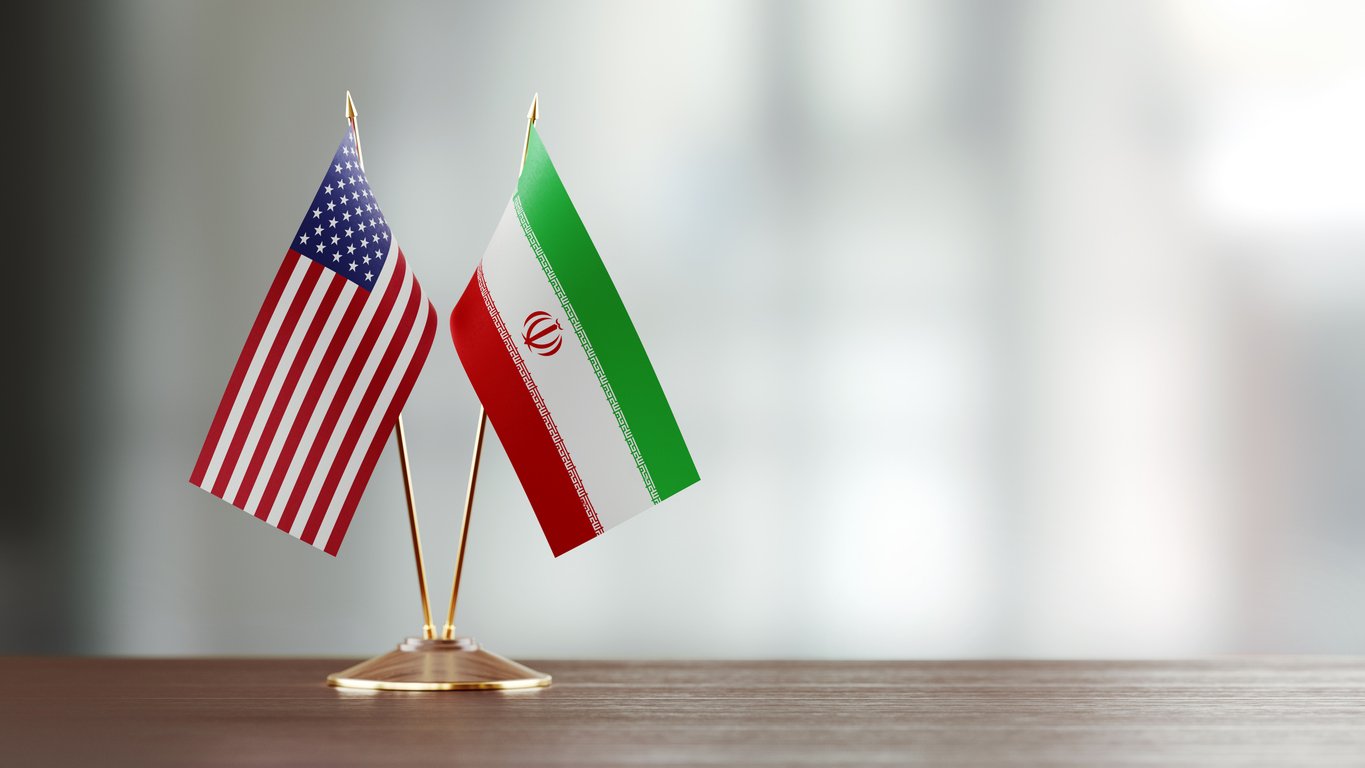
Adding to the regional complexity, indirect talks between U.S. and Iranian officials have resumed, aiming to develop a framework to prevent Iran from acquiring nuclear weapons while allowing peaceful nuclear development. Netanyahu, however, reiterated in his speech that Israel remains committed to countering Iranian nuclear ambitions.

As the war drags on, the cost continues to mount: more than 51,000 Palestinians have lost their lives since the conflict began after Hamas’ October 7 attack on southern Israel. In that initial assault, 1,200 Israelis were killed and 251 hostages were taken, triggering a war that shows little sign of ending.

The growing bloodshed, combined with the impasse over hostages and ceasefire terms, has deepened despair on both sides, leaving civilians in Gaza and families of the Israeli captives trapped in a cycle of fear and uncertainty.

Over 19,500 Afghans deported from Pakistan this month

The dusty border between Pakistan and Afghanistan has become a scene of heartbreak and uncertainty as thousands of Afghan families, many of whom have known no home but Pakistan, are being forcibly uprooted. Figures for Afghans deported this month alone cross 19,500, part of a staggering exodus expected to swell to two million in the coming months.

At the Torkham crossing, exhausted families trudge through separate gates under the watch of armed guards. Some carry little more than the clothes on their backs, and their belongings are left behind under strict border restrictions. Among them is Sayed Rahman, a second-generation refugee who has never set foot in Afghanistan. “I was born here, married here—where do I go now?” he asks, his voice breaking.

For many, the forced return is not just a logistical nightmare but a devastating blow to their futures. Saleh, a father of three daughters, fears the Taliban’s ban on girls’ education will shatter his children’s dreams. “They studied in Punjab—now what? Their years of learning mean nothing?” he says, clutching his daughters’ schoolbooks.

The Taliban’s refugee officials admit the influx is straining Afghanistan’s crippled economy and war-torn infrastructure. “Homes are gone, jobs are scarce—how will they survive?” says Bakht Jamal Gohar, overseeing the chaotic arrivals. Returnees receive minimal aid—about £41 to £104—before being dispatched to unfamiliar provinces, some carried on stretchers or makeshift beds.

Pakistan defends the crackdown, citing security risks and overwhelmed public services. But for those like an elderly man shielding his grandchildren from the scorching sun, the explanation rings hollow. “We begged to stay,” he whispers. “Now we’ll never return—not after this betrayal.”

As the April 30 deadline looms, the UN warns of a humanitarian catastrophe. 

Also, see:

Windscreen Prices in Islamabad and Rawalpindi Surge After Destructive Hailstorm 2025

Windscreen Prices in Islamabad and Rawalpindi Surge After Destructive Hailstorm 2025

In a dramatic turn of events, the recent hailstorm that struck Islamabad and Rawalpindi has led to a significant spike in windscreen prices across the twin cities. The storm, which occurred on April 15, 2025, left a trail of destruction, shattering windscreens and causing widespread damage to vehicles. As a result, car owners are now facing unexpected financial burdens due to the soaring costs of repairs and replacements.​

The Aftermath of the Hailstorm

The hailstorm unleashed heavy rain and large hailstones, causing extensive damage to vehicles parked outdoors. Reports indicate that numerous cars sustained broken windscreens, dented roofs, and shattered windows. The severity of the damage has overwhelmed local auto repair shops, leading to a surge in demand for windscreen replacements.​HUM News

Surge in Windscreen Prices

In the wake of the storm, windscreen prices in Islamabad and Rawalpindi have seen a substantial increase. Prior to the hailstorm, the cost of replacing a standard windscreen ranged between PKR 10,000 to PKR 12,000. However, in the current scenario, prices have escalated to approximately PKR 15,000 to PKR 18,000, depending on the vehicle model and the type of glass required.​

This price hike can be attributed to several factors:​

  • Increased Demand: The sudden surge in demand for windscreen replacements has outpaced the supply, leading to higher prices.​
  • Limited Availability of Parts: The high volume of damaged vehicles has strained the availability of replacement parts, further driving up costs.​HUM News
  • Labor Shortages: With an influx of repair requests, skilled labor has become scarce, leading to increased service charges.​

Impact on Vehicle Owners

The sharp rise in windscreen replacement costs has placed a financial strain on vehicle owners, many of whom were unprepared for such expenses. For instance, a resident of Sector G-9, Islamabad, shared that the cost of replacing the windscreen of his Toyota Corolla had increased by over 50% post-storm. Similarly, a Rawalpindi-based Suzuki WagonR owner reported a significant hike in repair costs, with estimates ranging from PKR 50,000 to PKR 90,000 for denting and painting services.​

These unexpected expenses have led to widespread dissatisfaction among car owners, many of whom are now seeking alternative solutions to mitigate costs.​

Local Repair Shops Respond

In response to the increased demand, several local repair shops in Islamabad and Rawalpindi are offering promotional discounts to attract customers. For example, Haseeb Windscreen Centre in Rawalpindi is providing competitive rates and home installation services, aiming to ease the burden on affected vehicle owners. Similarly, Madina Windscreen Centre and Punjab Windscreen Center are offering flexible payment plans and expedited services to accommodate the surge in repair requests.​

Looking Ahead

The aftermath of the hailstorm has highlighted the vulnerability of vehicle owners to unforeseen weather events. The significant increase in windscreen prices serves as a reminder of the importance of comprehensive vehicle insurance that covers natural calamities. As the repair industry grapples with the surge in demand, it is anticipated that prices may stabilize in the coming weeks as supply chains recover and the influx of repair requests diminishes.​

In the meantime, vehicle owners are advised to obtain multiple quotes from different repair shops, consider opting for dry denting services to preserve original paintwork, and explore insurance options to safeguard against future unforeseen events.​

The recent hailstorm has not only caused physical damage to vehicles but has also exposed the financial vulnerabilities of car owners in the face of natural disasters. It underscores the need for preparedness and proactive measures to mitigate the impact of such events in the future.

Punjab Issues Major Update on Early Summer Vacations Amid Heatwave

As the sweltering heatwave continues to grip India, the state of Punjab has issued a significant update regarding early summer vacations for students, in response to the rising temperatures. With many regions experiencing record-breaking heat levels, the state government has prioritized the safety and well-being of students by bringing forward the summer vacation schedule. The decision to advance the school holidays amid this intense heatwave has sparked a wave of reactions, both positive and negative, from students, parents, and educators alike. In this blog, we will delve into the reasons behind this move, its impact on the education system, and what it means for the future of academic scheduling in the region.

The Heatwave Crisis and Its Impact on Schools

The summer of 2025 has brought with it an unusually intense heatwave that has affected large parts of northern India, including Punjab. Temperatures in many cities have crossed 40°C (104°F), with some areas seeing peaks of up to 45°C (113°F), making outdoor activities extremely dangerous. Schools, which generally continue functioning until the end of May or early June, have become increasingly uncomfortable and unsafe for students due to the soaring temperatures.

The health risks associated with such extreme heat cannot be underestimated. Dehydration, heat exhaustion, and heatstroke are serious concerns, particularly for young children, the elderly, and those with pre-existing health conditions. These risks have prompted the Punjab Education Department to take swift action, issuing an order to bring forward the summer vacation period in a bid to safeguard the health of students.

Early Summer Vacations: The Official Announcement

In light of the heatwave, the Punjab government has officially announced that schools in the state will close earlier than usual for summer vacations. Starting from April 20, 2025, all government and private schools will begin their summer break. The duration of the vacation has also been extended compared to previous years, with students expected to resume classes around mid-June, instead of the usual July reopening.

This early break will allow students to stay indoors and avoid the scorching sun, providing them with some relief from the oppressive weather conditions. The government has emphasized that the decision has been taken after careful consideration of the health risks associated with extreme heat, as well as feedback from concerned parents, educators, and health professionals.

Why This Move Makes Sense

The decision to bring forward summer vacations is a proactive step in addressing the growing concerns related to heatwaves. During peak summer months, schools in Punjab often conduct classes under sweltering conditions due to a lack of proper cooling systems, especially in government-run schools. The unrelenting heat not only makes learning difficult but also increases the likelihood of heat-related illnesses among children.

By taking an early break, the government is mitigating these risks and prioritizing student health. Additionally, the move aligns with the current trend across many states in India, where authorities are adjusting school calendars in response to the intensifying effects of climate change, including rising temperatures.

Reactions from Parents and Educators

The Punjab announcement has been met with mixed reactions. Many parents have expressed relief, welcoming the decision to prioritize their children’s safety. For families with young children, the early vacation provides an opportunity to keep them at home during the hottest part of the year, avoiding the risk of sun exposure while commuting or being in classrooms without air conditioning.

Parents of younger children, particularly those in rural areas where access to cooling infrastructure is limited, have strongly supported the early vacation policy. “It’s a great move by the government. The temperatures are unbearable, and it’s better to let the children stay safe at home than risk their health in school,” said Amandeep Kaur, a mother of two school-going children in Ludhiana.

On the other hand, some educators and parents with older children have expressed concerns about the disruption this might cause to the academic schedule. With the academic year ending early, many schools may have to rush through the syllabus to complete required lessons, leaving little time for revision or extracurricular activities. Additionally, this may affect exam schedules and delay the academic cycle for many students.

Impact on Academic Calendar and Future Planning

While the decision to bring forward summer vacations offers short-term relief from the heat, it raises questions about the long-term implications for the academic calendar. Schools will need to plan carefully to ensure that academic progress is not hindered by the shorter school year. It may also result in adjustments to the timing of exams, particularly board exams for higher classes, and a reevaluation of the overall school timetable in the coming years.

Moreover for Punjab , this early vacation may prompt educational authorities to invest in better infrastructural solutions for schools, such as the installation of fans or air conditioning, to ensure that students can continue learning safely even during the peak summer months.

Conclusion: A Step Toward Adaptation

Punjab’s decision to issue an early update on summer vacations is a reflection of the growing need to adapt to the increasingly unpredictable weather patterns caused by climate change. With heatwaves becoming more frequent and intense, it is crucial for governments to rethink traditional school schedules and explore alternative ways to protect students’ well-being.

While the move has its challenges for Punjab , it demonstrates a commitment to prioritizing public health in the face of environmental extremes. As temperatures continue to rise, other states may look to Punjab’s decision as a model for adjusting school schedules in a way that ensures the safety and success of students. Ultimately, it serves as a reminder that when it comes to climate challenges, adaptability is key.

Serious Flour Shortage Crisis Looms Due to Government’s New Wheat Procurement Policy

A looming crisis is taking shape across the nation for Flour Shortage as a direct result of the government’s newly implemented wheat procurement policy. The policy, introduced with the aim of streamlining wheat procurement and ensuring better price control for farmers, is inadvertently creating a severe shortage of flour (atta) in the market. The impacts of this policy shift are being felt nationwide, with concerns rising over both price hikes and potential supply chain disruptions. Here, we explore the implications of this policy and what it means for the average consumer.

The New Wheat Procurement Policy: An Overview

The government’s new wheat procurement policy is designed to ensure that farmers receive a fair price for their crops and that the food security of the nation is maintained. Under the policy, wheat procurement through government-controlled agencies is being incentivized with increased support prices and streamlined purchasing methods. The idea behind this is to stabilize the income of farmers, encourage greater production, and reduce middlemen’s influence on the wheat market.

However, while the policy has noble objectives, it has led to unintended consequences in the supply chain, particularly for flour mills that rely on a steady and predictable supply of wheat. As the government steps up its procurement efforts, the supply of wheat available for milling is shrinking. This has created a ripple effect, disrupting the delicate balance of flour production, distribution, and consumption in the country.

Disruption of Wheat Supply for Flour Mills

Wheat procurement is one of the key sources of raw material for flour mills. The policy change has meant that more and more wheat is being diverted to government stockpiles rather than being made available to private sector flour mills. This restricted supply has created a situation where many mills are now struggling to secure enough wheat to meet the demands of the domestic flour market.

In some regions, flour mills are reporting severe shortages, which is further compounded by logistical bottlenecks. These logistical issues, combined with restricted access to wheat, are pushing up the price of flour, affecting not only consumers but also businesses in industries that rely heavily on flour, such as bakeries, confectioneries, and food processing units.

Rising Flour Prices and Impact on Consumers

The immediate effect of the wheat supply shortage has been a sharp rise in flour prices. Over the past few weeks, the price of flour has seen a steady climb, making it more expensive for households to purchase. With food inflation already a concern for many, the increased cost of flour places additional strain on the budget of the average family.

The ripple effect extends beyond households to the broader food industry. Restaurants, street vendors, and small businesses that rely on flour-based products like bread, cakes, and pastries are being forced to either absorb the increased costs or pass them on to consumers. This has the potential to disrupt the entire food supply chain, leading to higher prices for food items, reduced profit margins for businesses, and even job losses in sectors where margins are already tight.

Farmer’s Concerns: Limited Profits and Price Volatility

While the new policy aims to ensure that farmers are paid a fair price for their wheat, there is a growing concern about its long-term effects. The higher support prices offered by the government may initially seem like a good thing, but in reality, they may not be enough to compensate for the volatility created in the supply chain. Farmers may struggle to find stable markets for their wheat, especially when government procurement priorities overshadow private sector purchasing.

Additionally, the instability in the flour market caused by this shortage may ultimately reduce the demand for wheat, making it difficult for farmers to secure fair prices in the future. Moreover, there is also the risk of wastage, as excess wheat may end up being stored in government silos for extended periods, instead of being processed into flour and distributed.

A Path Forward: Balancing Procurement and Market Needs

The flour shortage crisis requires immediate attention and a reevaluation of the current procurement policy. One possible solution could involve better coordination between the government and flour mills to ensure a more equitable distribution of wheat stocks. A flexible approach that allows private sector players to access wheat without compromising the government’s ability to procure stocks for food security could help stabilize the market.

Furthermore, there is a need for a more robust and transparent system of wheat price regulation. By implementing safeguards to ensure that the wheat market remains open and competitive, the government can maintain a balance between supporting farmers and ensuring that mills have the necessary supplies to meet consumer demand.

Conclusion

The serious flour shortage looming over the country is a direct result of the government’s new wheat procurement policy, which, while well-intentioned, has disrupted the wheat supply chain. The rising prices of flour and the subsequent effects on businesses and consumers highlight the urgent need for policy adjustments to address this crisis. It is crucial for the government to find a balanced approach that takes into consideration both the needs of farmers and the vital role of private sector mills in ensuring a stable food supply. Without swift action, the consequences of this policy could ripple through the economy, further exacerbating the challenges faced by everyday consumers and businesses alike.

Safety First, Always: Discover the New Standards in Suzuki Alto

In the crowded ballet of city life — horns blaring, clutch legs cramping, and traffic crawling like molasses — there’s one unsung hero that turns the chaos into calm: automatic transmission.

And now, it’s finally within reach for the everyday Pakistani.

With the introduction of AGS (Auto Gear Shift) variants in the new Suzuki Alto lineup, Suzuki isn’t just catching up to the times — they’re pushing the future closer to those who were told it wasn’t for them. This isn’t a luxury sedan with leather seats and a price tag that makes your wallet weep. This is practicality. Scaled. Shared.

The VXR-AGS and VXL-AGS aren’t just product extensions — they’re gateways to relief. Relief from stalling in bumper-to-bumper traffic. Relief from constant clutching in city gridlocks. Relief from the age-old belief that automatic is only for the elite.

Let’s break the stereotype: automatic doesn’t mean lazy. It means optimized.
It means your focus stays on the road, not your left foot.
It means elderly drivers can move around more easily.
It means first-time drivers have one less thing to worry about.
It means that long commutes get a little less tiring.

Comfort, too, gets a notable upgrade. It might seem like a small thing, but the addition of power windows in both the front and rear across all variants feels like a much-needed nod to convenience. No more manual cranks in the backseat — it’s the kind of detail that shows Suzuki understands how their customers use their cars in real life.

Then there’s the design refresh. The VXL-AGS variant, in particular, now features turn indicators on the side mirrors and a back door garnish — subtle, yes, but effective. It brings a touch of modern styling to the Alto without trying to be something it’s not. It’s still practical, still efficient — just a bit more polished.

Deadline failures cost thousands their Hajj dreams — Pakistan private Hajj scheme 2025 numbers slashed

In a major shake-up for aspiring pilgrims, the Ministry of Religious Affairs announced a sharp cut in the Pakistan private Hajj scheme 2025, allowing only 23,620 participants under the private category. The announcement, made Thursday, underscores a drastic reduction compared to earlier expectations and sends a clear signal about tightening Saudi compliance requirements.

Initially, Pakistan had secured a generous total Hajj quota of 179,000 from Saudi Arabia, reserving 89,801 seats for private operators. However, due to widespread non-compliance with mandatory Saudi booking regulations—particularly the failure to arrange accommodation in Mina before the February 14 deadline—thousands of seats under the Pakistan private Hajj scheme 2025 were forfeited.

Private Sector Struggles: Pakistan Private Hajj Scheme 2025 Slashed

Out of the 89,801 available slots, only about 12,500 were successfully secured through Saudi Arabia’s official booking portal. When the portal abruptly closed, many private operators were left scrambling, having missed key deadlines despite early opportunities to transfer funds starting January 10. Ministry sources confirmed that multiple appeals for a deadline extension were denied by Saudi authorities, leaving the private sector with little room for recovery.

As a result, the Ministry of Religious Affairs formalized the new figure of 23,620 pilgrims under the Pakistan private Hajj scheme 2025. An updated list of approved Hajj Group Organizers (HGOs) has now been published both on the Ministry’s website (https://pvt-inquiry.hajjinfo.org) and via the Pak Hajj 2025 mobile application.

Pilgrims are strongly advised to verify their booking statuses and confirm their contracts through these platforms. Additionally, HGOs have been instructed to issue updated contracts and ensure visa processing is completed by April 18, 2025, aligning strictly with Saudi Arabia’s Ministry of Hajj and Umrah regulations.

For any concerns or clarifications, the Ministry has opened direct lines through its Monitoring Section (051-9218571, somonitoring@mora.gov.pk) and HGOs Section (051-9207519, sohgomora@gmail.com).

Also, see:

Imran Khan’s sisters caught in the latest political storm

Imran Khan’s sisters caught in the latest political storm

Tensions escalated once again outside Adiala Jail when Imran Khan’s sisters became central figures in a fresh crackdown. In a scene that drew swift reactions from party supporters, police detained a group of Pakistan Tehreek-e-Insaf (PTI) leaders, including the three sisters of the incarcerated party founder. Their presence on Adiala Road, just steps from a partially constructed plaza, sparked immediate action by authorities.

Imran Khan’s sisters, determined to seek a meeting with their brother, stood alongside notable PTI figures such as Opposition Leader Omar Ayub, legal heavyweight Niazullah Niazi, and former minister Zartaj Gul. They were joined by Sunni Ittehad Council head Sahibzada Hamid Raza and others. Before long, police moved in, rounding up the gathering and leading them into waiting vans, an operation that unfolded swiftly and without public explanation.

Crackdown at Adiala: Imran Khan’s Sisters Among Those Detained

Earlier signs of friction had already surfaced. Just days before, Imran Khan’s three sisters had faced similar treatment—detained briefly before being released. Today’s incident, however, suggests an escalation, with more senior PTI leaders swept up alongside family members. The sisters’ continued involvement reflects their rising visibility in political events, highlighting the personal stakes surrounding the former Prime Minister’s incarceration.

Witnesses report that the group had not attempted any overt acts of defiance. Their primary aim, sources say, was to peacefully press for a meeting with Imran Khan, who remains a pivotal figure for the embattled PTI movement even from behind bars. Yet the authorities responded with zero tolerance, underscoring the mounting pressure on the party ahead of crucial political developments.

As the news broke, footage circulated online showing Imran Khan’s sisters entering police vehicles, surrounded by a heavy security presence. PTI supporters quickly voiced outrage on social media, framing the arrests as a suppression of basic rights. Meanwhile, party insiders hinted that more coordinated actions were being planned in response, setting the stage for a potentially volatile political atmosphere in the coming days.

Also, see:

Hagia Sophia Prepares for Next Big Quake: A Landmark’s Seismic Reinforcement

Following US troubles and EU complaints, Temu now exposed for misleading marketing and poor service in Pakistan

Temu, the international shopping app known for its eye-catching discounts and relentless advertising, is facing increasing criticism in Pakistan. Already under scrutiny in the United States for allegedly product dumping and facing antitrust complaints in Europe, the company is now being called out by Pakistani consumers for misleading marketing, poor product quality, and a lack of basic customer service. What initially appears to be a convenient and affordable shopping experience is, for many users, becoming a source of financial loss and frustration.

A customer who placed an order before Eid shared just how broken the system can be. “My parcel was marked as delivered, but I never received it. I opened a ticket thinking it would be resolved, but Temu left me hanging. They took the courier’s word over mine – and the audacity of their delivery partner to mark the parcel as received under my name! No one at Temu investigated. I had to follow up repeatedly, and it took two days just to get a response. When I finally reached someone, they told me the parcel had been damaged—then they delivered the damaged item anyway. I requested a return, and they said it would be picked up… but no one ever came. Their return process is a joke.”

Stories like hers are becoming increasingly common. Pakistani users across social media platforms and online forums are sharing similar complaints. Many report receiving broken or incorrect items, experiencing long delays, and being ignored by customer support. The platform does not offer a helpline or access to live support agents. Instead, customers are directed to a local number, which frequently goes unanswered.

The problems Temu is facing in Pakistan mirror those emerging in its global operations. In Germany, several retailers have accused the company of controlling pricing structures across sellers, prompting an antitrust complaint. The allegations liken Temu’s practices to those of a hub-and-spoke cartel. Meanwhile, in the United States, consumer surveys show a significant drop in user engagement. The number of people who shop on Temu weekly has fallen by 19 percent compared to the previous year. Monthly and annual user engagement has also declined.

Industry analysts believe that the business model Temu relies on is beginning to falter. The company offers steep discounts and long-distance shipping, which can lead to delays and inconsistent product quality. Combined with increased tariffs and rising operational costs, Temu is now dealing with shrinking profit margins and falling consumer confidence.

In Pakistan, where many consumers are still building trust in online shopping, Temu’s approach has been especially damaging. Shoppers in the country expect a certain level of attentiveness and reliability. Local delivery services often follow up with confirmation calls, and established e-commerce platforms issue refunds or store credits when problems occur. Temu, in contrast, offers little to no support and often leaves users to navigate problems on their own.

Refunds and returns have proven particularly unreliable. Damaged or incorrect products are still being delivered, and refund requests are often left unresolved for weeks. There is no local infrastructure to process returns efficiently. The absence of a Cash on Delivery option adds to the problem. Many Pakistanis still prefer to pay after receiving their order. With Temu, customers are forced to pay upfront with a minimum order value of a staggering PKR 4,000 and have no meaningful recourse when something goes wrong.

The platform’s marketing tactics also contribute to the growing mistrust. Countdown timers reset endlessly to manufacture urgency. Original prices are inflated to make discounts look larger than they are. Offers of free gifts come with confusing or unrealistic conditions. These practices make the platform feel more deceptive than transparent.

Temu may continue to attract users with its low prices and aggressive promotions. However, the long-term risks for consumers are becoming increasingly apparent. In a market like Pakistan, where trust and accountability are essential, a platform that fails to deliver on its promises will struggle to retain loyal customers. Until Temu improves its operations, Pakistani shoppers may be better off choosing platforms that value service and reliability over superficial appeal.

Xiaomi Pad 7 Series: Unleash AI-Powered Productivity on a Flagship Display!

Lahore, Pakistan  – Xiaomi introduces Xiaomi Pad 7 Series, featuring Xiaomi Pad 7 Pro and Xiaomi Pad 7. These tablets redefine productivity and entertainment, catering to professionals and everyday users. Xiaomi Pad 7 Series is an AI-powered productivity tablet designed to empower users seeking efficient productivity and seamless multitasking. Both models share a striking 11.2-inch 3.2K crystal-clear display with a 3:2 aspect ratio, adaptive HDR, and TÜV Rheinland certifications for superior visual comfort. The display supports a refresh rate of up to 144Hz, ensuring smooth visuals for work and entertainment. With a high pixel density of 345 ppi, the display delivers razor-sharp text and vibrant images. Studio-grade color calibration ensures accurate and lifelike colors, while the wide color gamut supports 68 billion colors for enhanced realism. They’re also lightweight, weighing in at just 500g and 6.18mm thin.¹ Quad speakers with Dolby Atmos® provide immersive audio, while Xiaomi HyperOS 2 takes productivity to the next level with Xiaomi HyperAI and Xiaomi HyperConnect.

Xiaomi HyperAI boosts productivity with intelligent tools like AI Writing for text composition, AI Speech Recognition¹², and AI Art with Mi Canvas¹². Additionally, AI Calculator14 offers innovative problem-solving capabilities, leveraging AI to handle complex calculations easily. Empowered by Xiaomi HyperOS 2, Xiaomi HyperConnect offers a refreshed, intuitive experience, enabling effortless cross-device integration. Using NFC Sharing, you can easily access Xiaomi Share which allows instant file transfers and device pairing by simply tapping devices together, and Home screen+ 2.0 which lets you access up to 2 smartphone apps directly from Xiaomi Pad 7 Series. Combined cameras enhances presentations and creative workflows by allowing cameras of your smartphone and tablet to be activated simultaneously within an app. This functionality is perfect for delivering dynamic, multi-angle video content. Xiaomi Pad 7 Series also features workstation mode, transforming the tablet into a desktop-like interface, offering floating windows, adjustable app sizes, and effortless multitasking for professional-grade efficiency. Together, these features make Xiaomi Pad 7 Series a powerful tool for productivity and creativity.

Xiaomi Pad 7 Pro takes performance to the next level with the Snapdragon® 8s Gen 3 Mobile Platform, delivering seamless multitasking and efficiency. Its 32MP AON front camera and 50MP rear camera enable professional-grade photography and videography. Unique to Xiaomi Pad 7 Pro, Wi-Fi 7 ensures lightning-fast connectivity, and the side fingerprint sensor enhances security. The 8850mAh battery supports 67W HyperCharge, achieving a full charge in just 79 minutes. Its sleek aluminum unibody design blends durability with sophistication, making it the ultimate choice for professionals. Additionally, Xiaomi Pad 7 is designed for those seeking a balance of work and play. It comes with 13MP rear camera for high-quality photos and 8MP front camera for clear video calls and selfies. Powered by the Snapdragon® 7+ Gen 3 Mobile Platform, it delivers reliable performance for multitasking and entertainment. Xiaomi Pad 7 features Wi-Fi 6E for efficient connectivity and 45W turbo charging, ensuring a full charge in just over 103 minutes.

Both Xiaomi Pad 7 Pro and Xiaomi Pad 7 are complemented by a range of thoughtfully designed accessories that offer professionals and everyday users the tools to elevate their productivity and creativity. Xiaomi Pad 7 / 7 Pro Focus Keyboard enhances usability with backlit keys, adjustable angles, and a comfortable typing experience. Xiaomi Focus Pen,which now comes in a new white color option, offers ms-level low latency and 8192 pressure levels, making it the perfect tool for note-taking, sketching, and precision tasks. Protective Xiaomi Pad 7 / 7 Pro Cover provides durability and style, ensuring the devices remain secure and pristine during daily use.

Market Availability

Xiaomi PAD 7 & 7 Pro is available online at Mistore, Xiaomi Sale, Daraz & CoreCart. Xiaomi’s distributors are: Airlink, Tech Sirat, Phonezo, Coretech, Mobicell and Smartlink.

Xiaomi PAD 7 & 7 Pro are available in one variant each.

Xiaomi PAD 7 (8+256 GB) is PKR 124,999.

Xiaomi PAD 7 Pro ( 12+512 GB) is PKR 165,999.

Device Specifications

SpecificationsXiaomi PAD 7Xiaomi PAD 7 Pro
                       Size 11.2”11.2”
Rear Camera13 MP50 MP
Front Camera8MP, 105° FOV32MP always on camera new, 98° FOV
Battery8850 mAh(typ)8850 mAh (typ)
PerformanceSnapdragon 7 + Gen 3 newSnapdragon 8 Gen 3 new

About Xiaomi Corporation

 Xiaomi Corporation was founded in April 2010 and listed on the Main Board of the Hong Kong Stock Exchange on July 9, 2018 (1810. HK). Xiaomi is a consumer electronics and smart manufacturing company with smartphones and smart hardware connected by an IoT platform at its core.With an equal emphasis on innovation and quality, Xiaomi continuously pursues high-quality user experience and operational efficiency. The company relentlessly builds amazing products with honest prices to let everyone in the world enjoy a better life through innovative technology.

JUI-F Chief Decries KP’s Minerals Bill as Threat to Provincial Autonomy

Maulana Fazlur Rehman, the chief of Jamiat Ulema-e-Islam-Fazl (JUI-F), has strongly criticized the Khyber Pakhtunkhwa (KP) government’s proposed Mines and Minerals Bill, 2025, labeling it an infringement on the province’s constitutional rights and an overreach by federal authorities.

The bill, introduced on April 4, 2025, seeks to modernize the mining sector in KP by establishing new regulatory bodies and frameworks. Key provisions include the creation of a Mineral Investment Facilitation Authority (MIFA) and a provincial Mines and Mineral Force, aimed at streamlining operations and attracting investment. However, critics argue that the bill disproportionately favors large corporations and federal entities, sidelining local stakeholders and small-scale miners.

Maulana Fazl’s opposition stems from concerns that the bill undermines the autonomy granted to provinces under the 18th Amendment of Pakistan’s Constitution. He contends that the proposed legislation grants excessive control to federal institutions, thereby diminishing KP’s authority over its natural resources.

The JUI-F leader’s stance is consistent with his party’s long-standing advocacy for provincial autonomy. In previous statements, Maulana Fazl has emphasized that JUI-F’s manifesto includes strategies and steps for the country’s prosperity, with a strong belief in provincial autonomy as a guarantor for the country’s progress and prosperity.

The proposed bill has also faced criticism from other political parties and civil society groups. The Qaumi Watan Party (QWP) has expressed strong objections, describing the federal involvement in provincial mineral affairs as an erosion of the province’s authority over its resources. Additionally, the Minerals Association of Khyber Pakhtunkhwa has rejected the bill, citing a lack of consultation and transparency. Association leaders have called for the formation of a committee with representation from all stakeholders to develop a consensus on the proposed law.

In response to these concerns, the KP government has stated that the bill aims to modernize the mining sector, enhance regulatory frameworks, and attract investment. They argue that the proposed changes are necessary to ensure the sustainable development of the province’s mineral resources.

As the bill remains under consideration in the Provincial Assembly, the debate over its implications for provincial autonomy continues. JUI-F Maulana Fazl and other critics maintain that any legislation that diminishes KP’s control over its resources is unacceptable and contrary to the principles of federalism enshrined in Pakistan’s Constitution.