






Trump Intensifies Pressure on Harvard with Threats to Tax-Exempt Status

In a significant escalation of tensions between the Trump administration and Harvard University, President Donald Trump has threatened to revoke the institution’s tax-exempt status and federal funding. This move follows Harvard’s refusal to comply with federal demands related to its handling of campus protests and diversity initiatives.

Background of the Dispute

The conflict centers around Harvard’s response to pro-Palestinian protests on campus and its diversity, equity, and inclusion (DEI) programs. The Trump administration has accused the university of fostering an environment that promotes antisemitism and radical left ideologies. In response, Harvard has rejected federal demands to eliminate DEI initiatives, ban pro-Palestinian student groups, and allow audits for ideological diversity, citing concerns over academic freedom and constitutional rights.

Federal Actions Against Harvard

In retaliation for Harvard’s stance, the administration has taken several punitive actions. The Department of Homeland Security has canceled two grants totaling $2.7 million and is reviewing $9 billion in federal contracts and grants to the university. Additionally, the Internal Revenue Service is reportedly planning to revoke Harvard’s tax-exempt status, a decision that could have significant financial implications for the institution.

Wider Implications for Higher Education

Harvard is not the only institution facing scrutiny. The Trump administration has extended similar demands to other elite universities, including Columbia, Princeton, Brown, Cornell, and Northwestern. These actions are part of a broader campaign to influence university policies and curricula, particularly concerning issues of diversity and political expression.

Legal and Political Reactions

The administration’s actions have sparked widespread criticism. Former President Barack Obama condemned the move as a threat to academic freedom and constitutional rights. Legal experts argue that the government’s attempts to influence university policies through funding cuts and threats to tax-exempt status may violate the First Amendment protections of free speech and academic independence.

Conclusion

The escalating conflict between the Trump administration and Harvard University represents a pivotal moment in the ongoing debate over the role of government in regulating higher education. As the situation develops, it raises critical questions about the balance between federal authority and institutional autonomy in academic settings.

Hagia Sophia Prepares for Next Big Quake: A Landmark’s Seismic Reinforcement

Istanbul’s Hagia Sophia, a 1,500-year-old architectural marvel, is undergoing one of its most extensive restorations in history to safeguard it against future earthquakes. This initiative comes in the wake of the devastating 7.8 magnitude earthquake that struck southern Turkey in 2023, highlighting the seismic vulnerabilities of the region. The restoration aims to preserve the structural integrity of this UNESCO World Heritage site while maintaining its function as a mosque and a symbol of cultural heritage.

Seismic Reinforcement of the Domes

The primary focus of the current restoration phase is the reinforcement of Hagia Sophia’s iconic domes. Engineers are replacing deteriorated lead coverings, upgrading the steel framework, and implementing modern techniques to enhance the structure’s resilience to seismic activity. A tower crane has been installed on the eastern side of the building to facilitate these renovations. Dr. Mehmet Selim Okten, an engineer overseeing the project, emphasized the urgency of these measures due to Istanbul’s proximity to active fault lines .

Digital Twin: A Blueprint for Reconstruction

In addition to physical restoration, Turkish authorities have created a digital twin of Hagia Sophia. This high-resolution 3D model captures every detail of the building’s architecture, serving as both a permanent digital record and a contingency plan for potential reconstruction. Launched in 2022 by the Ministry of Culture and Tourism, the digital twin ensures that if the structure were ever compromised, it could be faithfully rebuilt using the comprehensive data collected .

Historical Context and Previous Restorations

Hagia Sophia has a rich history of restoration efforts. The most notable interventions include the 16th-century restoration by the renowned Ottoman architect Mimar Sinan and the 19th-century repairs by the Fossati brothers. These past efforts have contributed to the building’s resilience, but the current restoration is considered the third most extensive in its history, reflecting the evolving understanding of seismic risks and modern engineering capabilities .

Continued Accessibility During Restoration

Despite the ongoing restoration work, Hagia Sophia remains accessible to the public and worshippers. The Turkish government has ensured that the building’s operations continue without significant disruption, allowing visitors to experience its historical and spiritual significance while the necessary preservation work is carried out.

Broader Efforts in Istanbul

Hagia Sophia is part of a larger initiative to reinforce Istanbul’s historical buildings against earthquakes. Since the 1999 Izmit earthquake, over 500 historical structures in the city have undergone restoration to improve their seismic resilience. These efforts are coordinated by the General Directorate of Foundations and the Istanbul Metropolitan Municipality, employing modern engineering techniques to protect Istanbul’s rich cultural heritage .

Conclusion

The restoration of Hagia Sophia represents a critical step in preserving one of the world’s most significant cultural landmarks. Through a combination of structural reinforcement and digital preservation, Turkey is taking proactive measures to ensure that Hagia Sophia can withstand future seismic events. This comprehensive approach not only protects the building but also honors its historical and spiritual legacy for future generations.

U.S Signals Willingness on Trade Deal if China Acts First

In a significant development for global trade relations, the U.S has indicated its openness to revisiting a broader trade deal with China—on the condition that Beijing takes the first step in addressing longstanding concerns. This position reflects Washington’s cautious approach amid a complex backdrop of economic rivalry, strategic competition, and a growing need for global economic stability.

A Shift in Trade Diplomacy

The recent signaling from U.S. officials marks a subtle but notable shift in the Biden administration’s trade policy towards China. While maintaining a tough stance on issues such as intellectual property theft, market access barriers, and state subsidies, the administration has opened the door to renewed negotiations, provided China demonstrates concrete action.

Speaking at a recent trade forum, a senior U.S. trade representative stated, “We’re open to deeper engagement, including a potential deal, but the ball is in China’s court. We need to see credible steps before moving forward.” This comment underscores the current U.S. strategy: a blend of pressure and diplomacy designed to encourage Chinese compliance without compromising core American economic interests.

The History of the Trade Dispute

The U.S.-China trade relationship has been under strain for more than half a decade. Tensions escalated sharply during the Trump administration, which imposed tariffs on hundreds of billions of dollars’ worth of Chinese goods in response to what it called “unfair trade practices.” China retaliated with tariffs of its own, sparking a prolonged trade war that rattled global markets and disrupted supply chains.

In early 2020, both sides signed the “Phase One” trade agreement, in which China pledged to increase purchases of U.S. goods and address some intellectual property concerns. However, the deal’s implementation fell short of expectations, with China failing to meet its purchasing commitments amid the COVID-19 pandemic and other economic headwinds.

Since then, the Biden administration has taken a more measured approach, maintaining many of the tariffs but emphasizing alliances with like-minded countries and a focus on domestic industrial policy. Still, the door to engagement has remained ajar—especially in areas where cooperation could serve mutual interests.

Conditions for Progress

According to U.S. trade officials, future progress hinges on China making “tangible, verifiable” changes. These include eliminating discriminatory trade practices, ensuring better protection for foreign intellectual property, and reducing reliance on industrial subsidies that distort global markets. Washington is also pressing for greater transparency in how China sets regulatory policies and supports state-owned enterprises.

Trade experts suggest that Washington’s approach is designed to avoid the pitfalls of earlier agreements, which critics say lacked enforcement mechanisms and allowed China to delay or dilute its commitments.

“By insisting that China act first, the U.S. is trying to reset the negotiating dynamic,” said Dr. Laura Thompson, a senior fellow at the Center for Strategic and International Studies. “It’s a signal that Washington won’t enter talks just for the optics—there has to be substance.”

Beijing’s Response

So far, China has responded cautiously. While Chinese officials have expressed a desire for “constructive dialogue,” they have also pushed back against what they call “unreasonable demands.” In a statement from China’s Ministry of Commerce, Beijing reiterated its stance that mutual respect and equality must underpin any future negotiations.

Despite the diplomatic sparring, both sides are aware that a prolonged stalemate carries risks—not just for bilateral trade, but for global economic stability. The U.S. and China are the world’s two largest economies, and their trade policies ripple across industries, affecting everything from technology supply chains to agricultural exports.

Looking Ahead

With geopolitical tensions simmering and economic pressures mounting in both countries, the path to a new trade deal remains uncertain. Yet the latest U.S. signals suggest that the possibility is not off the table—provided China takes credible steps to address U.S. concerns.

For now, the world watches closely as the two powers navigate a complex trade landscape, hoping that renewed dialogue could lead to reduced tensions, fairer practices, and a more stable global economic environment.


K-Electric Seeks Relief Through Monthly Fuel Adjustment

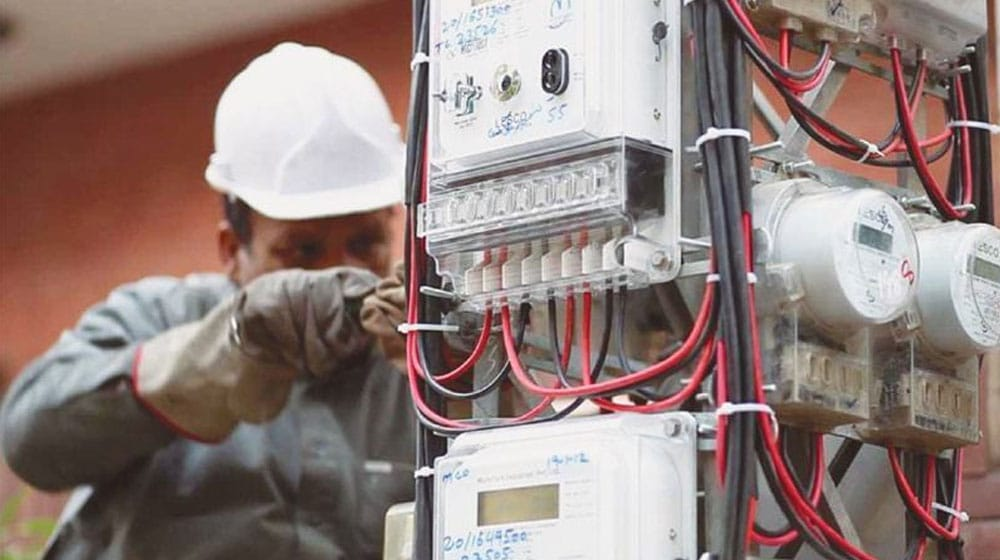
K-Electric (KE), the sole power utility responsible for electricity distribution in Karachi, has recently approached the National Electric Power Regulatory Authority (NEPRA) to seek relief under the mechanism of Monthly Fuel Cost Adjustments (FCA). The request comes as the utility continues to grapple with rising global fuel prices, increased generation costs, and an overall volatile energy landscape that has placed pressure on its financial stability.

Background of Fuel Cost Adjustment Mechanism

Fuel Cost Adjustments are a standard regulatory tool used in Pakistan’s power sector. This mechanism allows distribution companies to adjust electricity tariffs based on the actual changes in fuel prices used for electricity generation. The adjustments are made on a monthly basis, ensuring that consumers either pay more or less based on the fluctuations in international and local fuel markets. NEPRA reviews and approves these adjustments after a public hearing, which also serves as a platform for stakeholders and consumers to raise concerns.

K-Electric, like other power utilities in the country, relies heavily on imported fuels such as furnace oil, liquefied natural gas (LNG), and coal, in addition to electricity purchased from the national grid. With global commodity markets experiencing sharp volatility in recent years—partly due to geopolitical tensions, the aftershocks of the COVID-19 pandemic, and supply chain disruptions—the cost of power generation has escalated significantly.

Details of K-Electric’s Request

According to official filings and media reports, K-Electric has submitted its FCA petition for a particular month (typically with a lag of a month or two), seeking an upward adjustment in electricity tariffs to cover the gap between the reference fuel cost set by NEPRA and the actual fuel expenditure incurred during the billing period.

For instance, in a recent filing, KE sought an increase of Rs. 2.50 per kilowatt-hour (kWh) under the FCA mechanism, attributing the rise to higher LNG prices and the depreciation of the Pakistani rupee against the U.S. dollar. These factors significantly impacted the utility’s generation costs, particularly for power plants dependent on imported fuel.

The company emphasized that such adjustments are not part of its base tariff and are passed on to consumers temporarily for one billing cycle only. The adjustment mechanism helps maintain the financial viability of the utility while ensuring continued investment in infrastructure, maintenance, and service reliability.

Public and Regulatory Response

The proposed hike, however, has triggered concern among consumer rights groups and the general public, who are already burdened by inflation and rising living costs. Civil society representatives have urged NEPRA to closely scrutinize the details of KE’s petition and ensure that only justified expenses are passed on to consumers.

During the public hearing, NEPRA typically assesses the cost components submitted by the utility, verifies data, and listens to arguments from both the utility and consumer advocates before making a final decision. NEPRA has reiterated that its role is to ensure transparency and fairness while balancing the interests of consumers and utility providers.

The Broader Energy Sector Challenge

K-Electric’s plea for monthly fuel cost adjustments is symptomatic of the broader challenges facing Pakistan’s energy sector. The country continues to rely on expensive imported fuels, making its power sector highly susceptible to external shocks. Experts suggest that long-term solutions lie in diversifying energy sources, investing in renewable energy, and improving fuel procurement strategies to hedge against global price swings.

Furthermore, structural issues such as circular debt, inefficiencies in transmission and distribution, and delays in tariff rationalization continue to plague the sector. Until these challenges are addressed comprehensively, periodic FCA hikes may remain a reality for electricity consumers across the country.

Conclusion

K-Electric’s move to seek relief through monthly fuel adjustment underscores the pressing economic and operational realities faced by power utilities in Pakistan. While the FCA mechanism offers a legitimate pathway for cost recovery, it also highlights the urgent need for energy reforms that promote sustainability, affordability, and resilience in the country’s power supply system.

Government slashes more than 30,000 public sector jobs

In a bold move to streamline the public sector, the federal government has axed a staggering 30,968 jobs, with thousands more on the chopping block. The drastic cuts, confirmed during a Senate committee briefing, have already saved PKR 30 billion—but at what cost?

The hardest hit? Lower-grade employees. Over 7,300 Grade 1 jobs have vanished, with 4,200+ more set to disappear. But the axe didn’t spare top-tier roles either—senior positions in Grades 17-22 were also slashed, signaling a ruthless top-to-bottom purge.

Meanwhile, in a separate but equally contentious move, Prime Minister Shehbaz Sharif scrapped the decades-old “son quota”—a policy that once guaranteed jobs to family members of deceased government employees. The Supreme Court-backed decision has drawn mixed reactions, with critics calling it harsh on grieving families.

With 7,724 more jobs marked for elimination, uncertainty looms for public servants. Will this “rightsizing” drive boost efficiency, or trigger unrest in an already strained workforce?

Also, see:

Kisan Card Programme: Punjab Farmers Receive Historic Boost Under New Rs 15 Billion Wheat Support Plan

Kisan Card Programme: Punjab Farmers Receive Historic Boost Under New Rs 15 Billion Wheat Support Plan

In a sweeping move aimed at reshaping agricultural support in Punjab, Chief Minister Maryam Nawaz Sharif has rolled out a multi-pronged initiative worth Rs 15 billion, directly targeting wheat farmers through the Kisan Card programme. The policy, hailed as a landmark reform by the provincial government, offers a dynamic mix of financial aid, loan facilitation, and modern storage solutions.

What is Kisan Card Programme?

Breaking away from conventional subsidy frameworks, this initiative introduces direct cash transfers to farmers holding Kisan Cards, ensuring swift and transparent support during the crucial wheat season. Farmers will also benefit from a complete waiver of irrigation and fixed taxes this year, offering much-needed relief amid rising input costs.

One of the standout features of the plan is the implementation of the Electronic Warehouse Receipt (EWR) system. For the first time in Punjab, wheat growers can store their produce in certified warehouses and receive electronic receipts, which can then be used to secure loans worth up to 70% of their wheat’s market value—within just 24 hours. This system not only empowers farmers but also insulates them from volatile market forces and climatic uncertainties.

To further support wheat procurement, the provincial government will bear the markup on loans—up to Rs 100 billion—taken by flour mills and licensed grain buyers from the Bank of Punjab. A mandatory clause now requires these entities to procure at least 25% of their total storage capacity, ensuring consistent market demand.

Additionally, the government has pledged Rs 5 billion specifically for building and maintaining wheat storage infrastructure, lifting the longstanding ban on wheat and flour movement across district and provincial lines to streamline distribution and reduce bottlenecks.

Reflecting on the scale and vision of the initiative, CM Maryam Nawaz Sharif reaffirmed her commitment to farmers, calling them the backbone of Punjab’s economy. “This is not just policy—it’s partnership,” she said. “We will stand shoulder to shoulder with our farmers in every season.”

This bold package builds on the momentum of the Kisan Card Programme launched in late 2024, which already allows farmers to access seasonal loans of up to Rs 150,000 for essential agricultural inputs.

Also, see:

What should be an ideal diet for a cricketer?

Lt Gen (retd) Nigar Johar Appointed RCCI Brand Ambassador for Women Empowerment

In a significant development aimed at promoting gender equality and empowering women in Pakistan, the Chamber of Commerce and Industry (RCCI) has appointed Lieutenant General (retd) Nigar Johar as its brand ambassador for women empowerment. This appointment underscores RCCI’s commitment to fostering an inclusive environment where women can thrive in various sectors.

A Trailblazer in Pakistan’s Military History

Lieutenant General Nigar Johar made history as the first female officer in the Pakistan Army to achieve the rank of three-star general. Her illustrious career is marked by numerous milestones, including her tenure as the Surgeon General of the Pakistan Army and the Colonel Commandant of the Army Medical Corps. Her leadership and dedication have set a precedent for women in the armed forces and beyond.

Championing Women’s Rights and Opportunities

Throughout her career, Lt Gen Johar has been a staunch advocate for women’s rights and opportunities. Her appointment as RCCI’s brand ambassador is a testament to her unwavering commitment to advancing women’s roles in leadership, entrepreneurship, and societal development. By leveraging her influence, she aims to inspire and mentor women to break barriers and achieve their full potential.

RCCI’s Vision for Gender Inclusivity

The RCCI’s initiative to appoint a female brand ambassador aligns with its broader vision of creating a gender-inclusive business environment. The chamber recognizes the pivotal role women play in economic growth and is dedicated to implementing policies and programs that support women’s participation in commerce and industry.

Collaborative Efforts for Sustainable Change

Lt Gen Johar’s collaboration with RCCI signifies a strategic partnership aimed at implementing sustainable changes that benefit women across various sectors. Through workshops, mentorship programs, and advocacy, this alliance seeks to equip women with the tools and knowledge necessary to excel in their respective fields.

Looking Ahead

The partnership between Lt Gen Nigar Johar and RCCI marks a promising step towards a more equitable society. By combining military discipline with entrepreneurial spirit, this collaboration is poised to create lasting impact, empowering women to lead, innovate, and contribute significantly to Pakistan’s socio-economic development.

Karachi Bans Unauthorized Rickshaws on Major Roads to Address Traffic Chaos

To alleviate Karachi’s escalating traffic congestion and enhance road safety, the city authorities have implemented a phased ban on unauthorised Qingqi rickshaws operating on major thoroughfares. This initiative is part of a broader strategy to streamline urban mobility and reduce road accidents, which have become a significant concern for residents and commuters alike.

The Rationale Behind the Ban

The decision to restrict unauthorised rickshaws follows alarming statistics indicating a surge in traffic-related incidents. In the first quarter of 2025 alone, Karachi reported 207 fatalities and over 2,600 injuries due to road accidents. Qingqi rickshaws, often operating without proper registration and driven by unlicensed individuals, have been identified as a contributing factor to these incidents. Their erratic driving patterns and lack of adherence to traffic regulations exacerbate the already challenging traffic conditions in the city.

Phased Implementation of the Ban

The phased ban targets five key routes in Karachi, including II Chundrigar Road, Sharea Faisal, Khaliq uz Zaman Road, Sir Shah Suleman Road, and Rashid Minhas Road. These corridors are among the busiest in the city, and the presence of unauthorised rickshaws has been a significant impediment to smooth traffic flow. By restricting their access, authorities aim to reduce congestion and improve the overall driving experience for commuters.

Enforcement Challenges and Legal Hurdles

Despite the official ban, the effectiveness of the measure has been hindered by legal challenges. The Qingqi Rickshaw Association obtained a court injunction, allowing these vehicles to continue operating on city roads. This legal reprieve has led to confusion and inconsistency in enforcement, with some rickshaws still plying restricted routes. The authorities are currently navigating these legal complexities to ensure the ban’s full implementation.

Broader Traffic Reforms and Safety Measures

In conjunction with the rickshaw ban, Karachi’s traffic authorities have introduced several reforms aimed at improving road safety and discipline. These include mandatory helmet use for motorcyclists, stricter lane discipline, and the installation of GPS trackers and dashcams in vehicles to monitor compliance and gather evidence in case of accidents. Additionally, the city plans to deploy modern traffic monitoring systems, such as speed cameras and automatic number plate recognition technology, to detect and penalise violations effectively.

Public Response and Future Outlook

The public response to the rickshaw ban has been mixed. While many commuters welcome the move as a necessary step towards reducing traffic chaos, rickshaw drivers and their associations have expressed concerns over potential loss of livelihood. The authorities are engaging with stakeholders to address these concerns and explore alternative solutions that balance safety with economic considerations.

As Karachi continues to grapple with its traffic challenges, the success of this initiative will depend on effective enforcement, public cooperation, and ongoing dialogue between the government and affected communities. The phased ban on unauthorised rickshaws represents a critical step towards a safer and more organised urban transport system in Karachi.

Pakistan Considers US Oil Imports to Alleviate Trade Deficit

Pakistan, grappling with a persistent trade imbalance, is exploring unconventional strategies to stabilize its economy in Oil. Among these, the potential import of oil from the United States has emerged as a notable proposal. With a trade deficit exceeding $30 billion in recent years, driven largely by energy imports, Pakistan aims to reduce its reliance on traditional Middle Eastern suppliers and diversify its sources. This shift could not only lower costs but also strengthen economic ties with the U.S., offering a pathway to address the chronic trade imbalance.

The Burden of Oil Imports
Pakistan’s trade deficit is heavily influenced by its energy needs. The country spends approximately 12–15billionannuallyonoilimports,accountingfornearly3012–15billionannuallyonoilimports,accountingfornearly308 billion in early 2023—have intensified pressure to optimize import expenditures.

Why the U.S.?
The U.S., now one of the world’s top oil producers due to its shale boom, offers competitive pricing and stable supply chains. By importing American crude, Pakistan could leverage lower global oil prices and secure long-term contracts to hedge against market instability. Additionally, this move aligns with Islamabad’s broader strategy to diversify energy suppliers, enhancing energy security.

Economically, reduced import costs could directly alleviate the trade deficit. For instance, a 10–15% savings on oil imports could save Pakistan over $1 billion annually. Beyond cost, the shift holds geopolitical promise. Strengthening trade with the U.S. might unlock opportunities for Pakistani exports, such as textiles and agricultural goods, in the American market. A potential bilateral trade agreement could balance the import of U.S. oil with increased Pakistani exports, addressing the trade imbalance holistically.

Challenges and Considerations
However, transitioning to U.S. oil is not without hurdles. Logistically, transporting oil from the U.S. to Pakistan incurs higher shipping costs and longer lead times compared to Middle Eastern shipments. These factors could offset price advantages unless negotiated effectively.

Technical compatibility is another concern. Pakistan’s refineries are configured for heavier Middle Eastern crude, while U.S. shale oil is lighter. Retrofitting refineries or blending crudes would require investment, though this could modernize Pakistan’s energy infrastructure in the long term.

Geopolitically, shifting suppliers might strain relations with Gulf allies, who have historically provided financial aid and deferred payment options. Balancing old alliances with new partnerships will require deft diplomacy.

Broader Implications
The proposal also reflects Pakistan’s strategic balancing act between major powers. While China remains a key partner through initiatives like the China-Pakistan Economic Corridor (CPEC), engaging the U.S. in trade could diversify economic dependencies and attract investment. For the U.S., expanding into Pakistan’s energy market represents a foothold in South Asia, countering regional rivals and fostering economic ties.

Conclusion
Pakistan’s consideration of U.S. oil imports underscores a pragmatic approach to economic challenges. While logistical and technical obstacles exist, the potential benefits—cost savings, trade diversification, and strengthened U.S. relations—present a compelling case. Success hinges on strategic negotiations, infrastructure upgrades, and balanced diplomacy. If executed effectively, this move could mark a pivotal step toward stabilizing Pakistan’s economy and reducing its trade deficit, setting a precedent for innovative solutions in global trade dynamics.

Pakistani Artist Imran Qureshi’s Work Captivates Audiences in Dubai

Pakistani artist Imran Qureshi’s recent exhibition in Dubai has captivated audiences with its innovative fusion of traditional miniature painting and contemporary art. The exhibition, titled Vanishing Points, was held from April 13 to April 20, 2025, at Concrete, part of Alserkal Art Week. Curated by Nada Raza, the show featured a diverse array of new works, including photography, video, painting, and a site-specific installation.

A Fusion of Tradition and Modernity

Qureshi, a prominent figure in the Lahore school of contemporary Indo-Persian miniature painting, is renowned for reimagining classical forms. His work delves into the multiple temporalities of a city where Mughal and Sikh architectural backgrounds merge with a vibrant post-industrial present. Through his art, Qureshi challenges the conventional single-point perspective, offering viewers a multifaceted view of urban landscapes.

Themes of Violence and Hope

Central to Qureshi’s work is the exploration of themes such as violence, resilience, and hope. His art often juxtaposes contrasting elements to convey complex narratives. For instance, in a previous exhibition, Qureshi employed gold and red acrylic paint to symbolize the interplay between opulence and bloodshed, reflecting on the dualities inherent in human experience.

International Recognition

Qureshi’s contributions to the arts have garnered international acclaim. In 2013, he was named Deutsche Bank’s Artist of the Year, a recognition that led to a significant exhibition in Dubai. Additionally, in 2017, he received the Medal of Arts Award from the U.S. State Department, honoring his efforts in cultural diplomacy and his role in promoting cross-cultural understanding through art.

Engaging with the Local Context

In his installations, Qureshi engages deeply with the local context, transforming spaces to reflect cultural narratives. For example, his site-specific installation Deen O Duniya (The Sacred and the Earthly), developed for the Karachi Biennale in 2022, utilized neon and LED light structures to comment on the heavy embellishments of architectural facades during religious celebrations, highlighting the intersection of the sacred and the secular in public spaces.

Impact on Dubai’s Art Scene

Artist Qureshi’s exhibition in Dubai has further solidified his reputation as a leading contemporary artist. By blending traditional techniques with modern themes, he has introduced new perspectives to the global art community. His work not only showcases the rich heritage of South Asian art but also addresses universal themes that resonate with diverse audiences.

Conclusion

Artist Imran Qureshi’s Vanishing Points exhibition in Dubai exemplifies his mastery in merging traditional miniature painting with contemporary art forms. Through his innovative approach, Qureshi continues to challenge artistic boundaries and engage audiences worldwide in meaningful dialogues about culture, identity, and the human condition.

Lahore High Court Grills Police Over Viral Video of Shaved Detainees in Kasur

In a significant development, the Lahore High Court (LHC) has summoned senior police officials to explain the circumstances surrounding a viral video that depicts police detainees in Kasur with shaved heads. The footage, which surfaced on social media, has sparked public outrage and raised serious questions about the treatment of individuals in police custody.

The Viral Video and Public Outrage

The video in question shows several men with shaved heads, allegedly detainees, being paraded by police officers. The footage quickly gained widespread attention, sparking public outrage and raising questions about the methods employed by law enforcement agencies during arrests and detentions. The incident has ignited a broader conversation about police conduct and the treatment of individuals in custody.

Lahore High Court’s Intervention and Police Accountability

Responding to the incident, the Lahore High Court has taken swift action by summoning senior police officials to explain the circumstances surrounding the video. The court emphasized the importance of upholding the dignity and rights of individuals, particularly those in police custody. The judges questioned whether the actions depicted in the video adhered to legal and ethical standards.

Legal experts have pointed out that the treatment shown in the video may constitute a violation of constitutional rights, specifically the prohibition against degrading treatment. The Lahore High Court’s intervention underscores the judiciary’s commitment to ensuring accountability within law enforcement agencies.

Broader Implications for Police Practices

The incident has reignited discussions about the need for reforms in police practices and the implementation of safeguards to prevent the abuse of power. Advocates for human rights are calling for increased transparency and oversight in police operations to protect individuals from potential mistreatment.

As the Lahore High Court continues to investigate the matter, the case serves as a reminder of the ongoing challenges in balancing law enforcement objectives with the protection of fundamental human rights. The outcome of this case could set a precedent for how similar incidents are handled in the future, influencing public trust in the justice system and law enforcement agencies.

The viral video of shaved detainees in Kasur has brought to light serious concerns about police conduct and the treatment of individuals in custody. The Lahore High Court’s intervention signifies a commitment to upholding human rights and ensuring accountability within law enforcement agencies. As the investigation unfolds, it is hoped that this case will serve as a catalyst for meaningful reforms in police practices, promoting transparency, accountability, and respect for human dignity.

Xiaomi Introduces Redmi A5: Powerful Camera and Performance Upgrades Wrapped in a New Design!

Lahore, Pakistan –  15th April,  2025 – Xiaomi has unveiled Redmi A5, seamlessly blending an extensive array of generous upgrades that make advanced smartphone features accessible to a broader audience. With a refreshed design, a significantly improved camera, and a larger display, Redmi A5 transforms the essentials into an experience that feels effortlessly refined, crafted for those who value both practicality and aesthetics in their everyday smartphone.

Redmi A5 introduces a sleek new design, elevating its visual appeal with a stylish flat frame and an enhanced camera deco with an all-new metallic-feel surround. This smartphone comes in sophisticated color options, each evoking a distinct sense of character. Midnight Black¹ and Sandy Gold feature a matte, smudge-resistant finish that offers a timeless, understated elegance. Lake Green and Ocean Blue take inspiration from nature, their veined patterns reminiscent of ripples on a tranquil body of water. With its slim 8.26mm body, Redmi A5 balances modern elegance with a comfortable grip.

Complementing the display, Redmi A5 introduces a substantial leap in camera capabilities through its powerful 32MP AI dual camera, allowing users to capture moments with remarkable clarity. With a larger sensor that takes in 18% more light⁴ than the previous generation, night photography stands out with improved detail, delivering brighter, clearer shots in low-light settings. The camera keeps photos crisp and vivid even when confronted with challenging backlit settings. Turning to the front, the upgraded 8MP selfie camera delivers natural-looking portraits with fresh detail. At the same time, the soft-light ring, achieved from the display’s illumination, allows users to take well-lit selfies even in dim environments. Thanks to these thoughtful innovations, Redmi A5 makes capturing and preserving memories effortless, whether a scenic view or a fleeting moment.

Market Availability

Redmi A5 is now available online at Mistore, Xiaomi Sale, Daraz & CoreCart. Xiaomi’s distributors are: Airlink, Tech Sirat, Phonezo, Coretech, Mobicell and Smartlink.

Redmi A5 is available in 2 variants,  4+64 GB & 4+128 GB. Prices are 22,999 & 26,999 in their respective order.

Device Specifications

SpecificationsRedmi A5
Display 6.88” large screen display
Rear Camera32 MP
Front Camera8 MP
Battery5200mAh (typ)
PerformanceUNISOC T7250 processor
ColorMidnight Black, Lake Green, Ocean Blue & Sandy Gold

About Xiaomi Corporation

 Xiaomi Corporation was founded in April 2010 and listed on the Main Board of the Hong Kong Stock Exchange on July 9, 2018 (1810. HK). Xiaomi is a consumer electronics and smart manufacturing company with smartphones and smart hardware connected by an IoT platform at its core.With an equal emphasis on innovation and quality, Xiaomi continuously pursues high-quality user experience and operational efficiency. The company relentlessly builds amazing products with honest prices to let everyone in the world enjoy a better life through innovative technology.

KP Govt Releases White Paper on Contentious Mines and Minerals Bill 2025

The Khyber Pakhtunkhwa (KP) government has taken a significant step of White Paper to address mounting controversies surrounding the proposed Mines and Minerals Bill 2025 by releasing a comprehensive white paper. The document aims to clarify the provincial government’s vision for modernizing the region’s mining sector while responding to criticisms from opposition parties, environmental groups, and local communities. The bill, touted as a transformative framework for resource management, has sparked heated debates over its potential economic benefits versus socio-environmental risks.

Overview of the Mines and Minerals Bill 2025

The proposed legislation seeks to replace the outdated KP Mining Concession Rules 2005, introducing reforms to attract private investment, enhance transparency, and streamline regulatory processes. Key provisions include competitive bidding for mining licenses, stricter environmental safeguards, and mechanisms for revenue sharing with local communities. The government argues that the bill aligns with global best practices, aiming to unlock the province’s mineral wealth—valued at over $1 trillion—including reserves of copper, gold, limestone, and precious stones. By fostering public-private partnerships, the bill intends to boost job creation, increase provincial revenue, and reduce reliance on federal funds.

Contentious Provisions and Criticisms

Despite its ambitious goals, the bill has faced fierce opposition. Environmental activists warn that relaxed regulations could accelerate deforestation, water contamination, and habitat destruction, particularly in ecologically sensitive areas like Swat and Chitral. Civil society groups and local communities allege inadequate consultation, fearing the bill prioritizes corporate interests over indigenous rights. “The current draft lacks clear clauses ensuring free, prior, and informed consent from affected communities,” stated a representative of the KP Indigenous Rights Alliance.

Opposition parties have also criticized the perceived centralization of power, arguing that decision-making authority rests disproportionately with provincial authorities, sidelining local governments. Additionally, concerns about corruption and inequitable revenue distribution persist, with critics citing vague terms on profit-sharing and community development funds.

The White Paper’s Defense

The 50-page white paper, released by the KP Ministry of Minerals, directly addresses these concerns. It emphasizes the bill’s environmental safeguards, including mandatory environmental impact assessments (EIAs), reclamation bonds for mine restoration, and penalties for non-compliance. The document highlights plans to establish an independent regulatory body to oversee mining activities and resolve disputes.

On community engagement, the government asserts that the bill mandates consultations with local stakeholders before granting licenses and proposes allocating 15% of mining revenues to development projects in host districts. “This bill is a balanced approach to harness resources responsibly while safeguarding public interests,” said KP Minerals Minister Zahir Shah during the white paper’s launch.

Mixed Reactions from Stakeholders

Responses to the white paper have been polarized. Industry associations and chambers of commerce have welcomed the bill as a “long-overdue modernization” of KP’s mining framework. “Transparent licensing and investor incentives will position KP as a mining hub,” remarked a spokesperson for the Federation of Pakistani Chambers of Commerce.

However, opposition leaders and activists remain skeptical. Pakistan Tehreek-e-Insaf (PTI) member and environmental lawyer Afrasiab Khattak dismissed the white paper as “a public relations stunt,” demanding stricter enforcement mechanisms and community veto powers. Meanwhile, the KP Bar Council has threatened legal action, alleging constitutional overreach in resource governance.

Implications and the Road Ahead

The white paper’s release signals the government’s attempt to build consensus before tabling the bill in the provincial assembly. With KP’s mineral sector contributing less than 2% to its GDP despite vast reserves, the stakes are high. Analysts suggest that amendments addressing transparency and environmental accountability could mitigate opposition, but political tensions risk prolonging deliberations.

The Mines and Minerals Bill 2025 represents a pivotal moment for KP’s economic future. While the white paper addresses several criticisms, bridging the trust deficit between the government and stakeholders remains crucial. As debates intensify, the province faces a delicate balancing act: leveraging its natural resources for growth while ensuring equitable and sustainable outcomes for its people and environment. The coming months will determine whether this contentious legislation becomes a blueprint for progress or a missed opportunity.

Woman Fired for Leaving Work One Minute Early in China Wins Unfair Dismissal Case

In a landmark ruling, a Chinese court has deemed the dismissal of a woman who left work one minute early six times in a year as unfair. The court’s decision highlights the importance of proportionality in disciplinary actions and underscores the rights of employees in China.​

Background of the Case

The woman, employed at a company in China, was terminated after management cited her repeated early departures as a violation of company policy. According to the company’s employee handbook, leaving work early six or more times in a year constituted a serious breach, warranting dismissal. The woman had left work one minute early on six separate occasions over the span of a year.​

Legal Proceedings and Court’s Ruling

Challenging her dismissal, the woman filed a lawsuit, arguing that the punishment was disproportionate to the alleged infractions. The court agreed, stating that the company had failed to demonstrate that her actions caused significant harm or disruption. The judge emphasized that minor infractions should not lead to severe penalties, especially when the employee’s overall performance and conduct have been satisfactory.​

Implications for Employment Practices in China

This case sets a precedent for how minor infractions should be handled in the workplace. It serves as a reminder to employers in China to ensure that their disciplinary actions are fair, transparent, and proportionate to the offense committed. The ruling also empowers employees to challenge unjust dismissals and seek legal recourse when their rights are violated.​

Conclusion

The court’s decision in this case underscores the necessity for balanced and reasonable employment practices. It reinforces the principle that employees should not be subjected to harsh penalties for minor infractions, especially when they have demonstrated consistent performance and conduct. This ruling is a significant step toward ensuring fair treatment of workers and upholding their rights within the Chinese legal framework.​

Indian Fugitive Accused in Nearly $2 Billion Bank Fraud Arrested in Belgium

In a significant development, Mehul Choksi, a prominent Indian diamond jeweler, was arrested on April 12, 2025, in Antwerp, Belgium. Choksi is accused of orchestrating a massive $1.8 billion fraud involving Punjab National Bank (PNB), one of India’s largest state-run banks. His arrest follows years of evasion after fleeing India in 2018.​ Wikipedia

Background of the Alleged Fraud

Choksi, along with his nephew Nirav Modi, allegedly exploited PNB’s internal systems to secure fraudulent Letters of Undertaking (LoUs). These LoUs were used to obtain overseas buyer’s credit, facilitating the import of diamonds and other precious stones. The funds obtained were purportedly diverted for personal luxuries and international investments. The scam came to light in early 2018, leading to a nationwide investigation.​

The Fugitives: Choksi and Modi

After the fraud was uncovered, both Choksi and Modi fled India. Choksi sought citizenship in Antigua and Barbuda under the country’s Citizenship by Investment program, while Modi relocated to the United Kingdom. In 2019, Modi was arrested in London and has since been in custody, awaiting extradition to India. Choksi, however, managed to evade capture until his recent arrest in Belgium.​

Legal Proceedings and Extradition Efforts

Following Choksi’s arrest, Indian authorities have initiated extradition proceedings. Choksi’s legal representative, Vijay Aggarwal, has indicated plans to appeal the arrest, citing concerns over his client’s health and the conditions in Indian prisons. Choksi is reportedly undergoing cancer treatment and has been described as a low flight risk.​

Broader Implications

The arrest of Choksi is a significant development in the ongoing efforts to bring financial fugitives to justice. The case has drawn international attention to the challenges of cross-border financial crimes and the complexities involved in extradition processes. It also underscores the importance of robust banking systems and regulatory frameworks to prevent such large-scale frauds.​

Conclusion

Mehul Choksi’s arrest in Belgium marks a pivotal moment in one of India’s most high-profile financial fraud cases. As legal proceedings unfold, the case is likely to have far-reaching implications for international financial regulations and the enforcement of justice in cross-border financial crimes.

Former Malaysian Prime Minister Abdullah Ahmad Badawi Dies At Big age 85

Tun Abdullah Ahmad Badawi, Malaysia’s fifth Prime Minister, passed away on April 14, 2025, at the age of 85. Affectionately known as “Pak Lah,” he died at the National Heart Institute (Institut Jantung Negara) in Kuala Lumpur due to multi-organ failure .​

Early Life and Political Rise

Born in 1939 in Penang, Abdullah began his career in civil service before entering politics. He served as Member of Parliament for Kepala Batas and held various ministerial positions, including Minister of Foreign Affairs and Deputy Prime Minister. In 2003, he succeeded Tun Dr. Mahathir Mohamad as Prime Minister .​

Tenure as Prime Minister

Abdullah’s tenure from 2003 to 2009 was marked by efforts to modernize Malaysia’s economy and governance. He promoted a moderate interpretation of Islam, focusing on economic and technological development. His administration launched an anti-corruption campaign and expanded political freedoms, leading to increased media freedom and space for dissent .​

In the 2004 general elections, Abdullah’s Barisan Nasional coalition won a significant victory. However, in the 2008 elections, the coalition suffered historic losses, leading to Abdullah’s resignation in 2009 .​

Health Decline and Final Years

In 2022, Abdullah’s son-in-law, Khairy Jamaluddin, revealed that Abdullah had been suffering from dementia and was no longer able to recognize family members or communicate effectively . His declining health kept him out of the public eye in his later years. In 2024, he was hospitalized for spontaneous pneumothorax .​

Legacy and Tributes

Abdullah’s legacy is characterized by his moderate approach to Islam, commitment to economic development, and efforts to enhance political freedoms. His tenure saw significant infrastructure development and a focus on education and technology. While his administration faced criticism for perceived inefficiencies and controversies, his contributions to Malaysia’s modernization are acknowledged.​

He is survived by his second wife, children, and grandchildren. His body will lie in state at the National Mosque on April 15, 2025, before being interred at the Heroes’ Mausoleum .​

Abdullah Ahmad Badawi’s passing marks the end of an era in Malaysian politics. His contributions to the nation’s development and his moderate leadership style have left an indelible mark on Malaysia’s political landscape.

Punjab Accuses Sindh of Drawing Excess Water: A Letter to IRSA

In a recent development that has reignited tensions between Pakistan’s provinces over water distribution, the Punjab government has formally accused Sindh of drawing more water than its allocated share from the Indus River system. This allegation, detailed in a letter to the Indus River System Authority (IRSA), underscores the ongoing challenges in managing the country’s vital water resources.

The Allegations

According to the Punjab Irrigation Department, between April 1 and May 20, 2024, Sindh reportedly drew 3.560 million acre-feet (MAF) of water, surpassing its allocated share of 2.773 MAF by approximately 20%. This discrepancy is particularly concerning given the current water scarcity affecting the region. The letter also highlights that on May 31, Sindh’s demand was 140,000 cusecs, while IRSA was releasing 190,000 cusecs, more than double Sindh’s actual share .

Punjab further contends that Sindh has underreported water measurements at its reservoirs, specifically at the Guddu Barrage. The province claims that Sindh’s reported water losses are significantly higher than those observed in Punjab, suggesting potential discrepancies in water loss assessments .

Historical Context

The dispute over water allocation between Punjab and Sindh is longstanding. The Water Apportionment Accord of 1991 was established to equitably distribute the Indus River’s waters among Pakistan’s four provinces. However, the implementation of this accord has been fraught with challenges, including disagreements over water measurements and accusations of misreporting by both provinces.

In 2017, Sindh’s Senior Minister for Food and Parliamentary Affairs, Nisar Ahmed Khuhro, accused WAPDA of diverting Sindh’s water share to other regions, a claim that Punjab has consistently denied . Similarly, in 2019, Punjab lodged a complaint with IRSA, alleging that Sindh had installed outdated discharge tables at Guddu Barrage, leading to inflated water loss reports .

IRSA’s Role and Response

IRSA, established in 1992, is tasked with regulating and monitoring the distribution of water among the provinces. In response to Punjab’s allegations, IRSA has initiated investigations into the reported discrepancies. The authority has emphasized the importance of accurate water measurements and has called for increased transparency in reporting to ensure fair distribution .

Implications for Water Management

The current dispute highlights the complexities involved in managing shared water resources. Accurate measurement and reporting are crucial to ensure that each province receives its fair share. The ongoing tensions also underscore the need for improved cooperation and transparency among the provinces to prevent conflicts and ensure the sustainable use of the Indus River system.

In conclusion, the letter from Punjab to IRSA accusing Sindh of drawing excess water serves as a reminder of the challenges Pakistan faces in managing its water resources. As climate change and population growth place increasing pressure on the Indus River system, it is imperative that all stakeholders work collaboratively to address these issues and ensure equitable and sustainable water distribution for all provinces.

Rising Transfer Fees for Cars, Motorcycles, and EVs

Governments worldwide are increasingly revising vehicle ownership costs to address fiscal needs and policy goals. Recently, several regions have announced hikes in transfer fees—the charges levied when ownership of a car, motorcycle, or electric vehicle (EV) is legally transferred. While framed as a revenue-generating measure, the move has sparked debates about its impact on consumers, the automotive market, and the transition to sustainable transport. Let’s unpack the implications of this policy shift.


Breaking Down the Fee Hike

Transfer fees, often overlooked in vehicle transactions, are one-time charges paid to update ownership records. The new rates vary by vehicle type:

  • Cars: Fees rose by 15–25%, depending on engine capacity. For example, transferring a 1,500cc sedan now costs 200,upfrom200,upfrom160.
  • Motorcycles: Smaller hikes (10–15%) aim to minimize impact on low-income riders, with fees climbing to 50–50–75.
  • EVs: Despite global pushes for electrification, EV transfer fees increased by 5–8%, a smaller but symbolic jump given their eco-friendly tag.

These adjustments reflect a tiered approach, balancing revenue goals with social and environmental priorities.


Why Increase Transfer Fees?

Governments cite three key reasons for the hike:

  1. Revenue Generation: Post-pandemic budget gaps and infrastructure projects (e.g., road repairs, EV charging networks) demand funding.
  2. Environmental Incentives: Smaller fee hikes for EVs signal support for green mobility, aligning with carbon neutrality goals.
  3. Curbing Speculative Trading: Higher fees may deter short-term resale of vehicles, stabilizing used markets.

Critics, however, argue the policy risks alienating middle- and low-income buyers already strained by inflation.


Impact on Consumers and the Automotive Market

For Consumers

  • Higher Transaction Costs: Buyers and sellers now face added expenses. Transferring a family car could cost 200–200–400 extra, discouraging frequent upgrades.
  • Used Market Slowdown: Pre-owned vehicle sales may dip as fees eat into affordability. A motorcycle priced at $1,000, for instance, incurs a 7.5% fee hike, pushing buyers toward informal (but risky) unregistered transfers.
  • EV Adoption Dilemma: While EV fees rose minimally, the increase still sends mixed signals. A 100feeona100feeona30,000 EV seems minor, but paired with reduced purchase subsidies in some regions, it could slow adoption.

For the Automotive Industry

  • New Vehicle Sales: Dealerships fear buyers may delay purchases due to higher ownership costs.
  • Shift to Shared Mobility: Ride-hailing and car-sharing services could gain traction as personal vehicle ownership becomes costlier.
  • EV Sector Strain: Automakers worry the fee hike, though modest, undermines efforts to position EVs as a budget-friendly alternative.

Challenges and Criticisms

The policy faces backlash for:

  • Regressive Impact: Motorcycles, often used by lower-income groups, saw fee hikes despite their role in essential mobility.
  • Administrative Burden: Manual transfer processes in developing regions remain slow and corruptible, raising questions about fee justification.
  • Environmental Trade-offs: If higher fees deter EV adoption, emissions reduction targets could stall.

The Path Forward: Balancing Equity and Sustainability

To mitigate negative outcomes, policymakers could:

  1. Exempt Low-Income Groups: Waive motorcycle fees or offer tiered rates based on income.
  2. Reinvest in Green Mobility: Allocate fee revenue to EV subsidies, charging infrastructure, or public transit upgrades.
  3. Streamline Processes: Digitize transfer systems to reduce delays and corruption, ensuring fees translate to better services.
  4. Phase-In Increases: Gradual hikes allow consumers and markets to adjust.

Conclusion

The rise in vehicle transfer fees is a double-edged sword. While it addresses fiscal shortfalls and subtly promotes EVs, it risks burdening consumers and stifling automotive market growth. Success hinges on transparent communication, targeted exemptions, and reinvestment in sustainable transport systems. As governments navigate post-pandemic recovery, policies like these must strike a delicate balance—raising revenues without derailing mobility access or climate progress.

Good News : PIA Resumes Direct Weekly Flights to Baku from April 20, 2025

In a significant development for travelers between Pakistan and Azerbaijan, Pakistan International Airlines (PIA) has resumed its direct weekly flights to Baku, the capital of Azerbaijan. This move is expected to bolster tourism, strengthen bilateral ties, and provide greater convenience for passengers.

Background

PIA initially launched direct flights to Baku from Karachi and Lahore in April 20, 2025. The airline operated two flights per week: one from Karachi’s Jinnah International Airport and another from Lahore’s Allama Iqbal International Airport. These flights aimed to cater to the growing demand from citizens of both countries, especially Pakistanis residing in Azerbaijan, and to promote tourism in Baku, which is renowned for its rich history and vibrant culture .

However, due to unforeseen circumstances, these flights were temporarily suspended. The recent resumption of these services marks a renewed commitment by PIA to enhance connectivity between the two nations.

Flight Details

The resumed flights will operate on a weekly basis, with one flight departing from Karachi and another from Lahore. The schedule is as follows:

  • Karachi to Baku: Departure from Jinnah International Airport at 5:00 PM, arriving at Heydar Aliyev International Airport at 8:30 PM.
  • Baku to Karachi: Departure from Baku at 10:30 PM, arriving in Karachi at 2:55 AM the following morning.
  • Lahore to Baku: Departure from Allama Iqbal International Airport at 10:00 AM, arriving in Baku at 12:25 PM.
  • Baku to Lahore: Departure from Baku at 2:30 PM, arriving in Lahore at 5:55 PM.

These flights are operated using PIA’s Airbus A320 aircraft, ensuring a comfortable and efficient journey for passengers .

Strategic Importance

The resumption of direct flights to Baku is strategically significant for several reasons:

  1. Enhanced Connectivity: Direct flights eliminate the need for layovers, reducing travel time and making it more convenient for passengers.
  2. Boost to Tourism: Baku has become a popular tourist destination, and direct flights will make it easier for travelers from Pakistan to explore the city.
  3. Strengthening Bilateral Relations: Improved air connectivity fosters stronger economic, cultural, and diplomatic ties between Pakistan and Azerbaijan.
  4. Support for the Pakistani Diaspora: The flights cater to the needs of Pakistanis residing in Azerbaijan, facilitating family visits and business travel.

Future Prospects

Looking ahead, PIA plans to expand its network further, with potential new routes to other destinations in Central Asia and beyond. The airline is also exploring the introduction of additional services to cater to the growing demand for international travel.

In conclusion, the resumption of direct weekly flights to Baku by PIA is a welcome development that promises to enhance travel options for passengers, promote tourism, and strengthen the relationship between Pakistan and Azerbaijan. Travelers can now enjoy a seamless journey to one of the most dynamic cities in the region.

Pakistan’s Exports to the US Surge by 10.4%: A Great Sign of Economic Resilience

Pakistan’s economy has taken a promising step forward, with recent data revealing a 10.4% year-over-year increase in exports to the United States. This growth, driven by strategic shifts and global market dynamics, highlights Pakistan’s potential to strengthen its foothold in one of the world’s largest consumer markets. Let’s explore the factors behind this surge, its economic implications, and the road ahead.

Export Figures: Breaking Down the Numbers

In the fiscal year 2022–23, Pakistan’s exports to the U.S. climbed to **5.8billion∗∗,upfrom5.8billion∗∗,upfrom5.2 billion the previous year. The U.S. remains Pakistan’s largest export destination, accounting for over 20% of its total exports. Key sectors fueling this growth include:

  • Textiles and Apparel: Contributing nearly 70% of exports, products like home textiles, denim, and knitwear dominate. Brands like Sapphire and Gul Ahmed have gained traction in the U.S. market.
  • Agricultural Goods: Basmati rice and mangoes saw increased demand, with rice exports alone hitting $1.3 billion in 2023.
  • Manufactured Goods: Surgical instruments from Sialkot and sports gear, including soccer balls, also posted steady growth.

Why the Sudden Spike?

Several factors explain this upward trend:

  1. Global Supply Chain Shifts: The U.S.-China trade war and pandemic-induced disruptions pushed American buyers to diversify sources. Pakistan capitalized on this by positioning itself as a competitive alternative.
  2. Government Initiatives: Pakistan’s Textile Policy 2020–25 and subsidized financing for exporters enhanced production capacity. The newly established Export-Import Bank (EXIM) also provided critical support.
  3. Currency Depreciation: The Pakistani rupee’s decline made exports more affordable globally, boosting demand.
  4. E-commerce Boom: U.S. consumers’ shift to online shopping during the pandemic increased orders for Pakistani textiles and home goods.

Economic Impact: A Welcome Relief

The export surge offers timely benefits for Pakistan’s struggling economy:

  • Foreign Exchange Reserves: The influx of dollars helps stabilize the rupee and narrows the current account deficit, which stood at $3.3 billion in FY2023.
  • Employment: The textile sector, employing 40% of Pakistan’s industrial workforce, has seen job creation, particularly for women in garment factories.
  • Sectoral Growth: Investments in value-added textiles (e.g., finished garments over raw cotton) are improving profit margins.

Challenges on the Horizon

Despite progress, Pakistan faces hurdles to sustain this growth:

  • Energy Costs: High electricity and gas prices erode competitiveness against rivals like Bangladesh and Vietnam.
  • Quality Compliance: Meeting U.S. standards for labor practices and environmental sustainability remains a challenge.
  • Market Diversification: Over-reliance on textiles and the U.S. market poses risks amid global economic uncertainty.

The Path Forward

To build on this momentum, Pakistan must:

  • Modernize Infrastructure: Upgrade manufacturing tech and adopt renewable energy to cut costs.
  • Diversify Exports: Promote IT services, pharmaceuticals, and handicrafts. IT exports to the U.S., though small, grew 15% in 2023.
  • Trade Diplomacy: Revive trade talks with the U.S., focusing on preferential agreements and reduced tariffs.

Conclusion

Pakistan’s 10.4% export growth to the U.S. underscores its untapped potential in global trade. While textiles remain the backbone, diversification and innovation are key to long-term success. By addressing structural challenges and leveraging geopolitical opportunities, Pakistan can transform this surge into sustained economic progress—proving that even amid crises, resilience and strategy can yield results.