






India Fires IMF Director in Bid to Block Release of $2.3 Billion to Pakistan

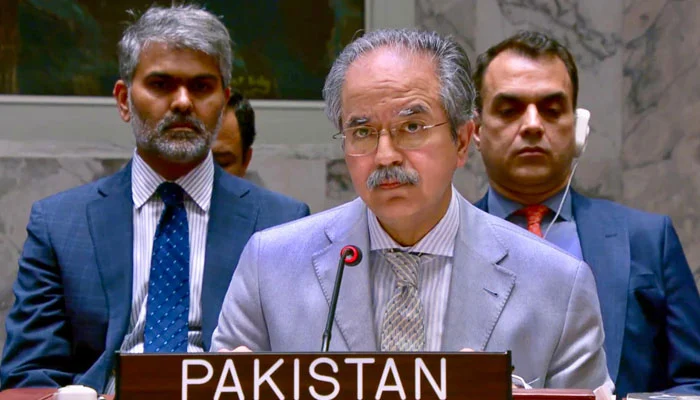
In a dramatic turn of events, India has reportedly pressured the International Monetary Fund (IMF) to dismiss one of its directors in an effort to block the release of a much-needed $2.3 billion bailout package to Pakistan. The move has sparked a heated debate over international financial politics, the role of the IMF, and the geopolitical tensions between two of South Asia’s largest nations. While India’s involvement in the IMF’s internal affairs raises questions about the independence of the global financial institution, the broader implications of this action could reshape future economic engagements in the region.

The Background of the IMF Bailout

In late 2022, Pakistan was facing an acute economic crisis, with rising inflation, a deteriorating foreign exchange reserve position, and an unsustainable fiscal deficit. To avert a default on its international debts, Pakistan turned to the IMF for assistance. After protracted negotiations, Pakistan and the IMF agreed on a financial package that would provide Pakistan with $2.3 billion to stabilize its economy, fund essential imports, and shore up its foreign exchange reserves.

However, the disbursement of the package became a subject of political contention. While Pakistan’s leadership emphasized the importance of the IMF loan to avert a financial collapse, regional geopolitical dynamics complicated the situation. Pakistan, as India’s neighbor and longstanding rival, has historically been the subject of India’s scrutiny in various international forums. New Delhi, which holds significant political influence within global institutions, used its diplomatic leverage to challenge Pakistan’s access to IMF resources.

The Role of the IMF Director

The IMF operates as an international financial institution designed to provide assistance to countries facing balance of payment problems or economic crises. However, it is not immune to political pressures. Each member country of the IMF has voting power based on its financial contributions, and countries with larger economies—like India—wield significant influence in shaping the organization’s policies and decisions.

The IMF director in question, who had been overseeing Pakistan’s financial package, was reportedly targeted by Indian authorities who expressed concerns about the fairness of the IMF’s dealings with Pakistan. According to multiple sources, India objected to the director’s favorable stance toward Pakistan’s request for the $2.3 billion bailout, citing Pakistan’s track record of financial mismanagement, its rising debt, and its inability to honor past commitments.

India’s objections intensified as the IMF prepared to release the bailout package, leading to a series of high-level diplomatic interventions. India’s influence within the IMF reportedly prompted the organization to reconsider the approval process, which eventually led to the dismissal of the director overseeing the deal. This drastic move has raised eyebrows about the degree of political interference in the IMF’s decision-making process, and whether the institution can maintain its independence in the face of intense geopolitical pressures.

Geopolitical Context and India’s Motivation

India’s motivation for blocking the release of the IMF funds to Pakistan can be understood within the broader context of regional politics and the longstanding rivalry between the two countries. India and Pakistan have had a tumultuous relationship, marked by historical conflicts, territorial disputes, and competing political ideologies. The rivalry has extended into economic spheres, where India has often used its influence to limit Pakistan’s access to global financial resources.

One of the main reasons India may have sought to block the IMF loan is the belief that such financial support could allow Pakistan to strengthen its economy, potentially improving its military capabilities and political leverage. By preventing the release of the IMF package, India could weaken Pakistan’s economic stability and further isolate it on the global stage.

Additionally, India’s actions may also be driven by a desire to highlight Pakistan’s financial mismanagement and its failure to meet international financial obligations. New Delhi has often criticized Islamabad for not doing enough to combat corruption, reduce its debt burden, and implement structural economic reforms. By blocking the IMF’s financial assistance, India aims to put pressure on Pakistan’s government to make deeper economic and political changes.

The IMF’s Response and Criticism

The IMF, known for its role in promoting financial stability and ensuring the economic well-being of its member countries, has faced criticism for succumbing to political pressures. While the institution has not officially commented on the allegations of Indian influence in the dismissal of the director, the incident raises questions about the IMF’s commitment to its mandate of impartiality and fairness in global financial decision-making.

Critics argue that the IMF’s independence is crucial to maintaining its credibility and trustworthiness as a neutral body dedicated to addressing the economic challenges faced by its member countries. If political considerations begin to outweigh economic realities, the institution’s effectiveness in providing objective financial assistance could be severely undermined.

Moreover, the IMF’s failure to shield its internal operations from external political pressures could set a dangerous precedent, where member states with significant political and economic influence might use the institution to settle geopolitical scores. This could erode the institution’s legitimacy and diminish its role as a trusted partner for countries in need of financial aid.

Pakistan’s Reaction

Pakistan’s leadership has condemned the actions of India, accusing New Delhi of interfering with Pakistan’s sovereign right to secure financial support from international organizations. Pakistan’s government has stated that it remains committed to implementing necessary economic reforms and that the IMF bailout is crucial to its efforts to stabilize the economy and avoid a default.

Pakistan’s Finance Minister, in a press statement, criticized the political maneuvering involved in the IMF’s decision-making process, emphasizing that the international community should support Pakistan’s development rather than allow geopolitical tensions to hinder financial assistance. The government has vowed to continue diplomatic efforts to ensure the release of the $2.3 billion loan, despite India’s attempts to block it.

Implications for the Region and Beyond

India’s actions may have far-reaching implications for the political and economic landscape of South Asia. First and foremost, the incident highlights the growing intertwining of finance and geopolitics, where economic aid and international financial resources are increasingly seen as tools in broader strategic power struggles. It also raises questions about the role of global institutions, like the IMF, in upholding neutrality and fairness amidst geopolitical rivalries.

For Pakistan, the denial of the IMF bailout would exacerbate its already precarious economic situation, potentially leading to a financial crisis. For India, the victory in blocking the loan could further destabilize Pakistan, but it could also reinforce the narrative that economic development in the region is often influenced by political rivalries.

In the larger context, the incident serves as a reminder of the challenges facing international institutions in maintaining their independence, especially when faced with intense political and diplomatic pressures. How the IMF navigates this issue will have implications not only for South Asia but also for its credibility in other regions grappling with political and economic crises.

Conclusion

The dismissal of an IMF director at India’s behest to block the release of $2.3 billion to Pakistan marks a new chapter in the intersection of global finance and geopolitics. While the incident underscores India’s growing influence in international financial institutions, it also raises important questions about the independence and impartiality of organizations like the IMF. The situation will likely continue to evolve, with significant implications for the economic stability of Pakistan, the power dynamics in South Asia, and the role of international financial organizations in a politically charged world.

DRAP Warns Against Use of Fake Injection for Blood Disorders

The Drug Regulatory Authority of Pakistan (DRAP) has issued a strong warning against the use of counterfeit injections for the treatment of blood disorders, following reports of such products circulating in the market. This alert comes amid growing concerns about the prevalence of fake or substandard medical products, which not only pose serious health risks but can also exacerbate medical conditions rather than treat them. As healthcare professionals and authorities work to combat this issue, the public is urged to be vigilant and cautious when seeking treatment for blood disorders.

The Growing Threat of Counterfeit Medical Products

The use of counterfeit medicines and medical products has been an ongoing problem worldwide, and Pakistan is no exception. In recent years, the country has witnessed a rise in the availability of fake or unapproved drugs, particularly in the black market. These counterfeit products, which can include everything from common painkillers to life-saving injections, are often manufactured and sold without the necessary regulatory oversight. As a result, they can contain incorrect, substandard, or harmful ingredients that may have dangerous effects on patients.

In the case of blood disorders, such as anemia, hemophilia, and thalassemia, certain injections are prescribed to help manage the condition. These injections typically contain essential components such as iron, clotting factors, or erythropoiesis-stimulating agents. However, counterfeit versions of these injections can contain harmful substances or incorrect dosages that not only fail to address the underlying health issue but may also lead to severe complications, including allergic reactions, infections, and even death.

DRAP’s Warning and the Public Health Concern

In a recent statement, DRAP emphasized that the fake injections circulating in the market for blood disorders are often sold at significantly lower prices than the authentic products, making them more attractive to those who cannot afford the legitimate treatments. However, DRAP has underscored that the apparent affordability of these counterfeit products comes at a significant health risk. The authority has called on healthcare providers, patients, and pharmacies to be extra cautious when sourcing medical products and to avoid purchasing medicines from unauthorized or unlicensed vendors.

DRAP has also warned that the sale of these fake injections is not just a public health issue, but also a legal one. Counterfeiting drugs is illegal under Pakistani law, and individuals involved in the manufacturing, distribution, or sale of such products could face severe penalties, including imprisonment and hefty fines. The regulatory body has pledged to intensify its efforts to identify and eliminate counterfeit drugs from the market through increased monitoring, raids, and cooperation with law enforcement agencies.

Identifying Fake Injections

One of the primary challenges in tackling the counterfeit drug issue is the difficulty in distinguishing fake medicines from legitimate ones. Many counterfeit injections are designed to closely mimic the appearance of the real product, with identical packaging, labeling, and branding. This makes it difficult for patients and even healthcare providers to detect fake products, especially when the counterfeit versions are distributed through illicit channels.

DRAP has advised that patients and healthcare providers take the following steps to avoid counterfeit injections:

  1. Purchase from Authorized Sources: Always buy medical products from licensed pharmacies or hospitals. Avoid purchasing from street vendors, online marketplaces, or unauthorized suppliers.
  2. Check for Authenticity: Genuine medications usually have distinct marks, holograms, or barcodes that can be verified through official channels. Patients can use these to confirm the authenticity of the injection.
  3. Consult a Healthcare Provider: Before taking any new treatment, consult a licensed doctor or pharmacist. They can guide you on the proper medication and where to obtain it.
  4. Report Suspicious Products: If you suspect that an injection is fake or counterfeit, report it immediately to DRAP or the local health authorities. Early detection is crucial to preventing further harm.
  5. Inspect Packaging and Expiry Dates: Authentic injections will always have clear, legible packaging with accurate information about manufacturing and expiry dates. Counterfeit products may have inconsistencies in packaging, spelling errors, or incorrect details.

Health Risks of Fake Injections

The dangers of counterfeit injections are not limited to ineffective treatment—they also pose severe health risks that can worsen the condition of the patient. For example:

  • Infections: Counterfeit injections may be prepared in unsanitary conditions, leading to bacterial contamination. This can result in infections at the injection site or more serious systemic infections.
  • Incorrect Dosages: Fake injections may contain the wrong concentration of active ingredients, which can lead to under-dosing or overdosing. This can cause inadequate treatment or harmful side effects.
  • Toxic Reactions: Some counterfeit drugs may contain toxic substances or harmful chemicals that can lead to allergic reactions, organ damage, or even death.
  • Delaying Proper Treatment: When a counterfeit injection fails to deliver the expected results, patients may be led to believe that their condition is beyond treatment or that the prescribed therapy is ineffective, causing delays in the administration of the proper, effective treatment.

Steps to Combat Counterfeit Drugs

While DRAP is working tirelessly to address the issue of counterfeit drugs, experts agree that a multi-pronged approach is needed to tackle the problem effectively. This includes:

  1. Strengthening the Regulatory Framework: DRAP and other regulatory bodies must continue to tighten regulations on the manufacturing, importation, and distribution of drugs in Pakistan. Stricter penalties for counterfeit drug dealers and enhanced monitoring are essential.
  2. Public Awareness Campaigns: There is a critical need to educate the public about the risks of counterfeit drugs. Awareness campaigns can help patients and healthcare providers identify fake products and understand the importance of sourcing medications from trustworthy sources.
  3. International Cooperation: Given the global nature of the counterfeit drug trade, Pakistan must collaborate with international organizations, such as the World Health Organization (WHO), to share information and combat the spread of fake medicines across borders.
  4. Use of Technology: Advancements in technology, such as serialization, digital tracking, and authentication systems, can help verify the authenticity of medicines in real-time and reduce the circulation of fake drugs.

Conclusion

The DRAP’s warning about counterfeit injections for blood disorders underscores a serious public health concern that cannot be ignored. Patients and healthcare professionals must remain vigilant in the fight against fake drugs, as these counterfeit products not only undermine treatment but also jeopardize lives. As DRAP continues to work towards eliminating substandard medications from the market, it is crucial for the public to be proactive in ensuring the authenticity of the medicines they use.

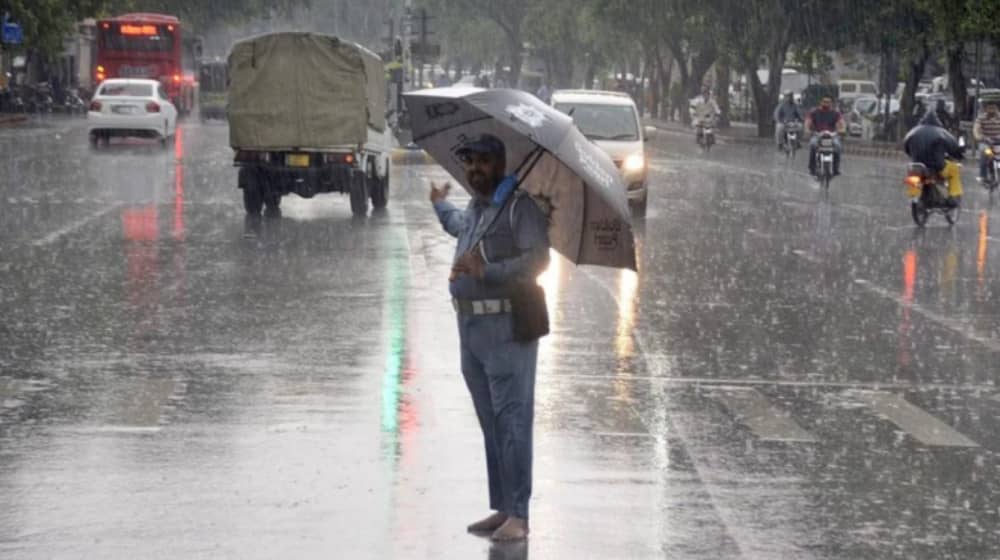
Strong Winds, Thunderstorm Rain Expected in Parts of Karachi: PMD

Karachi, the bustling metropolis and economic hub of Pakistan, Thunderstorm is bracing for a significant weather shift as the Pakistan Meteorological Department (PMD) has forecasted strong winds and thunderstorm rain in parts of the city over the next few days. This sudden change in weather has raised concerns among residents, with many wondering about the potential impact on daily life, infrastructure, and safety. The forecast has not only attracted attention due to the adverse weather conditions but also due to the increasing frequency of unpredictable weather patterns in the region.

The Forecast and its Impact

According to the PMD, the city of Karachi will experience a spell of strong winds accompanied by intermittent rainfall, with the possibility of thunderstorms in certain areas. These weather conditions are expected to intensify over the weekend, particularly in the coastal and inland parts of the city. The department also issued a warning to the public about the potential hazards associated with these conditions, including the risk of trees being uprooted, loose objects being carried by the wind, and the possibility of flash floods in low-lying areas.

Karachi’s residents are no strangers to sudden changes in weather, especially during the transitional seasons of summer and monsoon. However, the intensity of this particular weather system is noteworthy. Strong winds can disrupt outdoor activities, cause power outages, and potentially lead to accidents, while heavy rains can result in waterlogging and traffic congestion, which are common issues in many parts of the city. The PMD also cautioned motorists to drive carefully, as wet roads and limited visibility could pose serious risks.

Causes Behind the Weather Phenomenon

The strong winds and thunderstorms are being driven by a combination of factors, including the shifting pressure systems over the Arabian Sea and the movement of a low-pressure area from the interior regions of the country. The weather system is expected to intensify as it moves closer to Karachi, bringing with it a spell of unsettled weather.

Karachi’s location, being close to the Arabian Sea, plays a significant role in the occurrence of such weather patterns. The city is susceptible to the effects of cyclonic systems, monsoon winds, and coastal weather disturbances that can rapidly change conditions. These weather events are becoming more frequent, potentially due to climate change, which has led to more erratic and unpredictable weather patterns in the region.

Concerns About Infrastructure and Safety

The expected weather disturbance is raising serious concerns about Karachi’s preparedness to handle such extreme weather conditions. Despite being one of the largest cities in the country, Karachi’s infrastructure, particularly its drainage system, is often not equipped to deal with heavy rainfall. Waterlogging and flooding are common problems, especially in low-lying areas and older parts of the city where the drainage system is outdated or poorly maintained.

Moreover, strong winds can cause significant damage to poorly constructed buildings, electric poles, and trees. Karachi, like many other cities in Pakistan, has a significant number of informal or poorly built structures that are vulnerable to extreme weather conditions. This raises concerns about the safety of residents in areas that are particularly prone to these weather events.

The possibility of power outages is another pressing issue, as strong winds can bring down electric lines and disrupt power supplies. This is especially critical in a city like Karachi, where millions of people rely on electricity for daily activities, from businesses to household needs. The electricity supply is already under strain in many areas, and a storm could exacerbate the problem.

Preparedness and Precautions

In light of the forecasted weather conditions, the local government and emergency response teams have been urged to stay on high alert. The Karachi Metropolitan Corporation (KMC) and other relevant authorities are expected to deploy teams to clear any debris and ensure that the city’s drainage systems are functioning as efficiently as possible to prevent flooding. Residents in flood-prone areas have been advised to stay indoors during heavy rains and to avoid venturing into areas with standing water, which can be dangerous.

The PMD has also recommended that people stay informed about the latest weather updates and advisories. With the unpredictability of weather patterns, it’s crucial for Karachi’s residents to remain prepared and take necessary precautions to protect themselves and their properties.

In addition, the public has been urged to avoid unnecessary outdoor activities during the storm, especially near trees, billboards, and other structures that may be vulnerable to high winds. Those who need to travel should exercise caution on the roads and ensure that their vehicles are in good condition to handle wet and slippery conditions.

The Bigger Picture: Climate Change and Karachi’s Vulnerability

The increasing frequency of severe weather events like thunderstorms, heavy rain, and strong winds is becoming a growing concern for Karachi, as it reflects the broader implications of climate change. The city, with its rapid population growth, urban sprawl, and limited green spaces, is particularly vulnerable to such climatic shifts. The challenges posed by climate change—ranging from rising temperatures to more erratic weather patterns—are affecting cities around the world, and Karachi is no exception.

To mitigate the impacts of such extreme weather, Karachi needs to invest in long-term solutions like upgrading its drainage system, improving urban planning, and developing resilience strategies to cope with climate-related disasters. Public awareness and preparedness campaigns will also play a key role in minimizing the risks posed by unpredictable weather events.

Conclusion

As Karachi braces for strong winds and thunderstorm rain, the city faces the dual challenge of coping with immediate weather concerns while also preparing for a future where such events may become more frequent. The PMD’s forecast is a reminder of the city’s vulnerability to extreme weather and the urgent need for better infrastructure, disaster preparedness, and climate adaptation strategies. Residents must remain vigilant, take precautions, and stay informed to ensure their safety during this upcoming weather disturbance.

Leopard Sighting in Murree Sparks Fear in Nearby Villages

In recent days, a leopard sighting in the scenic hill station of Murree has sent shockwaves through nearby villages, sparking fear and concern among residents. The sighting, which occurred on the outskirts of Murree, has raised alarms about the safety of both locals and livestock in the region. As the news spreads, many are questioning how such a wild animal ended up so close to populated areas and what can be done to ensure the safety of the community.

The Incident

The leopard was first spotted by a local shepherd in the early hours of the morning, wandering through the dense forests near the popular hill station. Describing the creature as large and powerful, the shepherd quickly alerted the authorities, who dispatched a team of forest rangers to assess the situation. As the day progressed, reports of the leopard’s movements began to flood in from surrounding villages, as people claimed to have seen the animal lurking near farms and in the underbrush.

Leopards are not an uncommon sight in the mountainous areas of Pakistan, especially in regions like Murree, Abbottabad, and Nathia Gali. However, it is rare for them to venture so close to human settlements. This particular sighting has fueled widespread fear, as villagers worry about potential attacks on their livestock, and even the safety of their children and elderly residents.

Why Are Leopards Appearing in Human Habitats?

Leopards are typically solitary animals that thrive in dense forests, grasslands, and rugged terrains. They are known for their elusive nature and ability to adapt to various environments, including human-dominated landscapes. The recent sightings in Murree, however, may be a result of several factors.

Firstly, there has been a significant loss of habitat for wildlife in the region due to deforestation and urbanization. As human settlements expand, leopards and other wild animals are increasingly forced to move into areas where their natural habitats have been destroyed or fragmented. The rapid development of Murree as a tourist destination has also brought more construction activity to once remote and untouched areas, further displacing wildlife.

Secondly, there has been a decline in the prey population, such as deer, wild boars, and small mammals, in the areas surrounding Murree. Leopards, being opportunistic hunters, often move closer to human settlements in search of easier food sources. With fewer natural prey options available, the animal may have ventured into villages, attracted by livestock like goats, sheep, and even dogs.

Concerns Among Villagers

For the residents of the affected villages, the appearance of a leopard in their vicinity is deeply concerning. Livestock farming is a primary source of income for many families, and the threat of a predator attacking animals is not something that can be taken lightly. The sighting of a leopard near farmland raises fears of attacks on livestock, which could lead to significant financial losses.

In addition to the economic impact, there is also a growing concern about human safety. While leopards generally avoid humans, they are known to become more aggressive if they feel cornered or threatened. The fear of a leopard attack on children or the elderly has caused a state of anxiety among the residents. Villagers have begun to take precautions such as keeping their livestock inside pens at night, avoiding outdoor activities after dusk, and staying alert when venturing into nearby forests.

Measures Taken by Authorities

In response to the leopard sighting, local authorities, including the Forest Department and wildlife conservationists, have been working to ensure the safety of both the residents and the animal. A team of experts has been dispatched to the area to track the leopard and determine if it poses an ongoing threat. They are using traps and cameras to monitor the animal’s movements, and efforts are underway to relocate the leopard to a safer, more remote part of the forest where it can thrive without threatening human settlements.

Additionally, awareness campaigns are being launched to educate the villagers about how to stay safe and coexist with wildlife. Locals are being advised on how to protect their livestock and how to respond if they encounter a leopard in the wild. These measures are critical in ensuring that such human-wildlife conflicts are minimized in the future.

Conclusion

The sighting of a leopard in Murree has raised important questions about the relationship between humans and wildlife in rapidly developing areas. As urbanization encroaches upon natural habitats, wildlife is increasingly coming into contact with human populations, leading to conflicts. It is essential that local authorities, conservationists, and residents work together to strike a balance between development and wildlife conservation.

While the fear surrounding the leopard sighting in Murree is understandable, it is important to remember that these animals are an integral part of the ecosystem. Finding ways to coexist peacefully with them—through habitat preservation, awareness programs, and sustainable development—will be key to ensuring the safety of both humans and wildlife in the future.

North Bay Canada Invites Skilled Workers for PR Under RCIP 2025 Program

North Bay, one of Canada’s most welcoming rural communities, has officially launched the RCIP 2025 initiative. Through this employer-driven immigration pathway, skilled foreign workers across 25 high-demand occupations can now secure Permanent Residency (PR) quickly and directly.

This move strengthens North Bay’s economy while giving international professionals an exciting opportunity to settle and thrive in Canada.

25 High-Demand Jobs Now Open for Foreign Workers

North Bay’s RCIP 2025 targets multiple industries, offering jobs in healthcare, skilled trades, finance, education, and services. The eligible positions with their NOC codes are:

  • Accounting Technicians & Bookkeepers (12200)
  • Administrative Assistants (13110)
  • Aircraft Mechanics & Inspectors (72404)
  • Automotive Service Technicians & Mechanics (72410)
  • Banking & Financial Clerks (14201)
  • Carpenters (72310)
  • Construction Labourers (75110)
  • Corporate Sales Managers (60010)
  • Dental Assistants (33100)
  • Early Childhood Educators (42202)
  • Electricians (72200)
  • Elementary & Secondary School Assistants (43100)
  • Financial Auditors & Accountants (11100)
  • HVAC Mechanics (72402)
  • Home Support Workers & Caregivers (44101)
  • Hotel Front Desk Clerks (64314)
  • Human Resources Professionals (11200)
  • Machinists & Inspectors (72100)
  • Nurse Aides & Orderlies (33102)
  • Pharmacy Assistants (33103)
  • Registered Nurses & Psychiatric Nurses (31301)
  • Security Guards (64410)
  • Shippers & Receivers (14400)
  • Social & Community Service Workers (42201)
  • Welders & Machine Operators (72106)

Jobs in retail, fast food, gas stations, and convenience stores are not eligible under this program.

Sectors Offering PR Opportunities

The North Bay RCIP 2025 program covers essential sectors such as:

  • Healthcare
  • Skilled Trades and Transport
  • Administration and Finance
  • Education and Social Services
  • Service and Tourism

This wide industry inclusion ensures that professionals from various backgrounds can find a job that matches their expertise.

How to Apply for North Bay RCIP 2025

Candidates interested in applying must secure a valid job offer from a designated North Bay employer and meet the eligibility criteria. Successful applicants will gain Canadian Permanent Residency through a faster and more streamlined process.

North Bay offers not only career growth but also a vibrant community with a high standard of living.

For detailed information and application guidelines, visit the official North Bay Immigration portal.


Frequently Asked Questions (FAQ)

Q1: How do I apply for the North Bay RCIP 2025 Program?
A1: To apply, you need to first obtain a job offer from a designated employer in North Bay. Then, you must meet eligibility requirements and submit your application through the official immigration portal.

Q2: What jobs are eligible for North Bay’s RCIP 2025?
A2: There are 25 eligible occupations across healthcare, trades, education, finance, and services. Examples include registered nurses, electricians, accountants, and early childhood educators.

Q3: Can I apply if I work in retail or fast food?
A3: No, retail, fast food, gas station, and convenience store jobs are excluded from the RCIP 2025 program.

Q4: Is North Bay a good place for immigrants?
A4: Yes, North Bay offers a welcoming community, affordable living, excellent healthcare, and many opportunities for personal and professional growth.

Q5: When does the RCIP 2025 program close?
A5: The program remains open based on employer needs, but it is recommended to apply early due to limited quotas.

Influential billionaire investor Warren Buffett steps down as Berkshire Hathaway CEO

Warren Buffett, the legendary investor and longtime face of Berkshire Hathaway, announced a major transition during the company’s annual meeting. After six decades at the helm, the influential billionaire investor will step down as CEO at the end of the year, handing the leadership role to Vice Chairman Greg Abel.

Buffett, now 94, surprised even Abel with the announcement, stating it was time for the next generation of leadership. “I think the time has arrived where Greg should become the chief executive,” Buffett said. Despite the shift, he confirmed he has “zero” intention of selling any of his Berkshire stock.

Buffett’s decision marks the end of an era. Under his stewardship, Berkshire Hathaway transformed from a modest textile business into a trillion-dollar investment powerhouse with $300 billion in liquid assets. Revered for his long-term strategies and sharp market insight, the influential billionaire investor earned global respect, and the moniker “Oracle of Omaha.”

Influential Billionaire Investor Buffett Warns Against Weaponizing Trade

In a pointed aside during the meeting, Buffett also criticized America’s recent trade policies. Without naming former President Donald Trump directly, he cautioned against using tariffs as a tool for leverage. “Trade should not be a weapon,” the influential billionaire investor said, warning that such tactics can escalate tensions and weaken international trust.

Buffett stressed that global prosperity is not a zero-sum game. He argued that nations benefit more from collaboration than confrontation, noting, “The more prosperous the rest of the world becomes, the more prosperous we’ll become.” His comments echoed previous criticisms of tariffs, which he’s described as harmful taxes on consumers.

The timing of Buffett’s remarks comes amid fresh debate about US-China trade relations and economic nationalism. He emphasized that alienating global partners can have serious long-term consequences, especially when the world is watching.

Despite the heavy themes of leadership change and global economics, Berkshire Hathaway also reported a 14% dip in quarterly profits, posting $9.6 billion in earnings, or $4.47 per share.

Also, see:

Top 10 richest people in the world

India blocks Pakistani digital content, puts financial pressure on Pakistan after Pahalgam

India has launched a sweeping digital crackdown, as India blocks Pakistani digital content in the wake of the April 22 Pahalgam attack that killed 26 civilians. The move, framed as a national security measure, signals a significant shift in India’s information warfare tacticswhere narratives and visibility now matter as much as borders.

What began as a restriction on Pakistani Prime Minister Shehbaz Sharif’s YouTube channel has escalated into a digital purge affecting influencers, cricketers, celebrities, and even Olympic athletes. Indian users now see a blank wall of “Content unavailable due to national security” messages across platforms, reflecting a new, coordinated censorship model targeting cross-border influence.

Not Only Politicians but India Blocks Pakistani Digital Content, Including Cricketers

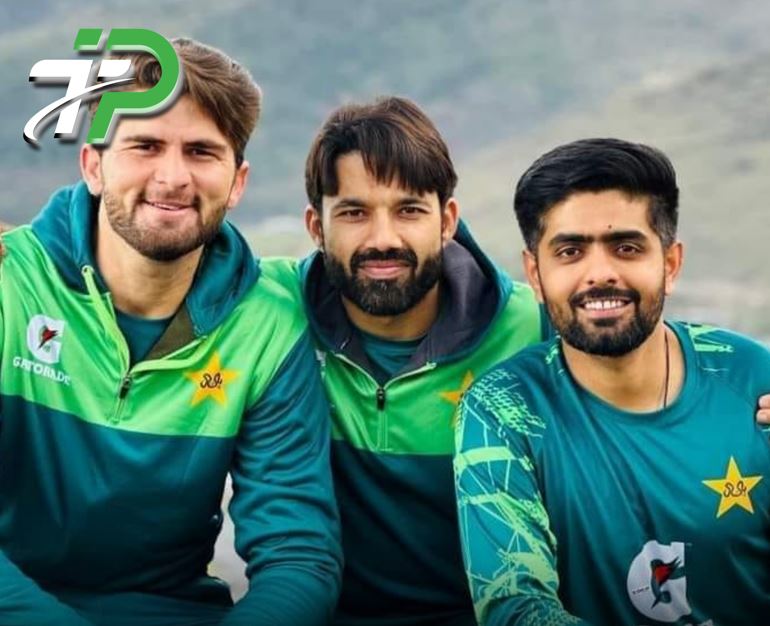
This time, it’s not just politicians under the lens. Instagram accounts of star cricketers Babar Azam, Shaheen Shah Afridi, Mohammad Rizwan, and Haris Rauf have vanished from Indian feeds. YouTube channels of cricket legends Shahid Afridi, Shoaib Akhtar, and Basit Ali are also geo-restricted.

It doesn’t end there. Fans of Pakistani entertainment have noticed the sudden disappearance of Mahira Khan, Hania Aamir, Fawad Khan, and Ali Zafar’s profiles. Even javelin silver medalist Arshad Nadeem found his Instagram presence blocked in India. The ongoing Pakistan Super League (PSL) has been dropped from Indian airwaves, with broadcasters Sony Sports Network and FanCode pulling coverage post-attack.

According to officials, the Ministry of Information and Broadcasting exercised emergency powers under the IT Act to “neutralize disinformation channels and digital threats.” India blocks Pakistani digital content not just for censorship’s sake, but as part of what insiders call “counter-digital diplomacy.”

India Eyes Global Financial Pressure on Pakistan

Beyond social platforms, New Delhi is now pushing multilateral agencies, especially the IMF, to reassess Pakistan’s financial support. After securing a $7 billion bailout and an additional $1.3 billion climate loan, Islamabad may now find its funding pipelines under closer scrutiny.

As India blocks Pakistani digital content across sectors, it sends a clear message: influence comes at a cost, and digital visibility is no longer guaranteed, even in the virtual world.

Also, see:

India Bans Pakistani Imports Amid Rising Border Tensions

India Bans Pakistani Imports Amid Rising Border Tensions

India has taken a firm stance in its latest move to safeguard national interests by imposing a sweeping restriction: India bans Pakistani imports, a decision that now affects all forms of trade, both direct and indirect, with its western neighbor. Prompted by the recent deadly attack in Pahalgam that left 26 civilians dead, including a tourist from Nepal, this policy shift is more than a routine trade decision. It reflects the deepening distrust between the two countries.

The announcement came through a newly added clause in the Foreign Trade Policy 2023, officially halting the entry of any Pakistani-origin goods. This includes even those items previously allowed under existing trade provisions. The India bans Pakistani imports order also applies to goods transiting through third-party nations. The Indian government cited national security and public interest as its primary reasons for implementing the ban.

India Bans Pakistani Imports After Baselessly Blaming Pakistan for Pahalgam Crisis

While the volume of trade between the two countries has remained negligible in recent years, falling below $0.5 million in imports, India had already discouraged Pakistani goods after the 2019 Pulwama attack by imposing a 200% duty. Most recent imports included non-essential items like figs, herbs, and pink salt.

Trade experts say that India bans Pakistani imports may be largely symbolic but could cut off already limited trade routes used by Pakistani businesses to reach Indian markets. According to Ajay Srivastava from GTRI, Pakistan may still attempt to reroute goods through third countries, though the impact will be minimal on India’s supply chain.

Beyond Trade: A Broader Diplomatic Breakdown

This import freeze is only one of several measures India has taken since the Pahalgam incident. Authorities have suspended all incoming mail and parcel services from Pakistan, cancelled visas for Pakistani nationals, and instructed current visitors to exit the country. The Indus Waters Treaty has also been suspended, signaling a deeper geopolitical rift. Moreover, Indian airspace is now off-limits to all aircraft operated by or leased to Pakistan until at least May 24.

The situation has escalated quickly, with Pakistan threatening to sever remaining bilateral agreements, including the historic Simla Accord. As diplomatic ties unravel, both nations now face one of the tensest standoffs in recent memory.

Also, see:

India’s famous intelligence agency RAW behind Pahalgam attack

UAE Secures Women’s ODI Status for the 2025–2029 ICC Cycle

The international landscape of women’s cricket is witnessing a new chapter as the United Arab Emirates (UAE) has officially secured One Day International (ODI) status for the 2025–2029 cycle. This significant update, effective from May 12, 2025, marks a pivotal moment for UAE women’s cricket, as they replace the United States of America (USA) among the 16 teams recognized by the International Cricket Council (ICC) with ODI status.

This achievement solidifies the UAE’s growing stature in the sport and highlights the progress of associate nations in the global cricket arena.

UAE’s Rise to ODI Status

The UAE earned this honor by being the next highest-ranked associate member in the ICC Women’s T20I rankings, currently positioned at 16th. Their consistent performance and strategic development have paved the way for inclusion among other elite teams holding ODI status.

The updated list of ODI-status teams now features five associate nations: Thailand, the Netherlands, Papua New Guinea (PNG), Scotland, and the UAE. This expansion underscores the ICC’s commitment to promoting the growth of women’s cricket worldwide.

USA’s Current Performance in Zimbabwe

While the UAE celebrates its new standing, the USA women’s cricket team is actively participating in a tour of Zimbabwe. Although they lost the T20I series 2-1, the USA began the ODI series with an impressive seven-wicket victory. The final match of the tour is scheduled for today and holds critical importance for the team’s future in international competitions.

Criteria for Retaining ODI Status

To either gain or maintain ODI status, associate teams must compete in at least eight ODIs during a three to four-year span. Teams like Thailand and Scotland secured their spots by participating in the recent ICC Women’s ODI World Cup Qualifiers held in Pakistan.

Scotland’s performance was particularly commendable. They finished fourth, overcoming higher-ranked teams such as the West Indies and Thailand. In contrast, Thailand struggled during the qualifiers, ending the tournament at the bottom of the rankings.

Meanwhile, Papua New Guinea (PNG) and the Netherlands managed to retain their ODI status based solely on their T20I rankings without participating in the qualifiers.

Broader Impact on Women’s Cricket

Pakistan and Bangladesh have already qualified for the upcoming ICC Women’s ODI World Cup scheduled to be hosted in India. The competition for global rankings remains fierce, with Australia holding the top spot with 299 points, closely followed by England with 279 points.

The addition of UAE to the roster of ODI-status teams reflects a positive trajectory for women’s cricket development in the Middle East and South Asia. It opens up more opportunities for competitive fixtures and further strengthens the sport’s international presence.

For more information on women’s cricket rankings and schedules, you can visit the ICC official website.

700 Teacher Jobs Announced Across Pakistan: Apply Now for 6 Subjects

The Federal Government Educational Institutions (Cantonments/Garrisons) Directorate (FGEI), operating under Pakistan’s Ministry of Defense, has announced 700 contract-based teaching positions. This exciting opportunity is open for Secondary School Teachers (SST) and Trained Graduate Teachers (TGT) across multiple regions of the country.

These roles are initially for a one-year term, with the possibility of extension based on institutional requirements and individual performance.

Available Teaching Positions

The announced vacancies include:

  • Secondary School Teacher (SST – BS-17)
    Total Posts: 300
    Male: 150 | Female: 150
  • Trained Graduate Teacher (TGT – BS-16)
    Total Posts: 400
    Male: 200 | Female: 200

Quota and Regional Distribution

The available seats have been fairly distributed among different quotas to ensure inclusivity:

  • Punjab
  • Sindh (Rural and Urban)
  • Khyber Pakhtunkhwa (KPK)
  • Gilgit Baltistan
  • Azad Jammu and Kashmir (AJK)
  • Ex-FATA
  • Minorities

Candidates from minority groups are especially encouraged to apply under the allocated quotas.

Educational Requirements

To qualify, applicants must meet the following criteria:

  • SST: Master’s Degree (16 years of education) from a Higher Education Commission (HEC) recognized university along with a B.Ed or an equivalent qualification. Alternatively, an M.A. in Educational Planning and Management (EPM) is also acceptable.
  • TGT: Bachelor’s Degree (14 years of education) in the relevant subject, coupled with a B.Ed or an equivalent qualification from a recognized institution.

Subject-Wise Breakdown for TGT Positions

The TGT vacancies are categorized across six subjects:

SubjectMaleFemale
English5656
Urdu2727
Mathematics3939
Physics3636
Chemistry2020
Biology2222

Age Limit and Relaxations

  • SST: 22–30 years (plus 5-year general age relaxation)
  • TGT: 20–28 years (plus 5-year general age relaxation)

Additional relaxations include:

  • 3 years for candidates from certain rural or underprivileged areas.
  • 10 years for persons with disabilities.
  • Up to 15 years for retired armed forces personnel.
  • 5 years for family members of deceased civil servants (if eligible).

How to Apply

Interested candidates must apply online through the official FGEI portal: Apply Here.

  • Deadline: May 19, 2025
  • No hard copy submissions will be entertained.
  • Ensure that all valid documents are uploaded before submission.

Selection and Posting Details

  • Shortlisted candidates will be invited for a written test conducted in major cities.
  • Roll number slips will be available for download from the application portal.
  • Successful candidates will proceed to interviews.
  • Final selection will depend on academic performance, written test results, and document verification.

Candidates can be posted anywhere across Pakistan. Please note that submission of fake documents or criminal records may lead to immediate disqualification or termination.

No TA/DA (Travel Allowance/Daily Allowance) will be provided for tests or interviews.

For any queries, applicants can reach out via:

For complete guidelines and advertisement details, visit the official website.

Fahad Mustafa Praises David Warner’s Leadership at Karachi Kings in PSL 2025

Warner Brings Fresh Perspective to Karachi Kings

Popular Pakistani actor Fahad Mustafa has expressed optimism for Karachi Kings’ chances in the Pakistan Super League (PSL 2025), crediting much of their recent success to Australian cricketer David Warner’s leadership.

During his appearance on ARY News’ widely-watched show Har Lamha Purjosh, Fahad explained that Warner’s neutral and unbiased approach is exactly what the team needed this season.

“David Warner, being an international player, comes without any local political baggage. He treats every team member fairly, which is uplifting the entire side,” Fahad shared.

Current Standing and Future Prospects

Karachi Kings are currently sitting at third place on the PSL 10 points table, having secured 6 points from 6 matches.

Their next big test will be against Multan Sultans on May 1, a match that could define their path to the playoffs. Fahad Mustafa and Karachi fans are confident that with Warner at the helm, the Kings have the potential to clinch their second PSL title.

Warner’s Influence: A Game Changer?

David Warner’s leadership style has impressed analysts too. With his experience from leading teams like Australia and the Sunrisers Hyderabad in the IPL, Warner brings a championship mentality that seems to be rubbing off on the squad.

The Karachi Kings’ dressing room appears more united, and players seem freer to perform without fear of favoritism or internal politics—an issue that previously plagued the team.

With a powerful batting lineup and a revitalized team spirit, Karachi Kings are poised for an exciting finish to PSL 2025.

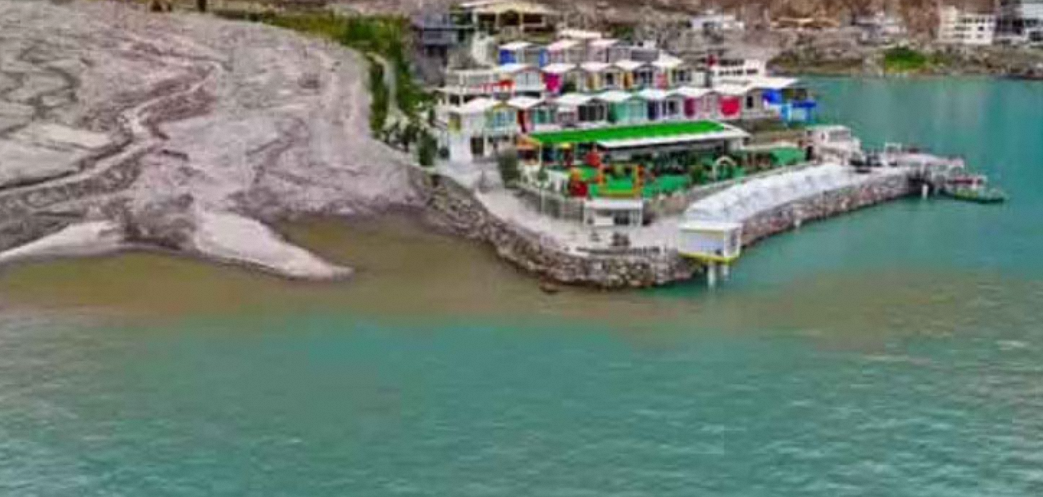
KP Government to Develop Tourism Facilities at Dams: A Step Towards Ecotourism and Recreation

The Khyber Pakhtunkhwa (KP) government is taking significant strides to promote ecotourism and enhance recreational facilities by developing tourism infrastructure at various dams across the province. This initiative aims to harness the natural beauty of these sites, boost local economies, and provide residents and tourists with accessible leisure destinations.


Objectives of the Initiative

The primary goals of developing tourism facilities at dams include:

  • Promoting Ecotourism: Leveraging the province’s natural landscapes to attract eco-conscious travelers.
  • Enhancing Recreational Options: Providing residents and visitors with modern amenities for leisure activities.
  • Economic Development: Stimulating local economies through tourism-related businesses and employment opportunities.
  • Conservation Efforts: Raising awareness about environmental preservation and sustainable practices.

Selected Dams for Development

The KP government has identified several dams for the development of tourism facilities:

  • Kundal Dam (Swabi): Situated along the Indus and Kabul Rivers, this dam serves as a vital irrigation source for approximately 13,340 acres of land. Plans include establishing boating facilities and eco-friendly accommodations.
  • Tanda Dam (Kohat): Covering 405 hectares with a water storage capacity of 65,000 acre-feet, Tanda Dam is recognized under the Ramsar Convention for its biodiversity. Development plans focus on creating picnic spots, water sports facilities, and nature trails.
  • Chatri Dam (Haripur): Located in the picturesque Haripur district, Chatri Dam is set to feature camping pods, hiking trails, and cultural heritage sites to attract tourists seeking adventure and history.
  • Jangza Dam (Abbottabad): In the scenic Abbottabad district, Jangza Dam will offer opportunities for boating, fishing, and nature walks, enhancing the area’s appeal to nature enthusiasts.
  • Jalozai Dam (Nowshera): Situated in Nowshera, Jalozai Dam is being developed to include picnic areas, water sports facilities, and recreational parks, aiming to provide a family-friendly environment.

🛠️ Development Plans and Features

The development projects at these dams encompass various facilities and amenities:

  • Boating and Water Sports: Establishing safe and regulated areas for activities like boating, jet skiing, and wake tubing.
  • Camping Pods and Eco-Lodges: Constructing environmentally friendly accommodations to provide visitors with immersive nature experiences.
  • Nature Trails and Picnic Spots: Developing walking paths and designated areas for picnics to encourage outdoor activities.
  • Cultural and Heritage Sites: Highlighting local history and culture through the preservation and promotion of nearby archaeological sites.
  • Infrastructure Improvements: Upgrading access roads, signage, and facilities to ensure a comfortable and safe visit for tourists.

Environmental and Economic Impact

The development of tourism facilities at these dams is poised to have several positive effects:

  • Environmental Awareness: Educational programs and sustainable practices will promote conservation efforts among visitors.
  • Job Creation: The establishment of tourism-related businesses will generate employment opportunities for local communities.
  • Economic Growth: Increased tourism will boost local economies through spending on services, accommodations, and activities.
  • Preservation of Natural Resources: Sustainable development practices will help maintain the ecological balance of these areas.

Timeline and Future Prospects

While specific timelines for the completion of these projects may vary, the KP government is committed to progressing with the development plans. Future prospects include expanding the initiative to other dams in the region, further enhancing the province’s tourism offerings and contributing to its economic development.


Conclusion

The Khyber Pakhtunkhwa government’s initiative to develop tourism facilities at dams represents a forward-thinking approach to leveraging natural resources for sustainable tourism. By focusing on ecotourism and recreation, the province aims to provide residents and visitors with enriching experiences while fostering economic growth and environmental stewardship.

Rs1500 Prize Bond Draw: Details and Insights for May 15, 2024

The 98th draw for the Rs1500 denomination prize bond was held on May 15, 2024, in Karachi, under the supervision of the National Savings Division of Pakistan. This widely anticipated event saw thousands of bondholders awaiting results with the hope of winning substantial cash prizes. The Rs1500 bond, considered one of the most accessible and popular among small-scale investors in Pakistan, continues to attract participants seeking secure and interest-free savings options with the potential for windfall gains.

Prize Structure

The prize bond draw followed the standard prize distribution pattern as defined by the National Savings:

  • 1st Prize: Rs3,000,000 awarded to one lucky winner.
  • 2nd Prize: Rs1,000,000 each for three winners.
  • 3rd Prize: Rs18,500 each awarded to 1,696 winners.

This distribution ensures a broad base of winners, making it attractive to the general public and smaller investors who participate for both investment and entertainment value.

Draw Process

The draw is conducted in a transparent manner, usually in a public venue, with officials from the Central Directorate of National Savings and a representative from the State Bank of Pakistan overseeing the process. The event typically uses a manual balloting system with blindfolded children selecting the winning numbers, to ensure impartiality.

How to Check Results

Prize bond results are published on the official National Savings website (www.savings.gov.pk), and also appear in leading newspapers and authorized prize bond result platforms. Bondholders can check the winning numbers by matching them manually or using online search tools where they input their bond numbers for a quick check.

Taxation on Winnings

One important aspect that investors should keep in mind is the tax deduction on prize bond winnings:

  • For filers (those registered with the FBR), the tax rate is 15%.
  • For non-filers, the deduction is 30%.

For instance, a winner of the Rs3,000,000 first prize who is a tax filer will take home Rs2,550,000 after deductions. Non-filers, however, would receive Rs2,100,000. These deductions are made at source when the claim is processed.

How to Claim a Prize

Winners can claim their prize money from the State Bank of Pakistan, National Savings Centers, or designated branches of scheduled banks. The process is straightforward:

  1. Present the original prize bond.
  2. Submit a copy of your CNIC.
  3. Fill out a claim form, available at the bank or online.
  4. Submit your documents in person.

The claim must be made within six years of the draw date. It’s advisable for winners to retain photocopies of their bond and CNIC during the process.

Investment Tips

The Rs1500 prize bond is often favored for its relatively low entry cost and decent odds of winning compared to higher denominations. While it doesn’t offer interest, the potential for tax-free capital gains (for filers) makes it appealing. Financial advisors often recommend prize bonds as part of a diversified savings strategy, especially for risk-averse individuals who wish to maintain liquidity.

Upcoming Draws

The next draws for other denominations are also scheduled throughout the year. Investors are encouraged to keep track of draw dates, which are published in the official draw schedule at the beginning of each year.


Conclusion

The May 15, 2024 Rs1500 prize bond draw once again highlighted the popularity of National Savings schemes in Pakistan. With thousands of winners across different categories, the scheme continues to offer both excitement and financial benefits to the public. As the prize bond system evolves with digital tools and transparency, its appeal remains strong among everyday Pakistanis looking for low-risk opportunities with a chance at meaningful rewards.

Apni Zameen Apna Ghar Scheme: Eligibility Criteria and Application Process for Free Plots in Punjab

The Government of Punjab has launched a major housing initiative under the banner “Apni Zameen Apna Ghar” aimed at providing free residential plots to the province’s underprivileged and low-income families. This initiative, spearheaded by Chief Minister Maryam Nawaz, is designed to address the housing shortage and improve living standards across Punjab by enabling eligible families to build homes of their own.

Purpose of the Scheme

The Apni Zameen Apna Ghar scheme is a flagship welfare program aimed at:

  • Empowering landless and low-income families.
  • Facilitating the construction of safe and affordable housing.
  • Reducing urban overcrowding and informal settlements.
  • Promoting economic stability through home ownership.

Under this scheme, eligible beneficiaries will receive 3-marla residential plots (approximately 675 square feet) free of cost in various rural and semi-urban areas across Punjab.


Eligibility Criteria : Ghar

To ensure the benefits reach the most deserving, the Punjab government has outlined strict eligibility conditions for applicants. These include:

  1. Head of Household: The applicant must be registered as the head of their family in the NADRA database.
  2. Permanent Resident of Punjab: Only individuals with a Punjab address on their Computerized National Identity Card (CNIC) are eligible to apply.
  3. Land Ownership Restrictions:
    • In urban areas: The applicant must own no more than 5 marla of land.
    • In rural areas: The applicant must own no more than 10 marla of land.
  4. Criminal Record: Applicants must not have a criminal history or be involved in any illegal activities.
  5. Financial Integrity: Individuals declared as loan defaulters by banks or other financial institutions are not eligible.
  6. Socioeconomic Status (PMT Score):
    • Applicants must be registered with the National Socio-Economic Registry (NSER).
    • A Poverty Means Test (PMT) score of 60 or below is mandatory.

These filters are meant to target the most financially vulnerable citizens and ensure fair distribution of land resources.


Application Process

The Punjab government has enabled both online and offline methods for submitting applications to make the scheme accessible to all.

1. Online Application

Applicants can apply by visiting the official portal: https://acag.punjab.gov.pk

Steps to apply online:

  • Visit the official website.
  • Fill out the online application form.
  • Upload required documents (CNIC, land ownership proof, income certificate, etc.).
  • Submit the form and keep a confirmation number for tracking.

2. Offline Application

Applicants who do not have internet access can apply in person by visiting the nearest Deputy Commissioner’s Office or the Apni Zameen Apna Ghar registration desk.

Documents required for offline application include:

  • Copy of CNIC.
  • Proof of land ownership or lack thereof.
  • Income certificate or employer letter.
  • Any utility bill to confirm residence (optional).
  • NSER Registration and PMT Score proof.

All submitted applications will be carefully reviewed by district authorities. Approved candidates will receive plot allotments based on transparent balloting procedures.


Support and Information

To assist applicants, the government has also provided dedicated helplines and resources:


🔍 Key Points to Remember

  • Only one application per household is allowed.
  • Priority will be given to widows, orphans, and people with disabilities.
  • Submitting false documents may lead to legal action.
  • No processing or registration fee is required.

Conclusion of Ghar

The Apni Zameen Apna Ghar initiative is a bold step by the Punjab government toward resolving the province’s housing challenges. By providing free plots to deserving citizens, it empowers families with the dignity of homeownership and contributes to broader socioeconomic upliftment. Eligible applicants are encouraged to apply promptly and ensure they provide accurate and verifiable information during the process.

Coco Gauff Dominates Iga Świątek, Sets Up Madrid Open Final Against Aryna Sabalenka

In a stunning display of power and precision, Coco Gauff overwhelmed Iga Świątek 6–1, 6–1 in the semifinals of the 2025 Mutua Madrid Open. The 21-year-old American’s commanding performance not only secured her place in her first clay-court final at a WTA 1000 event but also marked a significant milestone in her career.

A Breakthrough Victory

Gauff’s victory over Świątek, the 2024 Madrid champion, was a testament to her rapid evolution on clay. Known for her aggressive baseline play and exceptional athleticism, Gauf has made significant strides on the surface. This win underscores her growing versatility and positions her as a formidable contender in the tennis world.

Final Showdown: Gauff vs. Sabalenka

Gauff’s opponent in the final is Aryna Sabalenka, the world No. 1 and a two-time Madrid Open champion. Sabalenka advanced to the final with a 6–3, 7–5 victory over Elina Svitolina, halting the Ukrainian’s 11-match winning streak. The final will be a clash of styles: Sabalenka’s explosive power against Gauff’s tactical precision.

Head-to-Head and Stakes

The upcoming final is particularly intriguing given their head-to-head record. Gauf leads 5–4, including a victory on clay, and defeated Sabalenka in the 2023 US Open final. A win in Madrid would not only secure her third WTA 1000 title but also propel her back to No. 2 in the WTA rankings, surpassing Sabalenka .

Conclusion

The Gauff-Sabalenka final promises to be a thrilling encounter, showcasing the future of women’s tennis. With both players in exceptional form, the match is set to be a captivating display of skill and determination. Fans worldwide will be eagerly watching as two of the sport’s brightest stars vie for the prestigious Madrid Open title.

President Donald Trump Shares Image of Himself as Pope: A Viral Moment in Political Humor

In a surprising and humorous move, former U.S. President Donald Trump recently shared an AI-generated image of himself dressed as the Pope, sparking widespread attention and discussion across social media platforms. The image, which portrays Donald Trump in full papal regalia, was posted on his Truth Social account, accompanied by the caption “Pope Trump the First.” This unexpected post has since gone viral, with users across various platforms sharing and commenting on the image.

The Image and Its Reception

The AI-generated image features Trump seated on a golden throne, wearing the traditional white papal attire, complete with a mitre and a cross. The striking resemblance to traditional depictions of the Pope, combined with Trump’s distinctive facial features, created a surreal and humorous effect that resonated with many online users. The caption “Pope Trump the First” added a layer of satire, playing on the idea of Trump assuming a religious leadership role.

Reactions to the post were mixed. Supporters of Donald Trump found the image amusing and shared it widely, appreciating the humor and creativity behind it. Critics, however, viewed the post as another example of Trump’s penchant for self-promotion and controversial statements. Some expressed concern over the appropriateness of such a portrayal, given the religious connotations associated with the papacy.

The Role of AI in Political Satire

The use of AI-generated images in political satire is not new. Tools like Midjourney and DALL·E have enabled users to create hyper-realistic images that blend reality with imagination. These tools have been used to generate various satirical images of public figures, including depictions of Donald Trump in various humorous and exaggerated scenarios. The ability to create such images has raised discussions about the ethical implications of AI in media and the potential for misinformation.

In this instance, the AI-generated image of Donald Trump as the Pope serves as a commentary on the blending of politics and religion in the public sphere. It highlights how public figures can be reimagined in various contexts, reflecting the public’s perception and the influence of digital media in shaping narratives.

Conclusion

Donald Trump’s sharing of an AI-generated image of himself as the Pope underscores the intersection of politics, religion, and digital media. While the image serves as a piece of political satire, it also reflects the broader trends in media consumption and the role of technology in shaping public discourse. As AI technology continues to evolve, it will undoubtedly play an increasingly significant role in political communication and satire, offering new avenues for expression and engagement.

Pakistan Condemns India’s Revocation of Visas for Pakistani Citizens

Pakistan has strongly condemned India’s recent decision to revoke visas for Pakistani nationals, describing the move as a violation of international norms and a humanitarian crisis. The revocation has left numerous Pakistani citizens stranded in India, disrupting their lives and causing significant distress.

Background of the Visa Revocation

The Indian government’s decision to cancel all visas issued to Pakistani nationals was announced on April 23, 2025, following a terrorist attack in Pahalgam, Indian-administered Jammu and Kashmir, which resulted in the deaths of 26 individuals, predominantly Hindu tourists. India attributed the attack to a militant group believed to have links to Pakistan-based organizations, leading to heightened tensions between the two countries. In response, India expelled Pakistani diplomats, suspended the Indus Waters Treaty, and imposed a travel ban on Pakistani nationals.

Pakistan’s Response

Pakistan has categorically denied any involvement in the Pahalgam attack and has called for an impartial international investigation. The Ministry of Foreign Affairs issued a statement expressing deep concern over the humanitarian implications of India’s visa revocation, highlighting that many Pakistani nationals, including patients undergoing medical treatment, were forced to return without completing their procedures. Reports have also emerged of families being separated, with children left without one of their parents. The Ministry confirmed that the last official date for crossing the Wagah-Attari border was April 30, 2025, but some Pakistani nationals remain stranded at Attari on the Indian side.

Humanitarian Impact

The visa revocation has had severe consequences for Pakistani nationals residing in India. Individuals who had been living in India for years, some with families and established livelihoods, now face uncertainty and potential deportation. In one case, a 62-year-old woman, Nusarat Firoz, expressed her despair, stating she would rather die in India than return to Pakistan, as she has spent over a decade there with her children and has no ties left in Pakistan. Similarly, Waziha from Karachi, married to an Indian national, has been residing in India since 2012 and now faces the prospect of separation from her family. These personal stories underscore the profound human cost of the diplomatic rift between the two nations.

Diplomatic Implications

The revocation of visas and the subsequent diplomatic fallout have further strained Indo-Pakistani relations, which were already fragile. The suspension of the Indus Waters Treaty, a critical water-sharing agreement between the two countries, has raised concerns about regional stability and the potential for conflict. Both nations have engaged in retaliatory measures, including border skirmishes along the Line of Control in Kashmir. The United Nations and other international bodies have called for restraint and dialogue to prevent further escalation.

Pakistan’s Commitment to Its Citizens

Despite the challenges posed by India’s actions, Pakistan has reiterated its commitment to protecting its citizens. The Ministry of Foreign Affairs has assured that the Wagah border will remain open for Pakistani nationals, provided Indian authorities permit their passage. Pakistan continues to monitor the situation closely and is prepared to take necessary steps to ensure the safety and well-being of its citizens stranded in India.

Conclusion

The revocation of visas for Pakistani nationals by India has exacerbated an already tense situation, leading to significant humanitarian concerns. While Pakistan has condemned the move and called for international intervention, the path to resolution remains uncertain. The international community’s role in facilitating dialogue and ensuring the protection of human rights will be crucial in addressing the fallout from this diplomatic crisis.

Sindh Lawyers End Protests After CCI Shelves Controversial Canal Project

In a significant development, the legal community in Sindh has formally concluded its province-wide protests following the federal government’s decision to shelve the contentious canal project on the Indus River. The Council of Common Interests (CCI) took this step after extensive deliberations, acknowledging the concerns raised by various stakeholders regarding the project’s potential environmental and constitutional implications.

Background of the Protests

The proposed canal project, aimed at constructing six new canals on the Indus River, had sparked widespread opposition across Sindh. Lawyers, civil society organizations, and political parties expressed grave concerns over the project’s potential to divert water from the already stressed Indus River, threatening the province’s agriculture, ecology, and adherence to the 1991 Water Apportionment Accord. The legal fraternity, in particular, viewed the initiative as unconstitutional and detrimental to Sindh’s rights as a lower riparian state.

The Babarloi Sit-In

A focal point of the protests was the sit-in at Babarloi, near Sukkur, which commenced on April 18, 2025. Organized by the Sindh Bar Association, Karachi Bar Association, and other legal bodies, the sit-in aimed to halt the canal project and raise awareness about the potential ecological disaster it could cause. Protesters argued that the project violated constitutional provisions and international water-sharing agreements.

Government Response and CCI’s Decision

The federal government’s initial stance was to proceed with the canal project, citing national development needs. However, the escalating protests and legal challenges prompted the CCI to review the matter thoroughly. After considering the legal, environmental, and constitutional concerns, the CCI decided to shelve the project for further evaluation and consultation with all stakeholders.

Reactions from the Legal Community

Following the CCI’s decision, the legal community in Sindh expressed relief and satisfaction. The Karachi Bar Association and other legal bodies announced the formal end of the protests, acknowledging the government’s responsiveness to their concerns. They emphasized the importance of upholding constitutional rights and ensuring that any future projects adhere to legal and environmental standards.

Implications for Sindh’s Water Rights

The shelving of the canal project marks a significant victory for Sindh in asserting its water rights. The province has long been advocating for a fair share of the Indus River’s resources, and this development reinforces the need for equitable water distribution among all provinces. Legal experts believe that this outcome sets a precedent for the protection of provincial rights in inter-provincial matters.

Looking Ahead

While the immediate threat of the canal project has been averted, stakeholders emphasize the need for continued vigilance. There is a call for the establishment of a transparent and inclusive framework for addressing water distribution issues, ensuring that all provinces have a voice in decisions affecting their resources. The Sindh government’s commitment to protecting its water rights remains steadfast, and future initiatives will likely focus on strengthening legal mechanisms to safeguard these interests.

Conclusion

The formal conclusion of the protests by Sindh’s legal community signifies a collective triumph in upholding constitutional rights and environmental justice. The CCI’s decision to shelve the canal project reflects a commitment to thorough deliberation and respect for provincial concerns. As the situation develops, it will be crucial to monitor the government’s approach to water distribution and ensure that all provinces are equitably represented in decisions that impact their resources.

Pakistani Pavilion with 10 Stalls Features at SIAL Exhibition in Toronto

Pakistan is making a significant impact at the SIAL Canada 2025 exhibition in Toronto, showcasing its diverse food industry through a dedicated pavilion comprising 10 stalls. This participation underscores Pakistan’s commitment to enhancing its trade relations with Canada and promoting its high-quality agricultural and processed food products on the international stage.

Overview of SIAL Canada 2025

SIAL Canada is one of the largest food exhibitions in North America, bringing together over 800 exhibitors from more than 40 countries. The event serves as a premier platform for food industry professionals to network, explore market trends, and discover new suppliers. With an expected attendance of over 20,000 visitors, SIAL Canada provides invaluable opportunities for businesses to expand their reach and establish international partnerships.

Pakistan’s Participation

At SIAL Canada 2025, Pakistan’s pavilion stands out with 10 stalls featuring a diverse array of products. These include premium basmati rice, a variety of spices, fruit juices, and other processed food items. The pavilion has been set up with the support of the Trade Development Authority of Pakistan (TDAP) and the Consulate General of Pakistan in Toronto, reflecting a concerted effort to promote Pakistani products in the Canadian market.

Exhibitors and Products

Representatives from various Pakistani companies are present at their respective booths, engaging with visitors and potential buyers. The products on display highlight the rich culinary heritage of Pakistan and its capacity to meet international food safety and quality standards. Notably, the pavilion features offerings from companies such as Ahmed Foods Pvt Ltd and Ahmed Associates Rice Mills, known for their high-quality rice and food products. These companies are actively seeking to expand their presence in the North American market and forge new business relationships.

Diplomatic Engagement

The inauguration of the Pakistan pavilion was marked by a visit from Pakistan’s Consul General in Toronto, Khalil Bajwa. During his visit, he emphasized the importance of such exhibitions in strengthening bilateral trade ties between Pakistan and Canada. He also highlighted the potential for increased exports of Pakistani food products to Canada, which currently stands at approximately $400 million annually.

Additionally, Pakistan’s High Commissioner to Canada, Muhammad Saleem, attended the exhibition and held discussions with officials from Global Affairs Canada. These engagements aim to explore avenues for enhancing trade relations and addressing challenges faced by Pakistani exporters in the Canadian market.

Challenges and Opportunities

While the exhibition has been a platform for showcasing Pakistan’s food industry, there have been challenges, including some stalls remaining unmanned due to visa issues that prevented certain exhibitors from entering Canada. Despite these setbacks, the overall participation has been positive, with strong interest from visitors and potential business partners.

The absence of a dedicated stall for Himalayan pink salt, a product sourced from Pakistan’s Khewra mines, was noted by some attendees. This product has gained popularity in North America, particularly among health-conscious consumers. The lack of representation for this product at the exhibition presents an opportunity for future participation and highlights the need for strategic marketing of niche products.

Conclusion

Pakistan’s active participation in SIAL Canada 2025 reflects its strategic focus on expanding its footprint in the global food market. Through such exhibitions, Pakistan aims to showcase the quality and diversity of its food products, attract international buyers, and foster long-term trade relationships. The engagement of both government and private sector stakeholders underscores the collaborative efforts to enhance Pakistan’s export potential and strengthen its economic ties with Canada.

As the exhibition continues, the Pakistani pavilion remains a focal point for visitors seeking to explore authentic and high-quality food products from Pakistan, paving the way for increased bilateral trade and cultural exchange between the two nations.

Pakistan Women’s Football Team: Schedule for 2026 AFC Women’s Asian Cup Qualifiers

The Pakistan women’s national football team is set to participate in the 2026 AFC Women’s Asian Cup Qualifiers, scheduled to take place from June 23 to July 5, 2025. This tournament serves as the qualification process for the 2026 AFC Women’s Asian Cup, which will be held in Australia from March 1 to March 21, 2026. The qualifiers will also determine the teams advancing to the 2027 FIFA Women’s World Cup and the 2028 Olympic football tournament, making it a crucial event for the team.

Qualification Format and Groupings

A total of 34 teams have entered the qualification tournament, which will be divided into eight groups. The group winners will secure a spot in the final tournament. The teams will be drawn into groups based on seeding, with the exact groupings to be determined during the official draw. The Pakistan Football Federation (PFF) has been actively preparing the team for this significant challenge, aiming to improve upon their previous performances and make a strong case for qualification.

Team Preparation and Challenges

Under the guidance of head coach Adeel Rizki, the Pakistan women’s team has been focusing on enhancing their skills and teamwork in anticipation of the qualifiers. However, the team faces several challenges, including limited international exposure and financial constraints. The PFF’s efforts to secure funding and support for the team’s preparation have been ongoing, with the hope that these efforts will bear fruit in time for the qualifiers.

Importance of the Qualifiers

Participation in the AFC Women’s Asian Cup Qualifiers is a significant milestone for the Pakistan women’s national football team. It provides the players with an opportunity to compete at a higher level, gain valuable experience, and showcase their talents on an international stage. Success in these qualifiers could pave the way for future opportunities in global tournaments, contributing to the growth and development of women’s football in Pakistan.

Conclusion

As the Pakistan women’s national football team prepares for the 2026 AFC Women’s Asian Cup Qualifiers, the focus remains on rigorous training, strategic planning, and overcoming the challenges that lie ahead. The upcoming qualifiers represent not just a chance to qualify for the final tournament but also an opportunity to elevate the profile of women’s football in Pakistan and inspire future generations of female athletes.