







Shahid Afridi Great Responds to Virat Kohli’s Retirement

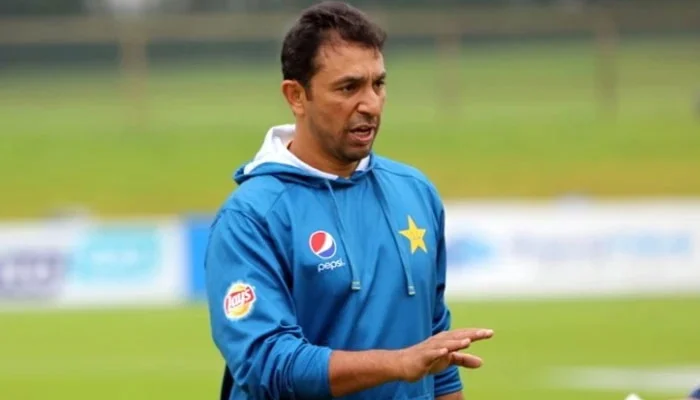
The cricketing world witnessed a poignant moment when Indian cricket legend Virat Kohli announced his retirement from Test cricket during the 2025 season. His decision marked the end of an era for Indian cricket, and tributes poured in from across the globe. Among the notable reactions was that of former Pakistan all-rounder Shahid Afridi, who shared his thoughts on Virat`s illustrious career and his retirement.

Reflecting on Kohli’s Legacy

Shahid Afridi, known for his candid opinions and sportsmanship, expressed his admiration for Kohli’s contributions to the game. Afridi highlighted Kohli’s consistency, leadership, and the passion he brought to the field. He emphasized that Virat ‘s retirement was a significant moment in cricket history, acknowledging the impact Virat had on the sport both in India and internationally.

A Gesture of Sportsmanship

The camaraderie between Afridi and Kohli was evident in 2017 when the Indian cricket team, led by Virat, gifted Afridi a signed jersey upon his retirement. Afridi expressed his gratitude on social media, stating, “Thank you to you and the entire Indian team for a wonderful farewell gift @imVkohli. Respect superstar, hope to see you soon.” Virat reciprocated the gesture, tweeting, “Shahid Bhai, best wishes, always a pleasure playing against you.” This exchange underscored the mutual respect between the two cricketing icons.

Afridi’s Advice on Retirement

In a 2022 interview, Afridi had previously shared his thoughts on how Virat should approach retirement. He advised that Virat should consider stepping down from captaincy across all formats to focus on his batting and enjoy the remainder of his career without added pressures. Afridi believed that retiring at the peak of one’s career ensures a lasting legacy and prevents the risk of being dropped from the team.

Reactions from the Cricketing Community

Kohli’s retirement prompted reactions from various quarters. ICC Chairman Jay Shah lauded Kohli’s contributions, stating that his speech at Lord’s encapsulated his remarkable journey in Test cricket. Shah highlighted Virat ‘s significant impact on the sport and his exemplary leadership.

From Pakistan, Shaheen Afridi, a prominent fast bowler, also acknowledged Kohli’s retirement. He expressed his respect for Virat’s achievements and the healthy rivalry they shared on the field. Shaheen’s message reflected the mutual respect between players from both nations.

Conclusion

Virat Kohli’s retirement marks the end of a significant chapter in cricket history. His journey from a young prodigy to a global cricketing icon has been inspiring. Shahid Afridi’s reflections and advice on Virat ‘s retirement highlight the respect and admiration between the two players. As Virat steps away from Test cricket, his legacy continues to inspire future generations of cricketers worldwide.

China’s AG600 Amphibious Aircraft Completes All Prior-Certification Flight Tests

China’s AG600 amphibious aircraft, developed by the Aviation Industry Corporation of China (AVIC), has successfully completed all prior-certification flight tests, marking a significant milestone in its journey toward airworthiness certification. This achievement underscores Chiina’s growing capabilities in developing advanced civil aviation technologies.

Comprehensive Testing Across Diverse Conditions

Over the past two years, the AG600 aircraft conducted 2,014 flight movements totaling 3,560 flight hours. These tests spanned various challenging environments, including water surfaces, extreme cold, high temperatures and humidity, crosswinds, and typical firefighting scenarios. One notable test involved the discharge of combustible liquids, a critical component for firefighting operations. The successful completion of this test in Pucheng County, Shaanxi Province, was a pivotal step in verifying the aircraft’s operational capabilities in diverse conditions.

Design and Versatility

The AG600 features a unique design, combining an aircraft-shaped upper body with a ship-bottom-shaped lower body, enabling it to operate both on land and water. This amphibious capability is complemented by its adaptability for various missions, including forest firefighting, maritime search and rescue, and environmental monitoring. The aircraft’s versatility is further enhanced by its ability to carry equipment for passenger and cargo transportation, meeting the diverse needs of users across different sectors.

Strategic Significance

The completion of these rigorous tests positions the AG600 to play a crucial role in strengthening China’s emergency rescue and natural disaster prevention capabilities. As the country’s first independently developed large-sized special-purpose civil aircraft family, the AG600 represents a significant advancement in China’s aerospace industry. Its successful development and testing demonstrate China’s growing self-reliance in producing specialized aircraft tailored to meet national and regional needs.

Conclusion

The AG600’s successful completion of all prior-certification flight tests marks a significant achievement in China’s aerospace sector. This milestone not only highlights the aircraft’s readiness for operational deployment but also reflects China’s commitment to advancing its technological capabilities in civil aviation. As the AG600 moves closer to obtaining its airworthiness certification, it is poised to become a vital asset in China’s emergency response and disaster management efforts.

China’s AI-Powered Humanoid Robots Aim to Transform Manufacturing

China is accelerating its efforts to revolutionize the manufacturing sector by integrating AI-powered humanoid robots into production lines. This strategic move is driven by the need to address labor shortages, enhance efficiency, and maintain the nation’s competitive edge in global manufacturing.

Strategic Investments and Government Support

The Chinese government is heavily investing in the development and deployment of humanoid robots. Companies like AgiBot and Unitree are at the forefront, developing robots capable of performing complex tasks using extensive datasets collected through daily operations. The government is providing robust support, including over $20 billion in subsidies and various local funding initiatives. President Xi Jinping’s recent inspection of AgiBot’s facilities underscores the strategic importance of humanoids in addressing trade challenges, aging population, and economic slowdown.

China Advancements in Robot Capabilities

AgiBot, a Shanghai-based startup founded in 2023, has made significant strides in humanoid robotics. The company has developed the AgiBot A2, an interactive service robot designed for marketing, customer service, and public-facing roles. Additionally, AgiBot’s first-generation general-purpose embodied intelligent robot, RAISE A1, is powered by the AgiBot “Embodied Intelligent Brain,” which includes a Cloud Superbrain, Main Brain, Sub-brain, and Brainstem, responsible for mission planning and execution. By early 2025, AgiBot had produced 1,000 general-purpose humanoid robots, indicating fast scaling within the industry.

Integration into Manufacturing Processes

Humanoid robots are being integrated into various stages of manufacturing. For instance, Walker, developed by UBTech, was the first of its kind in China to carry out full-process handling tasks at an automotive factory. The company has also signed a cooperation agreement with Audi FAW and the Beijing Embodied Intelligence Robotics Innovation Center to jointly develop intelligent solutions for humanoid robots. This collaboration aims to drive humanoid robots into automotive production lines for intelligent material handling, quality inspection, and process material operations. The company is confident that its humanoid robots will achieve widespread factory applications within three years.

Economic Implications and Market Growth

The integration of humanoid robots into manufacturing is expected to have significant economic implications. The cost of industrial humanoid robots is currently between $40,000 to $50,000, while an experienced worker in the assembly line of a vehicle factory earns approximately $25,200 to $25,800 per year. As the cost of robots decreases, their adoption is anticipated to increase, potentially replacing more human workers. The humanoid robot industry in China is projected to grow from 3.91 billion yuan in 2023 to over 20 billion yuan by 2026, according to data released by the China Center For Information Industry Development.

Addressing Labor Shortages and Societal Needs

Beyond manufacturing, humanoid robots are being explored for roles in sectors facing labor shortages, such as elderly care. Tech firms like Ant Group are developing humanoids to assist with caregiving tasks, highlighting a broader vision for integrating AI-powered into daily life and addressing demographic challenges.

Challenges and Considerations

Despite the promising advancements, the integration of humanoid robots into manufacturing and other sectors presents challenges. A recent incident in China involving a humanoid robot malfunctioning and injuring a worker has raised concerns about the safety and reliability of AI-powered systems in real-world applications. This event underscores the need for rigorous testing, regulation, and oversight as humanoid robots become more prevalent in workplaces and homes.

Conclusion

China’s investment in AI-powered humanoid robots marks a significant step toward transforming its manufacturing sector and addressing societal challenges. While the potential benefits are substantial, careful consideration of safety, ethical implications, and workforce impacts will be essential to ensure the successful integration of these technologies into everyday life.

FBR Plans Higher Tax on Online Buying and Selling Platforms

In a significant policy move aimed at broadening the tax base and increasing revenue, the Federal Board of Revenue (FBR) has announced plans to impose higher taxes on online buying and selling platforms. As e-commerce continues to grow rapidly in the country, the government is turning its attention to digital marketplaces that have, until now, largely operated with minimal regulatory oversight.

According to senior officials at the FBR, the new tax policy is being developed to ensure that online businesses contribute their fair share to the national economy. The proposal includes increased taxation on earnings generated through digital platforms, stricter documentation requirements, and enhanced monitoring of transactions.

Expanding the Tax Net

The rationale behind the move is clear: while traditional brick-and-mortar businesses are heavily taxed and regulated, many online sellers – particularly those operating through social media, classifieds websites, and mobile apps – have managed to remain outside the formal tax system. This not only creates an uneven playing field but also results in significant revenue leakage.

“The digital economy is no longer a small niche. It has become a major sector, and it’s time it was taxed fairly,” an FBR spokesperson said. “We are not targeting innovation or entrepreneurship, but ensuring compliance and contribution.”

The new measures are expected to cover both local e-commerce platforms and international giants operating in the country. Marketplaces like Daraz, OLX, Facebook Marketplace, and others are likely to fall within the purview of the revised regulations.

Measures Under Consideration

While full details of the policy are yet to be disclosed, FBR insiders have indicated several mechanisms that may be adopted:

  • Withholding tax on online transactions: Platforms may be required to deduct tax at the source when a sale is made.
  • Mandatory registration: Online sellers will be required to register with the FBR and obtain a National Tax Number (NTN).
  • Integration of POS systems: E-commerce platforms may be mandated to link their systems with the FBR’s digital monitoring infrastructure for real-time reporting.
  • Audits and penalties: Non-compliant sellers could face audits, fines, or even blacklisting.

The FBR is also reportedly in discussions with commercial banks and mobile wallet providers to track payments and flag suspicious or undeclared income streams.

Reactions From the Market

The proposal has sparked mixed reactions from stakeholders. While some applaud the government’s efforts to formalize the digital economy, others fear the move could discourage small entrepreneurs and stifle innovation.

Small-scale sellers, many of whom operate informally to make ends meet, are concerned that compliance costs could outweigh their profits. “I sell handmade jewelry on Instagram and barely make a few thousand a month,” said a Lahore-based seller. “If I have to hire an accountant or deal with complicated tax returns, I might have to shut down.”

Industry experts, however, argue that responsible regulation is necessary. “Taxing the digital economy is inevitable. But it should be done in a way that is simple, progressive, and encourages growth,” said an e-commerce consultant. “A tiered approach that differentiates between micro, small, and large sellers would be more equitable.”

Impact on Government Revenues

The FBR hopes that by tightening tax enforcement on online platforms, it can significantly boost revenue collection without imposing new taxes on already burdened sectors. With the national budget under pressure and fiscal deficits widening, untapped sectors like digital commerce offer a promising opportunity.

“The goal is not to penalize but to integrate,” the FBR spokesperson clarified. “By bringing these businesses into the tax net, we not only increase revenue but also empower them with legitimacy and access to financial services.”

Looking Ahead

As the FBR finalizes its proposals, consultations with industry representatives, digital platform operators, and tax professionals are underway. The new policy is expected to be part of the upcoming fiscal year’s budget package.

In a world where commerce is increasingly shifting online, Pakistan’s attempt to regulate and tax digital platforms marks a pivotal step in modernizing its tax system. The challenge will be striking the right balance between enforcement and encouragement – fostering innovation while ensuring fair taxation.

Finance Minister Sees No Extra Burden in Next Budget Due to Conflict With India

In a recent statement that seeks to allay public and investor concerns, the Finance Minister has confirmed that the ongoing conflict with India will not impose any additional financial burden on the upcoming national budget. This announcement comes amid rising tensions between the two neighboring countries, prompting speculation over potential increases in defense spending and emergency economic measures.

The Finance Minister, while addressing a press briefing, emphasized that the government has taken adequate steps to buffer the economy from external shocks, including geopolitical tensions. “We have structured the budget in a way that maintains fiscal discipline while ensuring all necessary sectors, including defense, remain fully funded. There is no need for any supplementary allocations due to the current situation,” the minister assured.

Focus on Fiscal Stability by Finance Minister

The assurance of no extra burden stems from the government’s broader commitment to maintaining fiscal stability and avoiding any major deviations from its planned economic roadmap. According to insiders within the Finance Ministry, the budget is being finalized with an emphasis on sustainable growth, revenue generation, and strategic investments, particularly in infrastructure and social welfare.

The government appears confident that the defense budget for the upcoming fiscal year, which already accounts for potential contingencies, is sufficient to handle any unforeseen challenges. “Our defense spending has been responsibly planned, and there’s no knee-jerk response to the current tensions. The situation is being closely monitored, and resources have been allocated with both caution and foresight,” said a senior official in the finance department.

Economic Buffers in Place

Experts suggest that the government’s ability to avoid extra budgetary allocations may stem from a combination of economic buffers, including foreign reserves, stable revenue collection, and prudent fiscal management. Furthermore, defense procurement and strategic mobilization costs may already be covered under multi-year funding plans, which are designed to smoothen the financial impact of geopolitical uncertainties.

Moreover, the Finance Minister pointed out that the economic fundamentals remain resilient. Inflation is under control, and tax revenues are tracking well against projections. “We are not facing any major disruptions to our trade flows or capital markets. That gives us the room to stick to our original budgetary outlines,” the minister said.

Strategic Communication

By publicly declaring that the conflict with India will not necessitate additional spending, the government is also engaging in strategic communication aimed at calming markets and maintaining investor confidence. In times of geopolitical strain, transparency and stability are critical for economic actors ranging from foreign investors to domestic businesses.

Market analysts have responded positively to the Finance Minister’s remarks. Stock markets showed a modest uptick following the announcement, reflecting a degree of confidence in the government’s economic management. “Such statements help reduce the risk premium associated with conflict-related uncertainty,” noted one senior market economist.

Political and Public Response

While the statement has been largely welcomed by the financial sector, some opposition leaders have called for greater transparency regarding defense spending and contingency planning. They argue that the public has a right to know how potential costs related to the conflict are being absorbed without affecting other sectors such as health and education.

In response, the Finance Minister reiterated the government’s commitment to transparency and accountability. “Every rupee spent will be accounted for. We are not diverting funds from critical services. On the contrary, our social sector allocations remain intact and are expected to increase modestly in the new budget,” the minister added.

Conclusion

As the nation navigates a period of heightened geopolitical tension, the government’s resolve to maintain fiscal discipline without compromising national security sends a strong signal of stability. The Finance Minister’s assurance that the conflict with India will not place an additional burden on the budget underscores a proactive and measured approach to economic governance.

In a region often characterized by volatility, such clarity and composure offer a reassuring message: national priorities will be balanced, and economic resilience will be preserved.

Virat Kohli retires from Test cricket after a stellar career

In a move that has left cricket fans worldwide in shock, Virat Kohli retires from Test cricket, marking the end of a legendary 14-year journey. The former Indian captain, known for his fiery passion and unmatched dedication, announced his decision via a heartfelt social media post, leaving millions reflecting on his monumental contributions to the game.

“It’s Been an Honor,” Says Kohli

Kohli’s statement was filled with raw emotion as he reminisced about his Test career. “Wearing the whites for India was my greatest pride. The grind, the battles, the silent hours—they shaped me,” he wrote. His retirement comes just weeks before India’s high-stakes England tour, where his experience would have been invaluable. However, Kohli felt it was the right time to step away, leaving behind a legacy that includes 9,230 Test runs, 68 matches as captain, and countless unforgettable moments.

What’s Next for Indian Cricket as Virat Kohli Retires from Test Cricket?

With Virat Kohli retires from Test headlines dominating sports news, the focus now shifts to India’s rebuilding phase. Shubman Gill is the frontrunner to take over as Test captain, following Rohit Sharma’s recent retirement. The team is undergoing a major transition, with veterans like Ashwin, Pujara, and Rahane also exiting the scene.

Kohli’s Test career peaked between 2016-2019, where he averaged over 68, smashing 14 centuries. Though his recent form dipped, his influence remained unmatched. As fans and experts react to Kohli’s farewell from Test cricket, tributes pour in for the man who redefined aggression and excellence in cricket’s purest format.

Also, see:

How to Spot Fake News Amid Pakistan-India Tensions

Pakistan to Begin Mango Exports in the Last Week of May 2025

Pakistan is set to commence its mango export season in the last week of May 2025, marking the beginning of a crucial period for the country’s agricultural sector. Mangoes, often referred to as the “king of fruits,” hold significant economic importance, contributing substantially to Pakistan’s agricultural exports.

Production Outlook and Export Targets

The All Pakistan Fruit and Vegetable Exporters Association (APFVEA) has set an export target of 100,000 metric tonnes for the current season. This target reflects a reduction from the previous year’s goal of 125,000 metric tonnes, primarily due to adverse weather conditions affecting mango production. The export season is expected to run from May to August, with the peak period being in June and July.

Impact of Climate Change on Mango Yield

Climate change has had a significant impact on mango production in Pakistan. Experts report a 30-40% decline in mango yield this year, attributed to factors such as unseasonal rains, temperature fluctuations, and pest infestations. These climatic challenges have led to a reduction in the overall production of mangoes, affecting both domestic supply and export potential.

Key Export Markets

Pakistan’s mango exports are primarily directed towards the Gulf Cooperation Council (GCC) countries, including the United Arab Emirates and Saudi Arabia. Additionally, the United Kingdom has been a significant importer, purchasing mangoes worth $13.2 million in the previous year. Other notable markets include Germany, Oman, and Afghanistan. In an effort to diversify export destinations, Pakistan is exploring opportunities in China, Japan, and Turkey.

Quality Standards and Export Challenges

To meet international quality standards, Pakistani mangoes undergo various treatments such as hot water treatment and vapor heat treatment, depending on the destination country. However, exporters face challenges related to packaging, logistics, and compliance with phytosanitary regulations. The use of substandard packaging materials and outdated transportation methods can lead to damage during transit, reducing the shelf life and marketability of the fruit in international markets. Modernizing packaging solutions and improving logistics infrastructure are essential to enhance the competitiveness of Pakistani mangoes globally.

Economic Significance

The mango export sector is a vital component of Pakistan’s economy, providing employment to millions and generating substantial foreign exchange earnings. Despite the challenges posed by climate change and logistical issues, the sector continues to play a crucial role in the country’s agricultural export portfolio. Efforts to improve production practices, enhance quality standards, and expand market access are vital for sustaining and growing the mango export industry.

Conclusion

As Pakistan prepares to launch its mango export season in the last week of May 2025, the industry faces both challenges and opportunities. Addressing the impacts of climate change, improving quality standards, and diversifying export markets will be key to ensuring the continued success and growth of the mango export sector. With concerted efforts and strategic planning, Pakistan can maintain its position as a leading exporter of high-quality mangoes in the global market.

Emirates Airlines Launches Global Recruitment Drive for 5,000 Cabin Crew Members

Emirates Airlines is embarking on an ambitious global recruitment campaign to hire 5,000 new cabin crew members in 2024, aiming to expand its diverse and multicultural team. This initiative is part of the airline’s broader strategy to enhance its services and meet the growing demand for air travel.

Global Recruitment Events

To attract top talent, Emirates is organizing recruitment open days in various cities worldwide. These events provide prospective candidates with the opportunity to meet the recruitment team, learn about the role, and undergo initial assessments. Candidates are encouraged to bring an up-to-date CV and a recent photograph to these events. For those unable to attend in person, Emirates offers an online application process, ensuring a wide reach for potential applicants.

Eligibility Criteria

Emirates is seeking individuals who meet the following criteria:

  • At least 21 years old.
  • Minimum height of 160 cm, with the ability to reach 212 cm while standing on tiptoes.
  • Fluency in written and spoken English; additional languages are an advantage.
  • At least one year of hospitality or customer service experience.
  • A minimum of a high school education (Grade 12).
  • No visible tattoos while in uniform.
  • Ability to meet UAE employment visa requirements.

Candidates who meet these requirements are encouraged to apply online through the Emirates Group Careers website.

Training and Career Development

Successful applicants will undergo an intensive eight-week training program at Emirates’ state-of-the-art facility in Dubai. The training includes modules on safety and emergency procedures, medical training, security protocols, hospitality, and uniform standards. This comprehensive program equips cabin crew members with the skills necessary to provide exceptional service and ensure passenger safety.

Emirates offers clear career progression for its cabin crew members. With experience and performance, crew members can advance to roles such as cabin supervisor, purser, or trainer. The airline currently has over 1,100 pursers who have climbed the career ladder after successfully completing training and assessments.

Benefits and Lifestyle

Emirates provides a competitive and tax-free salary, along with additional benefits such as flying pay, meal allowances, and furnished accommodation in Dubai. Crew members also receive transportation to and from work, medical and dental insurance, and annual leave with travel benefits. The airline offers concessional travel tickets for crew members and their families, allowing them to explore destinations across Emirates’ extensive network.

Living in Dubai offers a cosmopolitan lifestyle, with access to world-class amenities, a vibrant cultural scene, and a diverse expatriate community. Emirates’ cabin crew members represent over 140 nationalities and speak more than 130 languages, fostering a rich and inclusive work environment.

Conclusion

Emirates Airlines’ recruitment drive presents a unique opportunity for individuals passionate about travel and customer service to join a leading global airline. With comprehensive training, clear career progression, and a supportive work environment, Emirates offers a rewarding career for aspiring cabin crew members. Interested candidates are encouraged to apply online or attend one of the upcoming recruitment open days in their city.

Government Proposes 10% Tax Relief for Salaried Class in Upcoming Budget

In a significant move aimed at alleviating the financial strain on Pakistan’s salaried individuals, the federal government has proposed a 10% tax relief for the salaried class in the upcoming fiscal year’s budget. This proposal comes in response to growing concerns over the escalating tax burden on formal sector workers and the need to foster a more equitable taxation system.

Background: Rising Tax Burden on Salaried Individuals

Over the past few years, salaried individuals have shouldered an increasing share of the nation’s tax revenue. In the fiscal year 2024-25, the salaried class contributed approximately Rs570 billion in taxes, marking a 55% increase from the previous year. This surge has positioned salaried individuals as the third-largest tax-paying segment in the country, following banks and petroleum products .

Despite this substantial contribution, concerns have been raised about the disproportionate tax burden on formal sector employees compared to other sectors. Critics argue that sectors such as agriculture and real estate benefit from various exemptions and subsidies, leading to calls for a more balanced tax system.

Government’s Response: Proposed 10% Tax Relief

In light of these concerns, the federal government has proposed a 10% tax relief for salaried individuals in the upcoming budget. Finance Minister Muhammad Aurangzeb emphasized that the government is committed to reducing the burden on the salaried class, acknowledging the challenges they face amid economic instability .

The proposed relief aims to provide immediate financial relief to salaried individuals, particularly those in lower to middle-income brackets. By reducing the tax liability, the government intends to enhance disposable income, thereby stimulating domestic consumption and supporting economic growth.

Broader Tax Reforms and Economic Implications

The proposed tax relief is part of a broader strategy to reform Pakistan’s taxation system. The government has indicated plans to widen the tax base by bringing undocumented sectors, such as real estate and wholesale trade, into the formal taxation framework . These measures aim to ensure that all sectors contribute fairly to the nation’s revenue, reducing the reliance on the salaried class.

Furthermore, the government is focusing on enhancing tax documentation and improving compliance among existing taxpayers. By streamlining tax collection processes and reducing evasion, the government hopes to achieve its revenue targets without imposing additional burdens on the salaried class .

Public Reaction and Future Outlook

The proposal for tax relief has been met with a mixed response. While many salaried individuals welcome the initiative, some express skepticism about its implementation and the extent of the relief. There are concerns about the potential for future tax hikes and the government’s ability to enforce equitable taxation across all sectors.

As the government prepares to finalize the budget, it is expected to engage in consultations with various stakeholders, including business chambers and civil society organizations, to refine the proposed measures. The outcome of these discussions will determine the specific details of the tax relief and other reforms aimed at creating a more balanced and sustainable taxation system.

Conclusion

The proposed 10% tax relief for salaried individuals represents a significant step towards addressing the financial challenges faced by formal sector workers in Pakistan. While this measure provides immediate relief, it is part of a broader effort to reform the nation’s taxation system, ensuring fairness and sustainability. The government’s commitment to reducing the tax burden on the salaried class, coupled with efforts to broaden the tax base, indicates a proactive approach to fostering economic stability and growth.

India’s Foreign Secretary Vikram Misri Locks X Account Amid Ceasefire Backlash

In a significant development, India’s Foreign Secretary Vikram Misri has locked his X (formerly Twitter) account following a wave of online abuse and trolling. The backlash erupted after Misri’s involvement in facilitating a ceasefire agreement between India and Pakistan, leading to accusations of betrayal from certain sections of the Indian public.

The Ceasefire Agreement and Immediate Fallout

The ceasefire agreement between India and Pakistan was hailed as a positive step towards regional peace and stability. However, the diplomatic breakthrough was met with mixed reactions domestically. While many welcomed the move, a vocal minority expressed dissent, accusing the government of compromising national interests. Foreign Secretary Misri, being a key figure in the negotiations, became a target for online trolls who labeled him a “traitor” and “anti-national.”

Online Abuse and Personal Attacks

The online abuse directed at Misri escalated beyond political criticism. Reports indicate that his family members, including his daughter, were also targeted with derogatory comments and threats. Such personal attacks have raised concerns about the growing trend of cyberbullying and the lack of accountability on social media platforms.

Misri’s Response and Account Locking

In response to the relentless trolling, Misri took the step of locking his X account, making his posts visible only to approved followers. This move is seen as an attempt to shield himself and his family from further harassment. It also highlights the challenges faced by public figures in managing their online presence amidst a polarized digital landscape.

Public Reaction and Support

The incident has sparked a broader conversation about the nature of political discourse in India. While some defend the right to free speech, others argue that the line between criticism and personal attack has become increasingly blurred. Supporters of Misri have expressed solidarity, condemning the online abuse and calling for greater civility in political discussions.

Implications for Diplomatic Engagements

The backlash against Misri underscores the complexities involved in diplomatic engagements, especially in a highly charged political environment. It raises pertinent questions about the role of diplomats in peace negotiations and the potential repercussions they face from domestic audiences. The incident serves as a reminder of the challenges in balancing national interests with the pursuit of regional peace.

Conclusion

The episode involving Foreign Secretary Vikram Misri highlights the intersection of diplomacy, politics, and social media in contemporary India. As the country navigates its foreign policy objectives, the incident serves as a poignant reminder of the need for respectful dialogue and the importance of safeguarding individuals from online harassment.

PSX Skyrockets Nearly 10,000 Points as Ceasefire Lifts Investor Confidence

The Pakistan Stock Exchange (PSX) has witnessed an extraordinary surge, with the benchmark KSE-100 Index soaring by nearly 10,000 points, marking one of its most significant rallies in recent history. This remarkable uptrend is attributed to a combination of factors, notably the restoration of a ceasefire agreement, which has significantly eased geopolitical tensions and bolstered investor confidence.

Geopolitical Stability Fuels Market Optimism PSX

The announcement of a renewed ceasefire between Pakistan and neighboring India has been a pivotal development, leading to a substantial rebound in market sentiment. Analysts and investors alike have interpreted this move as a step towards long-term peace and stability in the region, which is crucial for economic growth and investor assurance. The cessation of hostilities has alleviated concerns over potential military conflicts, leading to a surge in both local and foreign investments in the stock market.

Economic Indicators Strengthen Market Fundamentals

In addition to the geopolitical developments, several positive economic indicators have contributed to the bullish trend in the PSX. Inflation rates have seen a significant decline, reaching their lowest levels in over a decade. This reduction in inflation has created an environment conducive to economic growth, prompting the State Bank of Pakistan to consider further monetary easing. Such measures are expected to lower borrowing costs, stimulate investment, and enhance corporate profitability, all of which are favorable for the stock market.

Furthermore, the country’s foreign exchange reserves have shown improvement, bolstered by increased remittances and foreign direct investment. The government’s ongoing economic reforms and engagements with international financial institutions have also played a role in strengthening investor confidence.

Sectoral Performance Reflects Investor Confidence

The rally in the PSX has been broad-based, with significant gains observed across various sectors. Energy, banking, and technology stocks have been among the top performers, driven by robust earnings reports and positive growth prospects. The banking sector, in particular, has benefited from the anticipated reduction in interest rates, which is expected to improve lending margins and asset quality.

The energy sector has seen a resurgence, fueled by rising global oil prices and expectations of increased demand. Companies in the technology sector are capitalizing on the growing digital transformation, with strong earnings and expansion plans contributing to their stock price appreciation.

Investor Sentiment and Market Outlook

The nearly 10,000-point surge in the KSE-100 Index reflects a significant shift in investor sentiment, from caution to optimism. Market participants are increasingly confident in the country’s economic trajectory, supported by both domestic reforms and favorable international developments.

However, analysts caution that while the current momentum is positive, investors should remain vigilant. Potential risks, including global economic uncertainties and domestic policy challenges, could impact the market’s performance. Therefore, a balanced approach, combining optimism with caution, is advisable for investors navigating the current market landscape.

Conclusion PSX

The PSX’s remarkable rally, driven by the restoration of the ceasefire and strengthened economic fundamentals, underscores the critical interplay between geopolitical stability and market performance. As Pakistan continues on its path toward economic recovery and growth, maintaining peace and implementing sound economic policies will be essential in sustaining investor confidence and ensuring long-term prosperity.

PAF Releases Video of JF-17 Taking Off to Destroy India’s S-400 Defense System

In a significant development, the Pakistan Air Force (PAF) has released a video showcasing a JF-17 Thunder fighter jet taking off on a mission to destroy India’s S-400 air defense system. This footage underscores the PAF’s operational readiness and the strategic capabilities of the JF-17, a multirole combat aircraft developed jointly by Pakistan and China.

The JF-17 Thunder: A Strategic Asset

The JF-17 Thunder, also known as the FC-1 Xiaolong, is a fourth-generation, lightweight, single-engine multirole combat aircraft. It was developed to replace older aircraft models in the Pakistan Air Force and is designed for various roles, including interception, ground attack, anti-ship, and aerial reconnaissance. The JF-17 is equipped with advanced avionics and weaponry, making it a formidable asset in modern aerial combat scenarios .

The S-400 Defense System: A High-Value Target

India’s S-400 Triumf is a state-of-the-art air defense system capable of tracking and engaging multiple targets at long ranges. Its advanced radar and missile technology make it a critical component of India’s air defense strategy. The system’s ability to counter various aerial threats, including aircraft and missiles, has made it a high-priority target in any potential conflict scenario.

The Mission: Precision and Timing

The released video captures the moment a JF-17 Thunder jet takes off, presumably on a mission to neutralize the S-400 system. While the video does not provide details on the mission’s success or the specific tactics employed, it highlights the PAF’s capability to execute precision strikes against high-value targets. The timing of the release suggests a strategic message to demonstrate the PAF’s readiness and technological advancements.

Implications for Regional Security

The release of this video comes amid heightened tensions between India and Pakistan. Both nations have exchanged missile and bomb strikes, leading to civilian and military casualties on both sides. The use of advanced military technology, such as the JF-17 and the S-400, indicates an escalation in the sophistication of the weaponry being deployed.

The international community has expressed concern over the potential for further escalation and the need for dialogue to de-escalate the situation. The release of the video may be seen as a demonstration of military capability, but it also underscores the importance of diplomatic efforts to prevent conflict.

Conclusion

The PAF’s release of the video featuring the JF-17 Thunder jet taking off to destroy India’s S-400 defense system serves as a reminder of the advanced military capabilities possessed by both nations. While the video showcases the PAF’s operational readiness, it also highlights the delicate balance of power in the region and the potential consequences of military escalation. As tensions continue to rise, the international community watches closely, hoping for a return to dialogue and peaceful resolution.

Video Link:

U.S. Secretary of State Marco Rubio Calls Pakistan’s COAS Asim Munir, Urges India-Pakistan De-escalation

In a significant diplomatic development, U.S. Secretary of State Marco Rubio engaged in a direct conversation with Pakistan’s Chief of Army Staff (COAS) General Asim Munir on May 10, 2025, urging both India and Pakistan to de-escalate their ongoing military confrontation. This call comes amid the most intense hostilities between the two nuclear-armed neighbors since the 1999 Kargil conflict.

Background of the Escalation

The current crisis was ignited by a terrorist attack on April 22, 2025, in Pahalgam, Indian-administered Jammu and Kashmir, which resulted in the deaths of 26 Hindu tourists. India accused Pakistan-based militants of orchestrating the attack, leading to India’s missile strikes on May 7, 2025, targeting what it described as terrorist infrastructure in Pakistan. Pakistan denied involvement and launched retaliatory strikes, marking a significant escalation in hostilities.

The military exchanges have resulted in over 60 fatalities, including at least 13 civilians in Pakistani-administered Kashmir. Both nations have mobilized troops and closed airspace, raising fears of a broader conflict .

U.S. Diplomatic Intervention

Secretary of State Marco Rubio’s call to General Asim Munir underscores the United States’ concern over the escalating tensions. Rubio emphasized the importance of direct communication between India and Pakistan to prevent further miscalculations and potential conflict. He urged both sides to exercise restraint and explore avenues for dialogue to de-escalate the situation.

The U.S. has been actively engaging with both governments, alongside other international actors such as China, Saudi Arabia, and Turkey, to mediate and encourage a return to diplomatic discussions .

Pakistan’s Response To U.S

Pakistan’s Foreign Minister Mohammad Ishaq Dar expressed conditional restraint, indicating a willingness to de-escalate if India reciprocates. However, Pakistan has also emphasized the need for neutral mediation in any bilateral talks, reflecting a cautious approach to direct dialogue without third-party involvement .

International Call for Restraint

The international community has voiced strong concerns over the potential for further escalation. The G7 nations, China, Saudi Arabia, and Turkey have all called for restraint and offered mediation services. Both India and Pakistan have stated they are open to de-escalation if the other side reciprocates, but the situation remains volatile, with ongoing military exchanges and civilian casualties .

Conclusion U.S

Secretary of State Marco Rubio’s engagement with General Asim Munir highlights the United States’ commitment to preventing further escalation between India and Pakistan. While both nations have expressed a willingness to de-escalate, the path to peace remains fraught with challenges. Continued diplomatic efforts, including those by the U.S. and other international actors, will be crucial in facilitating dialogue and reducing tensions in the region.

WASA Ordered to Install Water Meters Across Lahore

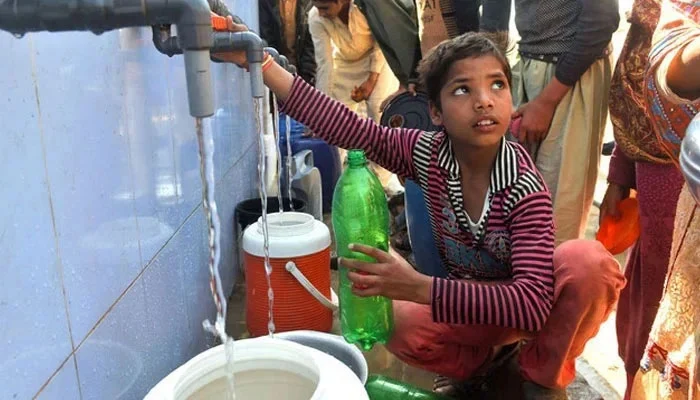
The Water and Sanitation Agency (WASA) Lahore has been directed to implement a comprehensive water metering system across the city. This initiative aims to enhance water conservation, improve billing accuracy, and reduce non-revenue water losses. The project is set to install over 711,000 smart water meters, marking a significant step towards modernizing Lahore’s water infrastructure.

Project Overview

The installation of smart water meters is a collaborative effort between WASA and a Chinese consortium comprising Wenling Younio Water Meter Company Ltd., Jiangsu Xinlang Environmental Company Ltd., and China Energy Engineering Group Jiangsu No.3 Electric Power Construction Co. Ltd. The project, valued at approximately PKR 9.3 billion, is being executed under a Build-Operate-Transfer (BOT) model. The private consortium is responsible for the installation, operation, and maintenance of the meters for a period of 10 years, after which ownership will transfer to WASA .

Objectives and Benefits

The primary objectives of this project include:

  • Water Conservation: Accurate metering will help in monitoring and reducing water wastage.
  • Revenue Enhancement: By ensuring accurate billing, WASA aims to improve its revenue collection.
  • Reduction in Non-Revenue Water: The project seeks to minimize water losses due to unauthorized connections and system inefficiencies.
  • Operational Efficiency: Smart meters will allow for remote reading, reducing the need for manual meter readings and associated labor costs.
  • Technology Transfer and Employment: The establishment of a local meter manufacturing plant is expected to create job opportunities and facilitate technology transfer .

Implementation Timeline

The installation process is scheduled to commence in January 2022, with an expected completion within two years. The meters will be distributed as follows: 93% for domestic consumers and 7% for commercial establishments. This phased approach ensures a systematic rollout across the city .

Financial Aspects

Consumers will bear the cost of the new meters through a monthly installment plan of PKR 170 over a period of 10 years. This approach aims to alleviate the financial burden on households while ensuring the sustainability of the project. The private consortium will finance the initial installation costs and recover their investment through these installments .

Challenges and Considerations

While the project promises numerous benefits, several challenges need to be addressed:

  • Public Awareness: Educating consumers about the new billing system and its advantages is crucial for the project’s success.
  • Infrastructure Compatibility: Ensuring that existing plumbing systems are compatible with the new meters may require additional modifications.
  • Data Privacy: The implementation of smart meters involves data collection, raising concerns about data privacy and security.
  • Affordability: The cost of the meters and the monthly installments may be a concern for low-income households.

Conclusion

The directive for WASA to install water meters across Lahore represents a significant advancement in the city’s water management strategy. By embracing modern technology, the project aims to promote sustainable water usage, enhance billing accuracy, and improve overall service delivery. However, addressing the associated challenges through effective planning and public engagement will be essential to ensure the project’s success and its positive impact on Lahore’s water infrastructure.

Pakistan Shuts Down Entire Airspace After Indian Attacks on Airbases

In a significant escalation of tensions between India and Pakistan, Islamabad has closed its entire airspace following a series of Indian missile strikes on key Pakistani military airbases. This move marks a critical juncture in the ongoing conflict, underscoring the vulnerability of both nations’ air defense systems and the high-stakes nature of their military engagements.


The Indian Attacks

On May 9, 2025, India launched a series of surface-to-air missile strikes targeting three major Pakistani airbases: Nur Khan, Murid, and Shorkot. These attacks, which India claims were aimed at neutralizing terrorist infrastructure, have been met with strong condemnation from Pakistan. The Pakistani military reported that while many of the incoming missiles were intercepted, the attacks still resulted in significant damage to military assets and infrastructure. In response, Pakistan initiated “Operation Bunyan un Marsoos,” targeting Indian military sites, including the Pathankot airfield and BrahMos missile storage in Punjab .


Pakistan’s Airspace Closure

In the wake of these attacks, Pakistan’s Civil Aviation Authority (CAA) announced the closure of its entire airspace, halting all commercial and military flights. This unprecedented move has disrupted numerous international and domestic flights, leading to significant logistical challenges. The closure is seen as a strategic response to safeguard Pakistan’s airspace and assert control over its territorial integrity.

The airspace shutdown has had far-reaching implications. Airlines have been forced to reroute flights, leading to increased travel times and operational costs. The International Air Transport Association (IATA) has expressed concern over the prolonged closure, urging both nations to prioritize the safety and efficiency of international air travel.


Military and Civilian Impact

The closure of Pakistan’s airspace has not only affected commercial aviation but has also had significant military implications. Both nations have heightened their aerial defense postures, with increased surveillance and readiness to respond to any further incursions. The escalation has led to a surge in military activity along the Line of Control (LoC), with both sides reporting casualties and damages.

Civilian areas near military installations have been particularly vulnerable. In Indian-administered Kashmir, at least 19 civilians have been reported dead, while 17 civilians in Pakistan-administered areas have also lost their lives due to cross-border shelling and drone strikes . The humanitarian toll underscores the devastating impact of the ongoing conflict on innocent lives.


International Reactions

The international community has expressed deep concern over the escalating conflict. The United States, through Secretary of State Marco Rubio, has urged both India and Pakistan to de-escalate tensions and engage in dialogue to prevent further violence. Turkey and Saudi Arabia have also called for restraint, emphasizing the need for diplomatic solutions to the crisis.

The United Nations Security Council convened an emergency session to address the situation, with members urging both nations to adhere to international laws and norms governing armed conflict. However, both India and Pakistan have maintained their positions, with little indication of a willingness to negotiate.


Looking Ahead

As the situation continues to evolve, the closure of Pakistan’s airspace serves as a stark reminder of the fragile peace between India and Pakistan. The ongoing conflict has highlighted the vulnerabilities in both nations’ defense systems and the catastrophic potential of further escalation. The international community remains hopeful that diplomatic efforts will prevail, but the path to peace appears uncertain amidst the prevailing hostilities.

The coming days will be crucial in determining whether the two nations can find common ground or if the conflict will spiral further, with dire consequences for regional and global stability.

Pakistan’s Cyber Force Hacks Indian PMO Website and Other Major Platforms

In a significant escalation of cyber hostilities, Pakistan-based hacker groups have reportedly breached several high-profile Indian government websites, including the official portal of the Prime Minister’s Office (PMO). This marks a notable chapter in the ongoing cyber conflict between the two nuclear-armed neighbors, highlighting vulnerabilities in critical digital infrastructure.


The Attack: Prime Minister’s Office and Beyond

The cyber assault targeted multiple Indian government websites, with the PMO’s official site being among the most prominent. Hackers defaced the homepage, replacing it with messages condemning Indian policies and displaying symbolic imagery. The defacement included videos and images related to contentious issues, reflecting the hackers’ intent to make a political statement.

In addition to the PMO website, other significant platforms were compromised. These included portals of various ministries and state departments, leading to widespread disruptions. The attackers employed advanced techniques, indicating a high level of sophistication and planning.


Attribution and Motive of Pakistan

The group behind the cyberattacks has been identified as a Pakistan-based hacker collective, possibly linked to the previously known ‘Pakistani Cyber Army’. While the exact identity remains unconfirmed, their activities align with past incidents attributed to Pakistani hacker groups.

The motive appears to be multifaceted:

  • Political Protest: The defacements carried messages criticizing Indian policies, particularly concerning Kashmir.
  • Demonstration of Capability: By breaching high-profile sites, the hackers showcased their technical prowess and the vulnerabilities within India’s cyber infrastructure.
  • Strategic Disruption: Targeting government websites during periods of heightened political activity could be aimed at disrupting operations and spreading disinformation.

India’s Response and Cybersecurity Measures

In the aftermath of the attacks, Indian cybersecurity agencies have initiated investigations to identify the perpetrators and assess the extent of the breaches. The National Informatics Centre (NIC) and the Computer Emergency Response Team (CERT-In) are leading efforts to secure compromised systems and prevent further intrusions.

India has also reinforced its cybersecurity protocols, emphasizing the implementation of the “Zero Trust” model. This approach mandates rigorous verification of all users and devices attempting to access internal systems, regardless of their location within the network perimeter. Additionally, real-time monitoring and threat intelligence sharing have been enhanced to detect and mitigate potential threats proactively.


Broader Implications

This incident underscores the escalating nature of cyber warfare between nations. The breach of critical government websites not only disrupts administrative functions but also erodes public trust in the security of digital platforms. Such attacks can have far-reaching consequences, including the theft of sensitive data, compromise of national security, and economic repercussions.

The increasing frequency and sophistication of cyberattacks highlight the need for robust cybersecurity frameworks and international cooperation. Nations must invest in advanced technologies, skilled personnel, and collaborative efforts to defend against and respond to cyber threats effectively.


Conclusion

The hacking of India’s PMO website and other major platforms by Pakistan-based cyber groups marks a significant development in the realm of cyber conflict. While the immediate impact is concerning, it also serves as a catalyst for strengthening cybersecurity measures and fostering international dialogue on cyber norms and cooperation. As cyber threats continue to evolve, nations must remain vigilant and proactive in safeguarding their digital infrastructures.

For real-time updates and detailed analyses, monitoring official statements from CERT-In and NIC, as well as reports from cybersecurity firms, is recommended.

Pakistan Finally Retaliates Against Repeated Indian Aggression

After years of what it terms as “unprovoked and repeated Indian aggression,” Pakistan has finally mounted a strong military response, signaling a significant shift in its strategic posture. This development comes amid heightened tensions along the Line of Control (LoC) and follows a series of deadly incidents that have escalated conflict dynamics between the two nuclear-armed neighbors.

A Build-Up of Unchecked Aggression

For years, Pakistan has accused India of violating ceasefire agreements, targeting civilian populations in Azad Jammu and Kashmir, and carrying out covert operations through its intelligence apparatus. These allegations intensified over the past year, particularly after several cross-border shelling incidents that claimed the lives of innocent civilians, including children. Diplomatic efforts to de-escalate the situation were met with continued aggression, prompting widespread public outcry in Pakistan and calls for a decisive response.

The situation became untenable following a particularly deadly episode in early May, when artillery shelling by Indian forces resulted in the deaths of several civilians in Neelum Valley. According to Pakistan’s Inter-Services Public Relations (ISPR), the victims included women and children, pushing public sentiment to a breaking point.

Operation Bunyan un Marsoos: A Calculated Retaliation

In response, the Pakistan Army launched Operation Bunyan un Marsoos — a series of precision strikes using Al-Fateh surface-to-surface missiles. These missiles targeted key Indian military installations, including depots and airbases believed to be involved in previous hostile actions.

The ISPR confirmed that the strikes were conducted with a high degree of accuracy to avoid civilian casualties, focusing solely on military assets. This marked a turning point in Pakistan’s approach, which had historically exercised restraint even in the face of provocation.

According to Major General Ahmed Sharif Chaudhry, Director General of ISPR, “This is not an act of escalation but a message that Pakistan’s patience is not limitless. Our sovereignty and the safety of our citizens are paramount.”

A Message to India — and the World

By retaliating, Pakistan aimed to convey multiple messages: firstly, to India, that future provocations will be met with force; secondly, to its own people, that the nation stands united and will not remain passive in the face of threats; and thirdly, to the international community, that Pakistan has both the capacity and the resolve to respond to aggression while still advocating peace.

In his televised address, Prime Minister Shehbaz Sharif said, “Pakistan does not seek war, but nor will we be bullied. Our response is a reflection of our commitment to protect every inch of our land and every life of our people.”

Regional and Global Reactions

The military response has drawn mixed reactions globally. While some international observers have called for restraint on both sides, others have acknowledged Pakistan’s right to defend its territorial integrity. The United Nations and key diplomatic players such as China and the United States have urged both countries to return to the negotiating table and avoid further escalation.

India, meanwhile, downplayed the impact of the missile strikes but did not deny the loss of assets. The Indian government reiterated its stance of counter-terrorism operations but avoided confirming specific details of the retaliation.

Unity in Pakistan

The retaliatory strikes have significantly boosted morale in Pakistan. Rallies and demonstrations of support have emerged in cities across the country, with citizens praising the armed forces for their professionalism and restraint. Political leaders across party lines have expressed solidarity, setting aside differences to stand behind the military.

Civil society organizations also participated in national prayer events and candlelight vigils to remember those lost in earlier attacks, particularly the children and families affected by cross-border violence.

Conclusion

Pakistan’s decision to finally respond with military force against repeated Indian aggression underscores a critical shift in the regional balance. While it raises concerns about potential escalation, it also serves as a powerful reminder that unchecked hostility can no longer go unanswered.

In the delicate dance of diplomacy and defense, both nations must now consider whether they are prepared to continue down a path of confrontation—or seize this moment to re-engage in dialogue for the sake of regional stability and peace.

How to Spot Fake News Amid Pakistan-India Tensions

In times of geopolitical conflict, such as the ongoing tensions between Pakistan and India, the spread of misinformation becomes a significant concern. Fake news thrives in emotionally charged environments, exploiting public sentiment, fear, and uncertainty. As citizens consume and share information rapidly through social media and digital platforms, distinguishing between authentic news and fabricated narratives becomes not only important but essential for responsible civic behavior.

Here’s a comprehensive guide on how to spot fake news, especially in the context of Pakistan-India tensions.


1. Check the Source

Always start by checking where the information originated. Credible news sources usually have a reputation for accuracy and accountability. Look for established media organizations such as Dawn, The Hindu, BBC, Al Jazeera, or Reuters. Be cautious with information from unknown websites, newly created social media pages, or unverified YouTube channels.

Fake news often comes from websites that mimic real news outlets by using similar fonts, layouts, or slightly altered domain names (e.g., “bbc.co.news” instead of “bbc.com”).


2. Beware of Emotional Headlines

Headlines designed to provoke anger, fear, or excessive pride often indicate fake or misleading content. In Pakistan-India narratives, such headlines might claim exaggerated military victories, fabricated enemy losses, or sensational threats. While real news can also be emotionally impactful, it typically maintains a tone of professionalism and provides evidence or attribution.

Ask yourself: Is the headline making me feel outraged or overly patriotic without offering specifics?


3. Look for Evidence and Attribution

Legitimate news stories cite sources, experts, or official statements. If a post or article presents major claims — such as missile strikes, downed aircraft, or international condemnations — it should include verifiable names, photos, or quotes.

Be skeptical of content that says “according to sources” without specifying who they are or where the information comes from. In conflict scenarios, both sides may circulate unverified footage or quotes to shape public opinion.


4. Verify Images and Videos

During high-tension periods, images and videos can be powerful tools of misinformation. Often, old photos or videos from unrelated events are repurposed to fit a current narrative. You can use tools like Google Reverse Image Search or TinEye to check where an image first appeared.

For videos, look for inconsistencies in uniforms, vehicles, or weather conditions that don’t match the claimed location or date.


5. Cross-Check with Multiple Sources

Before believing or sharing a piece of news, see if it’s reported by multiple reputable outlets. A genuine event, especially one as significant as a military strike or international response, will likely be covered by more than one credible news organization.

If only one obscure website is reporting it, and major media houses are silent, it’s a red flag.


6. Watch for Official Denials or Confirmations

Governments often issue official statements during crises. In the case of Pakistan-India tensions, updates are frequently provided by organizations like Pakistan’s ISPR (Inter-Services Public Relations) or India’s Ministry of External Affairs. Follow these sources directly on verified social media platforms or their official websites for confirmation.

However, even official statements should be weighed alongside independent reports, especially in wartime when propaganda may be at play.


7. Beware of Deepfakes and AI-Generated Content

With the rise of artificial intelligence, it’s increasingly easy to fabricate video or audio content that appears real. If a video shows a political leader making shocking statements or a dramatic scene of destruction, verify it through trusted news outlets before accepting it as truth.

Check for odd movements, unnatural speech patterns, or digital artifacts that may indicate manipulation.


Conclusion

In a digital age where information moves faster than facts can be verified, every user plays a role in either curbing or fueling the spread of misinformation. During Pakistan-India tensions — or any major conflict — it’s crucial to engage critically with media, ask questions, and verify before sharing.

By practicing media literacy and promoting fact-based discourse, citizens can resist the divisive impact of fake news and contribute to a more informed, resilient society.

Pakistan Army Honors Martyred Children with Al-Fateh Missile Strike

In a poignant display of national resolve and remembrance, the Pakistan Army launched a series of Al-Fateh missiles under Operation Bunyan un Marsoos, dedicating the strikes to the innocent children martyred during recent Indian aggression. This military response not only serves as a tactical maneuver but also as a solemn tribute to the young lives lost in the crossfire of conflict.

A Tribute to Innocence

The tragic loss of several children in border areas due to unprovoked attacks by Indian forces has left an indelible mark on the nation. In honor of these young martyrs, the Pakistan Army named the launched missiles after them, symbolizing that their sacrifice will never be forgotten. An official statement from the Inter-Services Public Relations (ISPR) emphasized, “Pakistan has neither forgotten nor will ever forget the martyrdom of its innocent children.

Operation Bunyan un Marsoos: A Tactical Response

Operation Bunyan un Marsoos was initiated in the early hours of Saturday, May 10, 2025, targeting key Indian military installations. The Al-Fateh missiles, known for their precision and range, were aimed at critical infrastructure, including the BrahMos missile storage facility in Beas, the Udhampur airbase, and the Pathankot airfield. These strikes were part of a broader strategy to neutralize threats and send a clear message of retaliation against the aggression.

The Al-Fateh Missile System

The Al-Fateh missile system is an indigenously developed short-range surface-to-surface missile, capable of striking targets up to 150 kilometers away. Its precision guidance system ensures minimal collateral damage, making it a formidable asset in Pakistan’s defense arsenal. The recent strikes showcased the missile’s effectiveness in both military and symbolic capacities.

National Unity and Resolve

Beyond the military implications, the missile strikes have galvanized national unity. In Hafizabad, a candlelight vigil was held at Fawara Chowk, where citizens, including children holding portraits of the martyred, gathered to honor their memory. Assistant Commissioner Salman Akbar and Chief Officer Municipal Committee Ikramullah Sindhu attended the ceremony, reaffirming the nation’s commitment to justice and remembrance.

International Reactions and Implications

The missile strikes have drawn international attention, with neighboring countries and global powers closely monitoring the developments. While Pakistan asserts that the operation was a defensive measure in response to aggression, the international community calls for restraint and dialogue to prevent further escalation. The naming of the missiles after the martyred children adds a layer of emotional depth to the military action, highlighting the human cost of conflict.

Conclusion

The Pakistan Army’s decision to dedicate the Al-Fateh missile strikes to the martyred children is a powerful testament to the nation’s resilience and commitment to justice. It serves as a reminder that behind every military action lies a story of loss and remembrance. As the nation continues to mourn its young martyrs, it also stands united in its resolve to protect its sovereignty and honor the memory of those who have sacrificed their lives.

In the face of adversity, Pakistan remains steadfast, ensuring that the sacrifices of its innocent children are etched in the annals of history, never to be forgotten.

PSL 10 Officially Shifted Outside Pakistan Amid Rising Tensions

The Pakistan Super League (PSL) 10, originally scheduled to be held across various cities in Pakistan, has been officially relocated to the United Arab Emirates (UAE) due to escalating military tensions between India and Pakistan. The decision was made to ensure the safety and security of players and officials involved in the tournament.

Background of the Relocation

The PSL 10 was initially set to commence on April 11, 2025, with matches planned in Rawalpindi, Multan, Lahore, and Karachi. However, on May 8, 2025, an attempted drone attack near the Rawalpindi Cricket Stadium raised serious security concerns. This incident, coupled with the ongoing conflict between India and Pakistan, led the Pakistan Cricket Board (PCB) to reconsider the viability of hosting the remaining matches in Pakistan. After careful deliberation, the PCB announced that the remaining eight matches, including the playoffs and final, would be moved to Dubai, UAE, to mitigate any potential risks.

Impact on the Tournament

The relocation of PSL 10 to the UAE has significant implications for the tournament. Firstly, the change in venue has led to a delay of up to a week in the tournament schedule. The PCB is working to finalize the revised schedule and communicate the new dates to all stakeholders. Secondly, the move to Dubai means that the matches will be played in a neutral venue, which may affect the home advantage for teams and the atmosphere of the matches. However, the PCB emphasizes that the safety of players and officials is the top priority, and the decision was made with their well-being in mind.

Reactions from Stakeholders

The decision to relocate the tournament has been met with a mix of understanding and disappointment. Franchise owners and players have expressed their support for the PCB’s decision, acknowledging the importance of safety in such circumstances. However, some have also expressed concerns about the logistical challenges and financial implications of the move. The PCB is in discussions with franchise owners to address these concerns and ensure the smooth continuation of the tournament.

Future Prospects

The relocation of PSL 10 to the UAE underscores the challenges faced by international sporting events in regions experiencing political instability. While the move ensures the safety of participants, it also highlights the need for ongoing efforts to maintain peace and stability in the region. The PCB remains committed to bringing the PSL back to Pakistan in future editions, with plans to host matches in various cities across the country once the security situation improves.

Conclusion

The official shift of PSL 10 to the UAE marks a significant development in the history of the tournament. While the decision was made in the interest of safety, it also reflects the broader challenges faced by sports in politically sensitive regions. As the tournament progresses in Dubai, all eyes will be on the performances of the teams and the resilience of the PSL in adapting to changing circumstances.