







Pakistan Seeks Renewed Partnership with Trump Administration: A Strategic Push for Stronger Ties

In a world marked by shifting geopolitical alliances and economic uncertainties, Pakistan’s Prime Minister has signaled a clear intent to revitalize relations with the Trump administration. Speaking at a recent diplomatic forum, the PM emphasized Pakistan’s desire to forge “stronger, mutually beneficial bilateral ties” with Washington, highlighting shared interests in regional security, trade, and counterterrorism. This overture comes amid a complex backdrop: a recalibrating U.S. strategy in South Asia, Pakistan’s growing economic challenges, and the lingering shadows of past mistrust. As both nations navigate a rapidly evolving global order, the question arises: Can this renewed push bridge old divides and unlock new opportunities?

A Relationship in Flux

U.S.-Pakistan relations have long been characterized by cycles of cooperation and contention. Historically, the partnership thrived during the Cold War and the post-9/11 “War on Terror,” with Pakistan serving as a key ally in countering Soviet influence and dismantling terrorist networks. However, recent years saw tensions escalate under the Trump administration, which suspended security aid in 2018, accusing Pakistan of “lying and deceit” in failing to combat militant groups operating from its soil. Pakistan, in turn, criticized the U.S. for overlooking its sacrifices—over 70,000 lives lost and $150 billion in economic damage since 2001.

Despite these fissures, the PM’s recent remarks reflect pragmatism. With the U.S. withdrawing from Afghanistan and prioritizing its Indo-Pacific strategy, Pakistan aims to reposition itself as a stabilizing force in the region. “Our geographical and strategic significance cannot be overlooked,” the PM stated, alluding to Pakistan’s role as a bridge between South Asia, Central Asia, and the Middle East.

Pillars of Potential Collaboration

The push for stronger ties rests on several pillars:

  1. Security and Counterterrorism
    Both nations share a vested interest in preventing Afghanistan from becoming a terrorist safe haven post-U.S. withdrawal. Pakistan’s influence over the Taliban positions it as a critical player in ensuring regional stability. Enhanced intelligence-sharing and joint counterterrorism operations could rebuild trust, particularly as groups like ISIS-Khorasan pose transnational threats.
  2. Trade and Investment
    Pakistan’s economy, grappling with inflation and debt, seeks U.S. investment in energy, agriculture, and technology. The PM highlighted the potential for American firms to leverage opportunities under the China-Pakistan Economic Corridor (CPEC), despite U.S. skepticism of Beijing’s Belt and Road Initiative. A revived bilateral trade agreement—currently worth $6.5 billion annually—could diversify Pakistan’s partnerships beyond traditional allies like China.
  3. Diplomatic Synergy on Regional Issues
    From Kashmir to Iran, aligning diplomatic efforts could mitigate conflicts. While the U.S. prioritizes containing Iran’s nuclear ambitions, Pakistan advocates for dialogue, positioning itself as a mediator. Similarly, Washington’s neutrality on India-Pakistan tensions could help de-escalate the nuclear-armed rivals.

Challenges on the Horizon

Despite the optimistic rhetoric, obstacles persist:

  • Legacy Distrust: U.S. policymakers remain wary of Pakistan’s alleged ties to groups like the Haqqani Network. Conversely, Pakistan resents being scapegoated for Afghanistan’s instability.
  • China’s Shadow: Washington views CPEC as part of China’s “debt-trap diplomacy,” complicating economic collaboration. Balancing ties with Beijing and Washington will test Pakistan’s diplomatic agility.
  • Domestic Politics: The Trump administration’s “America First” agenda and focus on trade deficits may limit concessions. Meanwhile, anti-U.S. sentiment in Pakistan, fueled by drone strikes and perceived interference, could spark public backlash.

The Road Ahead: Trump

For Pakistan, the outreach to the Trump administration is both an opportunity and a necessity. Strengthening ties could unlock economic lifelines, bolster defense capabilities, and elevate its global standing. For the U.S., a stable, prosperous Pakistan aligns with goals to counterbalance China and ensure South Asian security.

However, success demands concrete steps:

  • High-Level Dialogue: Regular engagements between foreign ministers and defense officials to address grievances.
  • Trade Incentives: Tariff reductions on Pakistani textiles and IT services to narrow the trade imbalance.
  • Joint Infrastructure Projects: Alternative to CPEC, such as U.S.-funded energy or transport initiatives.

A Calculated Gamble : Trump

Pakistan’s bid to reset relations with the Trump administration is a calculated gamble—one that acknowledges past fractures while betting on future synergies. As the PM noted, “Partnerships evolve with time, and it’s time to write a new chapter.” Whether this chapter fosters collaboration or repeats old disputes depends on both nations’ willingness to compromise, innovate, and prioritize long-term gains over short-term skepticism. In an era of great-power rivalry, a reinvigorated Trump-Pakistan alliance could yet prove pivotal in shaping the trajectory of South Asia—and beyond.

Karachi Takes Bold Steps for Road Safety: Heavy Vehicles Capped at 30 km/hr and Mandatory Drug Tests for Drivers

Karachi, Pakistan’s bustling port city and economic heartbeat, is notorious for its chaotic traffic and alarming road accident rates. Home to over 20 million people, the metropolis faces daily gridlocks, with heavy vehicles—trucks, buses, and tankers—playing a significant role in both sustaining commerce and contributing to road hazards. In 2022 alone, over 1,500 road fatalities were reported in Sindh province, many linked to speeding trucks and impaired drivers. To address this crisis, Karachi’s authorities have introduced groundbreaking measures: a 30 km/hr speed limit for heavy vehicles and mandatory drug testing for drivers. These reforms aim to save lives, but their success hinges on enforcement and public cooperation.

The 30 km/hr Speed Cap: A Lifesaving Move?

The new speed restriction targets vehicles over 3.5 tons, slashing their legal speed from previous limits (often 50–60 km/hr in urban zones) to a crawl-like 30 km/hr. While critics argue this could worsen traffic congestion, proponents emphasize safety. Heavy vehicles, due to their mass and braking distance, are disproportionately deadly in collisions. At 30 km/hr, the stopping distance reduces dramatically, giving drivers more time to react to pedestrians, motorcycles, and sudden obstacles—common sights in Karachi’s unruly traffic.

Cities like London and Bogotá have implemented similar low-speed zones, reporting drops in fatalities by up to 40%. For Karachi, where narrow roads and mixed-use streets amplify risks, the policy could prevent countless tragedies, especially in densely populated areas like Liaquatabad or Saddar. Additionally, slower speeds may reduce environmental pollution, as idling engines and frequent acceleration—both exacerbated by stop-and-go traffic—consume more fuel.

Drug Testing: Tackling Impairment Head-On

Parallel to the speed cap, Karachi now mandates random and pre-shift drug tests for heavy vehicle drivers. The move responds to rampant reports of drivers operating under the influence of opioids, cannabis, or stimulants—substances often used to combat fatigue during long hauls. A 2021 study by the Pakistan Transport Alliance revealed that nearly 30% of commercial drivers admitted to substance abuse while on duty.

Under the new rules, drivers testing positive face license suspension, fines, or criminal charges. Transport companies risk penalties for non-compliance, incentivizing stricter oversight. The policy mirrors practices in countries like the U.S. and Australia, where mandatory testing has slashed impairment-related crashes by 20–25%.

Benefits and Challenges Ahead

The dual measures promise transformative benefits:

  • Reduced fatalities: Lower speeds and sober drivers could cut Karachi’s road deaths by half within years.
  • Economic savings: Fewer accidents mean lower healthcare costs and less disruption to supply chains.
  • Cultural shift: Prioritizing safety may inspire better driving habits across all vehicle categories.

However, challenges loom. Enforcing the 30 km/hr limit requires speed cameras, calibrated speed governors, and traffic police equipped with radar guns—resources Karachi’s underfunded transport authority lacks. Corruption, such as bribes to bypass checks, could also undermine efforts. Meanwhile, transport unions warn of economic fallout: delivery delays, higher operational costs, and potential job losses.

Public reaction is mixed. While parents and pedestrian advocates applaud the reforms, skeptics doubt the government’s political will to sustain crackdowns. “Without consistent enforcement, these laws will gather dust like previous ones,” says Ahmed Ali, a local taxi driver.

The Road Ahead

For these policies to succeed, Karachi must adopt a multi-pronged approach:

  1. Invest in technology: Speed cameras and AI-powered surveillance systems at accident hotspots.
  2. Public awareness campaigns: Educate drivers and firms on long-term benefits beyond short-term inconveniences.
  3. Stakeholder collaboration: Engage transport unions in dialogue to address economic concerns, perhaps subsidizing speed governors or adjusting delivery timelines.

Karachi’s bold reforms set a precedent for Pakistan—and cities globally—grappling with urbanization and road safety. While hurdles remain, the potential to save thousands of lives makes this a journey worth pursuing. As the city’s streets test these new rules, the world watches, hoping Karachi’s gamble on safety will steer it toward a calmer, more sustainable future.

Trump’s administration discontinues Undergraduate Exchange Programme for Pakistan

In a dramatic and abrupt step, the American government has cut a flagship educational program that for more than a decade provided opportunities for Pakistani undergraduates to pursue studies in the United States. The sudden cancellation of the Undergraduate Exchange Programme for Pakistan (Global UGRAD) has dismayed students, who now are fighting desperately to save their academic prospects.

The news, announced through a curt statement from the U.S. Educational Foundation in Pakistan (USEFP), was not very informative about the reasoning behind the termination. “The program has ended,” the notification stated, striking a sad chord for thousands of former participants who had once cherished the life-altering experience.

The move is the latest shocking news on top of yet another stunning breakthrough: the sudden withdrawal of visas from more than 400 foreign students, including Pakistanis, enrolled at high-flying U.S. institutions like Harvard, Stanford, and UCLA. No notification, no explanation.

For would-be scholars, the double whammy has left them outraged and despondent. “This was my only chance to study abroad,” wept one candidate who had worked for months crafting their application. Now, their dreams—and those of thousands of others—are laid waste.

USEFP’s announcement came with a nostalgic tone, reflecting on the program’s 15-year history of building cross-cultural connections and academic achievement. However, such reminiscence is cold comfort for students in the crosshairs of geopolitical change.

The dust settles, and questions remain: Why now? What then? With no answers in sight, impacted students are left with a bitter education in the fleeting nature of global education—and a hard lesson that opportunities can be taken away in an instant.

Also, see:

Umar Gul emerges as leading contender for Bangladesh’s pace bowling coach

Umar Gul emerges as leading contender for Bangladesh’s pace bowling coach

In a significant shake-up of Bangladesh’s cricket coaching structure, former Pakistan speedster Umar Gul has emerged as a leading contender for the role of pace bowling coach. Sources suggest that talks between Gul and the Bangladesh Cricket Board (BCB) are at an advanced stage, signalling the board’s intent to inject fresh energy into its pace unit.

Umar Gul to replace Andre Adams as BCB’s pace bowling coach

The BCB’s move follows growing discontent within the squad regarding current pace coach Andre Adams. Despite being under contract until February 2026, the New Zealand-born coach is reportedly on his way out, with his future uncertain beyond the upcoming Zimbabwe Test series.

Gul, a veteran of 237 international appearances for Pakistan, brings a wealth of experience both on and off the field. Since retiring in 2020, he has carved out a niche as a bowling mentor, contributing to teams in the Pakistan Super League and guiding the Afghanistan national side. Most recently, he served as Pakistan’s fast-bowling coach, earning praise for his tactical acumen and ability to nurture young talent.

Although no official agreement has been signed, Gul confirmed discussions are ongoing. “We’re in talks, but it’s all subject to mutual terms and the board’s decision,” he told Cricbuzz.

The hunt for a new pace coach has seen several other names tossed into the ring, including former Bangladesh mentors Ottis Gibson and Allan Donald, and Australia’s Shaun Tait. However, Gul appears to be the frontrunner as BCB seeks a long-term solution to revitalize its fast-bowling department.

Parallel to the search, BCB is also strengthening other parts of its coaching setup. Phil Simmons, the head coach, recently secured an extension through the 2027 ICC World Cup — a move aimed at ensuring continuity. Meanwhile, seasoned tactician Mohammad Salahuddin is set for a formal return as senior assistant coach. Though official confirmation is pending, insiders reveal a verbal agreement has already been reached.

Salahuddin, long regarded as one of Bangladesh’s sharpest cricketing minds, previously handled both assistant and batting coach duties. His reappointment is expected to boost the team’s preparations ahead of a packed international calendar.

With coaching reinforcements taking shape, Bangladesh appears focused on recalibrating its support staff to elevate on-field performance and prepare for future global tournaments.

Also, see:

What should be an ideal diet for a cricketer?

Singer Salman Ahmad Booked Under PECA Over ‘Anti-State Propaganda’: Art, Activism, and Legal Boundaries

Pakistani rock icon Salman Ahmad, famed for his band Junoon and decades of cultural influence, has been charged under the country’s Prevention of Electronic Crimes Act (PECA) for allegedly spreading “anti-state propaganda.” The case, filed in Lahore on September 12, 2023, has ignited fierce debate over freedom of expression, the misuse of cyber laws, and the shrinking space for dissent in Pakistan.

The Charges: What Prompted the Case?

While specifics remain unclear, officials allege Ahmad shared “defamatory and seditious” content online targeting state institutions. Sources suggest the charges stem from social media posts critical of government policies, though neither the singer nor authorities have disclosed exact material. PECA’s sweeping provisions—criminalizing online speech deemed to threaten “national security”—leave room for broad interpretation, raising concerns about political motivations behind the case.

PECA: A Law Under Scrutiny

Enacted in 2016 to combat cybercrime, PECA has faced criticism for its vague language and weaponization against journalists, activists, and opposition figures. Section 20, which penalizes “offenses against the dignity of a person or state,” carries up to three years imprisonment and heavy fines. Critics argue the law stifles legitimate criticism, with the Digital Rights Foundation noting a 40% rise in PECA cases against dissidents since 2020.

Salman Ahmad: Artist or Provocateur?

Ahmad, a UN Goodwill Ambassador and healthcare advocate, is no stranger to controversy. His music, blending Sufi poetry with social commentary, has long challenged extremist ideologies and authoritarianism. In 2022, he criticized state negligence during floods, urging accountability. Supporters argue his latest charges reflect a pattern of silencing voices that question power. “Artists must speak truth,” Ahmad stated in a 2021 interview. “Silence is complicity.”

Public Outcry and Legal Pushback

The case has drawn condemnation from civil society. The Human Rights Commission of Pakistan (HRCP) called it “an assault on creative expression,” while fans launched #IStandWithSalman trends online. Legal experts highlight procedural flaws: PECA requires complaints to be filed by aggrieved parties, yet Ahmad’s case was initiated by state officials, bypassing standard protocols.

Broader Implications: Chilling Effect on Art

Ahmad’s prosecution amplifies fears among Pakistan’s artistic community. Musicians, writers, and filmmakers increasingly self-censor to avoid backlash. “If Salman isn’t safe, who is?” asked fellow artist Shehzad Roy. The case also risks damaging Pakistan’s global cultural footprint, with Junoon’s music symbolizing the nation’s softer image abroad.

Political Context: Crackdown on Dissent

The charges arrive amid a wider clampdown. Recent months saw similar PECA cases against journalists (like Absar Alam) and politicians (such as Shahbaz Gill). Analysts link this to the military’s growing intolerance of criticism, particularly after May 2023 protests. Ahmad, with his international platform, becomes a high-profile target in this environment.

What’s Next? Legal and Social Reckoning

Ahmad’s legal team plans to challenge the FIR’s validity, citing constitutional protections for free speech (Article 19). However, Pakistan’s judiciary has often upheld PECA, reflecting alignment with state narratives. Meanwhile, activists urge legislative reforms to narrow PECA’s scope, aligning it with global digital rights standards.

Conclusion: A Test of Pakistan’s Democratic Values

Salman Ahmad’s case transcends individual guilt—it tests Pakistan’s commitment to balancing national security with civil liberties. As the “Rockstar of the East” faces courtroom battles, the world watches whether a nation steeped in artistic heritage will defend its creators or succumb to censorship. In Ahmad’s words: “A guitar can be louder than a gun.” The question is, will Pakistan let it play?

Hajj 2025: Pilgrimage Operations Set to Begin on April 29, Officials Announce

Saudi Arabian authorities have confirmed that the Hajj pilgrimage operations will commence on April 29, 2025, marking the start of logistical preparations for one of the largest annual gatherings in the world. With millions of Muslims expected to embark on this spiritual journey, the announcement underscores Saudi Arabia’s meticulous planning to ensure a safe, efficient, and spiritually enriching experience for pilgrims.

Operational Launch: What Does April 29 Entail?

The April 29 start date initiates the first phase of Hajj operations, including visa processing, flight scheduling, and the coordination of accommodations in Mecca and Medina. Saudi Arabia’s Ministry of Hajj and Umrah has partnered with global airlines and travel agencies to streamline arrivals, particularly for the over 2 million pilgrims anticipated this year—a figure nearing pre-pandemic levels. This phase also involves deploying advanced technologies, such as the Eatmarna and Nusuk apps, to manage permits, health credentials, and ritual schedules digitally.

Preparations in Full Swing: Infrastructure and Innovation

Saudi authorities have prioritized infrastructure upgrades to accommodate the surge in pilgrims. The Grand Mosque’s expansion, completed in phases over recent years, now boasts a capacity of 2.5 million worshippers, with enhanced cooling systems to combat extreme summer temperatures. New metro lines and shuttle services aim to reduce congestion between holy sites, while AI-powered crowd management systems will monitor movement in real time. Health remains a focal point: mandatory vaccinations for meningitis and influenza, coupled with mobile clinics and heatstroke prevention campaigns, are part of this year’s safety protocols.

Challenges and Collaborative Solutions

Organizing Hajj is a colossal undertaking. Crowd control, health risks, and logistical coordination pose persistent challenges. To address these, Saudi Arabia has collaborated with 160+ international Hajj missions to implement country-specific pilgrim quotas and staggered arrival times. The Kingdom has also introduced eco-friendly initiatives, including solar-powered accommodations and waste reduction programs, aligning with its Vision 2030 sustainability goals.

Pilgrim Experience: From Application to Spiritual Fulfillment

Prospective pilgrims have navigated updated online portals for registration, with many countries adopting lottery systems to ensure fairness. For attendees, the journey includes rites such as Tawaf (circumambulating the Kaaba) and Wuquf (praying on Mount Arafat), moments of profound spiritual reflection. New this year are multilingual virtual guides and 24/7 helplines to assist pilgrims, particularly first-timers.

Global Participation and Economic Impact

Countries like Indonesia, Pakistan, and India—top sources of pilgrims—have already begun preparatory workshops, emphasizing cultural sensitivity and ritual education. Economically, Hajj significantly boosts Saudi Arabia’s tourism sector, contributing an estimated $12 billion annually. Local businesses, from hospitality to transportation, thrive during this period, though rising costs for pilgrims remain a concern, prompting some governments to subsidize packages.

A Unified Call for Safety and Solidarity

As the operational phase begins, officials urge pilgrims to adhere to guidelines and respect the sacredness of the journey. “Our goal is to enable worshippers to focus solely on their spiritual duties,” said a Ministry spokesperson. The global Muslim community watches with hope, praying for a Hajj free of incidents and rich in unity.

Conclusion: A Journey of Faith and Resilience

The April 29 launch signals more than logistical readiness—it embodies the enduring spirit of Hajj, a pillar of Islam that transcends borders. Amidst the complexities of modern execution, the pilgrimage remains a testament to collective faith and human ingenuity. As preparations unfold, the world is reminded of Hajj’s timeless message: equality, humility, and the pursuit of divine connection.

US Flight Assault Case – Accused Identified as Bhaveshkumar Dahyabhai Shukla

A previous report circulating regarding an Indian-origin man sexually assaulting a woman on a US flight contained inaccuracies. Federal authorities have now identified the accused as Bhaveshkumar Dahyabhai Shukla, 36. He is currently in custody in New Jersey and is scheduled to be transferred to Montana to face legal proceedings. Shukla is set to appear in a federal court on April 17th.  

The incident, which has caused significant concern among travelers, reportedly occurred on January 26th aboard a flight traveling from Belgrade, Montana, to Dallas, Texas. According to official court filings, Shukla is accused of inappropriately touching a woman seated beside him on two separate occasions during the flight.

These new details correct the previously circulated information regarding the accused’s identity and the flight details. It’s crucial to acknowledge this correction to ensure accurate reporting and to avoid misrepresenting the involved parties.

The court filings allege that the victim provided a detailed account of the unwanted touching, leading to Shukla’s arrest. The legal process is now underway, with Shukla facing serious charges related to sexual assault. The transfer from New Jersey to Montana indicates the seriousness with which federal authorities are treating the case, highlighting their commitment to pursuing justice.  

The incident has raised concerns about passenger safety during air travel, prompting discussions about security measures and protocols to prevent such occurrences. While the focus remains on the legal proceedings against Shukla, the incident also underscores the importance of reporting such crimes and supporting victims of sexual assault.

The upcoming court appearance on April 17th will be a significant step in the legal process. As the case unfolds, further details regarding the alleged assault and the evidence presented in court are expected to emerge. It is essential to rely on official court documents and verified sources for accurate information.

This correction aims to provide clarity and accuracy regarding this sensitive case. We will continue to monitor the legal proceedings and provide updates as they become available from official sources. Sources and related content.

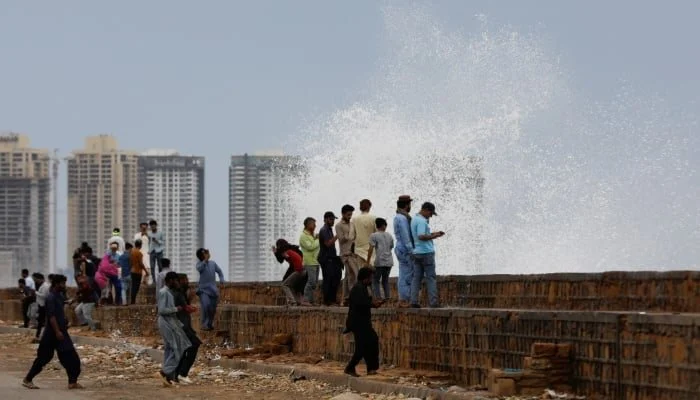
Weather Department Predicts Rain in Upper Parts of Country: A Welcome Respite or Cause for Concern?

The Meteorological Department has forecasted widespread rain in the upper regions of the country over the coming days, offering relief from scorching summer temperatures but raising questions about potential disruptions. The anticipated showers, expected to blanket mountainous areas, northern plains, and parts of Punjab and Khyber Pakhtunkhwa, come amid shifting weather patterns influenced by western disturbances and monsoon currents. While farmers celebrate the prospect of water for crops and reservoirs, urban planners and disaster management authorities remain on alert for flash floods and infrastructure challenges.

The Forecast: What to Expect

According to the latest weather advisory, moderate to heavy rainfall is predicted across the upper halves of the country, including Gilgit-Baltistan, Azad Kashmir, and northern Punjab, from [specific dates]. Isolated regions may receive up to 80–100 mm of rain within 48 hours, accompanied by thunderstorms and gusty winds. Temperatures in these areas are expected to drop by 5–8°C, providing temporary respite from heatwaves that have plagued the plains. However, southern regions, including Sindh and Balochistan, will likely remain dry, exacerbating existing water scarcity issues.

Why Now? The Science Behind the Showers

The incoming rain is attributed to a collision of two weather systems: a western disturbance (a storm system originating in the Mediterranean) and moisture-laden winds from the Arabian Sea. These systems often converge over South Asia during the pre-monsoon and monsoon seasons, triggering intense precipitation in northern and northwestern areas. Meteorologists note that climate change has amplified the frequency and intensity of such weather events, leading to erratic rainfall patterns—a trend observed globally.

Agricultural Relief Amid Economic Strain

For farmers in rain-dependent regions, the forecast is a beacon of hope. The agriculture sector, which contributes ~20% to Pakistan’s GDP and employs nearly 40% of the workforce, has struggled with water shortages and rising input costs. Rainfall at this time is critical for crops like wheat, maize, and seasonal vegetables. “This rain could save us from pumping groundwater, which is expensive and depleting rapidly,” said Ahmed Ali, a farmer from Swat. Additionally, the downpours may replenish reservoirs like Tarbela and Mangla, which are vital for irrigation and hydropower.

Urban Challenges: Floods and Infrastructure Woes

While rural areas brace for benefits, cities face a mixed outlook. Urban centers such as Islamabad, Peshawar, and Rawalpindi, still recovering from last year’s catastrophic floods, are at risk of waterlogging, traffic snarls, and power outages. Poor drainage systems and unchecked construction on natural waterways heighten flood risks. In 2022, similar rainfall submerged low-lying neighborhoods, displacing thousands. Authorities have issued advisories urging residents to avoid unnecessary travel and clear clogged drains.

Disaster Management on High Alert

The National Disaster Management Authority (NDMA) has activated emergency response teams in vulnerable districts, deploying sandbags, pumps, and rescue equipment. Lessons from past floods—particularly the 2022 disaster that caused $30 billion in losses—have emphasized the need for proactive measures. However, critics argue that long-term solutions, such as upgrading infrastructure and enforcing zoning laws, remain inadequate. “Reactive measures won’t suffice in the face of climate-induced disasters,” warns environmental activist Fatima Khan.

Tourism: A Silver Lining

The rain could boost tourism in northern areas, where cooler temperatures and lush landscapes attract visitors. Hill stations like Murree, Nathiagali, and Swat Valley are likely to see a surge in tourists seeking relief from the plains’ heat. However, landslides on mountain highways pose safety risks, prompting calls for improved road maintenance and emergency services.

The Climate Change Connection

Experts emphasize that such weather events are no longer anomalies but part of a disturbing pattern. Pakistan, ranked among the top 10 countries vulnerable to climate change, has experienced a 150% increase in extreme weather events since 2010. The current rains underscore the urgency of climate adaptation strategies, including reforestation, sustainable water management, and resilient urban planning.

Conclusion: Balancing Hope and Preparedness

The predicted rainfall brings both opportunities and challenges. For farmers and ecosystems, it’s a lifeline; for cities, a test of infrastructure and governance. As the country navigates these dual realities, the focus must shift from short-term fixes to long-term resilience. Citizens are advised to stay updated via weather alerts, while policymakers must prioritize climate action to mitigate future risks. In the words of a meteorologist at the Pakistan Meteorological Department: “Nature’s gifts should never be taken for granted—they demand respect and preparedness.”

PSX Recovers from Intraday Low of 8,700 Points But Suffers Second Worst Single-Day Drop

The Pakistan Stock Exchange (PSX) witnessed a rollercoaster trading session this week, with the benchmark KSE-100 index plunging to an intraday low of 8,700 points before staging a partial recovery. Despite clawing back some losses by the closing bell, the PSX recorded its second-worst single-day decline in history, shedding over 2,500 points (nearly 4.5%) by the end of the session. The dramatic swing underscores the fragility of investor sentiment amid mounting economic and political challenges.

Intraday Volatility: A Glimmer of Resilience

The day began with a sharp sell-off, driven by panic selling from retail and institutional investors. By midday, the index had nosedived to 8,700 points—a level last seen during the 2020 COVID-19 market crash. However, bargain hunters and state-backed institutions intervened in the afternoon, lifting the index by roughly 500 points off its lows. This recovery highlighted fleeting optimism, as investors capitalized on undervalued blue-chip stocks in sectors like banking and energy. Yet, the rebound was insufficient to offset the day’s broader bearish momentum, leaving the index deep in the red at close.

What Triggered the Sell-Off?

Several factors converged to fuel the historic drop:

  1. Political Uncertainty: Fresh concerns over policy continuity, coupled with delays in critical reforms, rattled investors. Rumors of governmental instability ahead of elections added to the anxiety.
  2. Economic Headwinds: Soaring inflation (over 30% year-on-year), a depreciating rupee, and dwindling foreign exchange reserves amplified fears of a balance-of-payments crisis.
  3. Global Pressures: Rising U.S. Treasury yields and a stronger dollar prompted foreign investors to pull capital from emerging markets, including Pakistan. Foreign portfolio outflows from the PSX crossed $50 million in a single week.
  4. IMF Negotiations: Stalled talks with the International Monetary Fund (IMF) over the release of a $1.1 billion loan tranche exacerbated worries about default risks.

Broader Implications for Pakistan’s Economy

The PSX’s meltdown reflects deeper systemic issues. A sustained stock market slump could deter foreign investment, weaken corporate fundraising, and erode public wealth. For ordinary citizens, the turmoil signals tougher times ahead, as economic instability often translates to higher unemployment and inflation. Moreover, the rupee’s fragility—exacerbated by equity outflows—threatens to increase import costs, further straining households and businesses.

The Road Ahead

While the PSX’s partial recovery hints at pockets of resilience, restoring confidence will require concrete steps. The government must fast-track its IMF agreement to unlock funding and stabilize macroeconomic indicators. Simultaneously, long-term reforms to curb inflation, attract FDI, and diversify exports are critical. For investors, the volatility presents both risks and opportunities: high-risk appetites may favor undervalued stocks, while cautious players could await clearer signals.

Conclusion

The PSX’s second-worst single-day drop serves as a stark reminder of Pakistan’s economic vulnerabilities. While the intraday rebound offers a sliver of hope, sustained recovery hinges on political stability, prudent policymaking, and global tailwinds. As the country navigates these choppy waters, the stock market’s performance will remain a barometer of broader economic health—and a test of investor patience.

Journalist Farhan Mallick Granted Bail in Anti-State Content and Fraud Cases: A Test for Press Freedom

In a closely watched case that has sparked debates about press freedom and legal accountability, Pakistani journalist Farhan Mallick was granted bail this week by a sessions court in Karachi after spending months in custody over allegations of publishing “anti-state content” and financial fraud. The decision, hailed by media advocates as a partial victory, underscores the precarious balance between national security concerns and the rights of journalists in Pakistan’s increasingly polarized political climate.

Background of the Case

Farhan Mallick, a freelance journalist known for his critical reporting on governance and security issues, was arrested in late 2023 under Pakistan’s Prevention of Electronic Crimes Act (PECA) 2016 and charges of fraud. Authorities accused him of running a “malicious campaign” on social media and YouTube, alleging his content undermined state institutions and spread “false information.” The fraud charges, tied to accusations of embezzlement linked to a media project, were seen by critics as an attempt to compound legal pressure.

Mallick’s arrest drew immediate condemnation from press freedom groups, including the Human Rights Commission of Pakistan (HRCP) and the Committee to Protect Journalists (CPJ), which labeled the charges as “vague and politically motivated.” Colleagues and family members maintained his work was factual and within the bounds of journalistic ethics.

The Bail Hearing and Legal Arguments

During the bail hearing, Mallick’s defense team argued that the charges lacked concrete evidence and violated constitutional guarantees of free speech under Article 19. They emphasized that his reporting focused on public interest issues, such as corruption and security force operations, which should not be conflated with sedition. The prosecution, meanwhile, insisted Mallick’s content had “the intent to incite chaos,” citing disputed digital forensics reports.

The court’s decision to grant bail—while not dismissing the case—highlighted procedural weaknesses in the evidence presented. The judge noted that the prosecution failed to establish a direct link between Mallick’s work and any tangible threat to national security. Bail was set at PKR 200,000, with strict conditions barring Mallick from commenting on the case publicly.

Reactions and Implications

Media rights organizations cautiously welcomed the ruling but warned that the broader threat to journalists remains unresolved. “Bail is a relief, but the charges themselves are designed to intimidate,” said a representative from the Pakistan Federal Union of Journalists (PFUJ). Mallick’s case is emblematic of a wider pattern: over 50 journalists in Pakistan faced legal harassment or arrest in 2023 under PECA and anti-terror laws, per the Freedom Network.

The fraud allegations, however, complicate the narrative. While Mallick’s supporters claim these charges are a smear tactic, some observers urge scrutiny of financial accountability in media projects. “Transparency matters, but weaponizing fraud claims to silence critics is equally dangerous,” remarked a legal analyst.

Press Freedom in the Crosshairs

Pakistan ranks 150th among 180 countries in Reporters Without Borders’ 2023 Press Freedom Index, with journalists routinely facing threats, censorship, and violence. Mallick’s ordeal reflects the risks for independent reporters, particularly those covering security agencies or corruption. The use of PECA—a law criticized for its vague definitions of “cyberterrorism” and “defamation”—has become a favored tool to target dissent.

The Road Ahead

While Mallick’s release offers temporary reprieve, his legal battle is far from over. The court has yet to rule on the merit of the charges, and a prolonged trial could drain his resources and morale. Meanwhile, his case has galvanized calls for PECA reforms to prevent its misuse against journalists.

Civil society groups are urging Pakistan’s incoming government to prioritize legislation safeguarding press freedom and narrowing the scope of anti-state laws. As digital media grows, the line between criticism and “subversion” remains dangerously blurred.

Conclusion

Farhan Mallick’s bail ruling is a reminder of the fragile state of press freedom in Pakistan. While the judiciary has provided a respite, systemic issues persist. Without legal reforms and stronger protections for journalists, the cycle of arrests, intimidation, and self-censorship will continue, eroding democracy and public trust. As Mallick prepares to fight the charges, his case symbolizes both the resilience of independent journalism and the urgent need for change.

BSEK Announces Matriculation Exam Dates: Key Details for Karachi Students

The Board of Secondary Education Karachi (BSEK) has officially announced the examination schedule for the 2024 Matriculation (Class 9 and 10) annual exams, ending months of speculation and anxiety among students, parents, and educational institutions. The exams, a critical milestone for over 500,000 students in Karachi, will commence on March 1, 2024, and conclude by April 10, 2024, as per the board’s notification. This announcement sets the stage for rigorous preparations across the city’s schools and underscores the board’s efforts to streamline academic timelines disrupted by past challenges, including the pandemic and administrative delays.

Exam Schedule and Key Deadlines

The BSEK has released a detailed timetable, with theory papers for both Science and General Groups starting in early March. Practical exams for science students are slated to begin in mid-February, allowing schools to complete assessments ahead of the written tests. Key deadlines include:

  • Submission of exam forms: January 15, 2024 (with late fees applicable until January 25).
  • Distribution of admit cards: February 15, 2024.
  • Result declaration: Targeted for July 2024.

The board has urged students to verify their personal details and subject codes on admit cards promptly to avoid last-minute discrepancies.

Preparation and Logistics

With Karachi’s sprawling student population, the BSEK has finalized over 500 examination centers, including government schools, colleges, and private institutions, to accommodate candidates. Security measures, including CCTV surveillance and biometric verification, will be enforced to curb malpractice. Board Chairman Syed Sharaf Ali Shah emphasized that “all arrangements are being made to ensure transparency and fairness,” with special committees formed to address grievances during the exam period.

Schools have welcomed the clarity in dates, allowing teachers to finalize revision plans. “The timeline gives students a clear roadmap to manage their studies,” noted the principal of a prominent Karachi school. However, concerns linger over syllabus completion, as many institutions faced delays due to 2023’s political unrest and floods.

Student Reactions and Challenges

The announcement has sparked mixed reactions. While organized students expressed relief, others voiced stress over the tight schedule. “I’m juggling part-time tuition to support my family and study—this timeline is daunting,” shared a Class 10 student from Lyari. Parents, too, are grappling with financial pressures, as exam fees and preparatory materials strain budgets amid inflation.

Mental health advocates have called for schools to integrate stress-management workshops, citing rising cases of exam-related anxiety. “The pressure to perform is immense, especially for students from underprivileged backgrounds,” remarked a child psychologist.

Broader Implications

The BSEK’s adherence to its pre-pandemic schedule signals a return to stability in Sindh’s education system. The move aligns with other provincial boards, ensuring uniformity for inter-board transfers and future admissions. However, critics highlight systemic issues, including outdated curricula and inadequate teacher training, which continue to hinder student performance.

Tips for Students

  1. Prioritize Revision: Focus on high-weightage chapters and past papers.
  2. Leverage Resources: Utilize BSEK’s online portal for model papers and syllabus updates.
  3. Health Matters: Balance study hours with rest, nutrition, and physical activity.
  4. Clarify Doubts: Engage teachers or peer groups to address challenging topics.

Looking Ahead

The BSEK’s announcement marks a critical juncture for Karachi’s academic calendar. Successfully conducting these exams will not only restore confidence in the board’s administrative capabilities but also set a precedent for addressing long-standing challenges in Pakistan’s public education system. As students dive into their preparations, the spotlight remains on the board to deliver a fair, efficient, and transparent examination process.

A Shadow in the Sky: Decoding China’s J-50 and the Pursuit of Air Superiority

The recent, albeit fleeting, glimpse of what is purported to be China’s J-50 sixth-generation fighter has sent ripples through the global defense community. While concrete details remain shrouded in secrecy, the implications of this potential technological leap are undeniable: a clear signal of China’s unwavering ambition to achieve air superiority.

The J-50, if the leaked imagery and speculative reports are accurate, represents a paradigm shift in aerial warfare. Its tailless design and lambda-wing configuration point towards advanced stealth capabilities, a critical factor in evading modern radar systems. Whispers of integrated AI, quantum radar, and even directed energy weapons suggest a platform designed to dominate the skies in the decades to come.

This development transcends mere technological advancement; it’s a strategic maneuver with profound geopolitical ramifications. The J-50’s potential deployment in the South China Sea, a region fraught with territorial disputes, could significantly alter the balance of power. It raises concerns among neighboring nations, prompting them to reassess their own defense strategies and potentially triggering a new arms race.

The J-50’s capabilities are not merely about projecting power in regional disputes. They are about challenging the established air dominance of the United States. The integration of network-centric warfare capabilities, allowing the J-50 to seamlessly coordinate with drones and other assets, signals a move towards a more interconnected and autonomous battlefield. This shift demands a reassessment of traditional air combat doctrines and a rapid adaptation to a new era of technological warfare.

Moreover, the J-50’s development raises questions about the future of aerial combat. How will current fighter platforms, like the F-22 and F-35, adapt to this new threat? Will the Next Generation Air Dominance (NGAD) program be accelerated to counter this emerging capability? The J-50 forces a global reevaluation of air power, accelerating the development of next-generation technologies and strategies.

The J-50 is more than just a new aircraft; it’s a symbol of China’s growing technological prowess and its ambition to reshape the global order. While the full extent of its capabilities remains shrouded in mystery, the first glimpse of this advanced fighter has undoubtedly signaled a significant shift in the pursuit of air superiority, a shift that will reverberate through the international defense landscape for years to come. The shadow of the J-50 looms, compelling the world to confront the dawn of a new era in aerial warfare.

Supreme Court Affirms Great News : Married Daughters’ Eligibility for Govt Jobs 2025

In a landmark judgment, Pakistan’s Supreme Court has ruled that married daughters are eligible for employment under the quota reserved for children of deceased government employees, dismantling long-standing discriminatory practices rooted in patriarchal norms. This decision marks a significant stride toward gender equality and challenges societal perceptions that often exclude married women from familial entitlements.

Background of the Quota System

The government employee quota is a welfare measure designed to provide financial stability to families who lose a breadwinner. Under this policy, a dependent of a deceased or retired employee—typically a spouse or child—can secure a government job. However, bureaucratic interpretations often excluded married daughters, citing outdated notions that marriage severs their status as dependents. This exclusion persisted despite constitutional guarantees of equality (Articles 25–27) and Pakistan’s commitments to international conventions like CEDAW.

The Case and the Court’s Reasoning

The ruling emerged from a petition filed by a married daughter denied a job under her late father’s quota. The court underscored that marital status cannot negate a woman’s identity as a child of her parents. Citing Article 25, the justices emphasized that discrimination based on gender or marital status violates constitutional principles. The bench rejected the idea that marriage transfers a woman’s economic responsibilities to her husband, stating, “A daughter remains a daughter forever; her rights cannot be diluted by societal prejudices.”

Implications and Societal Impact

This judgment empowers thousands of married women seeking economic independence and challenges deep-seated cultural stereotypes. By affirming their eligibility, the court acknowledges that financial needs persist regardless of marital status—especially critical in a country where women’s labor force participation remains low (22%). The decision also sets a precedent for reinterpreting laws through a gender-equity lens, potentially influencing future cases on inheritance, property rights, and workplace discrimination.

Reactions and Challenges

Women’s rights organizations have hailed the verdict as transformative. “This ruling dismantles the archaic belief that a woman’s family role defines her rights,” stated an activist from the Aurat Foundation. Conversely, conservative factions argue it strains the quota system, though data shows limited uptake due to existing bureaucratic hurdles. Legal experts stress the need for swift policy updates across federal and provincial institutions to ensure compliance.

Broader Context and the Path Forward

This decision aligns with progressive rulings, such as the 2021 validation of women’s right to inherit agricultural land, reflecting a judicial shift toward gender justice. However, implementation barriers persist. Many women lack awareness of their entitlements, and procedural delays often discourage applicants. Advocacy groups urge targeted campaigns to inform potential beneficiaries and streamline application processes.

Conclusion

The Supreme Court’s verdict is more than a legal triumph—it’s a cultural recalibration. By recognizing married daughters as equal stakeholders, Pakistan’s judiciary reaffirms that equality cannot be conditional on marital status. This ruling not only secures economic rights but also fuels the broader struggle for gender equity, proving that justice, when rooted in constitutional morality, can transcend societal prejudices. As institutions adapt, this judgment promises to inspire a more inclusive vision of family and citizenship in Pakistan.

Sindh-Punjab Rift Intensifies Over Controversial Canals Project 2025

The longstanding water dispute between Pakistan’s Sindh and Punjab provinces has escalated anew over a contentious canals project, reigniting debates over equity, resource management, and inter-provincial relations. At the heart of the conflict lies Punjab’s push to expand its irrigation infrastructure, which Sindh claims threatens its already precarious water supply, exacerbating historical grievances and environmental concerns.

Historical Context
Water distribution between Sindh and Punjab has been fraught since the 1991 Water Apportionment Accord, which allocates Indus River resources among Pakistan’s provinces. Punjab, upstream and agriculturally dominant, often faces accusations of overextraction, while Sindh, downstream, grapples with water scarcity, impacting its agriculture-dependent economy. The Indus River System Authority (IRSA) oversees allocations, but trust deficits persist, with Sindh alleging systemic bias.

The Controversial Project
Punjab’s latest initiative involves constructing new canals and dams, purportedly to enhance irrigation and hydropower capacity. Proponents argue these developments are vital for food security and energy needs, aligning with national growth agendas like the China-Pakistan Economic Corridor (CPEC). However, Sindh perceives the project as a unilateral move diverting water from its rightful share, violating the 1991 Accord. The province warns of catastrophic consequences for its farmers, who rely on seasonal flows for rice and cotton crops, and for the Indus Delta, already degraded by reduced freshwater flow.

Political and Environmental Stakes
The rift transcends resource competition, reflecting deeper political fissures. Sindh nationalists accuse Punjab of leveraging its demographic and political clout to dominate federal decisions, marginalizing smaller provinces. Conversely, Punjab officials frame the project as essential for national progress, dismissing Sindh’s objections as obstructionist. Environmentalists echo Sindh’s concerns, highlighting the delta’s ecological collapse—vanishing mangroves, saltwater intrusion, and displaced coastal communities.

Human Impact and Mediation Efforts
For Sindh’s rural majority, water scarcity spells economic ruin. Farmers report declining yields, forcing migration to urban centers. Protests have erupted, demanding federal intervention. Legal challenges loom, with Sindh seeking court mandates to enforce water quotas. Meanwhile, IRSA-mediated talks remain gridlocked, underscoring the need for transparent, inclusive dialogue.

Pathways to Resolution
Sustainable resolution requires revisiting the 1991 Accord with contemporary climate realities in mind. Enhanced monitoring mechanisms, equitable infrastructure investments, and provincial consensus on new projects are critical. Learning from transboundary models like the Indus Waters Treaty, Pakistan must prioritize cooperation over competition, ensuring water governance balances development with ecological and regional equity.

Conclusion
The Sindh-Punjab canals dispute underscores the delicate interplay between resource management and regional politics. Without urgent, collaborative action, Pakistan risks not only escalating inter-provincial strife but also ecological and humanitarian crises. The canals project must evolve from a flashpoint into a catalyst for dialogue, fostering a united approach to water stewardship in an era of climate uncertainty.

90,000 Pakistani Muslims set to perform Hajj 2025

As the holy pilgrimage of Hajj 2025 draws near, Pakistan is finalizing its arrangements to send 90,000 pilgrims on its official government program this year. Sardar Muhammad Yousaf, the Religious Affairs Minister, at a press conference in Lahore, confirmed that the flight operations for the pilgrimage would start on April 29.

The preparations for the journey are underway. Pilgrims are already going through necessary preparations, such as vaccinations and orientation programs. Training for potential pilgrims will start on April 8, covering health and safety procedures, travel regulations, and religious practices to make the journey smooth and well-informed.

Hajj 2025 Prices for Pakistani Muslims

Packages for this year’s Hajj have been categorized into two: Rs 1,150,000 for short-stay and Rs 1,050,000 for long-stay. The minister pointed out the money involved but added the all-round support and services provided in the package.

Sardar Yousaf also furnished information about his recent tour of Saudi Arabia, where he inspected accommodation and logistic facilities to provide Pakistani pilgrims with proper facilities during their stay.

He spoke of addressing public concerns over Umrah travel, adding that the temporary shutdown of Umrah visas prior to the Hajj season is an annual practice geared towards simplifying operations for the principal pilgrimage.

As the Hajj 2025 countdown commences, officials are optimistic that this year’s preparations will provide a hassle-free, spiritually enriching experience for all Pakistani pilgrims.

Also, see:

How to Ghiblify Pictures for Free?

HBL PSL 10 commentary panel unveiled, full-match Urdu commentary added

The HBL PSL 10 will not only be lit up by on-field pyrotechnics but also by a star-studded commentary panel consisting of legendary names from around the world. And for the first time, one full match will be telecast in Urdu, making the game more accessible to millions of fans.

Star-Studded Voices Take Center Stage

The Pakistan Cricket Board (PCB) has spared no expense in putting together this year’s commentary team, going all out to recruit a team of dream commentators. At the forefront is England’s Sir Alastair Cook, the retired Test captain, who will debut in the PSL—not at the crease, but at the microphone. He’ll be joined by Mark Nicholas, the cricket’s legendary voice, along with retired cricketers Dominic Cork, Mark Butcher, Jean-Paul Duminy, and Martin Guptill.

Joining a new dynamic, two-time World Cup winner Lisa Sthalekar from Australia will provide her incisive comments to the coverage. From Pakistan, the commentary panel will have some of its greatest names, including Wasim Akram, Waqar Younis, Ramiz Raja, and Aamir Sohail, joined by analyst Bazid Khan and women’s former captain Urooj Mumtaz.

Full-match Urdu commentary for first time in PSL history

In an innovative step, a complete match will be shown live in Urdu, the first ever in the history of PSL. Ali Younis, Salman Butt, Aqeel Samar, and Marina Iqbal form the Urdu panel with expertise and home flavor.

HBL PSL CEO Salman Naseer hailed the initiative: “This is for the fans—bringing the game to them in their language. With legends like Cook, Akram, and Sthalekar on board, we’re elevating the PSL experience like never before.”

When will HBL PSL 10 begin?

The action gets underway in Rawalpindi on April 11, with the concluding set on May 18 in Lahore. Karachi, Multan, and Lahore will be ablaze with matches, with 34 high-intensity encounters guaranteeing non-stop action.

Hosts Erin Holland and Zainab Abbas will keep the fans entertained throughout, making sure the PSL’s mix of cricketing excellence and entertainment remains unrivalled.

Also, see:

Waqf Amendment Bill 2025 Faces Constitutional Challenge in Indian Supreme Court

Introduction
The Waqf Amendment Bill 2025, a legislative effort to reform the management of Islamic endowments in India, has landed in the Supreme Court amid mounting legal and societal debates. Petitioners argue the bill risks undermining property rights and secular principles, while the government defends it as a necessary modernization of waqf governance. This landmark case could redefine the balance between religious autonomy and constitutional safeguards in India.

Background: Waqf Laws and the 2025 Amendment
Waqf properties, endowed under Islamic law for religious or charitable purposes, are governed by the Waqf Act of 1995. The 2025 amendment seeks to address inefficiencies in administration, proposing expanded powers for the Central Waqf Council, streamlined dispute resolution mechanisms, and accelerated processes to reclaim allegedly encroached properties. Critics, however, contend the bill disproportionately empowers Waqf Boards, potentially enabling overreach into private property disputes.

The Controversy
At the heart of the challenge are concerns over constitutional rights and procedural fairness. Key contentious provisions include:

  1. Expedited Reclamation: Reducing the timeframe for property owners to contest waqf claims, raising fears of hasty adjudications.
  2. Centralized Authority: Shifting control from state-level boards to a centralized body, sparking federalism debates.
  3. Retrospective Application: Allowing Waqf Boards to revisit decades-old property classifications, unsettling long-resolved titles.

Petitioners’ Arguments
Opponents, including civil rights groups and property owners, argue the amendment:

  • Violates Property Rights: Infringes on Article 300A, which guarantees the right to property, by easing the seizure of lands deemed waqf.
  • Undermines Secularism: Alleges preferential treatment to one religious community, contravening the Constitution’s secular ethos.
  • Lacks Safeguards: Risks misuse due to inadequate checks on Waqf Boards’ authority, potentially weaponizing claims against vulnerable owners.

Government’s Defense
The government asserts the bill aims to:

  • Prevent Encroachment: Protect waqf assets from illegal occupation, ensuring their use for intended charitable purposes.
  • Modernize Governance: Introduce transparency and efficiency in managing India’s 800,000+ waqf properties, valued at billions.
  • Uphold Minority Rights: Safeguard Muslim institutions under Article 26, which grants religious groups autonomy in managing affairs.

Broader Implications
The Supreme Court’s ruling will resonate beyond legal corridors:

  • Property Market Stability: A validation could unsettle landowners, while a strike-down may hinder waqf asset protection.
  • Federal Dynamics: Centralizing control may clash with states’ rights, testing India’s federal structure.
  • Communal Harmony: Perceptions of bias could deepen societal fissures, necessitating judicial nuance.

Precedents and Context
Past disputes, such as the 2019 Hindu Priests vs. Uttar Pradesh Waqf Board case, highlight tensions over religious properties. The Court’s interpretation of secularism—balancing minority protections with individual rights—will be pivotal.

Conclusion
As India’s apex court deliberates, the Waqf Amendment Bill 2025 underscores the delicate interplay between religious freedom and constitutional integrity. Its decision will not only shape the future of waqf governance but also set a precedent for how India navigates the complex terrain of faith, law, and rights in a pluralistic democracy. The outcome demands a meticulous equilibrium—one that honors charitable endowments without compromising the bedrock of secular justice.

Sweden Resumes Visa Processing for Pakistani Citizens: A Renewed Pathway for Travel and Collaboration

Introduction
In a significant move welcomed by travelers and stakeholders alike, Sweden has officially resumed visa processing for Pakistani citizens, ending a temporary suspension that had paused applications for several months. This decision, announced by the Swedish Embassy in Islamabad, marks a pivotal step in restoring mobility and fostering bilateral ties between the two nations.

Background on the Pause
The suspension of visa services, initiated earlier in 2023, was attributed to administrative restructuring within Sweden’s migration authorities aimed at addressing backlogs and streamlining processes. While the pause caused delays for students, professionals, and families awaiting travel approvals, Swedish officials emphasized the temporary nature of the halt, assuring applicants of a swift resolution.

Details of the Resumption
As of October 2023, the Swedish Migration Agency has reinstated visa processing across all categories, including tourism, study, work, and family reunification. Key updates include:

  • Digital Application Enhancements: A reinforced online portal to expedite submissions and track application statuses.
  • Revised Documentation Requirements: Clarified checklists for each visa type to reduce processing delays.
  • Priority for Pending Cases: Focus on resolving applications stalled during the suspension period.

The embassy has urged applicants to apply well in advance of planned travel dates, citing potential backlogs. Processing times are estimated at 4–6 weeks for most visas, though student and work permits may take longer due to additional verification steps.

Reactions from Stakeholders
The resumption has been met with relief and optimism. Pakistani students aspiring to study in Sweden, such as Ayesha Khan from Lahore, shared, “This opens doors to world-class education opportunities I’d almost given up on.” Meanwhile, business communities highlighted the benefits for trade and professional exchanges, particularly in Sweden’s tech and engineering sectors.

Swedish Ambassador Henrik Persson remarked, “This decision underscores our commitment to strengthening people-to-people connections and facilitating lawful migration. Pakistan’s talent and diversity are valued in Sweden.”

Broader Implications

  1. Bilateral Relations: The move signals Sweden’s intent to deepen engagement with Pakistan, aligning with recent collaborations in renewable energy and education.
  2. EU Immigration Trends: Sweden’s recalibrated approach mirrors broader EU efforts to balance security with streamlined migration, particularly for skilled workers.
  3. Economic Impact: Easier access for Pakistani professionals could address labor shortages in Sweden while boosting remittance flows to Pakistan.

Challenges and Considerations
Despite the progress, challenges persist. Applicants are advised to meticulously prepare documentation to avoid rejections, while concerns about transparency in decision-making linger among advocacy groups. Additionally, the backlog from the suspension period may strain embassy resources, necessitating patience from applicants.

Looking Ahead
The resumption of visa services is a catalyst for renewed collaboration. Sweden’s focus on attracting skilled workers and students aligns with Pakistan’s growing youth demographic, creating symbiotic opportunities. However, sustained dialogue on reducing bureaucratic hurdles will be critical to maximizing this partnership’s potential.

Conclusion
Sweden’s decision to reopen visa processing for Pakistani citizens is more than an administrative update—it’s a bridge reconnecting aspirations, families, and economies. For Pakistanis, it restores access to education, employment, and cultural exchange in one of Europe’s most progressive nations. For Sweden, it reaffirms a commitment to global connectivity and diversity. As both nations navigate this renewed pathway, the focus must remain on ensuring efficiency, fairness, and mutual benefit in this revitalized chapter of cooperation.

NEPRA Approves Tariff Reduction for K-Electric Consumers: Relief Amid Economic Strain

Introduction
In a move welcomed by millions, Pakistan’s National Electric Power Regulatory Authority (NEPRA) announced a 6-8% reduction in electricity tariffs for K-Electric consumers, effective July 2024. This decision, finalized after a public hearing and detailed review, aims to ease financial burdens on households and businesses in Karachi, Pakistan’s largest city and economic hub. The adjustment reflects lower fuel costs and improved operational efficiencies but raises questions about K-Electric’s ability to maintain service quality amid revenue losses.

Details of the Approval
NEPRA’s notification specifies an average tariff cut of Rs. 3.50 per unit across all consumer categories, reducing residential bills by 6-8% and industrial rates by 4%. The revised tariffs apply to K-Electric’s 3.4 million customers, with the reduction backdated to cover consumption since July 1, 2024. This aligns KE’s rates with national grid consumers, addressing long-standing disparities under the 2002 privatization agreement.

Reasons Behind the Reduction
The decision stems from two key factors:

  1. Declining Global Fuel Prices: Reduced costs of LNG and furnace oil—key inputs for KE’s power generation—lowered the fuel adjustment charge (FAC).
  2. Government Policy: Pressure to harmonize tariffs nationwide under IMF-backed reforms drove the push for parity between KE and state-supplied DISCOs.

NEPRA Chairperson Tauseef H. Farooqi stated, “This reduction balances consumer relief with KE’s financial viability. We’ve ensured transparency through rigorous cost audits.”

Impact on Consumers
For households, the cut translates to monthly savings of Rs. 500–1,500, depending on usage—a lifeline amid 30% inflation. Small businesses, grappling with soaring operational costs, also stand to benefit. “Even marginal savings help us retain staff,” said Bakhtawar Ali, owner of a Korangi-based garment factory.

Challenges for K-Electric
While consumers celebrate, KE faces financial headwinds. The company estimates a Rs. 22 billion annual revenue loss, potentially straining its ability to upgrade aging infrastructure. KE spokesperson Imran Rana emphasized, “We’re committed to service quality but urge policymakers to address circular debt,” referencing KE’s Rs. 350 billion receivables from government entities.

Broader Implications
The tariff cut sets a precedent for other DISCOs, signaling NEPRA’s responsiveness to global energy market shifts. However, critics argue it’s a short-term fix. Energy analyst Ayesha Siddiqi noted, “Without resolving systemic issues like transmission losses and theft, such reductions are unsustainable.”

Conclusion
NEPRA’s decision offers immediate relief to Karachi’s consumers but underscores deeper challenges in Pakistan’s power sector. As KE navigates reduced revenues, the focus shifts to long-term reforms: modernizing grids, boosting renewables, and curbing losses. For now, the tariff cut is a rare bright spot for Karachiites weathering economic storms—a reminder that equitable energy policies remain pivotal to public trust.

New Zealand Clinches Commanding 3-0 ODI Series Sweep Over Pakistan with 43-Run Victory

Introduction
New Zealand delivered a masterclass in consistency and composure, sealing a resounding 3-0 ODI series sweep against Pakistan with a 43-run triumph in the final match. The Black Caps’ dominance was underscored by disciplined performances across all departments, leaving Pakistan to rue missed opportunities in a series that highlighted their struggles under pressure.

Series Overview
The tone was set early as New Zealand secured victories in the first two ODIs through a blend of aggressive batting and clinical bowling. The opening match saw the hosts defend a competitive total, thanks to Trent Boult’s fiery spell, while the second ODI featured a batting masterclass from Devon Conway, whose century anchored a formidable chase. Pakistan, despite flashes of brilliance from Babar Azam and Shaheen Afridi, faltered at critical junctures, unable to counter New Zealand’s strategic depth.

Final Match Highlights
In the series finale at Karachi’s National Stadium, New Zealand posted a challenging 280/8, propelled by Daryl Mitchell’s gritty 82 and Tom Latham’s composed 59. Pakistan’s bowlers, led by Shaheen Afridi (3-57), kept the target within reach. However, the chase unraveled early as Matt Henry (3-40) and Ish Sodhi (2-39) dismantled the top order, reducing Pakistan to 101/5. A late fightback by Salman Ali Agha (67) and tailender Shaheen (29) injected fleeting hope, but Lockie Ferguson’s death-over precision sealed Pakistan’s fate at 237 all out.

Standout Performances

  • New Zealand: Mitchell’s all-series consistency (241 runs) earned him Player of the Series, while Henry’s 8 wickets showcased his lethal seam bowling.
  • Pakistan: Babar Azam’s 178 runs across three matches stood out, though lack of support from the middle order proved costly. Shaheen Afridi’s 8 wickets highlighted his enduring threat.

Strategic Mastery and Shortcomings
New Zealand’s success stemmed from adaptive strategies: exploiting Pakistan’s fragile middle order with spin in middle overs and capitalizing on powerplay restrictions. Their fielding, marked by sharp catches and agile ground work, compounded pressure on Pakistan. Conversely, Pakistan’s over-reliance on Babar and Shaheen, coupled with middle-order collapses and sluggish strike rotation, underscored systemic issues. The absence of finishers like Mohammad Rizwan in key moments further exposed their batting frailties.

Implications and Forward Look
For New Zealand, this sweep reinforces their status as a World Cup contender, blending experience with emerging talent. Pakistan, meanwhile, faces introspection. With the World Cup looming, addressing batting depth and death bowling will be critical. Interim captain Shan Masood emphasized the need for “mental resilience and smarter cricket” in post-match remarks.

Conclusion
New Zealand’s emphatic series win is a testament to their strategic acumen and depth, while Pakistan’s struggles signal urgent areas for improvement. As both teams pivot to future challenges, this series serves as a pivotal learning curve—a reminder of cricket’s fine margins and the relentless pursuit of excellence. For fans, it was a spectacle of skill, drama, and the unyielding spirit of competition.