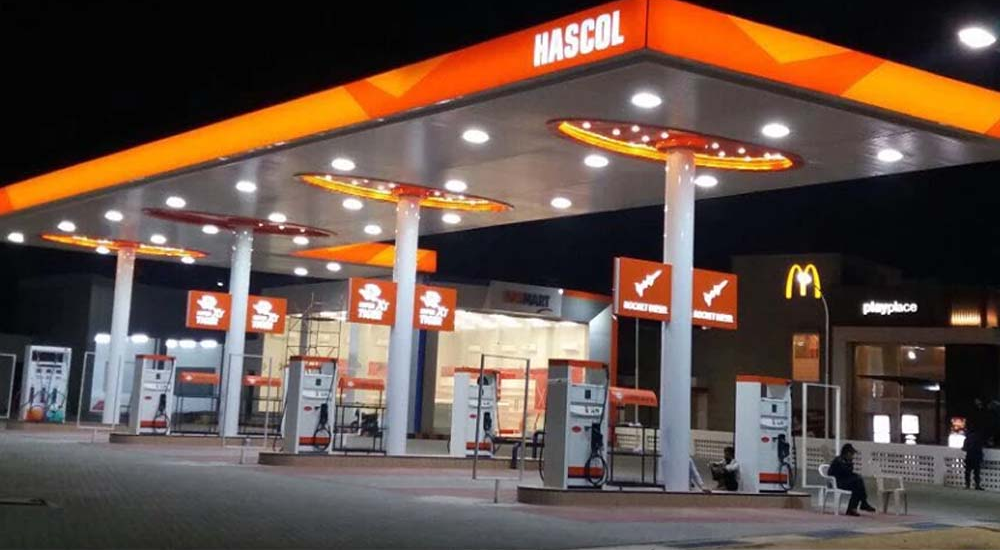
Pakistan’s petroleum retail sector is facing growing uncertainty as oil marketing companies and fuel dealers grapple with delayed payments, rising operational costs, and the increasing presence of smuggled fuel in local markets.
The Oil Marketing Association of Pakistan (OMAP) has called on Prime Minister Shehbaz Sharif to convene an urgent meeting with industry stakeholders, warning that the downstream petroleum sector is under significant financial stress.
According to OMAP, many emerging oil marketing companies are experiencing severe liquidity shortages that are affecting their ability to sustain operations. Industry representatives believe that unresolved financial claims and mounting business expenses have created a challenging environment for fuel distributors across the country.
OMAP Chairman Tariq Wazir Ali highlighted that a substantial backlog of receivables remains unpaid, limiting the working capital available to companies. This situation has increased pressure on businesses that are already dealing with fluctuating market conditions and economic uncertainty.
One of the major concerns raised by the association is the delay in the settlement of Price Differential Claims (PDCs). These pending payments have tied up significant funds that companies rely on for daily operations and future investments.
The association also pointed to unresolved foreign exchange losses, which continue to impact companies involved in petroleum imports and distribution. With currency fluctuations affecting costs, industry players are finding it increasingly difficult to maintain profitability.
Additional concerns include pending sales tax adjustments and outstanding receivables linked to the Inland Freight Equalization Margin (IFEM) mechanism. Industry stakeholders argue that these unresolved financial matters are creating cash flow challenges that threaten business continuity.
Fuel dealers are also facing pressure from rising financing costs. Higher borrowing expenses have made it more expensive for companies to secure the capital needed to maintain inventory and operational efficiency.
At the same time, the push toward digitization has introduced new expenses for petroleum businesses. While digital systems improve transparency and compliance, implementing and maintaining these technologies requires additional investment.
Another major challenge confronting the sector is the growing availability of smuggled fuel in local markets. Industry representatives have repeatedly expressed concerns that illegal fuel trade creates unfair competition, reducing legitimate sales and impacting government revenue collection.
OMAP believes that immediate government intervention is necessary to address these issues before they further destabilize the petroleum supply chain. The association has urged policymakers to engage with industry stakeholders and develop practical solutions that can ease financial pressures and improve market conditions.
Experts suggest that timely settlement of pending claims, revisions to dealer margins, and stronger action against fuel smuggling could help restore confidence in the sector. Such measures may also support long-term stability in Pakistan’s petroleum industry while ensuring uninterrupted fuel availability for consumers.
As economic pressures continue to mount, industry participants are looking to the government for swift action. The outcome of discussions between policymakers and petroleum stakeholders could play a critical role in determining the future health and sustainability of Pakistan’s downstream oil sector.