NADRA System Upgrade to Temporarily Suspend Services for System Upgrade on November 2

Scheduled Maintenance to Enhance Digital Infrastructure

The National Database and Registration Authority (NADRA) has announced a temporary suspension of certain services on November 2, 2025, as part of a scheduled system upgrade. The planned maintenance is aimed at improving the efficiency, reliability, and security of NADRA’s digital infrastructure for users across Pakistan and overseas.

According to the official statement, the upgrade is designed to enhance the user experience on NADRA’s digital platforms, including the Pak ID mobile application and its international service network. The move reflects NADRA’s continued efforts to modernize its technology systems and streamline identity-related services.

Limited Functionality of Pak ID App During Upgrade

During the scheduled upgrade, the Pak ID mobile app—a digital platform that allows users to process ID card renewals and other identification services remotely—will experience limited functionality between 8:00 a.m. and 8:30 a.m. on the morning of November 2.

The authority clarified that only certain features of the app will be temporarily unavailable, while the rest of the application will remain accessible. Users are advised to avoid conducting time-sensitive transactions during the specified period to prevent interruptions.

NADRA officials emphasized that this maintenance window has been deliberately kept short to minimize inconvenience for citizens. The upgrade aims to deliver smoother navigation, faster processing times, and enhanced data protection once the system is back online.

Overseas NADRA Services to Be Affected for Longer Duration

In addition to domestic service interruptions, NADRA also announced that services at Pakistani embassies and consulates abroad will be unavailable from 8:00 a.m. to 4:00 p.m. (Pakistan Standard Time) on the same day.

This temporary suspension will affect various consular services that depend on NADRA’s central database, including ID card processing, verification requests, and related documentation. Operations are expected to resume immediately after the completion of the upgrade.

Officials have assured that all applications submitted prior to the maintenance window will continue to be processed as usual once services are restored.

Commitment to Improved Citizen Experience

The temporary suspension is part of NADRA’s broader digital transformation strategy, aimed at making public services more accessible, secure, and efficient. Over the past few years, NADRA has introduced several digital initiatives, including online ID renewal, biometric verification systems, and digital identity verification for overseas Pakistanis.

A spokesperson from NADRA highlighted that the ongoing upgrades are necessary to keep pace with technological advancements and strengthen cybersecurity measures against evolving threats. “We are continuously investing in better systems and technologies to make our digital services faster and more reliable for citizens at home and abroad,” the spokesperson said.

Public Advised to Plan Ahead

Citizens and overseas Pakistanis are advised to plan their ID-related activities ahead of time to avoid disruptions during the upgrade period. NADRA’s regular operations, including the Pak ID app and embassy services, will resume as soon as the maintenance concludes.

For further assistance, NADRA has urged users to reach out to its helpline at 1777 (for mobile users) or +92-51-111-786-100 for inquiries regarding services and scheduling.

Personal Branding in the Age of GEO: How Pakistani Professionals Can Stand Out

For decades, personal branding in Pakistan meant three things: a polished CV, a professional LinkedIn profile, and networking at industry events.
But in 2025, that formula is no longer enough.

Today, the real question isn’t “What do people find when they Google you?”
It’s “Does your name appear when someone asks ChatGPT, Gemini, or Perplexity about experts in your field?”

Welcome to the era of Generative Engine Optimization (GEO) — where AI-generated visibility determines who stands out in the professional landscape.

Why GEO Matters for Professionals?

1. AI as the New Search Engine

When someone asks, “Who are the best fintech consultants in Pakistan?” or “Which Pakistani designers are leading in sustainable fashion?”, AI models don’t show traditional search results — they generate answers.
If your name appears in that answer, you’ve already built credibility before anyone clicks a link.

2. Authority Recognition

Appearing in AI summaries signals trustworthiness.
Generative engines are trained to cite verified, consistent, and frequently mentioned professionals. If you’re visible there, you’ve achieved a new form of digital authority.

3. Networking and Opportunity

When AI tools reference your name, journalists, recruiters, and collaborators find you faster.
AI visibility can lead to media interviews, brand partnerships, and speaking invitations — often before you even apply.

How to Build a GEO-Ready Personal Brand

1. Publish Thought Leadership Content

AI learns from publicly available data.
Start by publishing:

  • Blog posts on your niche (e.g., HR trends, fintech insights, branding strategies)
  • Articles on LinkedIn or Medium
  • Short thought pieces on Quora, Reddit, or X (Twitter)

Each post gives AI engines something to cite when summarizing industry expertise.

2. Use Q&A Style Formats

GEO thrives on answers, not statements.
Write content that answers real user questions, such as:

  • “How can startups build HR policies in Pakistan?”
  • “What’s the future of influencer marketing in 2025?”

This structure helps AI models associate your name with topic expertise.

3. Collaborate With Media and Podcasts

AI systems trust third-party citations more than self-published posts.
Aim to:

  • Get featured in news outlets, interviews, or digital magazines
  • Contribute quotes to business publications
  • Appear on local podcasts discussing your field

Each media mention acts as an AI signal of credibility.

4. Optimize Profiles With Role-Specific Keywords

Ensure your LinkedIn headline, bio, and website use clear, searchable keywords like:

  • “Marketing Consultant in Lahore”
  • “Cybersecurity Researcher in Pakistan”
  • “AI Policy Advisor and Tech Writer”

AI models use these phrases to categorize expertise.
Avoid vague titles — be descriptive, consistent, and localized.

5. Align and Update Across Platforms

AI cross-checks for consistency across platforms like LinkedIn, Twitter, and company pages.
Make sure your name, title, industry, and photo match everywhere.
Discrepancies confuse both humans and algorithms.

Example in Action

Try this:
Ask ChatGPT, “Who are the top HR consultants in Pakistan?”
You’ll likely see names of professionals who publish regularly, appear in media, and maintain optimized LinkedIn profiles.

They aren’t necessarily the most senior — they’re the most visible to AI.

The Future of Personal Branding

In a GEO-driven world, your reputation isn’t built through applications or referrals — it’s built through visibility in AI ecosystems.
That visibility depends on authentic expertise, consistent content, and digital transparency.

The traditional resume will soon be secondary to your AI footprint — the record of what algorithms know, cite, and summarize about you.

In 2025, your personal brand is not what you say about yourself.
It’s what AI says about you.

Pakistani professionals who adapt to GEO principles — publishing thoughtful content, optimizing their profiles, and engaging authentically — will define the next wave of digital leadership.

The future belongs to those who don’t just show up on Google —
but who show up in AI.


Pakistan Awards 23 Offshore Exploration Blocks After Two Decades

Initial exploration phase to bring $80 million investment; total investment may reach $1 billion

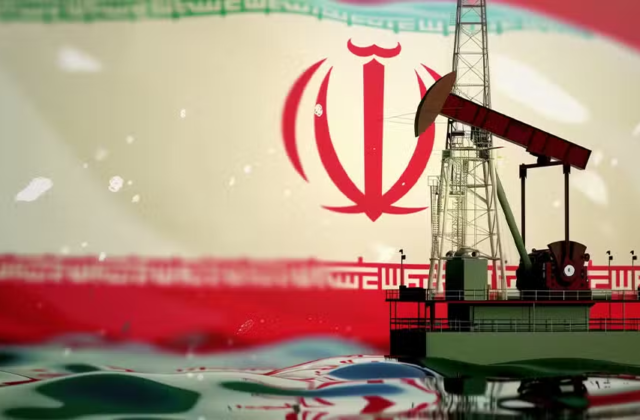
Pakistan has achieved a major breakthrough in its offshore oil and gas sector after nearly two decades, awarding 23 offshore exploration blocks to four local-led consortia, some partnered with international firms, including Turkiye’s national oil company TPAO.

The development marks a revival of investor confidence in Pakistan’s upstream energy industry and signals a new era of exploration in the country’s offshore basins.


First offshore bidding round in 20 years

In its first offshore bidding round since the early 2000s, the Ministry of Energy (Petroleum Division) announced that 23 out of 40 offered blocks — covering approximately 53,510 square kilometers — were awarded to winning consortia.

According to the Petroleum Division, the initial exploration phase will attract an investment of $80 million, while total investment during the drilling phase could rise to $1 billion.

Officials hailed the development as a “historic milestone” in efforts to unlock Pakistan’s untapped offshore hydrocarbon reserves.

“This success reflects the global energy sector’s renewed confidence in Pakistan’s stable exploration policies and its growing potential in offshore energy,” the Petroleum Division said in a statement.


Key players: Local-led consortia with global partners

The winning consortia are led by:

  • Oil and Gas Development Company Limited (OGDCL)
  • Pakistan Petroleum Limited (PPL)
  • Mari Energies
  • Prime Energy, backed by Hub Power Company (Hubco)

Among foreign participants, Turkiye’s TPAO secured a 25% stake in one awarded block, operating it in partnership with PPL under a joint bidding agreement. Other partners include United Energy Group (Hong Kong), Orient Petroleum, and Fatima Petroleum, part of Pakistan’s Fatima Group.


Exploration focus: Indus and Makran basins

The awarded blocks lie within the Indus and Makran offshore basins, where geological indicators suggest promising hydrocarbon potential.

Officials said the dual-basin exploration strategy enhances data collection, geological understanding, and overall resource mapping efficiency.

“This simultaneous exploration approach allows Pakistan to accelerate offshore energy development while reducing dependency on imported fuels,” an official added.


Next steps: Studies, seismic surveys, and drilling

Under Phase I, the exploration companies will conduct geophysical and geological studies, including seismic data acquisition, processing, and interpretation to evaluate the hydrocarbon prospects.

Following positive results, Phase II will commence — involving drilling of exploratory wells in identified high-potential zones.

If successful, the exploration could help expand domestic energy reserves, create new jobs, and reduce the national import bill.


Untapped potential in Pakistan’s offshore zone

Pakistan’s offshore zone spans nearly 300,000 square kilometers, adjacent to the resource-rich waters of Oman, the UAE, and Iran. Despite this, only 18 wells have been drilled since independence — far too few to assess the region’s true potential.

A recent DeGolyer and MacNaughton basin study indicated substantial undiscovered hydrocarbon potential in Pakistan’s offshore area.

The country’s last major offshore exploration effort, Kekra-1 (2019) — led by ExxonMobil — ended without discovery. The new bidding round, however, represents a strong revival of international interest and a fresh opportunity for energy self-reliance.

Bengaluru Bank Wi-Fi: Bank Sparks Outrage Over “Pakistan Zindabad” Wi-Fi Name

Wi-Fi Network Name Triggers Controversy

A bank in Bengaluru, India, found itself at the center of public outrage after its Wi-Fi network briefly appeared under the name “Pakistan Zindabad.” The unusual and politically charged incident quickly gained traction online after a customer noticed the name while attempting to connect to the bank’s wireless network.

The discovery led to confusion and anger among customers, prompting calls for accountability and a police investigation. Given the sensitivity of India-Pakistan relations, the phrase immediately drew attention and was perceived by many as a potential security concern rather than a harmless mistake.

Police Launch Investigation Into the Incident

Local authorities swiftly responded after the matter was reported. According to preliminary findings, the Wi-Fi network in question belonged to a branch of a private Indian bank in Bengaluru. The network name change was detected while the system was undergoing maintenance and repair work, raising questions about whether the act was a technical prank or a deliberate attempt to provoke controversy.

Police officials have confirmed that they are investigating all possible angles, including cyber tampering and human error. Statements from the bank’s management indicate that an external technician had been called in to service the Wi-Fi system, and the name appeared shortly after he completed the repairs and left the premises.

Bank Distances Itself From Controversy

In an official statement, the bank clarified that it had no involvement in the naming of the Wi-Fi network and that the issue occurred while the system was being serviced. The management emphasized that the network name was not an official identifier and was likely changed during configuration by an individual technician or due to a software glitch.

The bank further stated that no data breach or system compromise had been detected, assuring customers that their personal and financial information remained secure. Nevertheless, the bank acknowledged the seriousness of the matter and promised full cooperation with the ongoing investigation.

Technician Under Scrutiny

Investigators are currently attempting to trace the technician responsible for the Wi-Fi maintenance. Reports suggest that he left the premises shortly after completing his work, and attempts to reach him for clarification have been unsuccessful so far. Authorities are reviewing CCTV footage and service records to determine whether the name change was intentional or accidental.

Cybersecurity experts noted that Wi-Fi names, or SSIDs, can be easily changed by anyone with access to the router’s configuration. However, when such names carry politically or socially sensitive phrases, they can lead to public alarm and reputational damage, especially for institutions like banks.

Public Reaction and Security Concerns

The incident has sparked heated discussions on social media, with many questioning how such an event could occur in a high-security environment like a bank. Some users have called for stricter vetting of technical personnel and better cybersecurity oversight within financial institutions.

Law enforcement agencies have increased vigilance following the event, citing concerns that even small digital missteps could have broader implications for national security and public sentiment.

Pakistan Football Coach Nolberto Solano Finally Receives Delayed Salary

Four-Month Delay Ends Amid Growing Scrutiny

After months of uncertainty, Pakistan football head coach Nolberto Solano has finally received his long-overdue salary, ending a four-month payment delay that had drawn sharp criticism from fans and analysts alike. The issue had been a point of contention within the Pakistan Football Federation (PFF), which faced repeated backlash for its handling of staff payments and overall financial management.

The delayed payments had created tension within the coaching staff and cast a shadow over Pakistan’s footballing progress. According to insiders, the delay was primarily due to administrative and financial bottlenecks within the federation, raising broader concerns about how resources are managed at the national level.

Mounting Pressure on the Pakistan Football Federation

The Pakistan Football Federation (PFF) has long faced criticism over its governance, with issues ranging from internal power struggles to inadequate financial transparency. The delayed salary of the national coach became a symbol of these deeper structural problems. Critics argued that if the head coach himself could face such uncertainty, it reflected poorly on the federation’s commitment to supporting players and staff.

Over the past few months, several members of the PFF’s technical and support teams had also reported delays in receiving payments. The situation prompted growing frustration within the football community, with many calling for greater accountability and a clear financial roadmap for the sport’s administration in Pakistan.

Temporary Relief but Lingering Concerns

While the payment to Solano offers a temporary sense of relief, the situation has reignited debate about financial mismanagement and sustainability within Pakistani football. Observers note that unless the federation introduces stricter financial controls and transparent systems, such issues could reoccur and further damage the sport’s credibility.

Nolberto Solano, who took over as Pakistan’s head coach with the aim of rebuilding the national team, has so far maintained a professional stance despite the delays. Known for his experience as a former Peruvian international and English Premier League player, Solano’s leadership was seen as a fresh start for Pakistan’s footballing ambitions. However, consistent administrative challenges continue to limit progress both on and off the field.

The Broader Challenge of Stability in Pakistani Football

The payment delay also sheds light on the broader challenges facing football in Pakistan. Despite growing interest among youth and promising performances in regional tournaments, the sport has struggled to gain stability due to poor governance and inconsistent funding.

Sports analysts believe that a lack of structured financial planning within the PFF remains one of the biggest obstacles. Frequent changes in management and limited sponsorships have further weakened the federation’s ability to ensure timely payments and long-term support for players, coaches, and development programs.

Call for Reform and Sustainable Growth

The resolution of Solano’s salary issue is being viewed as a small but necessary step toward restoring confidence in the system. However, experts and former players insist that lasting reform is essential to avoid similar crises in the future. Strengthening the federation’s financial policies, ensuring transparency, and prioritizing staff welfare are seen as key steps toward stabilizing the sport and unlocking Pakistan’s football potential.

Lahore Court Orders Rs42.7 Million Compensation in Fatal Accident Case

Landmark Ruling Under the Fatal Accidents Act, 1855

A Lahore court has issued a significant verdict, directing a waste management company and its driver to jointly pay over Rs42.7 million in compensation to the family of a motorcyclist who lost his life in a tragic accident eight years ago in North Karachi. The decision, delivered by Senior Civil Judge Sheikh Abbas Mehdi, was made under the Fatal Accidents Act of 1855 and has been hailed as a major step toward strengthening civil accountability in Pakistan’s legal system.

The court determined that the accident resulted from “rash and negligent driving” by the company’s garbage truck driver, establishing clear liability for both the employee and the employer. The ruling serves as a powerful reminder that negligence leading to loss of life carries both criminal and civil consequences, regardless of prior acquittals in criminal proceedings.

Driver’s Acquittal Does Not Nullify Civil Liability

In a detailed judgment, the court clarified that the driver’s earlier acquittal in a criminal case did not absolve either him or the waste management company from their civil liability. The judge highlighted that civil and criminal proceedings operate under different standards of proof — while criminal cases require proof “beyond reasonable doubt,” civil cases rely on the balance of probabilities.

This distinction allowed the court to rule that, despite the absence of a criminal conviction, the evidence presented in the civil suit sufficiently demonstrated the driver’s negligence. Consequently, the company was found vicariously liable for the wrongful act committed by its employee during the course of his employment.

Court Invokes the Principle of Vicarious Liability

A key aspect of the ruling was the application of vicarious liability, a legal doctrine that holds employers responsible for the actions of their employees performed within the scope of their duties. The court emphasized that organizations must ensure responsible conduct from their staff, particularly in situations where negligence can endanger public safety.

By holding the waste management company accountable alongside the driver, the court reinforced the expectation that corporations operating public service vehicles must maintain rigorous safety standards and oversight. Legal experts have described the ruling as a “landmark decision”, likely to set a precedent for future cases involving corporate responsibility and wrongful deaths.

Compensation and Financial Accountability

The court ordered the defendants to pay Rs42.7 million in compensation, which includes a 10% annual markup from the date of filing the case. The amount is to be deposited within 30 days and distributed among the deceased motorcyclist’s legal heirs.

This compensation covers not only the loss of life but also the financial impact on the victim’s family, acknowledging both emotional suffering and economic dependency. The judgment sends a strong message that justice for victims’ families extends beyond criminal prosecution and that civil remedies play an essential role in upholding accountability.

A Step Toward Strengthening Civil Justice

Legal observers view this verdict as a milestone in Pakistan’s judicial landscape, particularly under the Fatal Accidents Act, 1855, which aims to protect the rights of families affected by fatal negligence. By asserting the doctrine of vicarious liability and awarding significant damages, the court has reaffirmed the judiciary’s commitment to ensuring that corporations and their employees are held responsible for the consequences of their actions.

Faiza Yousuf: Empowering Women Entrepreneurs in Pakistan’s Tech Industry

A Trailblazer for Women in Technology

Faiza Yousuf, co-founder of CaterpillHERS and a 2023 finalist for the Aurora Tech Award, is one of Pakistan’s most influential advocates for women in technology. Her mission is simple yet transformative — to ensure that every woman founder in Pakistan is seen, heard, and supported. In a field traditionally dominated by men, Faiza’s work represents a new wave of leadership built on visibility, empowerment, and access to opportunities.

Over the years, Faiza has dedicated herself to breaking the barriers that keep women from entering or advancing in the tech ecosystem. From limited funding and mentorship opportunities to cultural challenges and lack of confidence, she recognizes that these obstacles are not personal shortcomings but systemic issues that need structural change.

Building CaterpillHERS: A Platform for Female Founders

CaterpillHERS, co-founded by Faiza, is a platform designed to help women entrepreneurs transform ideas into sustainable businesses. It offers a structured framework of mentorship, training, and access to networks that equip women with both the skills and confidence needed to lead.

The program focuses on key areas such as business planning, fundraising, leadership development, and global exposure. Under Faiza’s guidance, CaterpillHERS has empowered dozens of women-led startups, helping founders refine their strategies and connect with investors who believe in their potential. The initiative is more than just a training program — it’s a space where women are encouraged to take charge of their entrepreneurial journeys and redefine their roles in Pakistan’s innovation landscape.

Recognition on the Global Stage

Faiza’s impact extends beyond Pakistan’s borders. Her nomination as a 2023 Aurora Tech Award finalist brought international recognition to her efforts in championing women’s participation in technology. The award celebrates female innovators in emerging markets who are driving social and economic progress through tech-driven initiatives.

For Faiza, the recognition is not only personal but also symbolic — it highlights the growing presence of Pakistani women in global innovation spaces. She believes that when women are given visibility, resources, and a supportive network, they can lead technological change just as effectively as anyone else.

Challenging the Status Quo in the Startup Ecosystem

One of Faiza’s strongest messages is about the importance of visibility. Many women founders, she argues, are not lacking talent or ideas — they lack platforms that showcase their work. Through CaterpillHERS and similar initiatives, she is working to close that gap by connecting women to investors, mentors, and international opportunities.

She also continues to advocate for inclusive policies that promote gender equity within Pakistan’s startup and tech ecosystems. Her vision is of a future where women-led businesses are not an exception but a norm — where women have the freedom, tools, and confidence to innovate without hesitation.

A Vision of Inclusive Innovation

Faiza Yousuf’s journey reflects resilience, purpose, and a belief in collective growth. By creating ecosystems that support women, she is ensuring that Pakistan’s digital future is not only innovative but inclusive. Her work continues to inspire a new generation of women to step forward, lead fearlessly, and claim their rightful place in technology and entrepreneurship.

Toxic Winds from India Worsen Smog Crisis in Pakistan

Polluted Indian air pushes Lahore’s AQI to hazardous levels; Punjab cracks down on violators

Lahore and other major cities across Punjab have been blanketed by thick smog as toxic winds from India worsen Pakistan’s already severe air pollution crisis, reported 24NewsHD TV Channel on Friday.

Polluted air masses from Haryana, Ludhiana, Patiala, and Jalandhar have entered eastern Punjab, pushing Lahore’s Air Quality Index (AQI) to dangerously high levels — between 330 and 370, placing the city among the most polluted in the world.


Indian smog winds blanket Punjab cities

According to the Environmental Protection Department (EPD), the incoming winds from across the border have carried high concentrations of PM₂.₅ and PM₁₀ — microscopic particulate matter that poses serious health risks when inhaled.

Slow wind speeds, ranging between 1 to 6 miles per hour, have trapped these pollutants close to the ground, while temperature inversion — when warm air prevents cooler, polluted air from rising — has intensified the smog layer.

The EPD noted that horizontal visibility in Lahore, Faisalabad, Kasur, and Gujranwala has sharply dropped, with pollution peaking during early mornings and late evenings.

Officials expect a slight improvement in air quality between 1 p.m. and 5 p.m., but warned that conditions would remain hazardous throughout the day.


Public health alert issued

Environmental and health authorities have urged citizens — especially children, the elderly, and those with respiratory issues — to avoid unnecessary outdoor exposure and use protective masks when stepping out.

Doctors have also reported an uptick in cases of breathing difficulties, eye irritation, and throat infections, urging people to stay hydrated and limit physical activity outdoors.


Punjab launches crackdown on violators

Under the directives of Punjab Chief Minister Maryam Nawaz, anti-smog enforcement has been intensified across the province.

  • Over 10,000 notices have been issued under the government’s zero-tolerance policy against stubble burning.
  • More than 190 factories and brick kilns have been inspected, with dozens sealed and heavy fines imposed for violating environmental regulations.
  • Over 1,200 monitoring teams are actively ensuring compliance with dust control SOPs at construction sites.

Officials said that continuous monitoring through the Smog Monitoring and Forecasting System confirms that the east-to-west wind flow continues to carry polluted air from across the Indian border into Punjab’s atmosphere.


Lahore among world’s most polluted cities again

The latest readings have once again placed Lahore at the top of the global AQI rankings, surpassing even New Delhi.

Environmental experts stress the need for cross-border collaboration between Pakistan and India to tackle regional air pollution, which has become a recurring winter crisis in South Asia due to agricultural burning and industrial emissions.

Asim Azhar Hania Aamir Reunion: Are Asim Azhar and Hania Aamir Back Together? Fans Spark Reunion Speculation

A Love Story That Refuses to Fade

The relationship between Asim Azhar and Hania Aamir has long fascinated fans and media alike. Their story, filled with love, heartbreak, and public drama, continues to dominate headlines even years after their breakup. Once considered one of Pakistan’s most beloved celebrity couples, Asim and Hania’s romantic journey took a turbulent turn when their split became public, followed by occasional online jabs and indirect comments that kept their dynamic in the spotlight.

After parting ways, both stars moved on with their lives — Asim got engaged to actress and influencer Merub Ali, while Hania focused on her acting career. However, the recent end of Asim and Merub’s engagement has reignited speculation that the singer and Hania may have rekindled their connection.


Clues Pointing to a Possible Reunion

In recent weeks, fans have noticed several hints suggesting a reunion between Asim and Hania. The two have been seen attending multiple public events together, sparking rumors that they might be back on friendly or even romantic terms.

Hania Aamir was recently spotted enjoying herself at one of Asim’s concerts, dancing and cheering for the singer — a gesture that didn’t go unnoticed by fans. The actress also used one of Asim’s songs in her Instagram post, further fueling speculation about their closeness.

The pair’s chemistry appeared evident again at a recent brand event, where they were seen interacting comfortably in public. Social media was quick to react, with fans flooding timelines with questions: “Are Asim and Hania back together?”


Asim Azhar Drops a Major Hint

Just as the speculation reached its peak, Asim Azhar shared a preview of his first-ever music album, and one song in particular caught everyone’s attention. The fifth track, titled “Lost & Found,” seems to reference his history with Hania Aamir.

The teaser for the song features the infamous fashion show ramp walk where Hania walked the runway while Asim performed live — a moment that had previously gone viral for their undeniable chemistry. Fans instantly connected the dots, interpreting the song as a symbolic nod to the pair’s relationship — something once lost, now possibly found again.


Social Media Reactions

The internet has been buzzing ever since the teaser dropped. Twitter, Instagram, and fan pages have been filled with mixed reactions — from excitement to skepticism. Some users believe the two are destined to reunite, while others feel that revisiting an old relationship could lead to more heartache.

One social media user commented, “It’s better they get back together than destroy a third person’s life.” Another humorously remarked, “This is called thook ke chatna.” Meanwhile, a fan wrote, “She’s choosing him again after five years. That’s what we call women in love.”

The online chatter shows no signs of slowing down, with thousands joining the discussion daily. Whether it’s wishful thinking or genuine reconciliation, one thing is clear — Asim Azhar and Hania Aamir’s story continues to capture the nation’s imagination.

Petrol Price Hike Pakistan Expected to Rise from November 1

Anticipated Price Hike Across Petroleum Products

Petroleum prices in Pakistan are expected to increase from November 1, with petrol likely to see a rise of around Rs. 2.34 per litre, according to early estimates from media reports. The anticipated adjustment comes amid global oil market fluctuations and the impact of recent US sanctions on major Russian oil companies, both of which have influenced international crude oil prices.

The initial data from the first 12 days of the current pricing cycle indicates that petrol and high-speed diesel (HSD) are both set for modest increases, while kerosene oil could experience a comparatively sharper rise. The final prices will be determined once the government completes its review of the fortnightly import and exchange rate data.


Breakdown of Expected Price Changes

Based on preliminary calculations, petrol prices may rise by Rs. 1.48 per litre, whereas high-speed diesel is projected to go up by approximately Rs. 1.38 per litre. Kerosene oil is expected to witness the largest increase — about Rs. 2.34 per litre — while light diesel oil (LDO) may rise by Rs. 0.49 per litre.

If these estimates hold, the revised prices for petroleum products from November 1 could stand as follows:

  • Petrol: Rs. 264.50 per litre
  • High-Speed Diesel (HSD): Rs. 276.80 per litre
  • Kerosene Oil: Rs. 184.05 per litre
  • Light Diesel Oil (LDO): Rs. 163.25 per litre

These projected prices reflect the ongoing volatility in international crude markets and the adjustments in Pakistan’s import costs due to changing global dynamics.


Global Market Factors Driving the Increase

The expected hike in petroleum prices is primarily attributed to fluctuations in global oil demand and supply, coupled with the recent US sanctions on major Russian energy companies. These sanctions have disrupted certain supply chains, leading to an increase in international oil prices.

Moreover, the depreciation of the Pakistani rupee against the US dollar has also played a role in raising the import cost of petroleum products. Since Pakistan imports most of its crude oil and refined petroleum, changes in the global market directly impact local prices.

Energy analysts note that the price increase is part of a broader global trend, as geopolitical uncertainties continue to affect oil production and trade.


Government’s Review and Final Announcement

The government of Pakistan will make the final announcement on October 31, after evaluating the full fortnightly data that includes import costs, freight charges, and currency exchange fluctuations. The Ministry of Finance and the Oil and Gas Regulatory Authority (OGRA) are working together to finalize the revised prices.

Officials have stated that the new prices will take effect from November 1, and adjustments will be made in line with global price trends and domestic market conditions. Any movement in the exchange rate or change in international crude oil prices in the remaining days of the review period could still influence the final figures.

The upcoming announcement will be closely watched by transporters, industrial sectors, and consumers alike, as fuel price changes have a direct impact on inflation and the cost of living across the country.

Hassan Ali Bronze Medal: He Wins Bronze for Pakistan in Beach Wrestling at Asian Youth Games

A Proud Moment for Pakistan’s Wrestling Community
Pakistan’s young athlete Hassan Ali made the nation proud by winning a bronze medal in beach wrestling at the Asian Youth Games. His remarkable achievement has brought attention to the growing talent within Pakistan’s youth sports scene. Competing with grit and focus, Hassan showcased the strength, resilience, and determination that define the spirit of Pakistan’s young athletes.

The tournament witnessed intense competition among the region’s top wrestlers, with Hassan emerging as one of the standout performers. His performance not only secured him a place on the podium but also reaffirmed Pakistan’s growing presence in international wrestling circuits.

Strong Performance Amid Fierce Competition
Hassan Ali faced tough opponents from across Asia, each displaying skill and experience. Despite the challenges, he demonstrated tactical intelligence and physical strength throughout the matches, ultimately securing a bronze medal finish in his category. His consistent form and ability to adapt to the unique demands of beach wrestling—where matches take place on sand—earned him respect from both spectators and fellow athletes.

Fellow Pakistani wrestler Abdul Rahman also put up a commendable performance in the 80kg category. Although he narrowly missed out on a medal, his efforts underscored the potential of Pakistan’s young wrestling talent. Both wrestlers represented the country with pride and left a strong impression on international judges and coaches.

A Boost for Youth Sports in Pakistan
Hassan Ali’s victory is more than just a personal triumph—it serves as inspiration for countless young athletes in Pakistan. The success reflects the steady progress being made in youth sports development programs across the country. With limited facilities and resources, Pakistani wrestlers continue to show their mettle on the global stage, proving that talent and hard work can overcome barriers.

The Pakistan Wrestling Federation (PWF) hailed Hassan’s achievement as a major milestone for the sport. Officials highlighted that such performances play a crucial role in motivating emerging athletes and attracting investment in wrestling at the grassroots level.

Growing Popularity of Beach Wrestling
Beach wrestling, a relatively new discipline in Asia, has gained popularity due to its exciting format and accessibility. The sport emphasizes agility, technique, and endurance, requiring athletes to compete barefoot on sand surfaces. For Pakistan, participating and excelling in such diverse formats opens new opportunities to strengthen its presence in international wrestling.

Sports analysts believe that Hassan Ali’s bronze medal could encourage more youth to take up wrestling as a career path. His journey reflects how dedication, even in challenging environments, can lead to international success.

As Pakistan continues to nurture its next generation of athletes, performances like Hassan’s signal a bright future for the nation’s sports landscape. His achievement at the Asian Youth Games stands as a testament to perseverance, talent, and national pride.

Foreign Airlines Lead Flight Cancellations at Karachi Airport

Five out of seven cancelled flights belonged to international carriers

Foreign airlines outnumbered local carriers in flight cancellations at Karachi’s Jinnah International Airport on Thursday, as five out of seven scheduled flights were grounded due to technical and operational issues, according to a report by 24NewsHD TV.

Airport officials confirmed that both regional and long-haul routes were affected, with passengers facing extended delays and last-minute notifications.


List of cancelled international flights

According to the airport’s official flight schedule, the following foreign-operated flights were cancelled:

  • Air China flight CA-946 from Karachi to Beijing
  • AirAsia flight DC-109 from Karachi to Kuala Lumpur
  • Emirates flight EK-609 from Karachi to Dubai
  • Salam Air flight OV-516 from Karachi to Muscat
  • Oman Air flight WY-324 from Karachi to Muscat

These cancellations disrupted travel plans for hundreds of passengers, many of whom were connecting to onward destinations in East Asia and the Middle East.


Domestic carriers also impacted

Among Pakistani airlines, AirSial cancelled two domestic flights:

  • PF-125 and PF-123 — both bound for Islamabad

Airport authorities attributed the disruptions to a mix of technical maintenance requirements and operational scheduling issues, assuring that efforts are underway to minimize inconvenience for passengers.


Passengers advised to confirm flight status

A spokesperson for Karachi Airport urged passengers to check flight statuses before heading to the terminal to avoid unnecessary delays. Airlines have also been directed to provide timely updates and alternate travel arrangements where possible.

The latest round of cancellations adds to a series of flight disruptions witnessed in recent weeks, highlighting ongoing operational challenges faced by carriers amid fluctuating demand and maintenance backlogs.

AI for Healthcare in Pakistan: Can Chatbots Replace Doctors for First Aid?

Pakistan’s healthcare system has long struggled with access and affordability. In rural regions, doctor shortages are common; in urban hospitals, patient lines can stretch for hours. Into this gap, AI-powered chatbots are stepping in — promising instant medical advice and digital first aid.

But a question looms:
Can AI truly replace doctors for first aid, or is it a shortcut that risks lives?

How AI Chatbots Are Being Used in Pakistan

AI is quietly making its way into Pakistan’s medical ecosystem — from hospitals experimenting with triage tools to startups creating health apps for the general public.

1. Basic First Aid Guidance

Apps are being developed to walk users through common emergencies — such as treating burns, stopping bleeding, or responding to high fever.
These tools act as digital first responders, offering immediate steps before help arrives.

2. Symptom Checkers

Platforms allow patients to enter symptoms and receive possible causes or next steps — for instance, “headache + nausea” might suggest dehydration or migraine, followed by a recommendation to consult a doctor.

3. Mental Health Support

AI chatbots are becoming anonymous counselors for users dealing with anxiety, stress, or depression.
Startups like Roshan Health and Sehat Kahani are exploring safe, moderated chatbot integrations for emotional support.

4. Telemedicine Integration

Some apps connect chatbot results directly to licensed doctors via video call.
This bridges the gap between AI guidance and human expertise, ensuring users don’t rely solely on automated answers.

Benefits of AI in Healthcare

The promise of AI healthcare tools in Pakistan lies in their speed, scale, and inclusivity.

Accessibility

AI chatbots are available 24/7, even in areas without medical staff.
For patients far from clinics, this can be the difference between timely help and tragedy.

Affordability

AI consultations are often free or cost a fraction of traditional visits, making them accessible to low-income users.

Language Inclusivity

With Urdu and Roman Urdu interfaces, chatbots remove language barriers that often prevent rural populations from seeking help.

Reduced Doctor Workload

By handling minor inquiries and triage, AI can free up doctors to focus on critical and complex cases, improving system efficiency.

Risks and Limitations

Yet, the dangers of overreliance on AI in healthcare are serious and immediate.

Accuracy Concerns

AI can misinterpret symptoms or rely on outdated data, leading to wrong or delayed treatment.
In medicine, even small errors can have life-threatening consequences.

Overconfidence and Misuse

Patients may trust AI results blindly and avoid consulting real doctors, especially when symptoms seem minor but are not.

Ethical Responsibility

If an AI app gives incorrect advice, who is legally responsible — the developer, the platform, or the user?

Data Privacy

Health apps often collect sensitive data without strict compliance to data protection laws, putting patient privacy at risk.

The Hybrid Model for Pakistan

The safest path forward is not replacing doctors with AI — but integrating AI into Pakistan’s healthcare system as a complementary layer.

A Balanced Model Could Include:

  • AI chatbots handling first response and symptom triage
  • Doctors verifying AI assessments in telemedicine consultations
  • Hospitals and NGOs using AI for public health monitoring and awareness
  • Government regulations to certify and audit medical AI tools

This hybrid approach would combine AI’s reach with doctors’ expertise, ensuring safety without sacrificing access.

The Road Ahead

Pakistan’s healthcare future will depend on how responsibly it embraces AI.
Chatbots and AI assistants can help educate, guide, and triage, but only under regulated frameworks and medical supervision.

Used wisely, AI can extend the reach of doctors, not eliminate them.
Used recklessly, it can spread misinformation faster than disease.

AI chatbots cannot replace doctors in Pakistan — but they can revolutionize how healthcare is delivered.
By offering reliable first aid guidance, supporting rural communities, and easing hospital overloads, AI can play a transformative role.

The real future of healthcare in Pakistan won’t be a choice between AI or doctors.
It will be AI with doctors — working together to make healthcare faster, fairer, and truly accessible to everyone.


Sikh Pilgrims Visas: Pakistan Grants Over 2,000 Visas to Indian Sikh Pilgrims for Guru Nanak Dev Ji’s Birth Anniversary

Facilitating Cross-Border Religious Harmony

In a significant gesture of goodwill and religious diplomacy, Pakistan has issued over 2,000 visas to Sikh pilgrims from India to participate in the celebrations marking the birth anniversary of Guru Nanak Dev Ji, the founder of Sikhism. The move underscores Pakistan’s commitment to facilitating religious tourism and promoting interfaith harmony between the two neighboring nations.

The visas were granted under the framework of the 1974 Pakistan-India Protocol on Visits to Religious Shrines, which allows pilgrims from both sides to visit sacred sites in each other’s countries. This annual event holds immense importance for the Sikh community, drawing thousands of devotees to Pakistan’s revered religious landmarks.


Pilgrims to Visit Key Religious Sites

Under this arrangement, Sikh pilgrims from India will visit several key spiritual destinations across Pakistan. The most prominent among these are Nankana Sahib, the birthplace of Guru Nanak Dev Ji, and the Kartarpur Sahib Gurdwara, one of Sikhism’s holiest sites, located near the Pakistan-India border in Narowal district.

Pilgrims will also visit other significant Gurdwaras, including Panjasahib in Hasan Abdal, Dera Sahib in Lahore, and Rohri Sahib in Eminabad. The visits are scheduled to coincide with the week-long celebrations of Guru Nanak Dev Ji’s birth anniversary, which include religious rituals, prayers, and cultural events symbolizing peace and unity.

Officials from Pakistan’s Evacuee Trust Property Board (ETPB) and the Pakistan Sikh Gurdwara Parbandhak Committee (PSGPC) have made special arrangements for the visitors’ accommodation, transportation, and security.


A Tradition of Spiritual Exchange

The issuance of these visas reflects the ongoing spirit of cultural and religious diplomacy that has long been part of the bilateral relationship between Pakistan and India. Despite political tensions, the two countries have continued to honor the 1974 protocol, enabling Sikh devotees from India and across the world to participate in religious festivals held in Pakistan.

Each year, thousands of Sikh pilgrims make their way to Pakistan for key religious events such as Vaisakhi, Guru Arjan Dev Ji’s martyrdom anniversary, and Guru Nanak Jayanti. The opening of the Kartarpur Corridor in 2019 further strengthened these spiritual ties, allowing visa-free access for Indian Sikhs to visit the Kartarpur Sahib Gurdwara — located just four kilometers from the Indian border.


Strengthening People-to-People Connections

Officials from Pakistan’s Ministry of Religious Affairs emphasized that facilitating the pilgrimage is part of the government’s broader policy to promote religious freedom and interfaith coexistence. The gesture is seen as an effort to nurture people-to-people connections beyond political boundaries and reaffirm Pakistan’s image as a guardian of regional religious heritage.

For Sikh pilgrims, the annual visit offers not just a chance to honor their faith but also an emotional reunion with historical sites deeply intertwined with their spiritual identity. Many pilgrims describe the journey as a deeply moving experience, strengthening their bond with Sikhism’s roots in the subcontinent.

This year’s celebrations are expected to draw large crowds, with both Pakistani and international Sikh communities joining in the festivities. Local authorities have ensured enhanced security and logistical arrangements to make the occasion peaceful and memorable for all visitors.

PSL 11 Schedule Yet to Be Finalized Amid T20 World Cup Clash

Possible Shift to April-May Window

With the T20 World Cup 2026 occupying the Pakistan Super League’s (PSL) traditional February–March slot, uncertainty surrounds the scheduling of PSL 11. Reports suggest that the tournament could be shifted to April or May, but officials have clarified that no decision has been made yet.

The speculation follows concerns about potential fixture congestion and player availability, as many international cricketers will be participating in the global event. A rescheduled PSL would mark a significant shift from its usual calendar, potentially affecting domestic cricket planning and franchise logistics.


PSL CEO Confirms No Final Decision Yet

Addressing the ongoing speculation, PSL Chief Executive Officer Salman Naseer stated that the league’s window has not been finalized. He emphasized that discussions regarding scheduling will only commence after a formal meeting with all major stakeholders, including the Pakistan Cricket Board (PCB) and franchise owners.

“No official decision has been made yet regarding the PSL 11 schedule,” Naseer said. “We will take all franchises into confidence before deciding on the final window. The aim is to ensure that the tournament maintains its high standards of competitiveness, player participation, and global viewership.”

His statement comes amid growing interest from fans and broadcasters eager to know how the league will align with international cricket commitments next year.


Balancing PSL and International Commitments

The T20 World Cup 2026, set to take place during Pakistan’s regular PSL window, has created a logistical challenge for organizers. Several international players who feature prominently in the PSL could be unavailable during February and March due to national team commitments.

Cricket analysts believe that an April–May schedule could provide the PSL with a clear window free from major international tournaments. However, this adjustment might overlap with the Indian Premier League (IPL), potentially affecting player availability and broadcasting dynamics.

PCB officials are reportedly evaluating all options to minimize conflicts while ensuring the league remains commercially viable and globally competitive.


Stakeholders to Play Key Role in Decision

The final decision regarding the PSL 11 schedule will hinge on consultations between PCB, franchise owners, and broadcasters. These discussions are expected to take place in the coming weeks.

Franchise representatives have already expressed the need for clarity well in advance to plan player drafts, sponsorship deals, and logistics. They have also urged the PCB to avoid overlapping with other major cricket leagues to maintain international participation and audience engagement.

Sources indicate that the PCB may also explore shortening the tournament window or introducing split scheduling formats if rescheduling proves challenging.


Fans Await Official Confirmation

Fans across Pakistan and abroad are eagerly awaiting the official announcement regarding the PSL 11 timeline. Since its inception, the PSL has become one of the most-watched cricket leagues in the world, showcasing top international talent and boosting Pakistan’s sports economy.

While uncertainty remains, the PCB’s commitment to maintaining the league’s reputation and ensuring full participation from both local and foreign stars signals that any decision will be made with the long-term interests of the PSL in mind.

Saudi Sky Stadium: Saudi Arabia to Build the World’s First ‘Sky Stadium’ in NEOM

A Landmark in Sports Architecture

Saudi Arabia has announced plans to construct the world’s first-ever ‘Sky Stadium’, a groundbreaking architectural marvel that will be suspended 1,150 feet above the ground in the futuristic mega-city of NEOM. The ambitious project aims to revolutionize the global sports and entertainment landscape, combining technological innovation with breathtaking design to create an entirely new kind of venue experience.

The Sky Stadium will not only redefine how spectators engage with live events but will also symbolize Saudi Arabia’s growing influence in global sports, tourism, and advanced engineering.


Redefining the Future of Entertainment

Conceived as part of the Saudi Vision 2030 initiative, the Sky Stadium embodies the kingdom’s vision to diversify its economy and position itself as a global hub for innovation, sustainability, and tourism.

The structure will be an engineering feat, designed to hover 1,150 feet above the ground, offering panoramic views of NEOM’s futuristic skyline and surrounding desert landscapes. The stadium will feature state-of-the-art facilities, including AI-powered seating systems, interactive lighting, and immersive digital displays that promise an unmatched fan experience.

According to project officials, the arena will serve multiple purposes — hosting international sporting events, concerts, esports tournaments, and large-scale cultural gatherings. The goal is to create a venue that transcends the boundaries of traditional stadiums and reimagines how audiences experience live entertainment.


NEOM: The Home of Innovation

Located in northwestern Saudi Arabia, NEOM is one of the most ambitious urban development projects in the world. Envisioned as a city of the future, NEOM aims to integrate sustainability, technology, and luxury into everyday living. The Sky Stadium will be among NEOM’s signature attractions, joining other visionary projects such as The Line, Oxagon, and Trojena, the planned mountain resort set to host the 2029 Asian Winter Games.

NEOM’s planners describe the Sky Stadium as a fusion of architecture, digital art, and engineering, where innovation meets creativity. Its elevation, design, and technological integration are expected to make it one of the most photographed and visited destinations in the world once completed.


Engineering the Impossible

The Sky Stadium’s design represents a monumental challenge in modern engineering. To suspend such a massive structure more than a thousand feet in the air, engineers will employ advanced materials, smart energy systems, and vertical support technologies that ensure stability and safety.

The use of renewable energy sources and eco-friendly construction materials aligns with Saudi Arabia’s broader sustainability goals under Vision 2030. The project aims to minimize environmental impact while pushing the limits of architectural innovation.

Experts predict that the Sky Stadium will become an iconic global landmark, attracting tourists, investors, and sports fans from across the world. With its blend of spectacle, sustainability, and smart technology, the project is poised to redefine the future of global entertainment infrastructure.


Pakistan US Crude Oil Deal: Pakistan Receives First-Ever Shipment of US Crude Oil

Historic Energy Milestone for Pakistan

Pakistan marked a significant milestone in its energy and trade history on Wednesday with the arrival of its first-ever shipment of US crude oil, carrying one million barrels. The development comes nearly three months after Pakistan and the United States signed a landmark trade agreement aimed at strengthening bilateral economic cooperation.

The oil shipment arrived aboard MT Pegasus, a massive vessel that departed from Houston, Texas, on September 14. After completing its transoceanic voyage, the ship docked at Cnergyico’s Single Point Mooring (SPM) facility located in Hub, Balochistan — setting a record as the largest oil tanker ever to dock at a Pakistani port.

This import of West Texas Intermediate (WTI) crude marks a new chapter in Pakistan’s energy diversification strategy, highlighting efforts to build stronger trade and energy ties with the United States.


Cnergyico Leads Historic Import

The historic shipment was imported by Cnergyico, one of Pakistan’s leading energy companies, under the new Pakistan-US trade agreement finalized earlier this year. Company officials confirmed that the successful delivery of MT Pegasus will be followed by additional shipments in the near future.

A second cargo of US crude oil is expected to arrive by mid-November, while a third shipment has already been planned for 2026. The continuation of these imports signals a long-term energy partnership between the two nations, with potential benefits for Pakistan’s refining capacity, energy stability, and maritime trade infrastructure.

Industry experts have hailed the development as a positive shift toward diversifying Pakistan’s energy imports, traditionally dominated by Middle Eastern suppliers.


Strengthening Pakistan-US Trade Relations

The oil shipment follows the July 31, 2025, trade agreement between Pakistan and the United States, which was designed to deepen economic cooperation and open new trade avenues.

US President Donald Trump announced the agreement on his Truth Social account, describing it as a “Deal with the Country of Pakistan” that would help both nations collaborate in developing Pakistan’s vast oil reserves.

“We are in the process of choosing the oil company that will lead this partnership,” Trump had stated, emphasizing the significance of this new phase of bilateral engagement.

According to Pakistan’s Ministry of Finance, the trade agreement aims to boost trade volume, improve market access, and attract investment in multiple sectors.

“The two sides will focus on energy, minerals, information technology, cryptocurrency, and other key areas,” the official statement said. It further highlighted that the agreement includes a reduction in tariffs, particularly benefiting Pakistani exports to the United States, and paves the way for a fresh start in economic cooperation between Islamabad and Washington.


Economic and Strategic Implications

The arrival of MT Pegasus represents not just an energy transaction but also a strategic realignment in Pakistan’s trade and foreign policy. The collaboration signifies a stronger US presence in Pakistan’s energy market and could help reduce the nation’s dependence on traditional oil suppliers.

Moreover, this milestone reinforces Pakistan’s intent to modernize its energy infrastructure and embrace global partnerships that enhance economic resilience. For the US, it opens a new market for its crude exports in South Asia, signaling mutual benefits in an evolving global energy landscape.

Pakistan’s Fashion Industry Divided Over AI-Generated Model Campaign

A Digital Shift in Fashion Sparks Debate

When one of Pakistan’s top clothing brands unveiled its latest campaign featuring an AI-generated model, the internet erupted in debate. Some praised it as a bold step toward the future of fashion, while others condemned it as a soulless, cost-cutting shortcut that stripped away the human essence of creativity.

As artificial intelligence continues to reshape industries worldwide, its growing presence in Pakistan’s fashion scene has sparked crucial questions: Can AI truly replace the human touch? Or is it merely a new tool in a designer’s creative arsenal?

Geo Digital spoke to leading voices in Pakistan’s fashion industry — including designers, stylists, and models — to explore how technology is redefining creativity, economics, and emotion in fashion.


“AI Is the Future — But Perfection Isn’t Always Relatable”

Karachi-based designer Parishae Adnan sees AI as an inevitable part of the industry’s evolution.

“There’s no harm in using AI as a model,” she said. “It’s the future.”

However, she admits that AI-generated imagery often feels emotionally distant. “The problem with AI models is that they’re too perfect. Humans aren’t. The lighting, skin, and setting look flawless — almost unreal. That’s why it doesn’t connect emotionally.”

Parishae uses AI tools in her business operations, helping her analyze inventory and optimize supply chains. “AI saves time and effort, but my team still executes everything. It’s about using technology wisely, not replacing people.”

For her, the real challenge is balance. “AI won’t replace humans in fashion, but we must learn how to control and limit its use.”


“If AI Cuts Costs, What’s the Big Deal?”

Amid rising inflation, cost is a major concern. Parishae acknowledged the economic pressures fashion brands face in Pakistan.

“In a country battling inflation, where the cost of living — and dying — has doubled, using AI models to cut costs isn’t wrong,” she said. “People accuse brands of overcharging, but even if you buy the fabric and get it stitched yourself, the cost is nearly the same.”

For her, AI is not the enemy of creativity but a practical solution in challenging times.


“AI Models Can’t Walk the Ramp — or Feel Emotion”

Model Erica Robin, Pakistan’s representative at Miss Universe 2023, received the AI campaign images from several people online.

“I thought it was innovative,” she said. “But AI should be used to assist, not replace humans.”

She emphasized that modeling involves more than posing. “A human model brings expression, emotion, and movement. You can prompt a machine, but you can’t make it feel. Audiences connect emotionally when they see real faces like Hania Aamir or Mahira Khan. That connection drives sales.”

Erica warned that eliminating human models would hurt photographers, stylists, and makeup artists, collapsing an entire creative ecosystem. “AI is a tool — not a substitute.”


“Fashion Without Emotion Is Fashion Without a Soul”

Veteran stylist Tabesh Khoja agreed that AI lacks the emotional depth that defines fashion.

“When people browse a catalog, they imagine themselves in the outfit,” he said. “If the model isn’t real, that connection fades.”

Khoja expressed concern over the impact on employment within the creative sector. “If technology helps us grow, it’s great. But if it takes jobs away, where does that leave us?”

Still, he acknowledged that AI will create new opportunities. “We’ll see more AI experts and firms joining fashion. But AI can’t do makeup, style hair, or feel how a color makes you feel.”

For Khoja, fashion is rooted in emotion. “From design to photography, every step involves human feeling. Without that, fashion loses its soul.”

Seatbelt Violation Tops 4,301 Traffic E-Challans in Karachi

Karachi’s new e-challan system has issued 4,301 traffic fines in a single day, with the majority targeting drivers who failed to wear seat belts, according to the latest report from the Karachi Traffic Police.

As per details shared by DIG Traffic Pir Muhammad Shah, most of the violations were related to basic safety negligence. Out of the total, 2,290 challans were issued for seat belt violations, highlighting a widespread disregard for this essential safety measure.

Meanwhile, 845 challans were handed out for over-speeding, and 655 for not wearing helmets. The newly launched digital traffic monitoring system, which automatically detects violations through high-definition cameras and data integration, has begun showing its impact within just days of operation.

Rs12.5 Million Fines in Six Hours on Day One

The day before, Karachi’s traffic police made headlines after issuing e-challans worth over Rs12.5 million within six hours of the system’s launch. During that period alone, authorities recorded 2,662 violations through the city’s smart monitoring network.

According to official data, the majority of early fines were also linked to safety breaches — 1,535 challans for not wearing seat belts, 507 for helmet violations, and 166 for running red lights.

Smaller offenses were also noted, including:

  • 32 for using mobile phones while driving
  • 7 for tinted windows
  • 5 for wrong or illegal parking
  • 4 for stop-line violations
  • 4 for wrong-way driving on one-way streets
  • 3 for driving in the wrong direction

Smarter Enforcement for Safer Roads

The Karachi e-challan system is part of a wider initiative to digitize traffic management, reduce human interaction, and ensure transparency in law enforcement.

Officials say that all fines are linked to vehicle registration data, enabling online verification and payments through integrated systems. This approach aims to curb manual handling of fines and promote accountability among drivers.

DIG Traffic Pir Muhammad Shah noted that the system will “help build a culture of road discipline and ensure greater compliance with safety regulations.”

Authorities are also planning awareness campaigns to educate citizens about traffic safety and encourage compliance before penalties become heavier under future phases of the initiative.

Donald Trump Japan Visit: Donald Trump Praises Japan’s First Female Prime Minister Sanae Takaichi During Tokyo Visit

Strengthening US-Japan Ties

US President Donald Trump on Tuesday heaped praise on Japan’s first female leader, Sanae Takaichi, during his visit to Tokyo, commending her plans to accelerate Japan’s military buildup and signing key agreements on trade and critical minerals.

Takaichi, known for her conservative stance and close association with Trump’s late friend and golfing partner former Prime Minister Shinzo Abe, pledged stronger defense cooperation and deeper economic ties with the United States. In a symbolic gesture, she announced her intention to nominate Trump for the Nobel Peace Prize, a revelation confirmed by White House spokeswoman Karoline Leavitt.


Expanding Economic Cooperation

According to officials familiar with the discussions, Japan is preparing a $550-billion investment package that includes increased purchases of US soybeans, natural gas, and pickup trucks, alongside new shipbuilding contracts. The package is expected to boost trade between the two nations and support Japan’s efforts to strengthen its economy amid rising regional tensions.

During their meeting at Tokyo’s Akasaka Palace, Trump highlighted the growing strategic partnership, describing Takaichi as a capable and visionary leader. “Everything I know from Shinzo and others, you will be one of the great prime ministers. I’d also like to congratulate you on being the first woman prime minister. It’s a big deal,” Trump said as the two leaders posed for photographs.

Takaichi presented Trump with a collection of symbolic gifts, including Abe’s golf putter, a gold leaf golf ball, and a golf bag signed by Japanese major winner Hideki Matsuyama, reinforcing the connection between Trump’s current visit and his earlier diplomatic relationship with Abe.


Agreement on Critical Minerals and Defense Cooperation

A major highlight of the visit was the signing of a landmark deal on critical minerals and rare earth elements, aimed at reducing both nations’ reliance on China’s dominance in these vital resources. The agreement calls for joint efforts to identify key mineral projects, expand stockpiles, and develop supply chains for materials essential to high-tech industries — including smartphones, electric vehicles, and fighter jets.

Trump praised Japan’s continued investment in US defense equipment, while Takaichi lauded Trump’s “unprecedented achievements” in facilitating ceasefires in regions such as Cambodia and Thailand, and in mediating between Israel and Palestinian militants.

Both leaders reaffirmed their commitment to regional stability and mutual security, emphasizing the importance of cooperation in countering growing military assertiveness in the Indo-Pacific region.


A Diplomatic Visit Rooted in Legacy and Strategy

Trump’s visit also carried deep symbolic resonance, recalling his 2019 visit to Japan during Abe’s tenure. This time, the meeting with Takaichi — who often references Abe’s leadership style — was intended to project a similar sense of partnership and continuity.

Takaichi’s warm gestures toward Trump are also seen as a strategic move to strengthen her domestic political standing, with her coalition government currently two votes short of a majority in the lower house of parliament. Her alignment with Washington could help solidify her position amid challenges at home.

After formal talks, Trump and Takaichi were scheduled to visit the US naval base in Yokosuka, home to the USS George Washington aircraft carrier, underscoring the military dimension of the alliance. Trump will also meet with business leaders in Tokyo before departing for South Korea, where he is expected to meet Chinese President Xi Jinping to discuss a potential trade war truce between the two largest global economies.