Shehbaz Sharif Climate Speech: Pakistan Suffers $130 Billion Climate Loss Despite Minimal Emissions, Says PM Shehbaz

Climate Vulnerability and Economic Strain

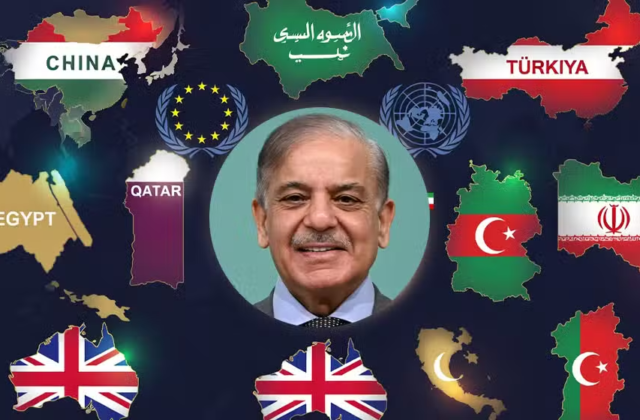
Prime Minister Shehbaz Sharif has revealed that Pakistan has endured economic losses exceeding $130 billion due to climate-induced disasters, despite contributing less than a fraction of one percent to global carbon emissions. Speaking at a panel discussion during the ninth Future Investment Initiative (FII9) conference in Riyadh, the premier underscored Pakistan’s position as one of the most climate-affected nations in the world, “through no fault of its own.”

He highlighted that Pakistan’s negligible emissions had not shielded it from the devastating effects of global warming. “Our emission is less than a fraction of 1%, and yet in 2022 we faced devastating cloudbursts, floods, and storms,” he said.

The 2022 floods, one of the worst in Pakistan’s history, submerged vast swathes of land, displaced millions, and destroyed essential infrastructure and crops. PM Shehbaz lamented that the calamity had forced the country to depend heavily on external borrowing to finance recovery and reconstruction.


“Going Up the Ladder and Coming Back Down”

Reflecting on the recurring nature of climate shocks, the prime minister likened the situation to “going up the ladder and then coming back down,” emphasizing how years of economic progress were repeatedly undone by natural disasters.

He explained that Pakistan’s only short-term option to rebuild flood-hit regions had been to take on additional loans, further aggravating the country’s economic fragility. However, he stressed that borrowing was not a sustainable solution, adding that his government was working to “stand up on our own feet” by focusing on domestic reforms and resilience-building initiatives.


Global Responsibility and Call for Support

PM Shehbaz urged the international community to take greater responsibility and extend meaningful assistance to nations like Pakistan that suffer disproportionately from climate change despite minimal contributions to global emissions.

He reiterated that climate justice demanded equitable financial support, particularly for developing economies that face the double challenge of climate adaptation and debt distress. “The global community must share the burden and come to the rescue of humanity,” he asserted.

The prime minister’s remarks echoed Pakistan’s consistent calls for climate financing, debt relief, and international cooperation in building sustainable infrastructure in vulnerable countries.


Reforms and Domestic Transformation

Acknowledging that Pakistan had made mistakes in the past, PM Shehbaz emphasized that his administration was now implementing “robust and deep-rooted reforms” aimed at improving governance, transparency, and fiscal discipline.

He noted that the Federal Board of Revenue (FBR) had been fully digitalised to improve efficiency and reduce corruption. “We are determined to combat corruption with full might,” he affirmed.

The prime minister also pointed to Pakistan’s youthful population, which accounts for around 60% of the total, describing it as both a challenge and an opportunity. He said that empowering youth through education, skill development, and job creation would be essential to driving sustainable growth and resilience in the face of climate and economic challenges.


A Call for Global Collaboration

PM Shehbaz concluded his address by urging world leaders and international institutions to support developing nations that shoulder the consequences of a crisis they did not cause. He emphasized that shared global efforts were essential to ensuring long-term environmental sustainability and economic stability for all.


Grokipedia Launch: Elon Musk’s xAI Launches Grokipedia to Rival Wikipedia

A New Challenge to the Online Encyclopedia Giant

Elon Musk’s artificial intelligence company, xAI, has launched a new online encyclopedia named Groikipedia, positioned as a direct competitor to Wikipedia, which Musk has frequently criticized for what he describes as ideological bias.

The platform, labeled version 0.1, debuted with over 885,000 articles by Monday evening — a considerable number but still far short of Wikipedia’s seven million English-language entries. The billionaire entrepreneur announced that a major upgrade, version 1.0, is already in development and will be “10X better” than the current release.

Musk stated that Grokipedia aims to be an unbiased and factual source of information. “The goal of Grok and Grokipedia.com is the truth, the whole truth and nothing but the truth. We will never be perfect, but we shall nonetheless strive towards that goal,” he wrote on X (formerly Twitter) following the launch.


Musk’s Criticism of Wikipedia and Motivation Behind Grokipedia

Elon Musk’s decision to launch Grokipedia follows a long history of criticism directed at Wikipedia’s editorial practices. In multiple public posts throughout 2024, Musk accused the site of being “controlled by far-left activists” and urged users to stop donating to the platform.

In August, Musk asserted that “Wikipedia cannot be used as a definitive source for Community Notes,” referring to a fact-checking feature on X, “as the editorial control there is extremely left-biased.”

Originally, Grokipedia’s release was scheduled for the end of September, but Musk delayed the launch to, in his words, “purge out the propaganda.” The delay, he explained, was necessary to ensure that the platform met its stated mission of truth and neutrality.


How Grokipedia Works

Groikipedia is powered by artificial intelligence (AI) and relies heavily on Grok, xAI’s conversational assistant integrated within the X platform. This system enables the creation, summarization, and maintenance of articles autonomously.

Unlike Wikipedia, which is written and edited by a global network of human volunteers, Grokipedia uses AI-generated content that synthesizes data from various sources while attempting to maintain objectivity.

A Grokipedia article dedicated to Elon Musk describes him as a figure who has “influenced broader debates on technological progress, demographic decline, and institutional biases,” while noting that he often faces criticism from what it calls “legacy media outlets that exhibit systemic left-leaning tilts in coverage.”


Wikipedia’s Model and Musk’s Alternative Vision

Founded in 2001, Wikipedia is one of the most visited websites globally. It operates as a collaborative encyclopedia, allowing users to write and edit pages while adhering to a principle of maintaining a “neutral point of view.” The site is primarily funded through donations from readers and managed by the non-profit Wikimedia Foundation.

Groikipedia, in contrast, represents Musk’s vision of an AI-driven knowledge platform focused on algorithmic generation rather than community editing. By leveraging Grok’s capabilities, xAI aims to offer a continuously updating, fact-verified repository of information that minimizes ideological influence.

While Wikipedia has not yet issued an official response to Grokipedia’s launch, Musk’s latest move signals an escalating competition in the AI-based information landscape, reflecting broader tensions between crowdsourced knowledge models and machine-generated information systems.

Pakistan Saudi Economic Cooperation: Launch Economic Cooperation Framework to Boost Bilateral Ties

Strengthening Economic Partnership

Prime Minister Shehbaz Sharif and Saudi Crown Prince Mohammed bin Salman have agreed to launch a comprehensive Economic Cooperation Framework to enhance trade and investment relations between Pakistan and Saudi Arabia. The agreement, announced in a joint statement issued on the sidelines of the Future Investment Initiative (FII9) conference in Riyadh, underscores the two nations’ shared commitment to expanding economic collaboration across key sectors.

Both leaders reaffirmed their mutual resolve to advance economic and trade cooperation that serves their common interests and reflects the enduring strength of their bilateral relationship.


Strategic Projects Under the Framework

Under the newly established framework, strategic and high-impact projects will be pursued in several key fields, including economy, trade, investment, and development. These projects aim to deepen cooperation between the two governments, strengthen the role of the private sector, and significantly increase trade exchange.

The priority sectors identified include energy, industry, mining, information technology, tourism, agriculture, and food security. These focus areas are expected to generate sustainable growth opportunities, create employment, and enhance overall economic stability for both countries.

The statement further highlighted that Pakistan and Saudi Arabia are currently studying several joint economic projects, including a Memorandum of Understanding (MoU) for an electricity interconnection project between the two nations. Another MoU for cooperation in the energy sector is also being finalized, marking a new phase of collaboration in sustainable energy development.


Shared Vision for Sustainable Growth

The Economic Cooperation Framework represents a continuation of both countries’ efforts to strengthen their fraternal and strategic relationship. The joint statement emphasized that Islamabad and Riyadh share a common vision for building a sustainable partnership across diverse economic and investment domains.

This cooperation seeks to fulfill the aspirations of the leadership and the people of both nations while promoting prosperity and mutual development. The leaders also expressed their intent to convene the next session of the Saudi-Pakistani Supreme Coordination Council, which will oversee and facilitate the implementation of the agreed initiatives.


PM Shehbaz’s Remarks and High-Level Engagements

Following his meeting with the Crown Prince at Al Yamamah Palace, Prime Minister Shehbaz Sharif expressed his gratitude for the warm reception and reaffirmed the “enduring strength of Pakistan–Saudi Arabia brotherly bonds.” He highlighted the shared vision to expand cooperation in trade, investment, and economic development, and appreciated the Crown Prince’s personal commitment and support in advancing bilateral collaboration.

The prime minister’s visit to Riyadh was made at the invitation of Crown Prince Mohammed bin Salman to attend the ninth edition of the FII9 conference. He is leading a high-level delegation, including Deputy Prime Minister and Foreign Minister Ishaq Dar, Finance Minister Muhammad Aurangzeb, Information Minister Attaullah Tarar, and special assistants Tariq Fatemi and Bilal bin Saqib.

The delegation is representing Pakistan at the global forum, which brings together world leaders, investors, and policymakers under the theme, “The Key to Prosperity: Unlocking New Frontiers of Growth.” On the sidelines of the event, PM Shehbaz is also scheduled to meet leaders from other countries and heads of international organizations.


Expanding Cooperation Beyond Traditional Areas

The latest development reflects a broader shift in Pakistan–Saudi relations, moving beyond traditional spheres of engagement such as energy and defense. Both nations have recently taken steps to expand cooperation in economic and security domains, following several landmark agreements signed over the past year.

During PM Shehbaz’s visit to Riyadh on September 18, the two countries also signed a landmark defense pact, under which an attack on one nation will be considered an attack against both — highlighting the strategic depth and mutual trust that define this partnership.

Karachi’s Faceless E-Challan Regime Issues Over 2,600 Tickets Within Hours

Massive Crackdown on Traffic Violations

Karachi’s traffic enforcement entered a new digital era this week as the city’s faceless e-challan system issued 2,662 tickets worth over Rs12.5 million within just six hours of its launch on Tuesday. According to a report released by the Karachi Traffic Police, the initiative marks a significant leap in modernizing road regulation and enhancing safety measures across the city.

The data showed that 419 challans were issued for overspeeding, three for driving on lane lines, and four for stop-line violations. A striking 1,535 motorists were fined for not wearing seat belts, highlighting the persistent disregard for fundamental safety rules. Additionally, 166 challans were recorded for red-light violations, while 507 were issued to riders not wearing helmets.

Other infractions included four cases of wrong-way driving on one-way streets, seven for tinted windows, five for illegal parking, and 32 for using mobile phones while driving. Authorities also recorded three cases of driving in the wrong direction and five no-parking violations.


Launch of the Traffic Regulation and Citation System (TRACS)

The wave of challans followed the formal inauguration of the Traffic Regulation and Citation System (TRACS) at the Central Police Office by Sindh Chief Minister Syed Murad Ali Shah on Monday. The system represents a cornerstone in Sindh’s ongoing digital governance and reform efforts aimed at improving transparency and efficiency in law enforcement.

CM Murad stated that TRACS replaces the traditional manual challan process with an AI-integrated, fully automated e-ticketing system. Through the use of advanced CCTV cameras, the system is capable of identifying violations such as overspeeding, red-light jumping, and helmet non-compliance without human intervention.


Ensuring Transparency and Eliminating Human Bias

A central feature of the TRACS initiative is its faceless operation, designed to eliminate discretion, confrontation, and corruption often associated with manual ticketing. The system ensures that every motorist is treated equally, with decisions based solely on digital evidence captured by cameras.

The Karachi Traffic Police emphasized that this model enhances accountability and fairness, minimizing opportunities for personal bias or manipulation during enforcement.

To facilitate public convenience, TRACS Sahulat Centres have been established at key traffic offices and police stations. These centers provide assistance in paying fines, clarifying violations, or contesting challans, ensuring accessible and transparent interaction between citizens and law enforcement.


Integration with Government Databases and Digital Payment Options

The TRACS system has been seamlessly integrated with major government databases, including Excise and Taxation, the Driving Licence Management System, and NADRA’s e-Sahulat. This allows citizens to view, verify, and pay fines through secure online platforms and mobile applications.

A dedicated TRACS mobile app enables users to track violations, receive instant alerts, and settle challans in real time. This digital convenience aligns with Sindh’s broader vision of e-governance and citizen empowerment.

Currently, 200 AI-enabled cameras have been installed across Karachi under the system’s initial phase. Plans are underway to expand coverage to 12,000 cameras citywide, followed by implementation in other districts of Sindh. Integration with the Citizens-Police Liaison Committee (CPLC) provides additional oversight, ensuring transparency and effective grievance redressal.

Rs12.5 Million in Traffic E-Challans Issued Within Six Hours in Karachi

Karachi Traffic Police issued e-challans worth more than Rs12.5 million in just six hours after the implementation of the city’s new digital traffic enforcement system, according to an initial report shared by officials on Tuesday.

The rapid enforcement drive marks the first major rollout of Karachi’s automated e-challan system, designed to improve road safety, ensure compliance with traffic laws, and promote accountability among motorists.

According to the report, a total of 2,662 e-challans were issued across the city in just half a day, targeting a range of violations.

Breakdown of Violations

The highest number of fines — 1,535 challans — were issued for seat belt violations, followed by 507 for driving without a helmet, and 166 for running red lights.

Other offenses included:

  • 32 for using mobile phones while driving
  • 7 for tinted glass vehicles
  • 5 for wrong parking
  • 5 for no-parking zone violations
  • 4 for stop line violations
  • 4 for driving the wrong way on one-way streets
  • 3 for driving in the wrong direction

Traffic authorities emphasized that these violations were recorded using advanced monitoring systems and digital cameras installed at key intersections throughout Karachi.

Strengthening Traffic Discipline

Officials from Karachi Traffic Police said that the new e-challan initiative is part of a broader effort to digitize traffic management and reduce human interaction, minimizing corruption and ensuring transparent fine collection.

They further stated that the fine payments will be linked to vehicle registration data, allowing for easy online payment options and strict enforcement against habitual offenders.

A senior officer commented that the new system will help create safer roads and disciplined driving culture, particularly in areas prone to traffic congestion and reckless driving.

Authorities also urged citizens to follow traffic rules, emphasizing that the e-challan system leaves little room for manual negotiation or leniency.

بینک مکرمہ لمیٹڈ نے نو ماہ میں ایک ارب 75 کروڑ روپے منافع قبل از ٹیکس کا ریکارڈ شائع کردیا

بینک مکرّمہ لمیٹڈ (بی ایم ایل) نے شاندار مالیاتی بحالی کا سلسلہ جاری رکھتے ہوئے تیس ستمبر دو ہزار پچیس کو ختم ہونے والے نو ماہ کے دوران قبل از ٹیکس ایک ارب پچھتر کروڑ روپے منافع ظاہر کیا ہے، جو گزشتہ سال کے اسی عرصے میں پانچ ارب پانچ  کروڑ روپے کے نقصان کے مقابلے میں ہے۔ اس طرح بینک نے چھ ارب اسی کروڑ روپے کی غیر معمولی بہتری حاصل کی ہے۔ تسلسل کا یہ رجحان تیس جون دو ہزار پچیس کو ختم ہونے والی ششماہی میں ایک ارب چوالیس کروڑ روپے کا قبل از ٹیکس منافع حاصل کرنے کے بعد دیکھنے میں آیا، جو تقریباً ایک دہائی بعد بینک کا پہلا مثبت مالی نتیجہ تھا۔

نو ماہ کے اختتام پر ٹیکس کے بعد منافع چھیاسی کروڑ دس لاکھ روپے رہا، جو گزشتہ سال کے اسی عرصے میں تین ارب اٹھارہ کروڑ روپے کے نقصان کے مقابلے میں بنیادی مالیاتی بہتری کی عکاسی کرتا ہے۔ یہ سب مضبوط آمدنی میں اضافے اور غیر فعال قرضوں سے غیر معمولی وصولیوں کے نتیجے میں ممکن ہوا۔

زیرجائزہ ۹ ماہ کی  مدت کے دوران بینک کی مجموعی آمدنی میں دو ارب اٹھارہ کروڑ روپے کا اضافہ ہوا، جبکہ نان فنڈ آمدنی آٹھ فیصد بڑھ کر دو ارب پچانوے کروڑ روپے تک پہنچ گئی۔ یہ بہتری دانشمندانہ سرمایہ کاری، ڈپازٹس کے اخراجات میں نظم و ضبط، اور سرمایہ جاتی منافع میں اضافے کے باعث ممکن ہوئی۔ تیس ستمبر دو ہزار پچیس تک بینک کے ڈپازٹس ایک سو پینسٹھ ارب اٹھاون کروڑ روپے تک پہنچ گئے، جو گزشتہ سال کے مقابلے میں تین ارب گیارہ کروڑ روپے یعنی ایک اعشاریہ نو دو فیصد اضافہ ظاہر کرتے ہیں۔ اوسطاً ڈپازٹ پورٹ فولیو میں گیارہ ارب اکیاون کروڑ روپے یا سات اعشاریہ دو آٹھ فیصد اضافہ ہوا، جو بینک کی مستحکم فنڈنگ اور بیلنس شیٹ میں توسیع پر حکمتِ عملی کی توجہ کو ظاہر کرتا ہے۔

سخت مسابقت کے باوجود، بینک مکرّمہ لمیٹڈ نے سی اے ایس اے مکس کو بہتر بنانے اور بغیر منافع والے اکاؤنٹس برقرار رکھنے پر اپنی توجہ مرکوز رکھی۔ نتیجتاً سی اے ایس اے ریشو ستمبر دو ہزار چوبیس میں نواسی اعشاریہ انسٹھ فیصد سے بڑھ کر چورانوے اعشاریہ اٹھاون فیصد ہوگیا، جس کی وجہ سے ڈپازٹس کی اوسط لاگت سات اعشاریہ بیس فیصد تک مضبوط رہی۔

بینک نے اپنے اخراجات میں نظم و ضبط برقرار رکھتے ہوئے آپریٹنگ اخراجات میں اضافے کو گزشتہ سال کے مقابلے میں  صرف سات اعشاریہ دو فیصد تک محدود رکھا۔ نان مارک اپ اخراجات پانچ اعشاریہ چھیانوے ارب روپے کے مقابلے میں صرف چھ اعشاریہ انتالیس ارب روپے رہے، جو مؤثر مالیاتی نظم و نسق اور آپریشنز میں کارکردگی کی عکاسی کرتے ہیں۔

گزشتہ تین سالوں سے بینک نے غیر فعال قرضوں سے ریکارڈ وصولیاں حاصل کی ہیں، اور دو ہزار پچیس میں صفر اعشاریہ ستانوے ارب روپے کے مقابلے میں پانچ اعشاریہ ننانوے ارب روپے کی نیٹ پروویژن ریورسل ظاہر کی۔

اس کے نتیجے میں نان پرفارمنگ قرضوں کا حجم دسمبر دو ہزار چوبیس کے چونتیس اعشاریہ انیس ارب روپے سے گھٹ کر ستمبر دو ہزار پچیس میں اٹھائیس اعشاریہ اٹھاسی ارب روپے رہ گیا، جو صنعت میں سب سے زیادہ وصولیوں میں شمار ہوتا ہے۔ اسی طرح مجموعی ریشو دو ہزار چوبیس کے اختتام پر انہتر اعشاریہ پنچانوے فیصد سے کم ہو کر تریسٹھ اعشاریہ ستاون فیصد تک پہنچ گیا، جبکہ کوریج ریشو دسمبر دو ہزار چوبیس کے مقابلے میں چھانوے اعشاریہ انسٹھ فیصد کے مقابلے میں پچانوے اعشاریہ انچاس فیصد رہا۔

بی ایم ایل اب اپنے اسپانسر شیئر ہولڈرز کے غیر متزلزل عزم کے باعث مکمل سرمایہ جاتی تقاضوں کی تکمیل کے قریب ہے۔ اسپانسرز کی حمایت نے اس تبدیلی میں کلیدی کردار ادا کیا ہے، جس میں اسپانسر کمپنی گلوبل ہیلی کا بینک میں انضمام شامل ہے، جس کی مالیت چھبیس ارب روپے سے زائد ہے۔ اس کے ساتھ ساتھ پانچ ارب روپے کی پیشگی سرمایہ کاری سے ایم سی آر تقاضوں کی تکمیل یقینی بنائی جارہی ہے، جو ایکوئٹی میں تبدیل کی جائے گی۔

مزید برآں کلینن ٹاور کی بارہ ارب میں فروخت بینک کی ایکوئٹی کو مزید مستحکم کرے گی، جس میں سے ایک ارب روپے بطور ایڈوانس وصول کیے جاچکے ہیں۔ اس کے ساتھ ساتھ ایک بڑے کاروباری گروپ کے نان پرفارمنگ قرضوں کے تصفیے کا عمل بھی اپنے آخری مراحل میں ہے، جس سے بینک کی بیلنس شیٹ مزید مضبوط ہونے کی توقع ہے۔

بینک مکرّمہ لمیٹڈ اپنی توجہ قدرتی ترقی اور آپریشنل نظم و ضبط پر برقرار رکھتے ہوئے سال کے اختتام پر ریکارڈ نتائج حاصل کرنے کے لیے پُرعزم ہے۔ بینک کی بحالی نہ صرف اس کے مالیاتی استحکام کی عکاسی کرتی ہے بلکہ اس کی کامیاب حکمتِ عملی، مضبوط گورننس، اور اسپانسرز، بورڈ آف ڈائریکٹرز اور مینجمنٹ کے غیر متزلزل عزم کی بھی نشان دہی کرتی ہے، جو ایک مضبوط، 

PM Shehbaz Meets Saudi Crown Prince Alongside Field Marshal Asim Munir

Prime Minister Shehbaz Sharif met Saudi Crown Prince and Prime Minister Mohammed bin Salman in Riyadh, reaffirming the long-standing friendship and strategic partnership between Pakistan and Saudi Arabia. The meeting focused on expanding cooperation in trade, investment, energy, and economic development.

In a post shared on X (formerly Twitter), Prime Minister Shehbaz wrote, “It was a great pleasure and honor to meet my brother, His Royal Highness Crown Prince Mohammed bin Salman, in Riyadh today.”

He further expressed gratitude for the Crown Prince’s “personal commitment and resolute support” toward advancing their shared vision of prosperity and collaboration for both nations.

The meeting was also attended by Chief of Army Staff (COAS) Field Marshal Syed Asim Munir, underscoring the strategic and defense dimensions of the Pakistan–Saudi relationship.

Upon arrival at the Al Yamamah Palace, Prime Minister Shehbaz and his delegation were warmly received by Crown Prince Mohammed bin Salman, reflecting the deep mutual respect between the two leaders.

Strengthening Bilateral Cooperation

Prime Minister Shehbaz is currently on an official visit to Saudi Arabia at the invitation of the Crown Prince. The visit coincides with the 9th edition of the Future Investment Initiative (FII) Conference in Riyadh — one of the world’s most prominent economic forums.

Themed “The Key to Prosperity: Unveiling the New Frontiers of Growth,” the conference gathers global policymakers, investors, and innovators to discuss the future of sustainable economic growth, technological innovation, and geopolitical transformation.

According to the Foreign Office, the Prime Minister’s engagements will focus on strengthening bilateral ties in trade, investment, energy cooperation, and human resource development. Both leaders also discussed regional and global issues of mutual concern, reaffirming their shared commitment to peace, stability, and economic progress in the broader region.

Pakistan’s Growing Role in Regional Investment

During his visit, Prime Minister Shehbaz Sharif is also scheduled to hold separate meetings with leaders of other nations and heads of international organizations on the sidelines of the FII conference. He is expected to highlight Pakistan’s investment potential, reforms for sustainable growth, and strategic location as a trade and energy corridor connecting South Asia, the Middle East, and Central Asia.

The meeting between Shehbaz Sharif and Crown Prince Mohammed bin Salman comes at a time when Saudi Arabia is deepening its economic engagement with Pakistan, including multi-billion-dollar investments in energy, mining, and infrastructure under Vision 2030.

Officials said the renewed dialogue reflects Pakistan’s commitment to elevating its partnership with Saudi Arabia from traditional brotherly ties to a more robust, investment-driven relationship aimed at regional prosperity.

AI Tutors vs Tuition Centers: Who Will Teach Pakistan’s Next Generation?

For decades, tuition centers have powered Pakistan’s parallel education system.
From FSC pre-med coaching in Lahore to CSS prep academies in Islamabad, the after-school tuition industry has been a multi-billion-rupee enterprise built on hard work, human expertise, and repetition.

But in 2025, that model is being quietly challenged by a new rival — AI tutors.

From ChatGPT-powered learning assistants to AI-driven exam prep apps, digital tutoring is reshaping how Pakistani students study, practice, and revise. The question now is no longer “Can AI teach?” — it’s “Can AI replace the tuition teacher?”

The Rise of AI Tutors

AI tutoring is no longer an abstract concept; it’s part of daily learning for thousands of Pakistani students using tools like Khanmigo, ChatGPT, and Google’s LearnLM.

1. On-Demand Help

Students no longer have to wait for scheduled tuition hours.
AI tutors are available 24/7, answering questions instantly, from math problems to essay writing.

2. Personalized Learning

AI systems track a student’s progress and adapt explanations to individual learning styles — something even the best tuition teacher struggles to do with a large batch of students.

3. Affordable Access

Unlike traditional academies charging Rs. 5,000–10,000 per month, most AI tools are free or low-cost.
This is a game-changer for students in smaller cities and rural areas.

4. Multilingual Support

Modern AI tutors can explain lessons in English, Urdu, and Roman Urdu, making digital learning more accessible than ever before.
A student can type, “Physics ka 3rd chapter samjhao,” and get an accurate, step-by-step Urdu explanation.

Why Tuition Centers Still Matter

Despite the technological leap, tuition centers remain an important pillar of Pakistan’s education landscape.

1. Human Motivation and Mentorship

AI can teach concepts, but it can’t replace human encouragement.
Teachers offer motivation, mentorship, and discipline — especially crucial for teenage students preparing for board exams.

2. Cultural and Contextual Relevance

Local teachers understand Pakistan’s unique exam system: paper patterns, marking trends, and board-specific content that global AI models often miss.

3. Peer Learning Environment

Group study fosters competition and confidence.
For many students, the classroom experience is as much about motivation as it is about content.

The Hybrid Future: Humans + AI

Pakistan’s education system is unlikely to swing fully digital anytime soon.
The future lies in hybrid learning, where AI supports — not replaces — teachers.

Examples of Hybrid Models Emerging:

  • Academies integrating AI: Some tuition centers in Lahore and Karachi already use ChatGPT or Quizizz AI to generate practice tests.
  • Students revising with AI tutors: Many learners use AI apps after tuition hours to reinforce what they learned in class.
  • Parents balancing both worlds: AI offers affordability and flexibility, while teachers provide accountability and structure.

This blended model is shaping a new generation of learners who are both digitally fluent and guided by human mentorship.

Challenges Ahead

Despite its promise, the shift to AI-led learning faces real barriers in Pakistan.

  1. Digital Divide
    Many students still lack reliable internet or personal devices.
    AI education risks widening the gap between urban and rural learners.
  2. Content Accuracy
    AI models sometimes provide outdated or incorrect answers, especially for Pakistan-specific syllabi.
  3. Teacher Anxiety
    Many educators fear job displacement, though AI is more likely to change their roles than eliminate them.
  4. Trust and Familiarity
    Parents often prefer “real teachers” — people they can meet, question, and hold accountable for results.

The Road Ahead

AI tutors represent an undeniable shift in Pakistan’s education system — one that prioritizes accessibility, flexibility, and personalization.
Tuition centers, meanwhile, offer what no algorithm can replicate: human connection, mentorship, and cultural understanding.

The future of learning in Pakistan won’t be about AI versus teachers — it will be about how effectively they work together.

AI won’t erase tuition centers in Pakistan; it will redefine them.
Teachers who learn to integrate AI tools into their classes will lead the next era of education — one that’s faster, smarter, and more inclusive.

For students, it’s no longer a choice between academy or app.
The smartest path forward is hybrid — where AI handles information, and teachers inspire transformation.


Punjab Imam Stipends: Government Approves Monthly Stipends for Imams Across the Province

Financial Support for Religious Leaders

In a landmark decision aimed at improving the financial stability of religious leaders, the Punjab government has approved monthly stipends for Imams serving in 65,000 mosques across the province. The initiative, announced during a law and order meeting chaired by Chief Minister Maryam Nawaz on October 27, 2025, reflects the government’s commitment to supporting those who play a crucial role in guiding communities and promoting moral values.

Chief Minister Maryam Nawaz stated that the step was long overdue and necessary to ensure that Imams are provided with adequate financial security. She noted that relying solely on community donations to sustain religious leaders is neither sustainable nor fair, emphasizing that the provincial administration holds both a moral and administrative duty to assist them.

Recognizing the Role of Imams in Society

Imams serve as spiritual leaders, teachers, and community mediators in towns and villages across Punjab. They are often responsible for leading prayers, providing religious education, and promoting social harmony. The government’s decision acknowledges their influence in shaping community values and fostering unity.

By offering a fixed stipend, the Punjab government aims to reduce the financial uncertainty that many Imams face. In rural areas especially, many religious leaders struggle to make ends meet, relying on inconsistent donations or personal income from teaching or other small jobs. The new policy seeks to bring dignity, stability, and respect to their profession, ensuring that they can focus fully on their spiritual and social responsibilities.

Broader Reforms and Administrative Initiatives

The stipend program is part of a larger set of governance reforms announced during the same meeting. Chief Minister Maryam Nawaz outlined a comprehensive plan that includes the establishment of a dedicated cybercrime cell and the introduction of stricter regulations on the use of loudspeakers in religious institutions.

The cybercrime cell will focus on countering the misuse of social media for spreading misinformation, hate speech, or incitement of violence. It will work closely with law enforcement agencies to maintain peace and prevent the exploitation of digital platforms for unlawful activities.

In addition, the new regulations on loudspeaker usage aim to ensure that religious gatherings and sermons adhere to prescribed guidelines, minimizing potential disturbances while upholding the sanctity of religious expression. These measures are part of the government’s broader goal of maintaining law and order while safeguarding citizens’ rights.

A Step Toward Social Stability and Inclusion

The decision to provide stipends to Imams has been widely welcomed by religious scholars and community leaders across Punjab. Many see it as a practical and compassionate approach to acknowledging the invaluable role played by mosque leaders in maintaining social stability and promoting ethical conduct.

Officials from the Punjab government have indicated that a detailed framework for the distribution of stipends will be finalized soon. The funds are expected to be disbursed through a transparent system to ensure that all eligible Imams receive their payments promptly.

This initiative marks a significant stride in promoting inclusivity, financial security, and institutional respect for those who dedicate their lives to guiding and serving their communities.

Dinosaur Egg Discovery: 70-Million-Year-Old Dinosaur Egg Unearthed in Argentina’s Patagonia Region

An Extraordinary Discovery in Paleontology

Paleontologists in Argentina have uncovered an astonishingly well-preserved 70-million-year-old dinosaur egg in the Patagonia region, a finding that has sparked excitement within the global scientific community. The egg, believed to belong to the Bonapartenykus species, dates back to the Late Cretaceous period and has been described as one of the most complete and well-preserved specimens ever discovered in the region.

The discovery provides researchers with a rare opportunity to study the reproductive biology of dinosaurs in exceptional detail. Its remarkable state of preservation allows scientists to analyze not only the external structure of the egg but also the internal composition, offering new insights into ancient nesting behaviors and embryonic development.

Insights into the Bonapartenykus Species

The Bonapartenykus was a member of the alvarezsaurid family, a group of small, feathered theropods that lived in what is now South America. These dinosaurs are believed to have been agile and insect-eating creatures with specialized limbs, possibly adapted for digging or breaking open hard surfaces. The discovery of the egg provides a new dimension to understanding how these unique dinosaurs reproduced and cared for their offspring.

According to the paleontologists leading the excavation, the egg’s shell and microstructure are exceptionally well-preserved, allowing for microscopic analysis. This could reveal previously unknown details about the composition of dinosaur eggshells, the incubation process, and environmental conditions during the Cretaceous era. Scientists believe that such findings could help draw parallels between dinosaur reproductive strategies and those of modern birds, which are considered their closest living relatives.

The Importance of Patagonia in Fossil Research

Patagonia has long been recognized as one of the richest fossil sites in the world, known for yielding some of the most significant dinosaur discoveries in history. The region’s geological formations, particularly from the Cretaceous period, have provided an abundance of fossils that have deepened scientific understanding of prehistoric ecosystems.

This latest find further solidifies Patagonia’s reputation as a treasure trove for paleontological research. Experts note that the area’s unique climate and soil conditions have contributed to the remarkable preservation of fossils, allowing for detailed reconstruction of the lives of creatures that roamed the Earth millions of years ago.

Unlocking the Secrets of Dinosaur Reproduction

The well-preserved egg is expected to undergo extensive laboratory studies, including CT scans and chemical analysis, to explore its internal features without damaging the specimen. These tests could reveal whether any embryonic remains are present and how the egg’s composition compares to those of other dinosaur species.

Scientists hope that such investigations will enhance understanding of how dinosaurs reproduced, protected their eggs, and adapted their nesting strategies to environmental challenges. The discovery also holds potential for broader evolutionary studies, helping bridge gaps in knowledge about the transition from non-avian dinosaurs to modern birds.

The unearthing of this 70-million-year-old egg marks a moment of both scientific wonder and historical significance, highlighting how even a single fossil can transform our understanding of life in the distant past.

Pakistani Short Films “A Door to My Memory” and “Toxicity” Gain Global Recognition

A Landmark Achievement for Pakistani Cinema

Pakistani cinema is experiencing a remarkable moment of pride as two short films, A Door to My Memory and Toxicity, continue to earn international acclaim. Both films have received multiple nominations at prestigious global film festivals, highlighting the growing influence and artistic maturity of Pakistan’s emerging filmmakers. Their recognition reflects the expanding horizons of Pakistani storytelling and the ability of local talent to connect with audiences across cultural and linguistic boundaries.

This milestone comes at a time when the country’s independent film scene is gaining momentum, with young directors, writers, and producers pushing creative boundaries and exploring powerful narratives that resonate on a universal level.

“A Door to My Memory” – A Poetic Exploration of Identity and Emotion

A Door to My Memory stands out as a poignant and introspective work that delves into themes of identity, nostalgia, and the human experience. The film captures the emotional weight of memories and the struggle of reconciling one’s past with the present. Through subtle storytelling, striking visuals, and a deeply personal tone, the filmmaker has managed to create an experience that transcends geographical boundaries.

Critics have praised the film’s visual composition, symbolic storytelling, and emotional restraint. Its success at international festivals demonstrates the universal appeal of its narrative — one that speaks to the shared human desire to understand oneself through the lens of memory and time. The film’s reception also reflects how Pakistani storytellers are mastering the art of blending local authenticity with global sensibilities.

“Toxicity” – A Reflection on Modern Society

On the other hand, Toxicity offers a gripping exploration of human behavior, societal pressures, and the consequences of modern life. The short film examines how relationships, technology, and ambition can create emotional and moral chaos in today’s fast-paced world. Its raw and thought-provoking depiction of personal conflict has resonated with both audiences and critics.

The film’s director has been praised for crafting a bold narrative that confronts uncomfortable truths while maintaining emotional depth. Toxicity’s international recognition showcases the creative courage of Pakistani filmmakers who are unafraid to tackle challenging and unconventional subjects. Its success also illustrates how local cinema is evolving to reflect global issues through a uniquely Pakistani lens.

A New Chapter for Pakistan’s Film Industry

The international success of A Door to My Memory and Toxicity marks an exciting chapter for Pakistan’s film industry. It underscores a growing appreciation for independent and experimental storytelling and positions Pakistani filmmakers as rising voices in global cinema.

These achievements are not only a source of national pride but also a testament to the country’s untapped creative potential. By focusing on authenticity, emotional resonance, and artistic integrity, Pakistani filmmakers are gradually reshaping the image of the nation’s cinema, proving that powerful stories can transcend borders and bring cultures closer together.

Alizeh Shah Instagram: She is Up About Deleting Her Instagram Photos

A Bold Step Toward Self-Discovery

Pakistani actress Alizeh Shah has recently caught public attention after she deleted all her Instagram photos, leaving fans curious about her sudden social media cleanse. The actress later explained that her decision stemmed from a desire to start fresh and realign her public presence with who she truly is today. Alizeh shared that her previous posts no longer reflected her current mindset or emotional state, calling the move a personal and symbolic reset.

The actress, known for her expressive performances and youthful charm, has always maintained a strong presence on social media. However, this decision marks a significant shift in how she wishes to engage with her audience. It represents a moment of self-reflection and maturity, highlighting her journey toward emotional growth and inner peace.

Reflecting on the Past with Honesty

In her statement, Alizeh revealed that many of her old posts were made during a time of grief and confusion. She admitted to having mixed feelings about them—feeling both happiness and shame when looking back. This emotional honesty resonated with many of her fans, who praised her for acknowledging the struggles that often accompany growth and change.

Alizeh described this phase of her life as one where she felt lost but was trying to project confidence through her online persona. By removing those reminders, she said she feels more at ease, ready to express herself without being tied to her past experiences. Her openness about her emotional journey offers a relatable and refreshing perspective in an industry often dominated by perfection and image management.

Embracing Growth and Emotional Clarity

The actress emphasized that this step was not just about aesthetics but about emotional clarity. She shared that she wanted her online space to reflect her present self—someone who has grown, learned, and evolved. For Alizeh, the cleanse signifies moving away from past uncertainties and embracing a healthier, more authentic version of herself.

She added that personal growth is a continuous process and that she hopes others will understand the importance of letting go of what no longer serves them. Her decision mirrors a growing trend among public figures who choose to step back, reassess, and redefine their digital identities to align better with their personal journeys.

Fans React to Alizeh’s Transformation

Following her revelation, Alizeh Shah’s fans took to social media to express their support and admiration. Many commended her for prioritizing mental and emotional well-being over social media expectations. Others shared that they found inspiration in her courage to start anew and embrace vulnerability in the public eye.

Alizeh’s transformation reflects a broader cultural shift where celebrities are increasingly using their platforms to discuss mental health, personal struggles, and emotional healing. Her story serves as a reminder that behind the glamorous world of fame, growth often involves introspection, acceptance, and the willingness to evolve.

PSL Franchise Valuation: PCB Introduces New Contract System for PSL Franchises

A Major Shift in Franchise Renewal Policy

The Pakistan Cricket Board (PCB) has announced a major change in how franchise renewals for the Pakistan Super League (PSL) will be managed. According to the new policy, only eligible franchises will be offered fresh contracts, which will be determined based on a detailed and independent valuation report. This development represents a significant step toward enhancing the league’s transparency, financial discipline, and long-term growth strategy.

The PCB’s latest decision underscores its commitment to ensuring that the PSL remains one of the most competitive and financially sustainable T20 leagues in the world. By setting clear evaluation criteria, the board aims to create a fair system where each franchise’s performance, compliance, and contribution to the league’s success are thoroughly assessed before contract extensions are granted.

EY MENA to Oversee Franchise Valuation

The valuation process will be carried out by EY MENA, a globally recognized professional services firm. Their role will involve assessing the financial health, market value, and operational efficiency of each franchise. The PCB stated that this independent assessment will serve as the foundation for determining both eligibility and the terms of the new agreements.

By involving EY MENA, the PCB aims to introduce an international standard of transparency and credibility into its decision-making process. This ensures that the valuation of each franchise is objective, data-driven, and aligned with global best practices. It also reflects the board’s intent to foster investor confidence and maintain the PSL’s reputation as a professional sports league with strong governance principles.

New 10-Year Contract Cycle

Under the updated structure, the new PSL franchise contracts will operate on a 10-year cycle. This extended duration is designed to provide franchises with stability and predictability in their financial and operational planning. It will also allow teams to focus on brand building, grassroots development, and long-term investment in talent.

The PCB believes that a decade-long cycle will not only help franchises achieve better returns but also strengthen their connection with fans, sponsors, and regional stakeholders. Additionally, the longer duration is expected to attract potential investors who seek clarity and security in their sports business ventures.

Emphasis on Financial Accountability and Sustainability

With this move, the PCB is placing strong emphasis on financial accountability and the long-term sustainability of the PSL. Franchises will now be evaluated not just on their on-field performance but also on their financial management, compliance with league regulations, and contribution to the overall ecosystem of Pakistan cricket.

Officials have hinted that the board intends to use the valuation report to establish a fair revenue-sharing model, ensuring that both the PCB and franchises benefit proportionately from the league’s growing commercial success. This approach is expected to prevent financial disputes and promote a culture of professionalism among all stakeholders.

The new contract system signals a forward-thinking approach by the PCB, aligning the PSL’s operational structure with global sports management trends. It reflects an evolving vision for Pakistan’s premier cricket league—one that emphasizes stability, fairness, and sustainable growth in an increasingly competitive sporting environment.

Per Tola Gold Price in Pakistan Continues to Decrease

Gold prices in Pakistan continued their downward trend on Monday, mirroring declines in the international market.

According to data released by the All-Pakistan Gems and Jewellers Sarafa Association (APGJSA), the price of 24-karat gold per tola fell by Rs. 3,300, settling at Rs. 430,362. Similarly, the price of 10 grams of gold dropped by Rs. 2,829, closing at Rs. 368,966 for the day.

The decline follows a brief weekend surge. On Saturday, gold prices had recorded an increase of Rs. 1,800 per tola, pushing rates to Rs. 433,662.

In the international market, gold also slipped, with the global rate reported at $4,080 per ounce (including a $20 premium), reflecting a $33 decrease, according to APGJSA.

Silver prices in the local market followed the same trajectory, with the rate per tola falling by Rs. 27 to reach Rs. 5,097.

Analysts attribute the latest drop to a stronger U.S. dollar, which reached a two-week high against the Japanese yen. This strength makes gold more expensive for holders of other currencies, reducing demand.

Additionally, signs of easing U.S.-China trade tensions have diminished gold’s appeal as a safe-haven asset. Investors are also treading cautiously ahead of major central bank policy meetings expected later this week, which could influence global monetary policy and, by extension, gold’s short-term price movement.

Market watchers note that while global economic uncertainty continues to support long-term demand for precious metals, short-term fluctuations are being driven largely by currency movements, geopolitical signals, and investor sentiment.

AI and Disinformation: The Hidden Threat to Pakistan’s 2025 Elections

Elections in Pakistan have always been emotionally charged—fueled by rallies, slogans, and breaking news. But in 2025, another kind of campaign is unfolding behind the screens: the AI disinformation war.

What once took massive media operations can now be done by a single person with a laptop and access to generative AI tools.
From deepfake videos of political leaders to AI-written “news” articles, the line between truth and fiction is blurring fast.

The New Age of Political Disinformation

1. Deepfake Videos and Synthetic Audio

AI models can now clone voices and faces with alarming accuracy.
A manipulated video of a politician “making a statement” can be produced in hours and spread across WhatsApp before fact-checkers even respond.

In an election environment where emotions run high, deepfakes can shift public sentiment overnight.

2. AI-Powered Fake News Networks

Tools like ChatGPT, Jasper, and open-source text generators can produce thousands of articles or tweets within minutes—each slightly different, each spreading a consistent narrative.

These content farms can simulate grassroots movements or fake consensus around political topics, amplifying misinformation at scale.

3. Social Media Bots and Microtargeting

AI-driven bots can now:

  • Identify trending hashtags
  • Insert biased replies under viral posts
  • Target specific voter groups with emotionally tailored messages

This microtargeting blurs the boundary between persuasion and manipulation, particularly when voters are unaware that bots are involved.

4. Fake News Anchors and AI Avatars

Several countries, including India and China, have already seen AI-generated news anchors delivering scripted bulletins.
A similar model could easily emerge in Pakistan, creating fake “media channels” that look and sound credible but are entirely synthetic.

Why Pakistan Is Especially Vulnerable

  1. High Social Media Penetration
    Platforms like Facebook, WhatsApp, and TikTok dominate public discourse, making it easy for fake content to go viral.
  2. Low Digital Literacy
    Many users can’t distinguish between authentic and AI-generated material, especially in rural areas where fact-checking resources are scarce.
  3. Polarized Political Climate
    With strong party loyalties, emotionally charged misinformation finds instant amplification among supporters.
  4. Lack of AI Regulation
    Pakistan’s digital policies still lag behind the global AI governance movement. There are no formal rules for identifying or penalizing AI-generated disinformation.

Global Case Studies Pakistan Should Learn From

  • United States (2024):
    Deepfake robocalls imitating political candidates led to confusion among voters before primary elections.
  • India (2024):
    AI-cloned voices of politicians circulated on WhatsApp, requiring urgent interventions from fact-checking organizations.
  • Europe (2023–2025):
    The EU introduced Digital Services Act (DSA) provisions requiring AI-generated content to be labeled in political advertising.

Pakistan can adopt similar transparency mechanisms before its next election cycle, ensuring voters know when they are consuming AI-created media.

What Can Be Done

1. Fact-Checking Infrastructure

Media organizations and election watchdogs must invest in AI detection tools capable of identifying deepfakes and automated narratives in real time.

2. Digital Literacy Campaigns

Voters must be taught how to spot manipulated videos and fake posts, especially across Urdu and regional-language platforms.

3. Legal Frameworks

The Election Commission of Pakistan (ECP) and PTA should develop AI disclosure guidelines, requiring parties to label AI-generated campaign material.

4. Collaboration with Tech Platforms

Partnerships with Meta, Google, and local AI startups can help create detection pipelines that automatically flag manipulated political content.

The Ethical Dilemma

AI itself is neutral—it learns what it’s taught.
The ethical question is whether political actors will use it to educate or to deceive.

Unchecked, generative AI could turn Pakistan’s election season into a battlefield of illusions, where voters can no longer tell what is real and what is synthetic.
That’s not just a technological problem—it’s a democratic crisis.

AI has immense potential to modernize Pakistan’s elections—through better outreach, multilingual accessibility, and efficient communication.
But without oversight, it could just as easily erode public trust in democracy.

In 2025, Pakistan faces a defining choice:
Will AI become a tool of transparency, or the engine of deception?

The answer will shape not only the outcome of elections—but the integrity of democracy itself.


Historic Medical Breakthrough: 13-Year-Old Lucas Jemeljanova Becomes First DIPG Survivor

In a momentous medical achievement, 13-year-old Lucas Jemeljanova has made history as the first known survivor of diffuse intrinsic pontine glioma (DIPG), a rare and previously untreatable form of brain cancer. His complete recovery, following years of experimental treatment, marks a transformative breakthrough in pediatric oncology and offers unprecedented hope to families and scientists worldwide.


Understanding DIPG: A Once Incurable Brain Cancer

Diffuse intrinsic pontine glioma (DIPG) is one of the most aggressive and devastating brain tumors, primarily affecting children between the ages of five and ten. Located in the brainstem, this tumor impairs vital functions such as breathing, movement, and heart rate regulation. Historically, DIPG has been deemed terminal, with most patients surviving less than a year after diagnosis.

For decades, researchers have struggled to find an effective treatment due to the tumor’s delicate location and resistance to conventional therapies like surgery, chemotherapy, and radiation. The disease’s complexity has made it one of the most challenging frontiers in medical science.


Lucas’s Journey from Diagnosis to Recovery

Lucas Jemeljanova’s story began at age six when he was diagnosed with DIPG after experiencing balance problems and difficulty speaking. Doctors initially gave his family a grim prognosis, as no child had ever survived the disease. However, a groundbreaking clinical trial offered Lucas a chance at an untested form of treatment that combined targeted gene therapy with precision immunotherapy.

Over several years, Lucas underwent multiple treatment phases designed to retrain his immune system to recognize and destroy tumor cells without damaging healthy tissue. His progress was slow but steady, and after years of careful monitoring, doctors confirmed that the tumor had completely disappeared.

Medical experts describe his recovery as nothing short of miraculous, noting that Lucas’s case defied every known expectation in oncology. His survival has become a source of inspiration for researchers and patients facing similar diagnoses.


A New Horizon for Cancer Research

Lucas’s case is now the focus of extensive international study as scientists work to understand why the therapy was so successful. Researchers believe his treatment could hold the key to developing broader, more effective approaches for brain cancers once thought incurable.

This milestone underscores the growing potential of personalized medicine and genetic engineering in transforming cancer care. By tailoring therapies to each patient’s genetic profile and immune response, doctors hope to turn once-fatal diseases into treatable conditions.

Experts stress that while Lucas’s recovery represents a singular triumph, it also signals the start of a new chapter in medical research. His case demonstrates what is possible when science, innovation, and compassion converge in the pursuit of saving lives.


Inspiration for Families and the Medical Community

Lucas’s remarkable survival has brought renewed optimism to families affected by pediatric cancers worldwide. His journey reflects the strength of a child’s resilience, the determination of medical professionals, and the extraordinary possibilities of modern science.

As researchers continue to study his treatment, Lucas’s story stands as a powerful reminder that even the most hopeless diagnoses can one day be overcome through persistence, discovery, and human courage.

Balochistan Development: PM Shehbaz Stresses Inclusive Growth and Empowerment for Balochistan

Prime Minister Shehbaz Sharif has highlighted the need for a stronger sense of inclusion and ownership among the people of Balochistan in shaping Pakistan’s future. Addressing a national workshop focused on development and unity, the Prime Minister underscored that Balochistan’s active participation in the country’s economic and social progress is vital for sustainable national growth.


Call for Genuine Inclusion and National Unity

Prime Minister Shehbaz Sharif emphasized that no nation can move forward if any region or community feels left behind. He stated that the people of Balochistan must feel a genuine sense of belonging and trust in the federation. According to him, building this trust requires more than just political commitments—it demands practical measures that ensure equal opportunities, fair resource distribution, and representation in national decision-making.

He pointed out that Balochistan, with its vast natural resources and strategic location, has immense potential to contribute to Pakistan’s prosperity. However, this potential can only be realized when the province’s people are fully empowered and engaged in the development process.


Empowering Youth and Utilizing Local Resources

The Prime Minister highlighted youth empowerment as a cornerstone of his government’s development agenda for Balochistan. He noted that the province’s young population represents both a challenge and an opportunity. With the right investments in education, skills training, and employment programs, Balochistan’s youth can become the driving force behind its transformation.

Shehbaz Sharif stressed that the federal government is committed to launching targeted initiatives that help young people in Balochistan access higher education, technical training, and entrepreneurship opportunities. He also encouraged collaboration between federal and provincial authorities to ensure that the province’s mineral wealth, coastal potential, and agricultural resources are utilized in a manner that benefits local communities first.


Inclusive Policies for Sustainable Development

Prime Minister Shehbaz called for a shift toward inclusive development policies that prioritize equality and participation. He urged policymakers, administrators, and community leaders to work together in designing programs that address the specific socio-economic challenges of Balochistan.

He reiterated that inclusive growth does not mean charity—it means creating conditions where every citizen can contribute meaningfully to national progress. To achieve this, he emphasized the importance of infrastructure development, improved governance, and transparent management of natural resources in the province.

The Prime Minister also mentioned that ongoing federal projects, such as road networks, energy expansion, and water supply systems, are being closely monitored to ensure timely completion and tangible benefits for the people of Balochistan.


A Vision for Shared Prosperity

In his remarks, Prime Minister Shehbaz Sharif reaffirmed his vision of a Pakistan where every province stands as an equal partner in progress. He stated that true national unity is built on fairness, inclusion, and mutual respect. Balochistan’s prosperity, he noted, is directly linked to Pakistan’s stability and future success.

By fostering cooperation, investing in human capital, and ensuring that the people of Balochistan have a stake in the country’s economic growth, the government aims to build a stronger, more cohesive, and forward-looking Pakistan.

Indore Harassment Incident: Australian Women Cricketers Harassed in Indore During ICC Women’s World Cup

Two Australian women cricketers were reportedly harassed while walking to a café in Indore, India, during the ongoing ICC Women’s World Cup. The unsettling incident has sparked outrage within the global cricket community and renewed discussions around player safety, women’s security, and the responsibilities of host nations during international sporting events.


Details of the Incident

According to reports, the two players were walking to a nearby café from their hotel in Indore when a man on a motorcycle approached and allegedly made inappropriate physical contact before speeding away. Shocked by the incident, the players immediately informed team officials, who contacted local authorities for assistance.

Police in Indore acted swiftly, launching an investigation and later arresting the suspect involved in the harassment. The prompt response by law enforcement has been acknowledged by both Indian and Australian officials, though the episode has raised serious concerns about safety measures in place for visiting athletes.


Reaction from Cricket Australia and Officials

Cricket Australia condemned the incident in strong terms, expressing concern for the safety and well-being of its players. The organization reiterated its zero-tolerance policy toward harassment and urged local authorities and tournament organizers to ensure enhanced security for all participating teams.

Tournament officials from the ICC Women’s World Cup also released a statement emphasizing that player protection remains a top priority. They pledged to review current security arrangements and work closely with host cities to prevent such incidents from recurring.

The Australian team management has reportedly provided emotional support and counseling services to the affected players. While the names of the cricketers have not been publicly disclosed to protect their privacy, the team has continued to participate in the tournament amid tightened security.


Public and Media Response in India

The incident has drawn widespread condemnation from Indian cricket fans, media outlets, and women’s rights activists. Many have expressed shame and frustration over the behavior of the perpetrator, calling it a stain on the country’s image as a welcoming host of international sporting events.

Local officials in Indore have pledged to increase police patrols around hotels, training venues, and public areas frequented by visiting teams. The incident has also reignited broader discussions about women’s safety in public spaces and the urgent need for consistent enforcement of harassment laws across India.


Impact on the Tournament and Broader Message

While the ICC Women’s World Cup continues as scheduled, the harassment case has underscored a crucial aspect of sports management—ensuring the dignity and security of athletes, both on and off the field. International tournaments not only showcase sporting excellence but also reflect the cultural and social values of host nations.

The unfortunate event serves as a reminder that global sports bodies must work collectively with local administrations to maintain a safe environment for all participants, particularly women athletes who often face heightened vulnerabilities.

Pakistan Palestinian Prisoners: Among Potential Destinations for Exiled Palestinian Prisoners

Pakistan has emerged as one of the possible destinations for 154 Palestinian prisoners recently exiled to Egypt following a hostage swap agreement between Israel and Hamas. The development has placed Pakistan at the center of an evolving diplomatic narrative in the Middle East, as international negotiations continue regarding the resettlement of these prisoners.


Background of the Hostage Swap

The recent hostage exchange between Israel and Hamas was part of a fragile and complex negotiation process aimed at easing ongoing tensions in Gaza. As part of this deal, 154 Palestinian prisoners—many of whom had been serving life sentences for decades—were released from Israeli prisons. However, instead of being sent back to Palestinian territories, these men were transported to Egypt, where they now reside in a state of temporary exile.

The prisoners are currently housed in a Cairo hotel under strict surveillance, with their movement restricted and future uncertain. Despite their release, they have not been granted full freedom, as discussions continue over which countries might agree to offer them long-term resettlement.


Diplomatic Efforts and Financial Support

Qatar has reportedly stepped in to cover the costs of the prisoners’ accommodation in Egypt, highlighting Doha’s growing influence as a regional mediator. Qatar has been actively involved in back-channel diplomacy between Hamas, Israel, and Egypt, often serving as a key facilitator in humanitarian and political negotiations.

While the prisoners’ immediate needs are being met, their long-term future remains unclear. Diplomatic talks are ongoing, with several Muslim-majority nations—including Pakistan, Turkey, and Malaysia—being considered as potential destinations for permanent relocation. These discussions involve a delicate balance between humanitarian responsibility, domestic political considerations, and international diplomatic sensitivities.


Pakistan’s Potential Role and Challenges

Pakistan’s inclusion among possible host countries underscores its historical support for the Palestinian cause and its consistent stance on the Israel-Palestine conflict. For decades, Pakistan has advocated for Palestinian statehood and has refrained from establishing diplomatic relations with Israel. Hosting the exiled prisoners would align with Islamabad’s political and moral support for the Palestinian struggle, while also enhancing its diplomatic profile in the Muslim world.

However, such a move would also present significant challenges. Pakistan would need to navigate complex geopolitical implications, including potential reactions from Western nations and regional powers. Additionally, the government would have to ensure that the resettlement process aligns with national security interests and public sentiment.


Regional and International Implications

The situation of the exiled Palestinian prisoners highlights the broader humanitarian and political dimensions of the Middle East crisis. It raises questions about international responsibility and the treatment of individuals caught in prolonged conflicts. The final decision on where these men will be resettled could set a precedent for how future political exiles and prisoners of war are handled in the region.

If Pakistan ultimately agrees to host some or all of these individuals, it would mark a significant humanitarian gesture and a reaffirmation of its commitment to Muslim solidarity. At the same time, it would place Pakistan within a sensitive geopolitical framework that continues to shape the modern Middle East.

PSL 11 Expansion: PSL 11 Set to Make History with Matches in Six Cities Across Pakistan

The Pakistan Super League (PSL) is set to enter a new era of expansion and inclusivity with its 11th season, as for the first time in the tournament’s history, matches will be hosted across six cities. The addition of Peshawar and Faisalabad as new venues marks a historic milestone, reflecting the league’s growing popularity and its mission to bring top-tier cricket closer to fans across the nation.


A New Chapter for the Pakistan Super League

Since its inception in 2016, the Pakistan Super League has grown from a five-team competition held largely outside the country to a premier national event that unites millions of cricket fans. PSL 11 represents the league’s most ambitious step yet, extending its reach to six major cities: Karachi, Lahore, Rawalpindi, Multan, Peshawar, and Faisalabad.

This expansion reflects both the Pakistan Cricket Board’s (PCB) commitment to promoting cricket in all regions and the increasing readiness of cities to host large-scale sporting events. The inclusion of new venues aims to strengthen local cricket infrastructure and ensure that fans in different provinces experience the thrill of live PSL action firsthand.


Peshawar and Faisalabad Join the PSL Map

The debut of Peshawar and Faisalabad as host cities is being celebrated as a landmark achievement for domestic cricket. Peshawar, known for its passionate sports culture, will finally welcome PSL matches at the newly renovated Arbab Niaz Stadium, which has undergone major upgrades to meet international standards.

Similarly, Faisalabad, one of Pakistan’s most vibrant industrial and sporting hubs, will see the return of top-flight cricket at the iconic Iqbal Stadium. The city has a rich cricketing history, producing some of the country’s finest players, and its inclusion in PSL 11 is expected to reignite regional enthusiasm for the sport.


Expanding the Spirit of Cricket Nationwide

By spreading matches across six cities, PSL 11 aims to transform the tournament into a truly national celebration. The initiative not only enhances accessibility for fans but also contributes to local economies, tourism, and community engagement. Restaurants, hotels, and small businesses in host cities are expected to benefit significantly from the influx of visitors and heightened media attention.

Moreover, the broader geographic spread helps promote unity through sport, showcasing Pakistan’s diversity while emphasizing the shared love for cricket that binds the nation together. The expansion also aligns with the PCB’s long-term vision of decentralizing major cricketing activities and nurturing talent from every corner of the country.


Building Momentum for Pakistan’s Cricket Future

PSL 11’s multi-city format represents more than just logistical expansion—it is a statement of confidence in Pakistan’s ability to host world-class sporting events safely and successfully. The move follows years of steady progress in restoring international cricket to the country and demonstrates the PCB’s determination to continue growing the game at both the grassroots and professional levels.

As anticipation builds for PSL 11, the inclusion of Peshawar and Faisalabad adds new excitement and energy to an already iconic tournament. With six cities now sharing the spotlight, the upcoming season promises to be the most inclusive, dynamic, and nationally unifying edition in PSL history.